Graham's Port


Founded in 1820 and awarded a Pearl 3 Star Prestige rating in 2025, Graham's Port in Vila Nova de Gaia is among the Douro Valley's most historically grounded producers. As early pioneers of vineyard ownership, Graham's shaped the quality standards that define premium Port today. The lodge on the southern bank of the Douro remains a reference point for aged tawny and vintage Port across the category.
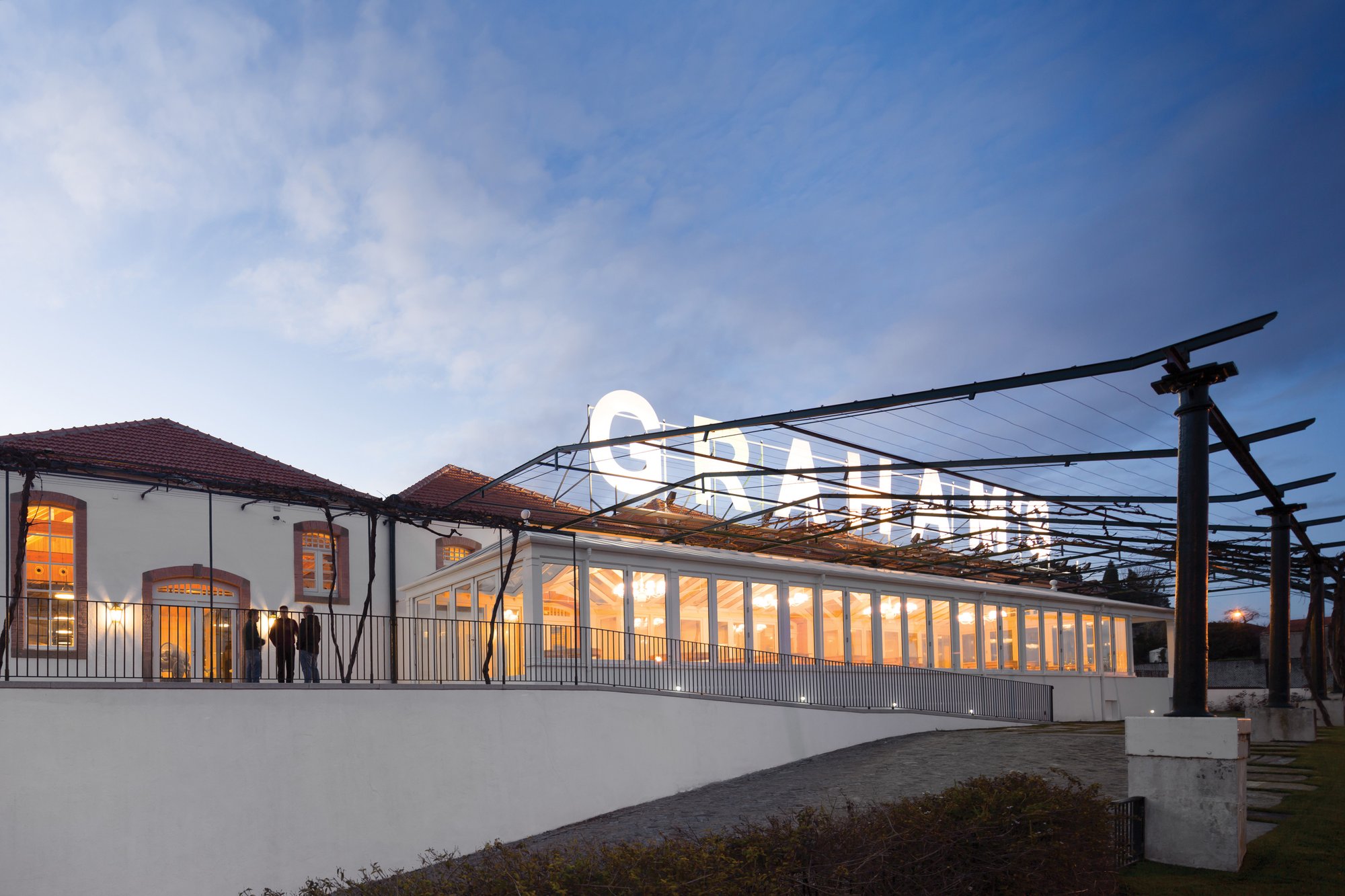
Where the River Shapes What's in the Barrel
Cross the Dom Luís I bridge from Porto into Vila Nova de Gaia and the hillside opposite reveals itself as a catalogue of Port history. Lodge rooftops carry the names that have defined the category for two centuries, and Graham's, at Rua do Agro 141, sits among the most historically weighted of them. Founded in 1820, the house has had more than two hundred years to develop a position in this trade, and the weight of that timeline is legible in everything from the scale of its cellars to the depth of its aged stocks. This is a place where the decisions made in October — which pipes to set aside, which blends to assemble, which vintages to declare — define what appears in a glass decades later.
The Logic of the Cellar: Aging as the Core Argument
The cellar programme is where Graham's makes its clearest editorial statement about Port. The house was among the first producers to own its own vineyards in the Douro rather than buying exclusively from growers, a structural decision that gave it earlier and more precise control over fruit quality before the wine reached Gaia. That upstream integration matters because aging Port is unforgiving: if the raw material is compromised, no amount of time in barrel will correct it. Vine ownership converted the cellar from a corrective operation into a curatorial one.
The aging conditions on the Gaia side of the river are distinct from those in the Douro Valley itself. Vila Nova de Gaia's lodges sit closer to the Atlantic, where the humidity moderates what would otherwise be faster, more volatile maturation. The older tawnies that require decade-long barrel aging benefit from this environment , the slow oxidative development that produces the characteristic nutty, dried-fruit character of a 20- or 30-year tawny depends on precise temperature and humidity ranges, and the traditional lodges in Gaia, with their thick stone walls and north-facing cellars, have provided those conditions for generations of winemakers across the district.
Graham's 2025 Pearl 3 Star Prestige award places it in the upper tier of EP Club's recognition framework for the category. Among the Gaia producers in that recognition tier, Graham's vintage record and the age of its tawny stocks distinguish it from houses that entered the premium segment more recently. Peers in the district such as Cockburn's Port, Niepoort, and Sandeman each represent distinct house styles and legacy programmes, but the vineyard-ownership model that Graham's helped establish as an industry norm is now a credential rather than an exception.
Vintage Declaration and the Blending Floor
Port's vintage declaration system is one of the more demanding quality filters in European wine. A house does not automatically declare every year , the decision to release a vintage Port requires agreement among shippers and reflects a collective assessment of the harvest. Graham's declaration record across the twentieth and twenty-first centuries positions it among the houses whose vintage releases are tracked closely by collectors and auction houses. That record represents not just marketing continuity but the compounded effect of decisions made at the blending stage, where winemakers choose which lots from which quintas to include, and which to retain for aged tawny or LBV programmes.
The blending decisions made in the years immediately following a harvest determine which wines become collectible and which remain within the lodge's aging pipeline. Houses with deep stock hold an advantage here: when a tawny is labelled as 20 Years Old, it reflects an average age across many individual barrels, and the quality of those older barrels pulls the blend toward complexity. Graham's long history of vineyard ownership means its oldest stock in the cellar was grown on estate fruit, a consistency that is harder to achieve when sourcing from multiple growers across different years.
The Lodge Visit and What to Expect
The lodge at Rua do Agro 141 functions as both a working production and aging facility and a visitor destination, which is standard for the major Gaia houses. Vila Nova de Gaia's lodge district draws visitors year-round, though the shoulder seasons , spring and late autumn , tend to offer less congestion on the Gaia waterfront and more measured access to the cellars. The summer peak brings pressure across the district, and booking ahead is advisable for any tasting format that includes aged or library stocks rather than entry-level visits.
For those building a fuller picture of the Gaia lodge district, the surrounding houses offer complementary perspectives. Churchill's and Real Companhia Velha each carry distinct positions within the category, and a comparative tasting across two or three lodges in a single day remains one of the more instructive ways to understand how house style diverges within a tightly regulated appellation. Our full Vila Nova de Gaia wineries guide maps the full range of options across the district.
The lodge visit integrates naturally into a broader stay in the Porto-Gaia corridor. For dining context, the Vila Nova de Gaia restaurants guide covers the waterfront and upper-town options, while the hotels guide covers the accommodation range on both sides of the river. The bars guide is useful for understanding where Port-by-the-glass culture has developed beyond the lodge setting, and the experiences guide covers the broader cultural programming in the district.
Portugal in Wider Context
Graham's occupies a specific position within the broader Portuguese wine conversation. The Douro Valley's transition from bulk production to fine wine across the late twentieth century tracked partly alongside changes in vineyard ownership models that houses like Graham's helped accelerate. Elsewhere in Portugal, the same quality logic is visible at producers such as Herdade do Esporão in Reguengos de Monsaraz and Bacalhôa Vinhos in Azeitão, where estate control and long-term aging commitments similarly define the house argument. For a point of contrast outside Portugal, Blandy's Wine Lodge in Funchal offers the closest structural parallel: a historic island wine house where oxidative aging under Atlantic influence defines the category. Further afield, the solera traditions at Abadía Retuerta in Sardón de Duero and the cask maturation programmes at Aberlour in Aberlour speak to how barrel aging shapes identity across entirely different categories, reinforcing a pattern that Graham's has long demonstrated in Port.
Planning Your Visit
The lodge address is Rua do Agro 141, 4400-003 Vila Nova de Gaia. Visiting hours, tasting formats, and booking procedures should be confirmed directly through the official Graham's website, as programmes and availability change seasonally. The hillside location above the Gaia waterfront is walkable from the cable car terminus but involves a moderate uphill approach; visitors arriving by taxi or rideshare can be dropped directly at the lodge entrance. The spring and autumn windows offer the most manageable visitor volumes across the district, and for tasting appointments that include older aged tawnies or library vintages, advance booking through the lodge is the appropriate route.
Frequently Asked Questions
What is the signature bottle at Graham's Port?
Graham's is associated most closely with its aged tawny range and its vintage declarations, both of which draw on the house's long history of estate vineyard ownership in the Douro. The 20 Years Old Tawny is among the most referenced expressions in the aged tawny category, drawing on blended barrels that average two decades of oxidative maturation in Gaia. The vintage declarations, when made, track consistently among the Port trade's most closely followed releases. The 2025 Pearl 3 Star Prestige recognition from EP Club reflects the depth of the overall programme rather than any single expression.
What defines Graham's Port relative to other Gaia houses?
The defining structural fact about Graham's is its position as a pioneer of vineyard ownership within the Port trade. By owning its own quintas rather than buying exclusively from growers, Graham's secured upstream quality control that compounds over decades in the cellar. Founded in 1820 and now operating with more than two centuries of accumulated stock, the house sits in a peer group defined by age of establishment, depth of aged inventory, and consistency of vintage declaration , a set that includes, but is not limited to, the major British-founded Port houses that dominate the upper end of the Gaia lodge district.
What is the leading way to book a visit to Graham's Port?
Given that phone and booking platform details are not confirmed in our current data, the most reliable route is to check directly via the official Graham's website for current tasting formats, pricing, and availability. Visits during the spring and autumn shoulder seasons tend to offer more flexible access to the cellar and tasting programmes. If you are prioritising access to aged or library stock tastings rather than a standard lodge tour, confirming the specific format before arrival is advisable, as premium options often require advance arrangement.
How does Graham's approach to vineyard ownership affect what ends up in the bottle?
Owning its own vineyards in the Douro allowed Graham's to influence fruit quality at source rather than accepting what the open market provided in any given year. This matters most in the context of aging: Port that will spend twenty or thirty years in barrel demands raw material consistency that is difficult to guarantee through spot purchasing. The estate-ownership model, which Graham's helped pioneer and which has since become an industry benchmark, means the house can make aging and blending decisions based on known fruit profiles across multiple vintages, a structural advantage that becomes more legible the older the wine in the glass.
Category Peers
A quick peer check to anchor this venue’s price and recognition.
| Venue | Classification | Awards | First Vintage | Notes |
|---|---|---|---|---|
| Graham's Port | World's 50 Best | This venue | ||
| Churchill's | 1 awards | |||
| Cockburn's Port | 1 awards | |||
| Niepoort | 1 awards | |||
| Real Companhia Velha | 1 awards | |||
| Sandeman | 1 awards |
Access the Cellar?
Our members enjoy exclusive access to private tastings and priority allocations from the world's most sought-after producers.
Access the Concierge