
Falstaff Winery - 2 Stars
Mano a Mano Bodegas is a rural Castilla-La Mancha estate shaped around old-vine red varieties, poor sandy soils, and a continental climate that gives the wines their point of view. The draw is not spectacle but scale, land, and a guided tasting format tied to the Valdepeñas wine-route culture around Alhambra.

Pearl is the En Primeur Club membership app — saves, bookings, and concierge access live there. Same editors, same standards.
- Address
- Alhambra, La Mancha, Castilla-La Mancha, Spanien
- Directions
- Get directions

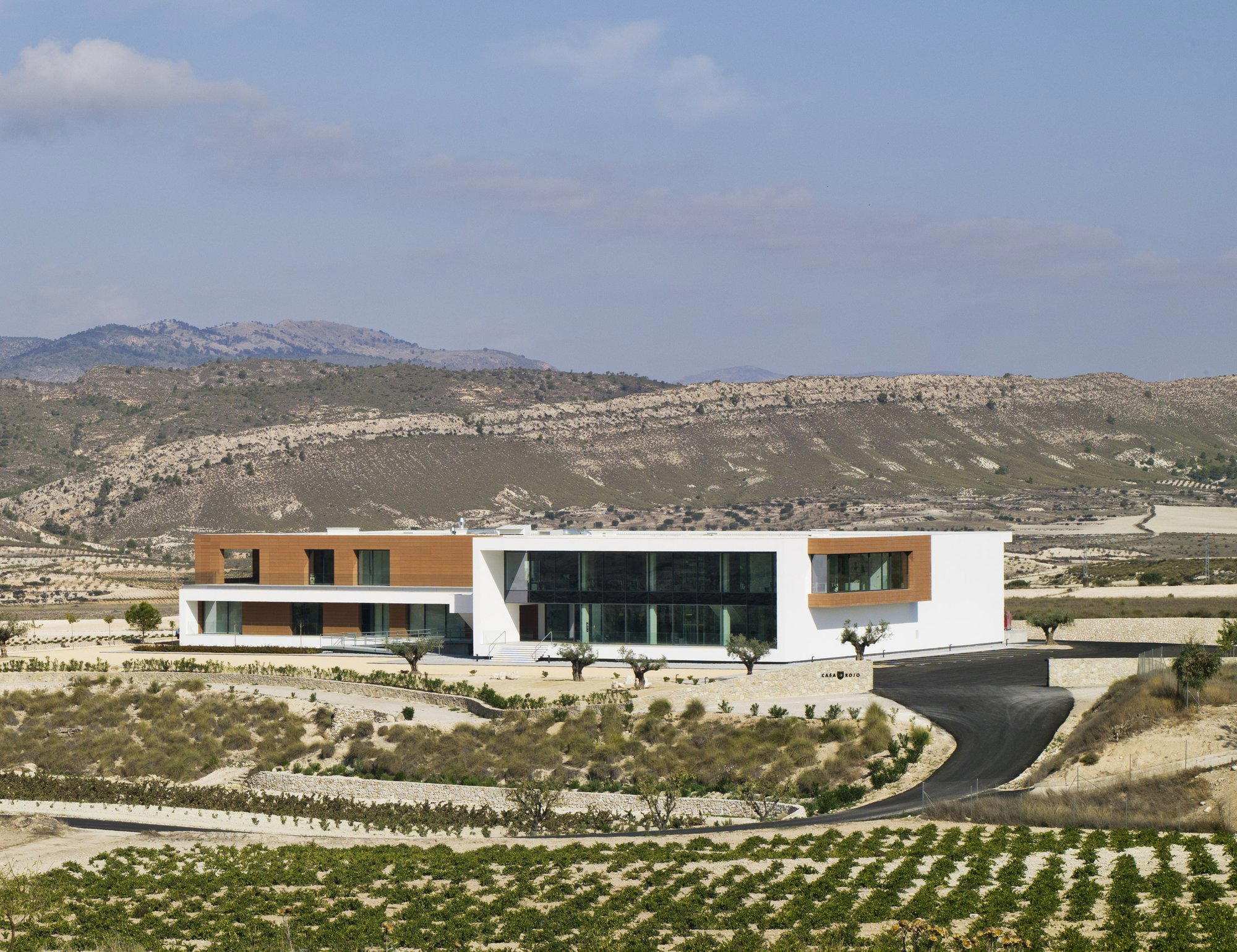
Approaching wine country around Alhambra means thinking first about landscape. Mano a Mano Bodegas is as a rural estate winery Castilla-La Mancha, surrounded by extensive old vineyards and shaped by the region’s dry, inland character. The useful way to read it is not through invented service details or unconfirmed accolades, but through the essentials: an estate setting, old vineyards, poor sandy soils, an extreme continental climate, and a modern production facility built to support expressive, terroir-driven wines.
That is enough to make the winery relevant for travellers researching Alhambra and Castilla-La Mancha, even without relying on unsupported claims about tastings, tours, specific grape varieties, bottle counts, named personnel, or awards. The picture is narrower but clearer: Mano a Mano Bodegas belongs to the rural winery context of inland Spain, where the land itself is central to the story.
Old vineyards as a La Mancha argument
Central Spain’s wine reputation is often associated with scale, open agricultural land, and a climate that can be demanding for vines. Mano a Mano Bodegas sits within that broader regional frame. Its setting among extensive old vineyards is important because vine age and site conditions are part of how a winery can communicate identity in a region better known to many visitors by geography than by individual estates.
The specific site conditions point toward a clear Castilla-La Mancha profile. The soils are described as poor and sandy, and the climate as extreme continental. Those details matter because they shape how a winery presents its relationship with place: dryness, exposure, and inland temperature swings are not decorative background, but part of the conditions under which the estate works.
What should not be added is equally important. The strongest grounded claim is simpler: this is a rural Castilla-La Mancha estate winery surrounded by old vineyards, using a purpose-built modern production facility to emphasize expressive, terroir-driven wines from its local conditions.
A rural estate winery, not an urban tasting-room profile
Mano a Mano Bodegas should be understood as an estate winery rather than as an urban bar, restaurant, or casual city tasting counter. The description places it Castilla-La Mancha, surrounded by vineyards, with a production facility designed for modern winemaking. That makes the setting a key part of the experience for anyone researching the venue, even where specific visitor services are not confirmed.
The price level is listed as $$, which gives a broad planning signal but should not be treated as a menu, tasting fee, or bottle-price guarantee. It is best read as a general price indicator only. Travellers comparing options in Alhambra can use that signal alongside the more substantive points: rural estate setting, old vineyards, poor sandy soils, extreme continental climate, and a terroir-focused production philosophy.
Where it fits in a Spain-focused wine itinerary
For a Spain-focused wine itinerary, Mano a Mano Bodegas is most useful as an Alhambra reference point for Castilla-La Mancha’s inland winery landscape. It offers a grounded contrast to more urban dining or drinking stops because its identity is tied to agriculture, vineyard surroundings, and production rather than to a restaurant format or nightlife setting.
It is the combination of place and purpose: a rural estate in Castilla-La Mancha, extensive old vineyards, poor sandy soils, an extreme continental climate, and a modern facility oriented toward expressive, terroir-driven wines. That is a concise but meaningful profile for travellers who want to understand why inland Spanish wine regions deserve attention beyond the most famous names.
Readers should keep expectations precise. The confirmed information supports interest in the estate’s setting and winemaking context, but it does not confirm the practical mechanics of a visit. Before travelling, verify current access, hours, booking requirements, and any tasting or purchase options directly. As an editorial matter, Mano a Mano Bodegas is best presented as a grounded Alhambra winery entry: rural, vineyard-led, and tied to the conditions of Castilla-La Mancha rather than to hospitality claims.
Recognition history
Dated appearances from independent guides and award organizations, with the underlying list record or original source where available.
Falstaff Winery - 2 Stars
Falstaff
Continue exploring
More in Alhambra
Wineries in Alhambra
Browse all →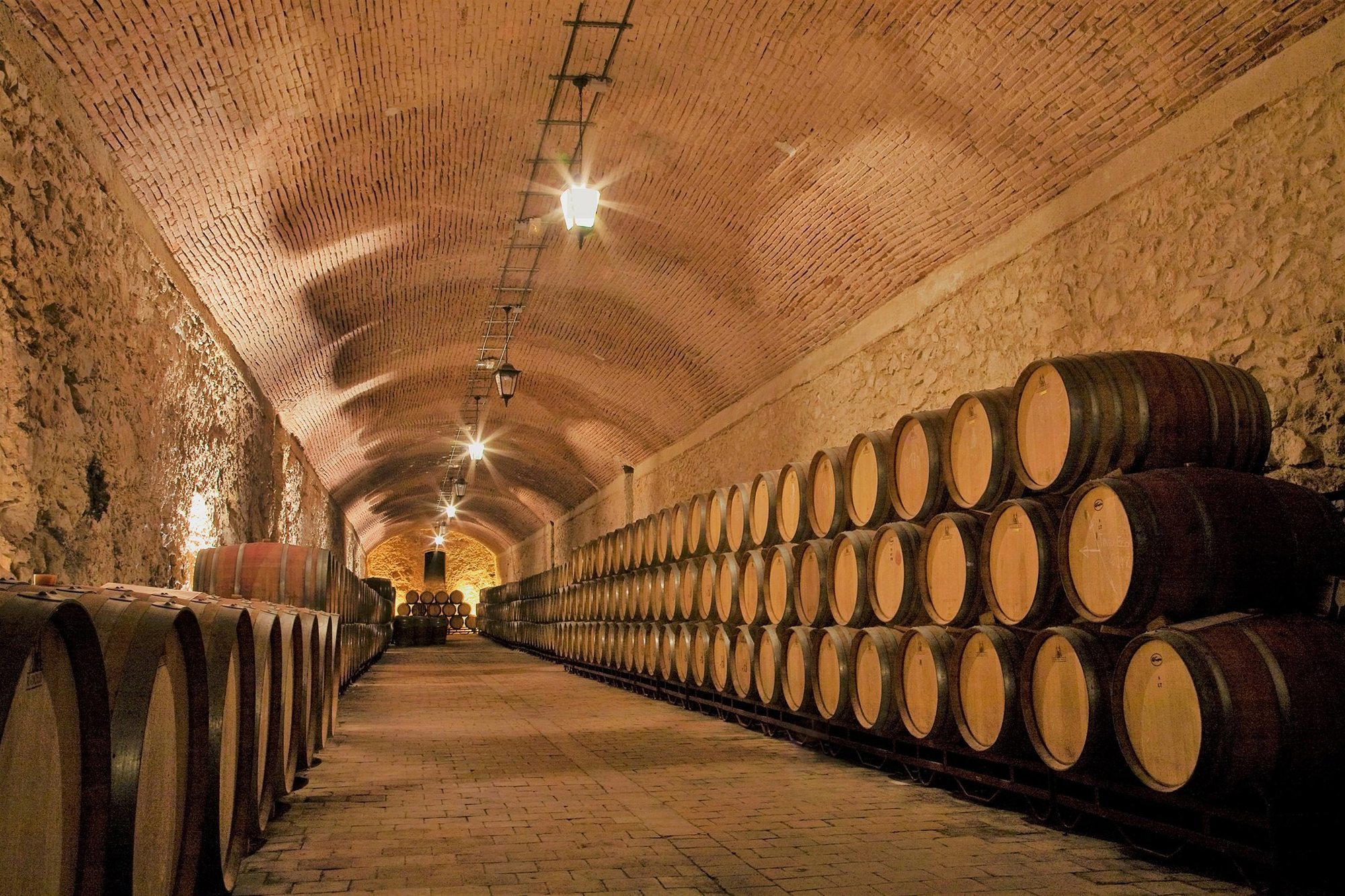


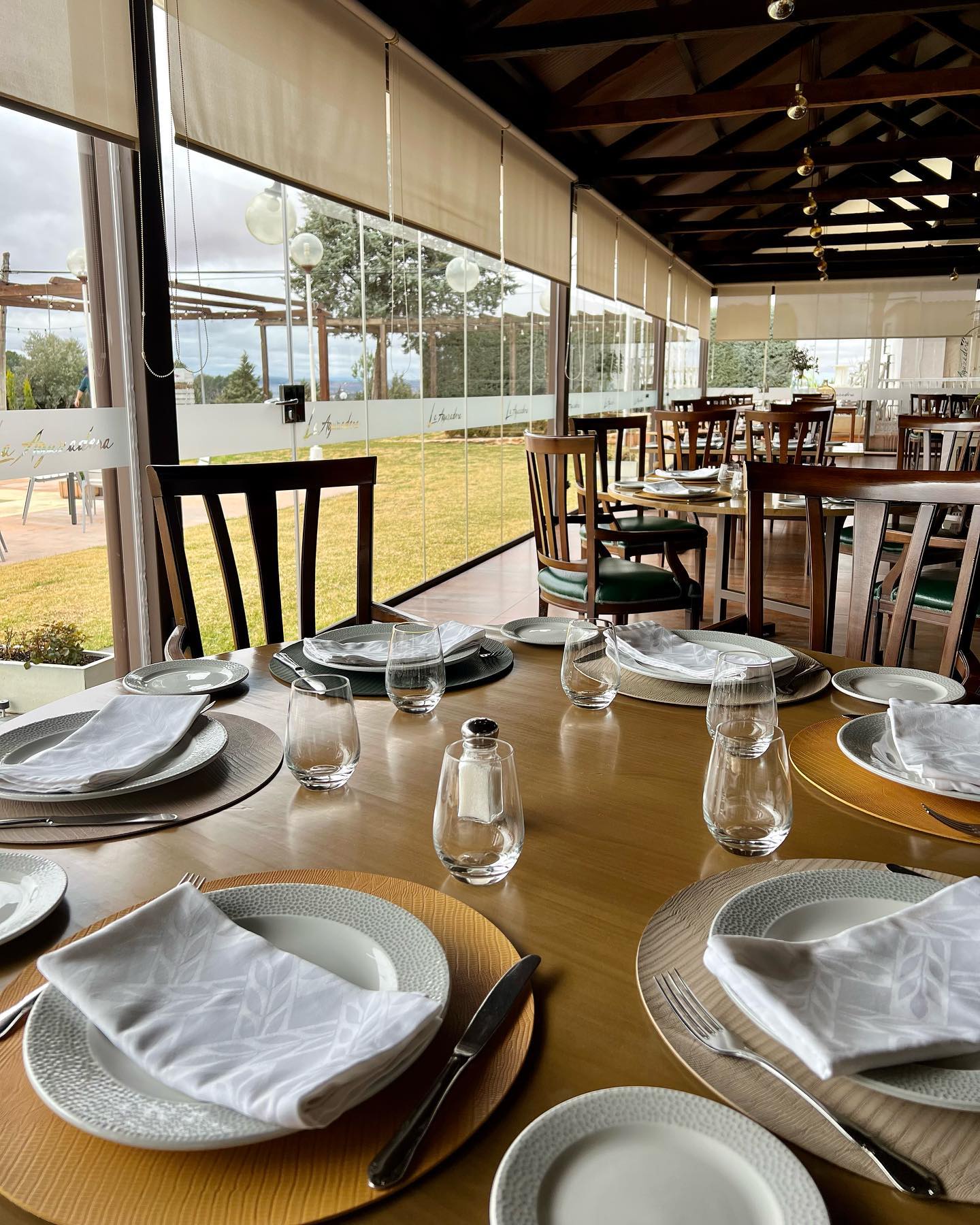
Restaurants in Alhambra
Browse all →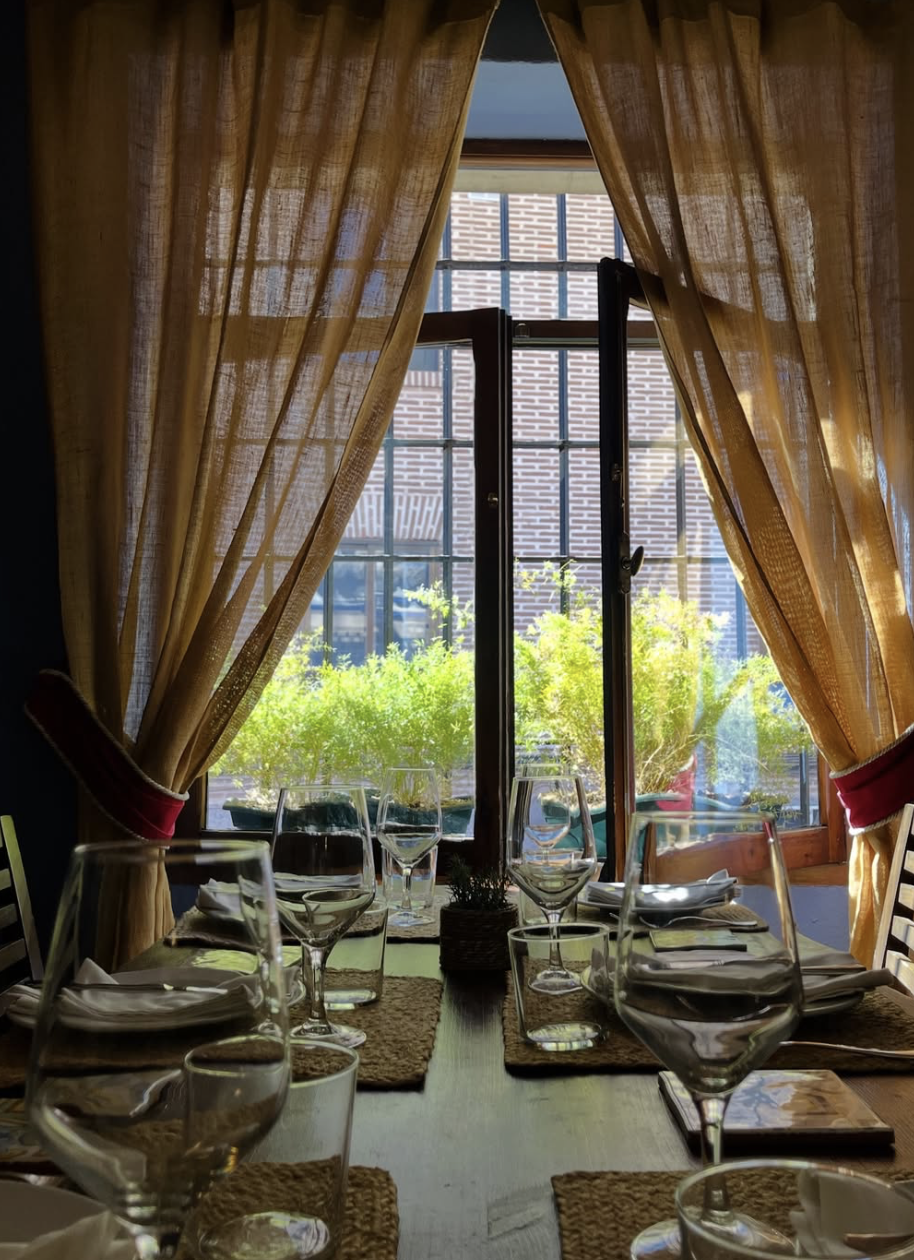


Hotels in Alhambra
Browse all →
Details
- Rustic
- Scenic
- Classic
- Intimate
- Group Outing
- Wine Education
- Romantic Getaway
- Special Occasion
- Solo Exploration
- Estate Grounds
- Vineyard Tour
- Private Tasting
- Sustainable
- Vineyard
- Tempranillo
- Syrah
- Cabernet Sauvignon
- Graciano
- Touriga Nacional
- Still Red
- Guided Tasting
- Private Tasting
- Vineyard Tour
- Spanish
- English
Rural estate winery in the heart of Castilla-La Mancha, surrounded by extensive old vineyards, with a purpose-built modern production facility that emphasizes expressive, terroir-driven wines from poor, sandy soils and extreme continental climate.