Set in Linden, the estate represents a strand of Belgian viticulture that earns its position through terroir expression rather than volume. For visitors planning a serious wine stop in the region, it warrants advance planning.
Pearl is the En Primeur Club membership app — saves, bookings, and concierge access live there. Same editors, same standards.
- Address
- Linden, Belgium
- Website
- lindenvineyards.com
 Saves & bookings on Pearl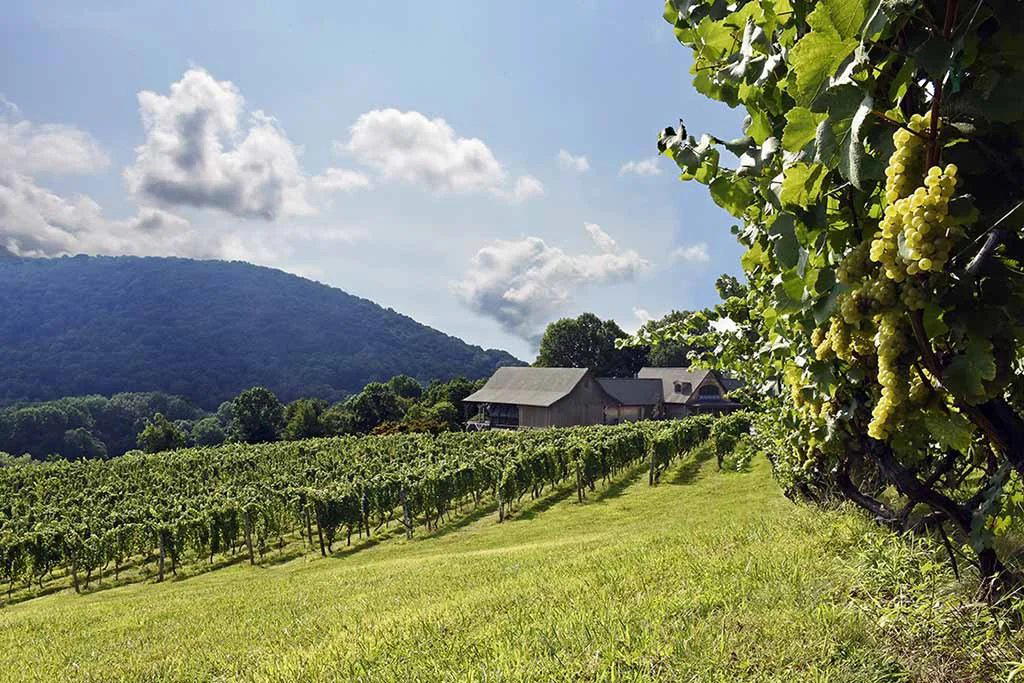
Belgian Viticulture and the Ground Beneath Linden
Linden Vineyards is a winery in Virginia. Belgium's wine identity has been reshaping itself over the past two decades. Once dismissed as a curiosity on the northern edge of European viticulture, the country's producers have increasingly drawn attention from critics and collectors who track cool-climate expression with the same seriousness they bring to Alsace or the Mosel. The argument for Belgian wine is, at its core, a geological and meteorological one: marginal conditions force a precision in ripening that warmer regions can afford to ignore. Linden Vineyards. The award places it in a tier that rewards wines where the land speaks clearly in the glass, not wines engineered toward a commercial median.
The region's producers work without the infrastructure of celebrated wine tourism corridors; there are no grand routes flanked by château facades and organised tasting pavilions. What exists instead is a more unmediated relationship between vineyard and visitor, one that demands a degree of initiative from anyone making the trip. That quality of deliberate discovery defines the experience at this level of Belgian wine country. For context on the broader range of serious producers working at this scale, estates like Adelsheim Vineyard in Newberg or Adelaida Vineyards in Paso Robles illustrate how terrain-led producers elsewhere use geographical specificity as their primary identity signal.
What a Prestige Recognition Signals in Practice
Within the Belgian wine evaluation system, it marks a producer whose output has reached a standard of consistency and terroir fidelity that separates it from the broader regional field. At this tier, the question shifts from whether a producer is competent to whether the wines are worth prioritising over peers. The answer, implied by the award, is yes. Comparable prestige-tier producers in other regions, consider how Albert Boxler in Niedermorschwihr holds its position in Alsatian white wine, or how Aldo Conterno in Monforte d'Alba anchors Piedmontese Barolo, demonstrate what sustained recognition at this level can mean for a producer's long-term trajectory.
Belgium's cool continental climate, modulated in places by river valleys and loam-heavy soils, creates conditions that suit varieties oriented toward acidity and aromatic precision. The terroir argument for Belgian wine rests on that acidity: in vintages where ripening completes cleanly, the wines carry a tension that makes them structurally interesting alongside food in a way that fuller southern European expressions often cannot. Producers working at the prestige level are, in effect, making that argument bottle by bottle. A 2025 recognition at Linden Vineyards suggests the estate has been making that argument successfully enough to clear the evaluation threshold.
Reading the Terroir at This Latitude
Cool-climate viticulture operates on narrower margins than the dominant wine education canon tends to acknowledge. In Belgium, the north-facing and south-facing slope distinction that might be a footnote in Burgundy becomes a primary production variable. Drainage, wind exposure, and the thermal mass of surrounding topography each influence ripening in ways that are visible, in a good vintage, in the aromatic profile and palate weight of the finished wine. Producers who understand this don't fight the climate; they select varieties and canopy management approaches that let marginal conditions do expressive work rather than disruptive work.
At the prestige tier, that translation from field to bottle is precisely what is being evaluated. Estates like Alban Vineyards in Arroyo Grande have built reputations on reading a specific site's thermal and geological signals over decades; the parallel for Belgian producers is reading the shorter, cooler growing window with equivalent discipline. Where Accendo Cellars in St. Helena works within the high-end Napa identity of structured Cabernet, a Belgian prestige-tier estate operates within a fundamentally different set of parameters, ones where vintage variation is wider and the reward for precision is proportionally greater. The 2025 award to Linden Vineyards reads, in that context, as a signal that the estate has internalised the demands of its latitude rather than worked against them.
The Experience at Linden Vineyards
This is not a scene built around theatrical tasting rooms or hospitality formats borrowed from Napa or the Rhône. The format is closer to what you find at smaller Alsatian or Loire producers: an appointment, a conversation, and glasses poured in a working environment. That register suits the wines. When a producer's identity is built on expressing a specific patch of Belgian ground, the setting tends to reinforce the point more effectively when it stays connected to the vineyard rather than dressing itself in hospitality conventions imported from elsewhere. For visitors accustomed to the scale of All Saints Estate in Rutherglen or the organised tour structure at Achaia Clauss in Patras, the Linden experience will read as deliberately quieter. That quietness is a feature, not a gap.
Visitors making the trip as part of a broader Belgian wine itinerary should treat Linden as an anchor stop built around the estate's award standing, and plan the surrounding logistics accordingly.
Where Linden Vineyards Sits in the comparable set
Within Belgian viticulture, the prestige tier is not crowded. The country produces wine across a set of sub-regions that remain largely below the international radar, which means that producers earning formal recognition stand in sharper relief against their regional peers than they might in a saturated appellation. Internationally, particularly useful comparisons are not the large-scale commercial estates but the craft-scale, terroir-committed producers who have carved out serious reputations from marginal or overlooked regions: estates like Andrew Murray Vineyards in Los Olivos working Rhône varieties in California, or Alexander Valley Vineyards in Geyserville sustaining a long-term family identity in a competitive California appellation. The connecting thread is producers who let a specific place define what they make, rather than making what the market expects and retrofitting a place narrative afterward.
For wine travellers building a European itinerary around that kind of producer, the winery deserves a place on the list alongside better-known small estates in France or Germany. The 2025 recognition is recent enough to be current and serious enough to anchor a detour. Comparable award-level producers worth cross-referencing include Alpha Omega Winery in Rutherford, Angove Family Winemakers in Renmark, and Aberlour in Aberlour for reference points across different production traditions. The Amrut distillery in Bengaluru offers a useful parallel in a different category: a producer from an unexpected geography earning serious international recognition by leaning into what its specific conditions make possible rather than imitating an established template.
Planning Your Visit
Linden sits in a part of Belgium that rewards the visitor who arrives with a day built around the area rather than a single stop. The practical approach is to contact the estate directly before finalising dates. Spring and early autumn are the periods when vineyard visits carry the context, pre-harvest in late August and September offers a direct reading of the vintage in progress, while post-harvest visits in October and November allow for a more considered tasting environment.
Continue exploring
More in Linden
Restaurants in Linden
Browse all →
At a Glance
- Scenic
- Quiet
- Intimate
- Sophisticated
- Solo Exploration
- Special Occasion
- Wine Education
- Private Tasting
- Vineyard Tour
- Sustainable
- Mountain
- Vineyard
- Chardonnay
- Sauvignon Blanc
- Bordeaux Blend
- Still White
- Still Red
- Guided Tasting
Scenic Blue Ridge Mountains winery with a terroir-focused, serious tasting room atmosphere centered on vineyard comparison and age-worthy wines.