Lena & Sebastian by Weingut Baum

Lena & Sebastian by Weingut Baum is a small-production winery hospitality address in Ingelheim am Rhein, shaped around Rheinhessen varietals, a quiet tasting format, and a contemporary family-run identity. The draw is not grand-cellar theatre; it is a focused look at Riesling, Spätburgunder, Chardonnay, Pinot-family whites, Kerner, sparkling wine, and pet-nat through a design-conscious, reservation-led setting.
Pearl is the En Primeur Club membership app — saves, bookings, and concierge access live there. Same editors, same standards.
- Address
- Ingelheim am Rhein, Rhine Hesse, Rhineland-Palatinate, Deutschland
 Saves & bookings on Pearl
Ingelheim am Rhein winery visits tend to reward patience rather than spectacle: low rooms, vineyard views, a slower pace, and wines that make more sense when the visitor has time to place them against Rheinhessen’s open, varied growing conditions. Lena & Sebastian by Weingut Baum fits that smaller register. The room is described as modern, cozy, and quiet, with a design-forward identity shaped by Lena’s hand-painted mandalas and Sebastian Baum’s wine style. That combination matters because contemporary German wine tourism is increasingly split between production-led tastings and lifestyle-led cellar doors; this address sits between the two, using visual identity to frame a small-production wine program rather than replacing the wine with décor.
Rheinhessen varieties in a compact, design-led tasting frame
The useful way to read this winery is through range rather than scale. The listed varietals cover Riesling, Spätburgunder, Chardonnay, Grauburgunder, Weißburgunder, and Kerner, which places the program inside a familiar Rheinhessen grammar: aromatic whites, Pinot-family breadth, and red-wine structure from Spätburgunder. The wine focus also extends to still white, still red, sparkling wine, and pet-nat, so the tasting proposition is broader than a single-variety cellar-door exercise.
That breadth is especially relevant in Ingelheim am Rhein, where wine travel is not built only around trophy bottles. Visitors often come to understand how German family wineries translate region, vintage, and house style into approachable formats. Here, the production scale is small, the sourcing language includes sustainable practice, and the hospitality is geared toward private tasting as well as walk-in tasting. Those details point to a winery experience designed for conversation and comparison across categories, not a high-volume tasting bar built for quick turnover.
The Bingen appellation reference gives the wines a local frame without turning the visit into a technical vineyard seminar. In practical tasting terms, the stronger editorial interest is the spread: Riesling for acidity and regional identity, Spätburgunder for the red-wine side of the area, Chardonnay and the Pinot-family whites for texture, and Kerner as the less expected marker in the lineup. Sparkling and pet-nat add a contemporary note, aligning the winery with a wider German shift toward bottle-fermented, low-intervention-adjacent, and less formal sparkling formats.
Why the room matters as much as the flight
The atmosphere is part of the positioning. A quiet setting, vineyard view, and small-capacity tier change the way the wines are read. Larger tasting rooms often flatten nuance because the visitor is managing noise, pace, and service handoffs. A smaller, reservation-led environment gives more space to the producer’s decisions: which varieties are grouped together, how sparkling wine sits beside still wine, and how a family-run brand presents itself without leaning on grand historical claims.
Visual language also signals a generational handover. The stated standout feature is the transition of Weingut Baum into the Lena & Sebastian brand, combining modern winemaking with individualized bottle art and a creative family-business story. In a region with many traditional estates, that is a meaningful distinction. It does not make the winery a design object first; rather, it shows how younger German wine brands often use label art, tasting-room tone, and informal hospitality to make regional wine feel legible to visitors who may not arrive with deep knowledge of Rheinhessen.
Food pairing is not part of the listed format, which keeps the emphasis on the wines themselves. That suits the venue’s wine-education and private-tasting tags. The better expectation is a focused tasting encounter rather than a restaurant-style afternoon. It also makes the address more relevant for solo exploration, small groups, and special-occasion tastings where the interest is in production choices, bottle style, and the personality of a compact family winery.
Planning the wider Ingelheim wine day
For readers building a broader itinerary, the city is better approached by category than by a single stop. Start with the full regional index, Our full Ingelheim Am Rhein wineries guide, then use dining, hotels, bars, and local activities to round out the day through Our full Ingelheim Am Rhein restaurants guide, Our full Ingelheim Am Rhein hotels guide, Our full Ingelheim Am Rhein bars guide, and Our full Ingelheim Am Rhein experiences guide.
Within the wider wine reading list, particularly useful cross-checks are other producer pages rather than generic travel roundups: AdamsWein, Lena macht Sekt, Saalwächter Weingut, Sekthaus Tryo, and Weingut Arndt F. Werner. For a broader German-speaking wine map, continue with & Handwein in Mannheim, 2 Naturkinder in Kitzingen, 3 Winner in Bechtheim, »der Steiner« Hans Steiner in Podersdorf am See, and ®walzer in Gneixendorf Bei Krems.
The editorial case for Lena & Sebastian by Weingut Baum is concise: small scale, sustainable language, a 2021-era brand identity, a private-tasting orientation, and a varietal spread that gives visitors more than a single-note Riesling stop. In a region where the pleasure is often cumulative, that makes it a useful address for understanding how a new-generation family winery presents Rheinhessen through both bottle and room.
Recognition history
Dated appearances from independent guides and award organizations, with the underlying list record or original source where available.
Falstaff Winery - Listed
Falstaff
Continue exploring
More in Ingelheim Am Rhein
Wineries in Ingelheim Am Rhein
Browse all →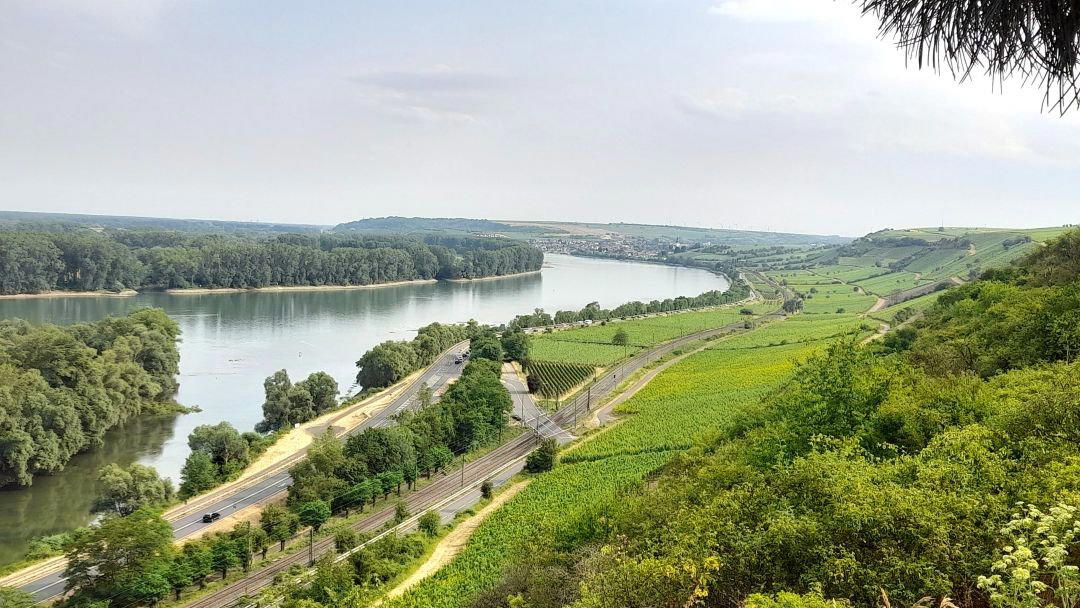
Restaurants in Ingelheim Am Rhein
Browse all →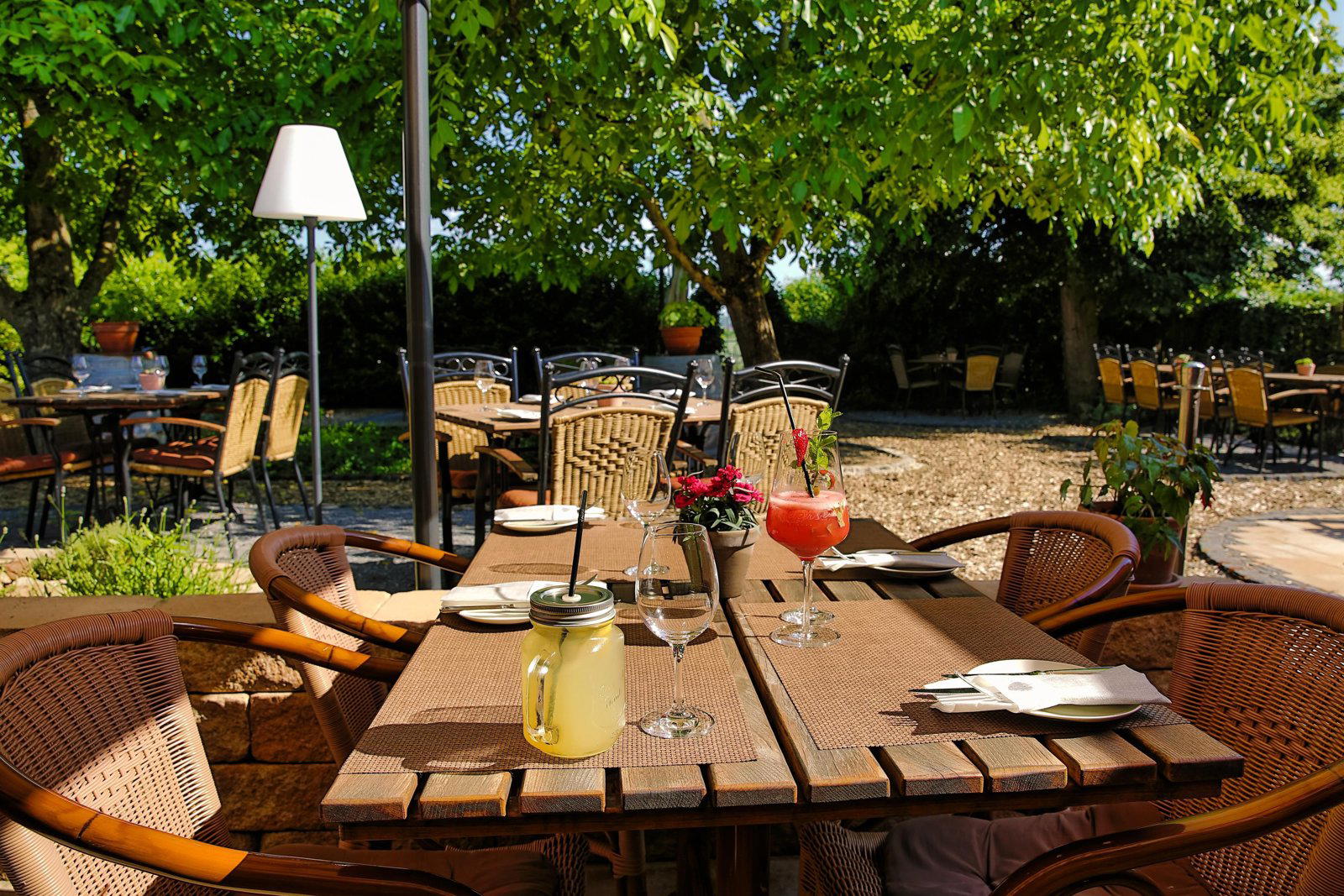
At a Glance
- Modern
- Cozy
- Sophisticated
- Group Outing
- Wine Education
- Special Occasion
- Solo Exploration
- Design Destination
- Private Tasting
- Sustainable
- Vineyard
- Bingen
- Riesling
- Spätburgunder
- Chardonnay
- Grauburgunder
- Weißburgunder
- Kerner
- Still White
- Still Red
- Sparkling
- Pet Nat
- Private Tasting
- Walk In Tasting
Modern family-run winery atmosphere with a creative, design-forward identity shaped by Lena’s hand-painted mandalas and Sebastian’s wine style.