KWV

Falstaff Winery - Listed
KWV is Paarl wine heritage at industrial scale: a 1918 institution whose cellar complex turns South African wine and brandy history into a structured visitor experience. Expect guided tastings, cellar tours, brandy flights, food pairings, and a strong sense of how regional sourcing, blending, and age statements shape a large Cape producer rather than a boutique estate model.

Pearl is the En Primeur Club membership app — saves, bookings, and concierge access live there. Same editors, same standards.
- Address
- Paarl, Coastal Region, Südafrika

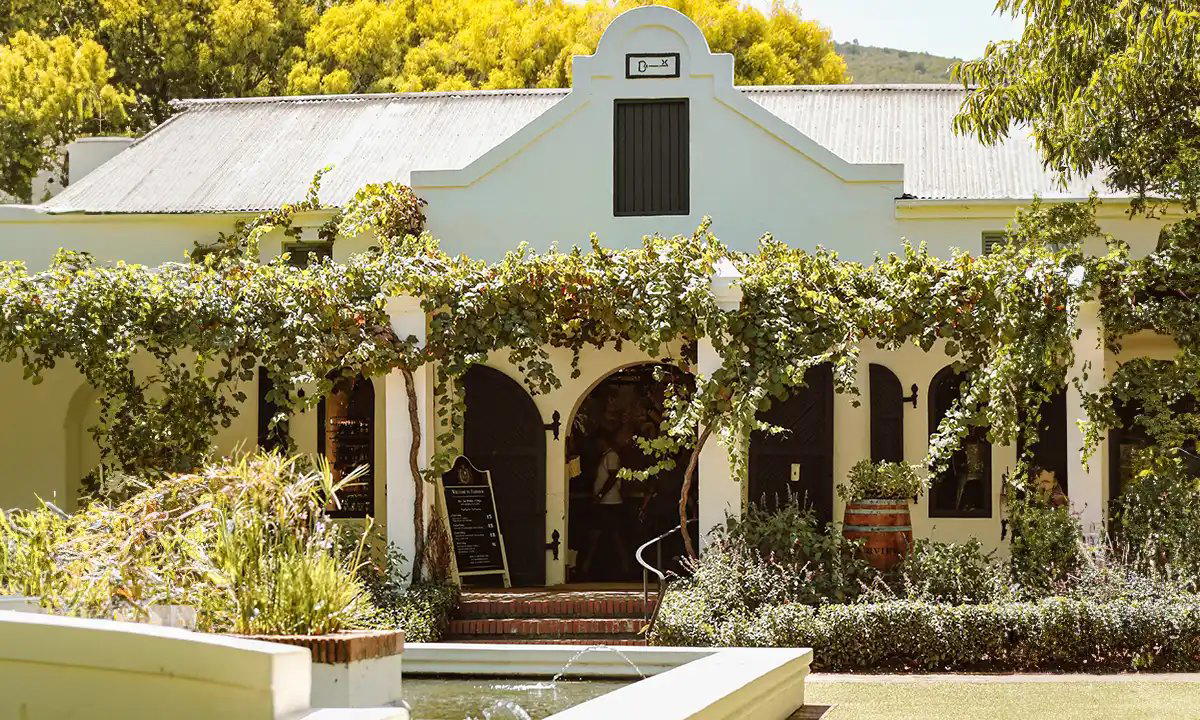
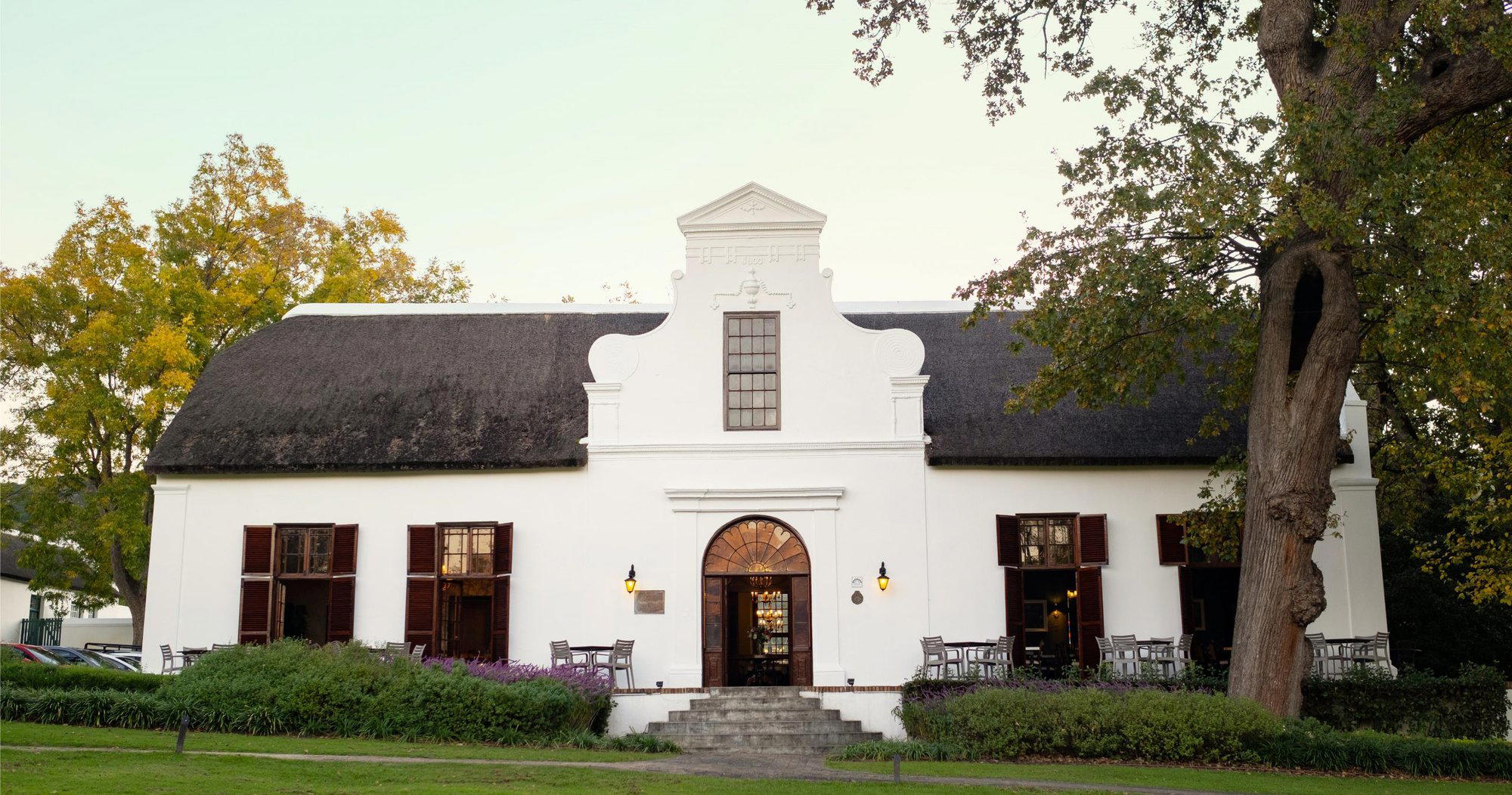
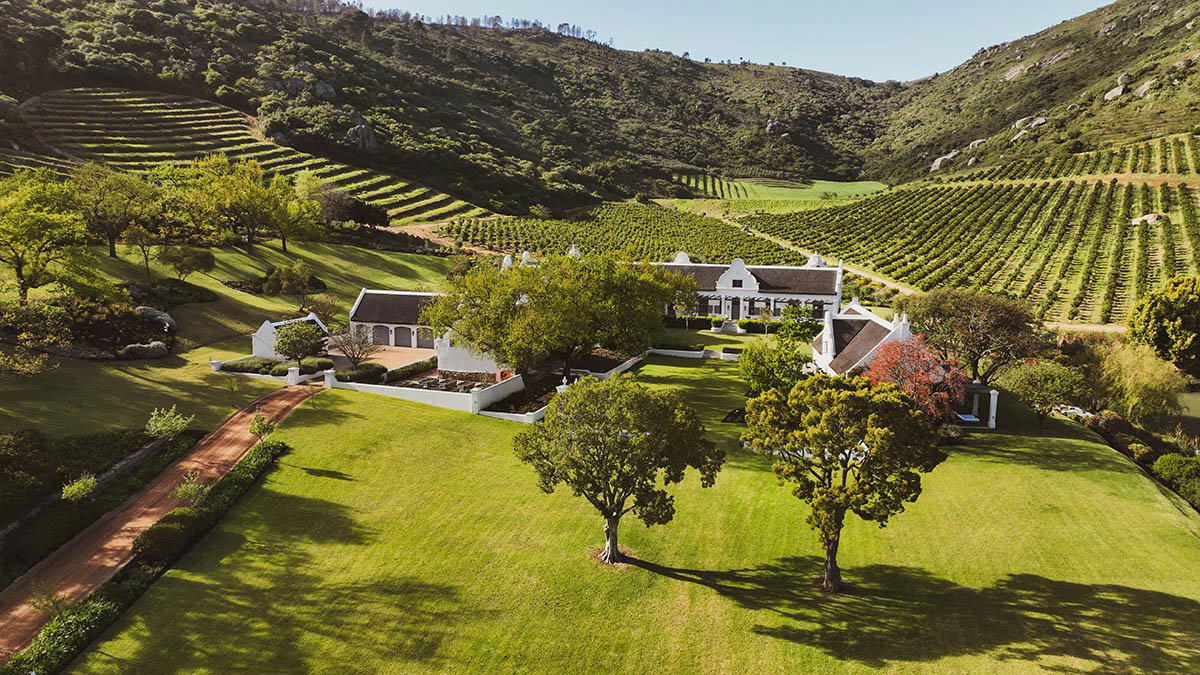
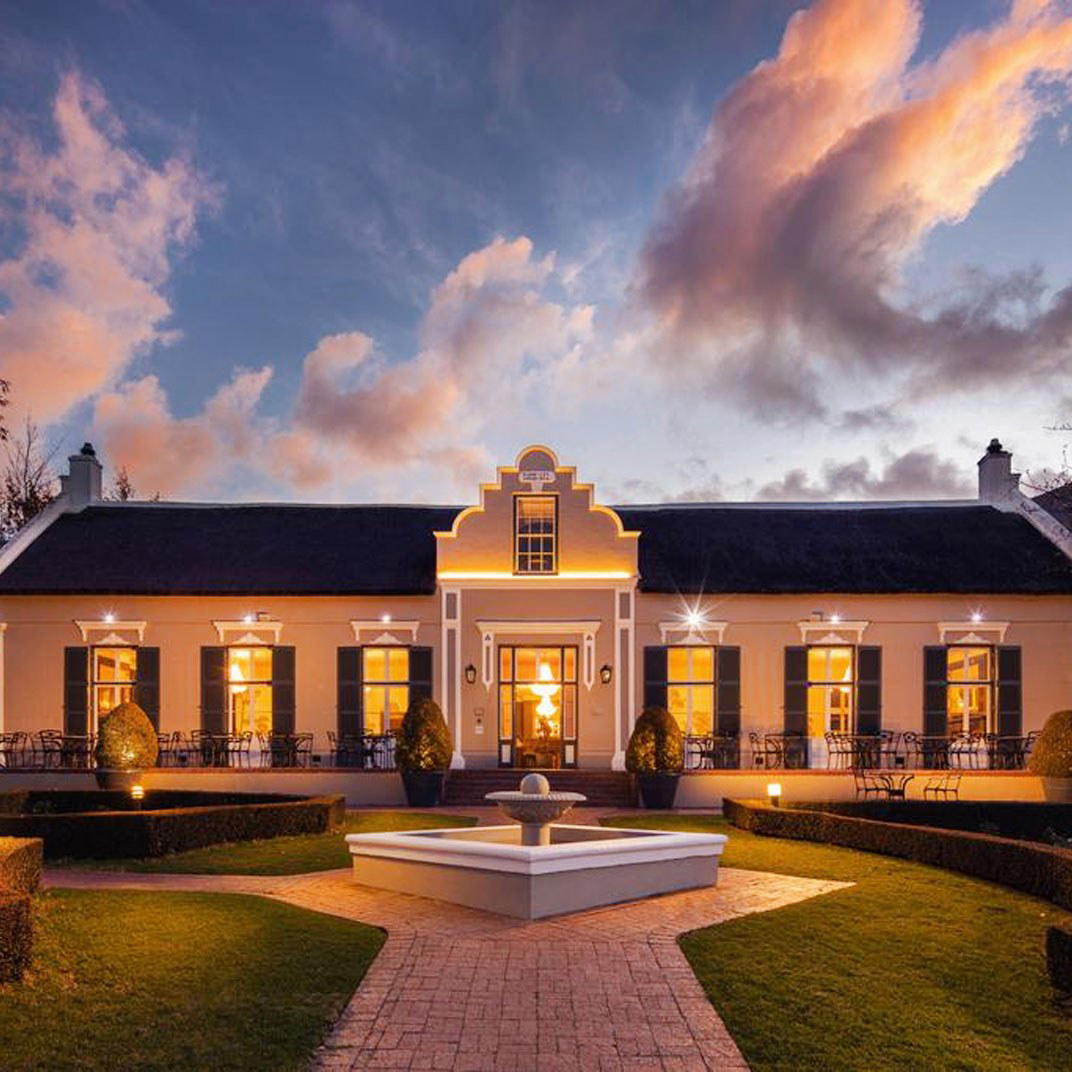
Arriving at KWV means entering Paarl through scale rather than vineyard intimacy. The cellar complex reads as a working monument to South African wine production: large, historic, and built around the idea that wine tourism can explain an industry as much as pour a glass. The Cathedral Cellar gives the visit its architectural anchor, while the tasting room format turns the site into a public-facing lesson in how the Cape’s grapes, brandies, blends, and labels have been organized for more than a century.
Paarl often rewards visitors who understand the difference between estate romance and production history. KWV belongs firmly to the second category. Founded in 1918, it helped stabilize and coordinate South African wine and brandy at a time when the industry needed structure, quality control, and collective bargaining power. That origin matters because the experience is not framed around a single vineyard parcel or a single winemaker’s table. It is about the infrastructure that helped define modern Cape wine, then converted that institutional weight into tastings, tours, and cellar-door hospitality.
A Paarl cellar door built around scale, blending, and Cape wine memory
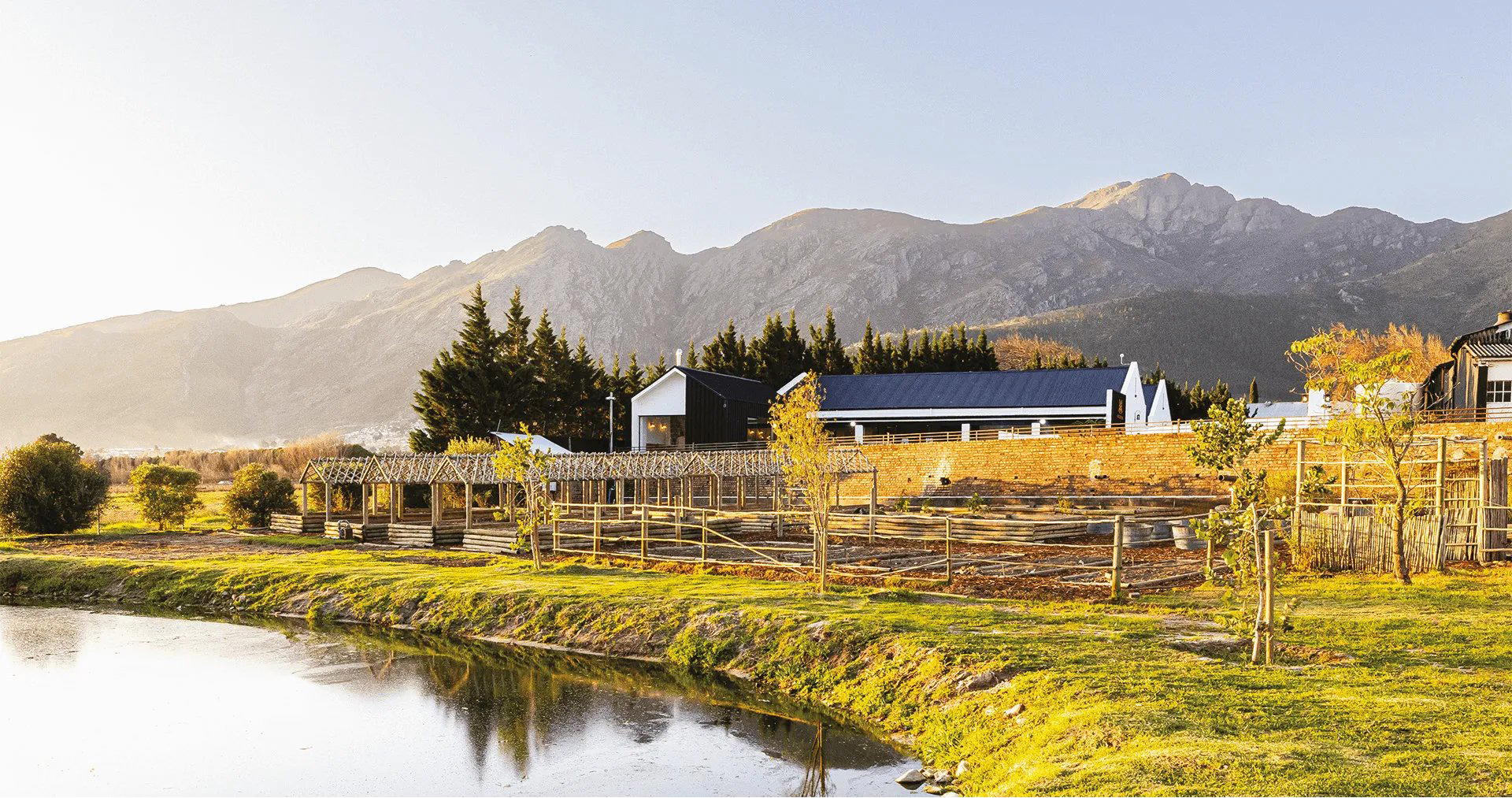
The strongest terroir reading here is regional rather than micro-site specific. KWV’s identity is tied to Paarl and the wider Cape Winelands, but its production story comes through broad sourcing, blending, and category breadth. The house works across familiar Cape varieties including Sauvignon Blanc, Chardonnay, Merlot, Pinotage, Shiraz, and Cabernet Sauvignon, with Chenin Blanc and Colombard also central to the larger South African production story. This is not the language of a single slope or block; it is the language of a producer whose skill lies in coordination, consistency, maturation, and range.
That makes the tasting structure useful for travelers who want to understand how a large South African producer thinks. The Classic Collection and Laborie-led flights sit at the accessible end of the range, while Roodeberg, Cathedral Cellar, The Mentors, and Perold Cape Blend move the conversation toward heritage labels, reserve positioning, and blending craft. The presence of vertical tastings matters because it gives context to maturation and house style without requiring the visitor to parse technical cellar language. It also shows how premium Cape wine often speaks through blends as much as varietal purity.
Brandy is not a side note here. KWV is described as South Africa’s second-largest brandy producer, with annual production around 15 million liters, and the tasting ladder from younger expressions to 20-year-old brandies makes age statement a central part of the visit. In a Cape itinerary that often defaults to wine farms and vineyard views, this spirits emphasis changes the rhythm. It places distillation, wood age, and blending alongside the grape varieties that dominate the region’s tasting-room circuit.
The visitor experience is educational, structured, and group-friendly
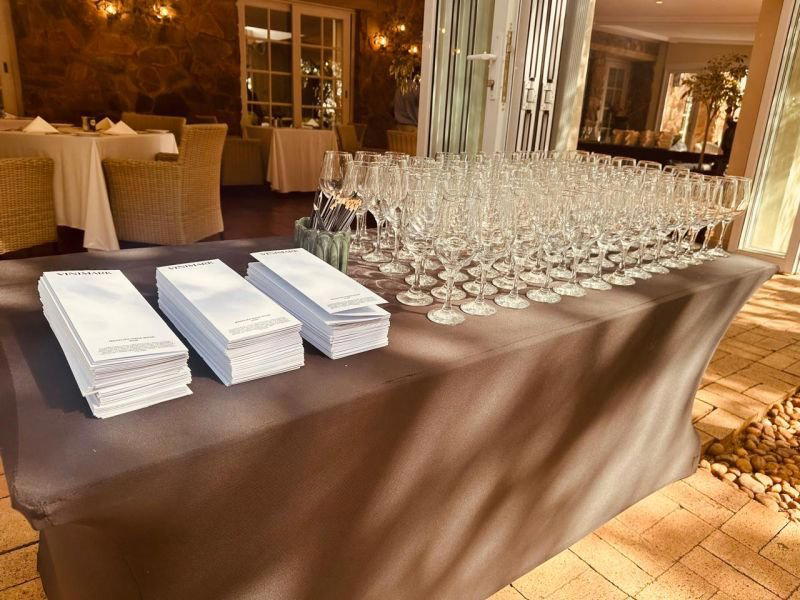
The format suits travelers who prefer context over cellar-door small talk. Tours and tastings are offered in English and German, and the experience is built around guided interpretation of wine, brandy, and the cellar environment. The atmosphere is conversational rather than hushed, with enough scale to absorb groups, family travelers, and corporate visits. Children are accounted for through goodie-box options, which signals a practical hospitality model rather than an adults-only tasting salon.
Food pairings give the experience a stronger sense of place than a standard flight. Cap Classique with macarons, brandy with Belgian chocolates, and local dessert references such as malva pudding, hertzoggies, peppermint crisp tart, and melktert connect the tasting room to South African palate memory. The savory side, including bobotie references in pairing formats, helps keep the experience rooted in regional culture rather than treating wine as a detached luxury object.
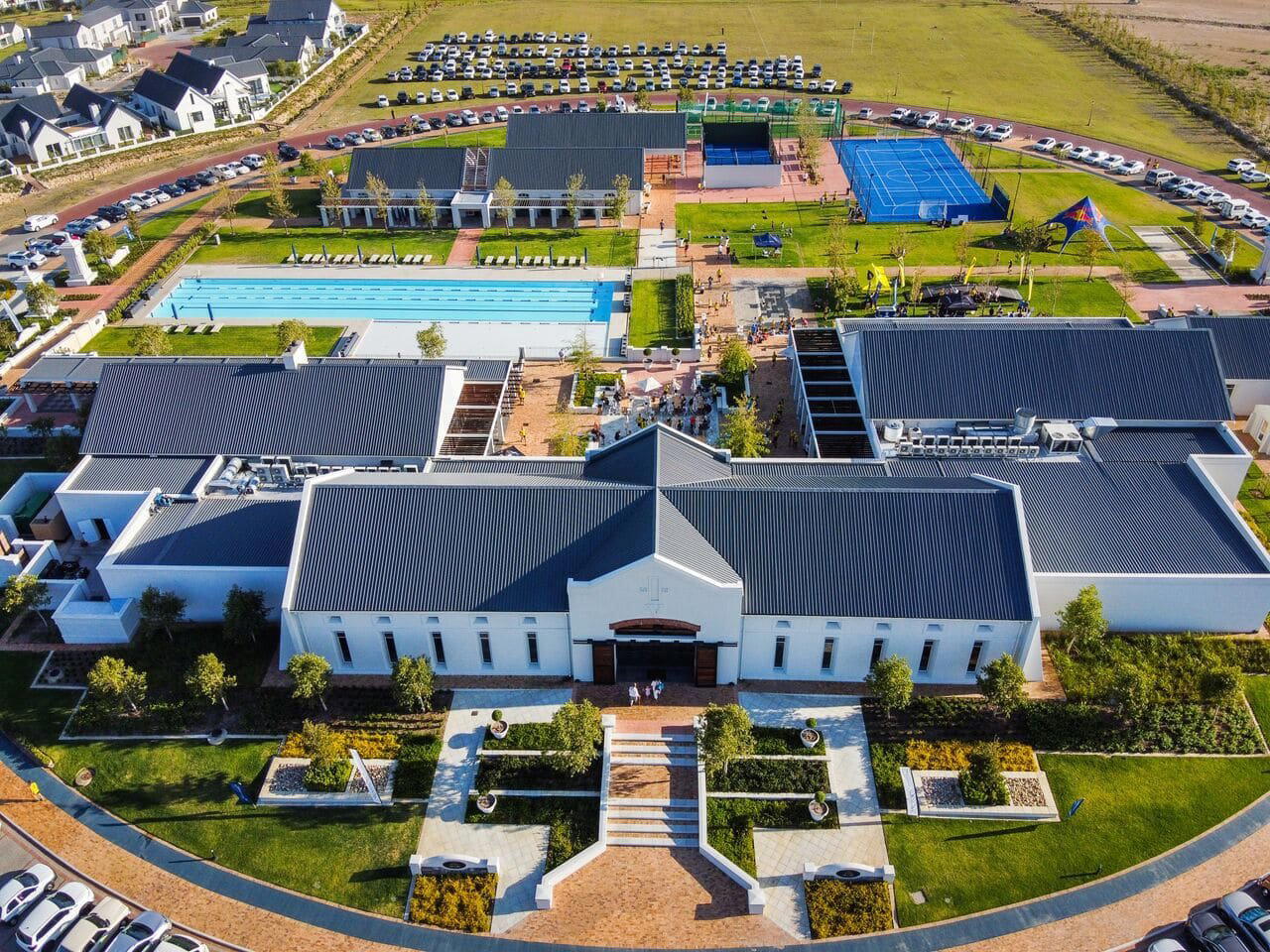
In competitive terms, the site occupies a different lane from Paarl’s smaller, estate-led cellar doors. Its 22-hectare cellar complex and history as a former cooperative structure put it closer to an institutional wine address than a family-farm stop. Recognition by Drinks International among the World’s Most Admired Wine Brands Top 50 across 2012, 2013, 2014, and 2015 gives the brand an international credibility marker, but the more compelling reason to visit is its ability to explain South African wine through scale: grower networks, brand architecture, aged spirits, blended premium wines, and a visitor program designed for education.
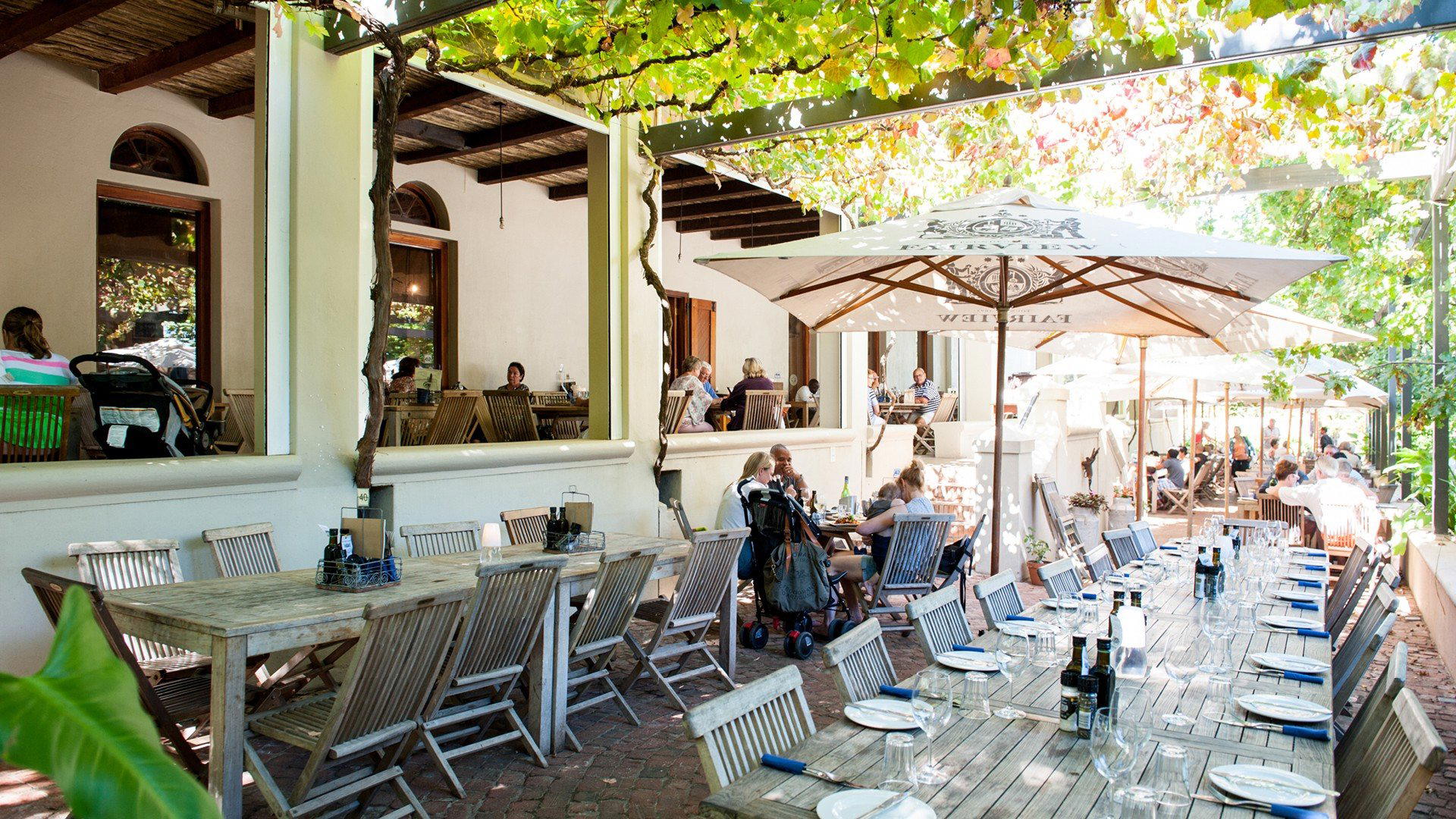
For a wider Paarl itinerary, KWV works well as the historical counterweight to more intimate cellar-door visits. Readers mapping the region can place it alongside Backsberg, Barista, Boland Cellar, Fairview Wine & Cheese, and Glen Carlou for a broader reading of the area’s wine culture. Planning beyond wineries is easier through Our full Paarl restaurants guide, Our full Paarl hotels guide, Our full Paarl bars guide, Our full Paarl wineries guide, and Our full Paarl experiences guide.
Where KWV fits in a serious Cape wine itinerary
The reason to include KWV is not scarcity. It is fluency. A visit here helps explain how South African wine developed beyond postcard vineyards: through cooperative history, cellar infrastructure, brandy production, export-minded labels, and tasting formats that translate scale into public education. Travelers focused only on boutique vineyard expression may find the experience broad, but anyone trying to understand Paarl’s role in the Cape should value the perspective.
That broader lens also helps connect Paarl to the wider wine map. For readers building a cross-regional cellar-door route, EP Club’s winery pages extend from 4G Wines in Kapstadt and A. A. Badenhorst Family Wines in Paardeberg to Aaldering Estate in Stellenbosch, as well as European references such as »der Steiner« Hans Steiner in Podersdorf am See and & Handwein in Mannheim. KWV’s place in that larger conversation is clear: it is a heritage producer whose value lies in showing how a region’s grapes, institutions, and spirits culture can be organized at scale.
Recognition history
Dated appearances from independent guides and award organizations, with the underlying list record or original source where available.
Falstaff Winery - Listed
Falstaff
Details
- Classic
- Well Known
- Scenic
- Group Outing
- Family
- Wine Education
- Special Occasion
- Corporate Event
- Historic Building
- Design Destination
- Private Tasting
- Barrel Room
- Sauvignon Blanc
- Chardonnay
- Merlot
- Pinotage
- Shiraz
- Cabernet Sauvignon
- Still Red
- Still White
- Sparkling
- Fortified
- Dessert
- Guided Tasting
- Food Pairing
- Vertical Tasting
- English
- German
A large, historic cellar complex with a heritage-driven tasting environment centered on wines, brandies, and cellar tours.