
Falstaff Winery - 3 Stars
Kloster Neustift is a South Tyrolean abbey-winery where Eisack Valley whites are framed by cloisters, gardens and a working Augustinian monastery founded in 1142. The draw is not a conventional tasting-room polish but the rare overlap of Alpine viticulture, monastic continuity and a visitor route that can move from museum to vineyard to cellar-pub atmosphere.

Pearl is the En Primeur Club membership app — saves, bookings, and concierge access live there. Same editors, same standards.
- Address
- Vahrn, Alto Adige, Italien
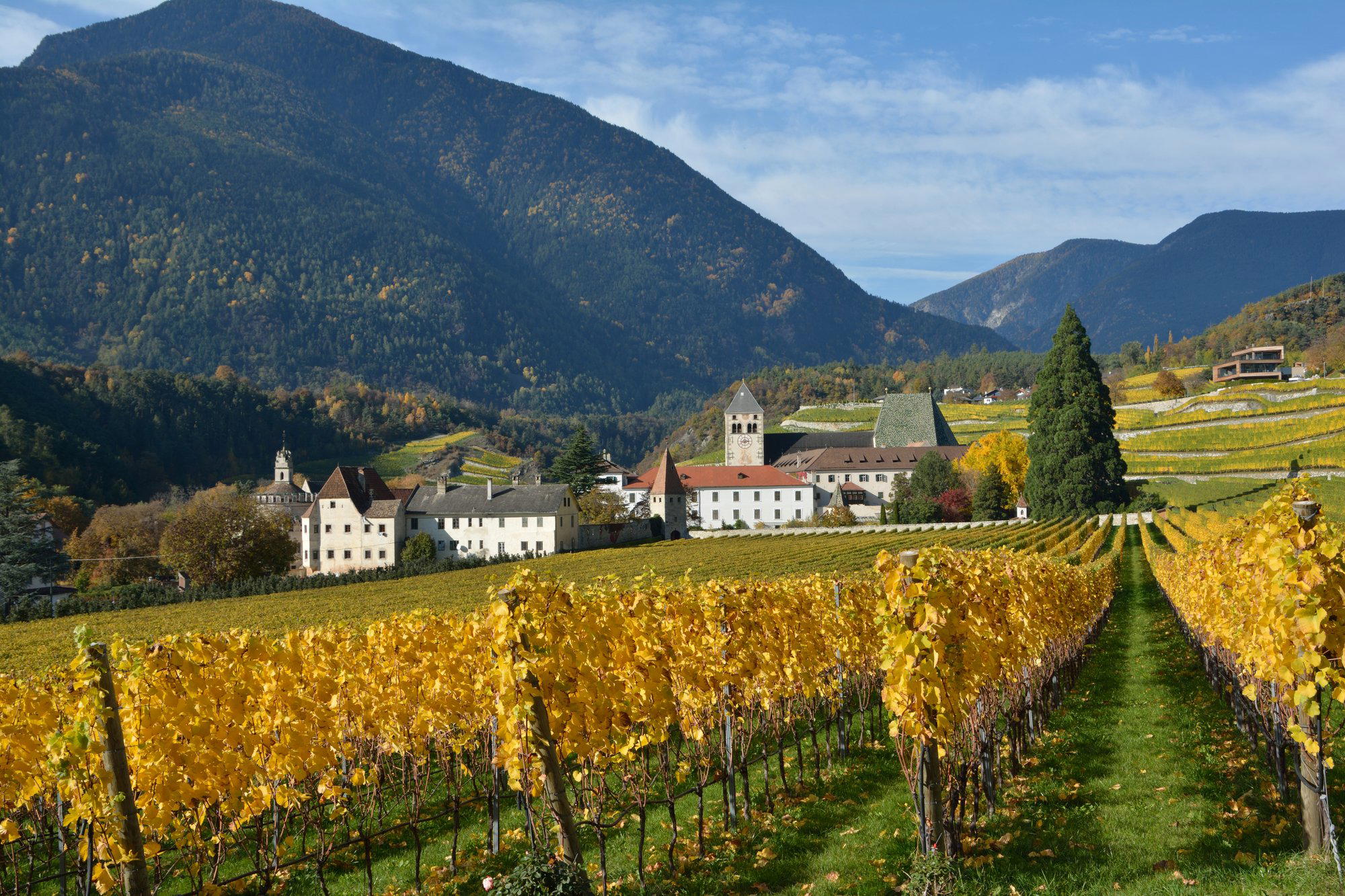
Kloster Neustift in Vahrn is best understood first as a setting: a historic monastic estate where stone buildings, cloisters, a basilica and gardens shape the visit before any tasting begins. The appeal is not a chef name, a ranking, a specific wine list or a detailed service schedule. It is the atmosphere of a centuries-old site where tastings typically take place in a traditional cellar pub or wine bar environment, with a calm, scenic and rustic character.
Because the confirmed information is intentionally narrow, the safest way to plan a visit is to treat Kloster Neustift as a place-led experience rather than as a page full of fixed promises. The price is $28 per person, and the mood is historic, tranquil, scenic, rustic, iconic and elegant. Beyond that, specific claims about grape varieties, production volume, tour lengths, languages, awards, exact services, accessibility, seating, food pairing or reservation rules are not confirmed here and should be checked directly before you go.
Alpine white wine inside a working monastery
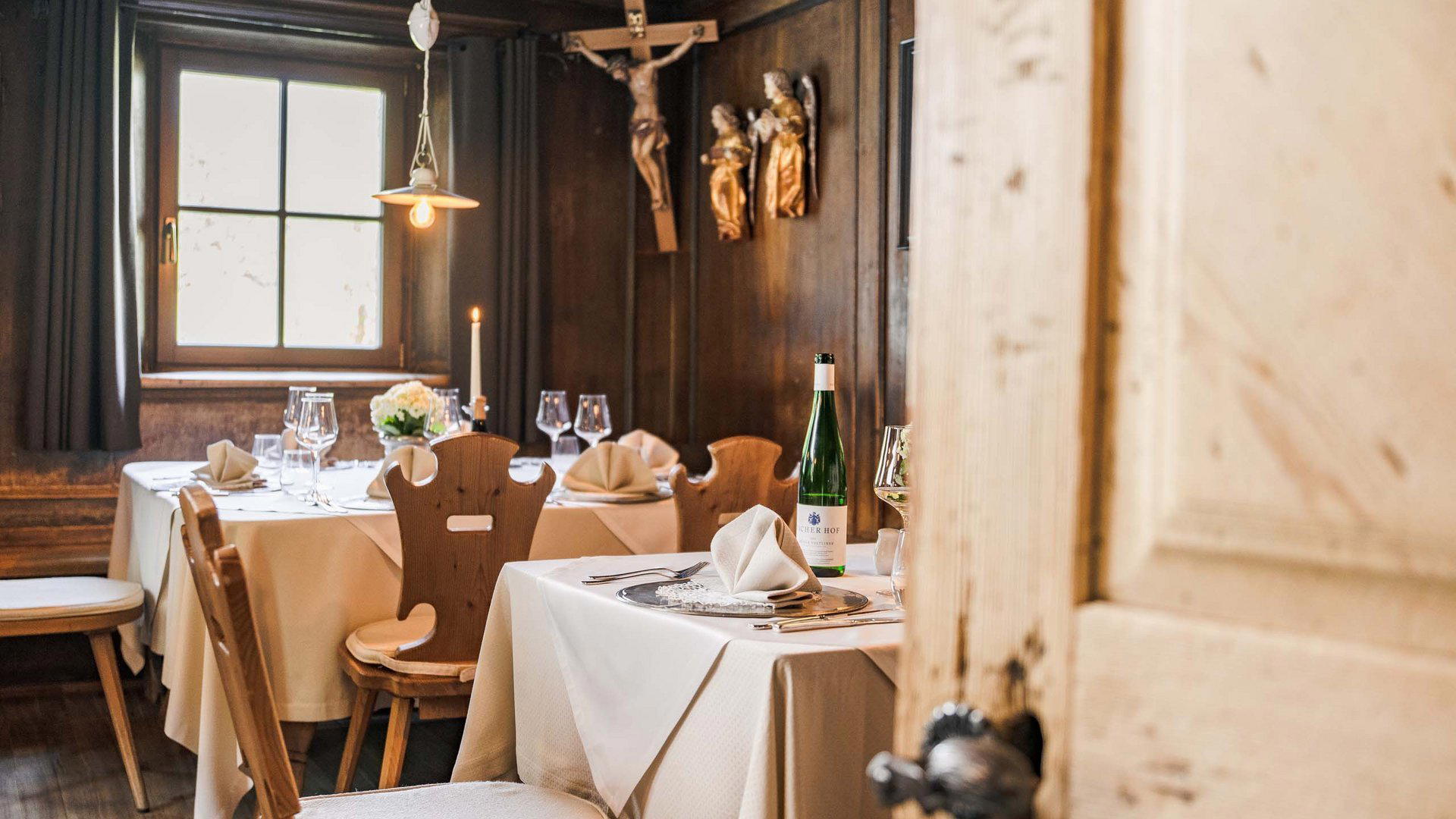
The defining reason to consider Kloster Neustift is the way its monastic architecture frames the tasting experience. The cloisters, basilica and gardens give the estate a sense of ceremony without requiring a formal fine-dining premise. Visitors should expect a setting that feels rooted in history and place, with the tasting environment described more like a traditional cellar pub or wine bar than a high-gloss contemporary lounge.
That distinction matters for expectations. The grounded story is more restrained: a historic estate in Vahrn where the architecture, gardens and old stone surroundings are central to the experience. If you are choosing it, choose it for atmosphere, heritage and the chance to spend time in a scenic monastic environment.
The $28 per person price gives travelers a practical starting point, but it should not be stretched into claims about what is included unless confirmed directly with the venue. Treat the figure as a planning guide rather than a full description of format. In a place like this, the value comes as much from the setting as from the tasting itself: the calm of the estate, the rustic cellar-pub feel and the visual weight of the basilica and cloisters.
Tasting here is structured around place, not spectacle
Kloster Neustift’s character points toward a slower, more atmospheric visit. It is the kind of venue where the surroundings do a large part of the work: gardens for a softer edge, stone buildings for texture, and monastic architecture for a sense of continuity. The experience should be approached with that in mind. This is not a page where confirmed evidence supports claims about a particular tour route, a fixed tasting duration, a named wine educator or a specific food-pairing structure.
For travelers, that means the best preparation is simple. Budget around the verified $28 per person price, expect a historic and scenic setting in Vahrn, and confirm all operational details directly before arriving. Those specifics are not part of the record provided here.
The venue’s strongest fit is for people who appreciate context: architecture, gardens, quiet estate atmosphere and the rustic feel of a traditional cellar or wine bar. It may be less compelling for travelers who want a highly documented contemporary restaurant format, an exact list of pours before booking, or a venue defined by current awards and critic scores. Kloster Neustift’s appeal is more elemental: historic place, tranquil surroundings and an iconic Vahrn setting.
Within Vahrn, it can be compared with other local dining or drinking options only in broad terms. Kloster Neustift stands out because its confirmed identity is not just commercial hospitality but a monastic estate environment. Other venues in Vahrn may offer different kinds of meals or drinks, but this venue’s grounded distinction is the combination of cloisters, basilica, gardens and centuries-old stone architecture.
How to place it in an Italy wine itinerary
On an Italy itinerary, Kloster Neustift belongs in the heritage-focused category. It is a stop for travelers who want atmosphere and setting to matter, not only what is poured into the glass. They do support placing it as a historic, scenic and elegant Vahrn estate where tastings typically unfold in a traditional cellar pub or wine bar mood.
That makes it useful as a slower stop rather than a quick box to tick. If your itinerary is built around architecture, old estates, gardens and a sense of regional texture, Kloster Neustift has a clear role. If your itinerary is built around technical wine data, rare bottles or specific guided formats, you will need to verify those details separately before committing time.
The editorial call is therefore intentionally precise: Kloster Neustift is compelling for its historic monastic setting in Vahrn, its tranquil cloisters, basilica and gardens, and its rustic yet elegant tasting atmosphere. Keep expectations anchored to those facts, confirm the practical details directly, and let the estate’s setting be the reason for the visit.
Recognition history
Dated appearances from independent guides and award organizations, with the underlying list record or original source where available.
Falstaff Winery - 3 Stars
Falstaff

Details
- Historic
- Scenic
- Rustic
- Well Known
- Elegant
- Group Outing
- Wine Education
- Solo Exploration
- Family
- Special Occasion
- Romantic Getaway
- Vineyard Tour
- Estate Grounds
- Garden
- Historic Building
- Vineyard
- Garden
- Mountain
- Grüner Veltliner
- Sylvaner
- Pinot Grigio
- Gewürztraminer
- Still White
- Bar Tasting
- Vineyard Tour With Tasting
- Group Guided Tasting
- German
- Italian
Historic monastic estate with tranquil cloisters, basilica and gardens, where tastings typically take place in a traditional cellar pub or wine bar atmosphere within centuries‑old stone buildings.