Johannes Louis Weinbau

Falstaff Winery - Listed
Johannes Louis Weinbau belongs to the quieter side of Swiss wine travel: a small, multi-generational estate in Ligerz shaped by Lake Biel, steep terraces, Chasselas, and Pinot Noir. The appeal is terroir rather than spectacle, with Three Lakes AOC wines framed by a rural lakeside setting and hillside viticulture that defines this part of Canton Bern.

Pearl is the En Primeur Club membership app — saves, bookings, and concierge access live there. Same editors, same standards.
- Address
- Schafisweg 37, 2514 Ligerz, Switzerland
- Phone
- +41 79 668 62 41
- Hours
- Mon–Fri ClosedSat 9 am–12 pmSun Closed
- Website
- schafiser.com
- Directions
- Get directions

Approaching the wine country around Ligerz, the drama is agricultural rather than architectural: vines climb steep terraces above Lake Biel, water softens the light, and the Three Lakes region asserts itself through slope, exposure, and restraint. Johannes Louis Weinbau belongs to a quieter Swiss tradition, where the vineyard setting carries as much editorial weight as the cellar. This is not scale or lifestyle branding, but a small, multi-generational estate working within a lakeside microclimate and local appellation culture.
For readers mapping Ligerz through wine rather than monuments, town context matters. The area rewards slow, terroir-led planning, starting with Our full Ligerz wineries guide, alongside Our full Ligerz restaurants guide, Our full Ligerz hotels guide, Our full Ligerz bars guide, and Our full Ligerz experiences guide. In a Swiss wine region where production is intimate and place-specific, the useful question is not how many labels fit into one day, but how clearly a property translates slope, lake influence, and grape choices into the glass.
Lake Biel gives the estate its frame, and the terraces give it its discipline
The defining fact is geographical. Johannes Louis Weinbau is in Schafis, Ligerz, in Canton Bern, on Lake Biel within the Three Lakes AOC. That placement is not decorative; it is why the estate makes sense. Swiss lakeside viticulture often depends on moderated temperatures, reflected light, and hillsides that impose a more manual rhythm than flatter land. Here, the reputation is tied directly to steep-terrace viticulture and wines expressing the local lakeside microclimate.
That matters because the Three Lakes story is not built around international spectacle. It is a regional wine culture of small holdings, local grape habits, and vineyard parcels where exposure and lake proximity do much of the work. Terraced vineyards demand upkeep and make vineyard work less anonymous: rows cannot be treated like industrial acreage when the slope sets the terms. The estate’s rural, quiet atmosphere follows from that physical reality. It reads as a working lakeside wine estate rather than a polished tasting complex.
The setting also makes this address part of a compact wine-growing fabric, not a standalone attraction. Nearby Ligerz references such as Giauque Weinbau, Hirt Weine, Klötzli, Patrick Cosandier Weinbau, and Robert Andrey show how dense the local wine culture is around the lake. This is not a ranking exercise. Ligerz works well as a slope-and-lake system, with each estate offering another angle on the same regional conditions.
Chasselas and Pinot Noir keep the portfolio anchored in Swiss lake-wine grammar
The grape list is concise: Chasselas and Pinot Noir. That pairing says plenty. Chasselas is one of the great identifiers of Swiss lakeside wine culture, especially where freshness, mineral impression, and quiet texture matter more than aromatic volume. Pinot Noir, in cooler Swiss settings, gives the red side of the cellar regional logic rather than imported status. Together they place Johannes Louis Weinbau in a classic Swiss framework: still white and still red wines shaped by place, not a sprawling catalogue.
Estate’s wines sit under the Three Lakes AOC, a useful quality and origin signal for readers who care about appellation context. No named cuvées are needed to grasp the editorial point: this is a terroir-first portfolio, compact in public presentation and built around varieties suited to lake-influenced conditions. In a market where wine tourism can drift toward hospitality theatrics, that restraint is part of the appeal. The vineyard, lake, and appellation do the explaining.
Recognition is modest but meaningful. The estate is described as highly respected for steep-terrace viticulture and associated with critically acclaimed AOC wines; it also carries a 4.9 rating from 16 public ratings. Those are not substitutes for medals or named critic scores, but they establish a local trust signal: a winery with positive public reception and a reputation tied to site work rather than volume. For a small Swiss estate, that can be more useful than a long trophy list.
What should not be overread is equally important. The published identity does not hinge on a celebrity winemaker biography, cellar technology, or named flagship bottling. That absence keeps the focus where it belongs: hillside viticulture, Chasselas, Pinot Noir, and the lake. Travelers collecting high-gloss cellar rooms may find the format understated. Travelers interested in how Swiss wine regions function outside the export spotlight will understand that the understatement is the argument.
A quiet rural visit suits terroir-focused travelers, not high-volume wine tourism
The atmosphere is small-scale, rustic, and calm, with vineyard and water views forming the core experience. Practical accessibility matters: the estate lists wheelchair-accessible parking and a step-free entrance, and accepts credit card, debit card, and contactless payments. Outdoor seating is part of the setting, and the estate suits solo exploration, wine education, or a romantic rural stop better than large-group touring.
That visitor profile matters. Ligerz is not a checklist destination. Its reward is cumulative: terraces rising from the lake, Chasselas and Pinot Noir making sense in cooler Swiss conditions, and small estates preserving a wine culture often consumed locally rather than broadcast internationally. Johannes Louis Weinbau fits that rhythm, a clear choice for travelers who want the vineyard landscape and wine style to tell the same story.
For wider Swiss and regional wine planning, place Ligerz alongside other small-estate references rather than only major-name regions. EP Club’s winery coverage extends beyond this lake pocket to 180°Süd in Frick, A & A Weinbau in Henggart, A. & C. Chevalley in Lutry, »der Steiner« Hans Steiner in Podersdorf am See, and & Handwein in Mannheim. Read that spread correctly and a pattern emerges: the more interesting wine travel often happens where local grape habits, terrain, and modest hospitality formats overlap. Johannes Louis Weinbau sits firmly in that category, with Lake Biel and its terraces doing the serious work.
Recognition history
Dated appearances from independent guides and award organizations, with the underlying list record or original source where available.
Falstaff Winery - Listed
Falstaff
Continue exploring
More in Ligerz
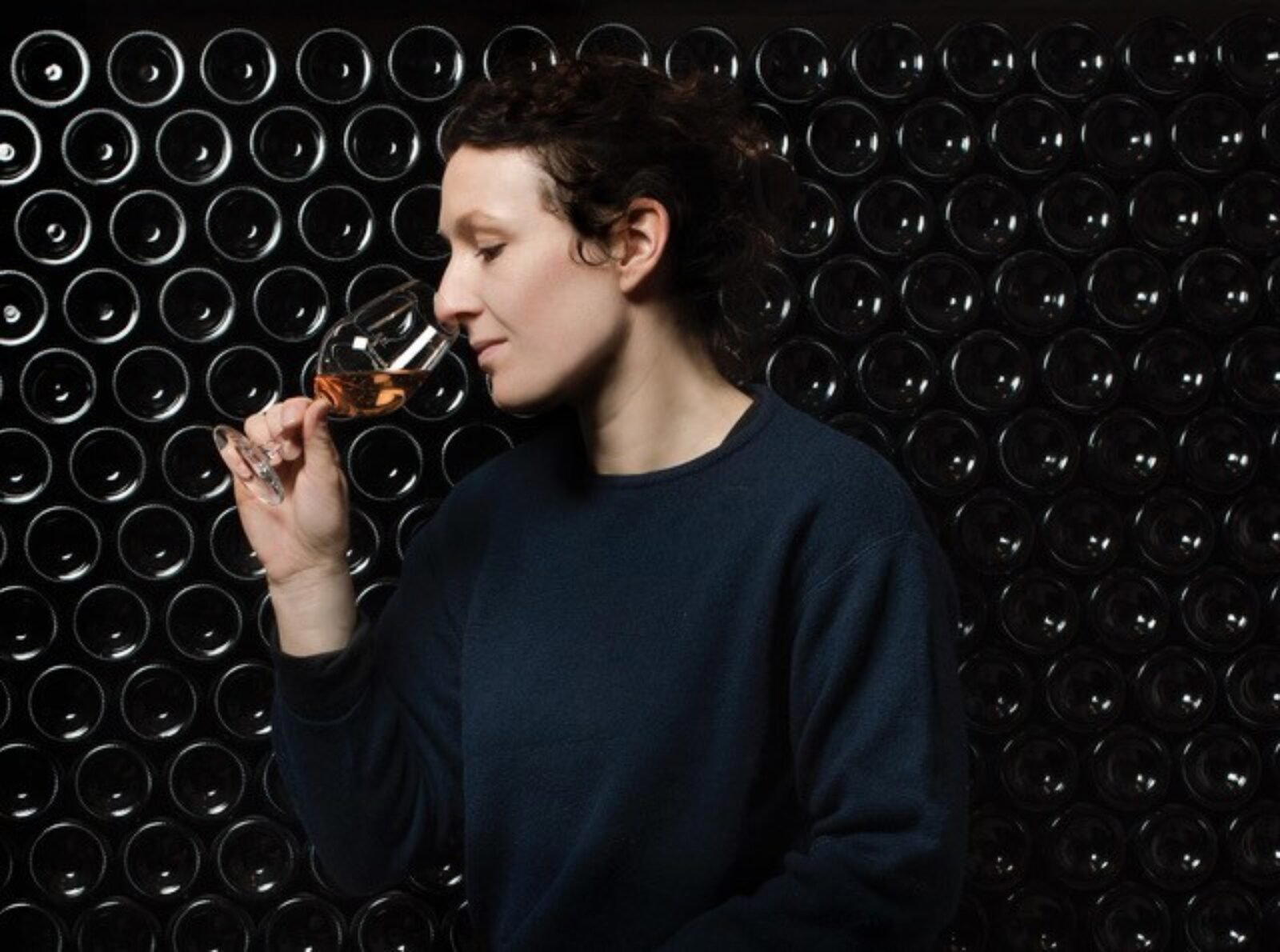
Wineries in Ligerz
Browse all →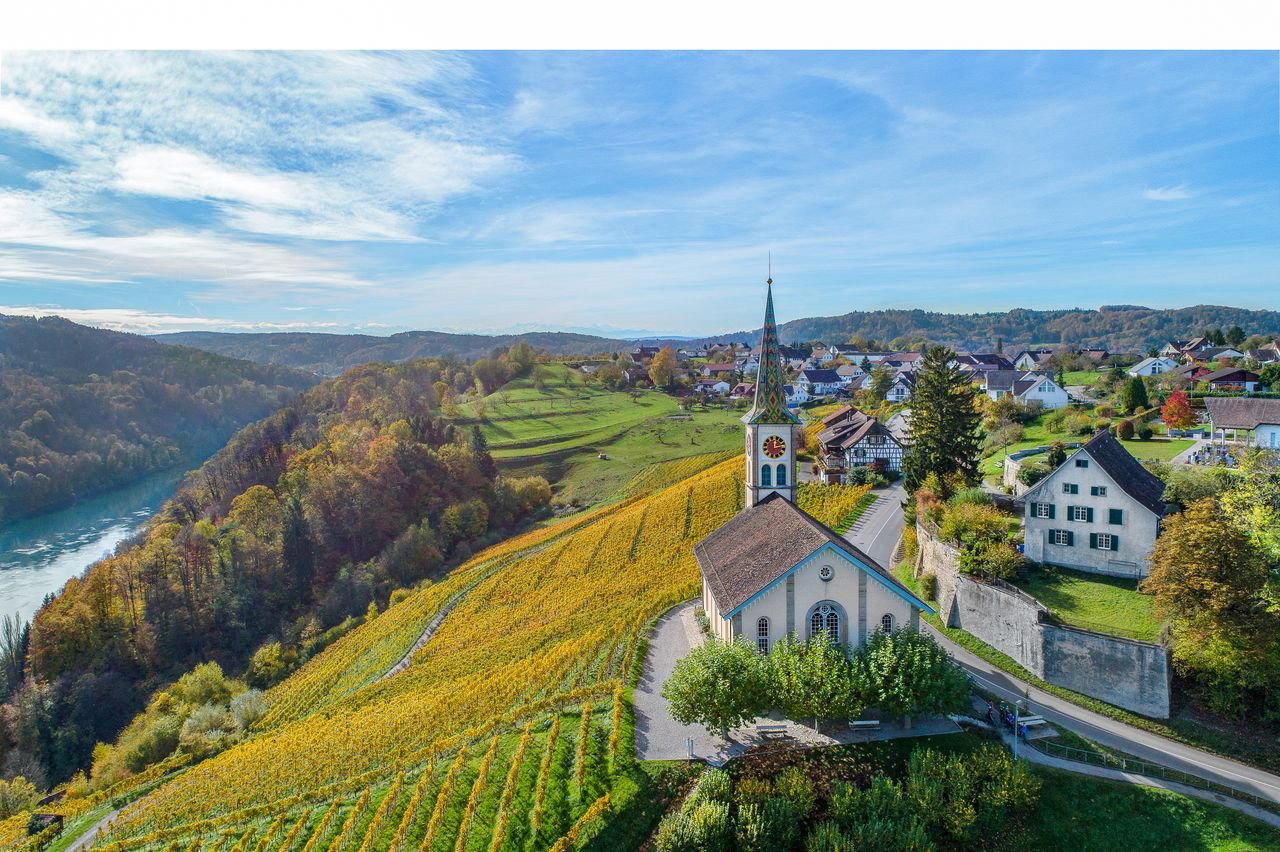
Bars in Ligerz
Browse all →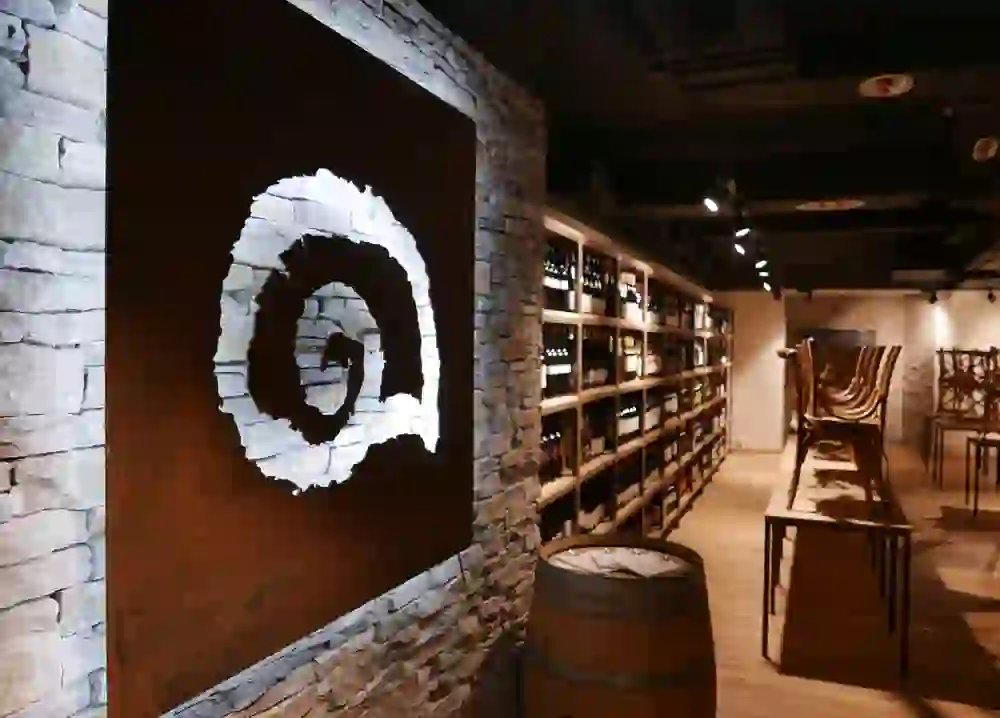
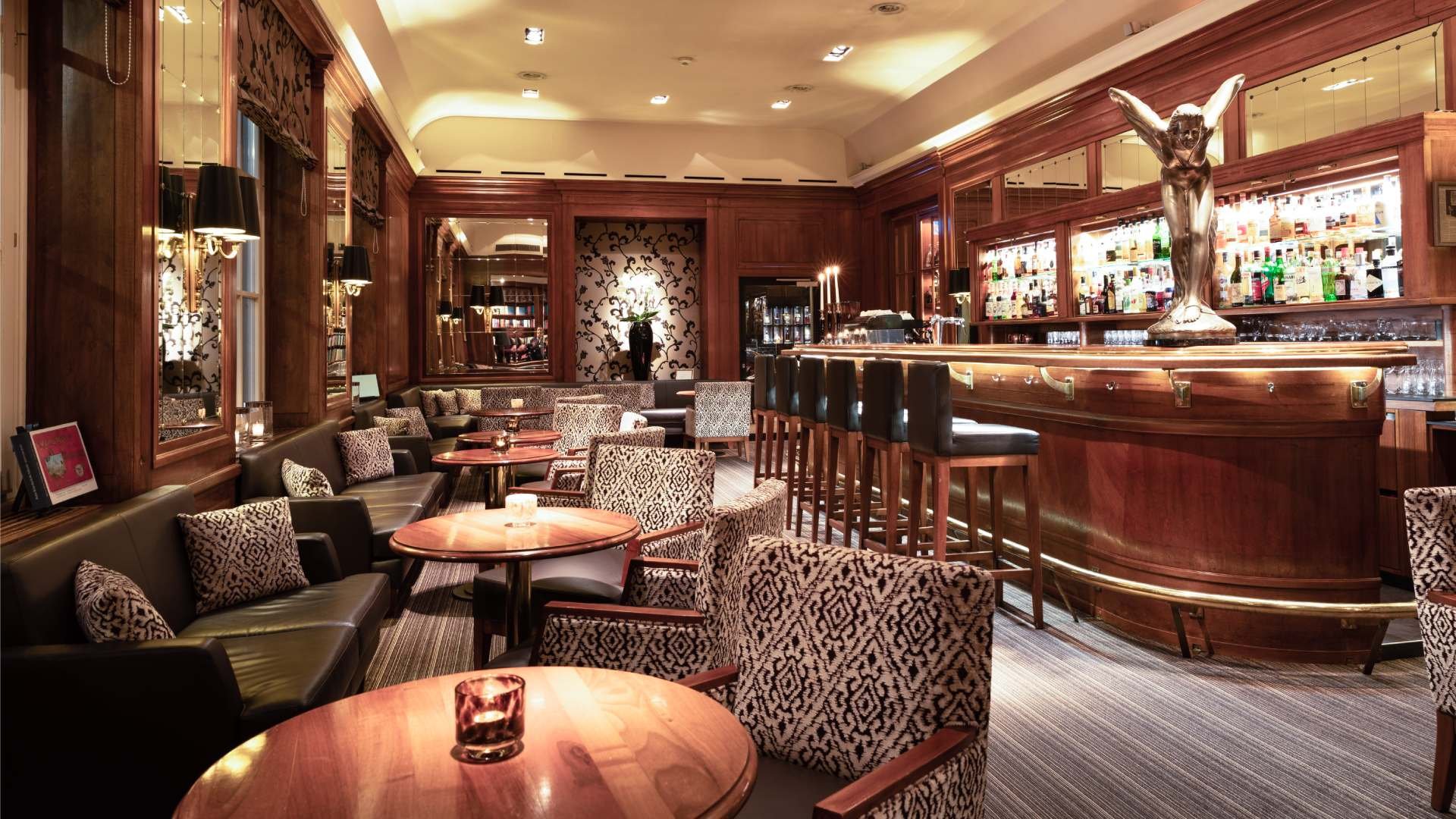
Restaurants in Ligerz
Browse all →
Details
- Scenic
- Classic
- Rustic
- Intimate
- Romantic Getaway
- Solo Exploration
- Wine Education
- Vineyard Tour
- Estate Grounds
- Waterfront
- Panoramic View
- Waterfront
- Vineyard
- Mountain
- Chasselas
- Pinot Noir
- Still White
- Still Red
Current opening hours
- Monday
- Closed
- Tuesday
- Closed
- Wednesday
- Closed
- Thursday
- Closed
- Friday
- Closed
- Saturday
- 9 am–12 pm
- Sunday
- Closed
Hours can change for holidays and private events. Last verified .
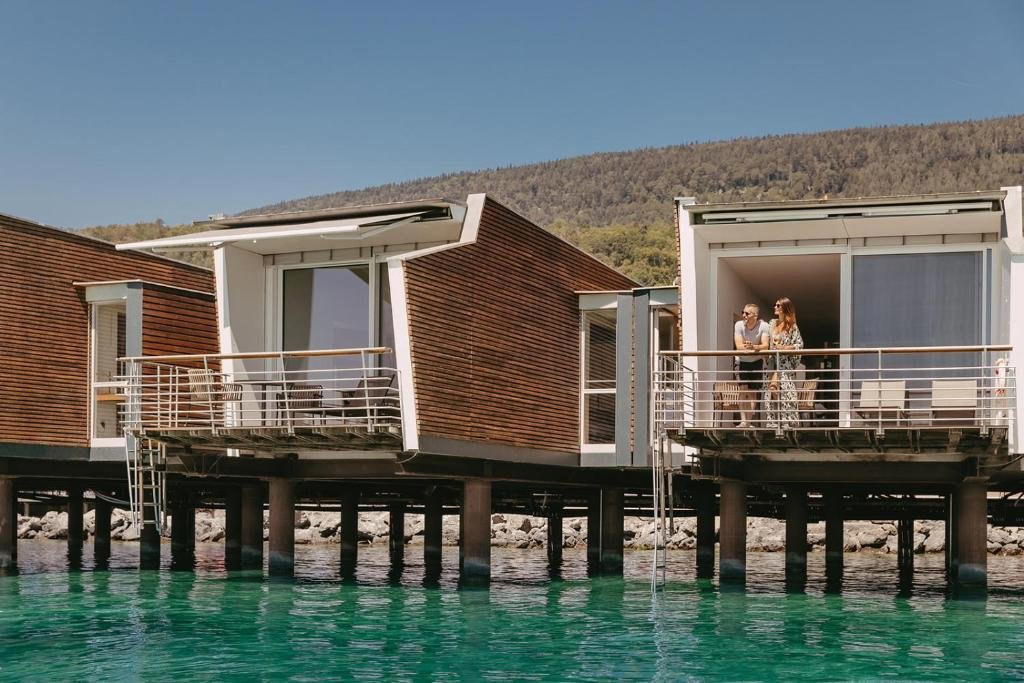
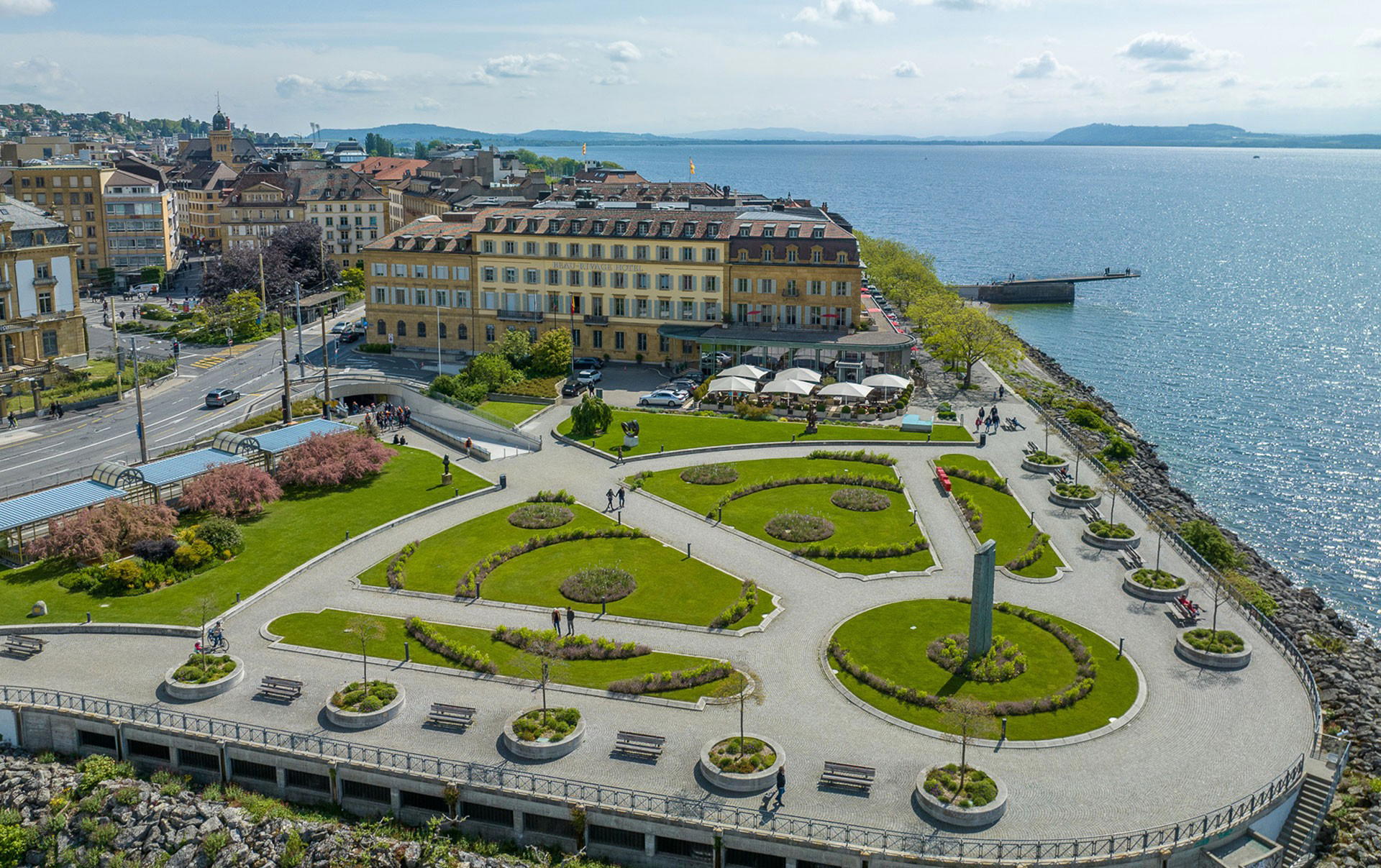
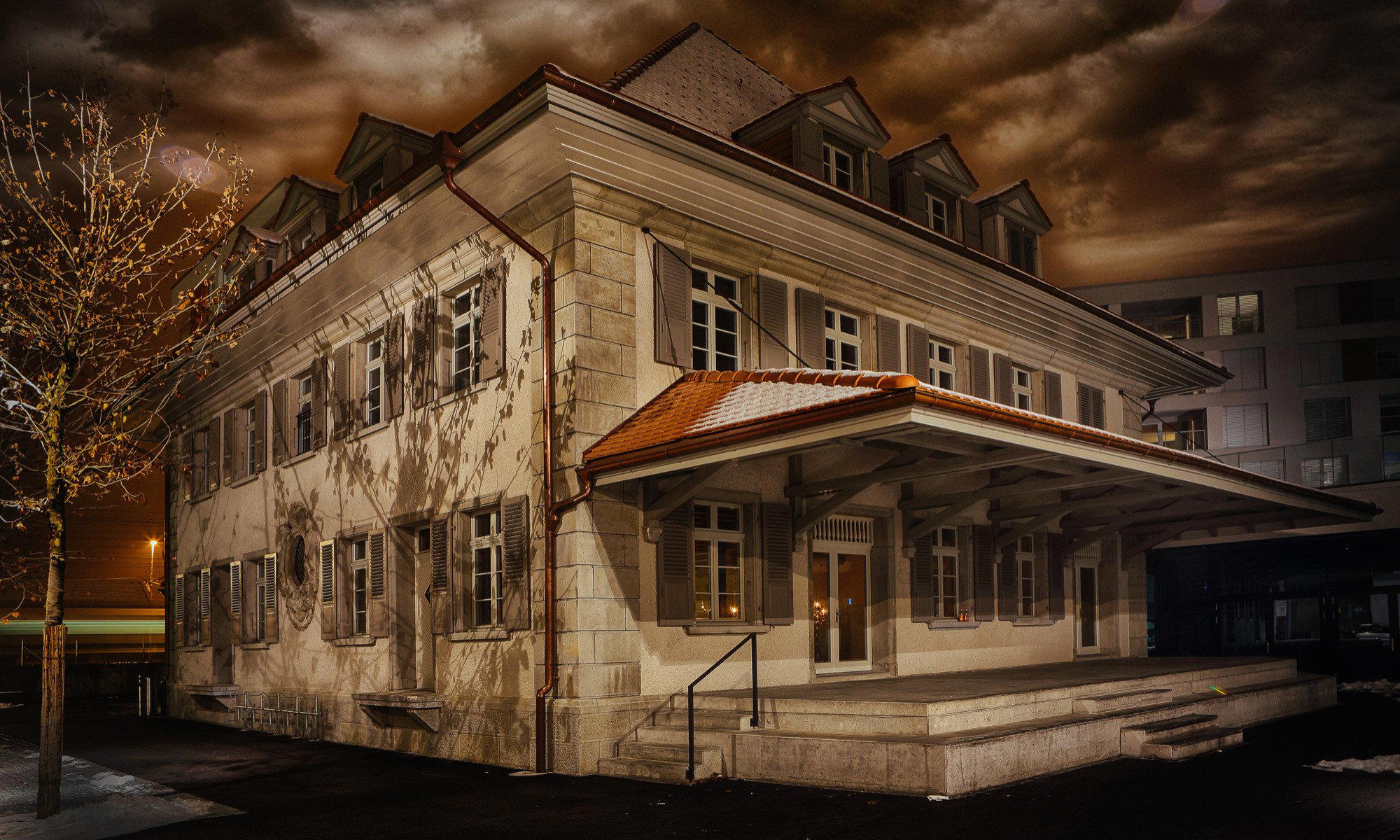
Picturesque and tranquil lakeside estate with classic steep-terrace vineyards, offering an intimate, rural atmosphere typical of a multi-generational family winery.