Hope Family Wines

Falstaff Winery - Listed
The winery sits within a regional tier that prioritises place-driven viticulture over varietal conformity, positioning it among Paso's more considered production houses.

Pearl is the En Primeur Club membership app, where members save venues, book tables and use the concierge.

Paso Robles and the Shift Toward Land-First Winemaking
California's Central Coast has spent the past two decades sorting itself into camps. On one side, the Cabernet-forward, high-extraction houses built on Napa adjacency and collector scores. On the other, a smaller cohort of producers who took Paso Robles seriously as its own appellation, distinct soils, distinct climate swings, distinct grape varieties, and made wines that argued for the land rather than the market. Hope Family Wines sits in that second group.
The address on Wright Way puts the winery in the western hills of Paso Robles, where the Templeton Gap draws cool Pacific air through the Santa Lucia Range each afternoon, dropping temperatures by as much as 50 degrees Fahrenheit between midday heat and nightfall. That temperature variance is the defining viticultural fact of western Paso: it allows full phenolic ripeness without the sugar accumulation that collapses freshness in warmer inland blocks. Producers working this corridor, including Adelaida Vineyards and Halter Ranch Vineyard, share an interest in preserving that natural acidity. The site matters here in a way that warmer, flatter appellations struggle to replicate.
Viticulture Over Intervention
The editorial angle on Hope Family Wines is not about what happens in the cellar, it is about what the vineyard asks of the winemaking team. Western Paso's calcareous limestone soils, a geological legacy of its marine sediment past, encourage vine stress in ways that concentrate flavor without artificial manipulation. Producers in this corridor have increasingly moved toward farming practices that let that soil expression do the work: reduced irrigation, cover cropping, minimised chemical inputs. This is the quiet viticulture revolution that has repositioned Paso from a warm-climate bulk-production region into something with genuine terroir ambition.
That positioning stands in contrast to producers who rely on extraction and new oak to build structure. Across the Paso Robles appellation, the producers earning sustained recognition in this tier tend to share a farming-forward ethos, whether explicitly certified organic or biodynamic, or operating under regenerative principles without formal accreditation. Herman Story Wines and DAOU Vineyards represent different points on that spectrum, with DAOU's estate model emphasising hillside site selection as a quality driver.
A Varietal Range Built for the Appellation
Paso Robles earns its distinction partly through varietal range. While Napa's premium identity remains locked to Cabernet Sauvignon, Paso operates across a broader spectrum: Rhône varieties (Grenache, Syrah, Mourvèdre, Viognier, Roussanne), Iberian varieties (Tempranillo, Albariño), and a Zinfandel tradition that predates the modern appellation's recognition. Hope Family Wines engages with this range in a way that reflects the appellation's pluralism rather than chasing a single marquee variety. That approach is coherent with a land-first philosophy, you grow what the site wants to grow, not what the market currently rewards.
The comparison to Rhône-focused producers elsewhere on the Central Coast is instructive. Alban Vineyards in Arroyo Grande built its reputation on Rhône varieties decades before they became fashionable in California, establishing a benchmark for what warm-climate Syrah can achieve with restrained extraction. Andrew Murray Vineyards in Los Olivos operates in a similar register.
Bianchi Winery occupies a different market position, with broader distribution and a more accessible entry price. Halter Ranch operates a large certified-organic estate with significant hospitality infrastructure. Adelaida has one of the longest records in western Paso and leans heavily on its limestone terroir narrative. DAOU has scaled to national recognition on the back of its estate Cabernet program.
That is a commercially real and editorially significant position: accessible enough to visit and purchase without insider connections, serious enough that the production reflects genuine appellation ambition. For visitors building a Paso itinerary, that tier is often where the most instructive tasting experiences sit, less performative than the large hospitality estates, less opaque than the appointment-only micro-producers.
For broader California comparison points, the northern end of the state offers a useful contrast. Accendo Cellars in St. Helena and Alpha Omega Winery in Rutherford represent the Napa prestige model built around Cabernet and collector allocation. Artesa Vineyards and Winery in Napa adds a Carneros dimension. Against those benchmarks, Hope Family Wines offers a different value proposition: Central Coast site character, a wider varietal range, and a price architecture that does not require Napa-level expenditure to access the prestige tier. The Pacific Northwest comparison, visible through producers like Adelsheim Vineyard in Newberg, underlines how differently terroir-led production reads across regions. And the contrast with old-world heritage operations such as Achaia Clauss in Patras or Aberlour in Aberlour shows how the Central Coast's relatively recent prestige ambitions sit within a much longer global winemaking continuum. Closer to home, Alexander Valley Vineyards in Geyserville shows how family ownership and estate farming can sustain a prestige identity across generations in California.
Planning a Visit
Hope Family Wines is located at 4201 Wright Way, Paso Robles, placing it in the western hills subzone that most serious visitors to the appellation now treat as the primary destination for estate-focused tastings. The western side of Paso requires a car; the property layout and rural road network make rideshare impractical for a full day of visiting. Spring (March through May) and autumn (September through November) offer the most agreeable conditions: harvest activity adds texture to autumn visits, while spring brings cover crop bloom across the hillside vineyards. Paso Robles town itself sits roughly 20 minutes east of the western hill producers by road, providing accommodation options for multi-day itineraries built around the appellation's prestige tier. Specific booking requirements and tasting formats should be confirmed directly with the winery, as these vary by season. Our full Paso Robles restaurants guide covers the broader dining and hospitality scene for visitors planning a longer stay in the region.
At-a-Glance Comparison
Comparable venues nearby, for context on price, style, and recognition.
| Venue | Cuisine | Price | Awards | Notes |
|---|---|---|---|---|
| Hope Family WinesThis venue (the venue you are viewing) | Cabernet Sauvignon, Grenache | $20–30 | Falstaff Winery - Listed | Not listed |
| Alta Colina | Syrah, Grenache | $30–50 | Not listed | Adelaida District |
| Oso Libre Winery | Cabernet Sauvignon, Mourvèdre | Not listed | Not listed | Adelaida District |
| The Farm Winery | Cabernet Sauvignon, Syrah | Not listed | Not listed | Westside Paso Robles |
| LXV Wine | Cabernet Franc, Cabernet Sauvignon | $30–50 | Not listed | Downtown Paso Robles |
| Le Cuvier Winery | Zinfandel | $30–50 | Not listed | Adelaida District |
Recognition history
Dated appearances from independent guides and award organizations, with the underlying list record or original source where available.
Falstaff Winery - Listed
Falstaff
Continue exploring
More in Paso Robles
Wineries in Paso Robles
All wineries in Paso Robles →

Details
- Rustic
- Scenic
- Elegant
- Sophisticated
- Wine Education
- Special Occasion
- Group Outing
- Vineyard Tour
- Estate Grounds
- Panoramic View
- Sustainable
- Vineyard
- Cabernet Sauvignon
- Grenache
- Syrah
- Mourvèdre
- Chardonnay
- Zinfandel
- Still Red
- Estate Tasting
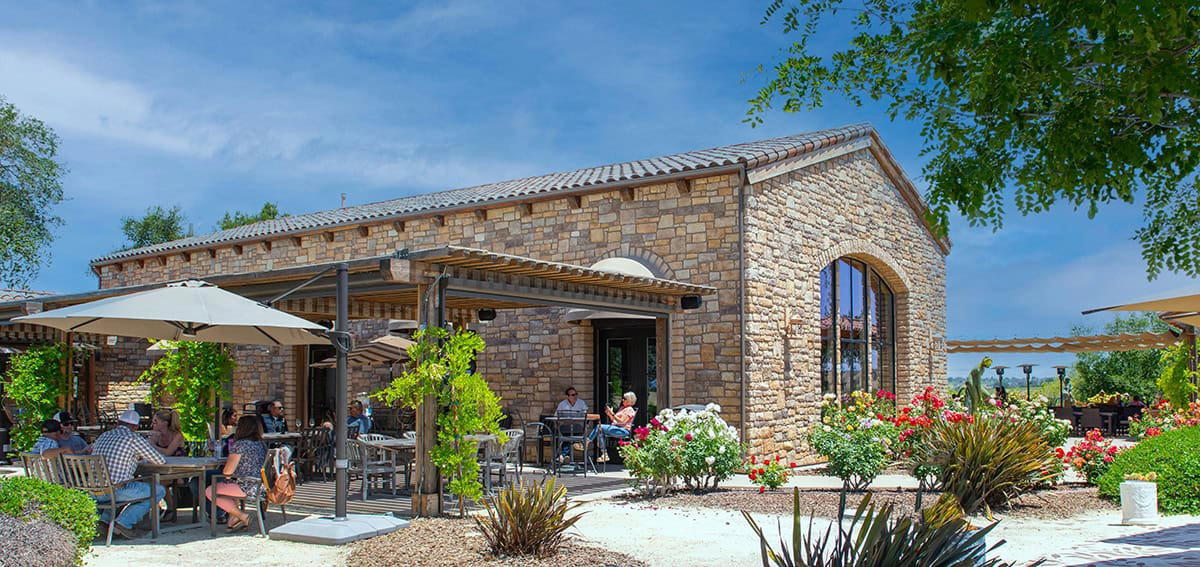
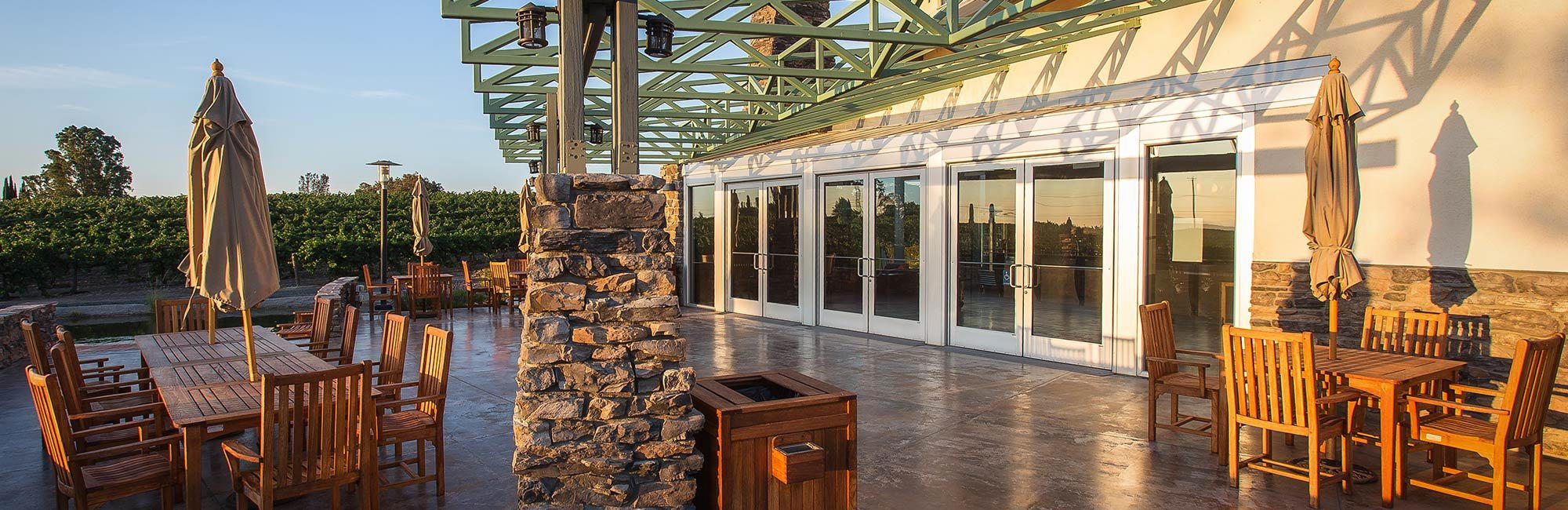
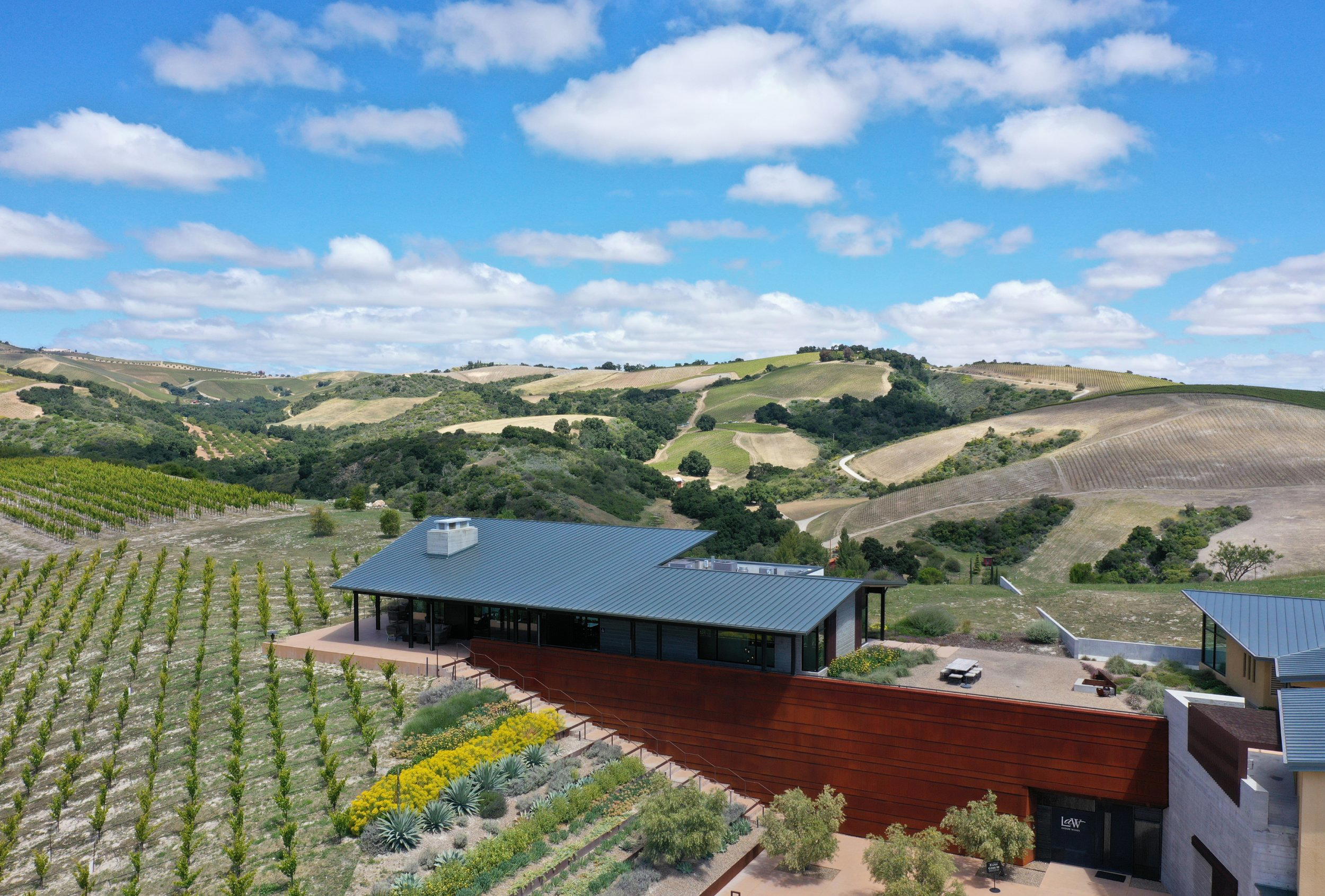
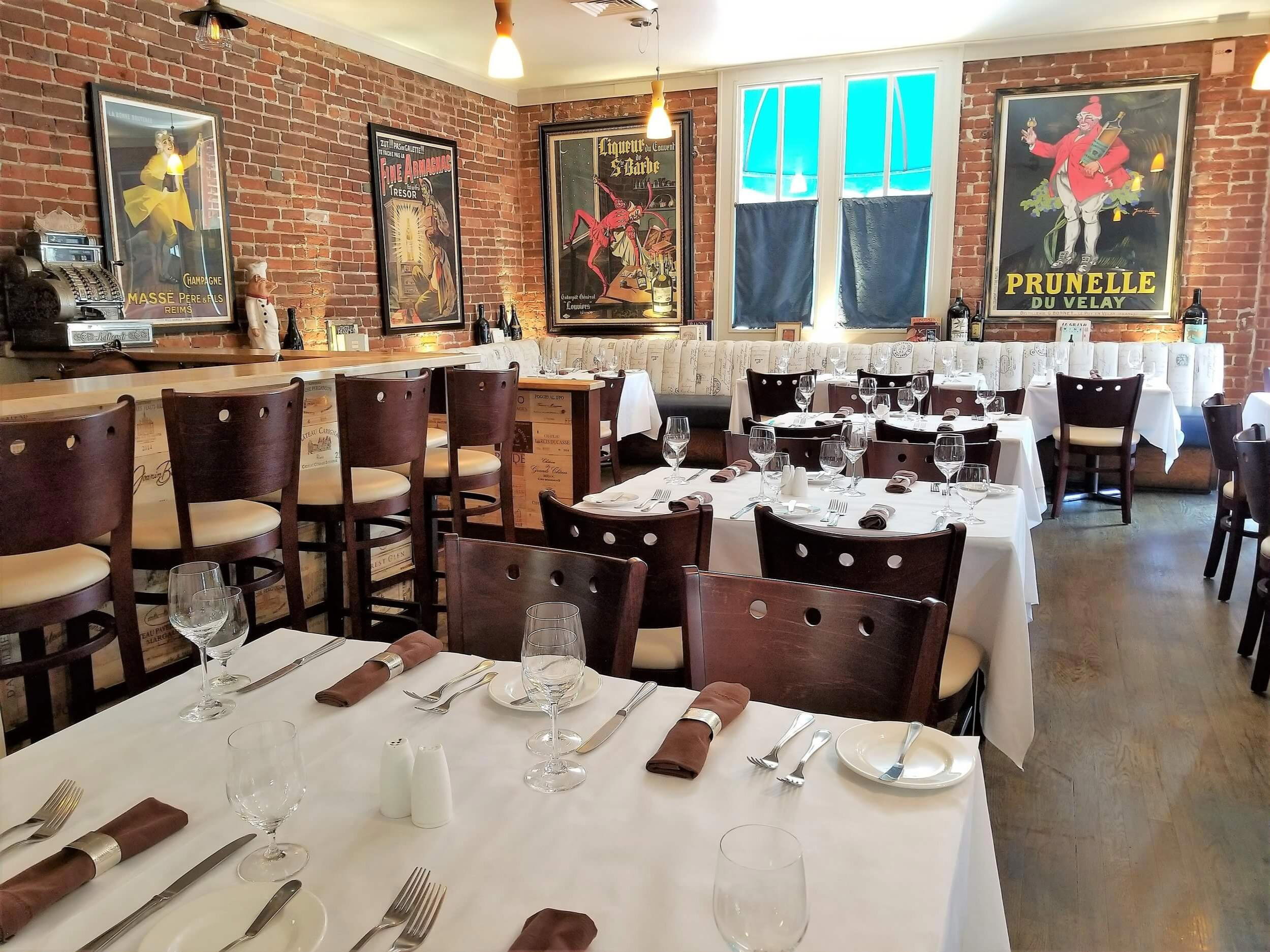
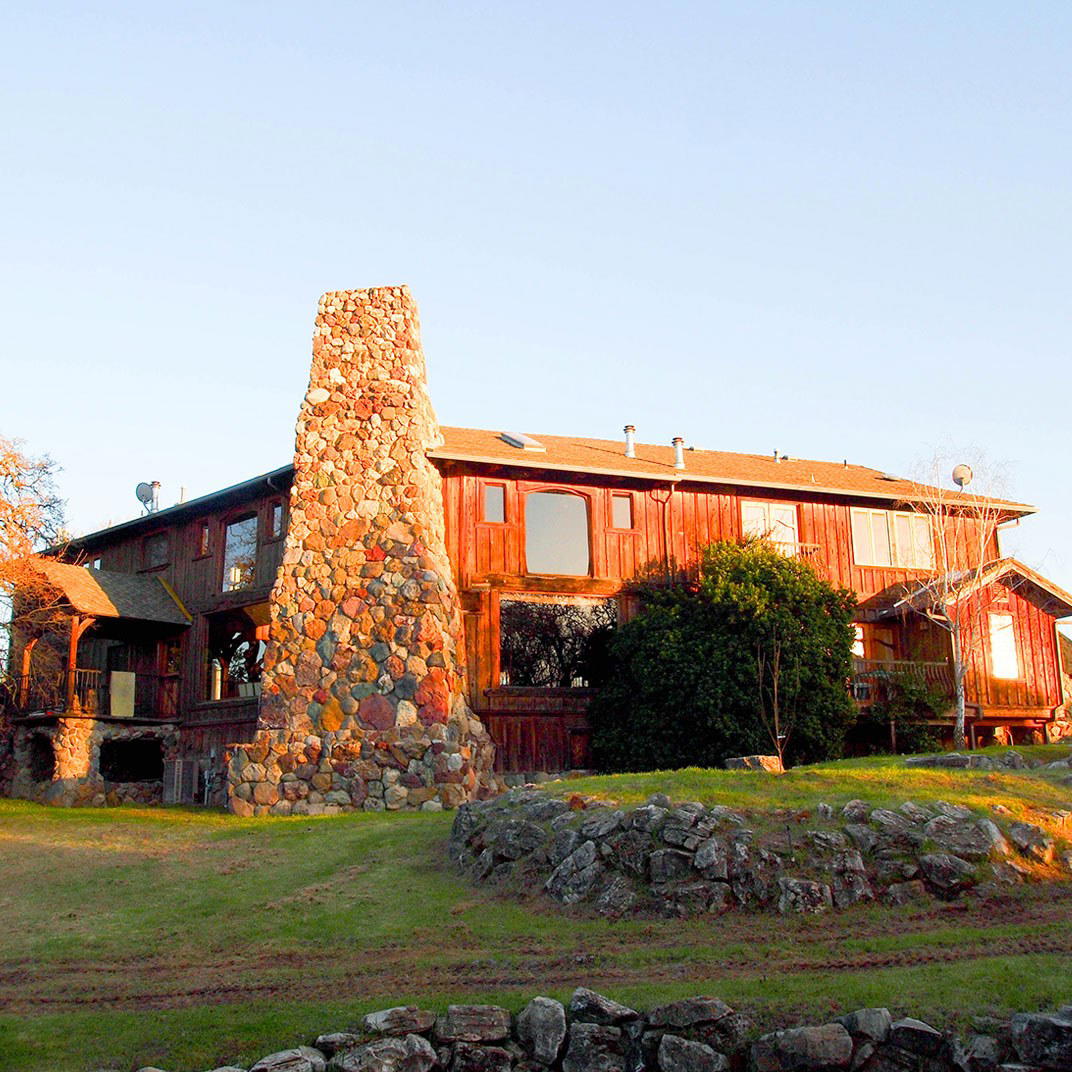
Welcoming and comfortable tasting room amidst estate vineyards with knowledgeable, personable staff creating a casual yet carefully selected atmosphere.