
Gratena is a rural Arezzo wine estate shaped by organic farming, native grapes and a deliberately place-led view of Tuscan production. Its identity rests on Sangiovese, the estate-linked GRATENA NERO grape, hand harvests and indigenous-yeast fermentation, with vineyards and olive groves set within a wooded agricultural environment.

Pearl is the En Primeur Club membership app — saves, bookings, and concierge access live there. Same editors, same standards.

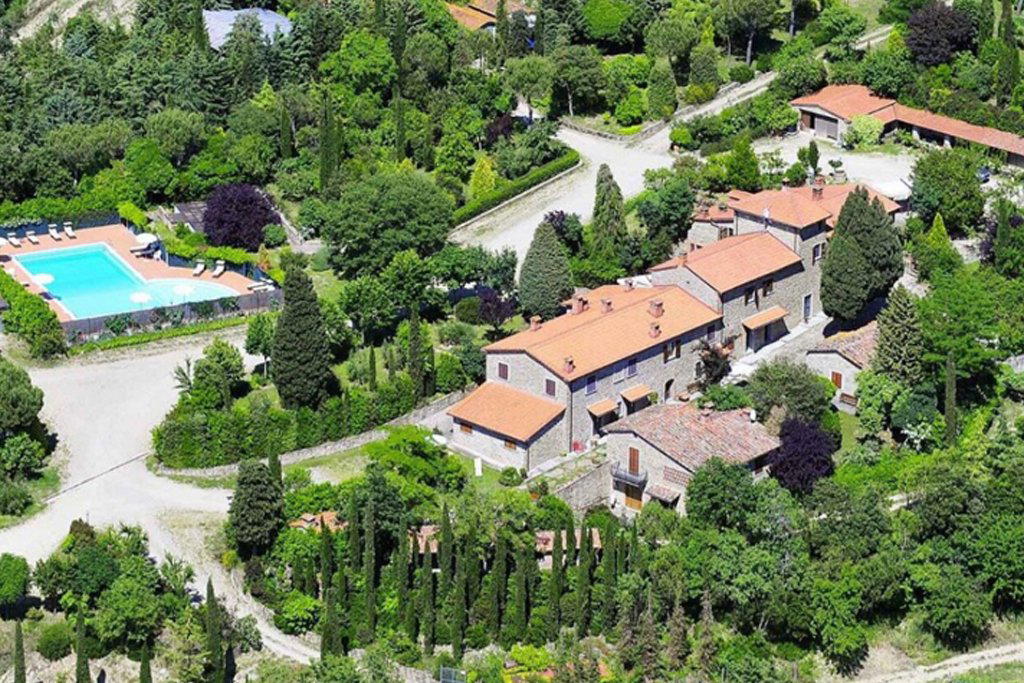
The approach to Gratena is defined by quiet: vineyards, woods and the sense of a rustic setting where natural production and terroir are central to the identity. Around Arezzo, that makes it a scenic, low-key place rather than a polished urban-style venue, and that distinction is important to the way the address should be read. The first impression is not about gloss or ceremony, but about the slower visual language of countryside, agriculture and landscape.
Gratena belongs to that slower register. The picture is intentionally simple: an organic, rustic winery setting surrounded by woods and vineyards, with a quiet atmosphere and a strong emphasis on the land. For readers mapping Arezzo by appetite and itinerary, it is best understood as a hidden-gem rural stop rather than a venue defined by confirmed awards, chef names, detailed menus or public service formats. Its value, based on the information available, sits in the mood of the place and in the clarity of its rural identity.
Organic character gives the Arezzo terroir a clear frame
Gratena is most safely described through its setting and philosophy. The available details point to organic character, a rustic winery environment and an emphasis on terroir. Those are the trust signals here: land, landscape and a natural-production focus rather than spectacle. In a region where visitors often look for a direct connection between place and glass, that kind of framing matters, because it keeps attention on the relationship between the winery and its immediate surroundings.
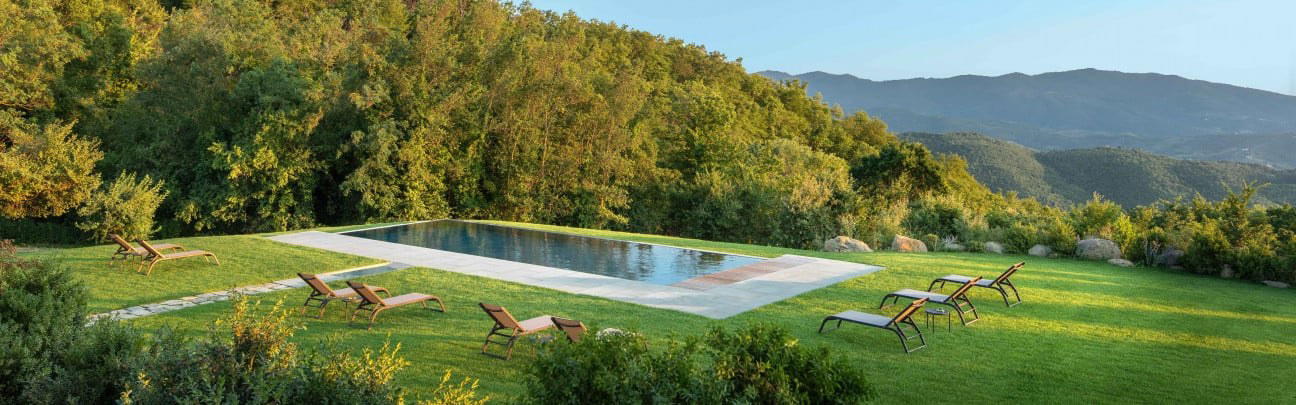
The setting reinforces that stance. Woods and vineyards shape the atmosphere, creating a quiet rural frame around the visit. In practical terms, the appeal is not a confirmed list of technical practices or a published hospitality format; it is the sense of a scenic Arezzo winery setting where the surrounding landscape is part of the experience. The countryside is not just a backdrop in this description. It is the main context, setting the pace and giving the venue its understated appeal.
Because the public record is limited, it is better not to overstate specific grapes, production methods, awards or measurements. The grounded story is still clear: Gratena is a rustic Arezzo winery setting with an organic identity and a terroir-led point of view. That is enough to locate it in the right editorial category without dressing it up as something more formal, more documented or more elaborate than the available facts support.
Natural production and landscape shape the experience
What can be stated is broader: Gratena’s identity is tied to natural production and terroir, with the rural setting doing much of the work in defining the experience. The language around the venue points consistently toward restraint, place and a less manufactured kind of hospitality impression, rather than toward a highly choreographed destination built around published details.
That makes Gratena most relevant for travelers interested in a quiet, scenic winery environment rather than a venue judged by a long menu, a formal dining format or a confirmed critic accolade. The focus is the setting: woods, vineyards, rustic character and the feel of a winery in Arezzo.
Arezzo’s surrounding food-and-wine map can be explored generically through other local dining and winery options, but Gratena should be considered on its own terms: a rustic organic winery setting with a natural-production and terroir emphasis. It fits best into an itinerary that leaves room for countryside and atmosphere, where the purpose is to encounter a quieter expression of the area rather than to chase a tightly documented restaurant or tasting-room narrative.
Who this Arezzo setting suits
The strongest reason to go is not spectacle. It is the chance to experience a quiet rural setting where vineyards, woods and organic character form the core impression. The atmosphere is rustic, scenic and understated, with the landscape shaping the mood more than polished luxury signals. That makes the venue especially easy to understand for visitors who respond to simplicity, rural texture and a sense of place, and less useful for anyone seeking a fully itemised public account of cuisine, service style or awards.
For travelers building an Arezzo day around wine and countryside, the editorial call is simple: choose Gratena when the priority is a quiet rustic setting, natural-production values and a grounded sense of terroir. Treat it as a place whose appeal rests on landscape, organic character and calm, rather than on confirmed extras. On those terms, its identity is coherent: a low-key rural Arezzo stop where the surrounding woods and vineyards carry much of the story.
Recognition history
Dated appearances from independent guides and award organizations, with the underlying list record or original source where available.
Falstaff Winery - Listed
Falstaff
At a Glance
- Rustic
- Quiet
- Scenic
- Wine Education
- Solo Exploration
- Group Outing
- Special Occasion
- Vineyard Tour
- Estate Grounds
- Historic Building
- Private Tasting
- Organic
- Vineyard
- Garden
- Chianti DOCG
- Sangiovese
- Gratena Nero
- Still Red
- Tasting
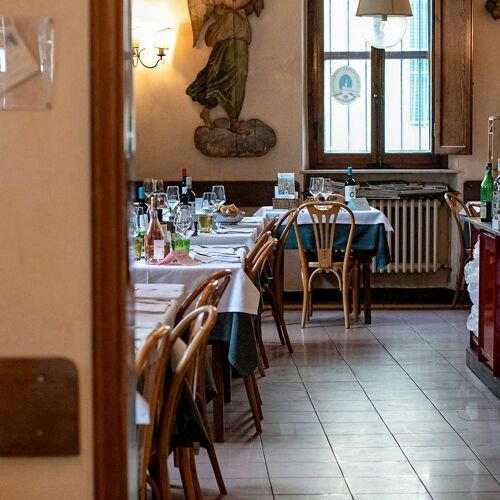
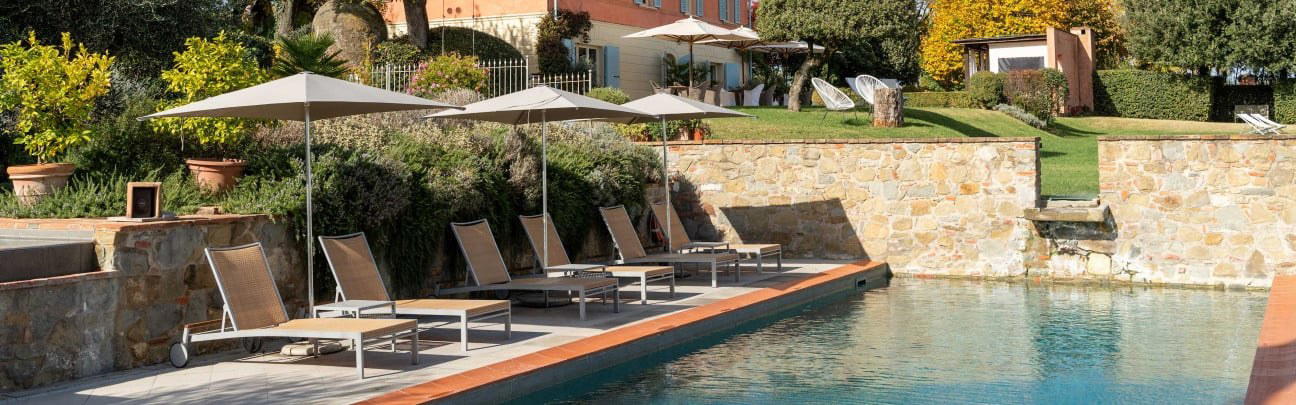
Organic, rustic winery setting surrounded by woods and vineyards, with a strong emphasis on natural production and terroir.