
Glenholm Vingård brings Denmark’s cool-climate wine story into a small North Jutland setting, with vines, Limfjord views, and a rural café-bar atmosphere rather than formal château theatre. The estate dates to 2006, works with grapes including Rondo, Regent, Solaris, and Orion, and suits travelers looking for a low-key vineyard visit in Ranum.
Pearl is the En Primeur Club membership app — saves, bookings, and concierge access live there. Same editors, same standards.
- Address
- Fjordlystvej 21, 9681 Ranum, Denmark
- Phone
- +45 98 67 69 66
- Website
- glenholm.dk
- Directions
- Get directions
 Saves & bookings on Pearl
Approaching wine in North Jutland means recalibrating the usual European vineyard expectations. The scale is smaller, the climate is cooler, and the appeal is less about grand cellars than about seeing how far northern viticulture has moved from curiosity to confident local hospitality. Glenholm Vingård fits that Danish model: vines around the property, views toward the Limfjord, and a casual café and bar atmosphere that keeps the experience rural rather than ceremonial.
Denmark’s wine identity is still young compared with the established regions farther south, which makes grape choice part of the story. Here, the listed varieties include Rondo, Regent, Solaris, and Orion, names that make sense in a Nordic context where ripening windows, disease pressure, and cool seasons shape the vineyard before the cellar has its say. The estate’s focus spans still red, still white, and rosé wines, a range that reflects the experimental character of Danish production rather than a single old-world template.
For wider trip planning around the city, use Our full Ranum wineries guide first, then branch into Our full Ranum restaurants guide, Our full Ranum hotels guide, Our full Ranum bars guide, and Our full Ranum experiences guide depending on how much time is being built around the vineyard visit.
North Jutland wine with Limfjord air in the frame
The useful way to read this estate is through place. Ranum sits in a part of Denmark where wine tourism still feels tied to the land at human scale: small holdings, direct hospitality, and a visitor experience that keeps the vineyard visible rather than turning the tasting into a sealed indoor performance. Glenholm Vingård is listed in the Denmark, Vesthimmerland and North Jutland wine region, and its setting is described around rolling countryside, vines, and water views, which matters because Danish wine often needs that geographic context to make sense to visitors used to warmer regions.
The estate’s production scale is small, family-run, and based around roughly 2.5 to 3 hectares of vineyard. That figure places the visit in a different category from high-volume wine tourism: this is the scale where weather, parcel management, and hospitality are easier to connect in the guest’s mind. The open year, 2006, also gives the property a longer arc than many newer Nordic wine projects. In a country where commercial winegrowing remains a relatively recent chapter, that date carries weight.
Glenholm Vingård’s stated sustainable production philosophy belongs in the same discussion. In cool-climate viticulture, sustainability is not just a branding term; it intersects with disease management, canopy decisions, yield pressure, and the practical economics of farming at small scale. The available detail does not support a technical farming breakdown, but the combination of small acreage, northern climate, and listed sustainable approach points to a vineyard visit where the land is central to the proposition.
A tasting format built around the estate rather than spectacle
The visitor format is structured enough to be useful without turning stiff. Tasting options include guided group tastings, vineyard tour plus tasting, food-paired tasting, and outdoor terrace tasting. Tour duration is listed at 60 to 90 minutes, which is the right length for a Danish vineyard stop: long enough to understand the grapes and the site, short enough to fold into a North Jutland day rather than making the winery the only event.
The hospitality cues are deliberately casual. Dress is casual, the noise level is conversational, and the venue is good for groups as well as families. Outdoor seating, a terrace, picnic area, and estate grounds make the visit more weather-sensitive than a city tasting room, but also more connected to what the wines are trying to express. The on-site café and bar add another layer, especially for travelers who want the vineyard setting without a formal tasting-only rhythm.
Language access is practical for international visitors: tours are listed in Danish, English, and German. Payment by cash, credit card, and debit card is accepted. Visits are by reservation, with booking recommended, which is sensible for a small-capacity estate where staffing and tasting formats are likely matched to the day’s guests rather than constant walk-in volume.
The price signal is moderate, marked at level 2 and aligned with a relaxed countryside winery rather than a luxury tasting salon. That positioning is part of the appeal. Danish wine can carry novelty value for travelers, but this format keeps the emphasis on learning the region, seeing the vines, and understanding how grapes such as Solaris, Rondo, Regent, and Orion function in a northern setting.
How to place it within a Danish wine itinerary
For travelers mapping Danish wine beyond Ranum, the broader national picture is scattered by design. Estates and producers are spread across islands, peninsulas, and small rural communities, so the logistics reward planning more than spontaneity. A route could compare different expressions of Danish and nearby European production through Aalborg Akvavit in Aalborg, Ærø Vin in S By, Andersen Winery in Knebel, Annisse Vingård in Helsinge, Årø Vingård in Haderslev, BAS Winery in Stege, Bjørnø Vingård in Bj Rn, and Brædder Vine in Toreby. For a wider Central European contrast, »der Steiner« Hans Steiner in Podersdorf am See and & Handwein in Mannheim sit in a different climatic and cultural frame.
The winery works strongest as a terroir-led stop for travelers interested in how Danish wine is being made at small scale, not as a trophy address built around awards. Its recognition rests more on established winery identity, longevity since 2006, and visitor-facing formats than on medals or critic scores. That makes the decision simple: go for the landscape, the northern grape story, and the chance to see a modest Danish estate working within the limits and possibilities of the Limfjord setting.
Recognition history
Dated appearances from independent guides and award organizations, with the underlying list record or original source where available.
Falstaff Winery - Listed
Falstaff
At a Glance
- Scenic
- Rustic
- Cozy
- Romantic
- Intimate
- Group Outing
- Family
- Romantic Getaway
- Wine Education
- Special Occasion
- Vineyard Tour
- Estate Grounds
- Picnic Area
- Terrace
- Panoramic View
- Sustainable
- Vineyard
- Waterfront
- Denmark (vesthimmerland / North Jutland Wine Region)
- Rondo
- Regent
- Solaris
- Orion
- Still Red
- Still White
- Still Rosé
- Guided Group Tasting
- Vineyard Tour Plus Tasting
- Food Paired Tasting
- Outdoor Terrace Tasting
Current opening hours
- Monday
- Closed
- Tuesday
- Closed
- Wednesday
- Closed
- Thursday
- 11 AM–5 PM
- Friday
- 11 AM–5 PM
- Saturday
- 11 AM–5 PM
- Sunday
- 11 AM–5 PM
Hours can change for holidays and private events. Last verified .
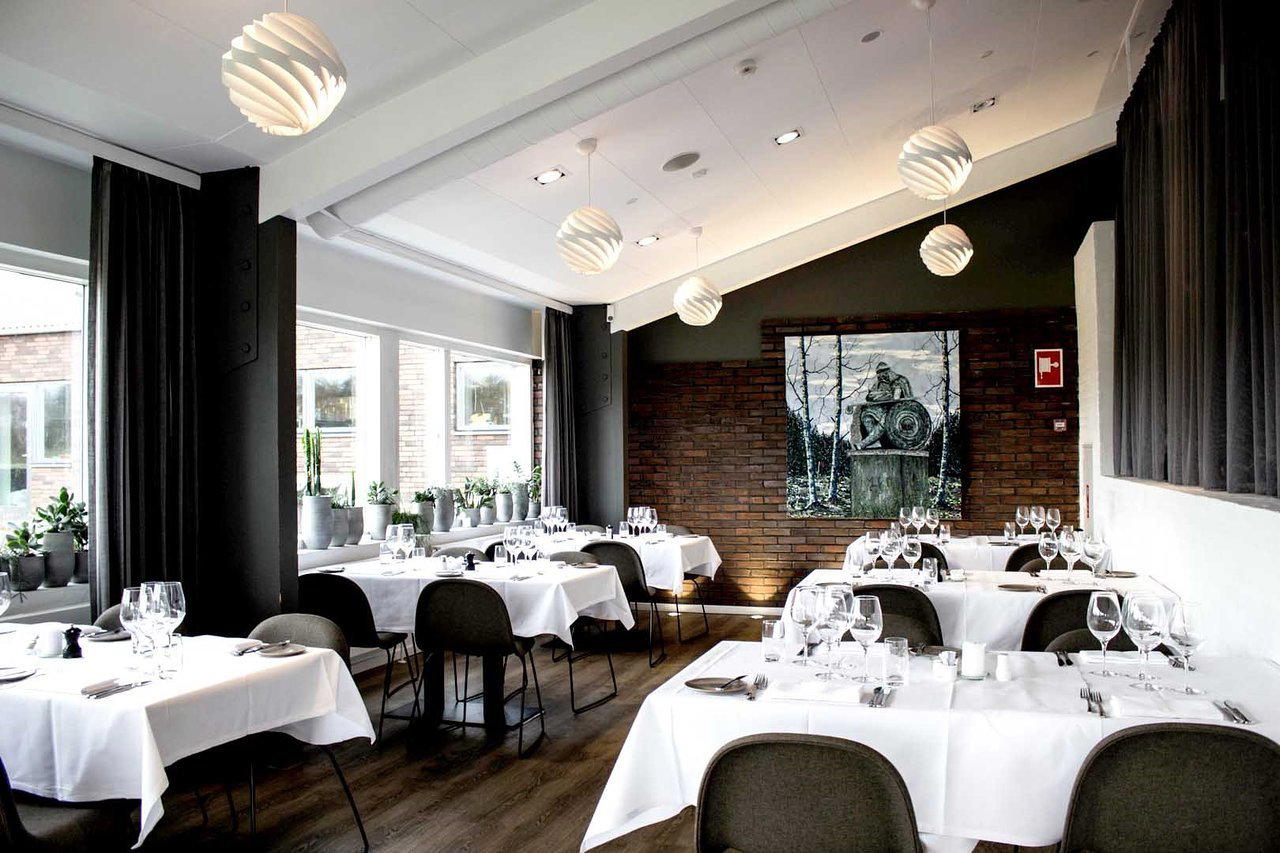
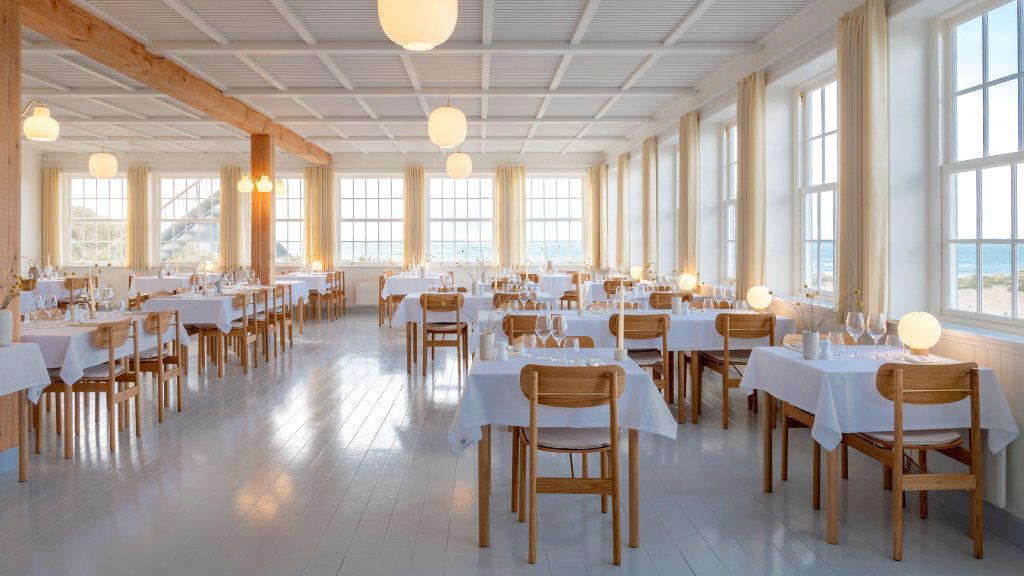
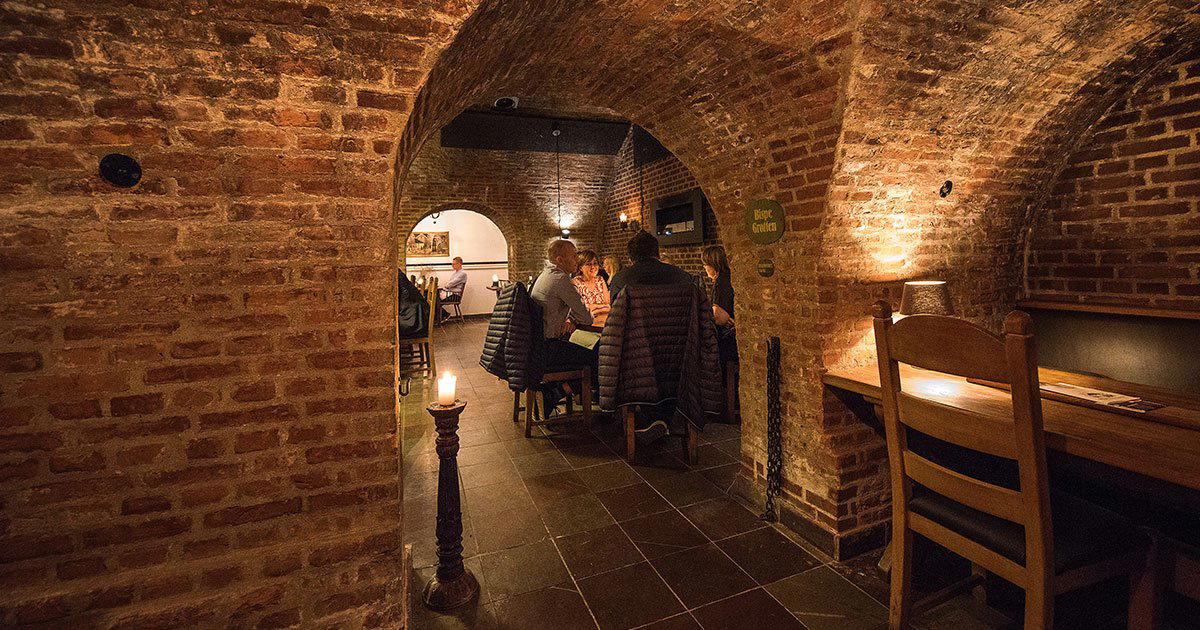
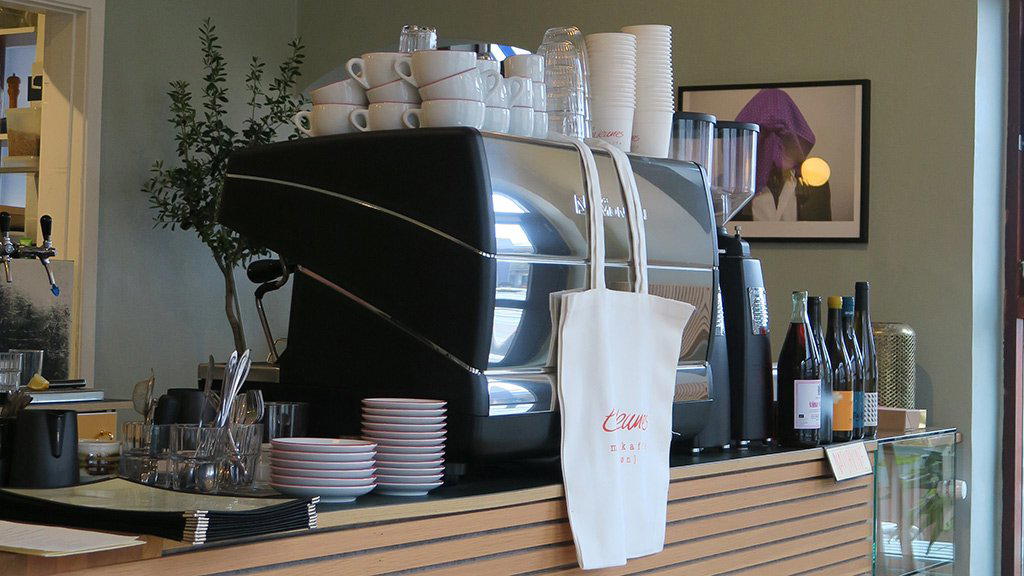
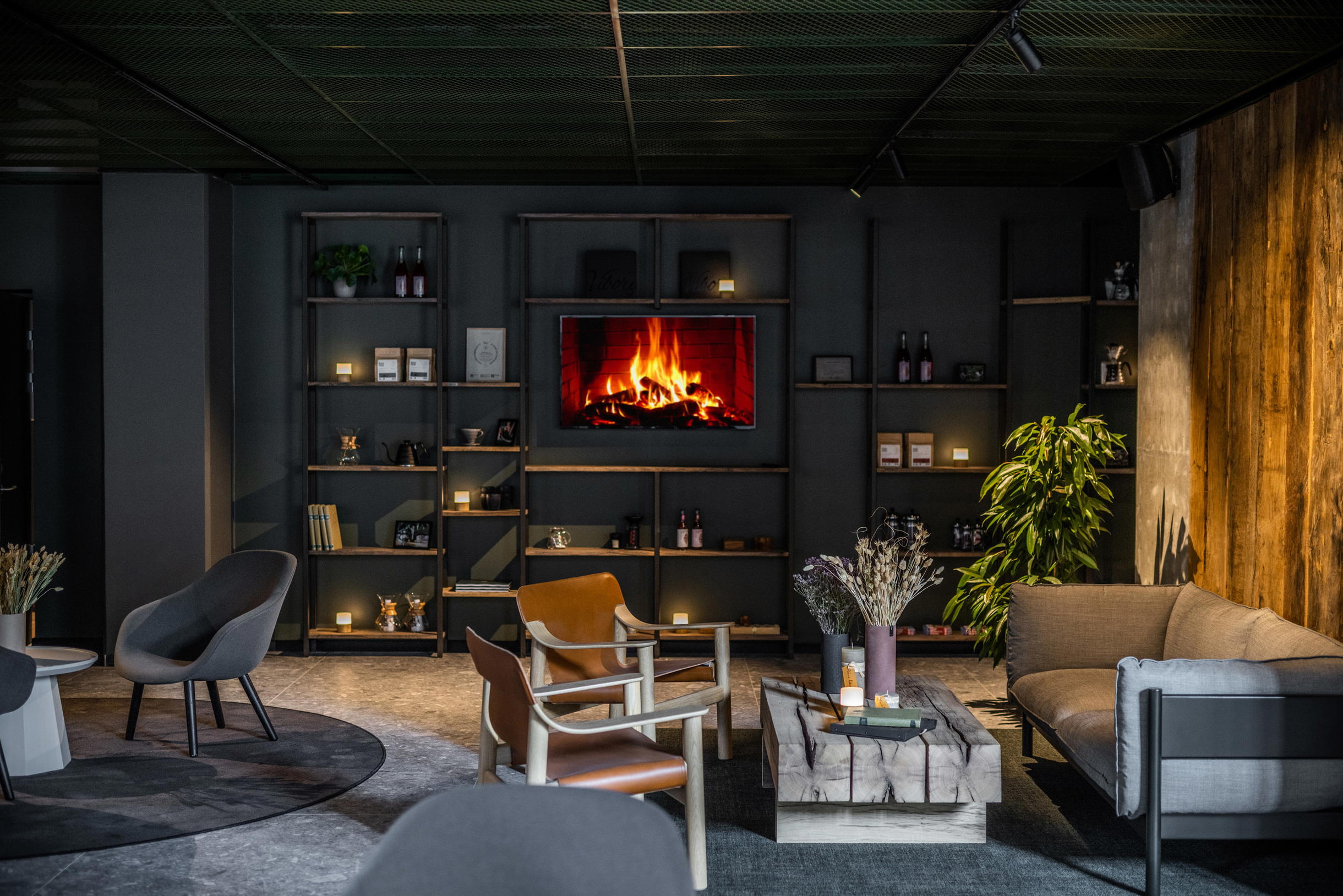
Family-run Danish vineyard in a gently rolling landscape overlooking the Limfjord, with a relaxed rural atmosphere, scenic views over vines, and a casual café and bar that feels cozy and rustic rather than formal.