Giuseppe Principiano

Giuseppe Principiano is a four-generation family winery in Monforte d’Alba, working about eight hectares across Monforte and Serralunga. The range is anchored in Barolo DOCG and Nebbiolo, with Barbera, Dolcetto and Piemonte Chardonnay giving a compact view of Langhe farming rather than a broad commercial catalogue.
Pearl is the En Primeur Club membership app — saves, bookings, and concierge access live there. Same editors, same standards.
- Address
- Monforte d'Alba, Piedmont, Italien
 Saves & bookings on Pearl
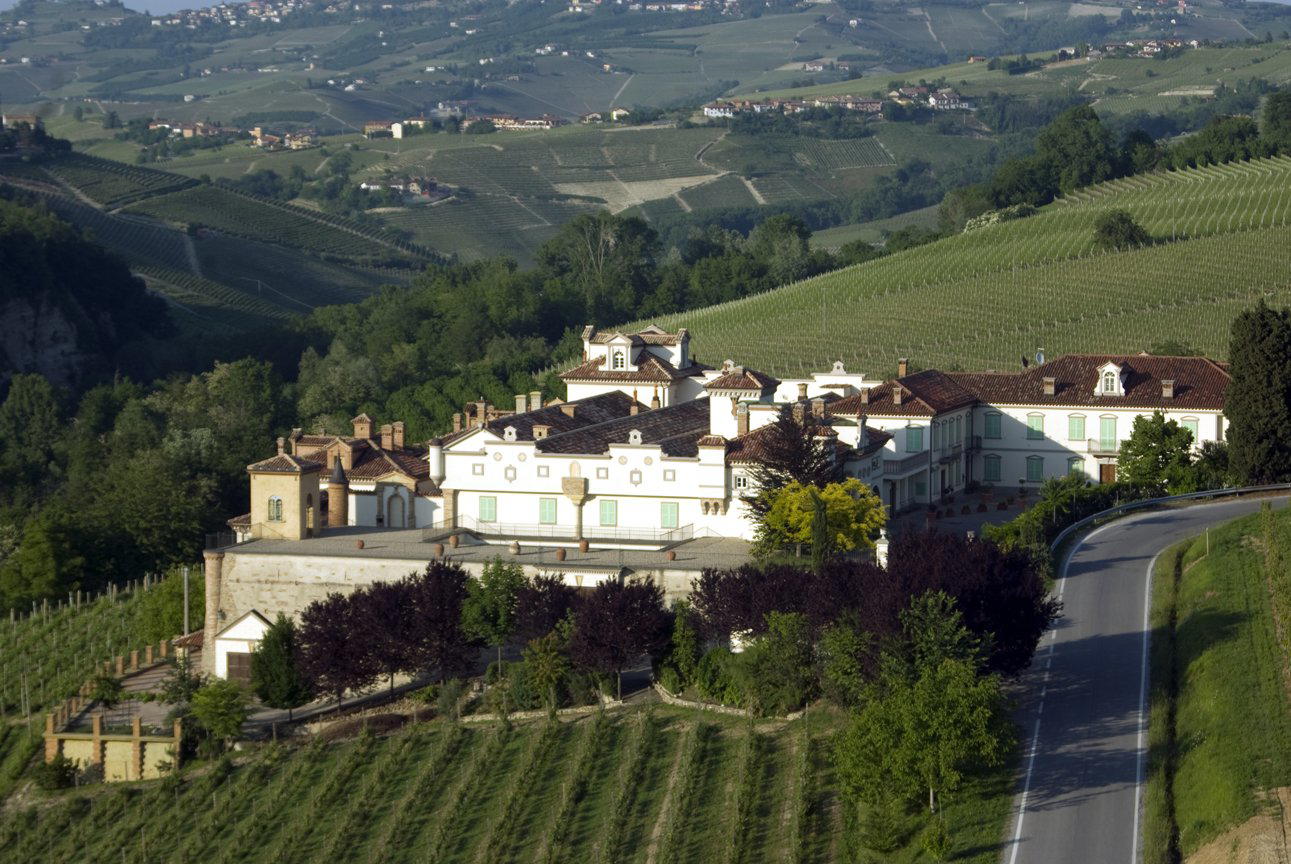
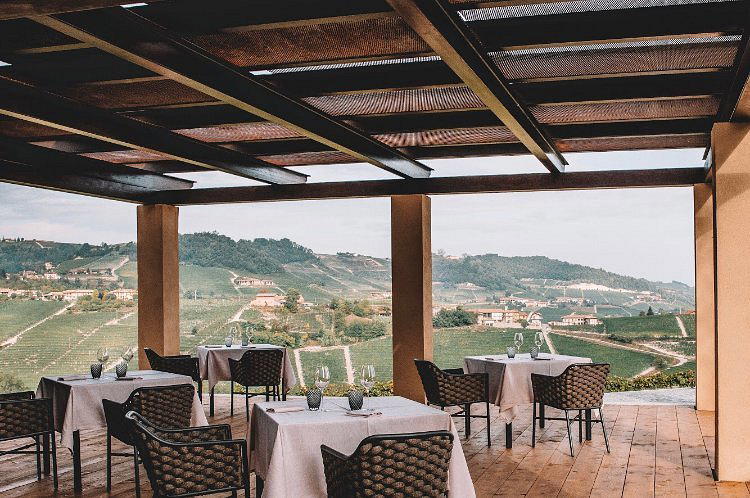
Approaching wine in Monforte d’Alba means paying attention to the Langhe landscape as much as to the label. Giuseppe Principiano is as a family-run Piedmont winery in the Langhe hills, with a classic rural vineyard atmosphere and a focus on expressing terroir and vintage through careful work. That combination matters because it frames the venue less as a polished attraction and more as a working wine address whose identity is anchored in place. The available details point to a traditional cellar, stainless steel tanks and large Slavonian oak barrels, rather than a venue defined by spectacle or a heavily described hospitality format. In EP Club terms, the useful reading is restrained: this is a Monforte d’Alba winery to understand through its setting, cellar language and rural character, not through unsupported claims about rankings or elaborate visitor experiences.
Monforte d'Alba wine, interpreted through a rural Langhe lens
Giuseppe Principiano is best understood from the facts as a Monforte d'Alba winery rooted in the Langhe hills. That rooting is the central point. Monforte d'Alba is not just a postal location in the description, but the context that gives the venue its practical and editorial meaning for travellers comparing wine stops in the area. The emphasis falls on family ownership, vineyard atmosphere and the kind of cellar details that suggest continuity with traditional Langhe wine culture.
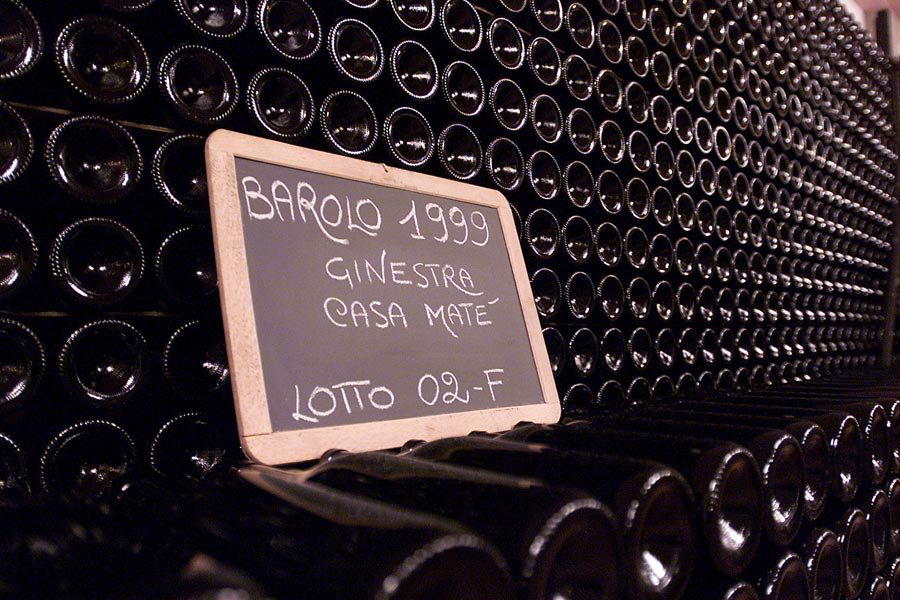
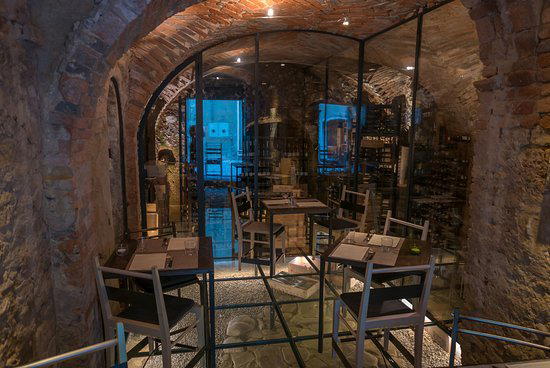
The cellar details support that reading. Stainless steel tanks and large Slavonian oak barrels suggest a traditional working environment where the cellar is part of the agricultural identity of the place. They also keep the description grounded in physical, observable elements rather than marketing language. Beyond that, specific claims about individual wines, bottlings or technical choices should be confirmed directly with the winery before planning a visit around them. That caution is important: the provided information supports a sense of style and setting, but it does not support a detailed catalogue of wines or production methods.
What can be said with confidence is that Giuseppe Principiano fits a classic Langhe winery profile: family-run, rural, cellar-focused and closely tied to Monforte d'Alba. For readers comparing wine stops in the area, it is a venue to consider for its traditional setting rather than for awards, scores, vineyard statistics or named cuvées. Its appeal, on the evidence available, is not built from external accolades but from a quieter set of signals: a family-run structure, a rural vineyard atmosphere and a cellar described through stainless steel and large oak.
Large oak and stainless steel keep the cellar language restrained
The cellar description is concise but meaningful: stainless steel tanks and large Slavonian oak barrels. Those two details do not, by themselves, define a complete winemaking philosophy, and they should not be overstretched. What they do provide is a useful impression of a cellar whose language is practical, traditional and workmanlike. Large oak, in particular, reads differently from a flashy tasting-room image; it places attention back on the cellar as a functional space, while stainless steel suggests the presence of contemporary working equipment within that traditional frame.
The venue’s public identity, as here, is family-run and rural. That gives the winery a different appeal from venues built around elaborate visitor programming. The strongest grounded description is of a Piedmont winery in the Langhe hills, focused on expressing terroir and vintage through careful work. The phrasing is important because it stays close to what is known: care, place and vintage expression are the organizing ideas, while more granular claims should remain open until confirmed by the winery.
The practical trust signal is therefore simpler: a family-run Monforte d'Alba winery with a traditional cellar setup and a classic Langhe vineyard atmosphere. For EP Club readers, that simplicity is useful. It sets expectations clearly and avoids turning a spare fact pattern into a speculative profile. The winery should be approached as a grounded rural wine address, not as a venue whose value depends on a checklist of trophies or highly specific production claims.
How to place it in a Monforte wine day
For planning, treat the winery as a rural winery stop in Monforte d'Alba. That means thinking of it as part of a wider Langhe day where the rhythm is shaped by landscape, cellar visits and careful confirmations rather than by assumptions.
The practical case for the winery is strongest for travellers using Monforte d'Alba as a base for Langhe wine exploration and wanting a traditional, family-run winery atmosphere. Build any visit around confirmed appointment details rather than assumptions about walk-ins, tastings or cellar access. For broader local planning, EP Club’s Monforte coverage sits across Our full Monforte d'Alba wineries guide, Our full Monforte d'Alba restaurants guide, Our full Monforte d'Alba hotels guide, Our full Monforte d'Alba bars guide and Our full Monforte d'Alba experiences guide.
Readers mapping wine options around Monforte d'Alba can keep the winery in mind as a family-run Langhe winery with a traditional cellar and rural vineyard atmosphere. Other nearby dining, hotel, bar and experience choices should be researched generically unless their details are confirmed separately. The safest summary is also one useful one: this is a Monforte d'Alba wine address whose known character lies in its rural setting, family-run profile and restrained traditional cellar language.
Recognition history
Dated appearances from independent guides and award organizations, with the underlying list record or original source where available.
Falstaff Winery - Listed
Falstaff
Continue exploring
More in Monforte d'Alba
Wineries in Monforte d'Alba
Browse all →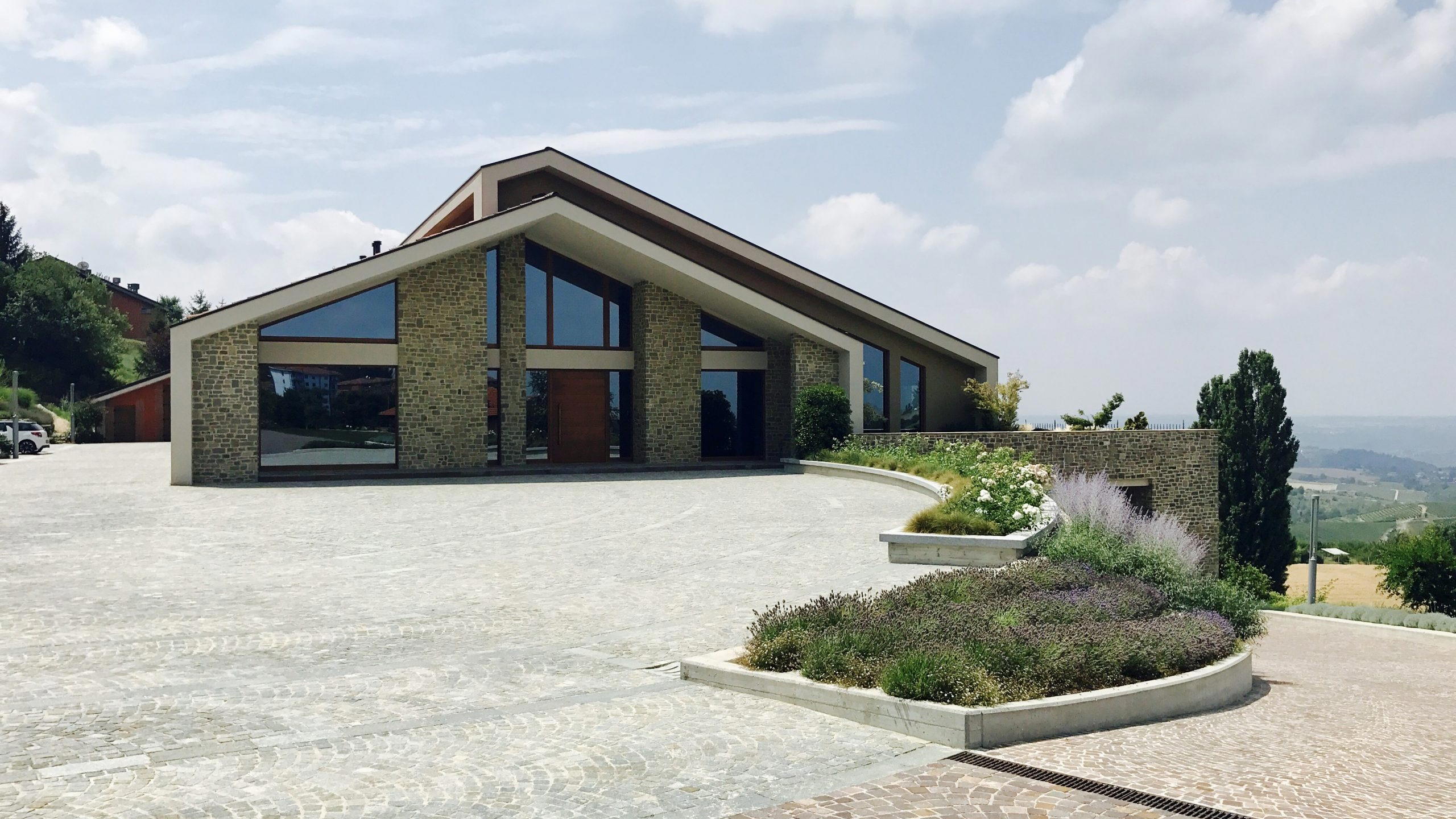
Bars in Monforte d'Alba
Browse all →
At a Glance
- Classic
- Rustic
- Scenic
- Intimate
- Wine Education
- Romantic Getaway
- Group Outing
- Solo Exploration
- Special Occasion
- Vineyard Tour
- Estate Grounds
- Barrel Room
- Historic Building
- Sustainable
- Vineyard
- Mountain
- Barolo DOCG
- Nebbiolo
- Barbera
- Dolcetto
- Chardonnay
- Still Red
- Still White
- Cellar Tasting
- Vineyard Visit
- Standard Flight
Family-run Piedmont winery in the Langhe hills with a traditional cellar of stainless steel tanks and large Slavonian oak barrels, offering a classic, rural vineyard atmosphere focused on expressing terroir and vintage through careful, manual work.