Giordano Vini

Giordano Vini represents the high-volume, direct-sales side of Piedmont wine: broad Italian regional coverage, branded collections, food specialties, and shipping-led convenience rather than a small cellar-door romance. In Diano d’Alba, its Langhe setting matters, but the defining story is scale: Nebbiolo, Barbera, Arneis, Chardonnay, Passerina, Vermentino and sparkling styles organized for accessible buying and group-friendly visits.
Pearl is the En Primeur Club membership app — saves, bookings, and concierge access live there. Same editors, same standards.
- Address
- Diano d'Alba, Piedmont, Italien
 Saves & bookings on Pearl
Approaching Giordano Vini means entering a more practical register of Piedmont wine culture. This is not presented here as a small, intimate cellar experience, nor as a venue whose appeal depends on a sense of secrecy or domestic scale. The picture is larger and more commercial: a production-focused winery with a visitor-ready facility in Diano D Alba, used for tastings, sales, and tours. That makes it a useful address for travelers who want to see a more operational, sales-oriented side of the local wine landscape.
That distinction matters when planning a visit in Diano D Alba. Giordano Vini is best understood as a winery focused on production and direct sales rather than on a quiet, private-cellar atmosphere. Its listed price level is $$, and the appeal is grounded in accessibility, scale, and a functional setting for visitors. In practical terms, the expectation should be clear: this is a place to approach for a direct winery visit, not for the romance of a tiny, tucked-away cellar.
Piedmont setting, practical winery scale
Diano D Alba gives Giordano Vini a Piedmont base, but one important point is the character of the operation: large, commercial, and organized around production and direct sales. Visitors should not expect the pageantry of an intimate cellar visit to be the central promise here. The value lies instead in seeing how a bigger winery setting can welcome guests while remaining closely tied to its commercial function.
The useful way to read the winery is as a visitor-ready production winery. Tastings, sales, and tours are part of the setup, and the facility is designed to support those functions in a practical way. That practicality is central to the experience: the venue is not pretending to be something smaller or more private, and travelers will get full value from it by understanding that scale before they arrive.
For travelers using Diano D Alba as a base, that contrast is useful. Other local dining and wine options may offer different atmospheres, but the winery gives a clear example of a larger Piedmont winery model built around access, sales, and visitor flow. In an itinerary, it can help balance the more atmospheric idea of wine country with a look at the structured, visitor-facing side of wine production and retail.
A visitor-ready tasting and sales setting
The defining feature here is not a chef, menu, cellar size, or award history. The identity is simpler: the winery is a large, commercial Piedmont winery with a functional facility used for tastings, sales, and tours. That simplicity is part of the point, because the venue is easiest to understand through what it is clearly set up to do.
This is a valid form of wine hospitality, even if it is less intimate than the small-cellar ideal. The setting is visitor-ready, the tone is practical, and the experience is best framed around understanding how a production-focused winery presents itself to guests. For some visitors, that directness may be exactly the appeal: a clear, accessible encounter with a winery whose public-facing functions are organized around tasting, purchasing, and touring.
What can be said with confidence is that the venue is set up for tastings, sales, and tours in Diano D Alba. That is the firm planning point, and it should shape expectations more than assumptions about a secluded cellar atmosphere or a highly personalized private visit.
The winery is therefore outside the narrow image of the tiny, atmospheric cellar. Its strengths are scale, direct sales, and a practical visitor facility rather than scarcity, exclusivity, or a highly intimate cellar ambience. Seen on those terms, it fills a different role in the local wine picture: less about hush and rarity, more about access, organization, and a clear commercial winery format.
How to place it in a Diano D Alba itinerary
The winery works well when treated as a counterpoint to the smaller-cellar narrative often associated with Piedmont. Visit for perspective on how a large commercial winery can operate in a visitor-ready format, with tastings, sales, and tours forming the core experience. It is especially useful for travelers who want their Diano D Alba planning to include more than one version of wine hospitality, from atmospheric expectations to a broader, more production-led model.
For planning around the city, the wider EP Club coverage is useful: Our full Diano D Alba wineries guide maps the local wine field, while Our full Diano D Alba restaurants guide, Our full Diano D Alba hotels guide, Our full Diano D Alba bars guide, and Our full Diano D Alba experiences guide help round out the trip. Readers comparing options should keep the focus on the winery and other Diano D Alba venues in general rather than relying on claims about specific peers. A useful fit is a visit planned with realistic expectations: practical, accessible, commercial in scale, and clearly oriented toward tastings, sales, and tours.
Recognition history
Dated appearances from independent guides and award organizations, with the underlying list record or original source where available.
Falstaff Winery - Listed
Falstaff
Continue exploring
More in Diano D Alba
At a Glance
- Classic
- Scenic
- Well Known
- Group Outing
- Wine Education
- Solo Exploration
- Celebration
- Corporate Event
- Estate Grounds
- Vineyard
- Mountain
- Langhe DOC
- Nebbiolo
- Barbera
- Arneis
- Chardonnay
- Passerina
- Vermentino
- Still Red
- Still White
- Still Rosé
- Sparkling
- Dessert
- Bar Tasting
- Estate Visit
- Retail Counter Tasting
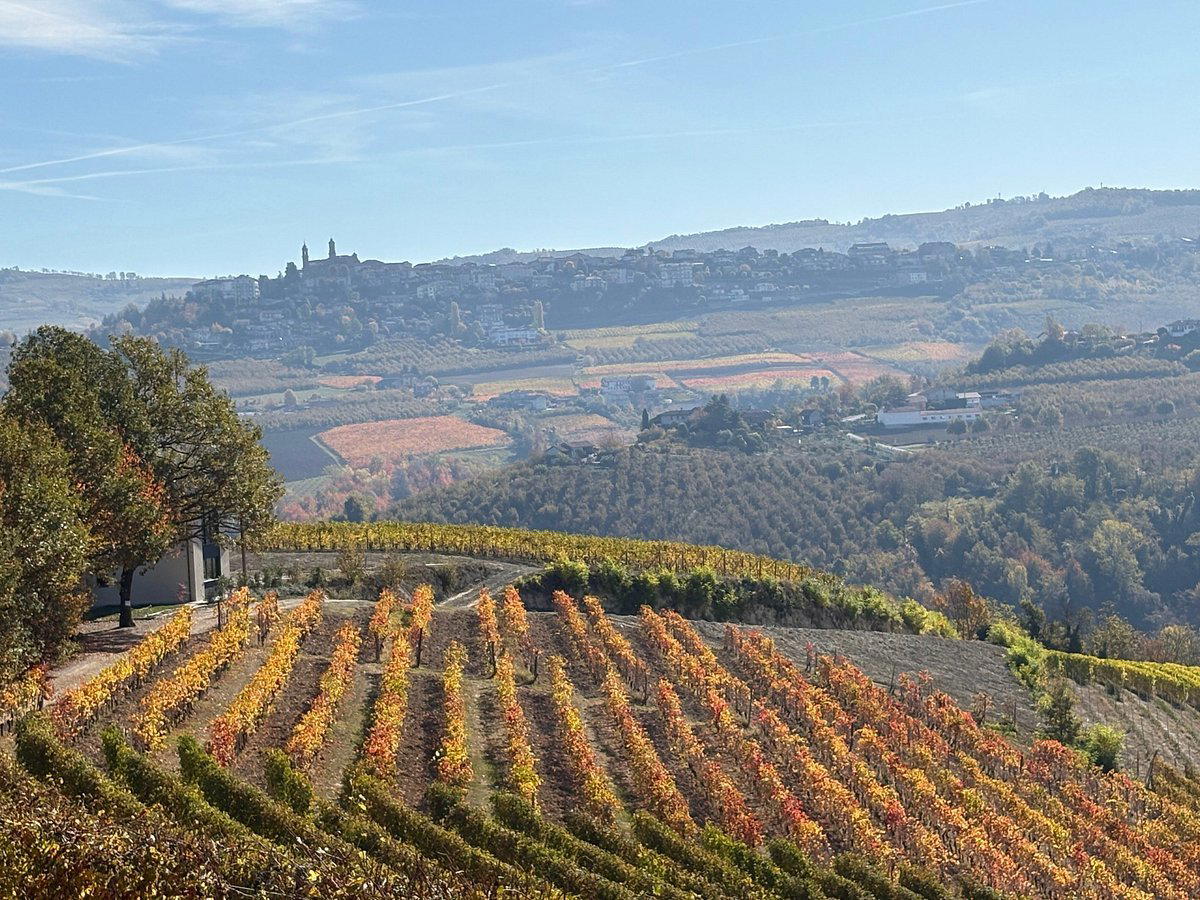
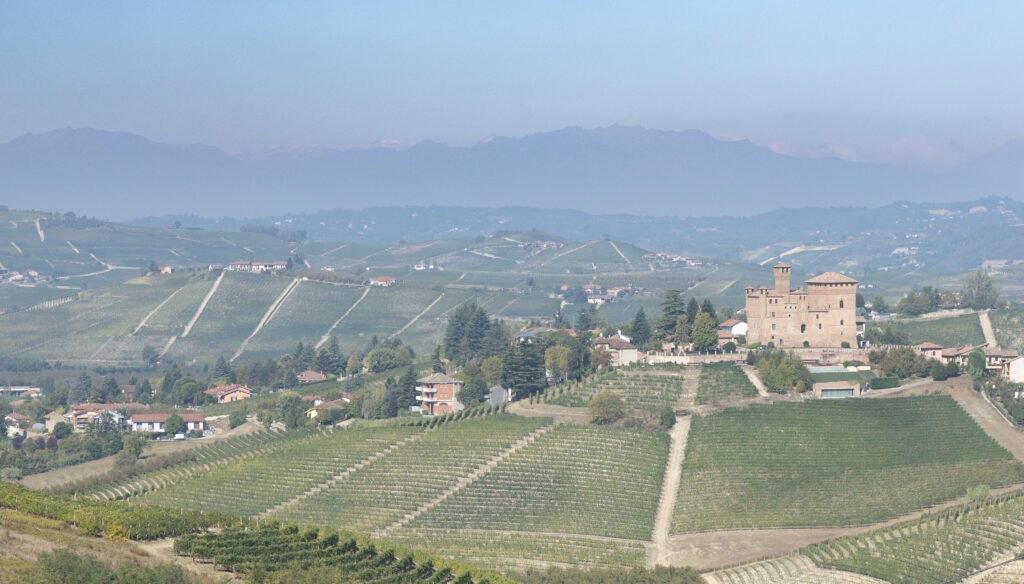
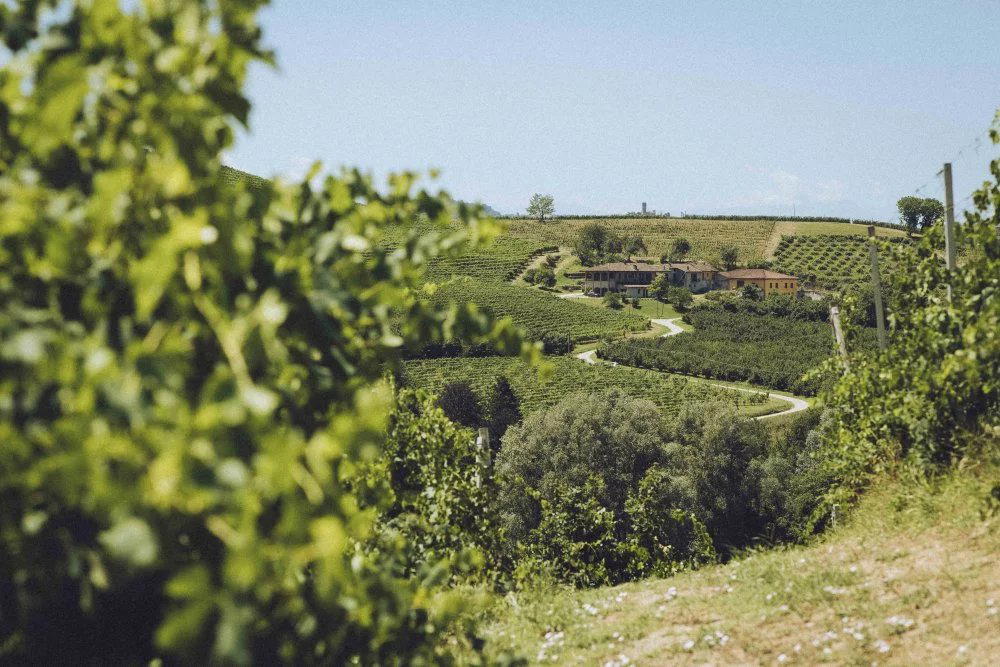
Large, commercial Piedmont winery focused on production and direct sales rather than intimate cellar ambience, with a functional, visitor-ready facility used for tastings, sales, and tours in the valley setting of Valle Talloria.