Ferreri & Bianco

Ferreri & Bianco is a Santa Ninfa winery shaped by western Sicily’s clay-limestone hills, indigenous grapes, and a restrained rural setting. Founded in 2003, it works across Nero d’Avola, Catarratto, Pignatello, Grillo, Zibibbo and Inzolia, with a portfolio that runs from still wines to sparkling and passito styles.
Pearl is the En Primeur Club membership app — saves, bookings, and concierge access live there. Same editors, same standards.
- Address
- Santa Ninfa, Sicily, Italien
- Directions
- Get directions
 Saves & bookings on Pearl
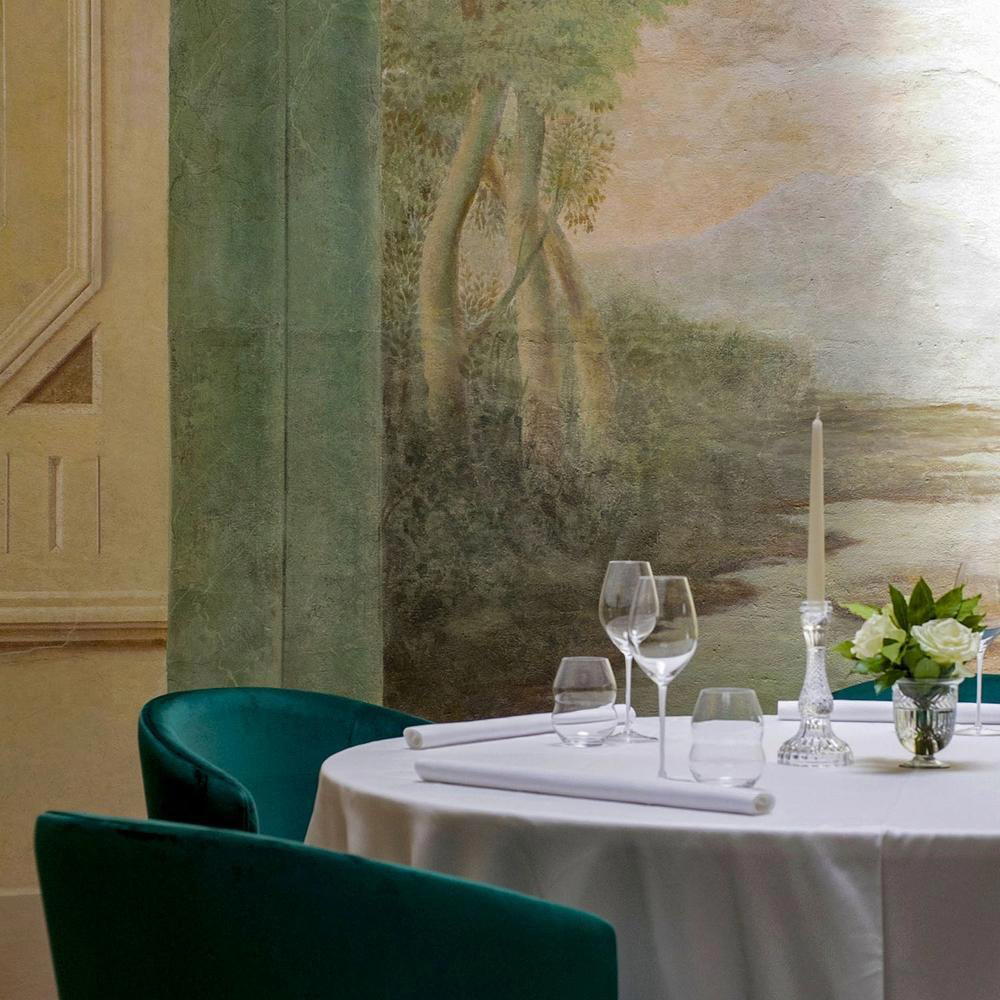
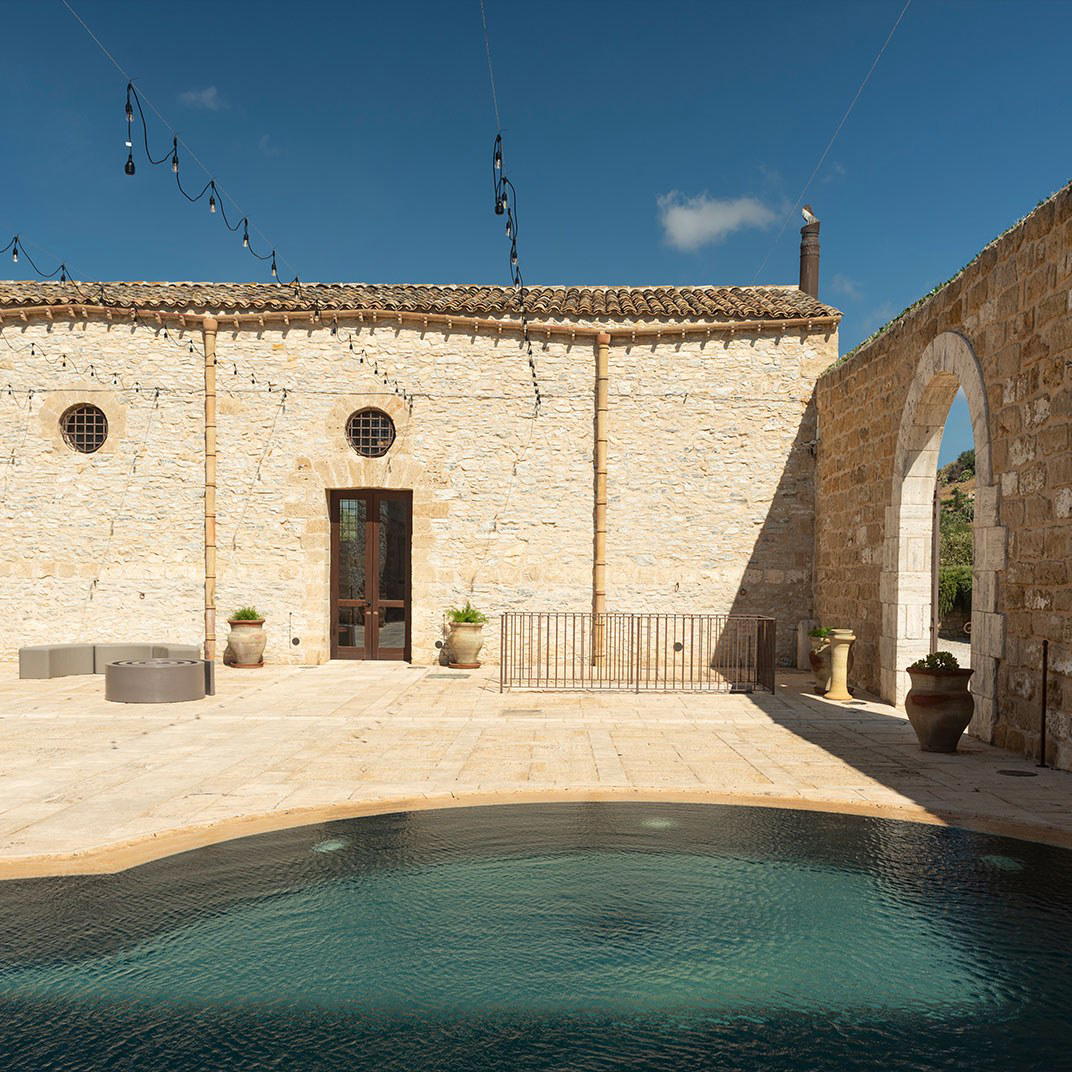
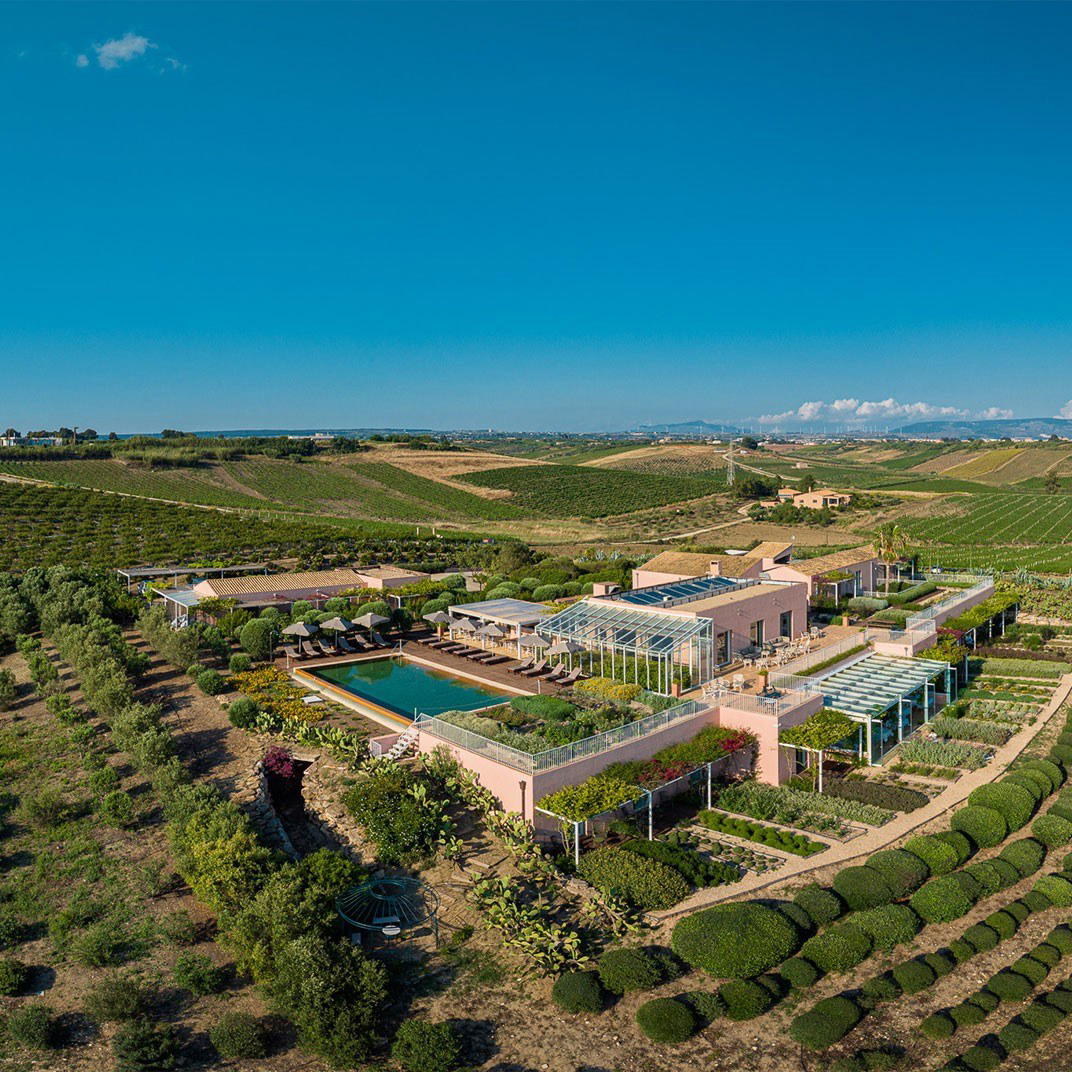
Ferreri & Bianco is best described through its setting rather than through a long list of service details. The picture is a rural Sicilian winery near Santa Ninfa, set among vineyards on clay-limestone soils. Its atmosphere is classic and authentic: more agricultural than theatrical, more focused on place and production than on flashy architecture or a heavily staged visitor experience.
That makes the winery useful for readers who are trying to understand Santa Ninfa through the landscape around it. The emphasis is on indigenous grapes and quality-driven production, which gives Ferreri & Bianco a clear identity without needing to overstate the experience. The appeal is the combination of vineyard context, local grape focus, and a quiet rural character, especially for travelers who value a sense of place over polished spectacle.
Clay-limestone hills, indigenous grapes, and a Santa Ninfa argument
One important detail is the vineyard setting. Ferreri & Bianco sits in a rural Sicilian environment near Santa Ninfa, with vineyards on clay-limestone soils. That matters because the winery’s identity is tied to land and grape growing, not to spectacle or destination-design language. In this context, the soils and the surrounding countryside are not background decoration; they are the foundation for how the winery should be read.
The production focus is also clear: indigenous grapes are central to the winery’s character. Without relying on bottle lists, technical yields, founding dates, or cellar specifications, the grounded takeaway is direct. Ferreri & Bianco presents itself as a quality-driven Sicilian producer whose argument begins in the vineyard and continues through a local-grape lens. That lens keeps the emphasis regional, making the winery feel connected to western Sicily rather than interchangeable with a more generic wine stop.
For visitors or wine drinkers comparing options in and around Santa Ninfa, that makes Ferreri & Bianco a classic rural winery choice. It is not best framed as a luxury architectural showcase or a restaurant-style hospitality venue. It is better understood as a place where the surroundings, soils, and indigenous-grape focus carry the story, and where the value lies in reading the wine through its agricultural setting.
A portfolio that reads western Sicily through style, not spectacle
Rather than inventing those details, the useful editorial frame is broader: Ferreri & Bianco’s identity rests on local Sicilian grape culture and quality-minded production. That is a modest but meaningful position, because it gives the winery shape without requiring unsupported claims about individual labels, cellar technology, or formal recognition.
That still gives readers a meaningful way to understand the venue. A winery does not need a confirmed trophy list or a highly publicized design concept to be worth noting. Here, the draw is a rural Sicilian atmosphere, vineyards on clay-limestone soils, and a production philosophy that keeps indigenous grapes at the center. The result is a venue whose interest comes from coherence: setting, grape identity, and production approach all point in the same direction.
The price level is listed as $$, which places Ferreri & Bianco in a moderate bracket. Anyone planning a visit should confirm practical details directly before going, particularly because the strongest available description concerns the winery’s character and setting rather than a fixed list of visitor services.
How to place it in a Santa Ninfa wine itinerary
Ferreri & Bianco fits naturally into a Santa Ninfa itinerary for travelers interested in wine, countryside settings, and Sicilian agricultural character. The reliable reason to include it is not a claimed award, a stated founding year, or a particular bottle specification, but the combination of rural setting, clay-limestone vineyard context, and indigenous-grape focus. It is a useful stop for building an itinerary around landscape and local wine identity rather than around headline features.
Ferreri & Bianco can be described as a classic winery setting near Santa Ninfa with an authentic rural atmosphere. Specific services, visit formats, food options, or hospitality details should not be assumed unless confirmed directly with the venue. That caution does not weaken the recommendation; it simply keeps the description honest and aligned with what is known.
For broader planning, compare Ferreri & Bianco with other dining and wine-related options in Santa Ninfa generically, using the winery’s grounded strengths as the reference point: countryside setting, local grape identity, and a quality-driven approach. Its contribution to the area is clear without embellishment: a rural Sicilian winery rooted in vineyards, clay-limestone soils, and indigenous grapes.
Recognition history
Dated appearances from independent guides and award organizations, with the underlying list record or original source where available.
Falstaff Winery - Listed
Falstaff
Continue exploring
More in Santa Ninfa
Wineries in Santa Ninfa
Browse all →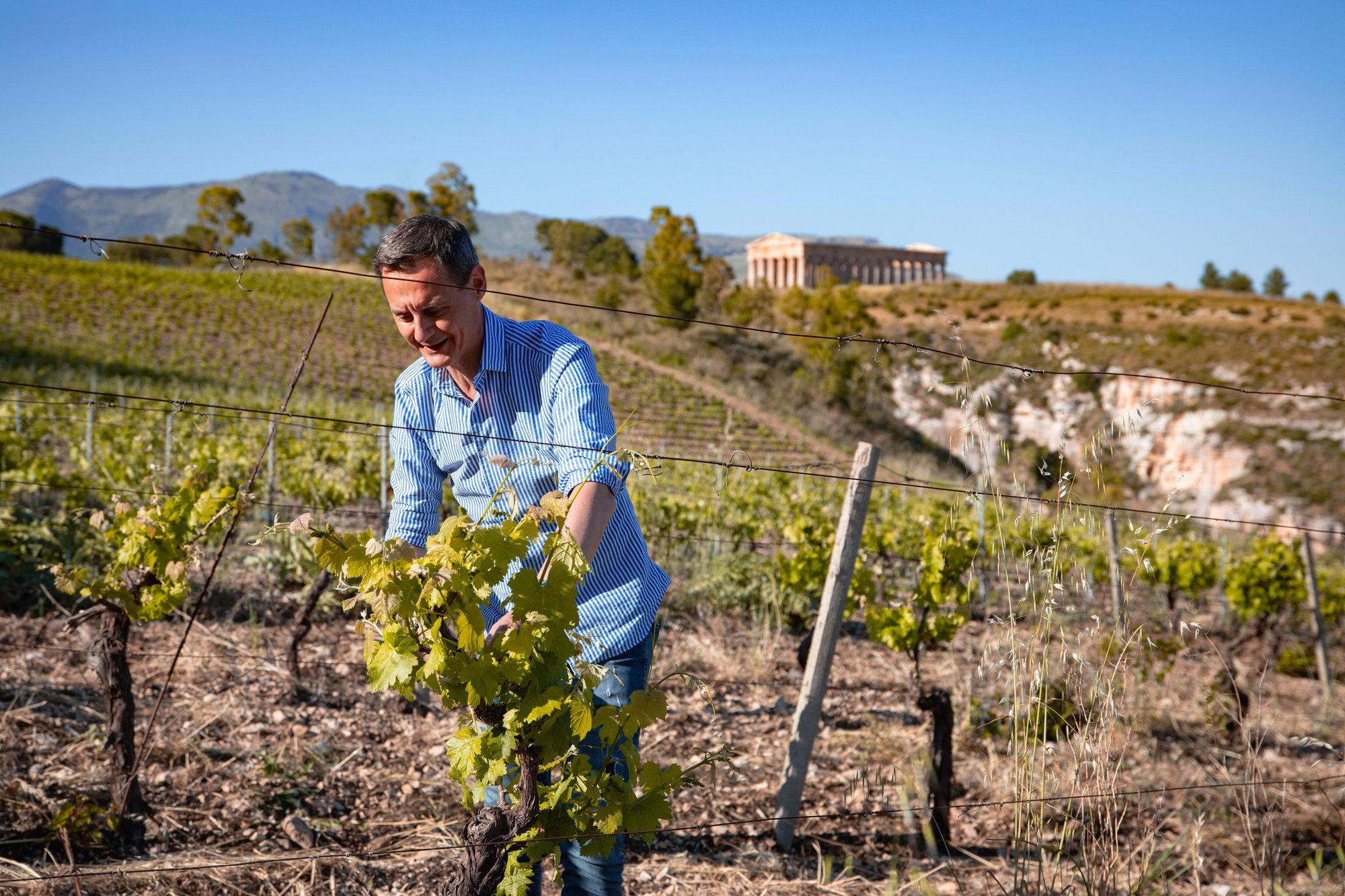

Bars in Santa Ninfa
Browse all →
Restaurants in Santa Ninfa
Browse all →
At a Glance
- Classic
- Rustic
- Scenic
- Group Outing
- Wine Education
- Romantic Getaway
- Solo Exploration
- Estate Grounds
- Vineyard Tour
- Sustainable
- Vineyard
- Sicilia
- Nero D’avola
- Catarratto
- Pignatello (perricone)
- Grillo
- Zibibbo
- Inzolia
- Still Red
- Still White
- Still Rosé
- Sparkling
- Dessert
- Standard Tasting
- Educational Tasting
Rural Sicilian winery setting with vineyards on clay-limestone soils near Santa Ninfa; focus is on indigenous grapes and quality-driven production rather than flashy architecture, giving a classic, authentic atmosphere.