
Fernet-Branca is one of Milan's most storied amaro expressions, a bitter liqueur that has shaped how Italians and bartenders worldwide think about digestifs. Awarded a Pearl 3 Star Prestige rating in 2025, it represents the industrial heritage and continuing authority of Milan's spirits tradition within a category that remains firmly rooted in the city's drinking culture.
Milan's Bitter Inheritance
There is a particular quality to Milan's relationship with bitterness that other cities haven't quite replicated. In the aperitivo hour, in the post-dinner digestif ritual, and in the vocabulary of bartenders from Buenos Aires to Tokyo, the amaro tradition that took shape in this city carries a weight that goes well beyond regional pride. Fernet-Branca sits at the centre of that tradition, a product so embedded in Italian drinking culture that its name has become, in many markets, a generic shorthand for the category it helped define. The 2025 Pearl 3 Star Prestige award from EP Club formalises what the trade has understood for some time: this is a reference-point expression, not merely a heritage brand coasting on history.
Milan's spirits geography is worth understanding before any visit or tasting encounter. The city produced a cluster of amaro and bitter liqueur houses whose outputs now sit on back bars globally. Fratelli Branca Distillerie is the production house behind this expression, operating within a tradition that also includes major names like Campari and Amaro Ramazzotti. The broader Gruppo Campari constellation further illustrates how concentrated this heritage is geographically. What separates these expressions is not just recipe — it is the accumulated cultural authority of a city that decided, in the nineteenth century, that complexity and bitterness were virtues in a glass.
The Format of Encounter
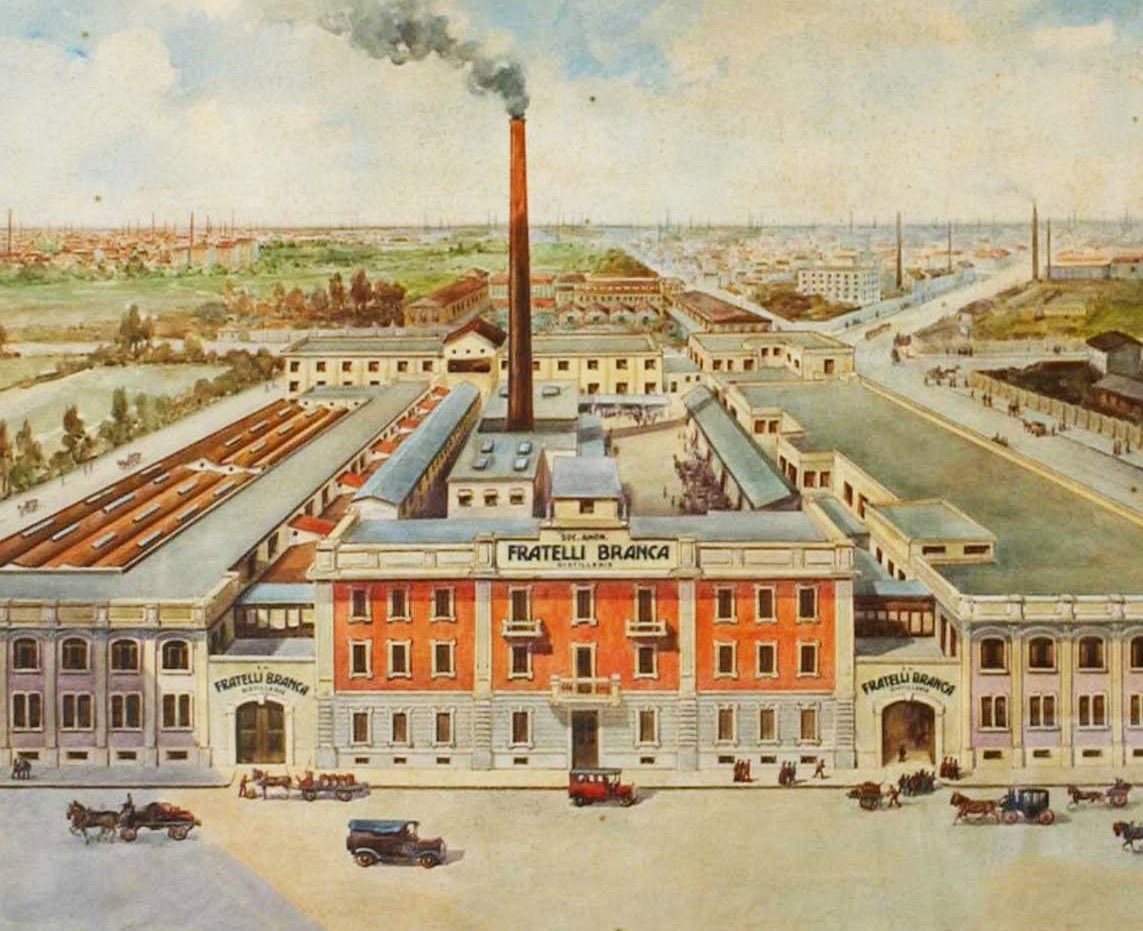
Engaging with Fernet-Branca as a tasting experience means understanding the format through which serious amaro encounters work in Italy. Unlike the winery tasting rooms of Antinori nel Chianti Classico in Tuscany or the cellar visits at Biondi-Santi Tenuta Greppo in Montalcino, the encounter with a spirit of this kind is rooted in urban context. The production facility itself carries a museum quality in Italian spirits culture: the herb room, the maceration vessels, the bottling infrastructure that has changed less than you might expect over decades. A visit to the Fratelli Branca Distillerie premises in Milan places the liquid in its industrial and historical frame.
The sensory experience of Fernet is well-documented by bartenders and sommeliers who use it as a pedagogical tool. The herb bill runs to 27 ingredients by long-standing account, a blend that includes saffron, myrrh, rhubarb, gentian, chamomile, and what the distillery describes as a proprietary selection of alpine herbs. The resulting profile sits at the intensely bitter end of the amaro spectrum, markedly different from the sweeter, lower-ABV expressions that populate the lighter end of the category. At 39% ABV, it presents a cooling menthol quality that explains both its use as a digestif and its unexpected pairing appeal with coffee, which became a cultural ritual in Argentina, where Fernet-Branca achieved penetration that rivals any domestic spirit.
That Argentine chapter is part of what makes this expression genuinely global in a way that most Italian spirits are not. By some estimates, Argentina accounts for a majority of global Fernet-Branca consumption. The phenomenon says something meaningful about how a spirit's identity can take root in a diaspora context and evolve into something the origin country barely recognises: mixed with cola, served long, stripped of its digestif formality. The Milan encounter with the same liquid is its opposite in every practical sense.
Positioning in Milan's Spirits Tier
The 2025 Pearl 3 Star Prestige rating places Fernet-Branca in EP Club's upper recognition tier, a designation that reflects the expression's authority within its category rather than a recent reformulation or new release. This is the kind of award that signals sustained relevance and craft consistency across a long operational timeline, comparable in structural logic to how Barolo houses like Aldo Conterno in Monforte d'Alba or Bruno Giacosa in Neive hold their peer position through decade-spanning consistency rather than novelty.
Within Milan specifically, the spirits category has diversified significantly in recent years. New aperitivo-focused producers and craft amaro operations have entered a market that Fernet-Branca once dominated without serious competition. That competitive expansion has, in many ways, reinforced the original's authority rather than diluted it. When bartenders at serious Milan cocktail bars reach for a bitter spirit with genuine depth, the conversation still references Fernet as the axis around which alternatives are measured. Visit our full Milan bars guide for venues where the amaro category is handled with this kind of seriousness.
It's also worth placing the expression against spirits from other traditions. Islay single malts from producers like Aberlour and the structured cellar operations at Abadía Retuerta in Sardón de Duero demonstrate how heritage spirits and wines build authority through consistent production philosophy and geographic identity. Fernet-Branca operates the same logic: place, history, and formula stability as the trust mechanism, with the award recognition as external verification.
Planning Your Milan Encounter
For visitors approaching Milan with serious interest in the city's spirits culture, the Fernet-Branca experience is leading framed as part of a wider programme rather than a standalone destination. The distillery is a working industrial facility in a city where food and drink itineraries reward structured planning. Contact channels are leading pursued through the Fratelli Branca Distillerie directly, as public-facing booking information is managed at the production house level. Our full Milan wineries guide covers the broader spirits and production landscape across the city.
Milan's dining and drinking context beyond spirits is equally demanding of attention. Our full Milan restaurants guide, our full Milan hotels guide, and our full Milan experiences guide provide the wider infrastructure for a visit that takes the city seriously across categories. The aperitivo ritual that frames Fernet-Branca's home context is inseparable from the broader rhythm of Milanese daily life, and building a trip that engages with that rhythm at multiple points will give any tasting encounter with the spirit its proper frame.
Frequently Asked Questions
- What's the signature bottle at Fernet-Branca?
- Fernet-Branca, produced by Fratelli Branca Distillerie in Milan, is the definitive expression in the range. At 39% ABV and built around a 27-ingredient herb bill, it sits at the bitter, menthol-forward end of the Italian amaro spectrum. The 2025 Pearl 3 Star Prestige award confirms its authority within that category and within Milan's spirits tradition more broadly.
- Why do people go to Fernet-Branca?
- The draw is partly historical, partly sensory, and partly cultural. As one of the founding expressions of the Italian amaro tradition, Fernet-Branca gives visitors direct access to the production logic and ingredient philosophy that shaped a global category. The 2025 Pearl 3 Star Prestige recognition, situated in the context of Milan's wider bitter spirits scene alongside Campari and Amaro Ramazzotti, makes this a reference point for anyone serious about spirits.
- How far ahead should I plan for Fernet-Branca?
- Because Fratelli Branca Distillerie is a working production facility, visits typically require advance coordination rather than walk-in access. For serious engagement with the production side of the operation, allowing several weeks of lead time is prudent, particularly during Milan's fashion weeks and major trade periods when the city's hospitality infrastructure operates under pressure. Contact through the distillery's official channels is the appropriate route.
- What's Fernet-Branca a strong choice for?
- Fernet-Branca is the reference encounter for anyone building a structured understanding of Italian bitter spirits. Its position within Milan's production heritage, confirmed by the 2025 Pearl 3 Star Prestige award, makes it particularly relevant for hospitality professionals, serious collectors of spirits culture, and travellers who want their Milan itinerary to include something beyond restaurants and fashion. The Argentine cultural dimension also makes it a useful case study in how a geographic origin spirit develops a second, independent cultural identity abroad.
- How does Fernet-Branca compare to other Milan-produced amari in terms of bitterness profile?
- Fernet-Branca occupies the intensely bitter, high-menthol end of the Milan amaro spectrum, making it considerably more challenging and complex than sweeter expressions like Amaro Ramazzotti. This places it in the same conversational tier as other category-defining spirits — comparable in its niche authority to how Fratelli Branca Distillerie positions it within professional bartending education worldwide. The 2025 Pearl 3 Star Prestige award reflects that specialist standing rather than broad accessibility.
Access the Cellar?
Our members enjoy exclusive access to private tastings and priority allocations from the world's most sought-after producers.
Access the Concierge