
Campari in Italy is a heritage distillery and spirits house famed for its secret 1860 bitters recipe. Production centers blend traditional infusion and modern distillation to create iconic expressions such as Campari aperitif, Aperol and Grand Marnier. The group’s portfolio—stretching to SKYY Vodka and Wild Turkey—pairs global scale with artisanal techniques. Celebrated as a major global spirits player with over 50 brands and distribution in roughly 190 countries, Campari delivers vivid sensory moments: bright red, bittersweet citrus, layered herbs and warming spice that define the Italian aperitivo ritual.
Where Campari Begins: Sesto San Giovanni and the Architecture of Bitter
The address on Viale Antonio Gramsci places Campari in Sesto San Giovanni, a municipality that sits on Milan's northern edge and carries its own industrial weight in Italian history. This is not the aperitivo bar on a Navigli canal or the gleaming flagship inside a design-district palazzo. It is the origin point, the production and heritage address from which one of the world's most recognised bitter liqueurs has been made, shipped, and argued over for well over a century. Arriving here reframes the drink before you taste it. The scale of the facility, the logic of its location beside rail and road infrastructure, and the surrounding urban grain all speak to a product that was engineered for reach as much as flavour.
The Campari Formula in the Context of Italian Bitter Liqueurs
Italy's tradition of amari and bitter aperitivo liqueurs is among the most codified in European spirits. The category splits, broadly, between digestif-weight amari consumed after dinner and aperitivo-register bitters consumed before. Campari has always occupied the aperitivo tier, its 25% ABV and assertive bitter-citrus profile positioning it against cocktail use as much as solo drinking. That distinction matters when comparing it to heavier, more herb-forward producers in the same city. Fernet-Branca and its parent Fratelli Branca Distillerie occupy the digestif tier with a significantly darker, more medicinal character. Amaro Ramazzotti sits between the two poles. Campari, by contrast, built its identity on colour, cocktail utility, and a bitterness profile calibrated for dilution with soda or vermouth. The Negroni, the Americano, and the Campari Spritz are not accidents of bar culture; they reflect a product whose philosophy was always about integration rather than standalone sipping.
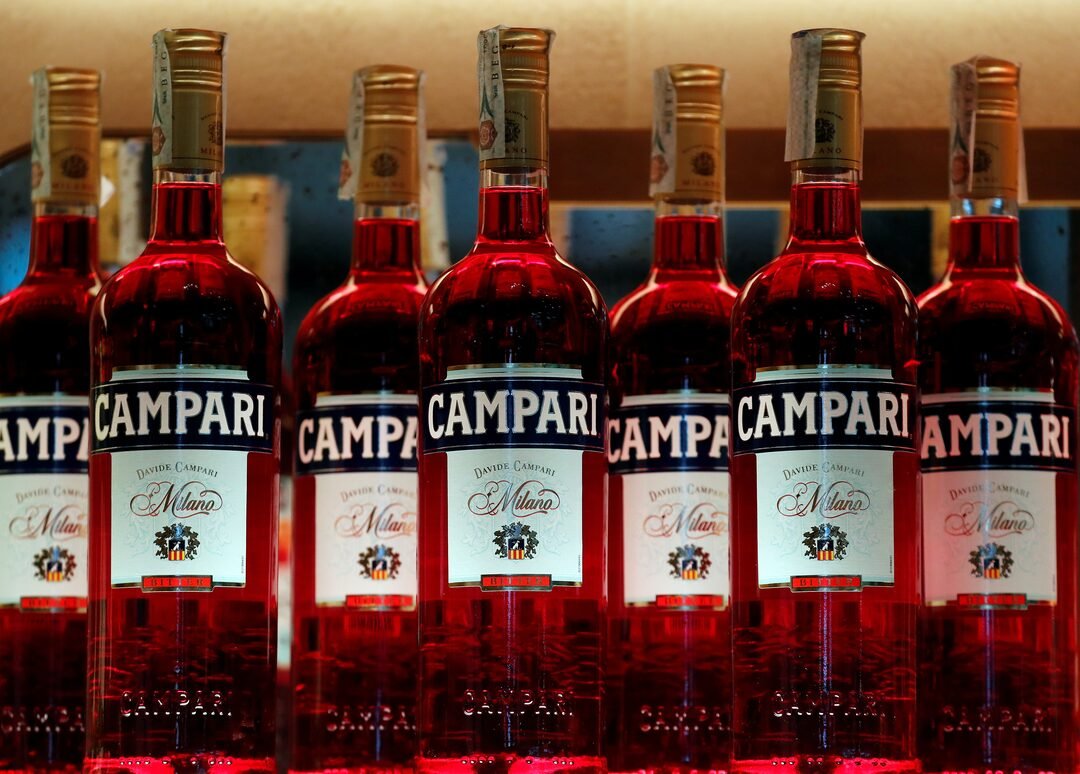
The larger Gruppo Campari now controls a broad portfolio of international spirits brands, but the original Campari liqueur retains its Milanese identity as the group's foundational product, the one that established the distribution logic and brand architecture that the company later applied globally.
A 2025 Pearl 3 Star Prestige: What the Recognition Signals
Campari holds a Pearl 3 Star Prestige award in 2025, a designation from EP Club that places it in the upper tier of recognised producers in its category. In the context of Italian spirits production, a prestige-level recognition reflects consistency, heritage depth, and a production philosophy that prioritises the integrity of the core product over trend-chasing. For a liqueur that has remained substantially unchanged in its character across decades of ownership changes and global expansion, that consistency is itself a form of winemaker philosophy, adapted to the distillery register: the product's identity was locked in early and defended across market cycles.
Comparing that recognition against peer producers in the Italian bitters category is instructive. The category has attracted significant attention from craft producers in the past decade, particularly those working with single-origin botanicals or regional herb profiles. Campari's prestige standing signals that institutional production, when executed with discipline, retains competitive standing against the smaller-batch operators that have proliferated across Lombardy and beyond.
The Botanical Approach: Bitterness as a System
The production philosophy behind Campari is leading understood as a system rather than a recipe. The drink's characteristic red colour and bitter-citrus flavour derive from a blend of botanicals whose exact composition remains proprietary, but the broad outline is known: gentian and citrus peel dominate the bitterness and aromatic registers, while the colour historically came from carmine dye derived from cochineal before the company transitioned to an artificial colourant in the mid-2000s. That transition attracted attention in specialist spirits circles and stands as one of the few moments where the product's formulation demonstrably shifted under commercial pressure.
This kind of production transparency, or deliberate opacity, is a hallmark of the major Italian bitter producers. Compare it to how Aldo Conterno in Monforte d'Alba communicates its Barolo viticulture: meticulous public documentation of vineyard and vintage decisions. The contrast is not a criticism of either approach, but it does map to very different philosophies about the relationship between production transparency and brand equity. Campari's opacity is, in part, the product.
Milan's Aperitivo Culture and Campari's Place in It
Milan's aperitivo tradition is among the most entrenched in Italian urban drinking culture. The Milanese aperitivo hour is less a casual drink and more a social institution, typically running from around 6pm to 9pm and anchored by bitter-forward drinks. Campari Soda, introduced in the 1930s in its distinctive single-serve bottle designed by Fortunato Depero, was an early industrialisation of that ritual, packaging the aperitivo moment for individual consumption at scale. The design of that bottle remains in production, a rare case of a spirit packaging format that has survived without modification from its original concept.
That kind of long-run design integrity has parallels in wine. Antinori nel Chianti Classico in Tuscany and Biondi-Santi Tenuta Greppo in Montalcino both represent Italian producers where the product identity was codified in an earlier era and has been defended against reformulation. The comparison is imperfect, given the differences between wine and spirits production, but the underlying logic is the same: there are categories where the original formula is the asset, and modification carries more risk than reward.
Placing Campari Against Global Bitter-Liqueur Production
At the level of global bitter liqueur production, Campari competes in a different register from aged spirits categories. Unlike the Scotch whisky producers, where vintage and distillery character can be cross-referenced against a relatively transparent production record, bitter liqueurs derive their authority from formula secrecy and brand consistency. Aberlour in Aberlour publishes detailed information about its cask programme because age and wood treatment are legible quality signals in Scotch. Campari's quality signals are different: recognition tenure, cocktail integration, and the continued relevance of the core product in competitive bar programmes globally.
In that context, the 2025 EP Club Pearl 3 Star Prestige designation functions as an independent verification of continued relevance, not simply heritage inertia. For a product competing against a proliferating field of craft bitter liqueurs, maintaining prestige-tier recognition requires that the core product continue to perform across contemporary tasting contexts.
Planning a Visit to the Sesto San Giovanni Address
The Campari production and heritage site in Sesto San Giovanni sits north of Milan's city centre, accessible via the red line of the Milan Metro to Sesto San Giovanni station, with the Viale Antonio Gramsci address a short distance from the transport hub. The area rewards visitors with an industrial heritage context that is distinct from the fashion-and-design Milan of the city's promotional materials. For those building a broader Milanese drinking itinerary, the site works as a complement to a deeper look at the city's spirits and wine production. For context on what else the city offers beyond spirits, see our full Milan restaurants guide, our full Milan hotels guide, our full Milan bars guide, our full Milan wineries guide, and our full Milan experiences guide.
For context on the wider Italian wine and spirits map, the contrast with northern wine producers such as Bruno Giacosa in Neive and internationally adjacent producers like Abadía Retuerta in Sardón de Duero illustrates how differently prestige is constructed across production categories. At Campari, it rests on formula continuity, cultural embeddedness, and the durability of a bitter-register product that has remained central to cocktail culture for over a century.
Frequently Asked Questions
- What is the general vibe of Campari in Sesto San Giovanni?
- The Campari address in Sesto San Giovanni is an industrial heritage site rather than a polished visitor destination. Milan's aperitivo culture is built around the drink, and the site carries the weight of that history. The 2025 Pearl 3 Star Prestige award from EP Club confirms its continued standing in the premium tier of Italian spirits production. Pricing and public visiting formats are not published; direct contact with the site is recommended before planning a trip.
- What is the signature bottle at Campari?
- The wine region and named winemaker fields do not apply to a spirits producer, but within the Italian bitter liqueur category the core Campari aperitivo liqueur, in its standard red bottle, is the foundational product. The Campari Soda single-serve format, designed by Fortunato Depero in the 1930s, represents the producer's most identifiable packaging format and remains the aperitivo-tier expression most closely tied to Milanese drinking culture. Both products sit within the Gruppo Campari portfolio, which holds the 2025 EP Club Pearl 3 Star Prestige recognition.
Access the Cellar?
Our members enjoy exclusive access to private tastings and priority allocations from the world's most sought-after producers.
Access the Concierge