Dominio de Atauta

Dominio de Atauta gives Ribera del Duero a severe Soria reading: high-altitude Tinto Fino, sandy pre-phylloxera plots, limestone, and a gravity-flow winery cut into rock. The appeal is not spectacle but terroir clarity, with old ungrafted vines, tightly limited single-vineyard cuvées, and guided visits that suit serious wine travelers.
Pearl is the En Primeur Club membership app — saves, bookings, and concierge access live there. Same editors, same standards.
- Address
- Atauta (Soria), Castilla y León, Spanien
- Directions
- Get directions
 Saves & bookings on Pearl
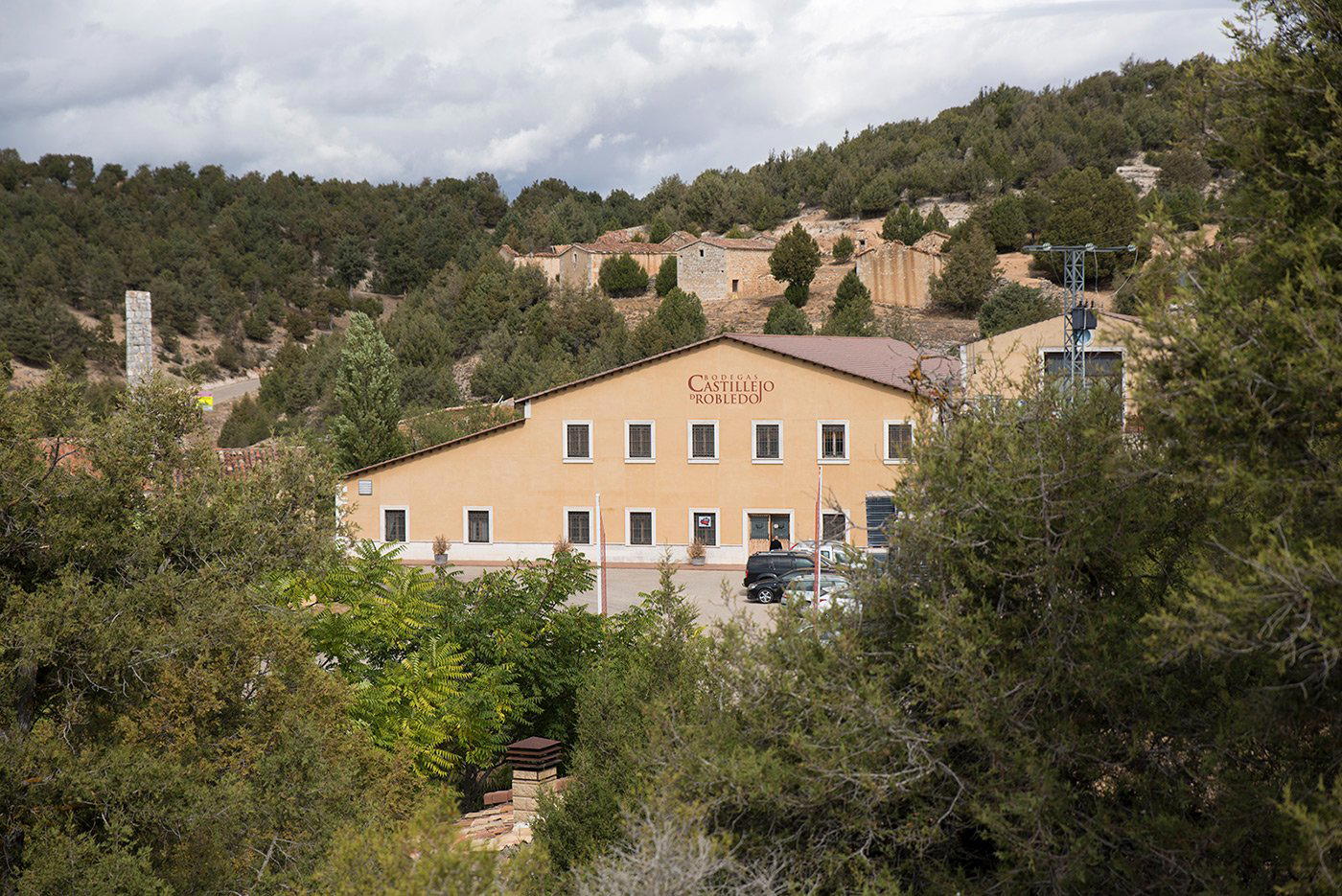
The approach to Atauta puts Ribera del Duero in a different register: not the broad, polished image many travelers carry from the denomination’s better-known corridors, but higher, harsher, more exposed vineyards pushed close to the climatic edge of viable viticulture. Dominio de Atauta belongs to Soria’s reading of the region, where altitude, sandy soils, limestone, and old Tinto Fino vines matter more than cellar theatre.
The winery’s Atauta Valley setting is the first clue to its style. Vineyards sit between 980 and 1,050 meters, with long winters, short hot summers, and an extreme continental climate with Mediterranean influence. In the glass, that means reds built on firmness, mineral tension, and concentration rather than simple ripeness. For travelers using our full Atauta Soria wineries guide, this stop explains why Soria has become a serious counterpoint inside Ribera del Duero.
High-altitude Tinto Fino, old vines, and a valley that edits the wine
Ribera del Duero is often discussed through power, oak, and prestige; the Atauta Valley shifts the conversation toward survival. The estate works nearly 600 pre-phylloxera plots, with vines commonly cited at 120 to 140 years old and none younger than 85 years. Sandy soils helped them avoid phylloxera, preserving significant ungrafted material in a wine world where grafted vines are the norm.
The numbers change the scale of production. The estate owns 21 hectares and manages another 22, yet annual Dominio de Atauta production is around 100,000 to 120,000 bottles. Yields average about 2,500 kg per hectare, and old gobelet-pruned vines can produce less than one 0.75-liter bottle per vine. This is not scarcity as luxury pose, but scarcity imposed by age, altitude, and marginal growing conditions.
The portfolio stays tightly tied to place. The main red, Dominio de Atauta, is 100% Tinto Fino and priced around €32 in Spain; Parada de Atauta sits around €22 as the more open expression of sandy soils. The five single-vineyard cuvées, including Llanos del Almendro, Valdegatiles, La Mala, La Roza, and San Juan, rarely exceed 1,000 bottles each and run roughly €135 to €250. The estate moves from serious regional bottle to collector-facing parcel wine without abandoning the same valley grammar.
White Albillo Mayor, introduced from the 2020 vintage onward, adds a small but telling wrinkle. Ribera del Duero remains red-wine country in most visitors’ imagination, yet old mixed vineyards often carry white grapes among the Tempranillo. Here, Albillo Mayor is handled through multiple vinifications and aged in seasoned large barrels and tinaja, making it less a side project than a reminder that historic vineyards rarely follow modern varietal neatness.
Rock-cut architecture and gravity rather than cellar gloss
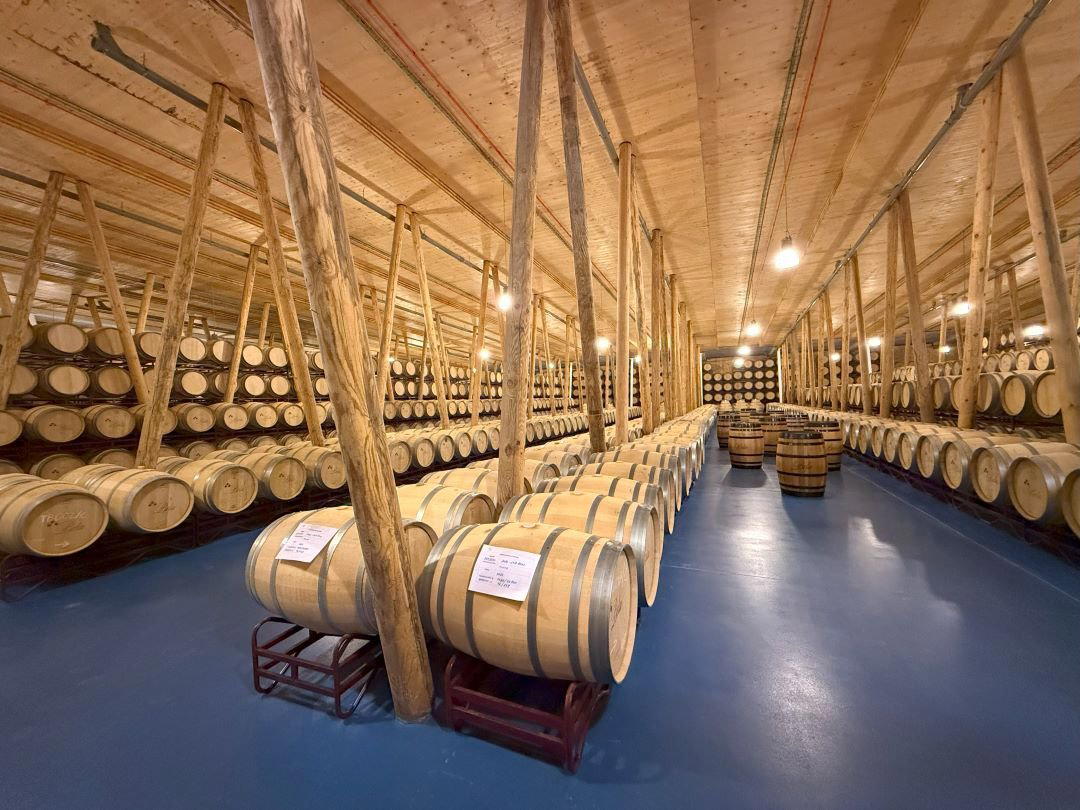
The winery is built into the rock on four levels, using the hillside for gravity-flow movement through the cellar. In a region where architecture can become the headline, the building’s logic is practical: fruit from old vines is handled with less mechanical force, and fermentation can be matched to parcel character across stainless steel, cement, and wooden vats. For the flagship red, fermentation uses stainless steel, concrete, and French oak, followed by 17 months in French oak and bottling without filtration.
Founded in 2000 by Miguel Sánchez and now owned by Terra Selecta, the project sits between recovery and modern precision. The deeper cultural context reaches further back: the valley contains El Plantío, an old winery district of 14 presses and cellars carved into limestone, with winemaking history traced to at least 1201 and major cellar construction in the 19th century. That gives the contemporary winery a credible heritage focus without turning the visit into costume history.
Spanish Wine Lover has given the estate meaningful editorial attention, including coverage of its hundred-year-old vines, Soria’s old-vine role in Ribera del Duero, and tastings with Jaime Suárez. Without a trophy-led story, that specialist recognition is the useful trust signal: the estate is discussed for terroir, vine material, and regional specificity rather than generic luxury positioning.
The visit format follows the wine’s seriousness. Guided winery and vineyard visits, wine tastings, and wine-and-food tastings are offered in Spanish and English, by appointment rather than casual drop-in. The mood is quiet and educational, better for travelers seeking vineyard context than a high-energy tasting crawl. For broader planning around the city, pair this with our full Atauta Soria restaurants guide, our full Atauta Soria hotels guide, our full Atauta Soria bars guide, and our full Atauta Soria experiences guide.
Who should make the detour
The winery rewards drinkers who care about the difference between denomination and sub-zone. The question is not whether the wines are plush or immediately generous, but how Tinto Fino behaves when grown high, old, and ungrafted in sand over limestone. The flagship red gives the broadest entry point; the single-vineyard wines sharpen distinctions between valley floor, slope, moorland, clay, sand, and shallow limestone bedrock.
It also suits travelers who prefer a winery visit with a strong agricultural spine. Organic vineyard practices, dry-farmed sourcing signals, old-vine preservation, and a gravity-flow cellar all point to stewardship as working method rather than decorative claim. The experience is casual in dress but serious in content, with a quiet setting and formats suited to small groups focused on wine education or a special-occasion tasting.
Travelers building a wider Iberian wine itinerary can use Atauta as a contrast point. For other Spanish winery references, see 3 Ases Bodegas y Viñedos in Quintanilla De Arriba, 4Kilos Vinícola in Felanitx, Aalto Bodegas y Vinedos in Quintanilla De Onesimo Valladolid, Abadia de Aribayos in Moraleja Del Vino, Abadía Retuerta in Sardón de Duero, Abel Mendoza Monge in San Vicente de la Sonsierra, Acústic Celler in Els Guiamets, and Adega Algueira in Sober. For a broader European counterpoint, »der Steiner« Hans Steiner in Podersdorf am See and & Handwein in Mannheim sit outside the Spanish frame entirely.
Recognition history
Dated appearances from independent guides and award organizations, with the underlying list record or original source where available.
Falstaff Winery - 5 Stars
Falstaff
Continue exploring
More in Atauta Soria
Wineries in Atauta Soria
Browse all →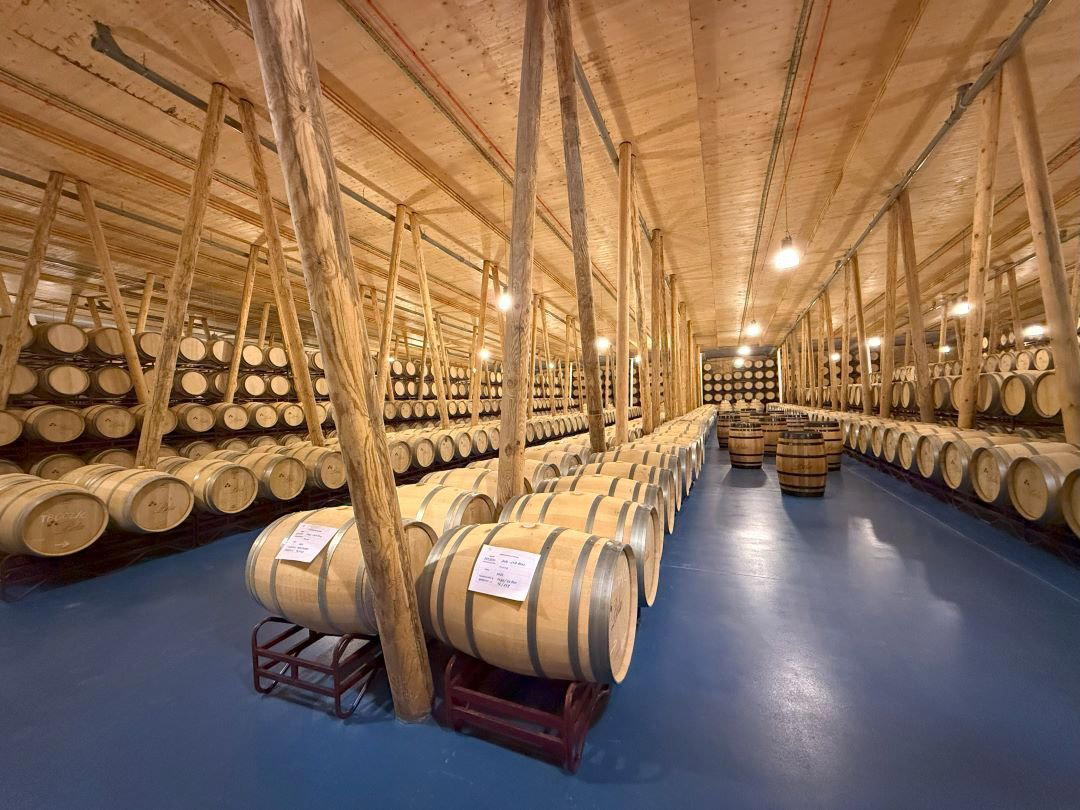
Restaurants in Atauta Soria
Browse all →
Hotels in Atauta Soria
Browse all →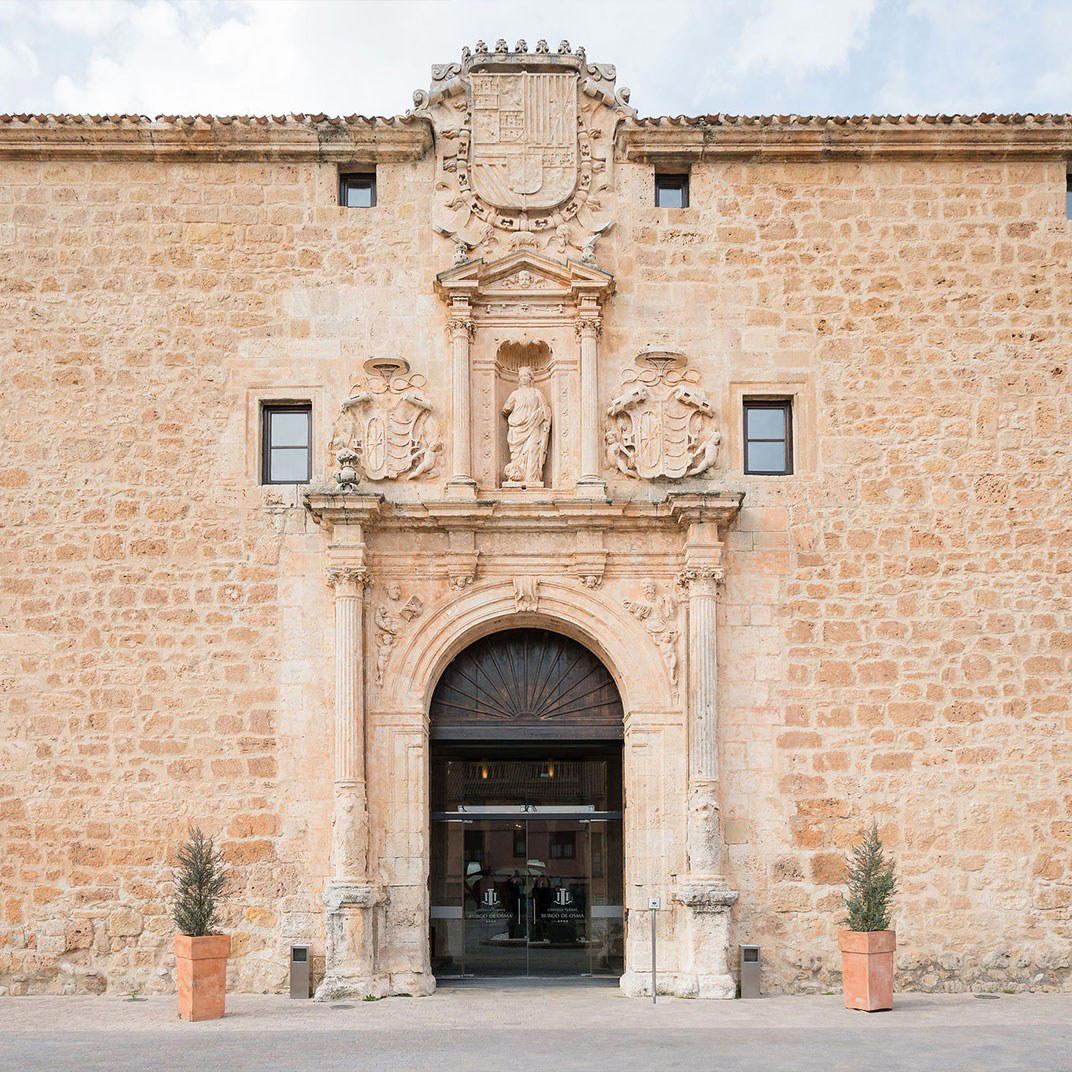
At a Glance
- Scenic
- Rustic
- Classic
- Sophisticated
- Wine Education
- Special Occasion
- Group Outing
- Vineyard Tour
- Cave Tasting
- Historic Building
- Estate Grounds
- Private Tasting
- Dry Farmed
- Mountain
- Vineyard
- Ribera Del Duero DO
- Tempranillo
- Albillo Mayor
- Still Red
- Still White
- Guided Tasting
- Wine And Food Tasting
- Vineyard Visit
Remote, austere, and dramatic, with a high-altitude valley setting, rocky winery construction, and a strong sense of historic vineyard heritage.