Virrey Palafox


Macarfi 7.5 Food Rating · Guía Repsol 1 Sol
Our verdict
Virrey Palafox puts El Burgo de Osma’s Castilian dining tradition in a more serious frame, with a 2026 Guía Repsol 1 Sol placing it among Spain’s inspected regional restaurants. The draw is not flash but sourcing logic: Soria’s larder, old-town setting, and a kitchen measured against a province where game, mushrooms, legumes, and roasts carry real weight.

Pearl is the En Primeur Club membership app, where members save venues, book tables and use the concierge.
The menu
What to order
- Torrezno de Soria
- Traditional matanza pork dishes
- Truffle-based dishes
Approaching Burgo De Osma, the restaurant scene feels removed from the pace of Spain’s largest dining cities: more measured, more town-scaled, and better understood around a planned meal than a passing snack. In that setting, Virrey Palafox belongs to the kind of destination that asks to be read through place and purpose rather than spectacle. The point is not to impose a big-city template on the visit, but to understand why a recognised restaurant in Burgo De Osma can matter on a serious dining itinerary.
Restaurants in smaller historic cities are judged differently from high-volume urban counters or design-led tasting rooms. The sharper questions are practical and editorial: whether the meal justifies a stop, whether the room feels rooted in its setting, whether the experience rises above ordinary convenience, and whether the restaurant offers enough focus to reward travellers who plan around it rather than simply arriving hungry.
Burgo De Osma sets the terms of the meal
Context is the clearest lens for reading Virrey Palafox. Burgo De Osma is not a city where a restaurant has to compete on scale, trend, or nightlife energy. Its strongest dining addresses are better assessed by how convincingly they turn a visit into a reason to slow down. Virrey Palafox sits in that frame: a restaurant whose appeal depends on being part of the town rather than detachable from it.
The 2026 Guía Repsol 1 Sol gives the restaurant a useful external signal: not merely a convenient address in Burgo De Osma, but a dining room recognised within Spain’s national inspection culture. Repsol’s Soles often help travellers distinguish between a pleasant local option and a restaurant worth placing deliberately into a route. The award places Virrey Palafox above ordinary town-restaurant cooking, without forcing it to behave like a capital-city tasting counter.
That distinction matters. For nearby comparison, La Lobita and Baluarte sit in the more ambitious regional dining conversation, while Aitana represents another relevant point of reference for travellers comparing recognised and traditional-leaning options. Virrey Palafox reads as a useful middle-ground entry for smaller-city planning: serious enough to warrant attention, grounded enough to keep the point of being in Burgo De Osma. For travellers mapping a wider route, it is a practical counterweight to more urban Spanish dining rooms and other inland restaurant entries.
The argument for eating here is place-based, not performative
Burgo De Osma rewards diners who treat the meal as part of the town rather than a detached reservation. This is the kind of stop where timing, pacing, and the broader day matter as much as the booking itself. The strongest approach is to let the restaurant sit inside the visit: arrive with enough time, avoid treating it as a rushed detour, and read the meal as one reason to take the town seriously.
Virrey Palafox fits that pattern by giving travellers a reason to consider Burgo De Osma as a dining stop, not only a place to pass through. Its Guía Repsol recognition separates it from the many respectable but interchangeable dining rooms found in historic Spanish towns. Its appeal is not dependent on a personality-led narrative; it is part of a broader Spanish habit of assessing restaurants outside the largest cities for consistency, setting, and purpose.
That broader pattern appears across Spain in different forms. Casual formats elsewhere make their case through repetition and familiarity. Coastal or island rooms may read through a completely different travel rhythm. Burgo De Osma is quieter: the restaurant has to earn attention without leaning on novelty, scale, or a resort-style hospitality frame.
The contrast sharpens beside wine-country or mountain dining, where context can carry a more obvious travel narrative. Virrey Palafox is quieter in cultural signalling, but its setting gives it a firm editorial role: anchoring a serious meal in Burgo De Osma for travellers who want something more considered than a generic stop, without forcing the town into a luxury-destination template.
How to place it in a Burgo de Osma itinerary
The practical case is simple: plan around the town, not only the table. Burgo De Osma works for travellers building a route through smaller Spanish cities and heritage stops. A meal here pairs naturally with time in Burgo De Osma, and the restaurant’s presence within the city makes it part of the town’s daily fabric rather than a countryside detour.
For a compact stay, use our full Burgo De Osma restaurants guide to place Virrey Palafox against the city’s other dining options, then check our full Burgo De Osma hotels guide if the meal is part of an overnight stop. Travellers extending the evening can cross-reference our full Burgo De Osma bars guide, while wine-focused itineraries should use our full Burgo De Osma wineries guide. For cultural pacing around the meal, our full Burgo De Osma experiences guide is better than a generic Spain checklist.
The editorial verdict is restrained but clear: Virrey Palafox is strongest for travellers who care about recognised restaurants, deliberate routing, and the difference between a meal that could happen anywhere and one that makes sense in Burgo De Osma. It is not for spectacle. It is for understanding why quieter restaurants outside Spain’s largest dining cities can still matter to a serious travel plan.
For broader contrast beyond Spain, the category difference is instructive: urban restaurant formats elsewhere operate inside completely different cultural frames. That underlines the point. Virrey Palafox is not about format novelty; it is about a restaurant in Burgo De Osma judged through recognition, setting, and the value of making time for a proper meal.
Frequently asked questions
Can I bring kids to Virrey Palafox?
Virrey Palafox can suit travellers planning a proper meal in Burgo De Osma, including families who prefer a structured restaurant setting. For current service details or any special needs, check directly with the restaurant before going.
Is Virrey Palafox formal or casual?
Virrey Palafox is a restaurant in Burgo De Osma with a Guía Repsol 1 Sol for 2026. For dress, service style, or current expectations, check directly with the restaurant before going.
What are the operating hours at Virrey Palafox?
Check directly with Virrey Palafox before planning your meal in Burgo De Osma.
What part of town is Virrey Palafox in?
Burgo De Osma.
At-a-Glance Comparison
Comparable venues by cuisine and price in the same metro.
| Venue | Cuisine | Price | Awards | Notes |
|---|---|---|---|---|
| Virrey PalafoxThis venue (the venue you are viewing) | Traditional Castilian fine dining | $30–50 | Macarfi 7.5 Food Rating · Guía Repsol 1 Sol | Not listed |
| La Lobita | Seasonal Mycological Fine Dining | $50–100 | 1 Michelin Star · Star Wine List | Creative |
| Aitana | Traditional Castilian Asador | $30–50 | Michelin Plate · Macarfi 7.3 Food Rating | Traditional Cuisine |
| Baluarte | Modern Cuisine | Not listed | Not listed | Not listed |
Recognition history
Dated appearances from independent guides and award organizations, with the underlying list record or original source where available.
Guía Repsol 1 Sol
Guía Repsol
Macarfi 7.5 Food Rating
Macarfi
Continue exploring
More in El Burgo De Osma
Restaurants in El Burgo De Osma
Browse all →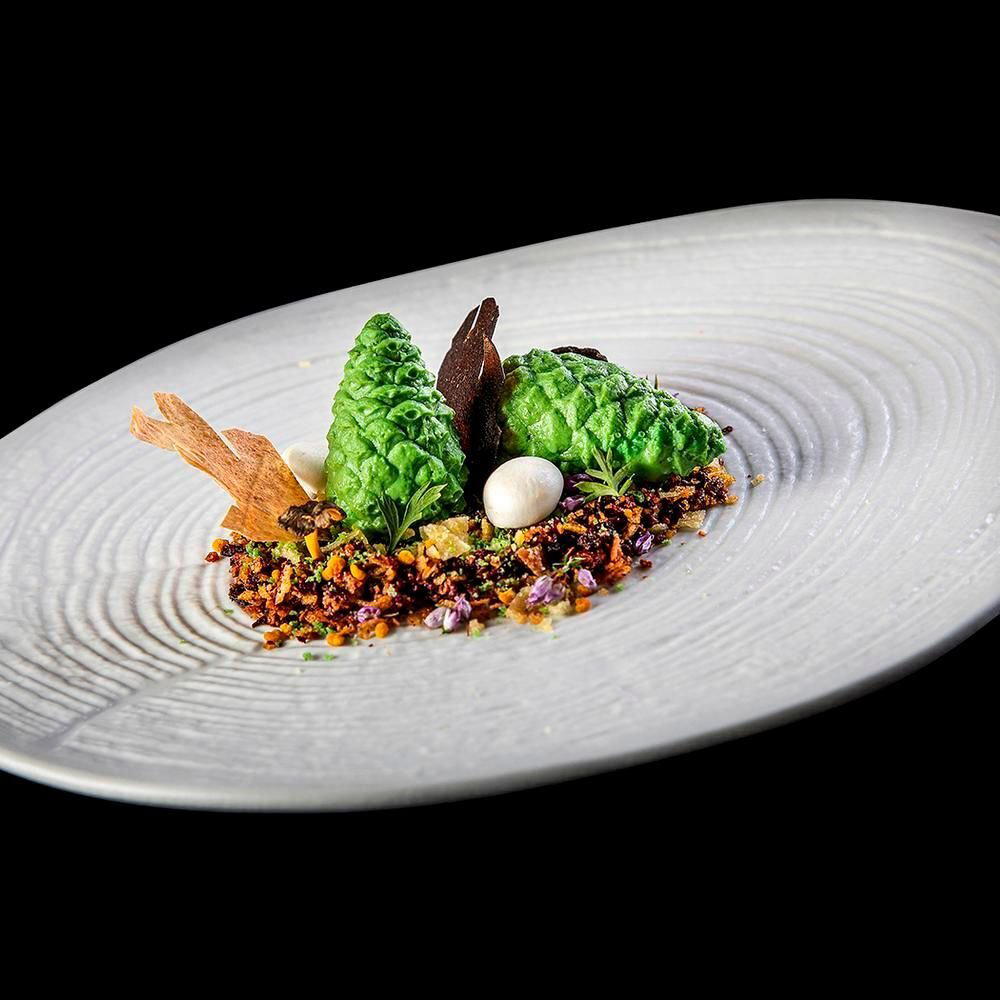
Hotels in El Burgo De Osma
All hotels in El Burgo De Osma →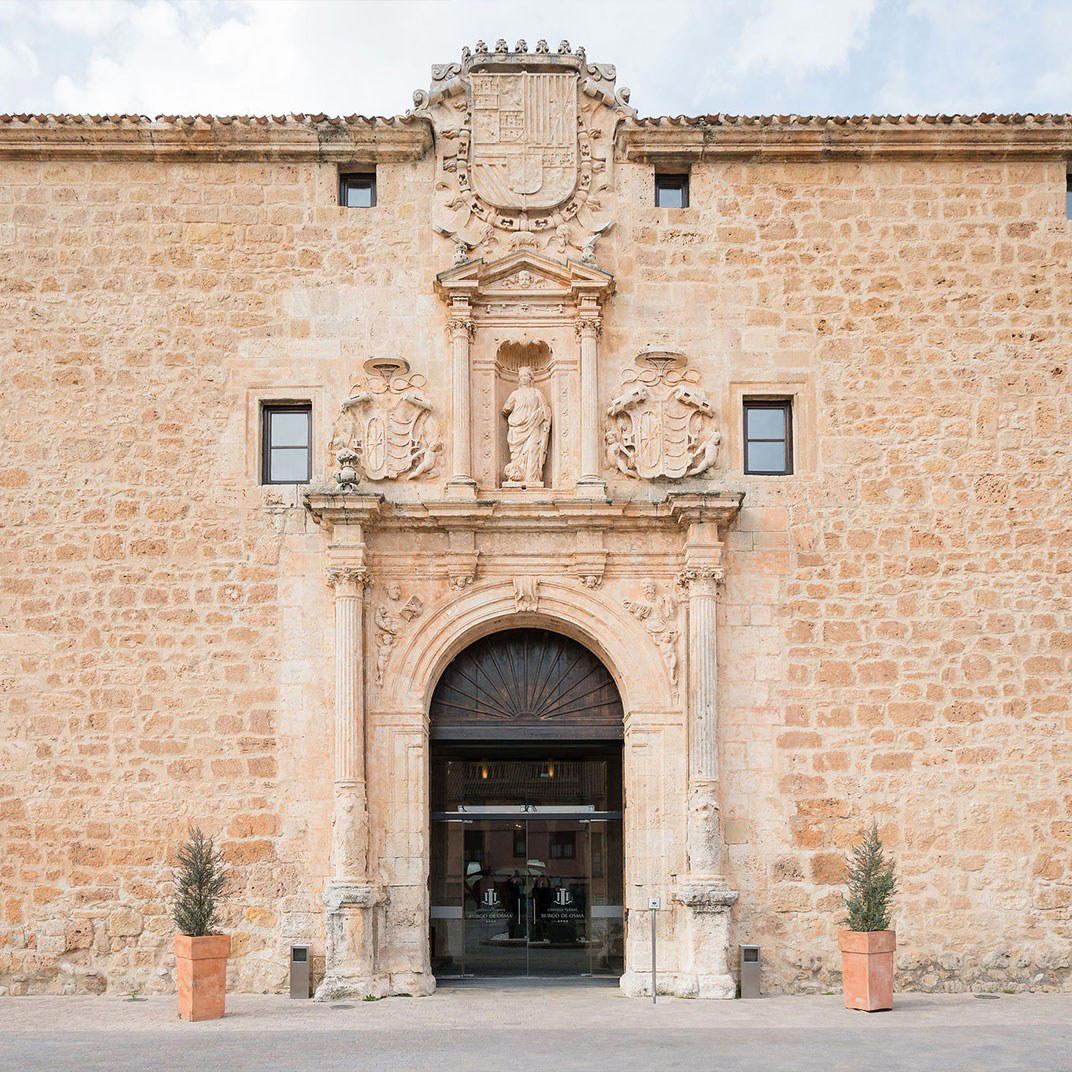

Details
- Classic
- Elegant
- Rustic
- Romantic
- Well Known
- Group Dining
- Family
- Date Night
- Business Dinner
- Private Event
- Historic Building
- Hotel Restaurant
- Private Dining
- Extensive Wine List
- Local Sourcing
- Street Scene
- A La Carte
- Set Menu
- Wine
- Beer
Current opening hours
- Monday
- Closed
- Tuesday
- 1:30–3:45 PM, 9–10:30 PM
- Wednesday
- 1:30–3:45 PM, 9–10:30 PM
- Thursday
- 1:30–3:45 PM, 9–10:30 PM
- Friday
- 1:30–3:45 PM, 9–10:30 PM
- Saturday
- 1:30–3:45 PM, 9–10:30 PM
- Sunday
- 1:30–3:30 PM
Hours can change for holidays and private events. Hours as of .
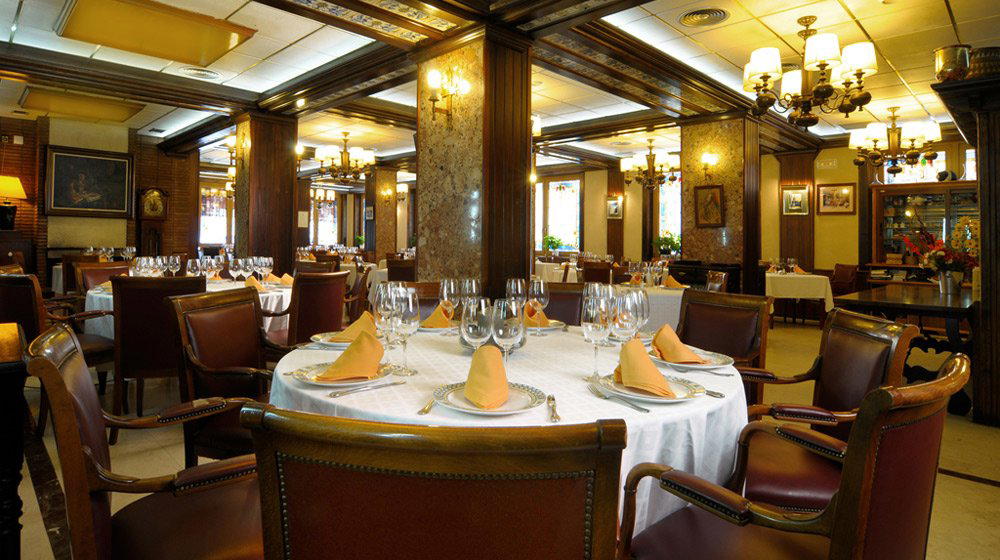
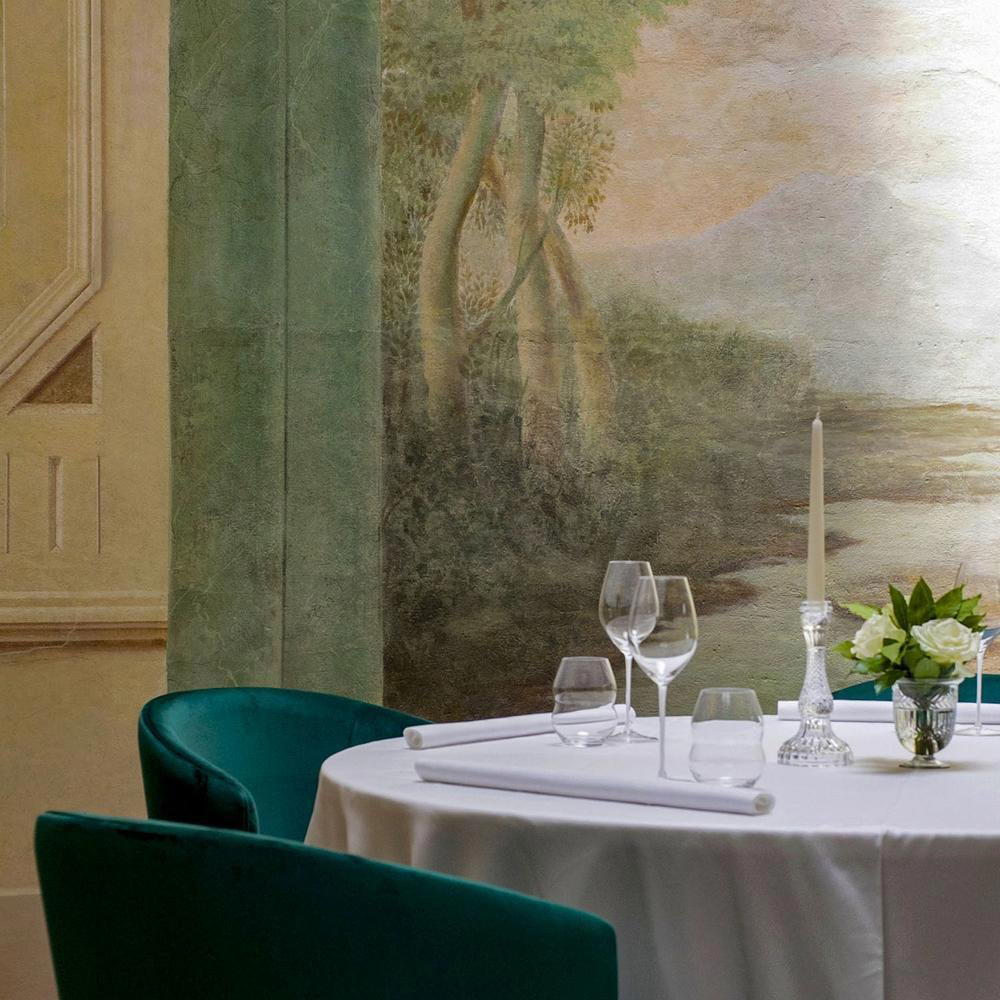
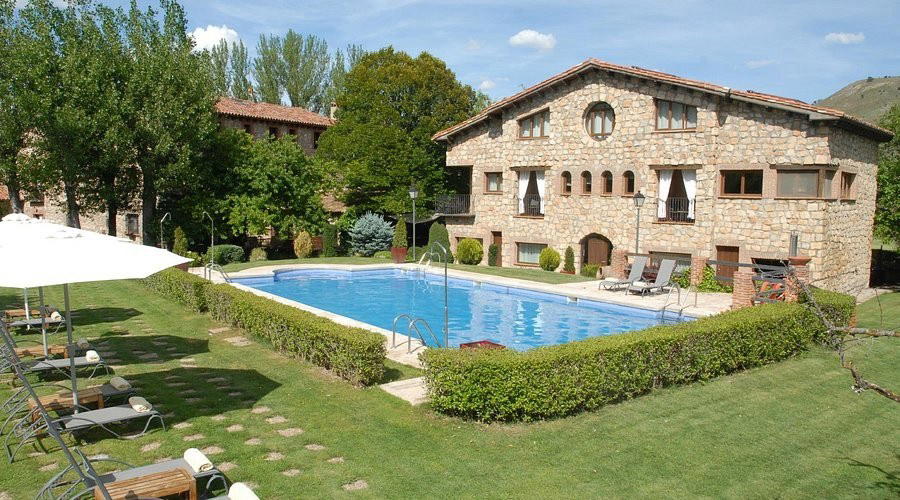
Warm, traditional Castilian dining rooms in a historic-building setting, with classic decor and a formal yet welcoming atmosphere that feels elegant without being stiff; lively during events like the Matanza, but generally relaxed and comfortable for lingering meals.