
Falstaff Winery - Listed
Domaine Vincent Grall is a small owner-run Sancerre estate where the useful lesson is geological rather than theatrical: Sauvignon Blanc, Pinot Noir, flint, limestone, and the work of a compact cellar. Tastings lean informal, with vineyard and cellar formats that connect white Sancerre and rosé to Crottin de Chavignol and local wine-country food traditions.

Pearl is the En Primeur Club membership app — saves, bookings, and concierge access live there. Same editors, same standards.
- Address
- 149 Av. nationale, 18300 Sancerre, France
- Phone
- +33 2 48 78 00 42
- Hours
- Mon 2–6 PMTue ClosedWed 2–6 PMThu ClosedFri–Sat 10:30 AM–6 PMSun Closed
- Website
- grall-vigneron-sancerre.com
- Directions
- Get directions

At Domaine Vincent Grall in Sancerre, the picture is modest and place-focused: a small, owner-run estate offering informal vineyard and cellar visits in a relaxed, convivial atmosphere. The appeal is not a polished visitor-center experience, but the chance to hear about the vigneron’s work, geology, and harvest stories close to the vines and cellar. In that sense, the visit reads less like a scripted stop and more like an introduction to how a working domaine explains itself through its surroundings.
For travelers using Sancerre as a destination, that small-estate context is the main reason to consider the visit. Rather than presenting the domaine through claims about specific bottles, pairings, tour lengths, awards, or formal programming, the grounded value is simpler: an informal encounter with a working estate and the landscape that shapes it. The point is the closeness of the format, the emphasis on conversation, and the opportunity to connect the vineyard setting with the cellar context without expecting a heavily produced hospitality experience.
Geology, vineyard setting, and the small-estate reading of Sancerre
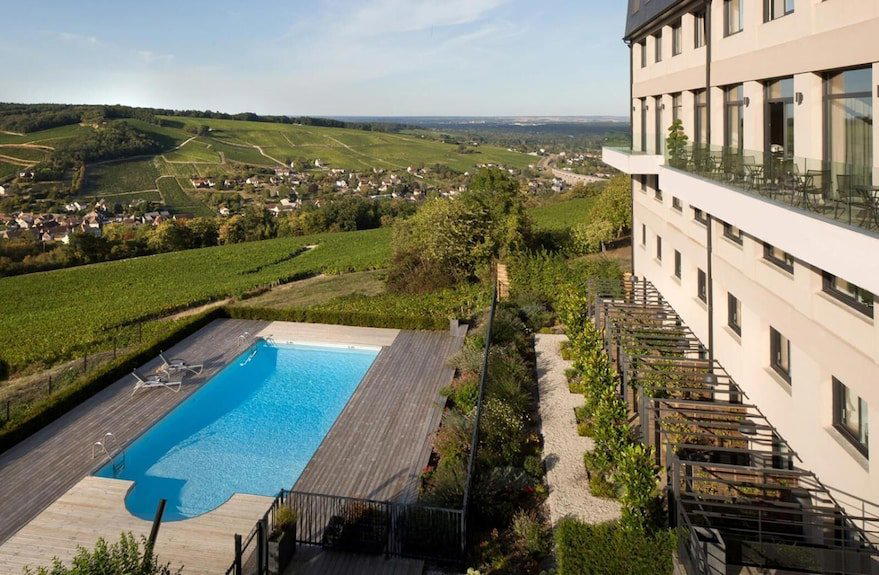
Sancerre is closely associated with vineyard landscape and geology, and Domaine Vincent Grall fits that setting as a small, owner-run estate. The emphasis of the visit is on sharing the vigneron’s work, the local geology, and harvest stories in a scenic, informal context. Those are important cues for how to understand the domaine: the visit is framed around place, labor, and memory rather than around a broad list of visitor services.
That makes the domaine most useful for visitors who want conversation and context rather than a highly staged visitor format. In Sancerre, where the landscape is part of the draw, an informal estate visit can help make the connection between what is seen outside and what is discussed in the cellar. The value is not in spectacle, but in hearing how the estate situates its work within the vineyard environment.
The estate’s appeal rests on scale and atmosphere. It is presented as small and owner-run, with the kind of visit that brings guests closer to vineyard and cellar life instead of placing them in a polished hospitality circuit. For some travelers, that smaller scale is exactly the attraction: it keeps attention on the working character of the domaine and on the stories that help explain it.
The visit format is built for context, not spectacle
The format centers on informal vineyard and cellar visits. The focus is conversation: how the vigneron works, how geology enters the story, and how harvest experiences shape the way the estate is understood by visitors. This is a context-driven format, where the vineyard and cellar are not simply backdrops but the main framework for the visit.
Specific claims about reservations, duration, languages, food pairings, awards, or visitor amenities are not part of the public record here. What can be said confidently is that the experience is relaxed, convivial, and scenic, with an emphasis on the working domaine rather than on spectacle. That restraint matters, because it keeps expectations aligned with what is actually described: a modest, informal encounter rather than a packaged program with defined extras.
For a wider Sancerre itinerary, it is best to compare Domaine Vincent Grall with other Sancerre wine and dining options generically, choosing a mix of experiences that balance vineyard context, cellar visits, meals, and time in town. In that mix, this domaine’s role is clear: it offers a small-estate perspective and a chance to spend time with the kind of setting and conversation that can make Sancerre feel more legible as a place.
Who should put it on a Sancerre route
Domaine Vincent Grall is strongest for travelers who prefer a small, owner-run Sancerre estate over a more formal visitor-center experience. The price is $25 per person, and the setting is described as scenic, informal, relaxed, and convivial. Those details point toward a visit that is approachable in tone and centered on direct engagement rather than elaborate staging.
It should suit visitors who want to understand Sancerre through vineyard setting, cellar context, geology, and harvest stories. It is especially well matched to travelers who value atmosphere and explanation, and who are comfortable with a visit defined by place and conversation rather than by a long checklist of confirmed services. If you need confirmed details on scheduling, accessibility, specific wines, pairings, or services, check directly with the estate before planning around them.
Recognition history
Dated appearances from independent guides and award organizations, with the underlying list record or original source where available.
Falstaff Winery - Listed
Falstaff
Continue exploring
More in Sancerre
Wineries in Sancerre
Browse all →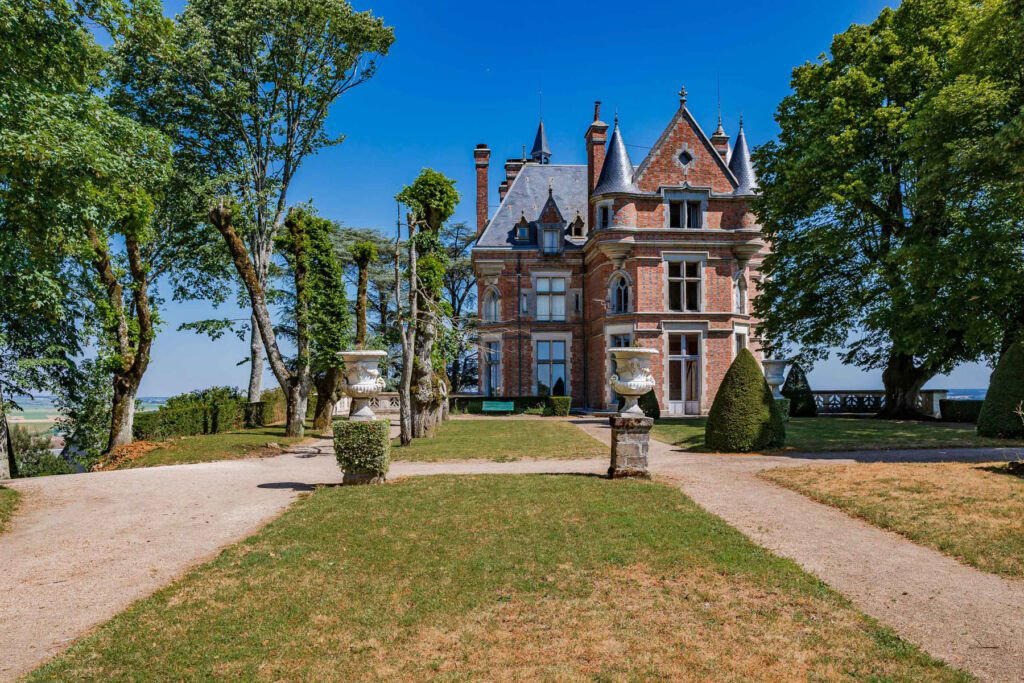
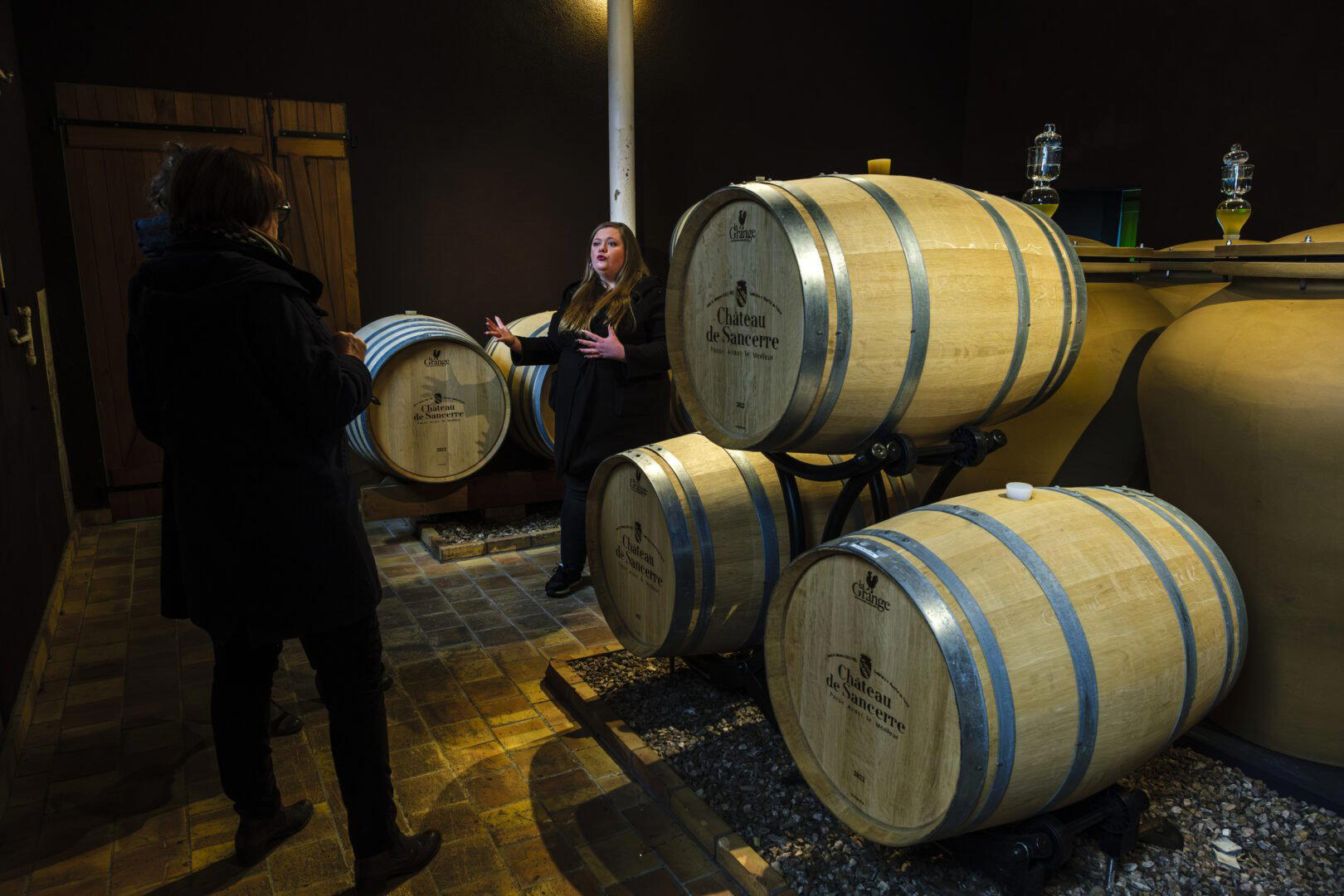
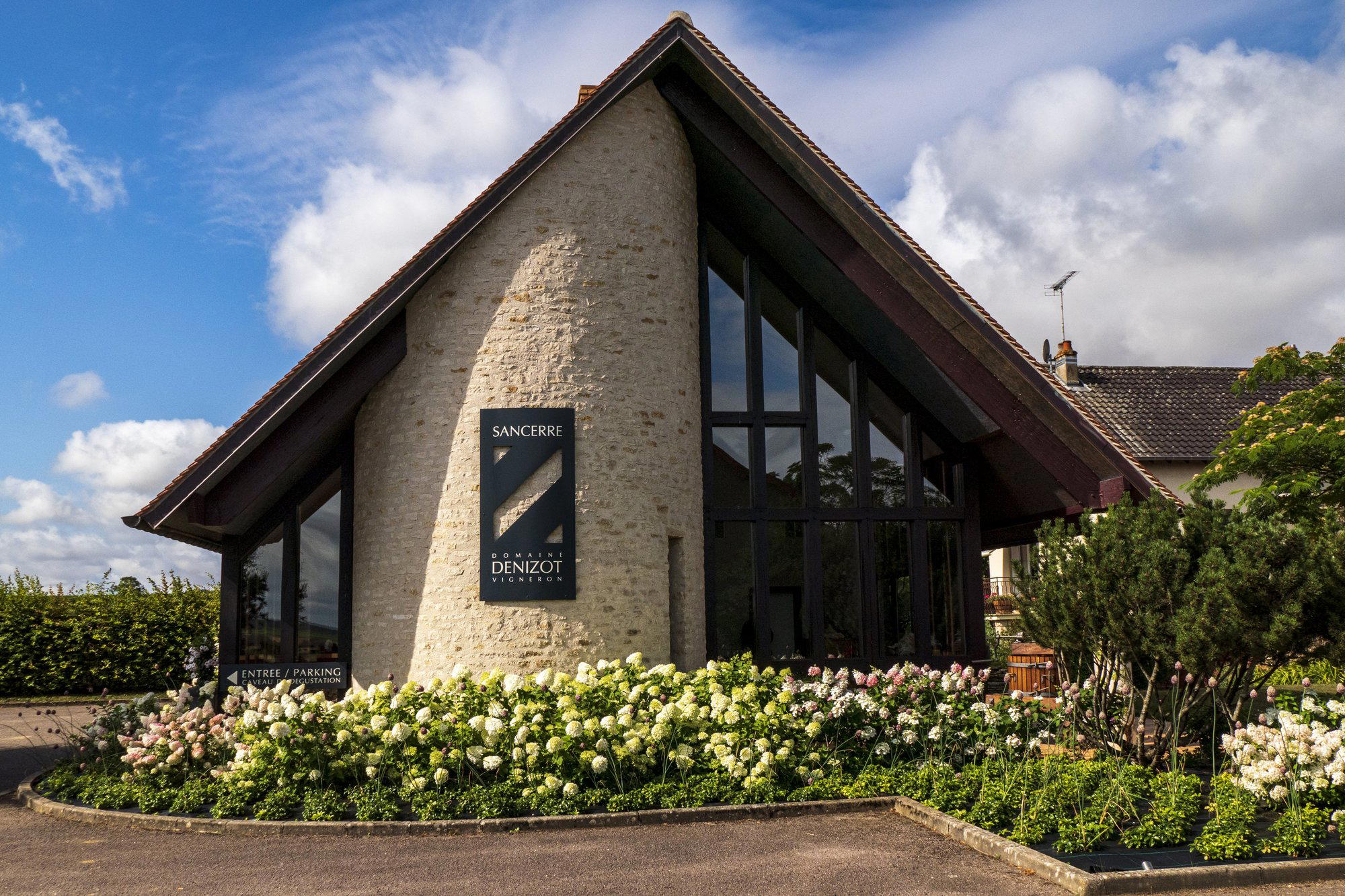
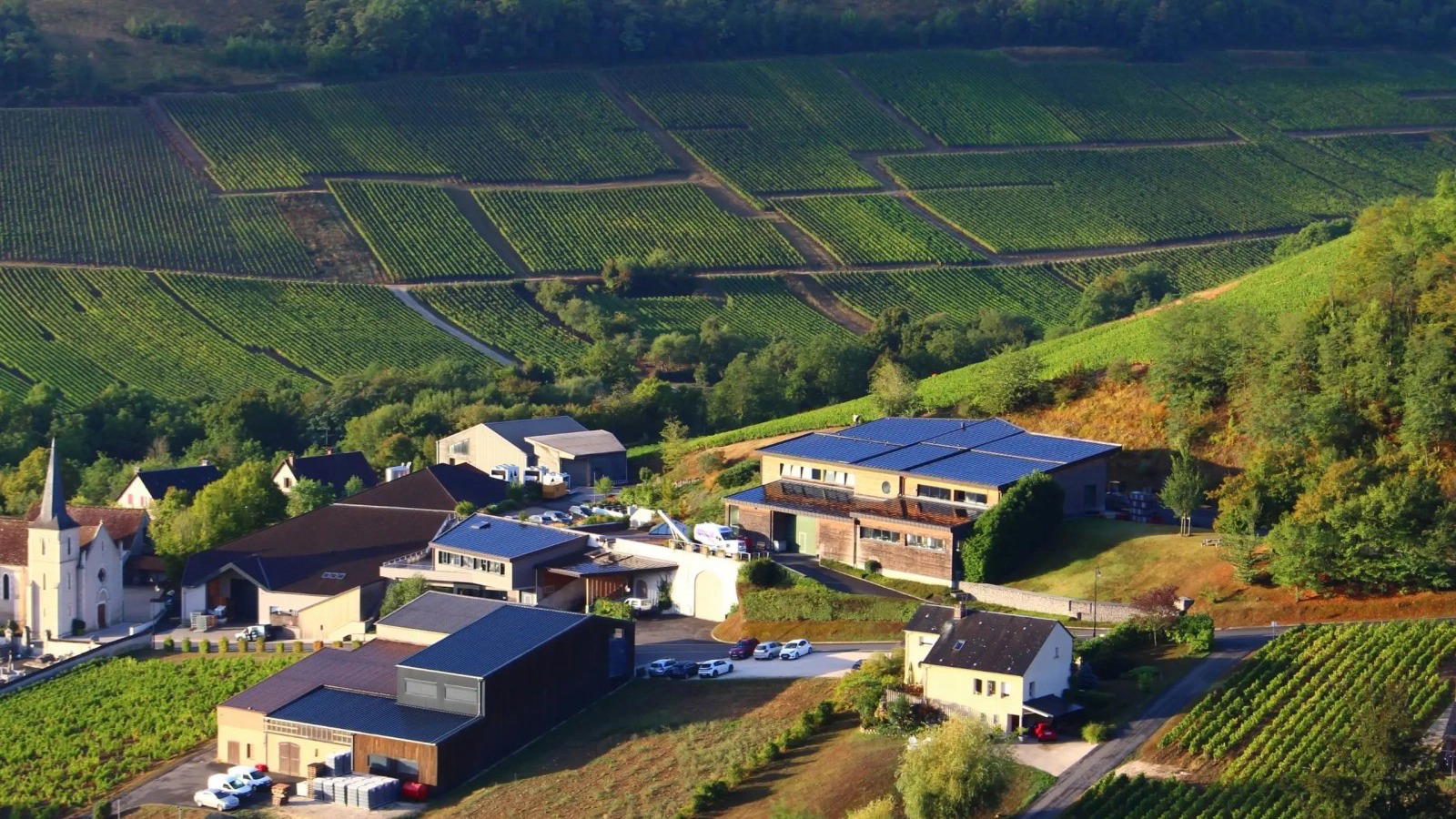
Restaurants in Sancerre
Browse all →
Details
- Scenic
- Cozy
- Rustic
- Intimate
- Wine Education
- Group Outing
- Romantic Getaway
- Solo Exploration
- Special Occasion
- Vineyard Tour
- Cave Tasting
- Estate Grounds
- Private Tasting
- Vineyard
- Sauvignon Blanc
- Pinot Noir
- Still White
- Still Rosé
- Still Red
- Vineyard Tasting
- Cellar Tasting
- Guided Tasting
- Food Pairing Tasting
- French
- English
- German
- Spanish
Current opening hours
- Monday
- 2–6 PM
- Tuesday
- Closed
- Wednesday
- 2–6 PM
- Thursday
- Closed
- Friday
- 10:30 AM–6 PM
- Saturday
- 10:30 AM–6 PM
- Sunday
- Closed
Hours can change for holidays and private events. Last verified .
Small, owner-run Sancerre estate offering informal vineyard and cellar visits focused on sharing the vigneron’s work, geology, and harvest stories in a relaxed, convivial atmosphere rather than a polished visitor center experience.