
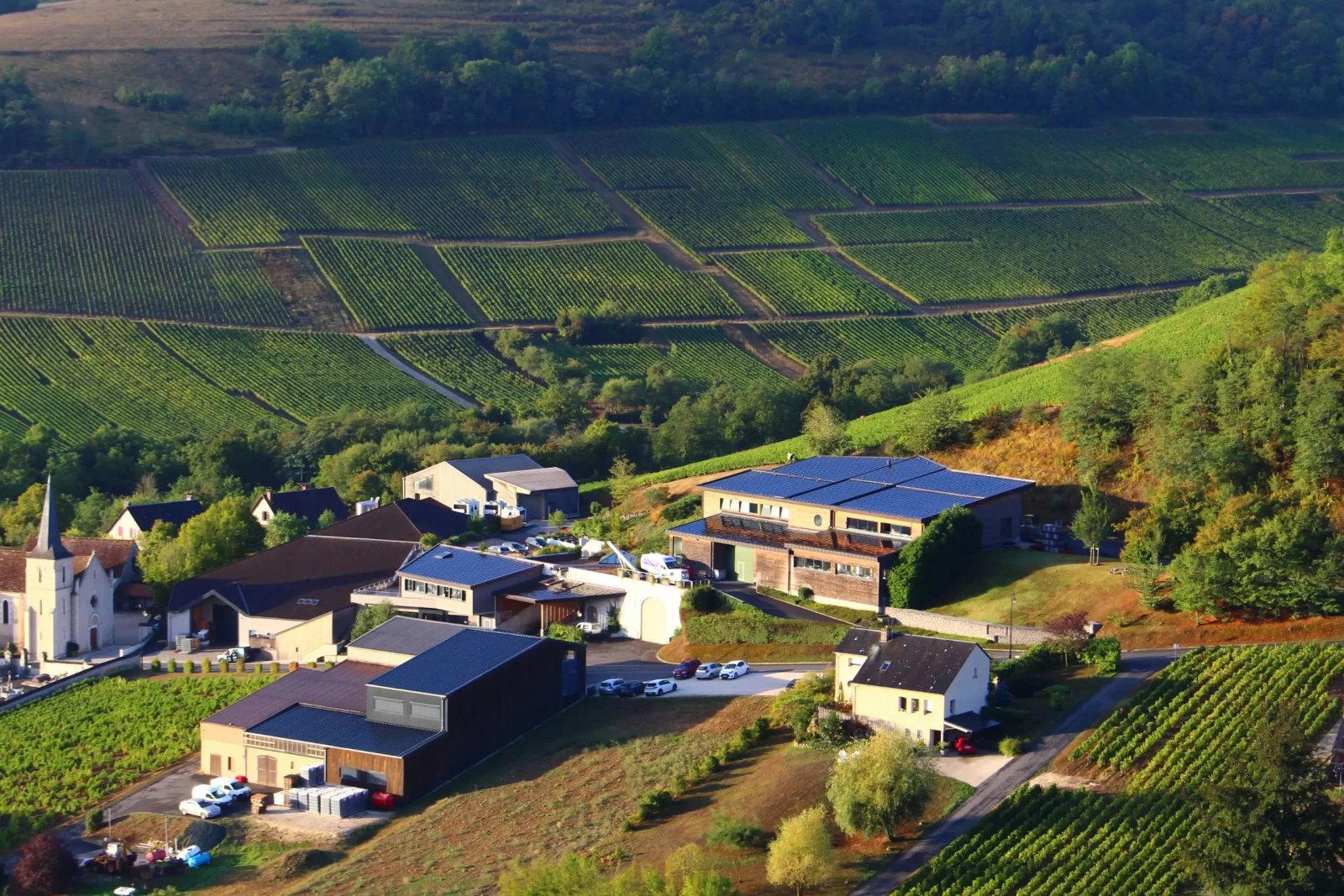
Domaine Lucien Crochet is a family-run Sancerre estate in Bué, focused on Sauvignon Blanc and Pinot Noir from clay-limestone slopes. Its interest lies in texture and terroir rather than flash: long lees aging, manual harvest, sustainable vineyard work since 1989, and a range that moves from classic Sancerre Blanc to single-vineyard cuvées.
Pearl is the En Primeur Club membership app — saves, bookings, and concierge access live there. Same editors, same standards.
- Address
- Pl. de l'Église, 18300 Bué, France
- Phone
- +33 2 48 54 08 10
- Website
- lucien-crochet.fr
- Directions
- Get directions
 Saves & bookings on Pearl
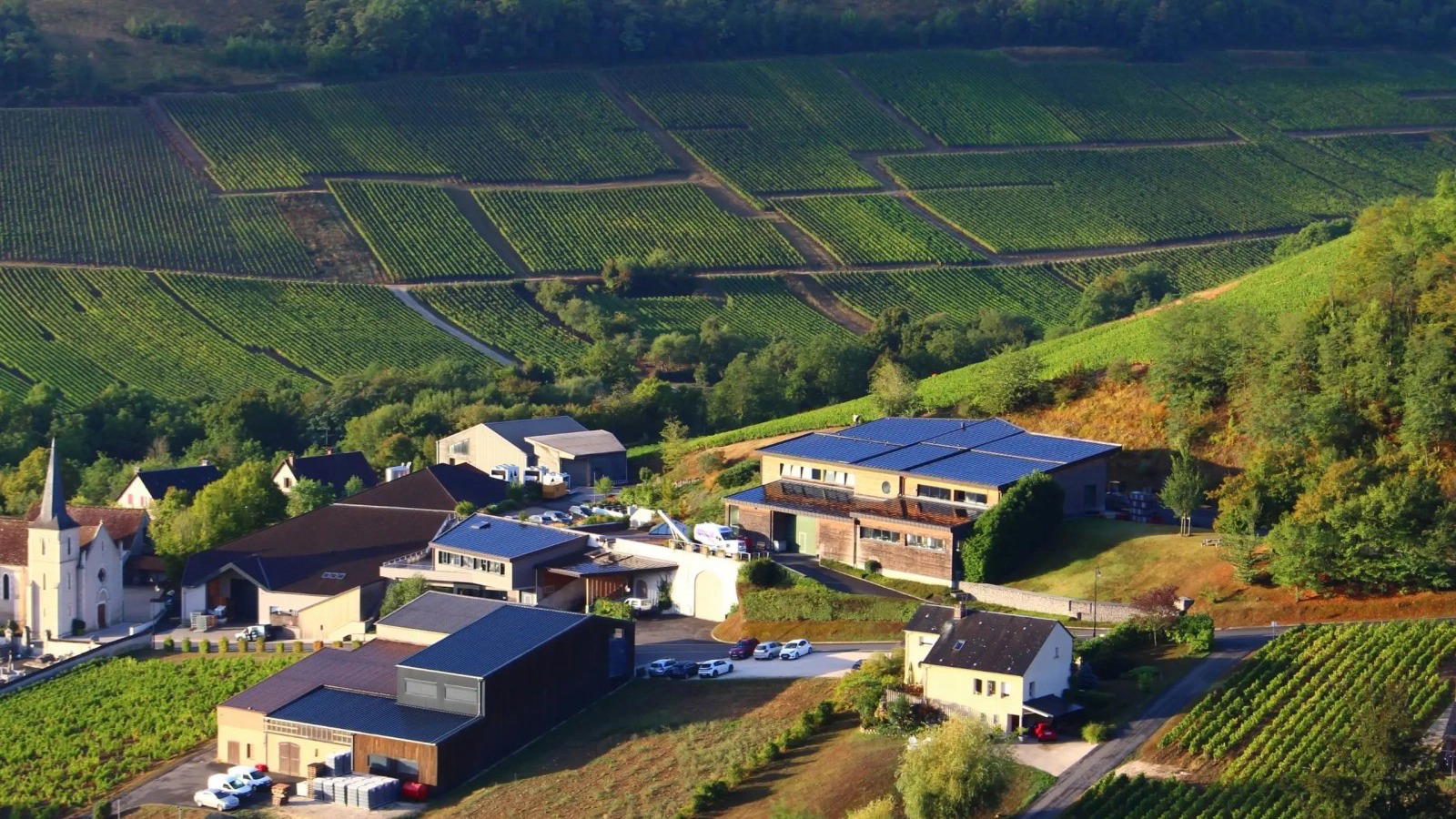
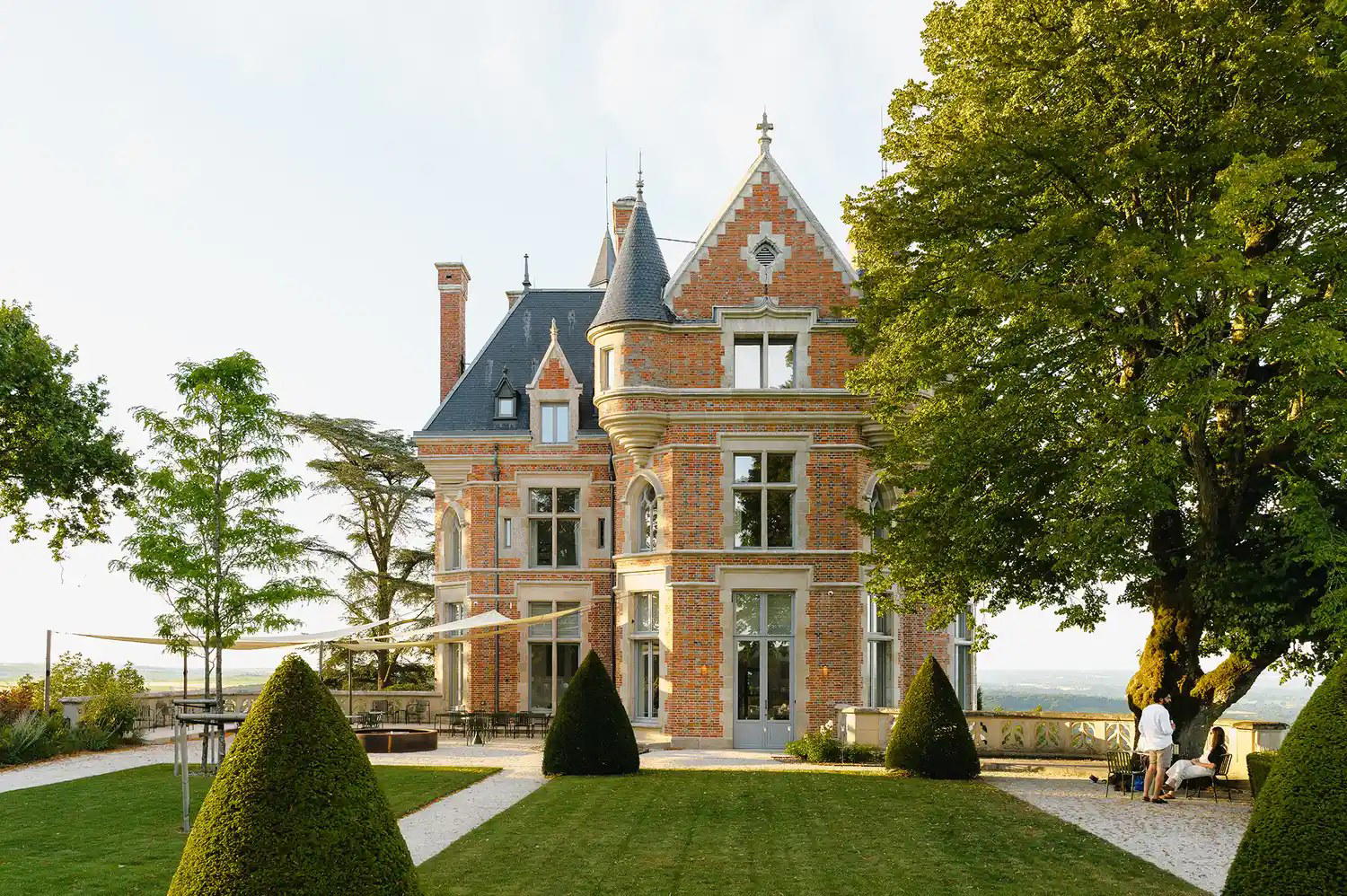
Bué is best understood as a Loire wine village before it is understood as a conventional dining or nightlife stop. Domaine Lucien Crochet fits that setting closely: a family-run Sancerre estate rooted in Bué, with an authentic, traditional Loire winegrowing feel. The appeal here is not a list of hospitality extras or invented tasting-room details, but the estate’s focus on expressing local clay-limestone terroirs through precise, long-elevage still wines.
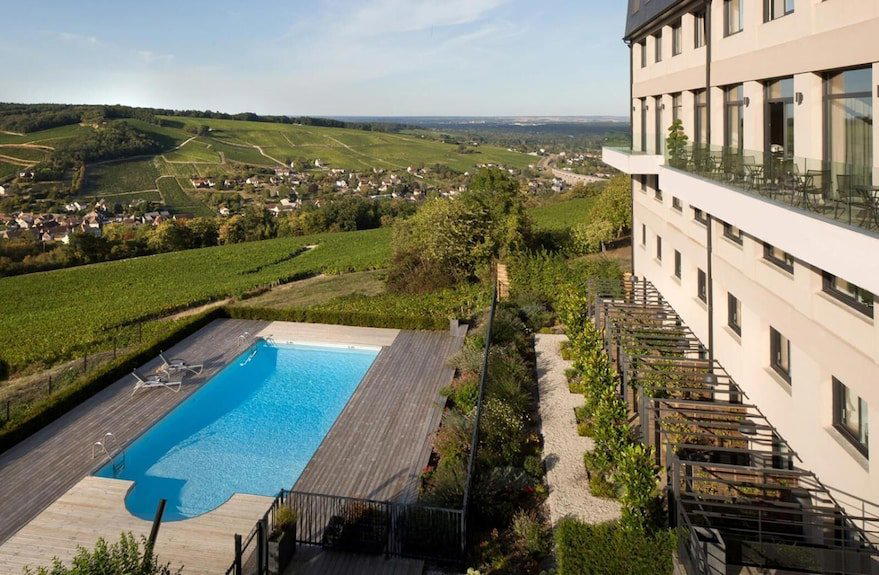
That makes the domaine a useful reference point for travelers who want a grounded sense of Bué. The surrounding context is classic, rustic, scenic, and well-known rather than flashy. The draw is the relationship between place and wine: a Sancerre estate working from a village identity, with the clay-limestone character of the area treated as central to the wines’ expression. On EP Club, Domaine Lucien Crochet is therefore best framed as a winegrowing address, not as a restaurant, bar, hotel, or broad hospitality complex.
Bué clay-limestone gives the wines their argument
One important detail is the estate’s connection to local clay-limestone terroirs. For a Sancerre producer in Bué, that point matters because it gives the wines their editorial reason for inclusion: the page should not depend on unsupported claims about named parcels, vineyard sizes, grape-by-grape breakdowns, visitor formats, or outside scores. What can be said with confidence is that Domaine Lucien Crochet is presented as a traditional Loire estate whose still wines aim for precision and a clear sense of origin.
Rather than treating Sancerre as a generic label, the winery’s profile points toward a more place-specific reading: Bué, clay-limestone soils, and a family-run estate culture. The result is a venue entry that should be read through restraint. It is about local winegrowing identity and long-elevage still wines, not about a manufactured luxury narrative.
The style descriptors also help set expectations. “Classic” and “rustic” suggest a traditional Loire sensibility, while “scenic” and “well-known” place the estate within the broader appeal of Bué’s wine landscape. Those terms are atmospheric rather than operational: they do not confirm opening hours, tasting availability, seating, food service, tours, languages, booking rules, or amenities. Visitors should verify any practical arrangements directly before planning around them.
Long lees aging puts texture into a lean appellation
The profile notes a focus on precise, long-elevage still wines. That is the strongest style claim to preserve. Long élevage can be discussed here as part of the estate’s identity without inventing cellar specifications, vessel types, dates, temperatures, or named cuvées. In this context, the phrase signals patience and structure: wines that are not described merely by immediacy, but by a more deliberate approach to development before release.
Page should not claim a particular menu of bottles, grape varieties, scores, awards, or vintage history unless those details are independently in available information. The safe editorial point is simpler and stronger: the winery is associated with still Sancerre wines shaped by Bué’s clay-limestone setting and by a precise, long-elevage approach.
Price is listed as $$$. That gives a broad planning signal, not a confirmed tariff, tasting fee, bottle price, or restaurant-style average spend. It is best read as a premium marker within the guide rather than as a promise of a specific cost. Anyone planning a purchase, visit, or tasting should confirm current pricing and availability directly with the estate.
The estate’s traditional character is also part of its appeal. “Family-run” is a meaningful fact because it frames the domaine as a continuing local winegrowing concern rather than an anonymous brand. At the same time, the guide should avoid naming individual family members, founding dates, vineyard areas, or production methods that are not present in the record. The strength of the listing is its clarity: Bué, Sancerre, clay-limestone terroir, long-elevage still wines, and a classic Loire feel.
How to read the visit and the wider Bué circuit
The winery should be read as part of a Bué wine itinerary, but with practical caution. Those details should not be assumed. If you are planning around the estate, confirm the current visit conditions directly rather than relying on generic Sancerre expectations.
Within Bué, the domaine’s appeal is direct: it represents a traditional, family-run Sancerre estate with a focus on expressing local clay-limestone terroirs. Other dining and hospitality options in Bué can be considered separately, but they should not be used to inflate what is known about the winery itself. This entry is strongest when it stays focused on the estate’s winegrowing identity.
The editorial case for the winery is direct. It is a $$$ Sancerre estate in Bué with a classic, rustic, scenic, and well-known Loire character. Its identity rests on family-run continuity, local clay-limestone expression, and precise, long-elevage still wines. For readers looking for spectacle, the confirmed record does not support that promise. For readers looking for a grounded Bué wine address, the facts are enough to make the estate notable.
Recognition history
Dated appearances from independent guides and award organizations, with the underlying list record or original source where available.
Falstaff Winery - Listed
Falstaff
At a Glance
- Classic
- Rustic
- Scenic
- Well Known
- Wine Education
- Solo Exploration
- Group Outing
- Special Occasion
- Estate Grounds
- Sustainable
- Vineyard
- Sancerre AOC
- Sauvignon Blanc
- Pinot Noir
- Still White
- Still Red
- Still Rosé
- Standard Tasting
Current opening hours
- Monday
- 8:30 AM–12:30 PM, 1:30–5:30 PM
- Tuesday
- 8:30 AM–12:30 PM, 1:30–5:30 PM
- Wednesday
- 8:30 AM–12:30 PM, 1:30–5:30 PM
- Thursday
- 8:30 AM–12:30 PM, 1:30–5:30 PM
- Friday
- 8:30 AM–12:30 PM, 1:30–5:30 PM
- Saturday
- Closed
- Sunday
- Closed
Hours can change for holidays and private events. Last verified .
Family-run Sancerre estate rooted in Bué, with an authentic, traditional Loire winegrowing feel and a focus on expressing local clay-limestone terroirs through precise, long-elevage still wines.