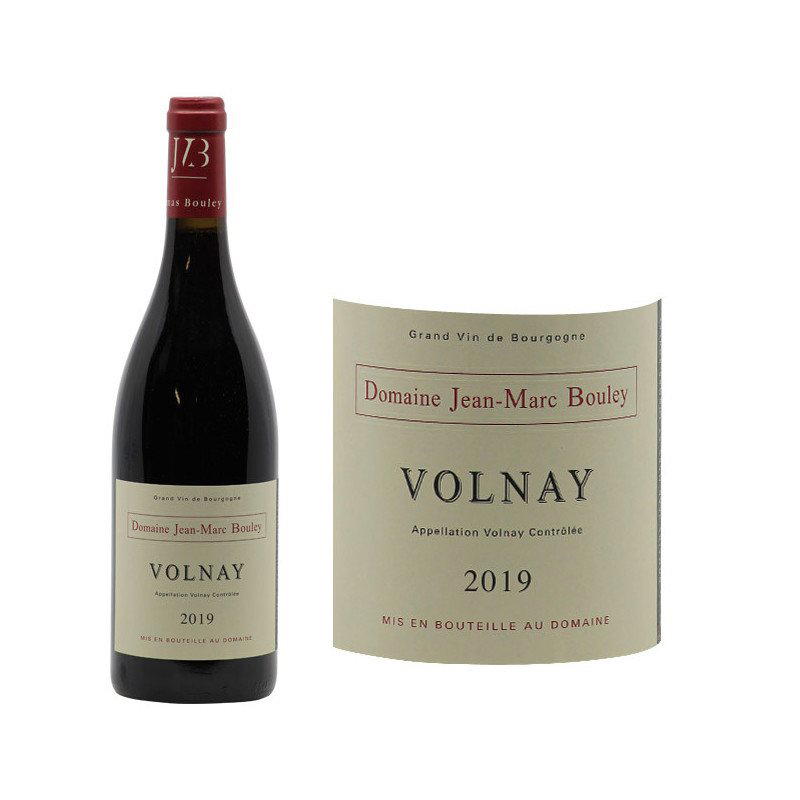

Thomas Bouley continues Jean-Marc Bouley's multi-generational Volnay work. Family-held Premier Cru parcels, estate bottling, classic Burgundian...
Pearl is the En Primeur Club membership app — saves, bookings, and concierge access live there. Same editors, same standards.
- Address
- Volnay, Bourgogne-Franche-Comté, Frankreich
 Saves & bookings on Pearl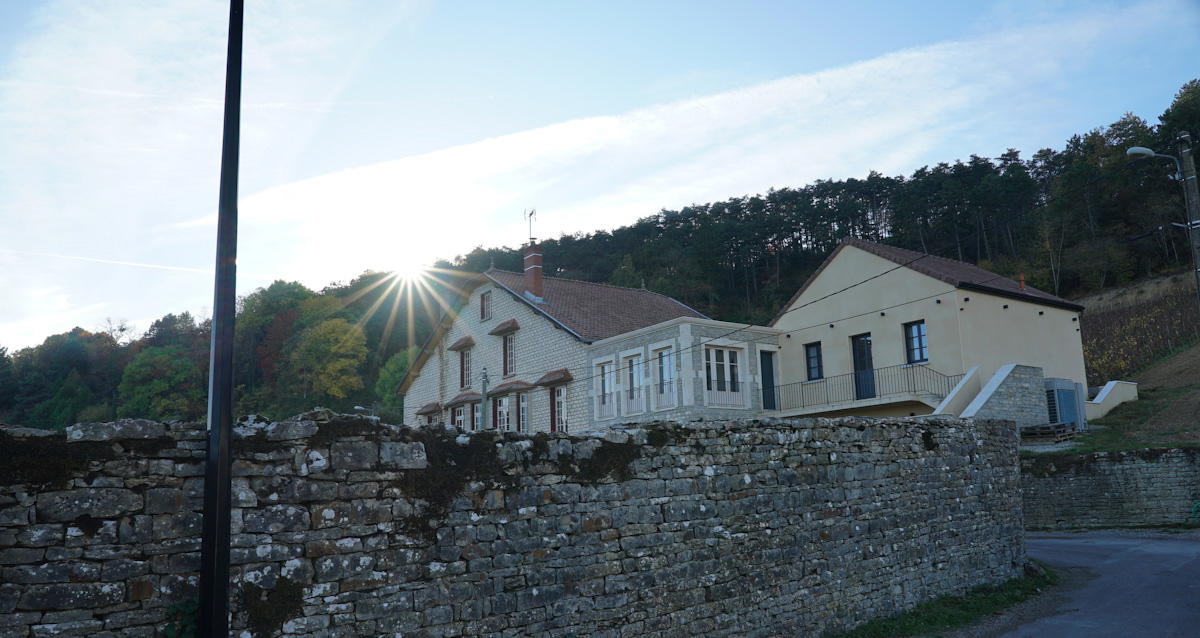
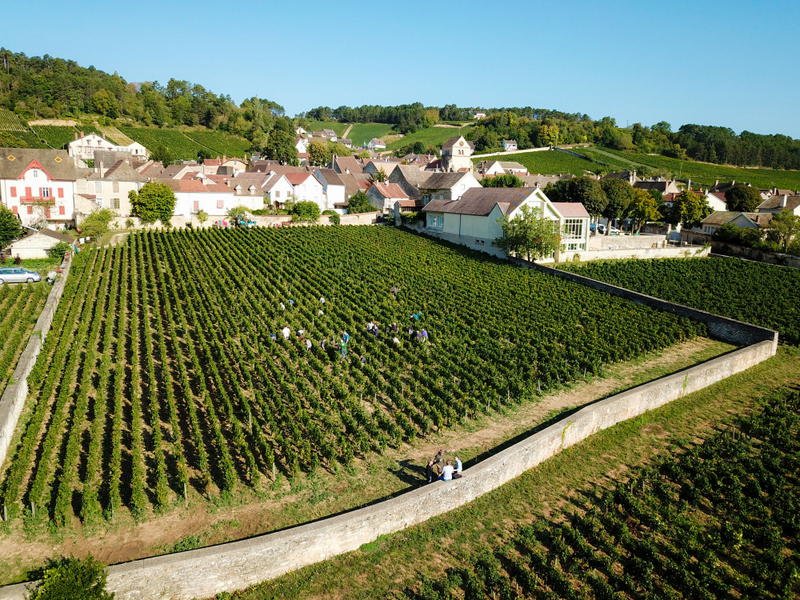
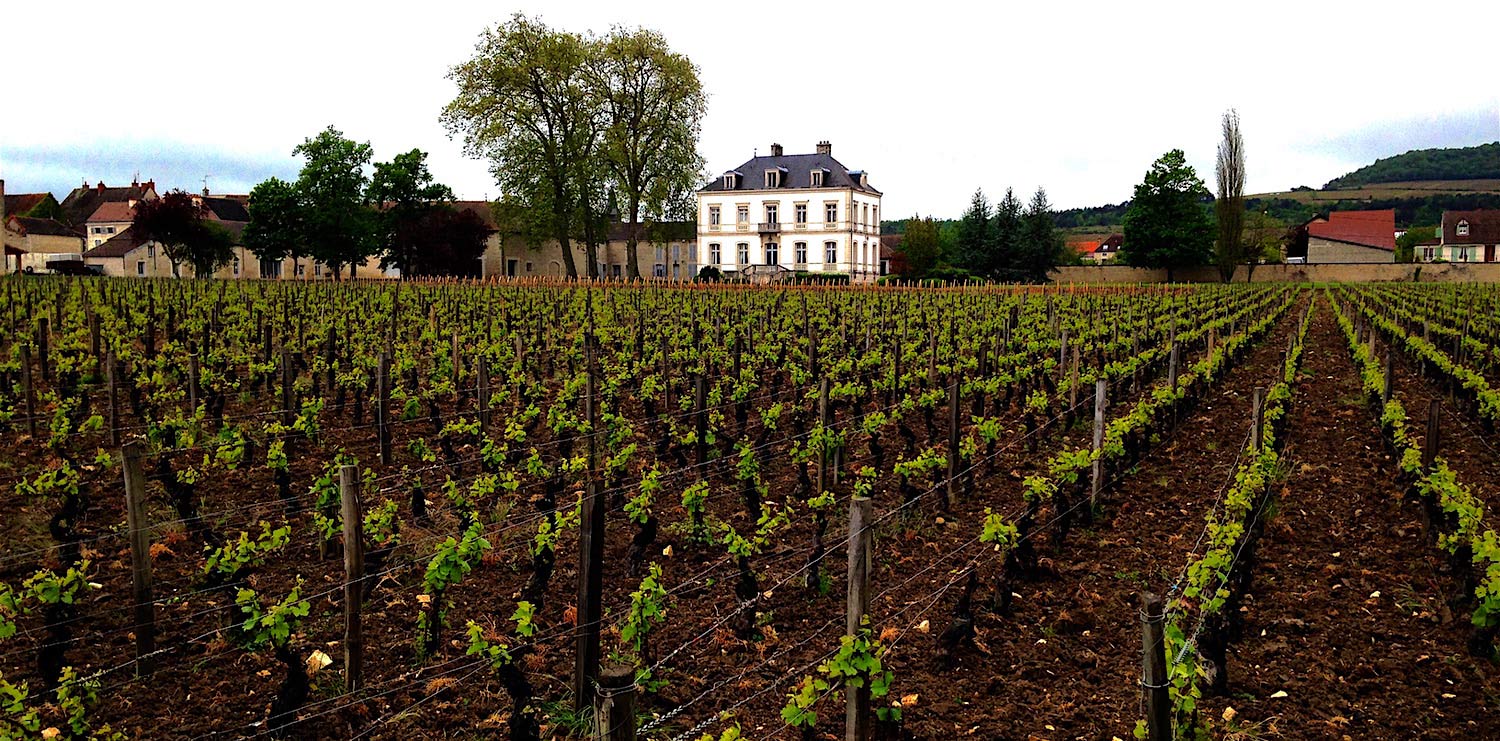
Volnay's reputation rests on a particular expression of Pinot Noir, silky, perfumed, finer in structure than Pommard, more floral than Chambolle, and the producers who have sustained that expression across multiple generations carry the village's technical memory. Jean-Marc & Thomas Bouley operates inside that multi-generational transmission, a family domaine where winemaking authority has passed from father to son within the same cellar and the same parcels. Thomas Bouley now runs the estate, continuing the work his father Jean-Marc established across decades in Volnay's Premier Cru and village vineyards.
The domaine works within the classic Burgundian small-producer model: family ownership, hands-on viticulture, estate bottling, limited production volumes typical of holdings measured in hectares rather than tens of hectares. Volnay's Premier Cru sites, Taillepieds, Caillerets, Champans, Santenots, define the village's quality hierarchy, and the leading domaines in Volnay are evaluated by their holdings inside those named climats and by the fidelity with which their bottlings express the limestone-rich soils and cooler-aspect slopes that distinguish Volnay from the heavier, more structured reds of neighbouring Pommard. Jean-Marc & Thomas Bouley's program sits inside that frame: vineyard work that prioritises parcel identity, cellar protocols that defer to the fruit rather than imposing heavy oak or extended maceration, and a release strategy typical of Burgundian producers who sell primarily through négociants, private importers, and a small allocation list rather than through direct retail channels.
The generational transition from Jean-Marc to Thomas represents a common pattern in Burgundy, where estates that survive beyond a single generation often see technical refinement rather than stylistic rupture. The younger generation typically brings university-level enology training, Dijon's Institut Jules Guyot being the standard reference, alongside exposure to practices outside the family domaine through stages at other Burgundian houses or in other wine regions. Thomas Bouley's tenure has coincided with the broader shift across Burgundy toward more careful canopy management, lower yields, and gentler extraction in the cellar, but the estate's fundamental approach remains rooted in the methods Jean-Marc practiced: hand-harvesting, whole-cluster fermentation where the vintage permits, natural yeast fermentation, minimal intervention in the cellar, and oak regimes that favour older barrels over new wood. The proportion of new oak used at any given Burgundian domaine is itself a stylistic signature; estates that run above 30% new oak each vintage are signalling a richer, more marked style, while those that hold below 20% are deferring to the vineyard. Jean-Marc & Thomas Bouley sits in the latter camp, with new oak typically reserved for Premier Cru parcels and village-level wines aged in barrels of two to five years of age.
Volnay's Premier Cru landscape divides into sites with distinct soil profiles and aspect. Taillepieds, on the Pommard border, produces the village's most structured wines, with deeper red fruit and firmer tannins than the archetype. Caillerets, higher on the slope and limestone-rich, produces particularly perfumed and delicate wines, often cited as the purest expression of Volnay's signature elegance. Champans, mid-slope, balances structure and aromatics. Santenots, technically in Meursault but sold under the Volnay appellation for red wines, produces wines with more body and less immediate floral lift than the core Volnay sites. A producer's parcel holdings and the relative quality of their bottlings from each site reveal both their access to prime vineyard land, often inherited rather than purchased, given Burgundy's scarcity and price, and their technical skill in differentiating site expression in the cellar. Jean-Marc & Thomas Bouley's range includes both village-level Volnay and Premier Cru bottlings, with the latter representing the estate's upper-tier output and the precise window into the domaine's cellar discipline.
The village of Volnay itself operates inside a tightly constrained geographic and economic model. Domaine de Montille, Domaine Marquis d'Angerville, Domaine Michel Lafarge, and Domaine Yvon Clerget represent the village's most widely recognised estates, each with multi-generational tenure and Premier Cru holdings across the village's leading sites. Jean-Marc & Thomas Bouley sits within that peer group as a smaller-scale operation, producing wines that share the village's stylistic signature, fine tannins, floral aromatics, moderate alcohol, and a preference for elegance over power, without the broader international distribution or critical visibility of the largest domaines. The estate's wines are more often encountered through specialist importers and on-premise allocations in markets with established Burgundy buyers than through retail shelves or auction catalogues, a distribution profile typical of Burgundy's mid-tier family domaines.
Access to Jean-Marc & Thomas Bouley's wines follows the allocation-driven model common across Burgundy's small-producer tier. The estate does not operate a public tasting room with walk-in hours; visits are by appointment and typically reserved for trade buyers, importers, and established clients. Pricing sits within the village's Premier Cru range, which in recent vintages has climbed steeply alongside broader Burgundy price inflation. Village-level Volnay from a quality producer now trades in the range of €35 to €50 per bottle at the cellar door or through négociants; Premier Cru bottlings from recognised sites command €70 to €120, with the leading sites pushing higher. Jean-Marc & Thomas Bouley's pricing reflects its position inside the village's producer hierarchy: above generic Bourgogne Rouge and village Côte de Beaune blends, but below the trophy-level estates whose Premier Cru allocations trade at multiples of list price on the secondary market. The estate's wines reach international markets through a network of importers, with availability varying by region; markets with strong Burgundy distribution, the UK, the US, Japan, and northern Europe, are reliable channels for access.
The winemaking calendar at a Volnay domaine follows the Burgundian viticultural rhythm. Harvest typically occurs in late September, though climate warming has shifted that window earlier in warm vintages. Fermentation lasts two to three weeks, with punch-downs or pump-overs adjusted to the vintage's tannin profile and fruit concentration. Aging in barrel runs 12 to 18 months, with Premier Cru wines often held slightly longer than village-level bottlings. Bottling occurs without filtration in many cases, a practice that has become more common across quality-focused Burgundy as producers and critics have come to associate unfiltered wines with greater texture and aromatic complexity. The wines are released to the market roughly 18 to 24 months after harvest, a timeline that places them on allocation lists and into trade channels while they are still young and require further bottle age to show their full complexity. Burgundy's red wines, particularly those from Volnay, are not built for immediate consumption; the tannin structure and acidity that define the village's style require five to ten years of bottle age to integrate fully, and the Premier Cru wines can develop over two decades or more.
Thomas Bouley's work in the cellar reflects the broader evolution of Burgundian winemaking over the past two decades. The shift away from heavy extraction, long maceration, and high percentages of new oak, practices that dominated Burgundy in the 1990s and early 2000s under the influence of critics who favoured power and concentration, has given way to a lighter-touch approach that prioritises vineyard expression and drinkability. Whole-cluster fermentation, once considered a marker of traditionalist producers, has returned to favour as a tool for adding floral aromatics and silkier tannins. Natural yeast fermentation, rather than cultured yeast inoculation, is now standard practice among quality-focused producers. The use of new oak has declined across the board, with many producers now holding new-oak percentages below 25% even for their top cuvées. Jean-Marc & Thomas Bouley's cellar protocols sit comfortably inside this contemporary Burgundian orthodoxy, with a focus on preserving the delicate fruit and fine structure that define Volnay rather than imposing a house style through heavy oak or prolonged extraction.
The estate's position inside Volnay's lineage is that of a working family domaine rather than a trophy estate. Burgundy's hierarchy divides producers into several tiers: the grand monopoles and historic estates with holdings in Grand Cru sites and global distribution; the recognised Premier Cru specialists with strong critical followings and high secondary-market demand; the solid mid-tier family domaines that produce quality wines from good parcels but lack the visibility or holdings to command trophy pricing; and the smaller grower-producers and part-time vignerons who sell much of their production to négociants. Jean-Marc & Thomas Bouley occupies the third tier, a serious producer with multi-generational tenure and Premier Cru holdings, but without the critical halo or allocation-list scarcity of the village's leading names. This positioning has both advantages and constraints. The wines are more accessible than those of Domaine de Montille or Domaine Marquis d'Angerville, both in terms of price and availability, and they offer a reliable window into Volnay's house style without the premiums attached to particularly sought-after labels. At the same time, the estate's smaller scale limits its ability to invest in vineyard expansion, new cellar equipment, or the marketing infrastructure that drives international visibility in an increasingly crowded fine-wine market.
Volnay's place inside the broader Côte de Beaune is defined by its contrast with neighbouring villages. Pommard, immediately to the north, produces reds with more structure, deeper colour, and firmer tannins, a profile shaped by clay-rich soils and slightly warmer vineyard sites. Meursault, immediately to the south, is known primarily for white wines, though its Santenots vineyard produces reds sold under the Volnay appellation. Beaune, the region's commercial centre, produces reds that are more variable in quality and less distinctive in style, with the exception of a handful of top Premier Cru sites. Volnay's consistent focus on finesse, floral aromatics, and silky texture gives it a clear identity inside the Côte de Beaune's red-wine landscape, and producers who execute that style well, Jean-Marc & Thomas Bouley among them, are valued by buyers who prioritise elegance over power. The village's reputation has remained stable even as Burgundy's pricing has escalated, in part because Volnay lacks a Grand Cru site and thus sits outside the trophy-collecting logic that drives demand for the region's most expensive wines. For trade buyers and collectors who understand Burgundy's village-level distinctions, Volnay represents a more accessible entry point into the Côte de Beaune's red-wine tradition, and producers like Jean-Marc & Thomas Bouley are the estates that sustain that tradition across generations.
Recognition history
Dated appearances from independent guides and award organizations, with the underlying list record or original source where available.
Falstaff Winery - Listed
Falstaff
Michelin 3 Grapes
Michelin · 2026 Michelin 3 Grapes - Burgundy