Domaine Felettig


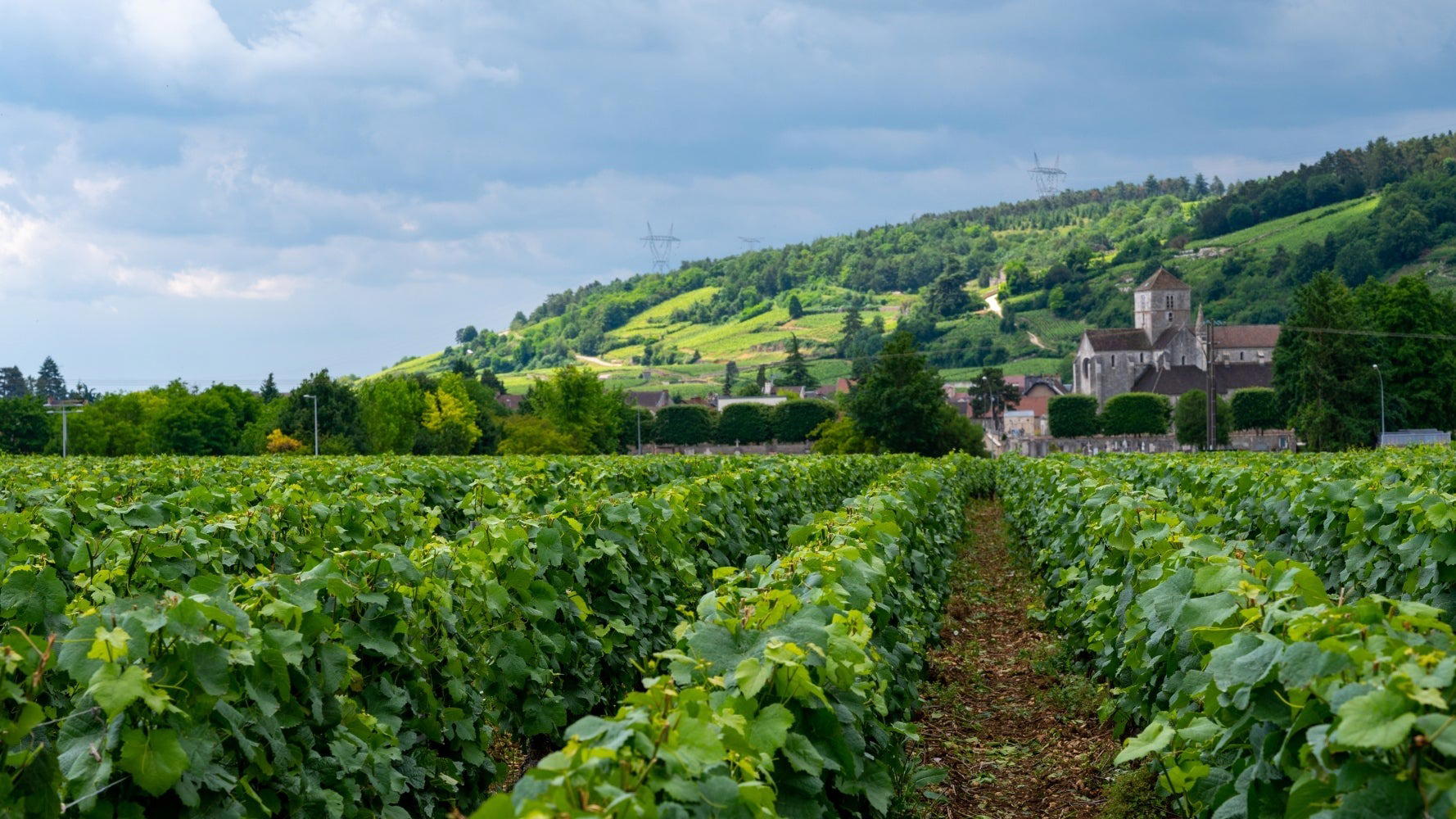
Gilbert Felettig runs a micro-scale estate in Chambolle-Musigny, working village-level and premier cru parcels outside the grand cru tier.
Pearl is the En Primeur Club membership app — saves, bookings, and concierge access live there. Same editors, same standards.
- Address
- Chambolle-Musigny, Bourgogne-Franche-Comté, Frankreich
 Saves & bookings on Pearl
The Côte de Nuits village structure in Burgundy operates on a tiered scale of recognisability. Vosne-Romanée and Gevrey-Chambertin sit at the summit of the export market's attention, Chambolle-Musigny occupies the middle tier with a cluster of widely-recognised grand cru vineyards, and a set of smaller villages (Fixin, Marsannay, Corgoloin) occupy the lower tier where négociant sourcing dominates. Domaine Felettig, a small estate producer working out of Chambolle-Musigny under the direction of Gilbert Felettig, operates inside the middle tier but at the scale and distribution profile of the lower tier: estate-bottled, minimal allocation, limited export footprint, no formal négociant partnerships. The domaine's working output sits inside the village-level and premier cru classifications rather than the grand cru tier, a positioning that reflects both the parcel holdings and the estate's deliberate focus on village-level expression over prestige cuvée production. Chambolle-Musigny as an appellation has historically favoured finesse over power inside the Côte de Nuits hierarchy, with Domaine Comte Georges de Vogüé, Domaine Georges Roumier, and Domaine Jacques-Frédéric Mugnier holding the grand cru benchmarks (Musigny, Bonnes-Mares). Domaine Felettig works parallel to that upper tier but outside its grand cru orbit, concentrating on village Chambolle-Musigny and a small set of premier cru parcels that express the appellation's signature aromatic lift without the extraction weight of neighbouring Morey-Saint-Denis or Vosne-Romanée.
Henri Felettig founded the estate in 1993. Gilbert Felettig has been working the domaine since the mid-1990s, taking over from his father Henri and maintaining the estate's small-scale production architecture. The domaine's total bottling output sits below 3,000 cases annually, a production volume typical of Burgundy's micro-négociant tier but rare among estate producers who hold premier cru vineyards. The scale reflects both the limited parcel holdings (fewer than five hectares under vine, the majority classified as village-level Chambolle-Musigny AOC) and a deliberate avoidance of purchased-fruit expansion. Felettig does not buy fruit from contracted growers, does not produce négociant cuvées under a separate label, and does not sell must or juice to the broader Burgundy trade. The estate's entire output is estate-bottled under the Domaine Felettig label, a positioning that aligns with the orthodox estate-producer model codified by the Côte d'Or's domaine-bottling movement in the 1970s and 1980s but executed at a production scale that limits the domaine's visibility inside the export market. Distribution is concentrated in France, with minimal allocation to importers in Northern Europe and no structured presence in the United States or Asian markets. The access model is direct-to-trade rather than allocation-list driven. French restaurants and cavistes source directly from the domaine, and the wines appear sporadically on international lists when a sommelier or buyer visits Chambolle-Musigny and secures a small parcel. This distribution architecture is typical of Burgundy's middle tier, where estates with recognised appellation addresses but limited grand cru holdings operate below the allocation frenzy that governs the upper tier.
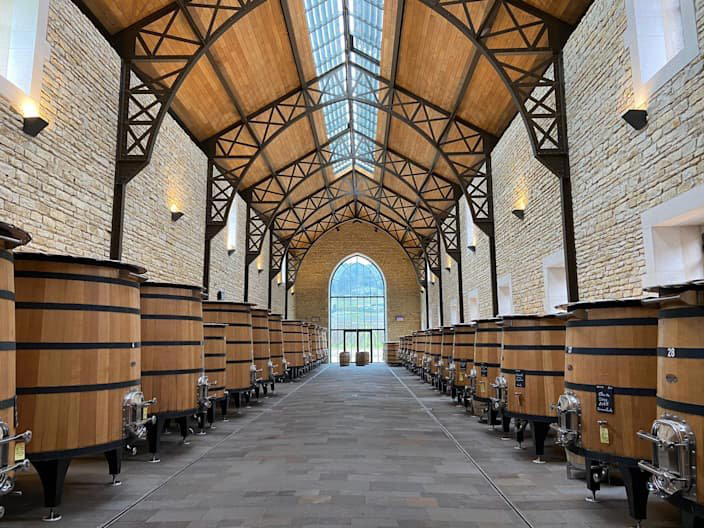
The winemaking protocol at Domaine Felettig follows the reductive, low-intervention model that became the Côte d'Or's orthodox estate style in the 1990s: whole-cluster fermentation on a portion of the harvest, ambient yeast, minimal extraction during cuvaison, and aging in small French oak with a conservative new-oak percentage. Chambolle-Musigny as an appellation rewards lower extraction and shorter maceration relative to Gevrey-Chambertin or Vosne-Romanée. The village's clay-limestone soils and its position in the narrower section of the Côte de Nuits produce wines with less structural density and more aromatic transparency than the appellation's southern neighbours. The resulting wines sit inside the appellation's signature aromatic profile: red fruit (raspberry, cherry, strawberry), floral lift (violet, rose), and a mineral spine that reads as chalky rather than saline, without the structural weight or aging curve of grand cru Musigny or Bonnes-Mares. The village Chambolle-Musigny cuvée is the domaine's largest production and functions as the estate's calling card inside the French trade. The premier cru holdings are smaller and vary by vintage; the domaine bottles a premier cru Chambolle-Musigny from parcels in Les Baudes and Les Plantes, both classified premier cru vineyards that sit on the village's mid-slope.
Felettig's approach to oak aging follows the Burgundy estate norm for the middle tier: 12 to 15 months in barrel, predominantly Allier and Tronçais oak from coopers François Frères and Rousseau, with a single racking mid-élevage and bottling without fining or filtration. The decision to bottle without filtration became standard practice among quality-focused Burgundy estates in the 1990s, driven by the argument that filtration strips aromatic complexity and mouthfeel density. Felettig adopted the protocol early in his tenure and has maintained it across all cuvées. Bottling occurs in late spring or early summer following the second winter in barrel, a timing that aligns with the orthodox Burgundy estate calendar and allows the wines to settle before distribution. The domaine does not hold back library stock for extended cellar aging; the entire vintage is released within 18 months of harvest, a commercial necessity for estates without the capital reserves to finance extended bottle aging. This release timing places Domaine Felettig's wines on the market earlier than the allocation-tier estates, which often hold back grand cru releases for two to three years post-harvest. The earlier release benefits buyers who want drinking-window access to village-level Chambolle-Musigny without the wait times or secondary-market pricing that governs grand cru Burgundy, but it limits the domaine's ability to command the price premiums that extended aging and controlled scarcity generate. Barthod is the closest technical peer: similar production scale, similar premier cru focus (Les Cras, Les Beaux Bruns), similar reductive winemaking protocol, and similar distribution architecture (French trade-focused, minimal export). Boillot operates at a slightly larger scale and holds parcels across multiple appellations (Volnay, Pommard, Gevrey-Chambertin), but the Chambolle-Musigny bottlings sit inside the same aromatic and structural range as Felettig's. The upper tier (Vogüé, Roumier, Mugnier) operates at a different allocation and pricing level entirely, with grand cru Musigny bottlings trading on the secondary market at multiples that village and premier cru Chambolle-Musigny cannot approach. Felettig's wines are priced inside the €30 to €60 ex-cellar range for village and premier cru bottlings, a bracket that reflects the middle tier's positioning between négociant volume and allocation scarcity. The pricing aligns with Barthod's and sits below Roumier's premier cru releases (which open above €100 ex-cellar) and far below Vogüé's grand cru Musigny (which opens above €400 ex-cellar in recent vintages). This pricing structure reflects both the appellation hierarchy (grand cru commands a steep premium over premier cru, which commands a moderate premium over village) and the allocation scarcity that governs the upper tier.
Access to Domaine Felettig is structured as direct trade rather than allocation. The domaine does not operate a mailing list, does not release wines through en primeur futures, and does not maintain a formal allocation system for restaurant clients or retail buyers. French sommeliers and cavistes visit the domaine during the spring and summer months to taste and secure parcels for the upcoming vintage release; international buyers follow the same protocol but face higher logistical friction due to the domaine's limited English-language correspondence and its preference for in-person negotiation. The access model favours proximity. Parisian buyers and Burgundy-based sommeliers secure the largest allocations because they visit regularly and maintain long-standing relationships with Gilbert Felettig. This distribution structure is typical of small Burgundy estates that operate below the allocation tier but above the négociant volume tier, where direct relationships carry more weight than formal allocation protocols. The domaine does not sell direct-to-consumer through an online shop, does not ship internationally, and does not participate in the broader Burgundy en primeur system that governs allocation-tier releases. Buyers who want access must either visit the domaine in person, work through a French importer or caviste who holds a relationship with Felettig, or source the wines on restaurant lists and retail shelves where they appear sporadically.
The stylistic positioning of Domaine Felettig inside Burgundy's broader village-level and premier cru landscape sits closer to the restrained, high-acid, lower-extraction school that dominates Chambolle-Musigny than to the riper, more extracted style that characterises southern Côte de Nuits appellations like Nuits-Saint-Georges or northern Côte de Beaune appellations like Pommard. The wines are built for mid-term aging: five to ten years from vintage for village bottlings, eight to fifteen years for premier cru bottlings, rather than for the extended cellar curves (twenty to thirty years) that grand cru Musigny and Bonnes-Mares demand. The aromatic profile emphasises red fruit and floral lift over darker fruit or savory complexity, a signature that reflects both the appellation's terroir (clay-limestone soils, cooler mesoclimate) and Felettig's winemaking choices (lower extraction, earlier pressing, conservative new oak). The structural frame is acid-driven rather than tannin-driven, with the wines showing brighter acidity and less textural density than neighbouring Morey-Saint-Denis or Vosne-Romanée. This acid-tannin balance makes the wines more food-flexible and more approachable in their youth, a commercial advantage for buyers who want village-level Burgundy for near-term drinking rather than for long-term cellaring.
The domaine's lack of formal recognition inside Burgundy's critical and competition landscape reflects both the estate's small production scale and its limited export distribution. This absence is not uncommon among Burgundy's middle tier; estates that bottle fewer than 3,000 cases annually and distribute primarily inside France often operate below the critical radar that governs allocation-tier estates. The wines are reviewed sporadically in French wine publications (La Revue du Vin de France, Bourgogne Aujourd'hui) but do not generate the sustained critical attention or the secondary-market price appreciation that drives allocation demand. For buyers, this positioning translates to opportunity: village and premier cru Chambolle-Musigny from a producer with legitimate parcel holdings and orthodox winemaking, priced inside the middle tier rather than at the upper tier's allocation premiums. The trade-off is access friction. Without a formal allocation system or a structured export network, securing the wines requires direct outreach or in-person visits, and vintage-to-vintage availability varies depending on harvest yields and domestic French demand.
For context inside Chambolle-Musigny's broader estate landscape, the appellation holds roughly 150 hectares of village-level vineyard and 55 hectares classified as premier cru, with two grand cru vineyards (Musigny and Bonnes-Mares) occupying an additional 25 hectares. The grand cru tier is dominated by five estates: Vogüé (the largest Musigny holder), Roumier (a major Bonnes-Mares holder), Mugnier (a historic Musigny holder), Domaine de la Romanée-Conti (a small Musigny parcel), and Domaine Leroy (a Musigny parcel). The grand cru bottlings from these estates set the appellation's pricing ceiling. The village and premier cru tier is more fragmented, with dozens of small estates (Barthod, Felettig, Amiot-Servelle, Hudelot-Noëllat, Arlaud) holding parcels across the appellation's mid-slope and lower-slope vineyards. Felettig sits inside this fragmented middle tier, distinguished from négociant volume by its estate-bottling model and distinguished from the upper tier by its lack of grand cru holdings and its limited export presence. The appellation's broader market dynamics (high demand for grand cru, moderate demand for premier cru, soft demand for village-level) place downward pressure on village-level pricing and create opportunity for buyers who prioritise drinking-window quality over cellar-aging potential or secondary-market appreciation.
Gilbert Felettig's long tenure at the domaine, approaching three decades, positions the estate inside Burgundy's generational succession narrative, where many Côte d'Or estates are transitioning from the generation that took over in the 1980s and 1990s (post-domaine-bottling revolution) to the next generation that is assuming control in the 2010s and 2020s. The domaine has not announced a formal succession plan, and Gilbert Felettig continues to manage both viticulture and winemaking. This single-artisan structure is common among small Burgundy estates, where the domaine's working identity is inseparable from the named vigneron, but it introduces continuity risk. Estates without clear succession plans face uncertainty when the founding or long-tenured vigneron retires. For buyers, this generational positioning suggests that the winery's current production style and allocation structure are likely stable in the near term but may shift depending on future ownership or management transitions. The domaine's working output under Gilbert Felettig reflects a consistent middle-tier positioning (village and premier cru focus, reductive winemaking, direct-trade distribution) that has remained stable across multiple vintages and suggests a deliberate adherence to the orthodox Burgundy estate model rather than experimentation with alternative winemaking protocols or commercial strategies.
Recognition history
Dated appearances from independent guides and award organizations, with the underlying list record or original source where available.
Falstaff Winery - Listed
Falstaff
Michelin Main Selection
Michelin · 2026 Michelin Grape Main Selection - Burgundy
Continue exploring