
Falstaff Winery - Listed
Domaine de Bel-Air puts Culoz’s Grand Colombier slopes at the centre of the glass: a small, quiet wine estate shaped by mountain air, Rhône-valley exposure and Jura-Alpine tension. Founded in 2017 by Régis Mollex and Pierre-Alain Vionnet, the domaine works about 5 hectares and focuses on estate-grown red and white wines rather than scale.

Pearl is the En Primeur Club membership app — saves, bookings, and concierge access live there. Same editors, same standards.
- Address
- Culoz, Auvergne-Rhône-Alpes, Frankreich
- Directions
- Get directions
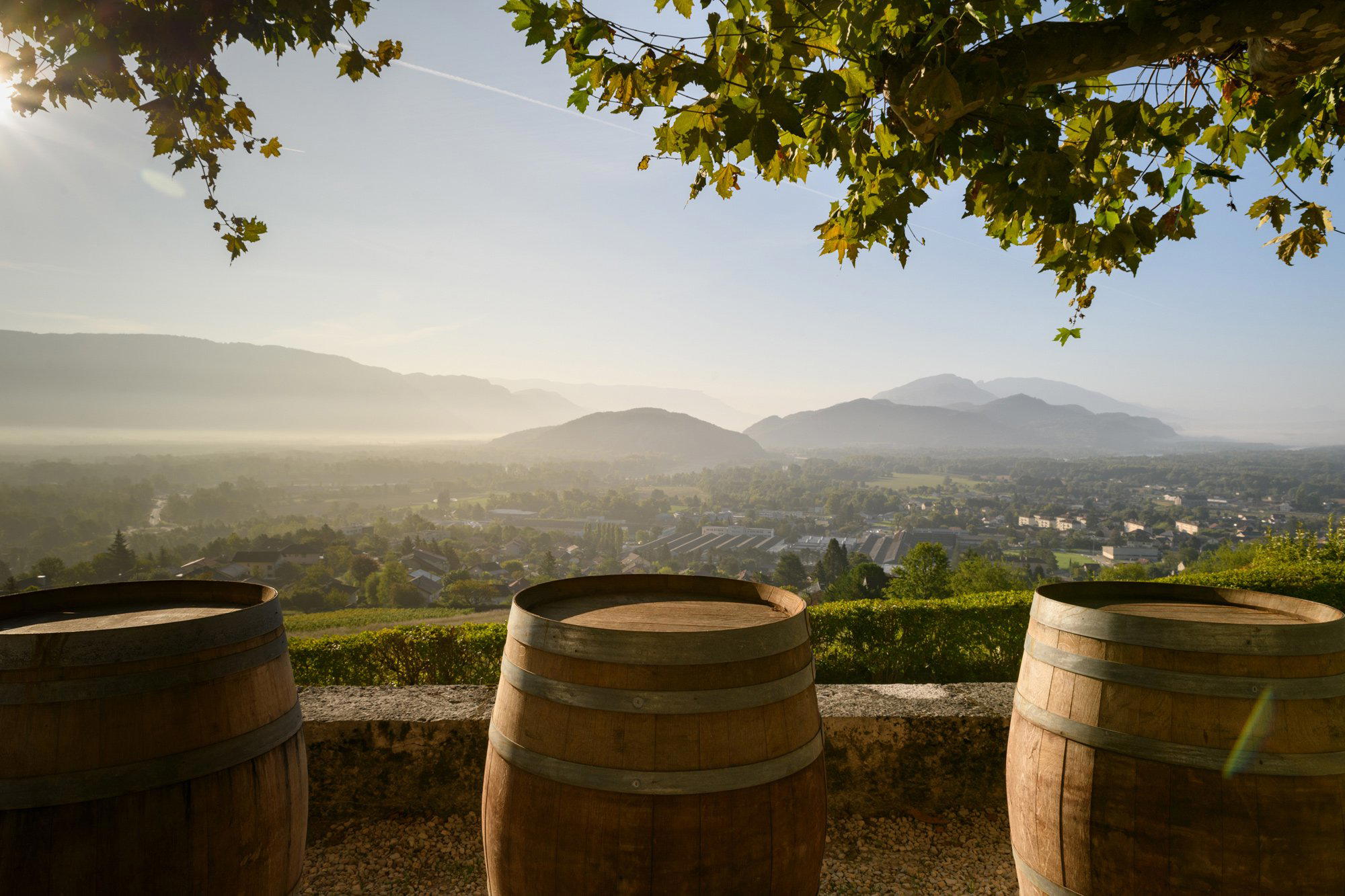
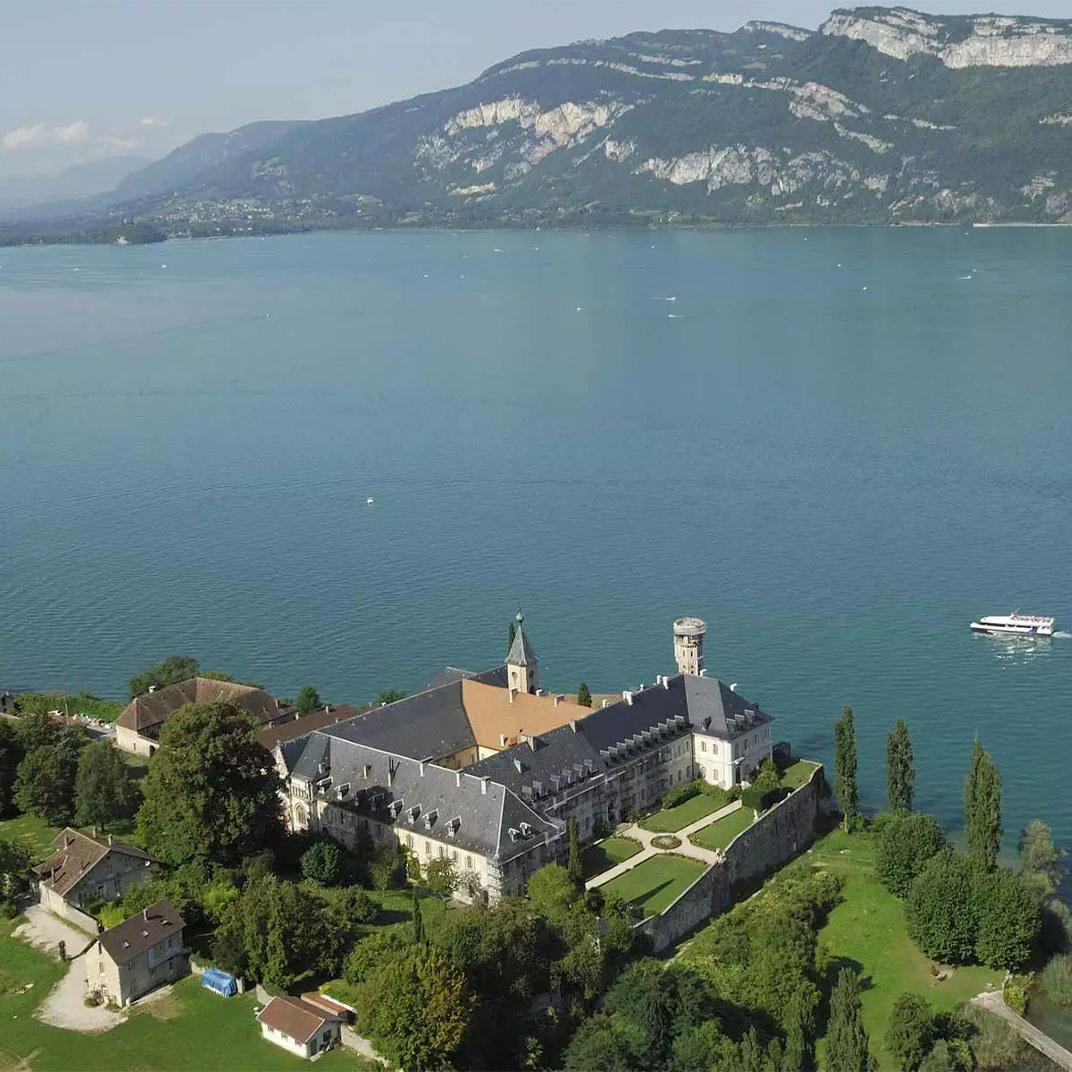
Approaching wine country around Culoz means leaving the more scripted circuits of French cellar tourism for a sharper mountain register. The Grand Colombier rises above the Rhône valley with the kind of slope that makes viticulture feel less pastoral than negotiated: air movement, exposure and altitude matter before label prestige does. Domaine de Bel-Air belongs to that quieter category of estate where the setting is not decoration. It is the argument.
This is not a château-and-coach-party version of wine travel. The mood is rustic, scenic and restrained, with vineyard and mountain views doing more work than hospitality theatre. The domaine’s red and white wines come from its own vines on the Grand Colombier slopes, a detail that matters in a region where place is the point. For travellers building a wider Culoz itinerary, the broader context sits in Our full Culoz wineries guide, with dining, hotels, bars and activities mapped separately through Our full Culoz restaurants guide, Our full Culoz hotels guide, Our full Culoz bars guide and Our full Culoz experiences guide.
Grand Colombier wine before it becomes a tourist circuit
Culoz sits in a part of eastern France where wine identity is pulled between several forces rather than reduced to a single regional shorthand. The Jura chain presses from one side, Alpine influence sits close by, and the Rhône runs below. On the Grand Colombier, that combination gives vineyards elevation, slope exposure and air circulation, all of which shape how grapes ripen and how acidity is preserved. The wines here are better understood through geography than through a broad appellation cliché.
Domaine de Bel-Air was established in 2017, which makes it young by French domaine standards, but the project is not an isolated newcomer story. Régis Mollex and Pierre-Alain Vionnet are also connected with Clos d'Arvières and La Brune à Corbonod, giving the estate a wider regional footing across Ain and the Jura-adjacent wine country. That credential is more useful than romance: it signals a multi-site understanding of nearby slopes, exposures and cellar work rather than a single experimental parcel treated as a lifestyle project.
The scale also sets expectations. At about 5 hectares, this is small-production viticulture, not a volume operation with a tasting room bolted on. Small estates can be uneven when ambition outruns infrastructure, but here the format aligns with the place: estate fruit, red and white wines, a cellar tasting model and a landscape where the vineyard conditions carry the editorial weight. There are no public critic scores or major award badges attached to the domaine, so the reason to pay attention is not trophy recognition. It is the specificity of the Grand Colombier site and the discipline implied by working at this scale.
A cellar visit built around slope, air and restraint
The strongest reason to visit is the chance to read this corner of Culoz through wine rather than scenery alone. Mountain vineyards are often described too loosely, but Grand Colombier’s position gives the term practical meaning: cooler influence, moving air and sloped drainage all matter in the glass. White wines from such conditions tend to depend on freshness and line; reds depend on ripeness without losing lift. The domaine’s portfolio is described simply as red and white wines from its own vineyards, which is enough to frame the visit without inventing cuvées or tasting notes that are not publicly established.
Hospitality follows the same low-volume logic. Tastings take place in the cave and are by appointment, a format that suits visitors who want explanation rather than a self-guided pour. The estate can host in French and English, which broadens its usefulness for international travellers without turning it into a high-throughput stop. Payment by cash or credit card is listed, wine club structure is not part of the offer, and food pairing is not part of the format. That keeps the focus squarely on the vineyard and the wines.
The price signal is moderate, marked at a two-level tier rather than luxury-cellar territory. That matters for Culoz because the value proposition is not spectacle, rare allocation access or restaurant-style service. It is a compact mountain-wine encounter in a quieter part of France, with enough structure to justify planning ahead and enough restraint to avoid the packaged feel of better-known routes.
Where it fits in a wider wine itinerary
Travellers linking Culoz with a broader French or European wine route should treat Domaine de Bel-Air as a terroir stop rather than a trophy stop. It belongs in an itinerary for people who care about the mechanics of place: why a mountain slope changes fruit, how exposure shapes ripening, and how a young estate can express a site before the market has fixed a reputation around it.
For broader cellar research beyond Culoz, EP Club’s winery archive includes A. Margaine in Villers-Marmery, Abbaye de Fontfroide in Narbonne, Abbotts & Delaunay in Marseillette, Advini in Saint Felix De Lodez, Agrapart & Fils in Avize, Alain Brumont in Castelnau Riviere Basse, Alain Gras in Saint-Romain, Albert Boxler in Niedermorschwihr, »der Steiner« Hans Steiner in Podersdorf am See and & Handwein in Mannheim. Use those as regional extensions, not substitutes: Culoz’s appeal is precisely that it sits outside the more rehearsed wine-tourism grammar.
Recognition history
Dated appearances from independent guides and award organizations, with the underlying list record or original source where available.
Falstaff Winery - Listed
Falstaff
Continue exploring
More in Culoz
Wineries in Culoz
Browse all →
Bars in Culoz
Browse all →
Restaurants in Culoz
Browse all →
Details
- Scenic
- Rustic
- Quiet
- Mountain
- Vineyard
- French
- English
venue_attributes