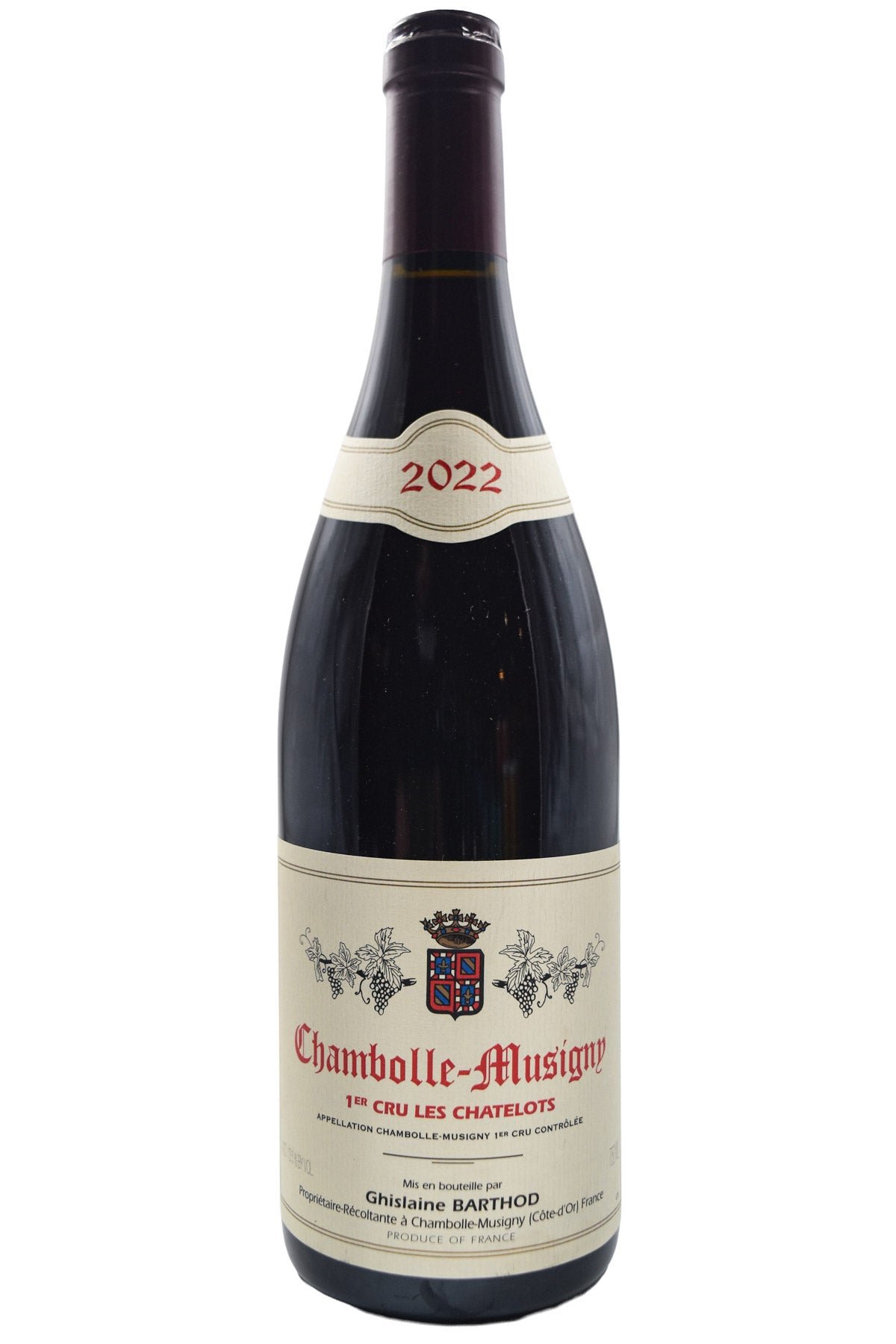
Domaine Comte Georges de Vogüé


7.2ha grand cru estate holding 6.56ha Musigny, two-thirds of the climat. Millet-Lupatelli cellar continuity 1986–present. Restrained oak...
Pearl is the En Primeur Club membership app — saves, bookings, and concierge access live there. Same editors, same standards.
- Address
- Chambolle-Musigny, Cote de Nuits, Bourgogne-Franche-Comté, Frankreich
 Saves & bookings on Pearl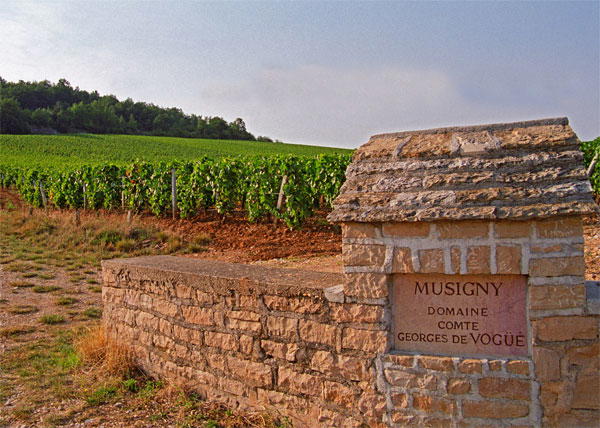
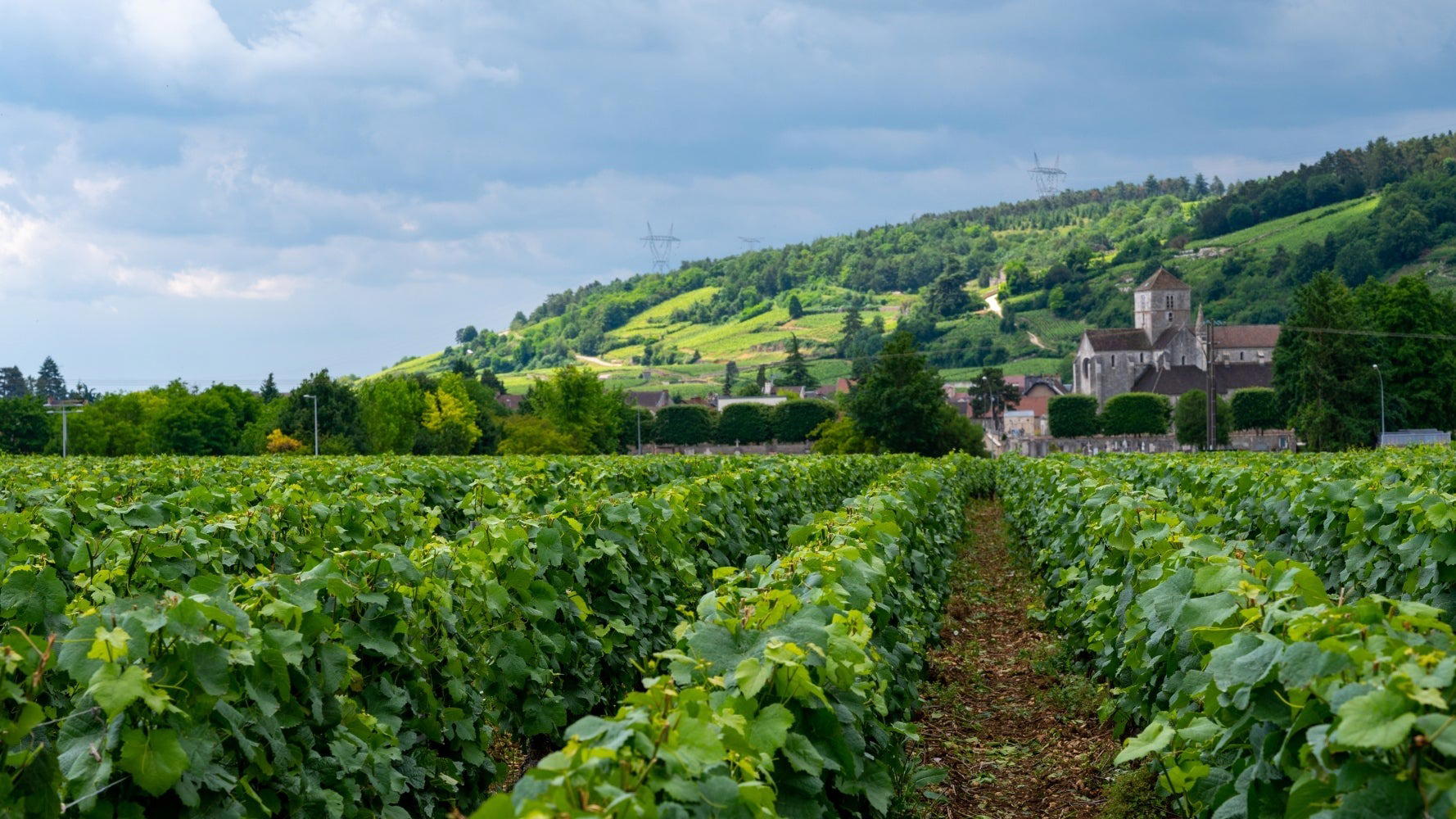
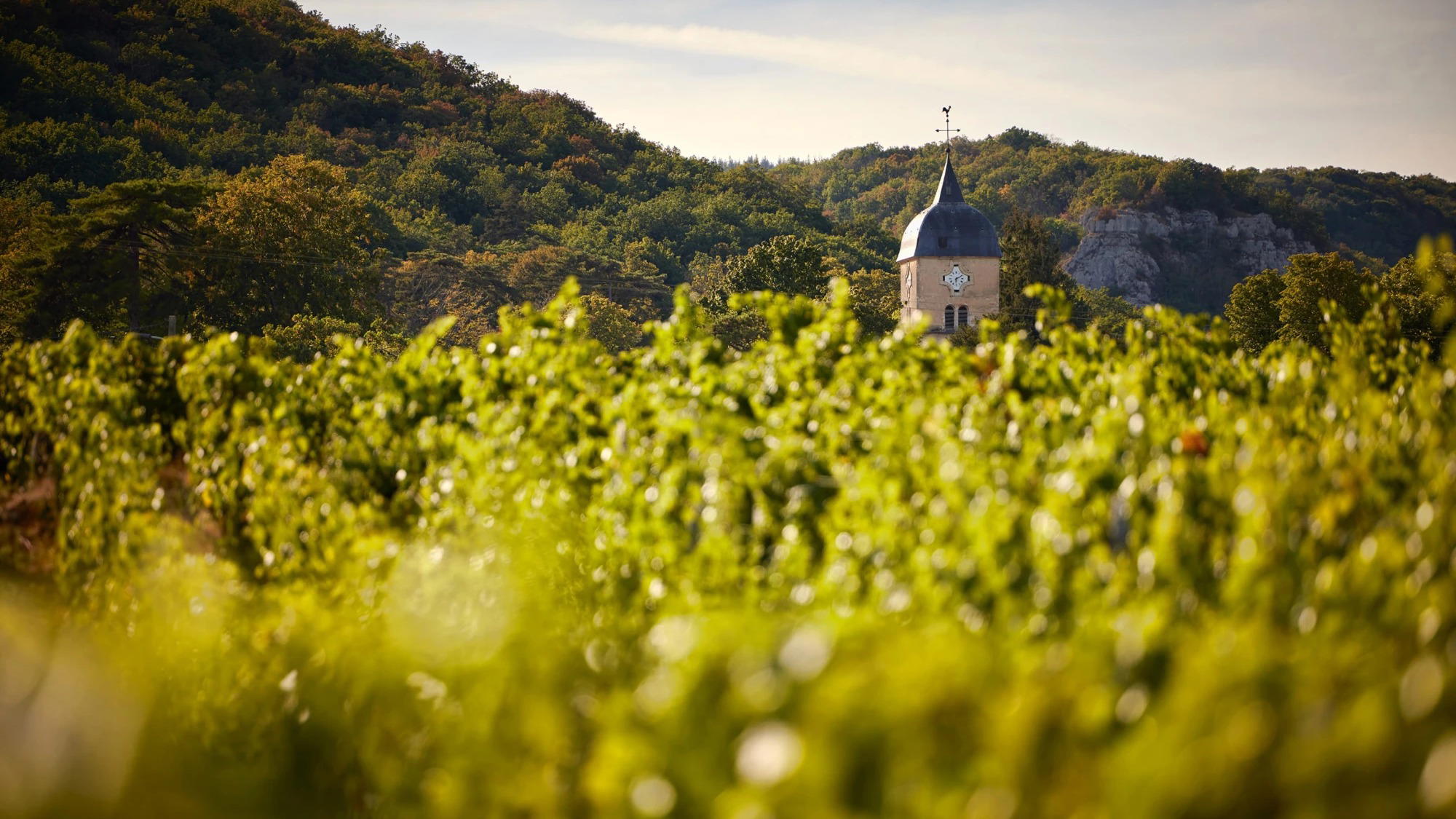
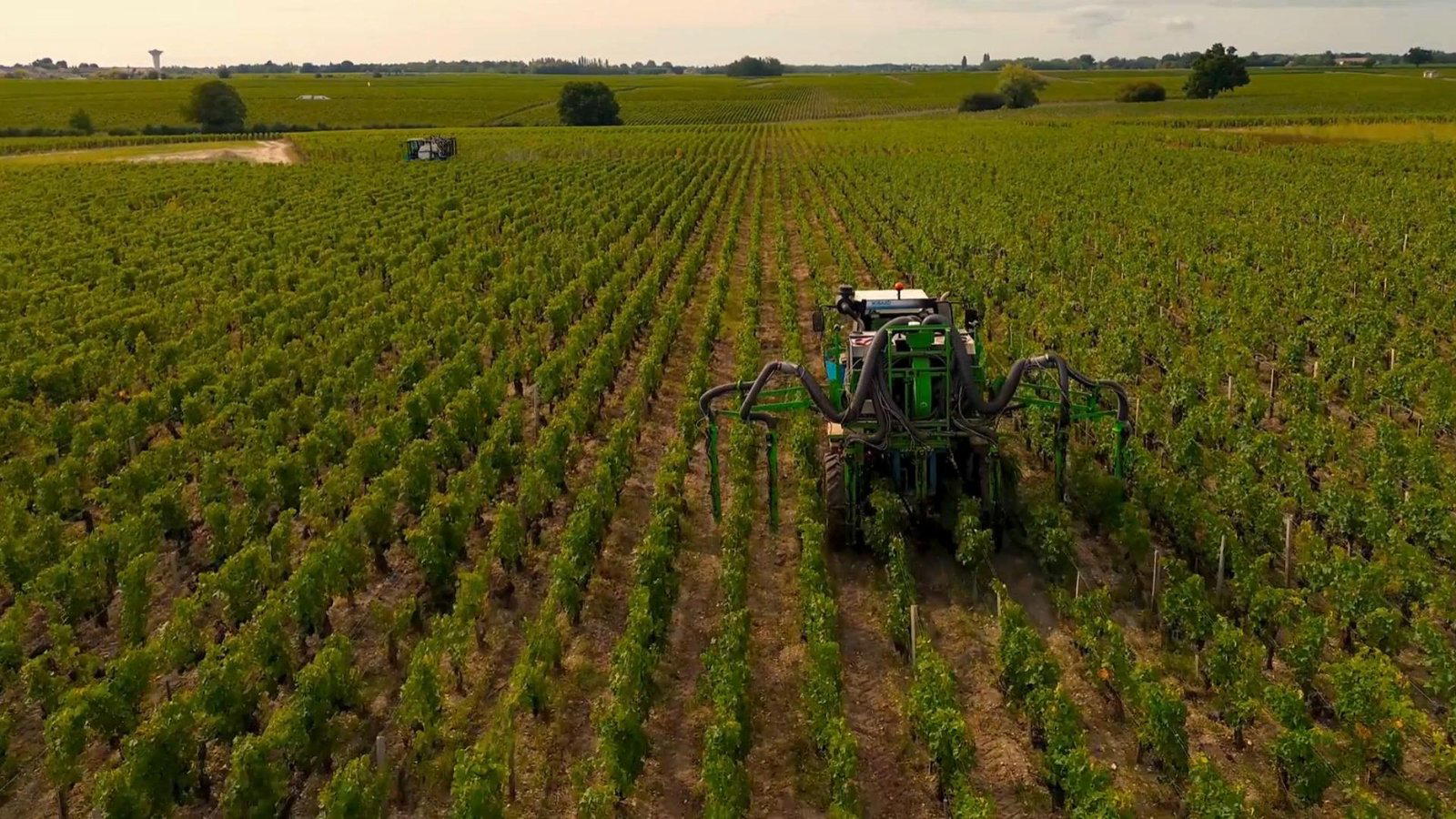
The Côte de Nuits grand cru lineage divides into distinct technical camps: domaines that press lightly and bottle early against those that extract longer and age in higher new-oak percentages, estates that work within the cooperative infrastructure against those that maintain full cellar autonomy, houses shaped by nineteenth-century founding families against those rebuilt post-phylloxera under new ownership. Domaine Comte Georges de Vogüé sits decisively in the latter cluster: an estate whose current technical expression was rebuilt from near-collapse in the 1980s, whose cellar regime now represents the restrained, long-élevage end of the Chambolle-Musigny spectrum, and whose allocations remain among the more tightly held in Burgundy. The domaine controls approximately 12.5 hectares of vines, of which approximately 10 hectares are grand cru, including the largest single holding in Musigny (that parcel runs to 7.2 hectares, roughly two-thirds of the climat's total surface) and a smaller but historically significant parcel in Bonnes-Mares. The technical decisions made here — fermentation length, oak regime, bottling timeline — set a recognizable house style that has been stable under cellar master François Millet from 1986 through 2017 and under his successor Jean Lupatelli from 2017 forward, a transmission that privileges continuity over innovation.
Chambolle-Musigny as an appellation sits at the lighter, more perfumed end of the Côte de Nuits red-wine spectrum, between the denser, more structured wines of Morey-Saint-Denis to the north and the power-oriented profiles of Vosne-Romanée to the south. Musigny grand cru itself occupies 10.86 hectares on mid-slope limestone, and de Vogüé's 7.2-hectare parcel makes the domaine the climat's dominant landholder by a wide margin. The next-largest holding, that of Domaine Jacques-Frédéric Mugnier, runs to roughly 1.1 hectares. This concentration of ownership means that de Vogüé's technical choices effectively define the public understanding of Musigny as a wine: the domaine's bottlings are the reference against which smaller producers are read. The house style that has emerged since the mid-1980s rebuilding is one of restrained extraction, long élevage in oak with moderate new-wood percentages (typically 30 to 40 percent new barrels for the Musigny Vieilles Vignes cuvée, lower for the Bonnes-Mares and the premier cru Chambolle bottlings), and extended aging before release. Total time in barrel runs 18 to 22 months, followed by several additional months in bottle before commercial release, placing de Vogüé bottlings on a timeline closer to the Domaine de la Romanée-Conti model than to the faster-turnaround regime common among smaller Côte de Nuits producers.
The domaine's history divides into three phases. The founding lineage traces to the marriage of Cerice-Melchior de Vogüé to a member of the Bouhier de Savigny family in 1766, consolidating parcels that had been worked under ecclesiastical and aristocratic ownership since the Middle Ages. The estate passed through the de Vogüé family across the nineteenth and early twentieth centuries, maintaining production through both phylloxera and the two World Wars, with bottlings under the Comte Georges de Vogüé label beginning in 1925. The second phase, from roughly 1950 through 1985, is widely documented as a period of technical decline: vinification decisions under cellar management in this period are read by trade commentators as inconsistent, and several vintages from the 1970s and early 1980s show poor aging profiles. The third phase, the current era, begins in 1986 with the appointment of François Millet as régisseur and cellar master. Millet, previously at Domaine Jacques Prieur, undertook a full technical overhaul, replanting underperforming parcels in Musigny (the domaine declassified its Musigny production entirely from 1993 through 2000 while those replanted vines matured, bottling the fruit as Chambolle-Musigny premier cru instead), instituting stricter sorting protocols, reducing yields, and standardizing the oak and élevage regime that defines the current house style.
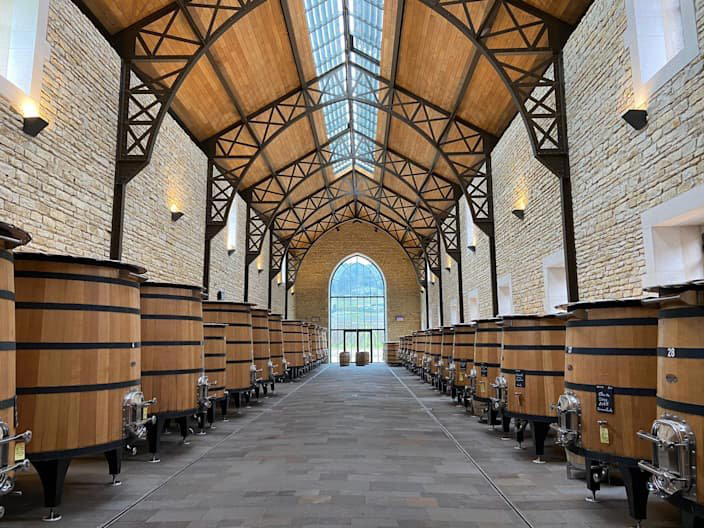
Jean Lupatelli succeeded Millet as cellar master in 2017, maintaining the technical line established over the prior three decades. Lupatelli's background includes stages at Domaine Dujac and Domaine de la Romanée-Conti, both of which sit in the same restrained-extraction, long-élevage camp within Burgundy's stylistic spectrum. The transmission from Millet to Lupatelli represents continuity rather than rupture: fermentation protocols remain whole-cluster for a portion of the fruit (typically 30 to 50 percent whole clusters depending on vintage and parcel), with fermentation running 15 to 18 days in open wooden vats, punching down by foot rather than pumping over, and a post-fermentation maceration of several additional days before pressing. The decision to retain a high percentage of whole clusters distinguishes de Vogüé from domaines like Domaine Leroy or Domaine Dujac (which often work at 100 percent whole cluster) and from those like Domaine Georges Roumier (which typically destem entirely or nearly so).
The domaine's bottlings divide into four principal cuvées, each with distinct production volumes and distinct allocation patterns. The flagship is Musigny Vieilles Vignes, drawn from the domaine's 7.2-hectare Musigny parcel (vines planted primarily in the 1950s and 1960s, with the replanted sections from the 1990s now integrated into the blend). Annual production of this cuvée runs between 1,500 and 2,000 cases depending on vintage, making it the largest-volume grand cru Musigny bottling in the appellation but still a tightly allocated wine by Burgundy standards. The second grand cru cuvée is Bonnes-Mares, from a 2.66-hectare parcel in that climat; annual production is roughly 600 to 800 cases. The domaine also bottles a premier cru Chambolle-Musigny cuvée (fruit from the Les Amoureuses parcel plus additional premier cru holdings, roughly 1,000 to 1,200 cases annually) and a village-level Chambolle-Musigny (roughly 800 to 1,000 cases annually). The Musigny Blanc, a white-wine cuvée from a small Chardonnay parcel within the Musigny climat, was historically part of the lineup but was declassified in recent vintages and is no longer bottled under the Musigny appellation, an unusual decision reflecting both the domaine's quality threshold and the contentious status of white-wine production within a red-wine grand cru climat.
Access to de Vogüé bottlings operates on a strict allocation basis. The domaine does not sell directly to the public and does not maintain a tasting room or visitor program in the consumer sense. All fruit is sold through a network of négociants and importers under long-term contracts, with allocations determined by historical purchase volume rather than by spot-market demand. This structure places de Vogüé in the same distribution model as Domaine de la Romanée-Conti, Domaine Leroy, and Domaine Georges Roumier. Typical ex-cellar pricing for the Musigny Vieilles Vignes sits in the range of 400 to 600 euros per bottle on release (varying by vintage and by the negotiated terms with the importer), but secondary-market pricing for the same bottle can run to 1,000 euros or more within a year of release, and mature vintages from the 1990s and 2000s frequently trade at multiples of 2,000 to 4,000 euros per bottle. This pricing structure positions de Vogüé in the upper tier of Burgundy producers by market valuation, comparable to Domaine de la Romanée-Conti's non-Romanée-Conti cuvées (La Tâche, Richebourg, Romanée-Saint-Vivant) and above the pricing of nearly all other Chambolle-Musigny producers including Mugnier and Roumier.
The technical signature that distinguishes de Vogüé's Musigny from other expressions of the same climat is a combination of aromatic restraint in youth, structural firmness from moderate tannin extraction and whole-cluster inclusion, and an aging arc that favors slow evolution over early approachability. Comparative tastings against Mugnier's Musigny (which works in a more immediately expressive, less structurally firm style) and against the small-volume Musigny bottlings from Domaine Leroy (which sit at the opposite end of the extraction spectrum, with denser color, higher tannin load, and longer required bottle age) place de Vogüé in a middle technical position: less extracted and less tannic than Leroy, more structured and less perfumed in youth than Mugnier. This middle position is itself a technical choice rather than a compromise: the whole-cluster percentage and the élevage length are calibrated to produce a wine that shows tertiary complexity (sous-bois, truffle, dried flower) after 15 to 25 years in bottle, rather than a wine that peaks earlier or a wine that requires 30 or more years to resolve. The target drinking window for the Musigny Vieilles Vignes, as read from trade commentary and from the domaine's own informal guidance, is roughly 12 to 35 years post-vintage, with the wine entering its plateau phase around year 15 and holding there for a decade or longer in strong vintages.
The Bonnes-Mares cuvée occupies a different technical position within the domaine's lineup. Bonnes-Mares as a climat sits on deeper soils with more clay than Musigny's thinner limestone, and the resulting wines from any producer are typically denser, more muscular, and less perfumed than the Musigny equivalents. De Vogüé's Bonnes-Mares reflects this: it is the firmest and most structured wine in the domaine's range, with tannin profiles that require longer bottle age than even the Musigny Vieilles Vignes, and with less of the floral lift that defines Musigny. The house style here reads as closer to the Morey-Saint-Denis grand cru profile (Clos de la Roche, Clos Saint-Denis) than to the Chambolle-Musigny profile, and the wine is often positioned by importers and sommeliers as the 'masculine' counterpart to the Musigny's 'feminine' expression, a gendered metaphor that carries little technical content but reflects a real textural distinction. The Bonnes-Mares also carries a lower new-oak percentage (typically 25 to 35 percent new barrels) than the Musigny Vieilles Vignes, a decision that emphasizes the fruit density and the terroir signature over oak-derived structure.
The premier cru Chambolle-Musigny cuvée, historically built around fruit from the Les Amoureuses parcel, has been the subject of some technical controversy within the trade. Les Amoureuses is often treated as a premier cru site that performs at grand cru quality, and several producers (including Domaine Georges Roumier and Domaine Robert Groffier) bottle a single-vineyard Les Amoureuses cuvée that commands pricing close to grand cru levels. De Vogüé blends its Les Amoureuses fruit with other premier cru parcels into a single Chambolle-Musigny premier cru bottling, a decision that maximizes volume and maintains the focus on the two grand cru cuvées as the domaine's flagship wines. This blending choice places de Vogüé at odds with the single-vineyard trend that has dominated Burgundy over the past two decades. Roumier, Mugnier, and most other upper-tier Chambolle producers now bottle their premier cru parcels separately, but it also reflects the domaine's historical practice and its prioritization of the Musigny and Bonnes-Mares as the primary expressions of the estate.
Recognition of de Vogüé's current standing within Burgundy is consistent across trade publications and critic scores. The domaine is regularly cited in the upper tier of Burgundy producer rankings by Vinous, Decanter, Wine Spectator, and other trade-focused wine publications. Allen Meadows of Burghound, the widely followed Burgundy-focused critic, has awarded de Vogüé's Musigny Vieilles Vignes scores in the mid-to-high 90s across recent vintages, with the 2015, 2017, and 2019 vintages receiving particular praise. These scores place the wine in the same range as a leading cuvées from Domaine de la Romanée-Conti, Domaine Leroy, and Domaine Armand Rousseau, the three producers generally regarded as the apex of red Burgundy by collector consensus. The secondary-market pricing data supports this critical consensus: de Vogüé's Musigny trades at price levels comparable to DRC's non-Romanée-Conti grand crus and above nearly all other Côte de Nuits producers.
Recognition history
Dated appearances from independent guides and award organizations, with the underlying list record or original source where available.
Falstaff Winery - 4 Stars
Falstaff
Michelin 1 Grape
Michelin · 2026 Michelin 1 Grape - Burgundy
Continue exploring