Delgado Zuleta

Delgado Zuleta is a historic Sanlúcar de Barrameda sherry bodega focused on Manzanilla, flor aging, and the coastal conditions that separate Sanlúcar from inland sherry country. Founded in 1719, it gives visitors a cellar-led reading of place: albariza soil, Atlantic humidity, Palomino, and a long-lived solera culture built around La Goya.
Pearl is the En Primeur Club membership app — saves, bookings, and concierge access live there. Same editors, same standards.
- Address
- Sanlúcar de Barrameda, Andalucía, Spanien
 Saves & bookings on Pearl
The first impression is cellar climate rather than spectacle: a quiet, traditional sherry setting shaped by air, humidity, and time. In Sanlúcar de Barrameda, Manzanilla is not just a style decision but a consequence of place. Atlantic influence, albariza soils, Palomino, and biological aging under flor create a narrower conversation than the wider sherry category, and Delgado Zuleta sits within it with unusual historical weight.
Founded in 1719, the house is recognized as the oldest family-owned sherry house in the area and the oldest operating winery in the Marco de Jerez. That date matters because sherry is a continuity culture: soleras, cellar organisms, barrel maintenance, and house style gain authority over generations, not vintage drama. This is a large-production bodega, but the visit is framed through guided tasting and cellar education rather than hospitality gloss.
Sanlúcar climate, flor, and the logic of Manzanilla
Manzanilla depends on biological aging, and biological aging depends on conditions that are hard to fake. Flor, the yeast veil over fortified Palomino wine, needs the right balance of humidity, alcohol, airflow, and cellar ecology. Sanlúcar’s coastal position gives the category its discipline: lighter, drier, and more directly tied to marine influence than oxidative sherry styles from the broader region.
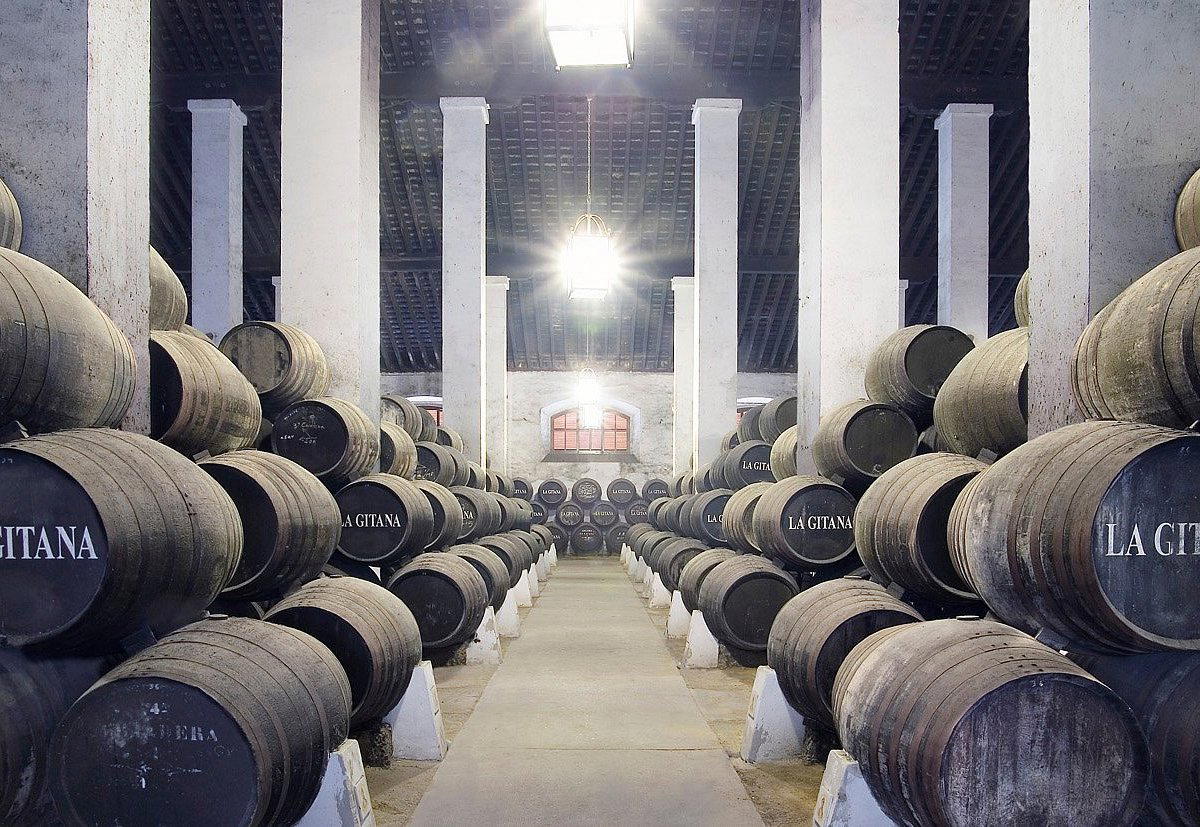
Delgado Zuleta’s modern hilltop aging facility was built for those conditions, on humid, clay-rich ground above Sanlúcar. The move from the town center was not a simple relocation; the La Goya solera was transferred only after a 20-year settling period, a rare reminder that flor is a living system, not a decorative layer in a brand story. That patience places the bodega within serious Manzanilla culture, where cellar environment is as consequential as grape supply.
The La Goya solera carries further weight. Its butts average over 100 years of age and are repaired on a long cycle rather than treated as disposable vessels. In a category often misunderstood as inexpensive aperitif culture, that barrel logic argues for taking Manzanilla seriously. The wine is not built around oak flavor in the conventional sense; it is shaped by old American oak, microbial continuity, fractional blending, and constant calibration of flor health.
That terroir reading separates this visit from a generic winery tasting. The reference points are not vineyard vistas or single-parcel bottlings alone, but the interaction between Palomino, albariza, coastal humidity, and cellar architecture. Readers comparing the city’s sherry culture can use our full Sanlúcar de Barrameda wineries guide as the broader frame, with nearby wine pages including Bodegas Alonso, Bodegas Barbadillo, Bodegas Cota 45, Bodegas Juan Piñero, and Fernando Alonso Winery useful for mapping different readings of the same town.
La Goya, Goyesco, and what the tasting teaches
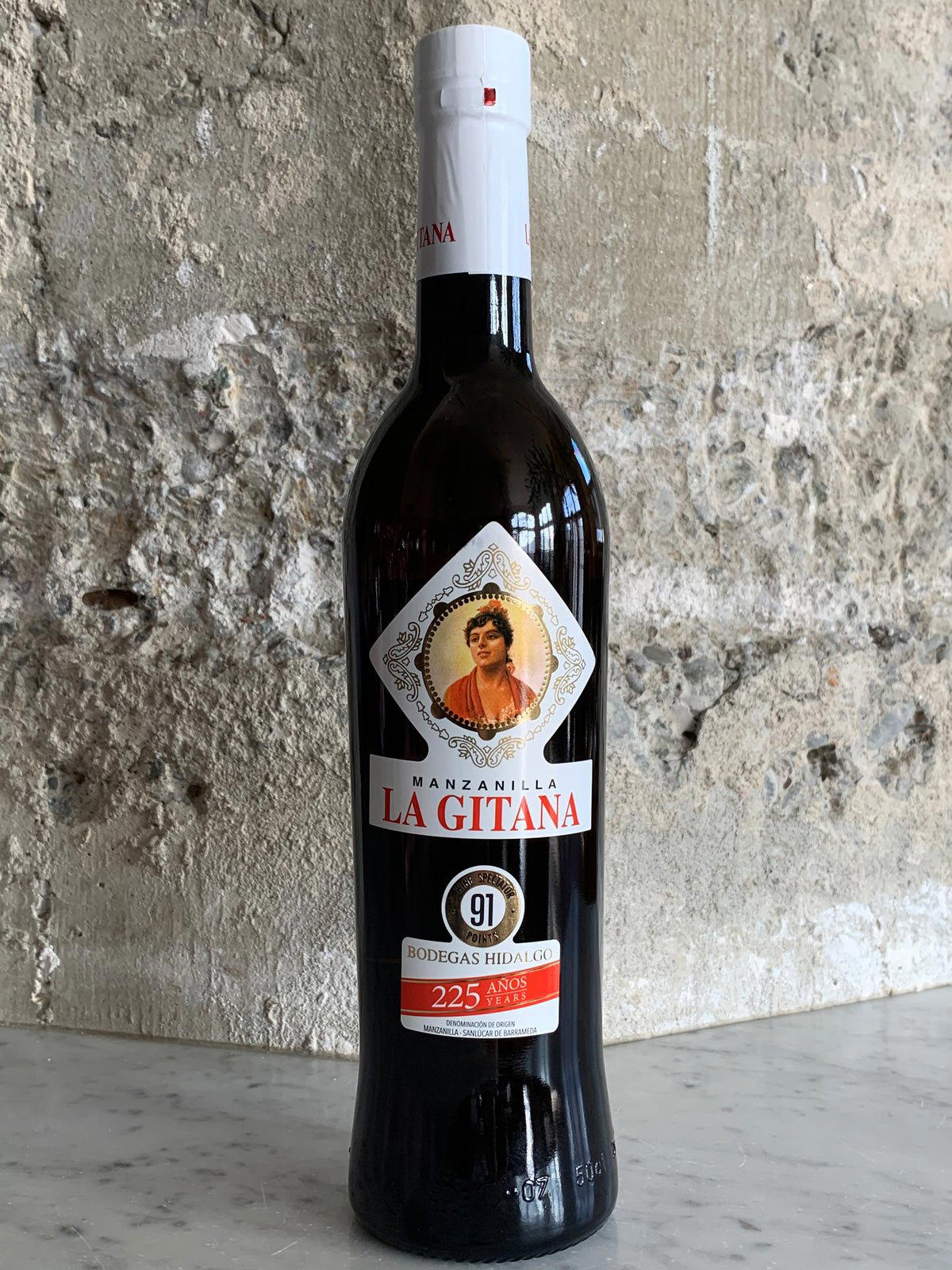
The house’s anchor is La Goya, the Manzanilla label introduced in 1918 and named for a Sanlúcar flamenco dancer. It is more than a flagship: it is the teaching tool for the bodega’s argument about Sanlúcar identity. The wine sits in the Fino-style Manzanilla tradition and is tied to a solera system whose age and maintenance give the tasting a historical backbone.
The portfolio also shows how a traditional sherry house can meet contemporary drinking habits without abandoning its base material. Goyesco, described as the first Manzanilla-based vermut on the market, uses Manzanilla as its wine foundation, connecting the bodega to cocktail culture while keeping Sanlúcar’s biological-aging signature in view. En rama and magnum formats broaden the conversation for drinkers seeking less-polished expressions of flor-aged wine, while the wider fortified range places Manzanilla within the family of sherry styles rather than isolating it as a single-note category.
Guided tasting format suits the subject. This is not a venue for improvisation or scene-chasing; the point is understanding how cellar practice turns climate into style. A 60–90 minute visit gives enough time to explain Palomino, fortification, flor, solera movement, and the difference between biological and oxidative aging without becoming a technical seminar. The atmosphere is quiet and sophisticated, with a casual dress code and group-friendly format, so the bodega works for sherry-literate travelers and visitors using Sanlúcar as an entry point into the Marco de Jerez.
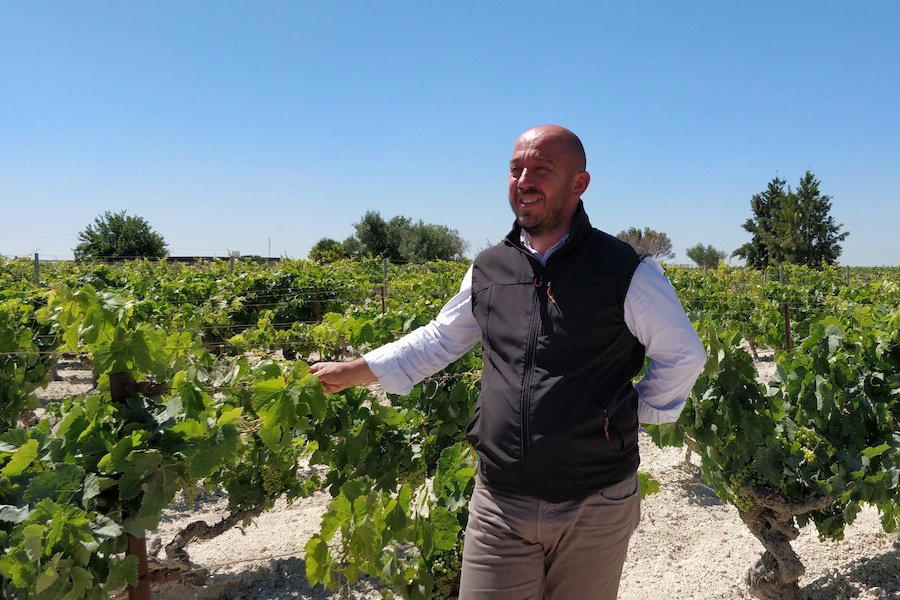
There is also a useful editorial distinction: this is not an award-led recommendation. Its trust signal is historical and structural. A house founded in 1719, operating within Jerez-Xérès-Sherry DO, with a long-aged La Goya solera and purpose-built hilltop aging environment, has enough hard evidence to justify attention without medals doing the work. The named winemaker, José Federico de Carvajal Romero, belongs in that context as part of a cellar discipline governed by inherited systems rather than personal branding.
How to place it in a Sanlúcar itinerary
Sanlúcar rewards travelers who treat wine, food, and the river-mouth city as one subject. Manzanilla belongs beside seafood bars, market eating, and low-key evening drinking, not sealed inside a tasting room. Delgado Zuleta therefore fits as the educational anchor of a day that also leaves room for the city’s restaurants, bars, hotels, and cultural pacing. The broader city planning pages are useful here: our full Sanlúcar de Barrameda restaurants guide, our full Sanlúcar de Barrameda bars guide, our full Sanlúcar de Barrameda hotels guide, and our full Sanlúcar de Barrameda experiences guide.
The bodega is better read as a lesson in terroir expression than as a luxury stop. Its strengths are specific: Manzanilla specialization, family continuity, appointment-led tastings, a quiet cellar environment, and the long patience behind the hilltop facility. Travelers building wider wine routes across Spain and beyond can contrast that sherry logic with 3 Ases Bodegas y Viñedos in Quintanilla De Arriba, 4Kilos Vinícola in Felanitx, Aalto Bodegas y Vinedos in Quintanilla De Onesimo Valladolid, »der Steiner« Hans Steiner in Podersdorf am See, and & Handwein in Mannheim. The comparison is not about ranking; it shows how differently place speaks when the governing material is flor, not vintage, varietal power, or new oak.
Recognition history
Dated appearances from independent guides and award organizations, with the underlying list record or original source where available.
Falstaff Winery - 3 Stars
Falstaff
Continue exploring
More in Sanlúcar de Barrameda
Wineries in Sanlúcar de Barrameda
Browse all →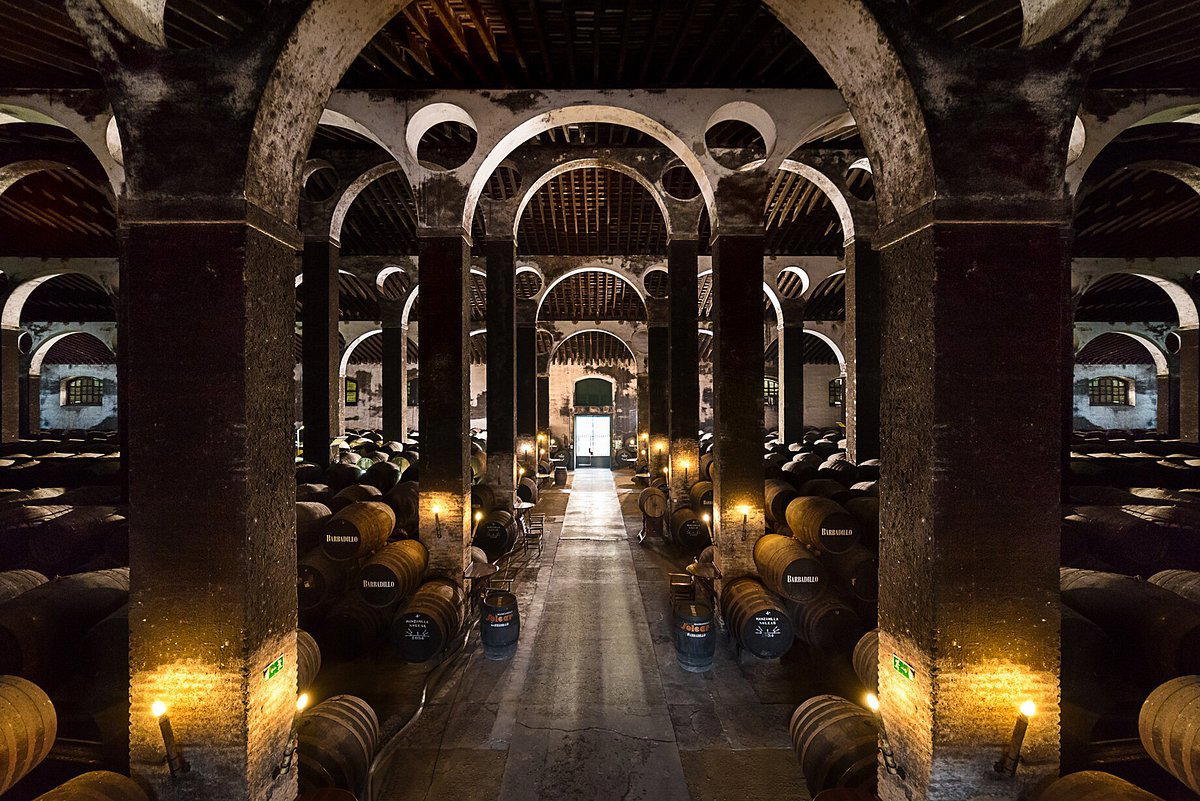
At a Glance
- Classic
- Historic
- Quiet
- Sophisticated
- Wine Education
- Solo Exploration
- Special Occasion
- Group Outing
- Historic Building
- Design Destination
- Private Tasting
- Jerez Xérès Sherry DO
- Palomino
- Manzanilla
- Fortified
- Guided Tasting
- Private Tasting
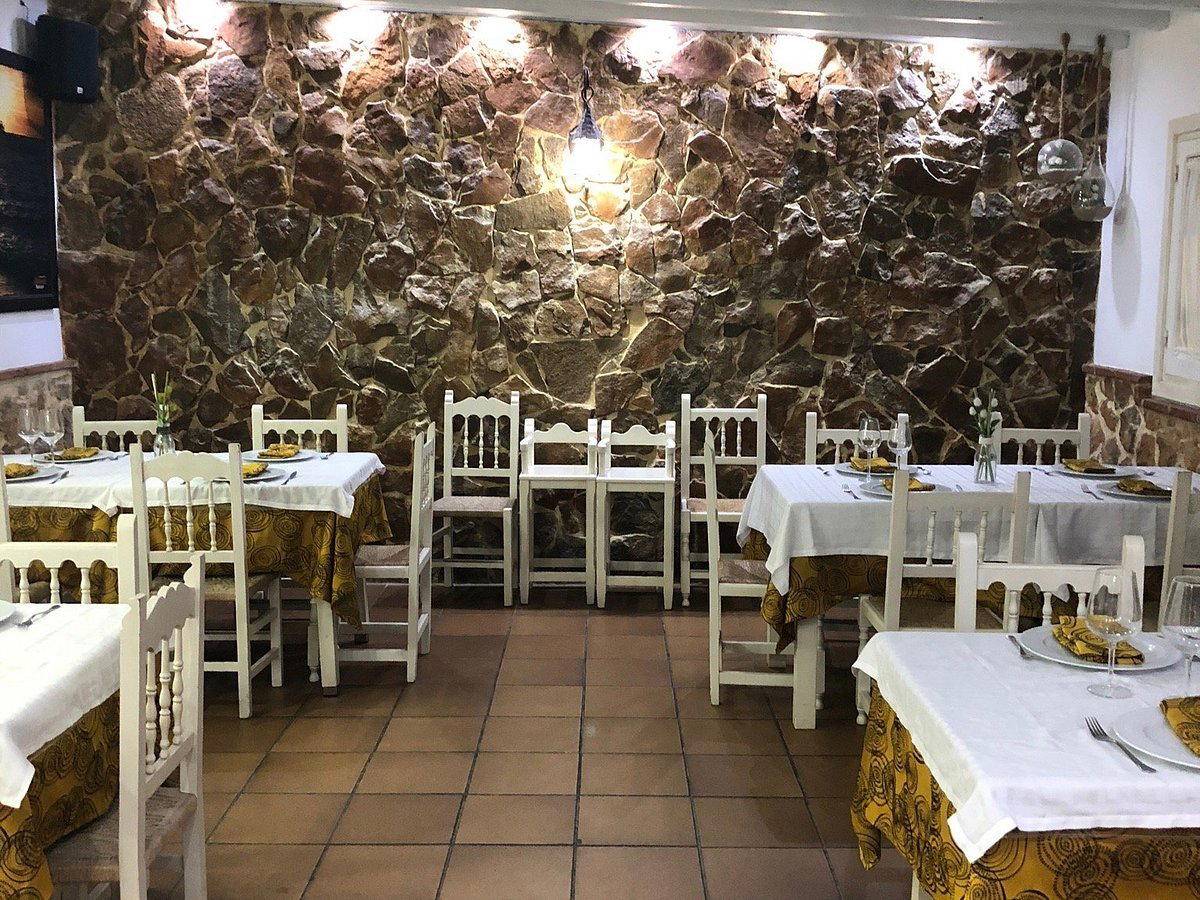
Historic sherry bodega setting with a breezy hilltop cellar environment and a focus on traditional aging conditions for manzanilla.