
Falstaff Winery - 3 Stars
Coppo gives Canelli wine tourism its strongest architectural argument: 18th-century tufa cellars beneath Monferrato, now part of the UNESCO-listed vineyard cultural site, paired with a Piedmont portfolio led by Barbera, Nebbiolo, Moscato Bianco and Chardonnay. The experience is quiet, historic and terroir-led, with modern tasting rooms and a rooftop perspective over vineyards and hill villages.

Pearl is the En Primeur Club membership app — saves, bookings, and concierge access live there. Same editors, same standards.
- Address
- Canelli, Piedmont, Italien

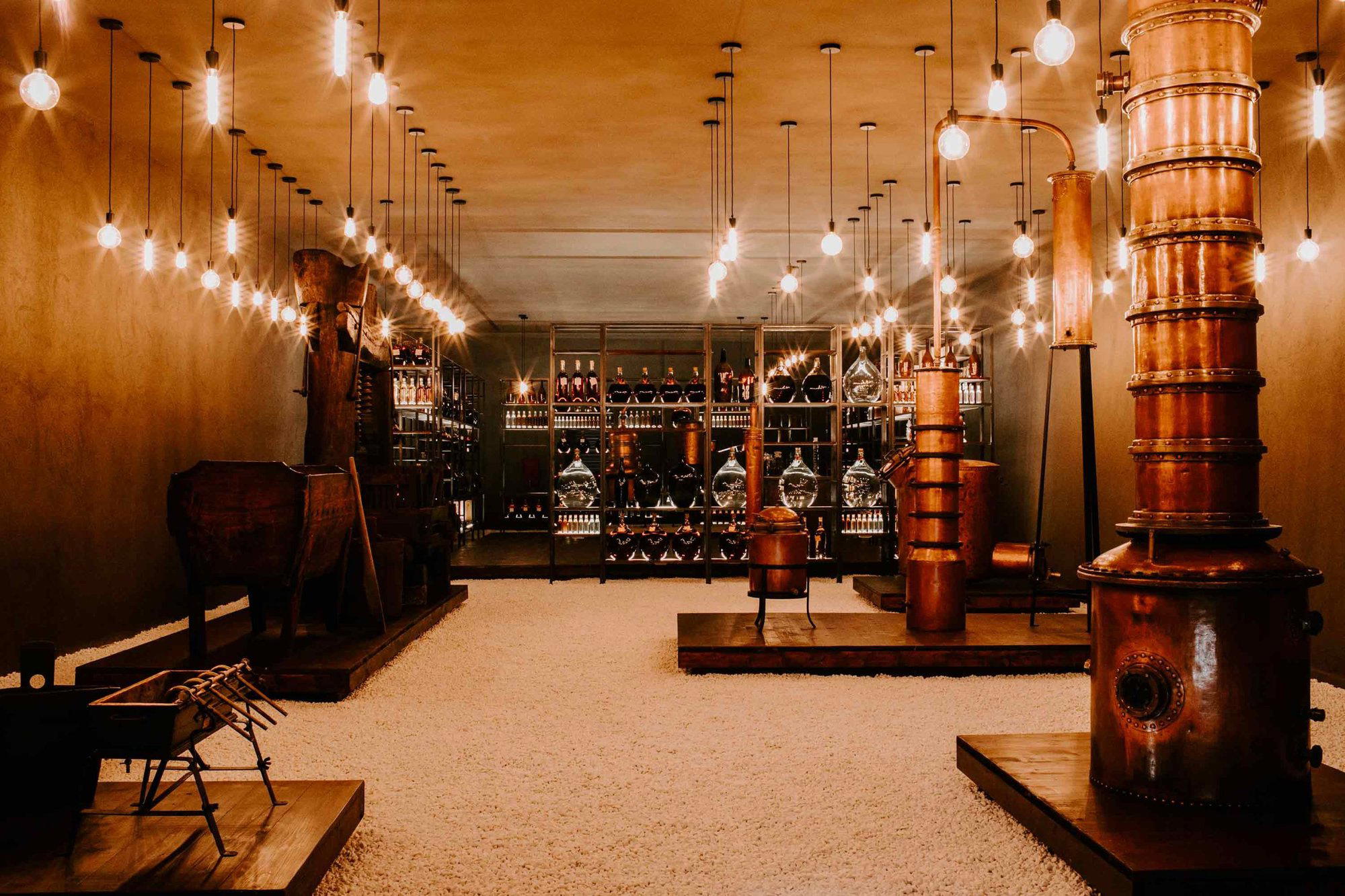
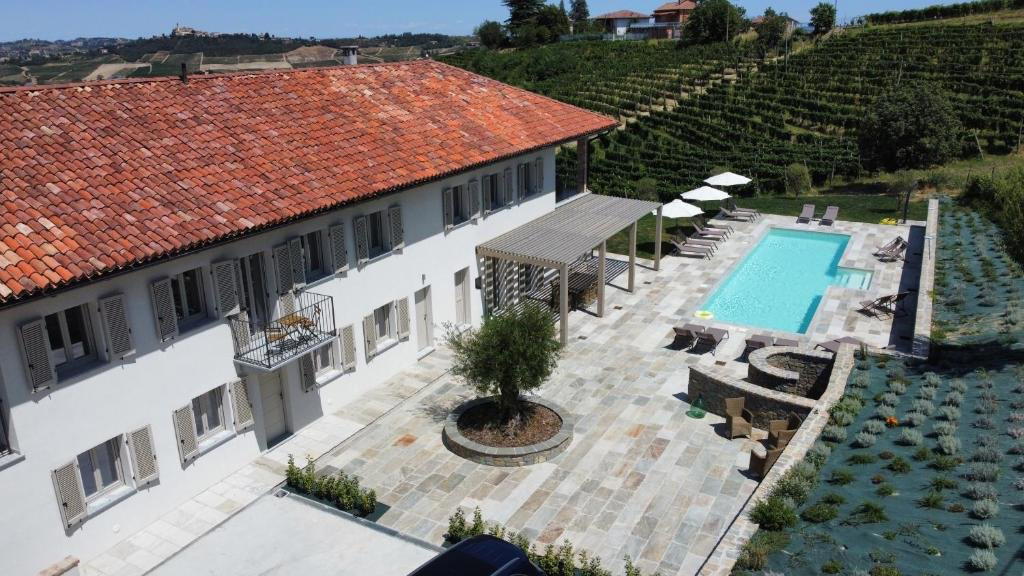
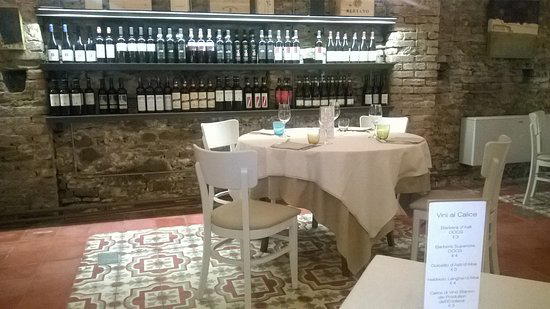
The descent matters at Coppo, but the page should be read through what is actually verified: this is a Canelli venue defined by a dramatic contrast between underground history and contemporary hospitality spaces. Its most distinctive setting is a network of historic, cathedral-like cellars with a solemn, church-like atmosphere. Above ground, the tone changes to bright, modern and welcoming tasting rooms, with a panoramic rooftop terrace looking out toward vineyards and hilltop villages.
That contrast is the reliable core of the visit. Coppo is not best understood here through claims about a particular grape, production method, founding date, cellar measurement, tour language, reservation policy or sustainability statistic. The information supports a more focused description: an elegant and scenic Canelli address where the architecture and atmosphere shape the experience as much as any individual pour or itinerary.
Canelli atmosphere, seen from below and above
Coppo’s strongest feature is spatial. The underground cellars are described as historic and cathedral-like, with a solemn mood that gives the visit a sense of depth and pause. That language matters because it suggests a setting with more gravity than a simple retail tasting room. The feeling is closer to entering a preserved cultural space than stepping into a purely commercial counter.
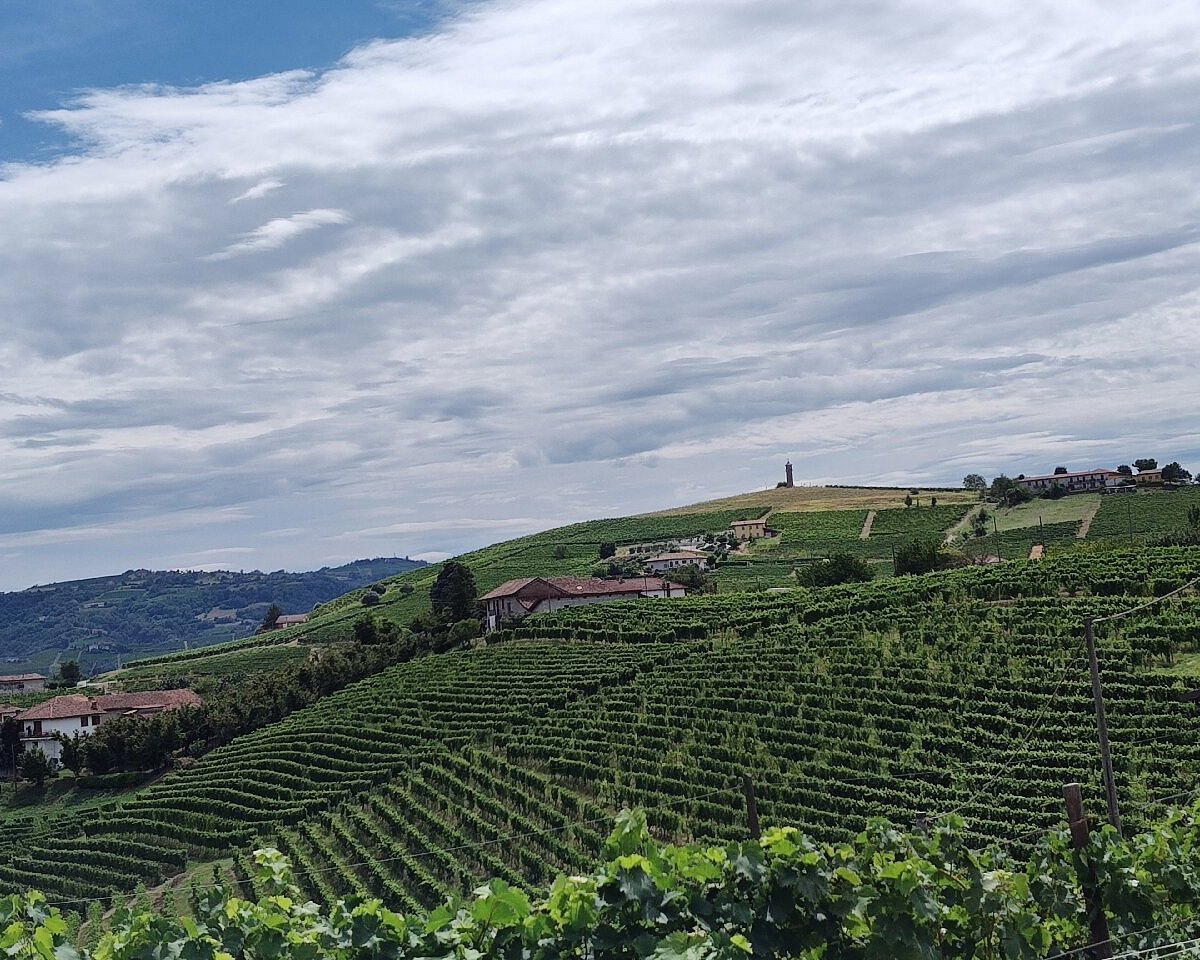
The above-ground areas provide the counterpoint. Bright, modern tasting rooms make the experience more welcoming, while the rooftop terrace adds the scenic Canelli view: vineyards, hills and nearby villages. The result is not a single-note heritage visit. It is a layered setting in which old underground ambience and contemporary hospitality sit side by side.
For travelers comparing wine venues in Canelli, this is the detail to prioritize. Many wine-country stops can offer a tasting, a shop or a view, but Coppo’s appeal lies in the way those elements are staged against a highly atmospheric cellar environment. The experience is therefore best framed as classic, elegant and scenic rather than as a page built around menu formats, specific wines, guided-tour structures or technical production claims.
The underground cellars are architecture, not scenery
The cellars should be treated as part of the substance of Coppo, not just a picturesque backdrop. The description points to a solemn, church-like ambience, which gives the underground portion a particular emotional register. Visitors who value architecture, atmosphere and wine-country heritage are likely to find this the defining part of the venue.
Just as important is the shift after the cellar experience. Coppo is also associated with bright and modern tasting rooms, so the visit does not remain entirely in a dark or formal mood. The transition from the underground spaces to the tasting rooms creates a clear rhythm: first the sense of history and enclosure, then a more open, contemporary welcome.
The rooftop terrace completes that movement. Its appeal is panoramic rather than technical: vineyards and hilltop villages form the view. That makes Coppo especially easy to place within a Canelli itinerary focused on landscape and atmosphere. The venue’s setting offers both interior drama and exterior perspective, which is a stronger and more reliable hook than unsupported claims about exact cellar dimensions, named bottlings, grape varieties or visitor packages.
How to read a tasting in Canelli
With limited detail about Coppo’s exact tasting formats, the most accurate way to approach it is through setting rather than a promised menu. Expect the venue’s identity to come from its historic underground cellars, modern tasting rooms and panoramic terrace. Any details about specific flights, languages, appointment requirements, food pairings, private formats or featured wines should be confirmed directly with the venue before planning around them.
The price level is as $$$, so visitors should place Coppo in a premium tier rather than treating it as a casual budget stop. That does not establish a specific tasting fee, bottle price or package cost, and those figures should not be inferred. The safest expectation is simply that the experience sits at a higher price level for Canelli.
For a wider local plan, it is better to think in broad terms: pair Coppo with other dining or wine-related stops in Canelli, without assuming identical formats or services. Coppo’s strength is not a long checklist of amenities; it is the combination of solemn underground cellars, welcoming modern rooms and a terrace view over the surrounding wine landscape.
Recognition history
Dated appearances from independent guides and award organizations, with the underlying list record or original source where available.
Falstaff Winery - 3 Stars
Falstaff
Details
- Well Known
- Classic
- Scenic
- Elegant
- Romantic
- Wine Education
- Romantic Getaway
- Group Outing
- Special Occasion
- Solo Exploration
- Corporate Event
- Cave Tasting
- Barrel Room
- Vineyard Tour
- Estate Grounds
- Panoramic View
- Historic Building
- Organic
- Biodynamic
- Sustainable
- Vineyard
- Mountain
- Barbera
- Nebbiolo
- Moscato Bianco
- Chardonnay
- Still Red
- Still White
- Sparkling
- Dessert
- Standard Tasting
- Premium Tasting
- Sparkling Focused Tasting
- Barbera Focused Tasting
- Guided Tour Plus Tasting
- Private Tasting
- Italian
- English
Historic, cathedral-like underground cellars with solemn, church-like ambience contrast with bright, modern, welcoming tasting rooms and a panoramic rooftop terrace overlooking vineyards and hilltop villages.