Clos Figueras

Falstaff Winery - 4 Stars
Clos Figueras gives Priorat wine tourism a grounded, estate-level reading: llicorella slopes, old Grenache and Carignan, small production, and a hospitality format that ties cellar, restaurant, garden and vineyard views into one Gratallops stop. The draw is not spectacle, but the way a compact portfolio makes the Montsant valley’s schist soils legible in the glass.

Pearl is the En Primeur Club membership app — saves, bookings, and concierge access live there. Same editors, same standards.
- Address
- Gratallops, Priorat, Catalunya, Spanien
- Directions
- Get directions
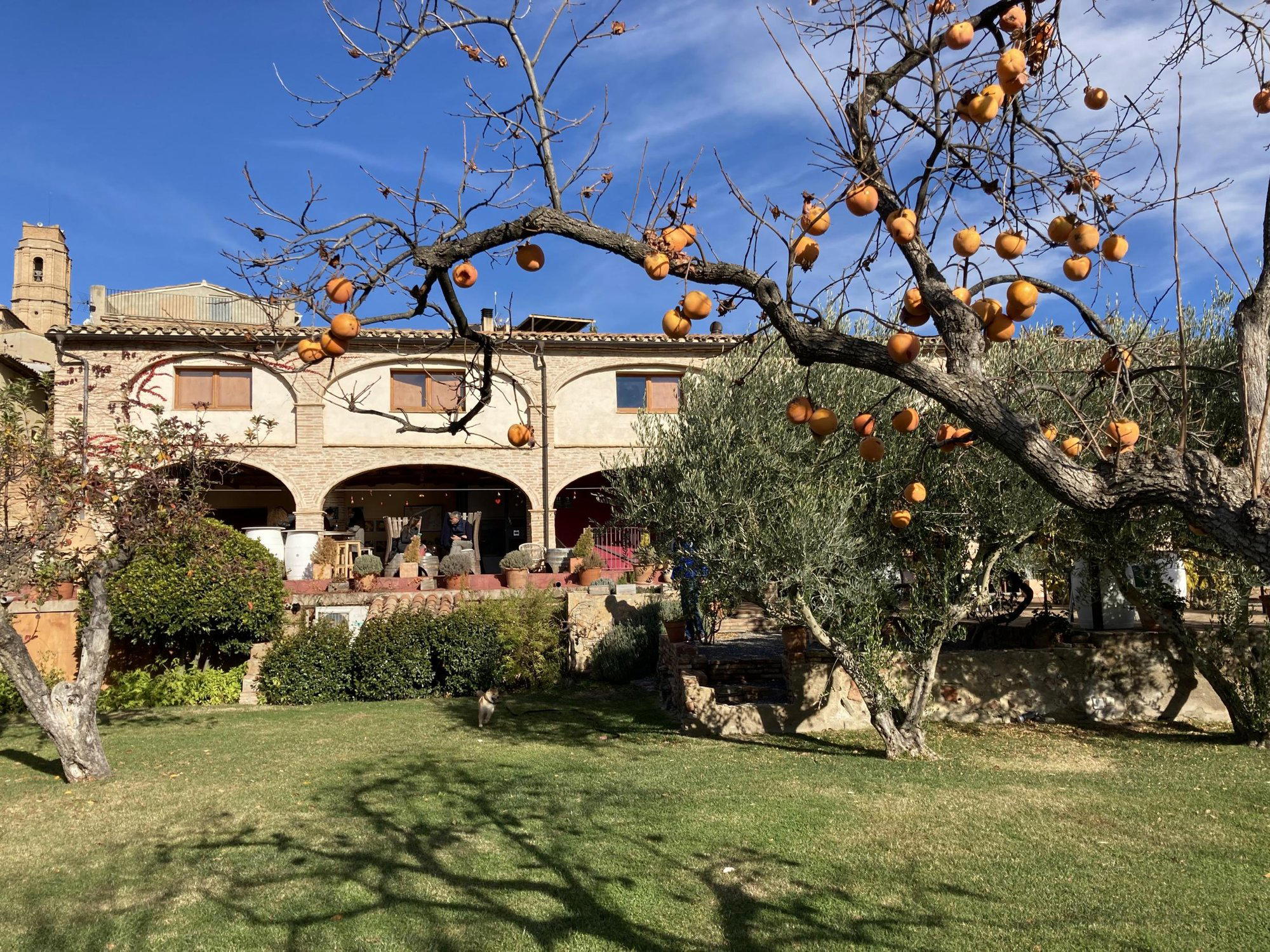
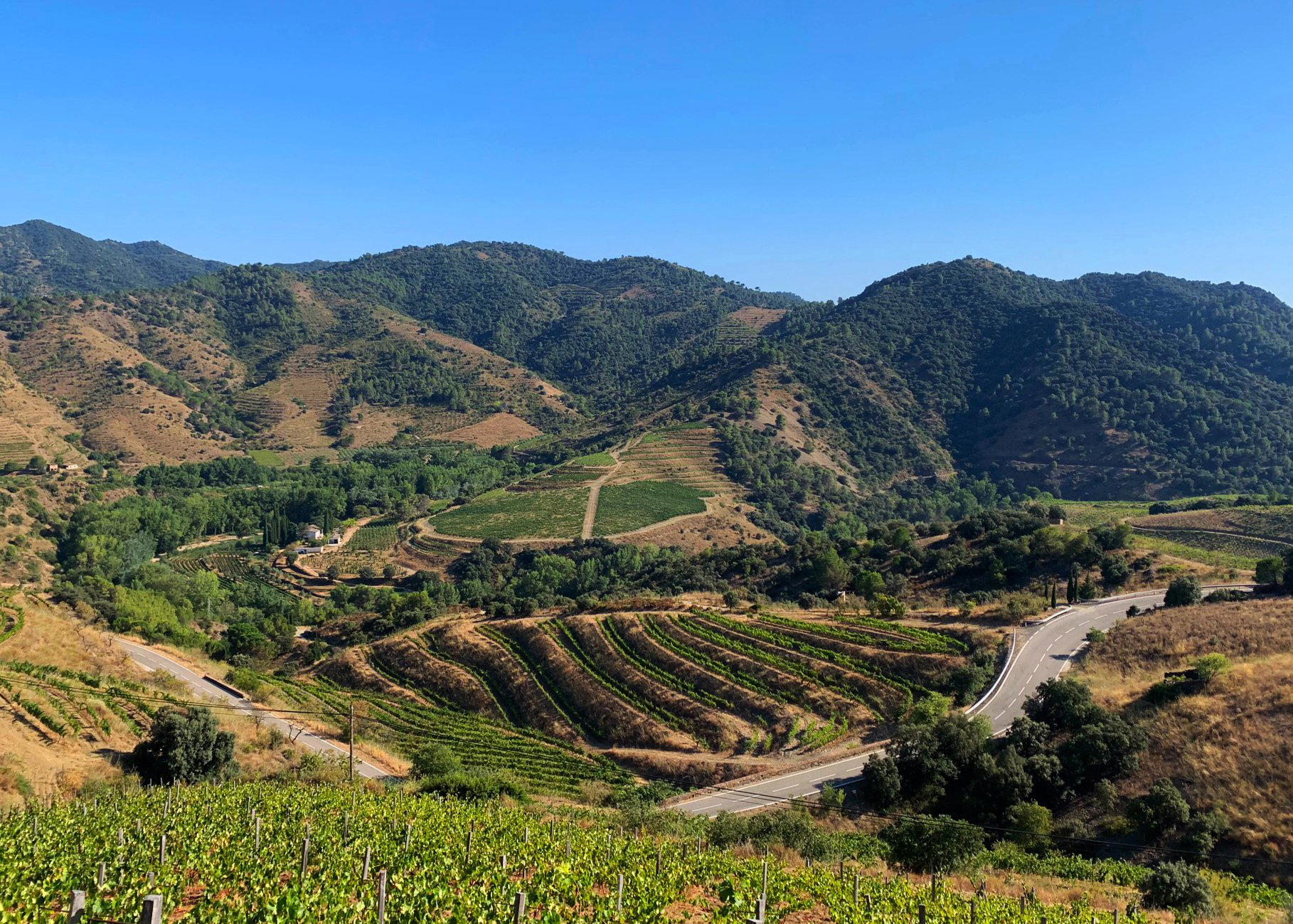
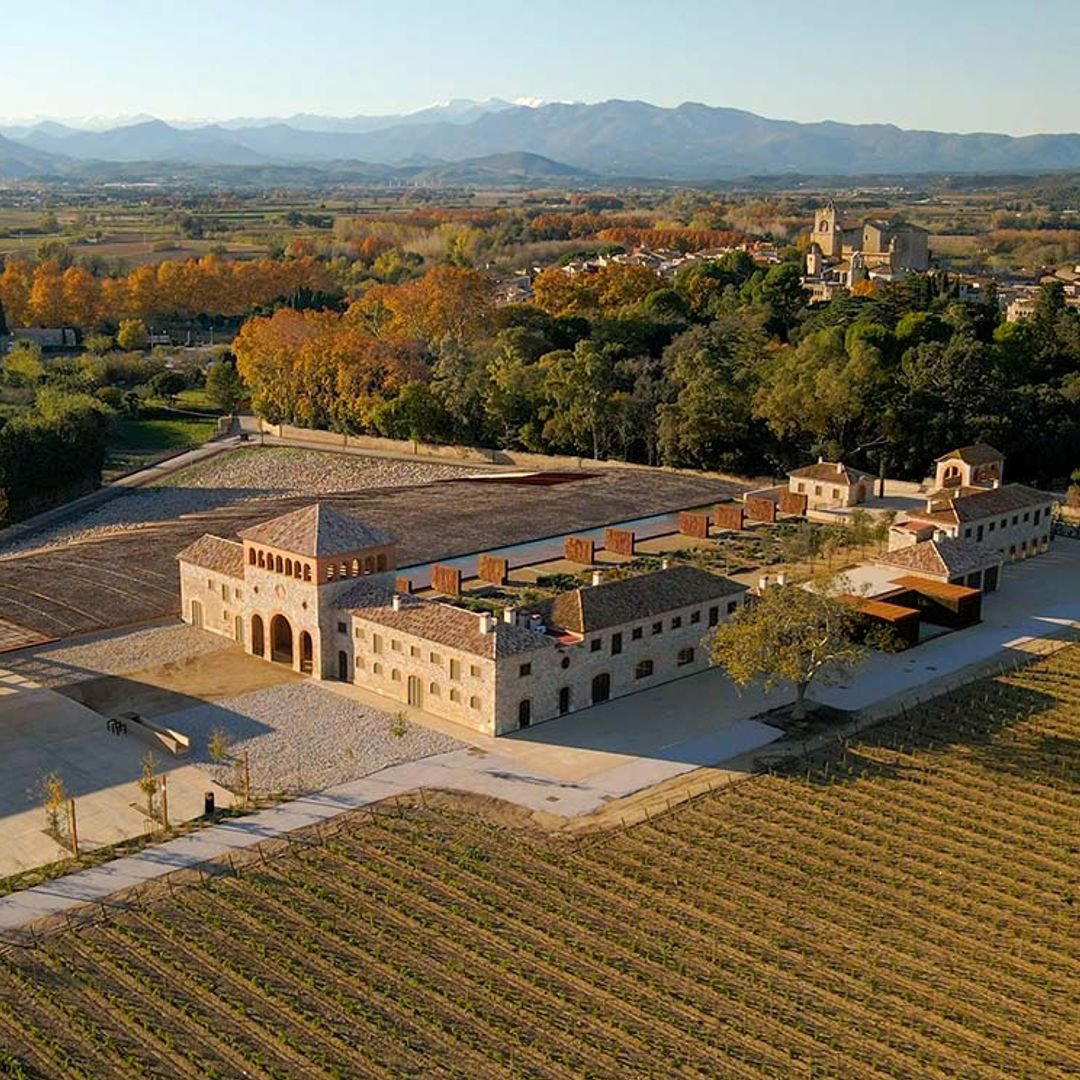
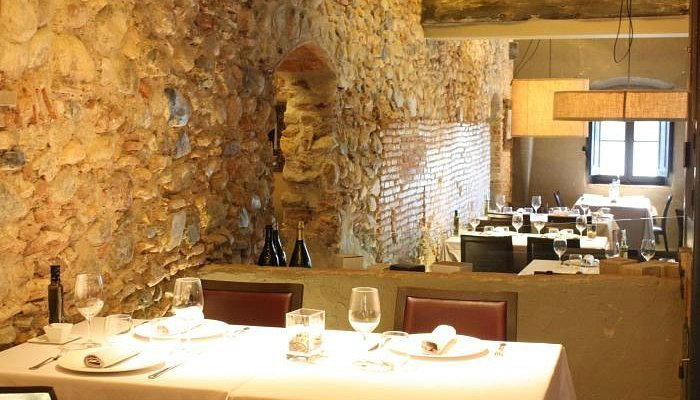
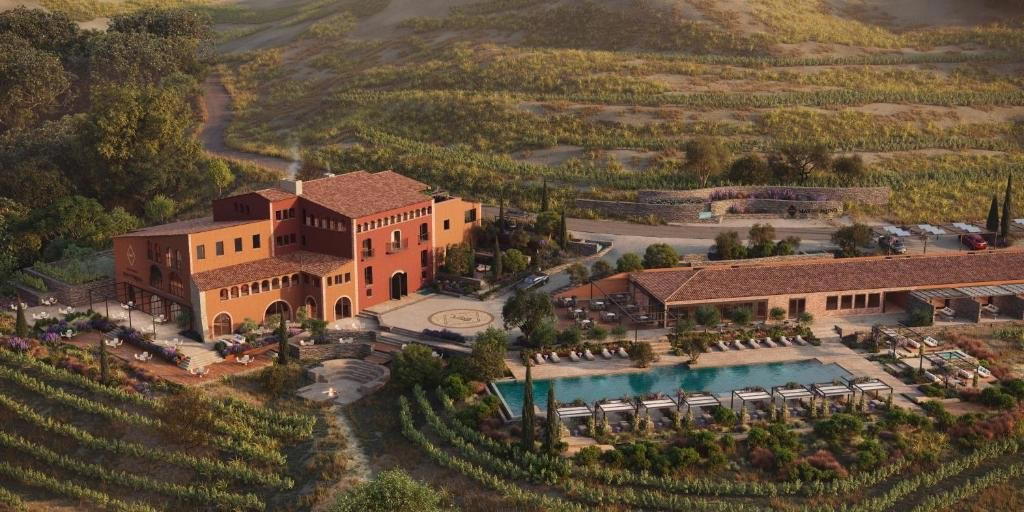
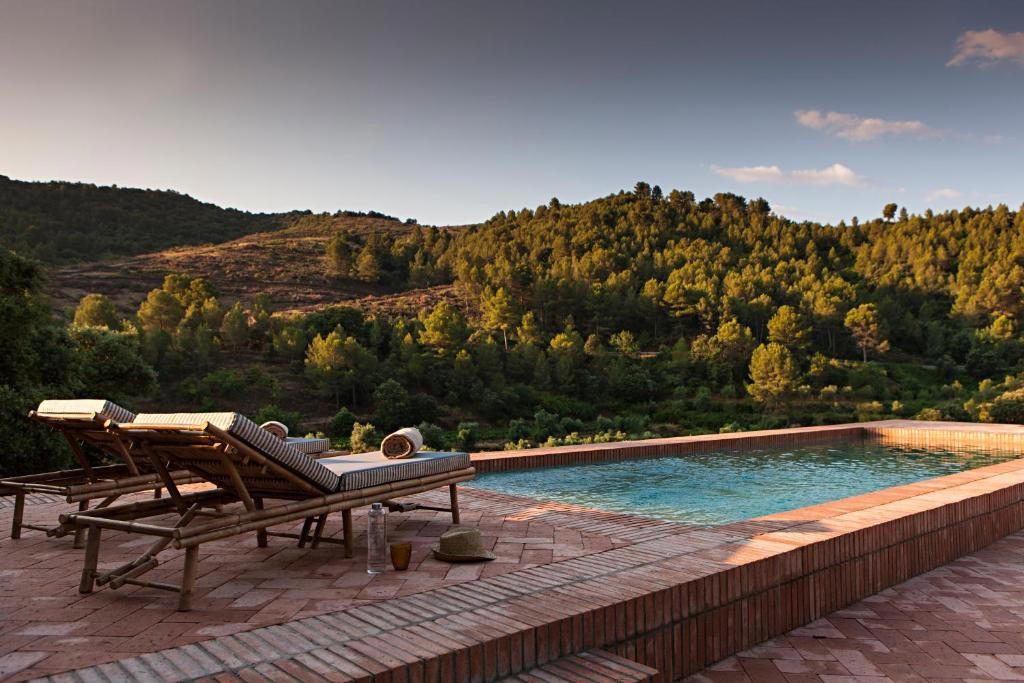
Approaching a Priorat estate is rarely a grand-château exercise. Around Gratallops, the drama sits in the terrain: terraced slopes, broken schist underfoot, dry stone, olive trees, and the hard geometry of vineyards cut into hillsides above the Montsant valley. Clos Figueras belongs to that idiom. Its appeal is the working-cellar version of Priorat hospitality, relaxed rather than ceremonial, with a garden restaurant and vineyard views framing wines built from one of Spain’s sternest wine landscapes.
Llicorella, old vines and the Priorat grammar
Priorat’s reputation rests on concentration, but the better reading is geological. The region’s llicorella, a fractured schist soil, forces vines into a demanding conversation with heat, slope and scarce water. In Gratallops, that produces reds where Grenache and Carignan carry both ripeness and structure, often with a mineral edge that feels inseparable from the ground that grew them.
Clos Figueras works from an 18-hectare estate, with 12 hectares planted and the rest given over to olive trees, small forest and slopes too steep for vines. That scale matters. Annual production of roughly 25,000 to 30,000 bottles places the estate in the boutique bracket rather than the volume-driven side of Spanish wine tourism. The vineyard mix is anchored by Grenache and Carignan, with Syrah, Cabernet Sauvignon, Mourvèdre, Grenache Blanc, Viognier and Chenin Blanc in the picture. The original vineyard, acquired in 1997, included Grenache and Carignan vines that now feed the flagship Clos Figueres red.
The estate’s founding also captures a wider Priorat story: late-20th-century recovery rather than inherited aristocracy. Christopher and Charlotte Cannan bought the abandoned Figueres vineyard after René Barbier showed them the site in 1997, at a moment when Priorat was moving from rugged local appellation to a serious international reference. Early wines were made at Clos Mogador before an independent cellar in Gratallops came into use for the 2002 vintage. The 2001 Clos Figueres later received 96 points from Robert Parker, and subsequent vintages of the same wine were scored at 94 points or higher, with the 2005 also at 96. Those scores are not decorative trivia; they mark the estate’s arrival during the period when Priorat’s modern reputation was being fixed in global cellars.
A compact portfolio with a useful white-wine detour
The portfolio is tight enough to read as a map of the property rather than a catalogue. Clos Figueres is the old-vine red, built around Grenache and Carignan. Font de la Figuera Tinto comes from vines planted in 1998 and includes Grenache, Syrah, Cabernet Sauvignon and Mourvèdre. Serras del Priorat is framed for earlier drinking while staying within the region’s red-wine register.
White wine is the useful curveball. Font de la Figuera Blanco is 85% Viognier, with Grenache Blanc and Chenin Blanc completing the blend. Its presence comes from a nursery error: vines believed to be Cabernet Sauvignon turned out largely to be Viognier. Rather than grafting them over, the estate kept them and built a dry white into the range. In a region still read by many visitors through reds alone, that bottle gives the tasting a sharper educational value. It shows how Priorat’s heat and schist can carry aromatic white varieties without making the visit feel like a footnote to the reds.
René Barbier’s role gives the project a serious Priorat credential, while Alain Graillot’s consulting support adds a Rhône-trained blending perspective. The point is not personality theater. It is that the wines sit at the intersection of local recovery, old-vine material and outside technical fluency, a combination that shaped much of modern Priorat’s appeal.
How to read the visit in Gratallops
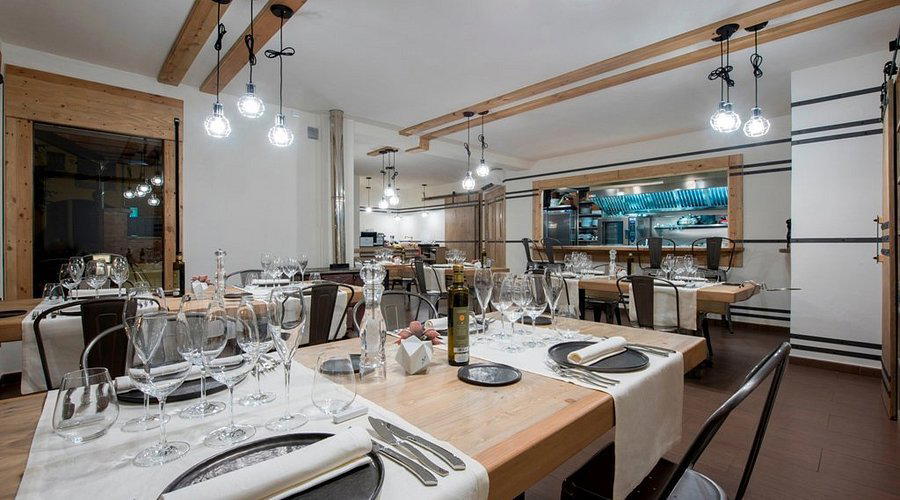
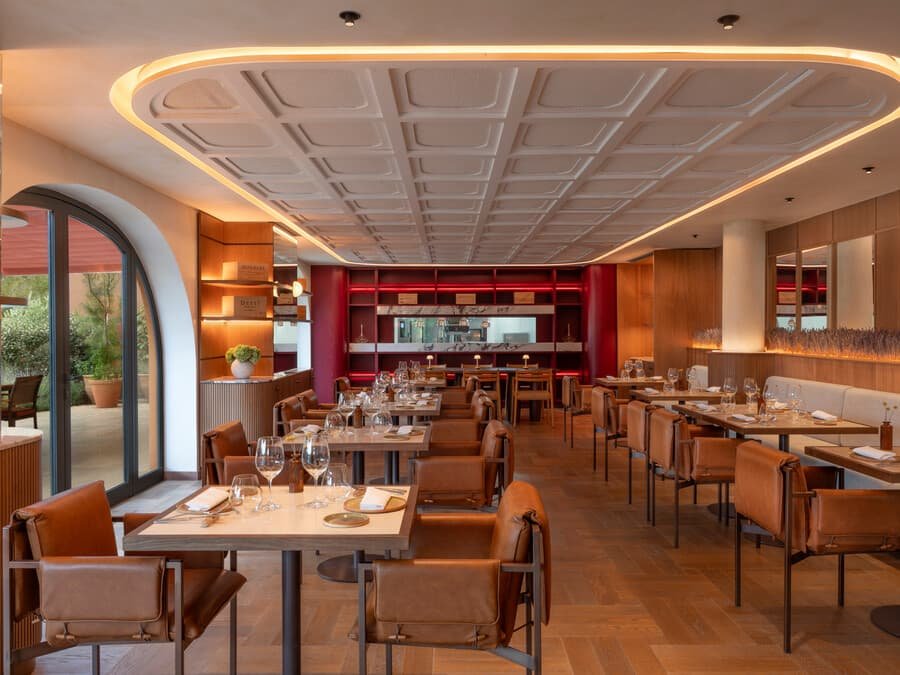
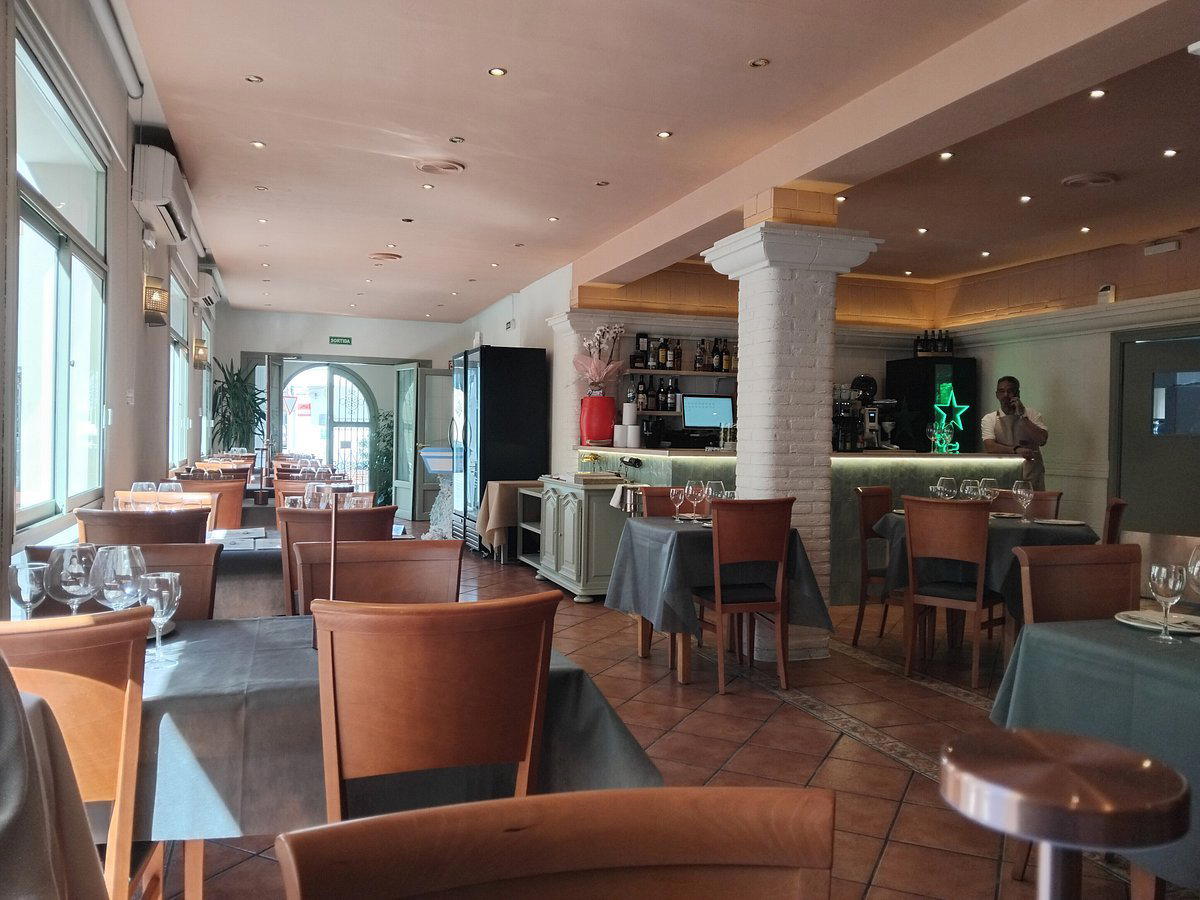
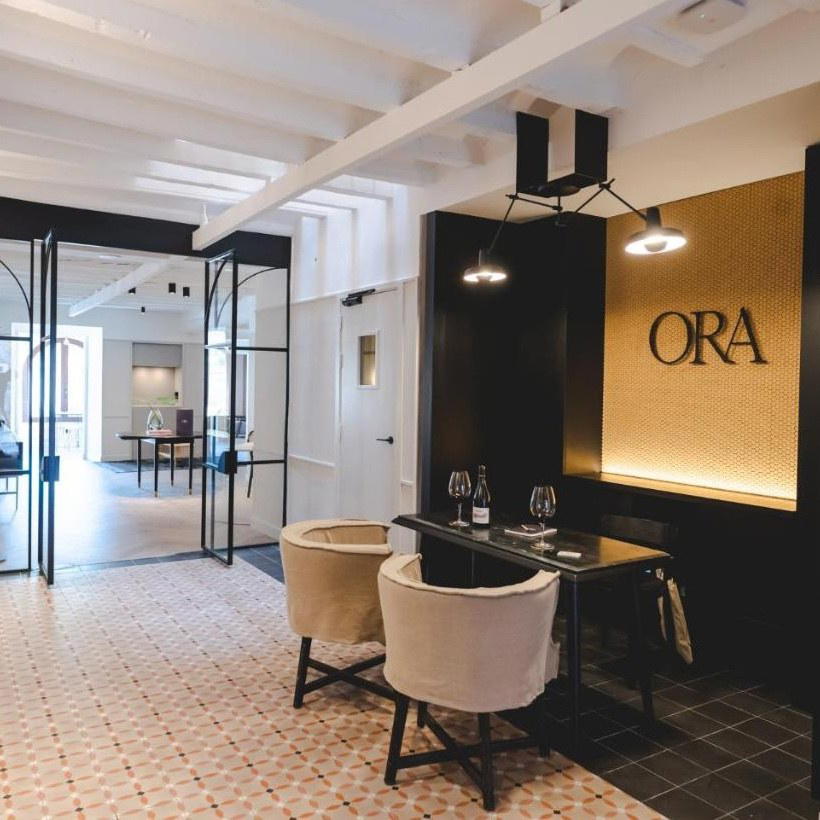
The hospitality format suits travelers who want wine, food and place in the same frame. The setting combines cellar, tasting room, restaurant, B&B, garden and terrace elements, with a conversational rather than formal register. Tasting formats can include the bar, seated tastings, private tastings, vineyard tours and wine-paired meals; that breadth makes the estate useful for both first-time Priorat visitors and collectors who want to see how a specific Gratallops property is organized from slope to bottle.
The restaurant component is important because Priorat can be logistically thin compared with larger wine regions. A wine-paired meal on site changes the tempo of a visit: the estate becomes a long lunch stop rather than a quick cellar appointment. Street parking, outdoor seating, small-capacity hospitality and a 60- to 90-minute tour duration point to a rural, planned-in-advance experience rather than a casual city tasting-room drop-in.
For a broader Gratallops wine itinerary, use Our full Gratallops wineries guide alongside nearby producer pages such as Clos i Terrasses, Clos Mogador, David Tofterup, Gratavinum and La Vinya del Vuit. Planning the rest of the day is easier with Our full Gratallops restaurants guide, Our full Gratallops hotels guide, Our full Gratallops bars guide and Our full Gratallops experiences guide. For a wider Iberian and European cellar map, compare regional instincts through 3 Ases Bodegas y Viñedos in Quintanilla De Arriba, 4Kilos Vinícola in Felanitx, Aalto Bodegas y Vinedos in Quintanilla De Onesimo Valladolid, »der Steiner« Hans Steiner in Podersdorf am See and & Handwein in Mannheim.
Recognition history
Dated appearances from independent guides and award organizations, with the underlying list record or original source where available.
Falstaff Winery - 4 Stars
Falstaff
Continue exploring
More in Gratallops
Wineries in Gratallops
Browse all →
Bars in Gratallops
Browse all →
Restaurants in Gratallops
Browse all →
Details
- Scenic
- Rustic
- Romantic
- Cozy
- Intimate
- Romantic Getaway
- Group Outing
- Celebration
- Wine Education
- Special Occasion
- Vineyard Tour
- Estate Grounds
- Garden
- Terrace
- Panoramic View
- Private Tasting
- Vineyard
- Mountain
- Garden
- Grenache
- Carignan
- Syrah
- Cabernet Sauvignon
- Mourvèdre
- Grenache Blanc
- Viognier
- Chenin Blanc
- Still Red
- Still White
- Fortified
- Dessert
- Tasting Bar
- Seated Tasting
- Wine Paired Meal
- Private Tasting
- Vineyard Tour
Rural Priorat estate winery with a relaxed, rustic-elegant atmosphere, combining a working cellar with a garden restaurant and views over vineyards and the Montsant valley.