Clos i Terrasses

Falstaff Winery - 5 Stars
Clos i Terrasses belongs to the small-producer side of Priorat: steep llicorella terraces, biodynamic farming, and wines built for concentration rather than visitor spectacle. The estate’s Clos Erasmus has drawn multiple 100-point Robert Parker scores, while Laurel and Laurel Blanc give a broader view of the same Gratallops terrain at lower release prices.

Pearl is the En Primeur Club membership app — saves, bookings, and concierge access live there. Same editors, same standards.
- Address
- Gratallops, Priorat, Catalunya, Spanien
- Directions
- Get directions

Clos i Terrasses is best understood as a small Priorat estate in Gratallops rather than as a broad visitor-center experience. The profile is narrow but distinctive: tiny production, an artisanal focus, biodynamic vineyards on steep terraces, and wines described in terms of concentration and ageworthiness. That is enough to place the estate in the serious Priorat conversation without adding unsupported details about labels, scores, ownership, touring formats, or release volumes.
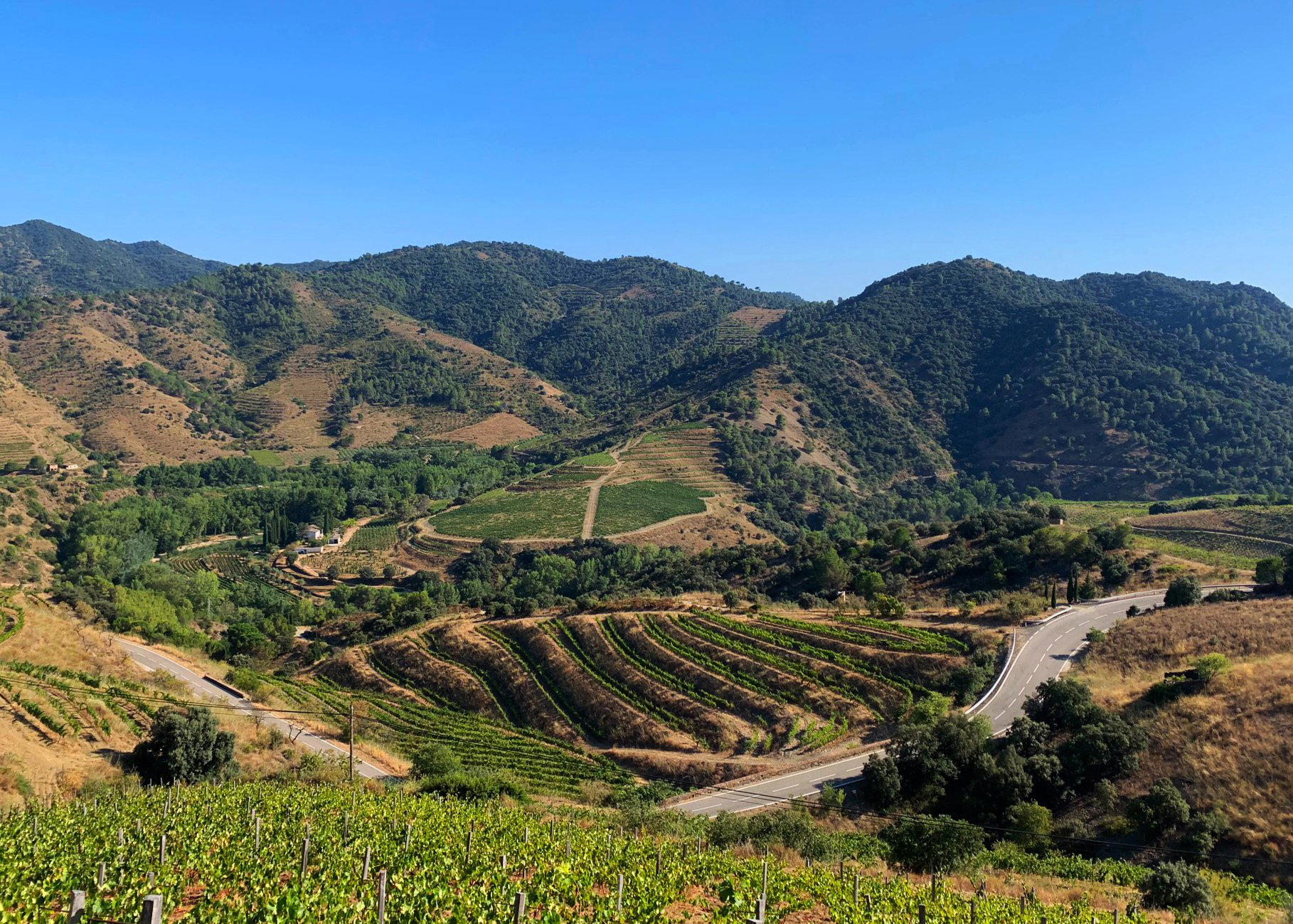
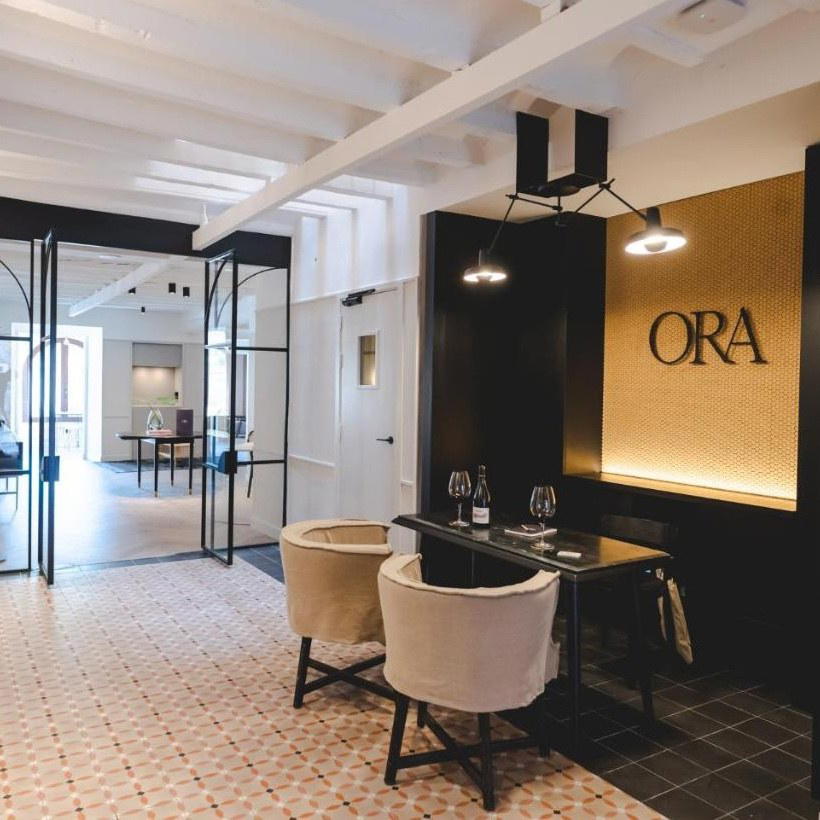
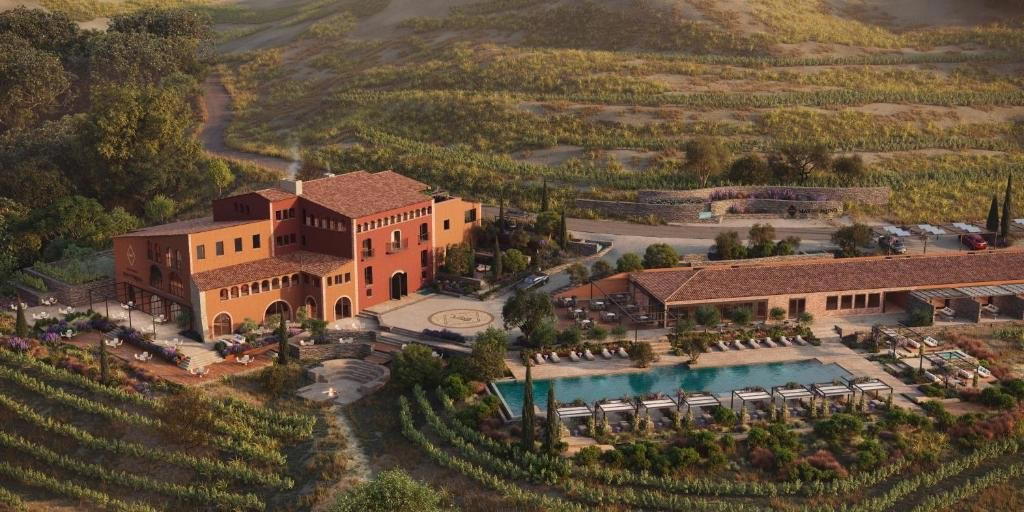
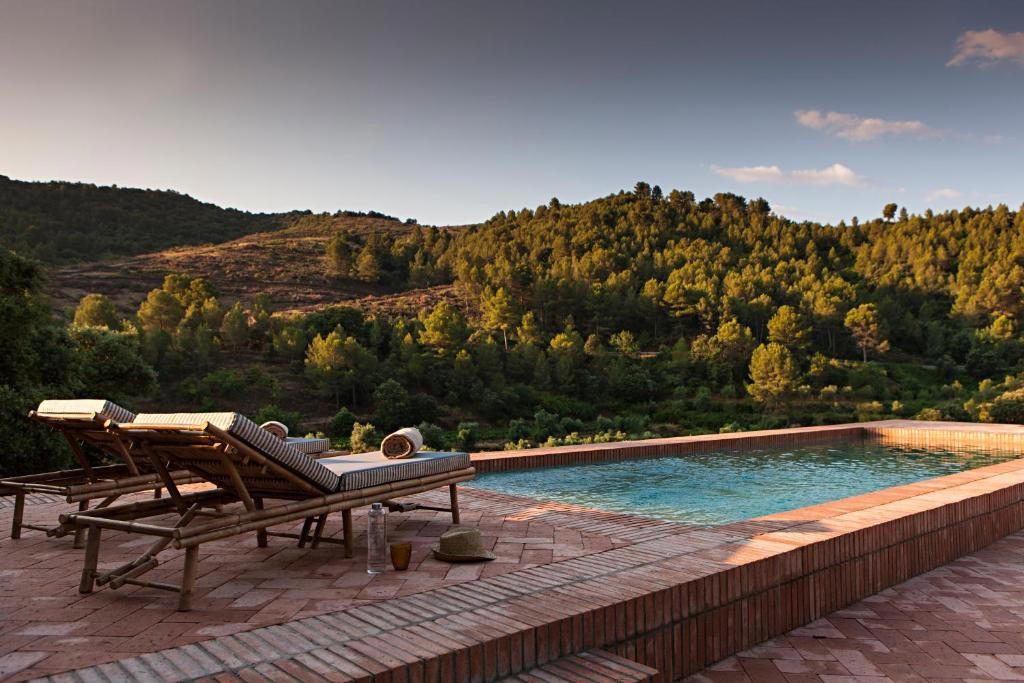
The setting matters because the identity of Clos i Terrasses is inseparable from the landscape around Gratallops. This is a Priorat estate shaped by steep terraced vineyards, with a scenic, rustic, and elegant character. The appeal is not framed around scale or spectacle. Instead, the estate reads as focused and low-production, with the vineyard environment doing much of the work in defining the experience.
For travelers, collectors, or wine-focused readers, the most reliable way to approach Clos i Terrasses is to keep the description precise. It is a tiny, biodynamic Priorat estate in Gratallops with a concentrated, ageworthy wine profile and a premium price signal of $$$$. Claims beyond that should be treated cautiously unless confirmed directly by the estate or a current source.
Slate terraces, low yields, and the Priorat style in concentrated form
Clos i Terrasses is associated with biodynamic vineyards on steep terraces, a detail that gives the estate its most grounded sense of place. Priorat is often discussed through its demanding hillside terrain, and this estate’s profile fits that image: small-scale, slope-driven, and oriented toward concentration rather than volume.
Rather than inventing that kind of precision, the safer reading is broader: Clos i Terrasses presents itself as an artisanal Priorat estate where steep terraced vineyards are central to the wine’s identity. The result is described as concentrated and ageworthy, which places the wines in a serious, cellar-minded category.
That distinction also helps set expectations. This is not described as a large, highly public-facing winery complex. The profile specifically points away from a large visitor center experience and toward a smaller, more focused estate character. Visitors should therefore think less in terms of a general tourism stop and more in terms of a compact, wine-centered Priorat address.
Clos Erasmus sets the collector benchmark; Laurel gives the broader estate picture
Any detailed discussion of specific wines, critic ratings, release quantities, or market positioning would go beyond the record supplied here.
What can be said is that Clos i Terrasses occupies a premium lane. The price category is $$$$, and the estate’s identity is described through concentration, ageworthiness, tiny production, and an artisanal feel. Those signals point to a wine estate that appeals to serious Priorat drinkers and collectors, but the page should not claim exact scores, specific bottling histories, or named cuvées unless those details are independently verified.
For readers comparing options in Gratallops, the useful takeaway is qualitative rather than encyclopedic. Clos i Terrasses stands out as a small, focused Priorat estate with biodynamic terraced vineyards and a restrained, rustic-elegant character. Its profile is not built around breadth; it is built around a compact sense of place and a premium, low-production image.
How to place it within a Gratallops wine itinerary
Gratallops is a natural base for exploring Priorat, and Clos i Terrasses fits into that setting as a focused estate rather than a large-scale attraction. The description emphasizes small production, biodynamic terraced vineyards, and an artisanal feel. That makes it most relevant for travelers who want to understand Priorat through terrain, concentration, and estate character.
Practical planning should remain conservative. Anyone planning a visit should confirm current arrangements directly before traveling. What is is the premium price category of $$$$ and the estate’s identity as a tiny, focused Priorat producer in Gratallops.
As part of a wider Gratallops plan, Clos i Terrasses is best paired with other unnamed local dining or wine stops according to the traveler’s schedule. Keep the emphasis on the village, the steep terraced vineyard setting, and the focused character of the estate. The most accurate promise is not a specific tasting script or hospitality format, but a scenic, rustic, elegant Priorat estate with biodynamic vineyards and a concentrated, ageworthy wine profile.
Recognition history
Dated appearances from independent guides and award organizations, with the underlying list record or original source where available.
Falstaff Winery - 5 Stars
Falstaff
Continue exploring
More in Gratallops
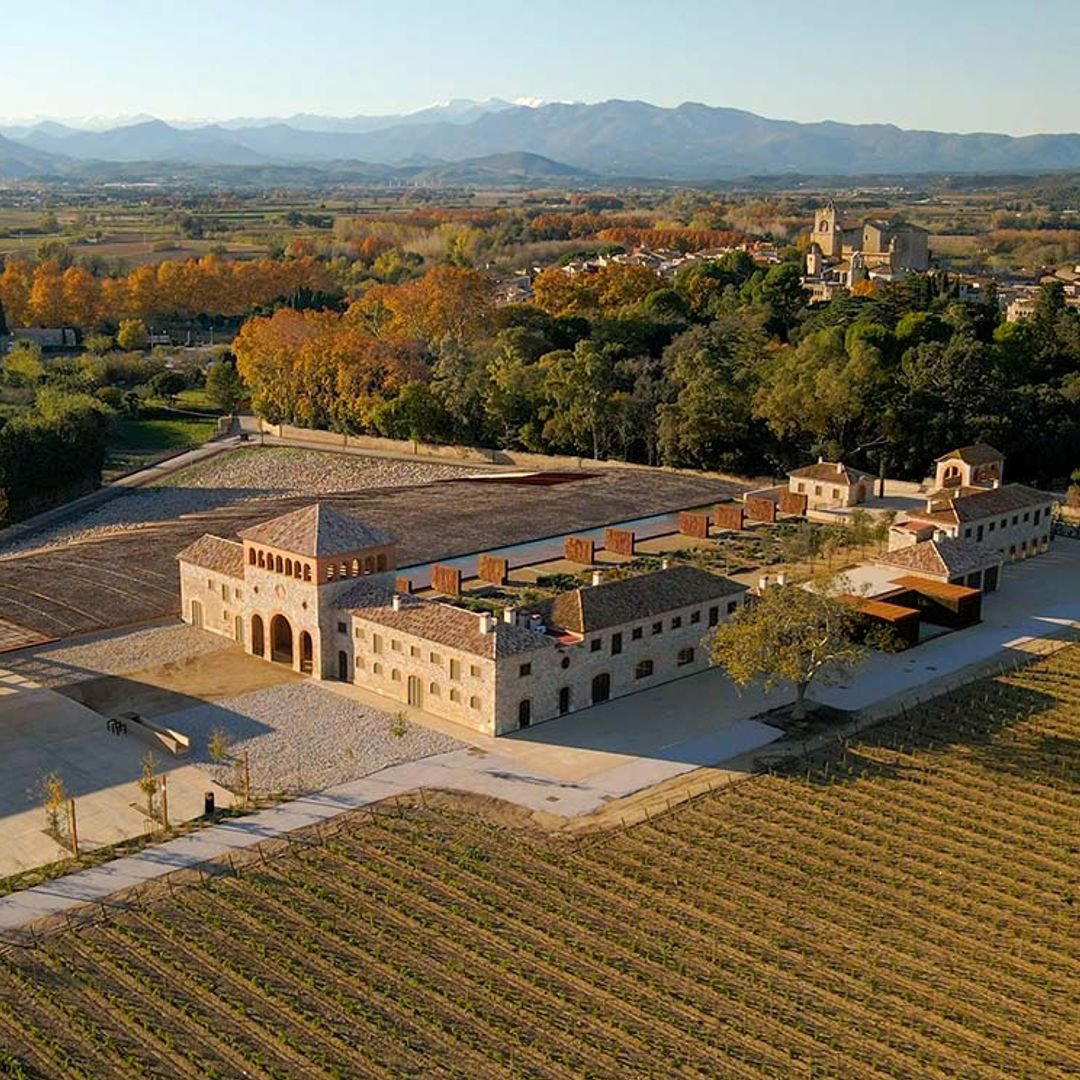
Wineries in Gratallops
Browse all →
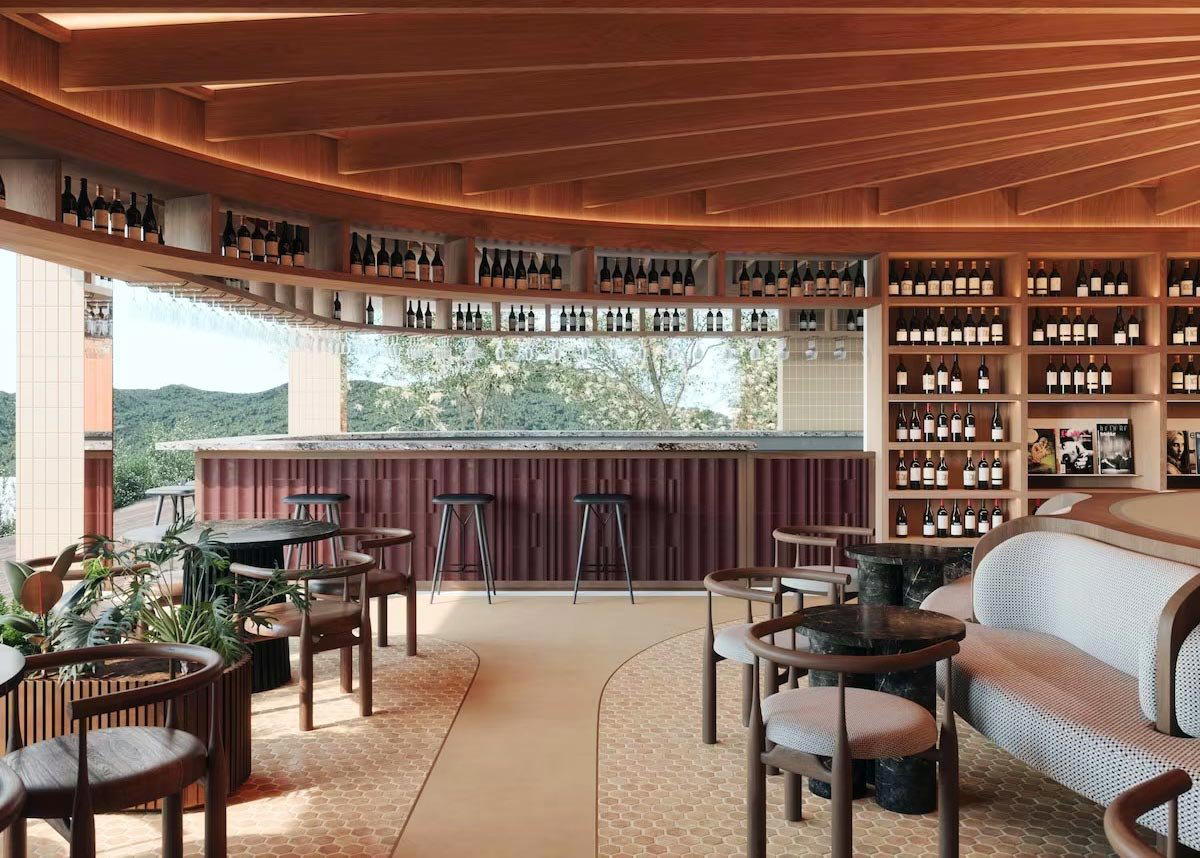
Bars in Gratallops
Browse all →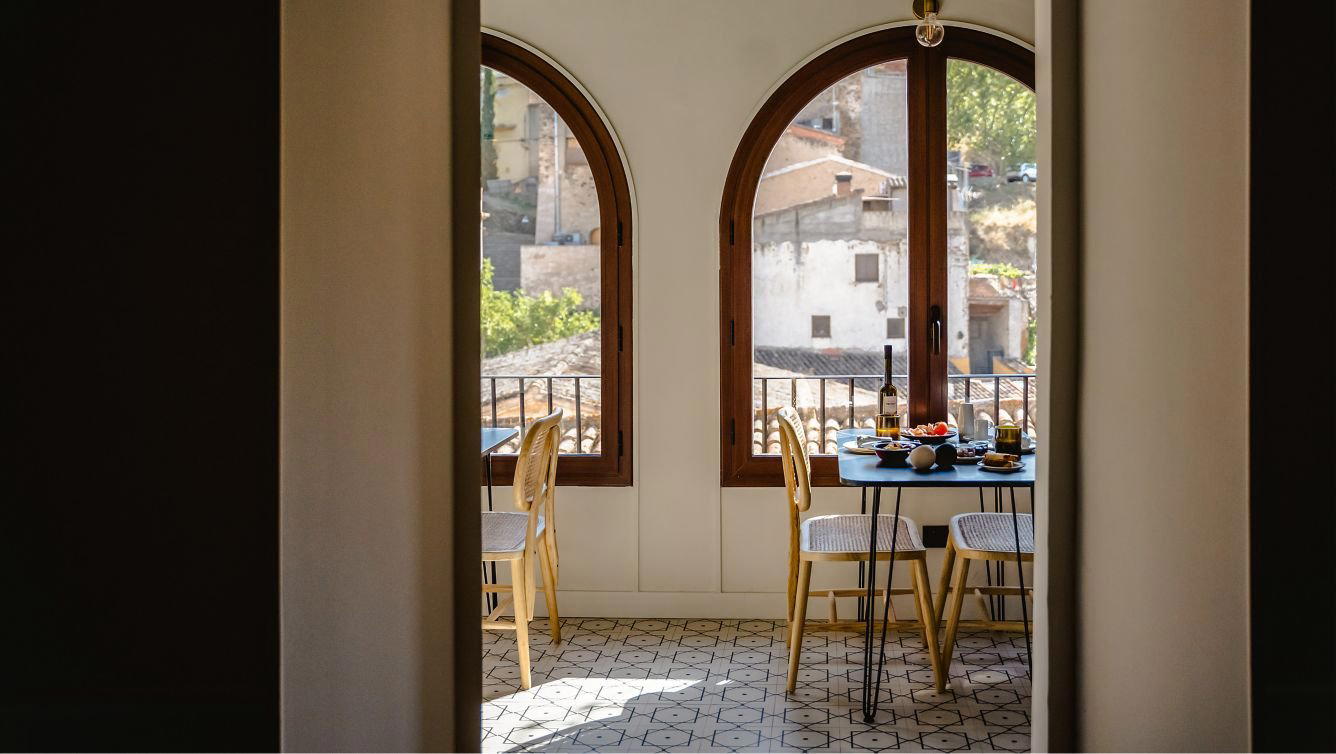
Restaurants in Gratallops
Browse all →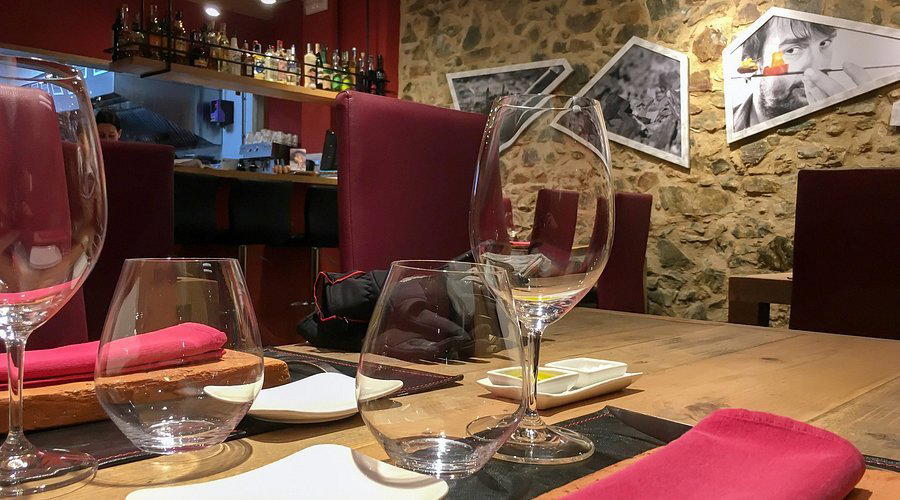
Details
- Well Known
- Rustic
- Elegant
- Scenic
- Intimate
- Sophisticated
- Special Occasion
- Romantic Getaway
- Wine Education
- Solo Exploration
- Group Outing
- Estate Grounds
- Vineyard Tour
- Private Tasting
- Biodynamic
- Sustainable
- Vineyard
- Mountain
- Garnatxa (garnacha)
- Syrah
- Cabernet Sauvignon
- Still Red
- Still White
- Amphora
- Private Tasting
- By Appointment
Tiny, low-production Priorat estate with a focused, artisanal feel, where biodynamic vineyards on steep terraces translate into concentrated, ageworthy wines rather than a large visitor center experience.