Ciavolich

Ciavolich gives Abruzzo’s inland wine country a clear historical anchor: a family estate dating to 1853, working native varieties around Loreto Aprutino with sustainable farming and a modern cellar vocabulary. Expect Montepulciano, Trebbiano, Pecorino and Cococciola interpreted through clay-loam soils, estate vineyards and a quiet, rural setting rather than high-gloss wine tourism.
Pearl is the En Primeur Club membership app — saves, bookings, and concierge access live there. Same editors, same standards.
- Address
- Loreto Aprutino, Abruzzo, Italien
- Directions
- Get directions
 Saves & bookings on Pearl
Approaching wine country around Loreto Aprutino, the mood changes quickly from Adriatic-facing Abruzzo to a more agricultural interior, where vineyards, olive groves and mountain air set the terms. Ciavolich belongs to that quieter side of the region: not a showpiece cellar built for spectacle, but a family estate whose interest lies in how Abruzzo’s native grapes behave when history, altitude and sustainable farming are allowed to do the talking.
Abruzzo has long been misread as a volume region, especially by drinkers who know Montepulciano d’Abruzzo only through inexpensive export bottlings. The more serious argument now sits with estates that treat Montepulciano, Trebbiano, Pecorino and Cococciola as site-sensitive varieties rather than regional shorthand. Ciavolich fits that argument neatly. Its production is rooted in Loreto Aprutino, with a historic thread running back to an 1853 cellar in Miglianico, giving the estate a deeper timeline than the modern Abruzzo category usually suggests.
Clay-loam soils, native grapes and a restrained Abruzzo register
The estate’s viticultural identity is built around native Abruzzese varieties: Montepulciano, Trebbiano, Cococciola and Pecorino. That matters because the region’s more compelling bottles rarely come from international variety mimicry. They come from producers willing to show the structural range of local grapes, from Montepulciano’s darker frame to Pecorino’s firmer white-wine profile and Trebbiano’s capacity for regional transparency.
Ciavolich works vineyards around Loreto Aprutino at about 250 metres above sea level on clay-loam soils near the Gran Sasso influence, with additional plantings in Pianella. In practical drinking terms, this is not coastal lightness alone and not mountain austerity alone. It is the middle register that gives Abruzzo much of its appeal: enough warmth for Montepulciano, enough elevation and air movement to keep the whites from feeling broad or anonymous.
The cellar vocabulary is modern without flattening the regional accent. Stainless steel, oak, concrete and terracotta amphora all appear in the production approach, which signals a producer interested in texture and vessel choice rather than a single dogma. That range is useful in Abruzzo, where native grapes can be pushed too easily toward either rusticity or polish. Here, the more persuasive reading is balance: historic varieties, contemporary control, and enough restraint to keep the wines attached to place.
The portfolio’s clearest anchor is Divus, a Montepulciano d’Abruzzo reserve introduced in 1987 and drawn from older Loreto Aprutino vines. Its production details are unusually telling for a regional flagship: 100% Montepulciano, hand-harvested, fermented in temperature-controlled stainless steel, aged for one year in used tonneaux and barriques, then refined in bottle for 8 to 12 months. That is a serious but not maximalist treatment, placing emphasis on Montepulciano’s structure rather than burying it under new-oak ambition.
A family estate where history is useful, not decorative
Italian winery heritage can become a soft-focus credential, but Abruzzo rewards producers whose history is tied to landholding, agricultural continuity and native material. Ciavolich’s family story reaches back to the 16th century, while its winery history is anchored in 1853, when Francesco Ciavolich built the first cellar in Miglianico. That date is not just a romantic marker. It places the estate among the older cellar traditions in Abruzzo, a region whose fine-wine identity is younger in the international market than its viticulture deserves.
The modern phase is led by Chiara Ciavolich, with Romano d’Amario involved in the winemaking. The useful point is not biography for its own sake; it is continuity under changed expectations. Abruzzo estates now have to speak to drinkers who ask about farming, cellar materials, native grapes and regional specificity. Ciavolich answers through sustainable practice, estate-grown production and a line-up that keeps the conversation local.
Sustainability here is framed through lutte raisonnée, along with water conservation, waste reduction and habitat preservation. The estate includes vineyards and olive groves, which reinforces the mixed-agricultural character of this part of Abruzzo. That context matters: Loreto Aprutino is not a luxury-wine resort setting grafted onto a rural region. It is agricultural country first, and the strongest visits make sense when viewed through that lens.
For travellers mapping the town beyond a single cellar, the broader EP Club coverage is useful: start with Our full Loreto Aprutino wineries guide, then cross-check the wider stay with Our full Loreto Aprutino restaurants guide, Our full Loreto Aprutino hotels guide, Our full Loreto Aprutino bars guide and Our full Loreto Aprutino experiences guide.
Who should put this on an Abruzzo wine itinerary
This is a strong fit for travellers who care about terroir before theatre. The experience is quiet, rural and education-led, with the estate’s historic building, grounds and private tasting format shaping the visit. It suits drinkers who want to understand why Montepulciano d’Abruzzo can move beyond the entry-level shelf, and why Pecorino, Trebbiano and Cococciola are increasingly central to the region’s modern white-wine conversation.
The estate’s inclusion in Selected Estates adds a useful recognition signal, especially for visitors who follow sustainable European producers. There are no major public award claims to lean on here, which is not a weakness if the itinerary is built around regional literacy rather than trophy collecting. The better reason to go is the combination of age, native varieties, sustainable farming and a cellar approach that uses modern tools without sanding down Abruzzo’s agricultural character.
Within an Italy-wide cellar itinerary, Ciavolich reads differently from larger hospitality-led estates. Travellers comparing regions can use nearby and broader EP Club winery pages as context, including Colle Corviano, Marchesi de' Cordano, 3GP SRL in Treviso, 47 Anno Domini in Trebaseleghe, A Mano Wine in Noci, a6mani in Fragagnano, Abbadia Ardenga in Torrenieri, Abbazia di Crapolla in Neapel, »der Steiner« Hans Steiner in Podersdorf am See and & Handwein in Mannheim.
The critical read is simple: Ciavolich is at its strongest when treated as a lens on Abruzzo rather than as a standalone luxury stop. The reward is not spectacle. It is a clearer understanding of how Loreto Aprutino’s soils, altitude, native grapes and family continuity can produce wines with regional grammar intact.
Recognition history
Dated appearances from independent guides and award organizations, with the underlying list record or original source where available.
Falstaff Winery - Listed
Falstaff
Continue exploring
More in Loreto Aprutino
Wineries in Loreto Aprutino
Browse all →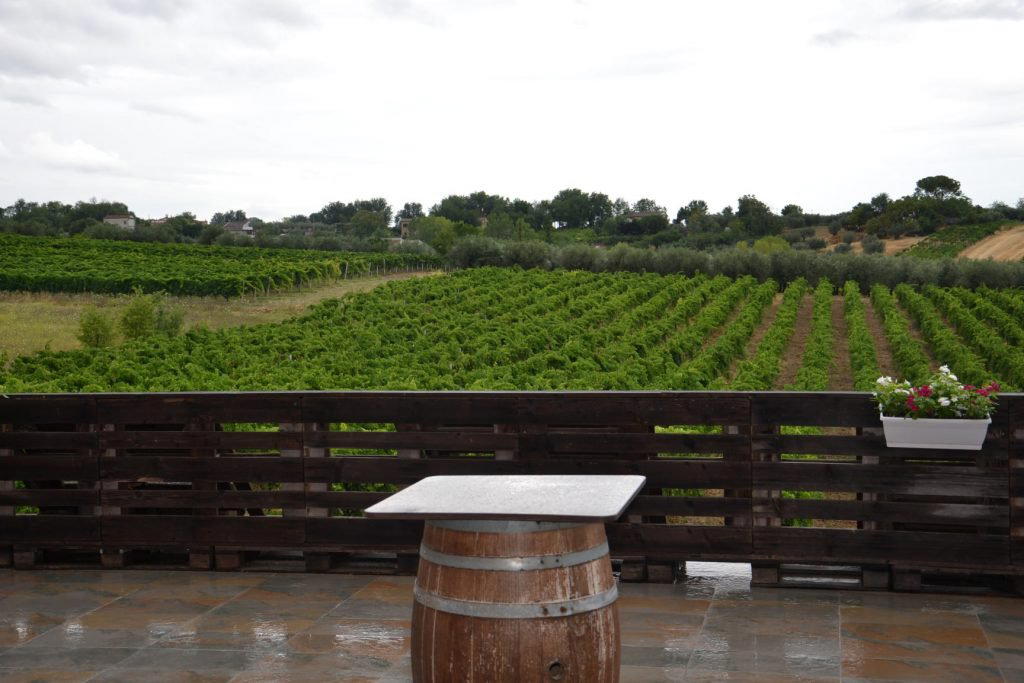
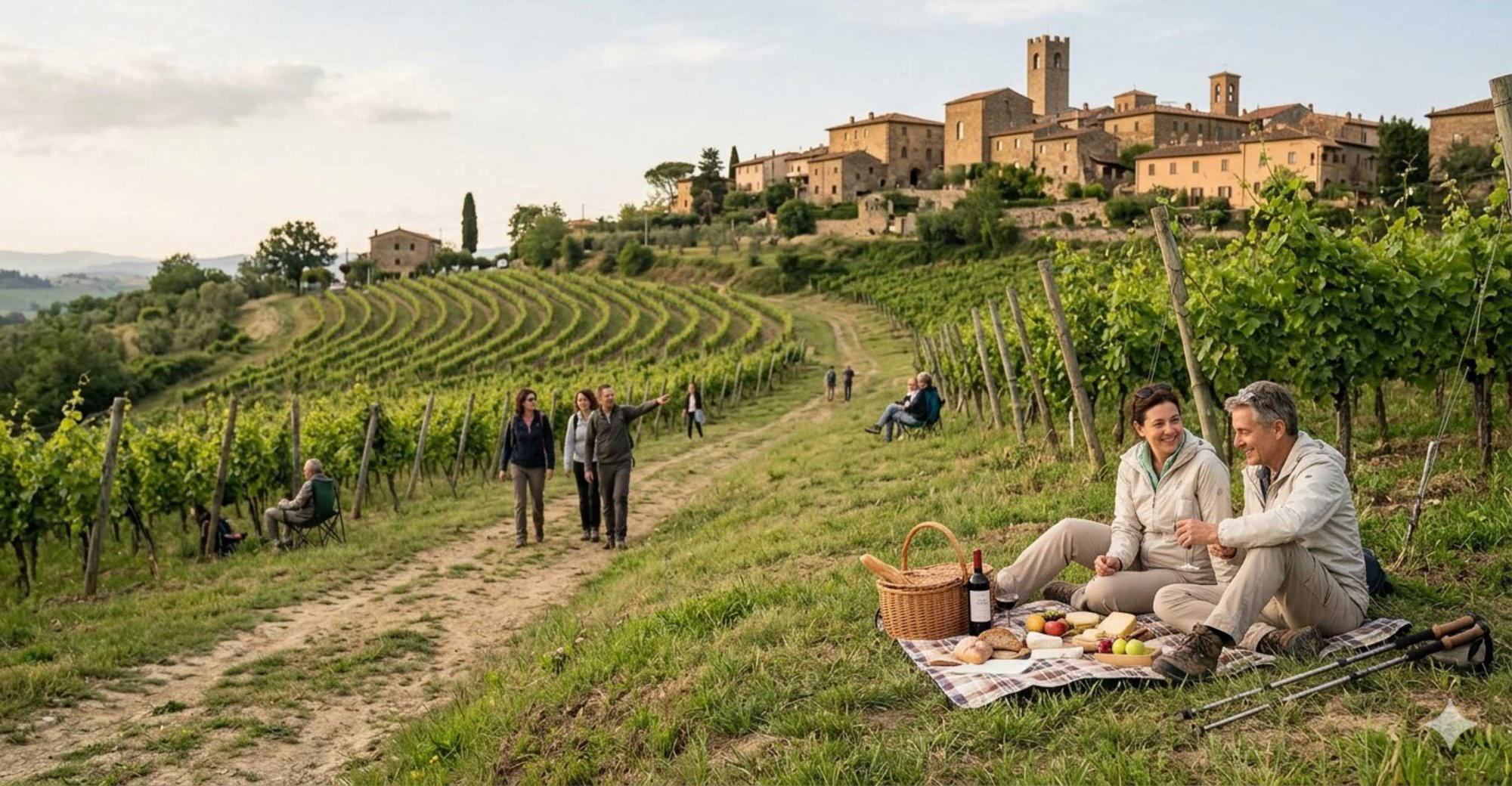
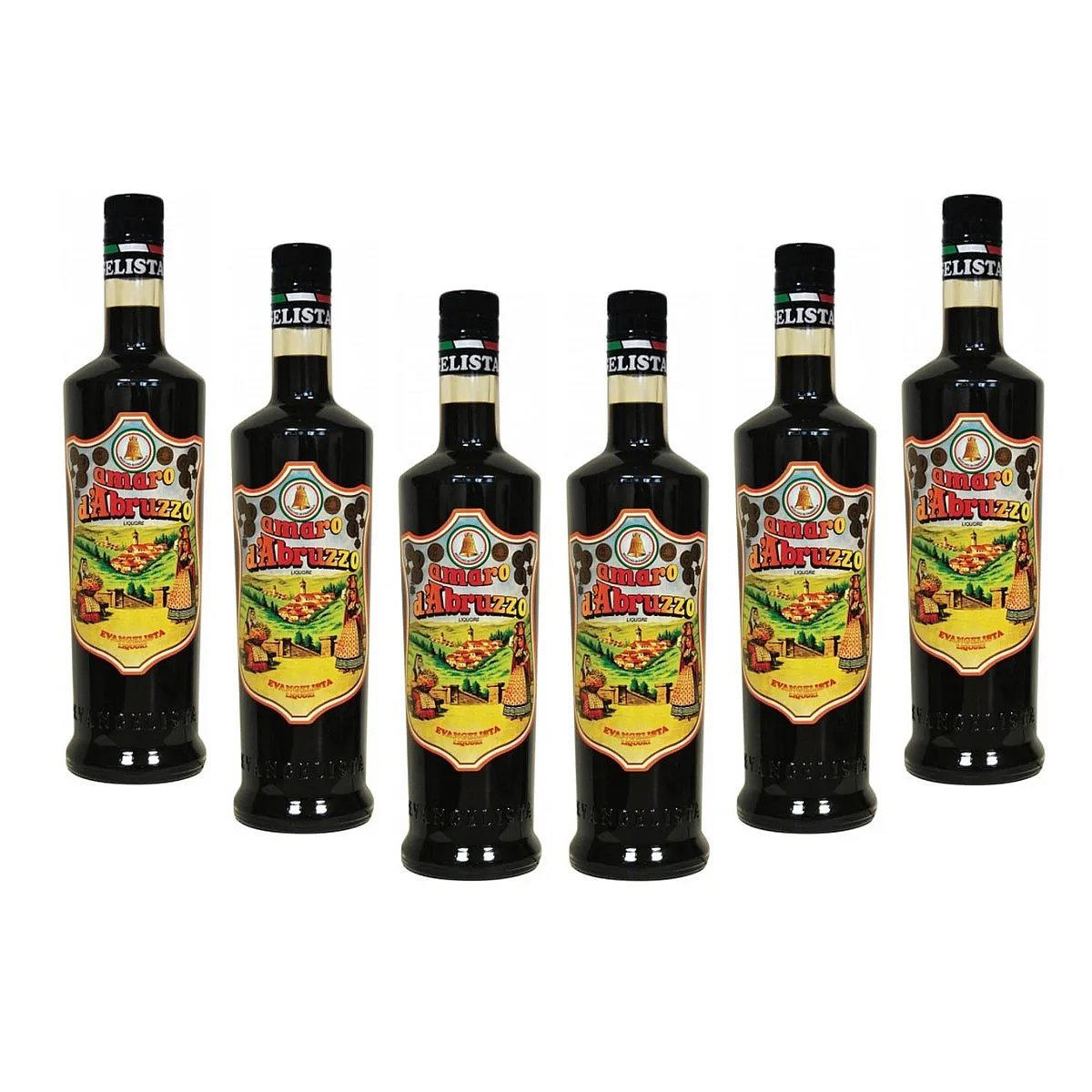
Bars in Loreto Aprutino
Browse all →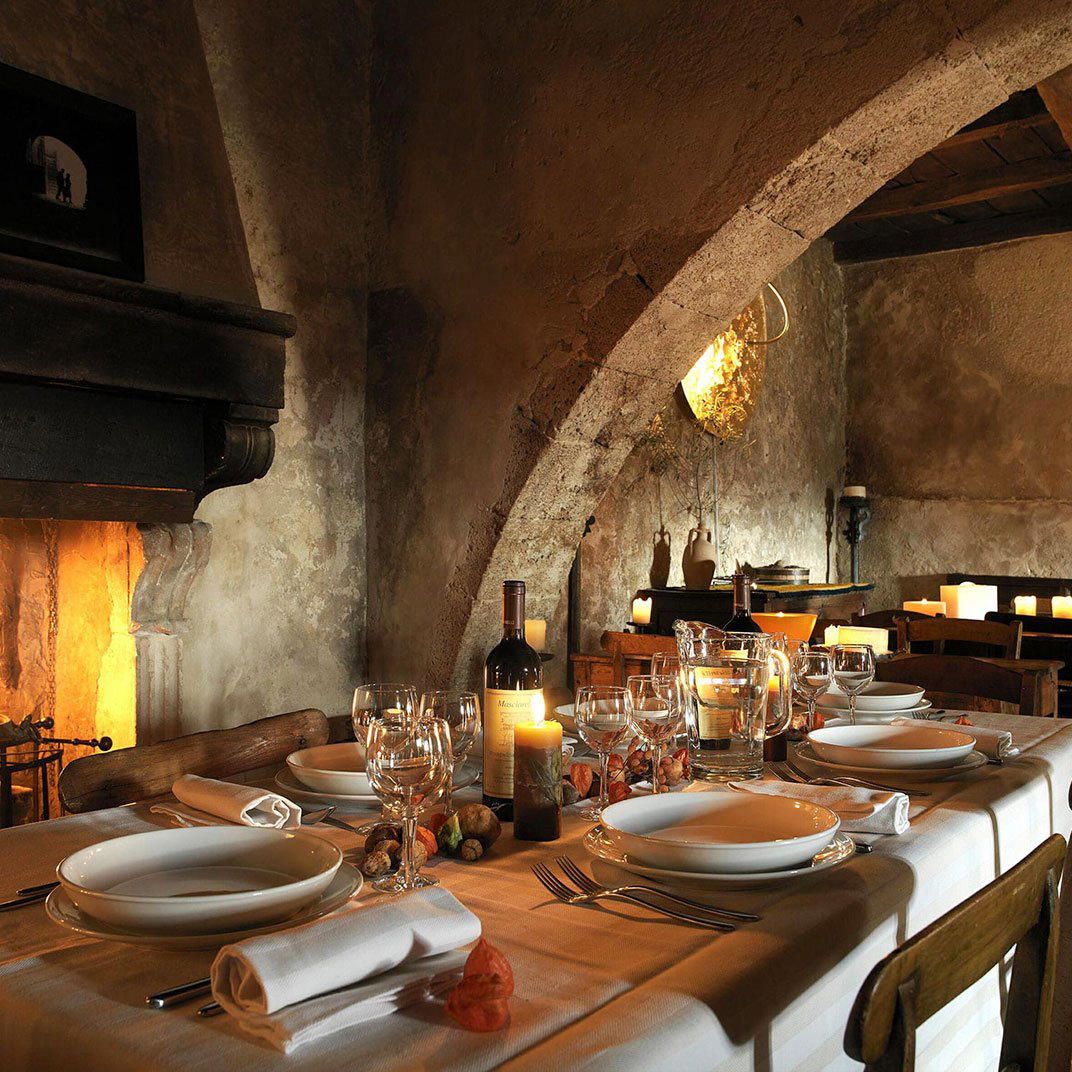
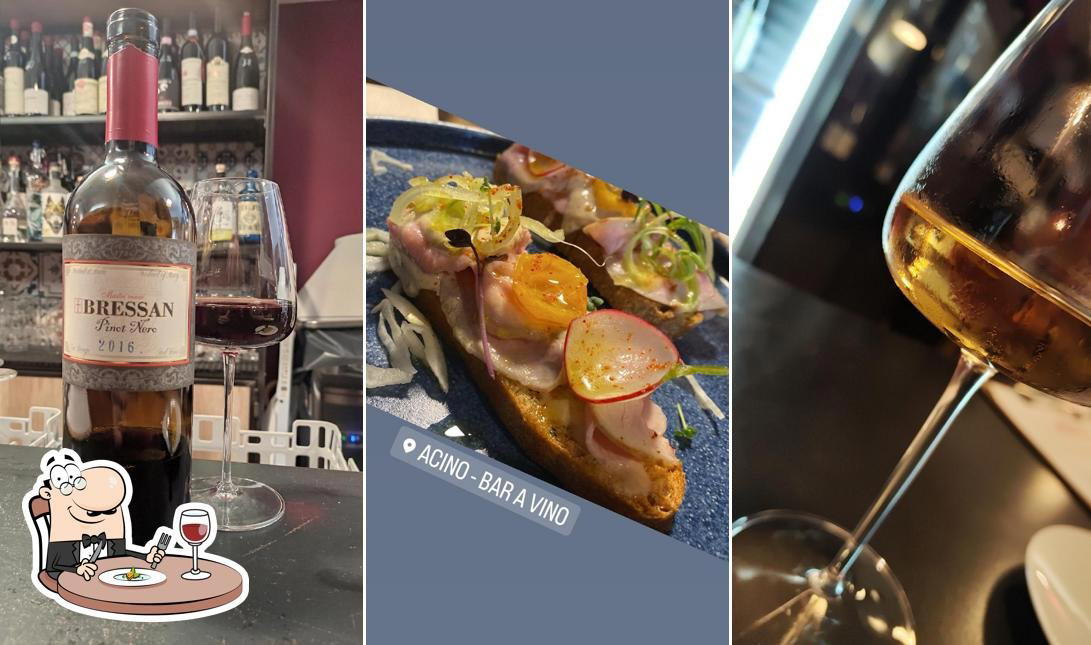
Restaurants in Loreto Aprutino
Browse all →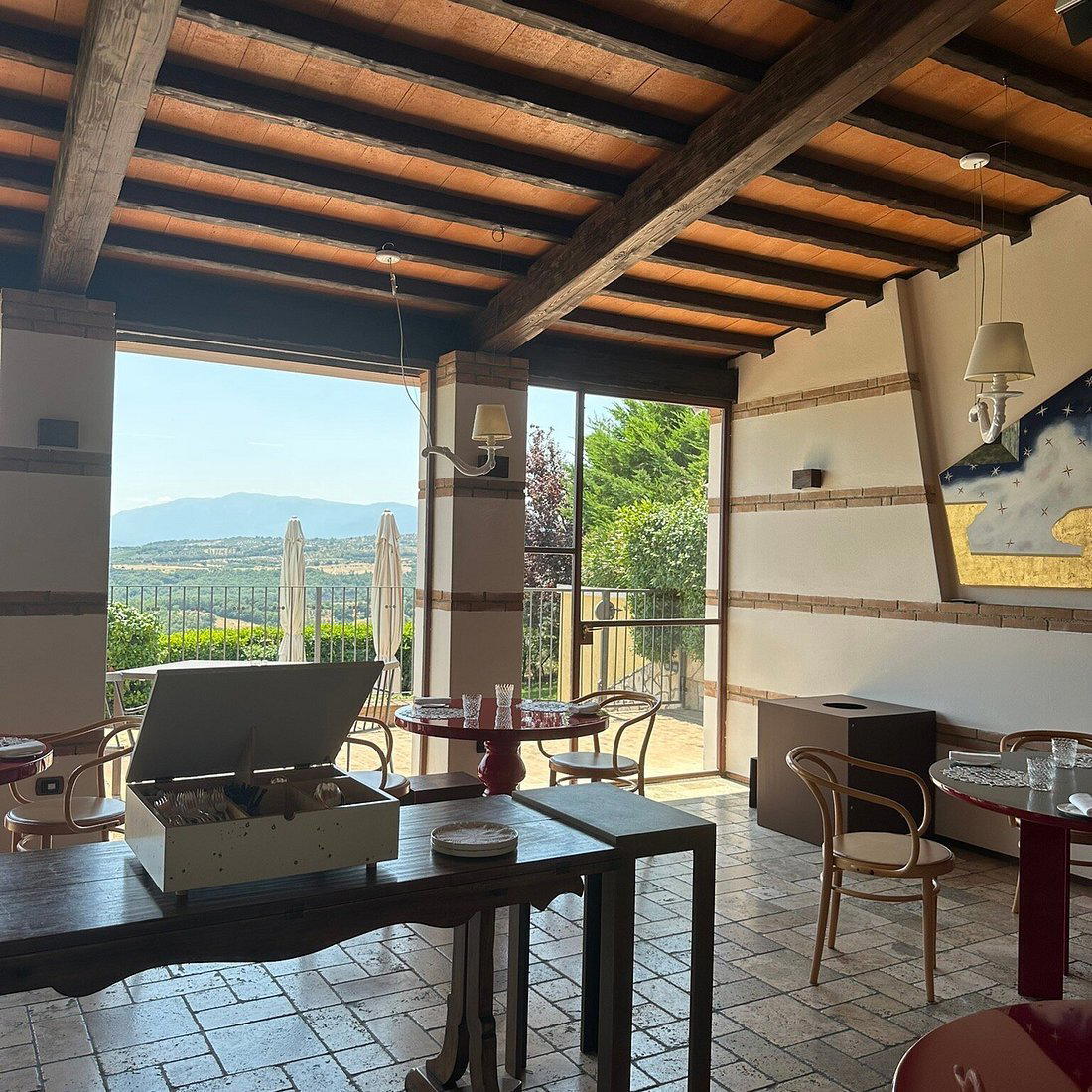
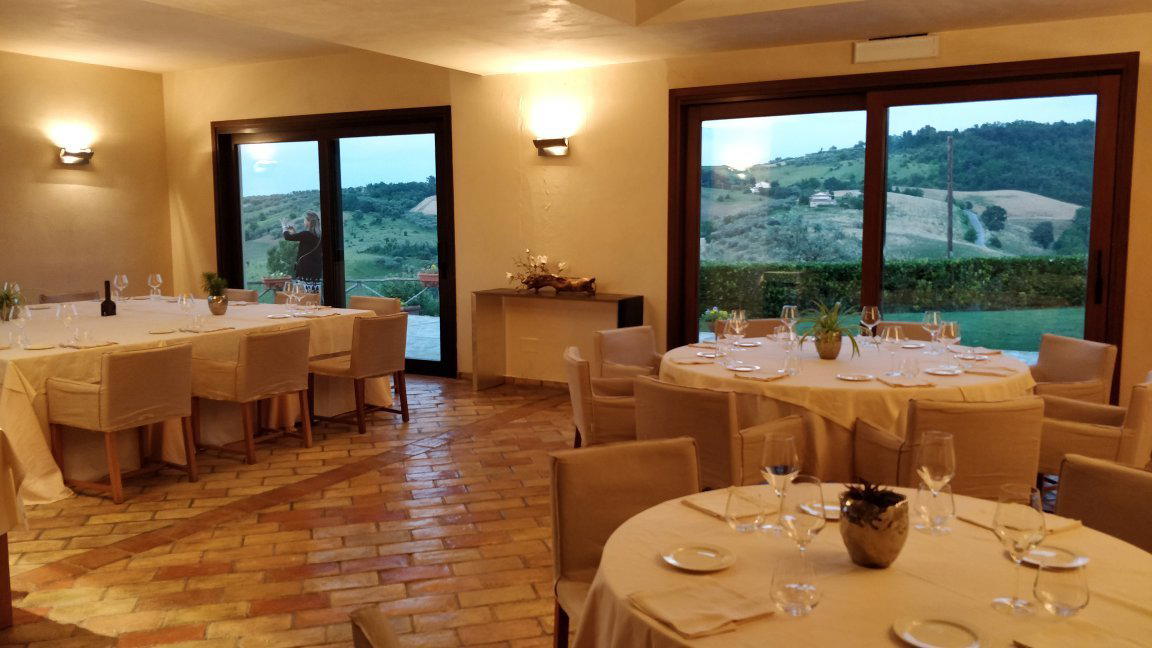
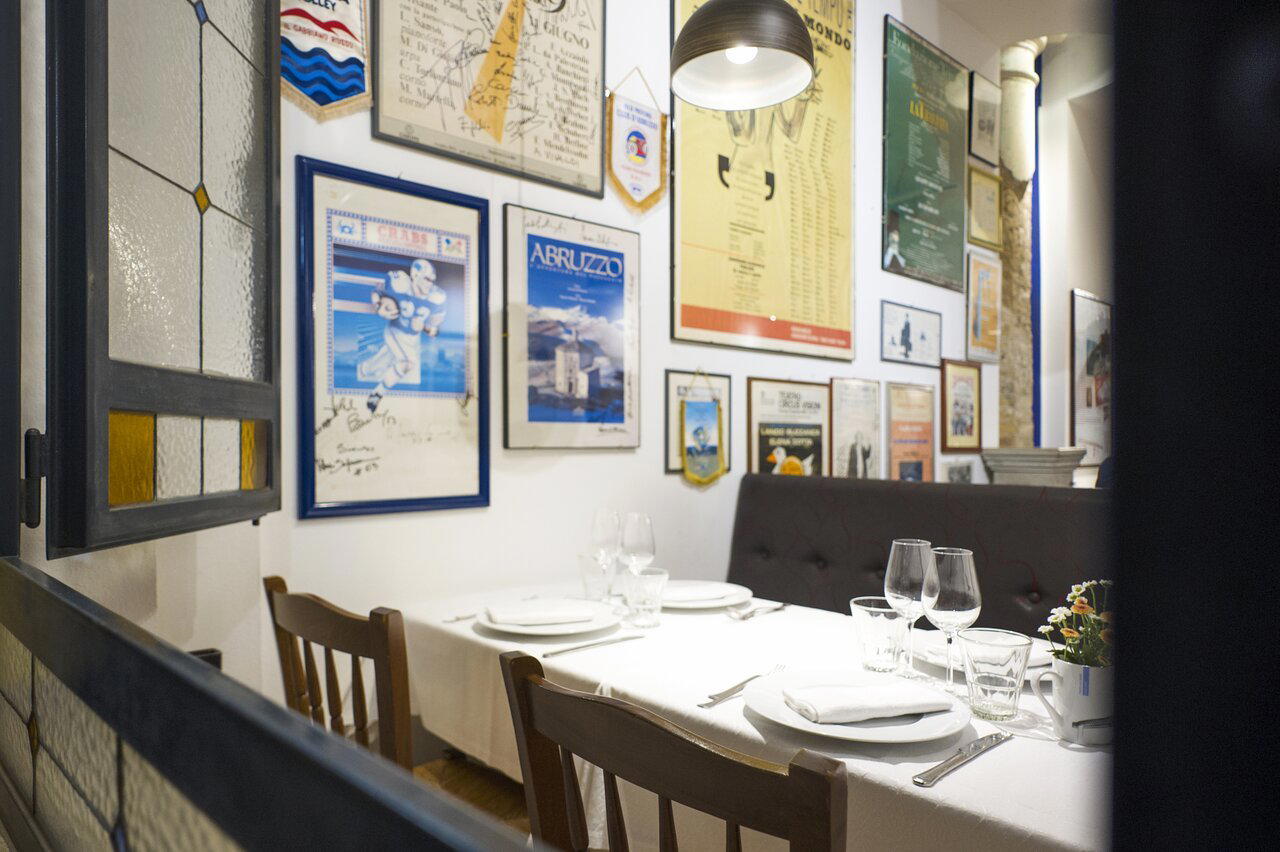
Hotels in Loreto Aprutino
Browse all →
At a Glance
- Rustic
- Quiet
- Classic
- Group Outing
- Wine Education
- Special Occasion
- Historic Building
- Estate Grounds
- Private Tasting
- Sustainable
- Vineyard
- Mountain
- Montepulciano D'abruzzo / Colline Pescaresi / Abruzzo IGP
- Montepulciano
- Trebbiano
- Cococciola
- Pecorino
- Still Red
- Still White
- Appointment Tasting
A historic, family-run winery with a sustainable ethos and a modernized production style that preserves ancestral DNA; the setting is rooted in Loreto Aprutino's agricultural landscape.