Château Tronquoy-Lalande

Château Tronquoy-Lalande belongs to the Saint-Estèphe conversation through gravel, clay, and a Merlot share that pushes against the appellation’s Cabernet-led stereotype. The estate, shortened to Château Tronquoy from the 2022 vintage, offers a useful lens on modern Médoc: old vineyard history, Cru Bourgeois standing, organic certification from 2024, and a red-wine profile built on structure without giving up generosity.
Pearl is the En Primeur Club membership app — saves, bookings, and concierge access live there. Same editors, same standards.
- Address
- Saint-Estèphe, Nouvelle-Aquitaine, Frankreich
- Directions
- Get directions
 Saves & bookings on Pearl
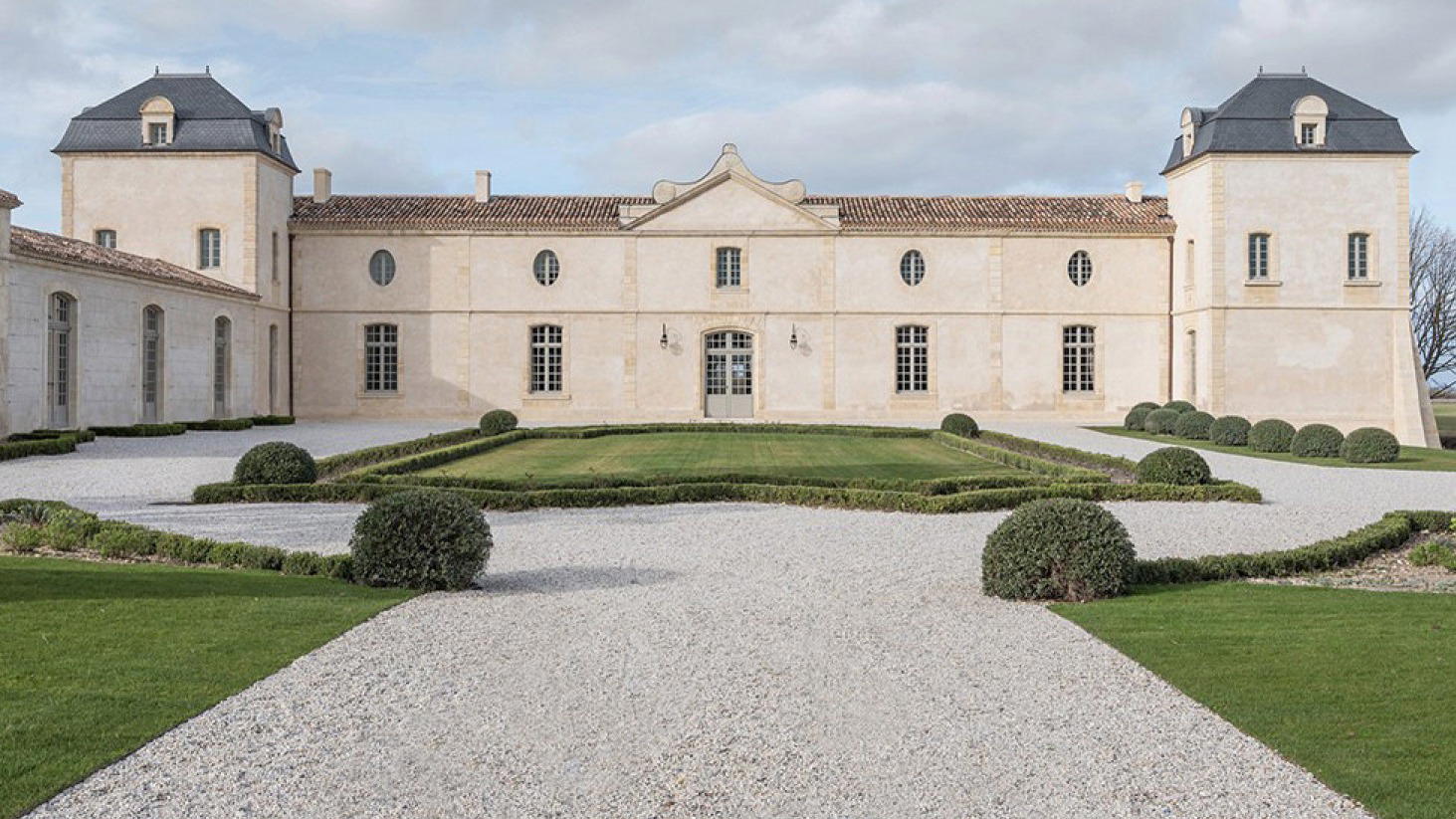
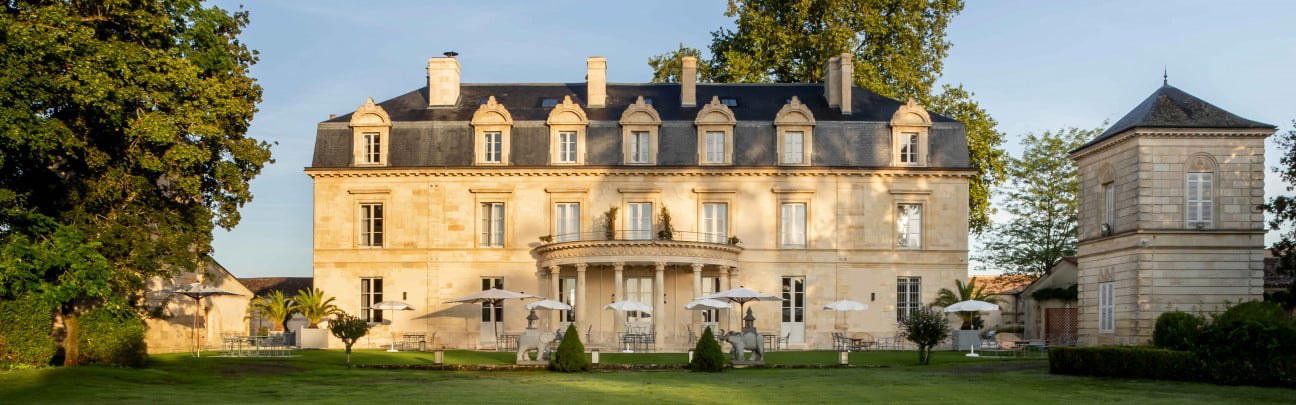
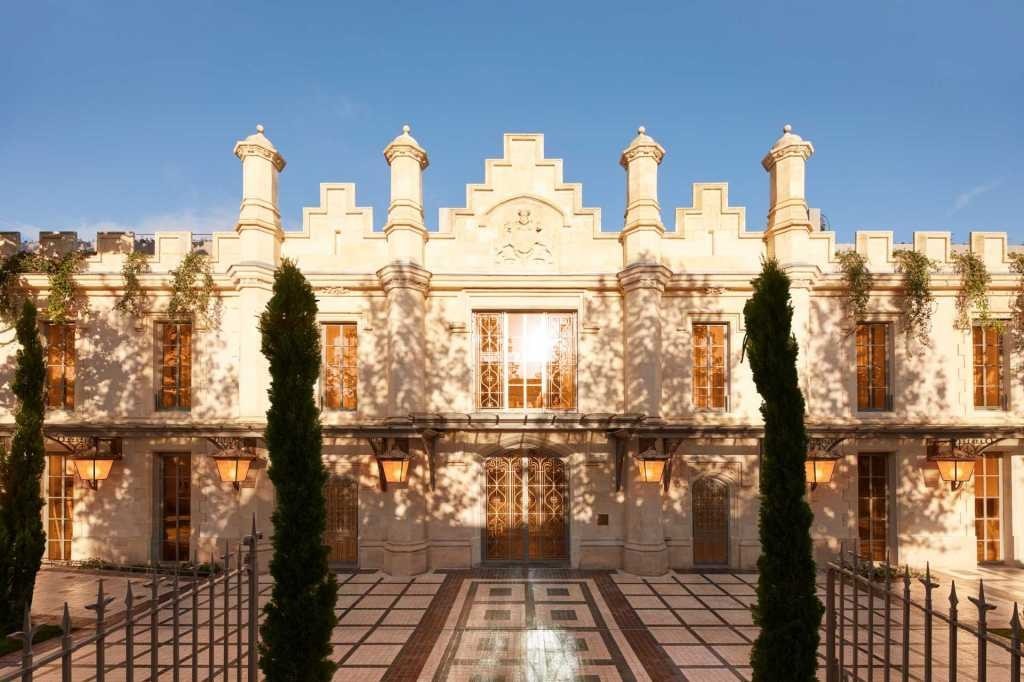
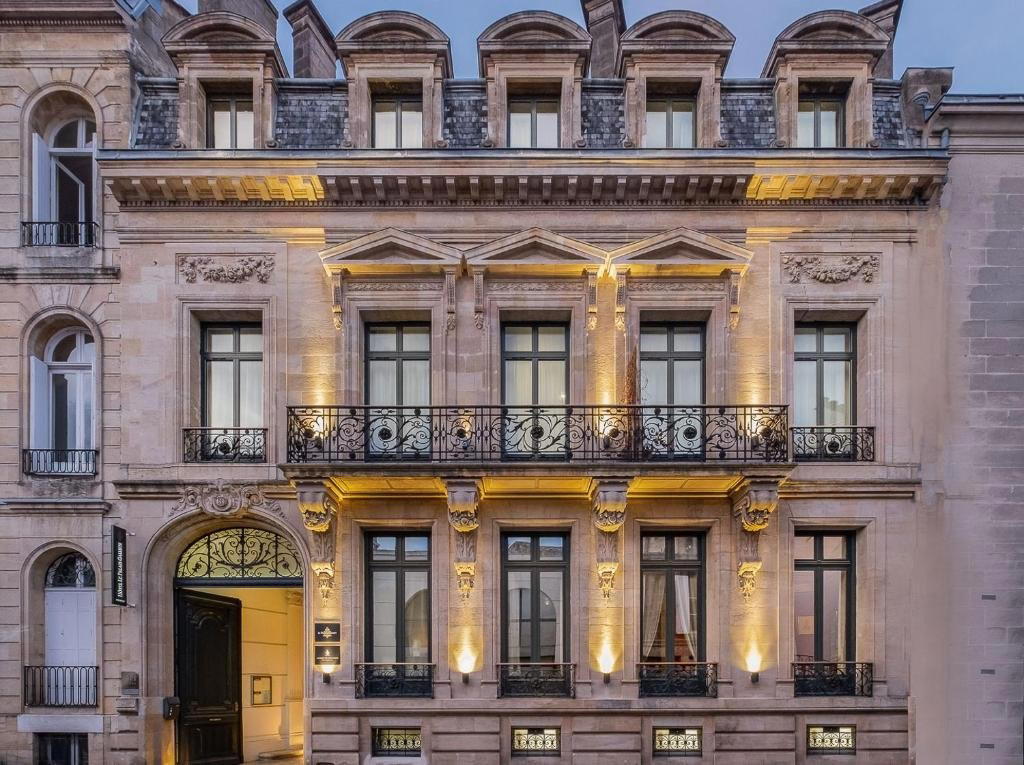
Château Tronquoy-Lalande is a historic Médoc estate in Saint-Estèphe, set among vineyards and defined by classic château architecture. The public details are intentionally limited: the venue is Château Tronquoy-Lalande in Saint-Estèphe, the listed price is $30 per person, and the setting is best understood as traditional, polished, and rooted in the surrounding vineyard landscape. On that basis, particularly useful reading is not to overfill the page with assumptions, but to let the known qualities do the work: a château environment, a Médoc address, and an atmosphere shaped by vines, stone, and a sense of local continuity.
Trade sources describe the estate’s wines as elegant and seductive, with a refined, harmonious character. That language supports a picture of a venue whose appeal is less about spectacle and more about a composed Saint-Estèphe sense of place. It suggests restraint, balance, and a certain quiet confidence rather than a destination built around novelty. For EP Club readers, that matters: the draw here is the coherence between place and mood, not a long list of amenities that has not been verified.
Saint-Estèphe setting and estate character
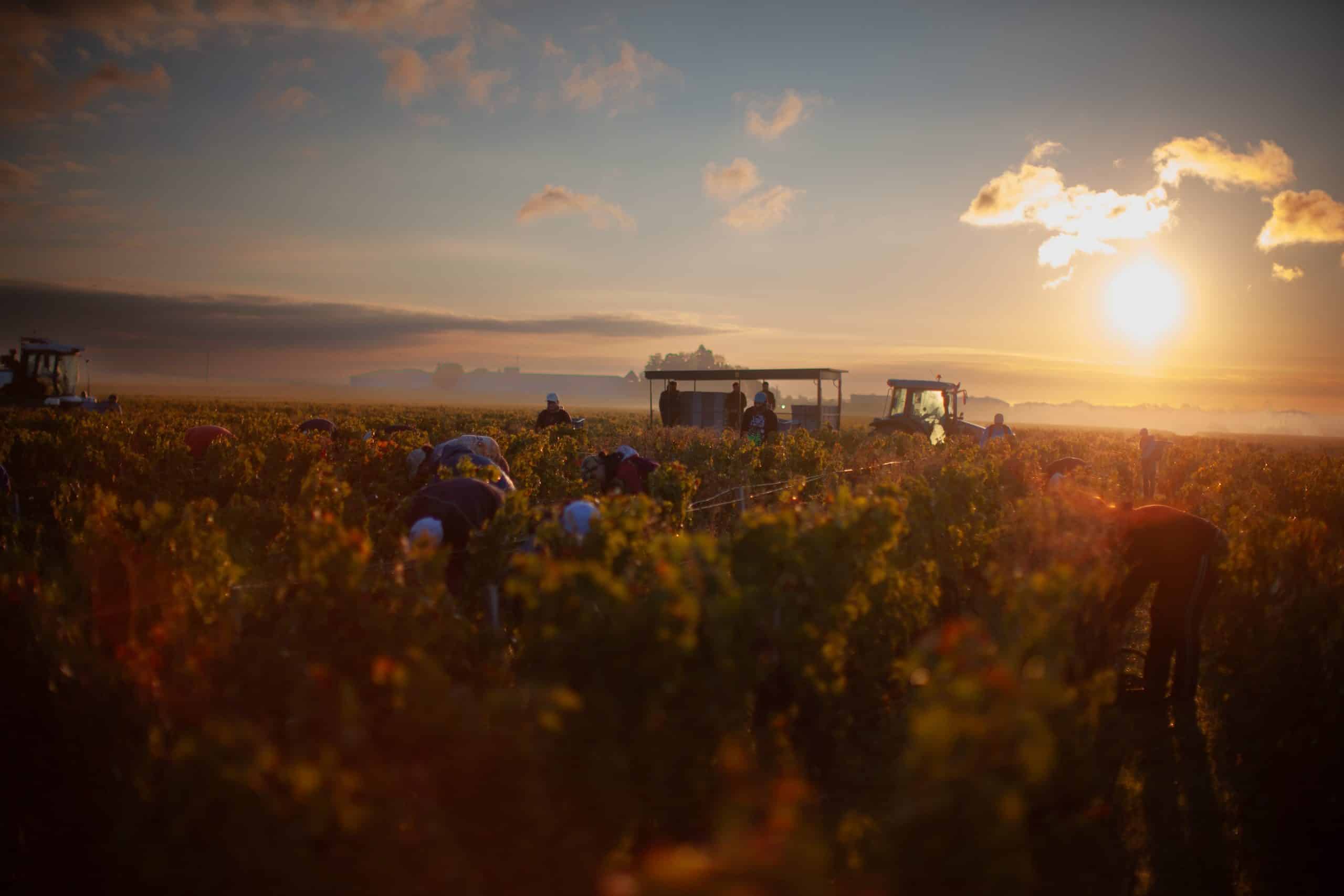
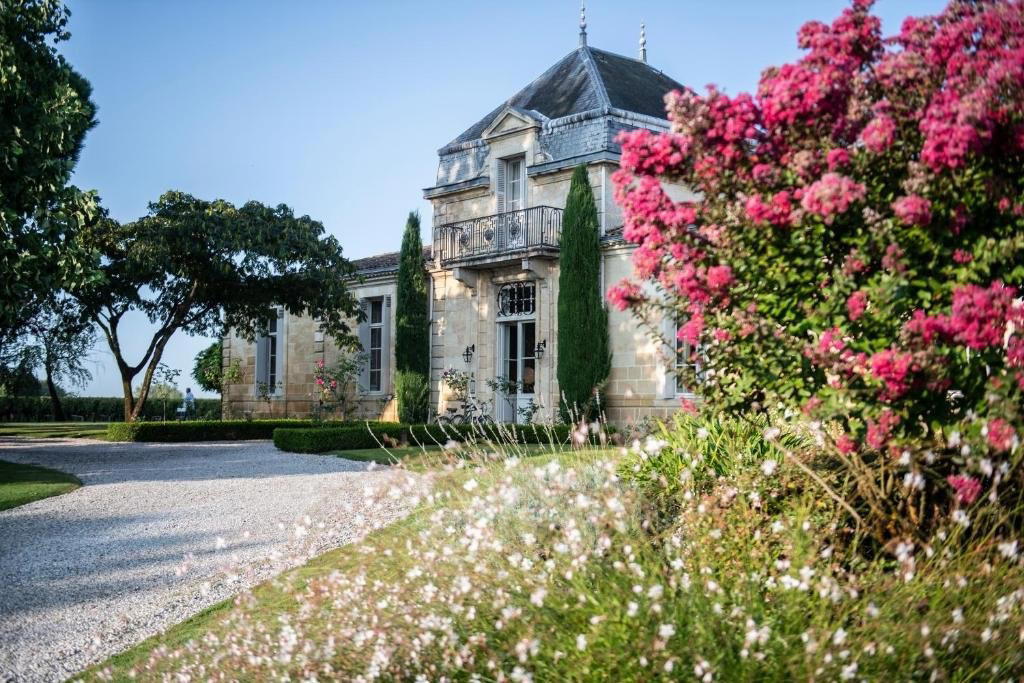
A reliable way to frame Château Tronquoy-Lalande is through its setting: a historic Médoc estate in Saint-Estèphe, surrounded by vineyards and marked by classic château architecture. The atmosphere suggested by the information is traditional yet polished, with an emphasis on refinement rather than informality. In practical editorial terms, that means the estate should be understood first as a vineyard-framed château setting, not as a generic restaurant or nightlife venue. The location and architecture carry much of the identity.
Saint-Estèphe gives the description its anchor. The winery’s public profile, as presented here, is therefore best read through atmosphere and place: historic, composed, and visually tied to the surrounding vines.
What can be said is that winery belongs to the Saint-Estèphe landscape and is associated by trade sources with elegant, harmonious wines. The phrasing is important because it avoids promising a specific format while still giving readers a useful expectation. Elegant and harmonious are not operational guarantees; they are cues to style and tone. They point toward a refined experience, one that likely appeals to visitors who value a measured estate setting over a more casual or entertainment-led address.
A historic Médoc estate with a polished atmosphere
The winery’s strongest identity is architectural and atmospheric: a classic château estate surrounded by vineyards in Saint-Estèphe. For visitors comparing options in the area, it reads as a traditional Médoc setting rather than a casual urban venue. That distinction is useful because it sets the mood before any practical detail is considered. The emphasis is on heritage, order, and the visual calm of an estate landscape, rather than on bustle, informality, or a heavily programmed experience.
The listed price of $30 per person gives a simple reference point, but it should be handled carefully. Treat the price as a general per-person cost, not as evidence of a specific experience unless confirmed directly with the venue. A number on its own does not confirm what is included, how a visit is structured, or whether the offer changes. It is helpful for orientation, but not sufficient for planning without direct verification.
For readers mapping the commune, it is safest to place the winery within the broader context of Saint-Estèphe and other local dining or wine-related options in general terms, rather than relying on comparisons or named venues. Keeping the focus there avoids false precision and gives the venue a clearer editorial shape.
That restraint is part of the appeal. A polished château setting does not need to be oversold with claims that are not documented. The available information already suggests a coherent experience: a place where the surroundings, the architecture, and the wine vocabulary all point in the same direction. Visitors drawn to Saint-Estèphe for its estate atmosphere will likely understand the attraction from those elements alone.
How to read the visit
A visit to the winery should be approached as time at a historic Saint-Estèphe estate with a refined, vineyard-framed atmosphere. The description points to classic Médoc architecture, a traditional yet polished mood, and wines described by trade sources as elegant, seductive, refined, and harmonious. Those are the safest expectations to carry in: a setting shaped by the château and its vineyards, and an overall tone that is composed rather than showy.
It is also worth reading the venue with a little patience. The limited public detail means the experience should not be pinned to assumptions about menus, formats, service style, or inclusions. Instead, the confirmed picture is simpler and more reliable: the winery is a Saint-Estèphe estate with historic character, classic architecture, and a refined wine identity. That is enough to define the mood, even if it does not define every practical step of a visit.
Confirm any operational details directly before planning around them. Strong use of this listing is as a concise, atmosphere-led orientation: expect a traditional Médoc château context, note the listed $30 per-person reference, and rely on the estate’s Saint-Estèphe setting as the central reason to pay attention.
Recognition history
Dated appearances from independent guides and award organizations, with the underlying list record or original source where available.
Falstaff Winery - 1 Stars
Falstaff
Continue exploring
More in Saint-Estèphe
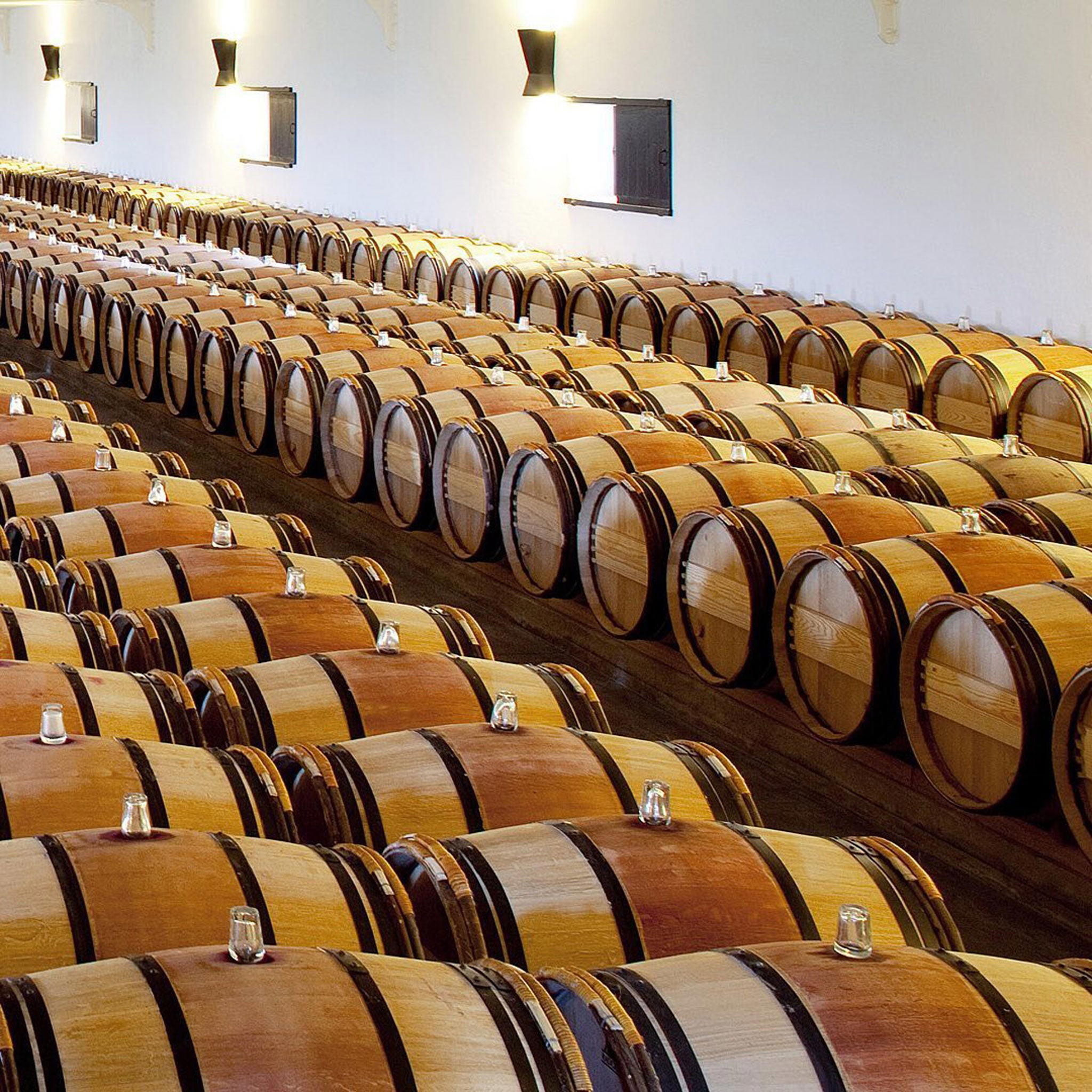
Wineries in Saint-Estèphe
Browse all →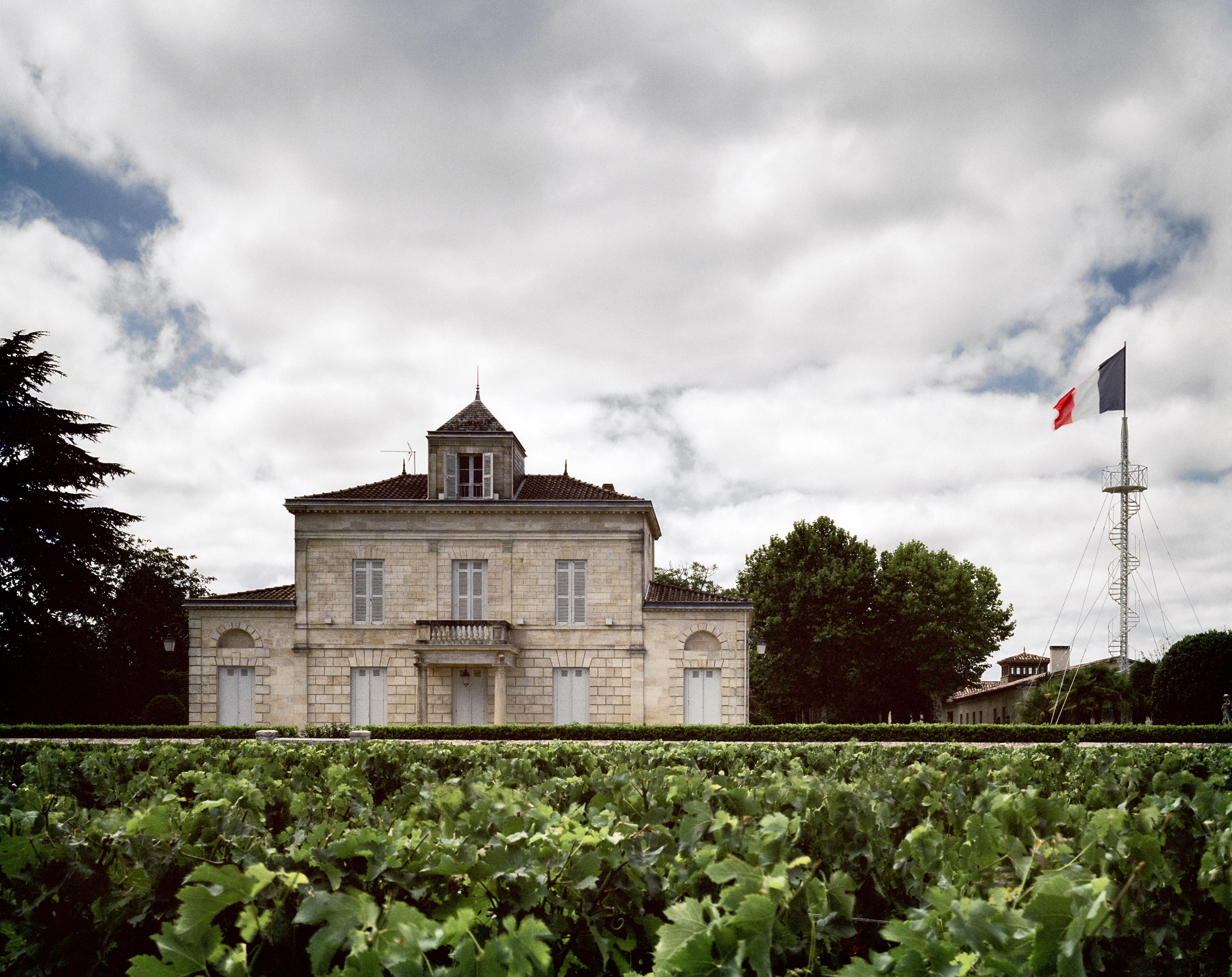
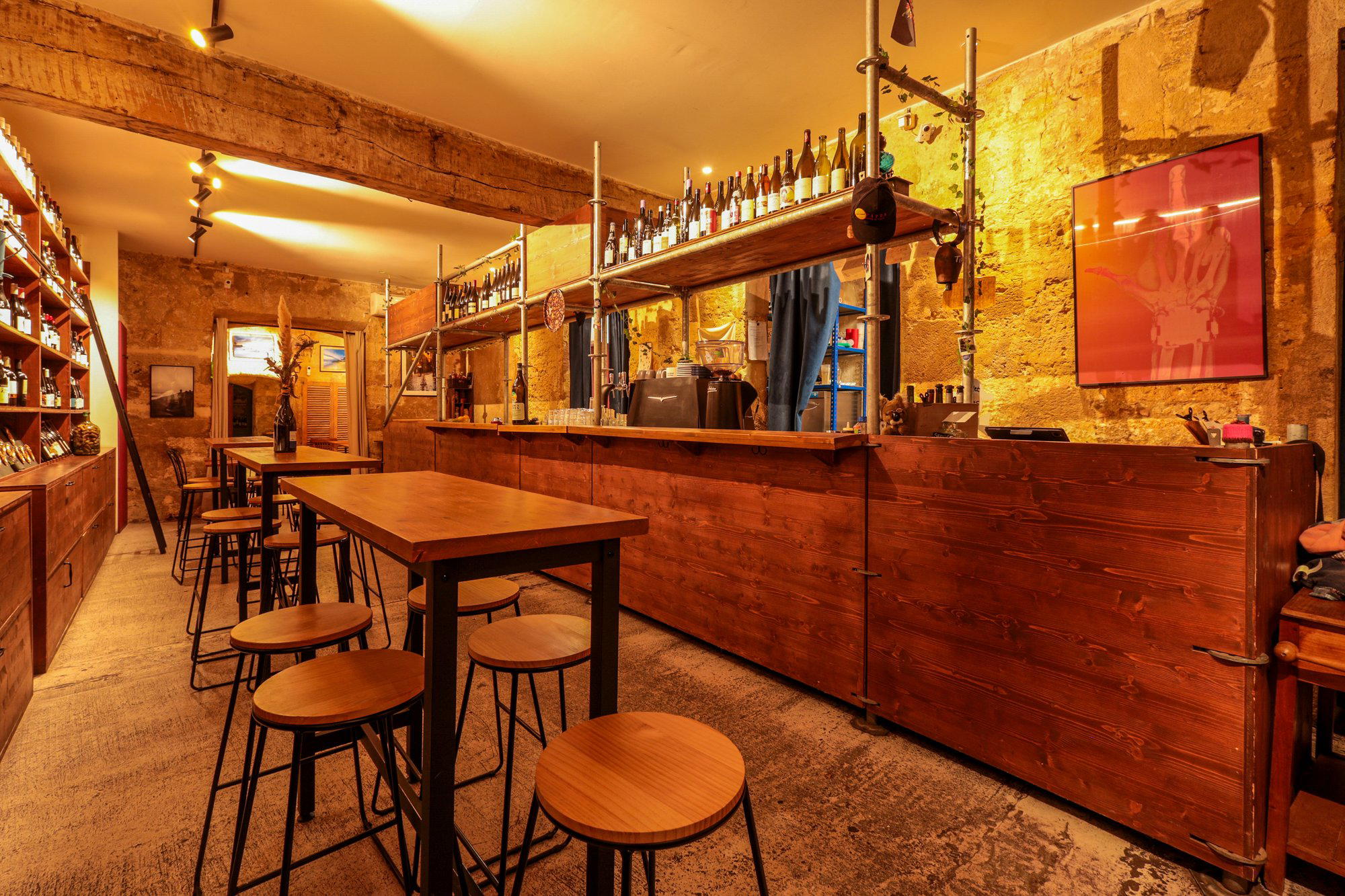
Bars in Saint-Estèphe
Browse all →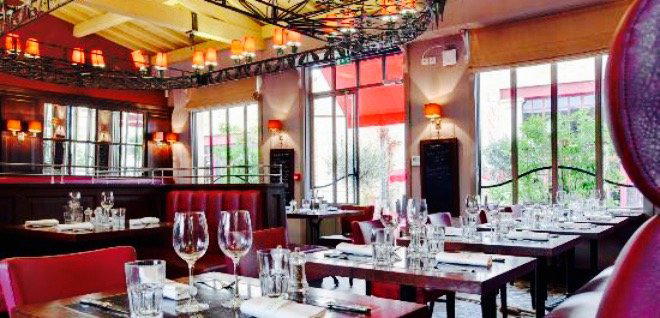
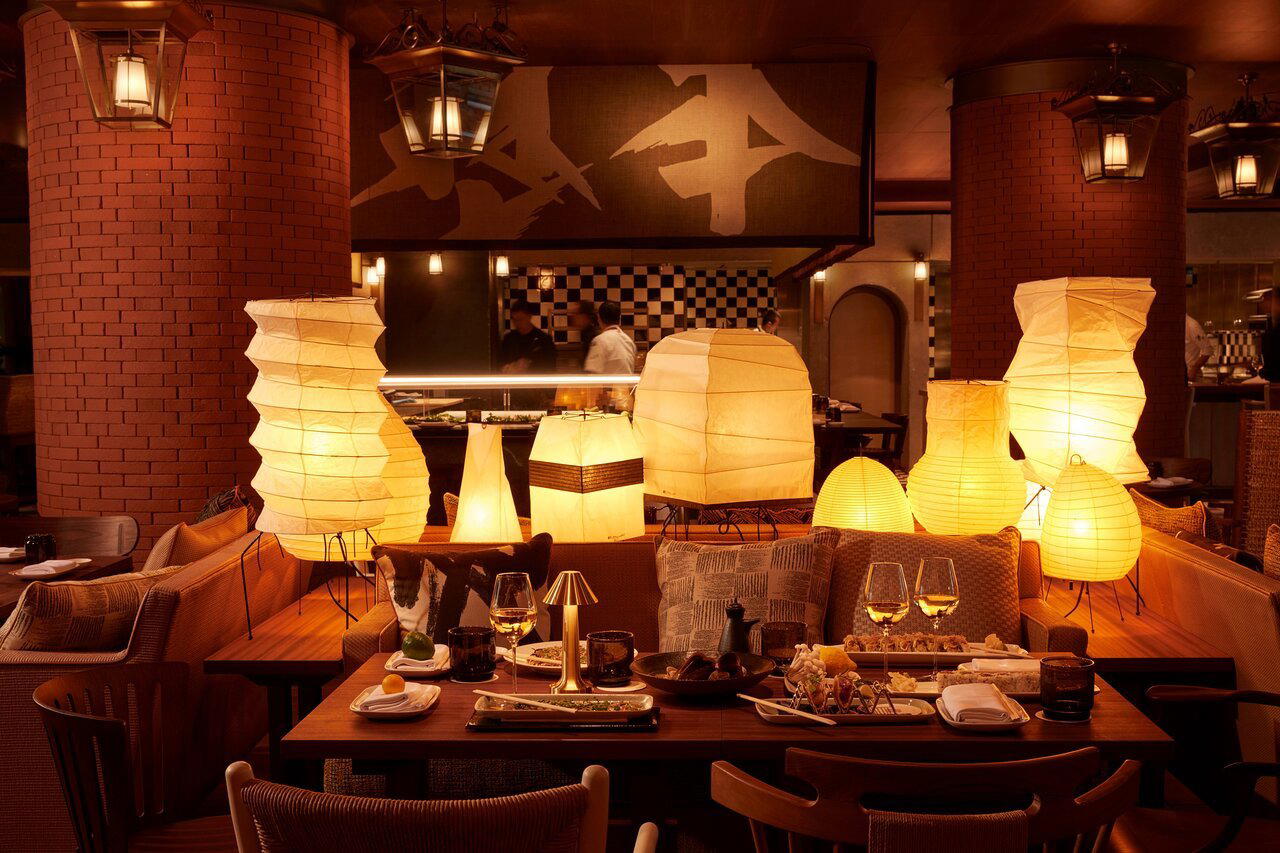

Restaurants in Saint-Estèphe
Browse all →

At a Glance
- Classic
- Scenic
- Elegant
- Wine Education
- Group Outing
- Romantic Getaway
- Solo Exploration
- Estate Grounds
- Vineyard Tour
- Historic Building
- Private Tasting
- Organic
- Vineyard
- Saint Estèphe AOC
- Merlot
- Cabernet Sauvignon
- Cabernet Franc
- Petit Verdot
- Semillon
- Sauvignon Gris
- Still Red
- Still White
- Standard Tasting
- Tour And Tasting
- Technical Tasting
Historic Médoc estate setting with classic château architecture, surrounded by vineyards and described by trade sources as producing elegant, seductive wines with refined, harmonious character that reflects a traditional yet polished atmosphere.