Château Tour des Termes

Château Tour des Termes gives Saint-Estèphe a Merlot-led reading of Médoc structure: dark-fruited, polished, and grounded in gravel with clay-limestone depth. The estate’s Cru Bourgeois Supérieur status, 35 hectares of vines, and sustainability certifications make it a useful address for readers tracking Bordeaux beyond the classified-growth hierarchy.
Pearl is the En Primeur Club membership app — saves, bookings, and concierge access live there. Same editors, same standards.
- Address
- Château Tour des Termes, 2 Rue du Pigeonnier, 33180 Saint-Estèphe, France
- Phone
- +33 5 56 59 32 89
- Website
- chateautourdestermes.com
- Directions
- Get directions
 Saves & bookings on Pearl
Saint-Estèphe announces itself through weight: gravel underfoot, estuary air, clay that holds water when the Médoc turns dry. Château Tour des Termes belongs to that stern northern Médoc idiom, but its profile is less Cabernet-dominated than the appellation stereotype suggests. The estate’s identity turns on Merlot, which accounts for 60% of plantings, with Cabernet Sauvignon at 30%, Cabernet Franc and Petit Verdot at 5% each. In a commune associated with firm Cabernet architecture, that proportion changes the conversation: texture becomes as important as grip.
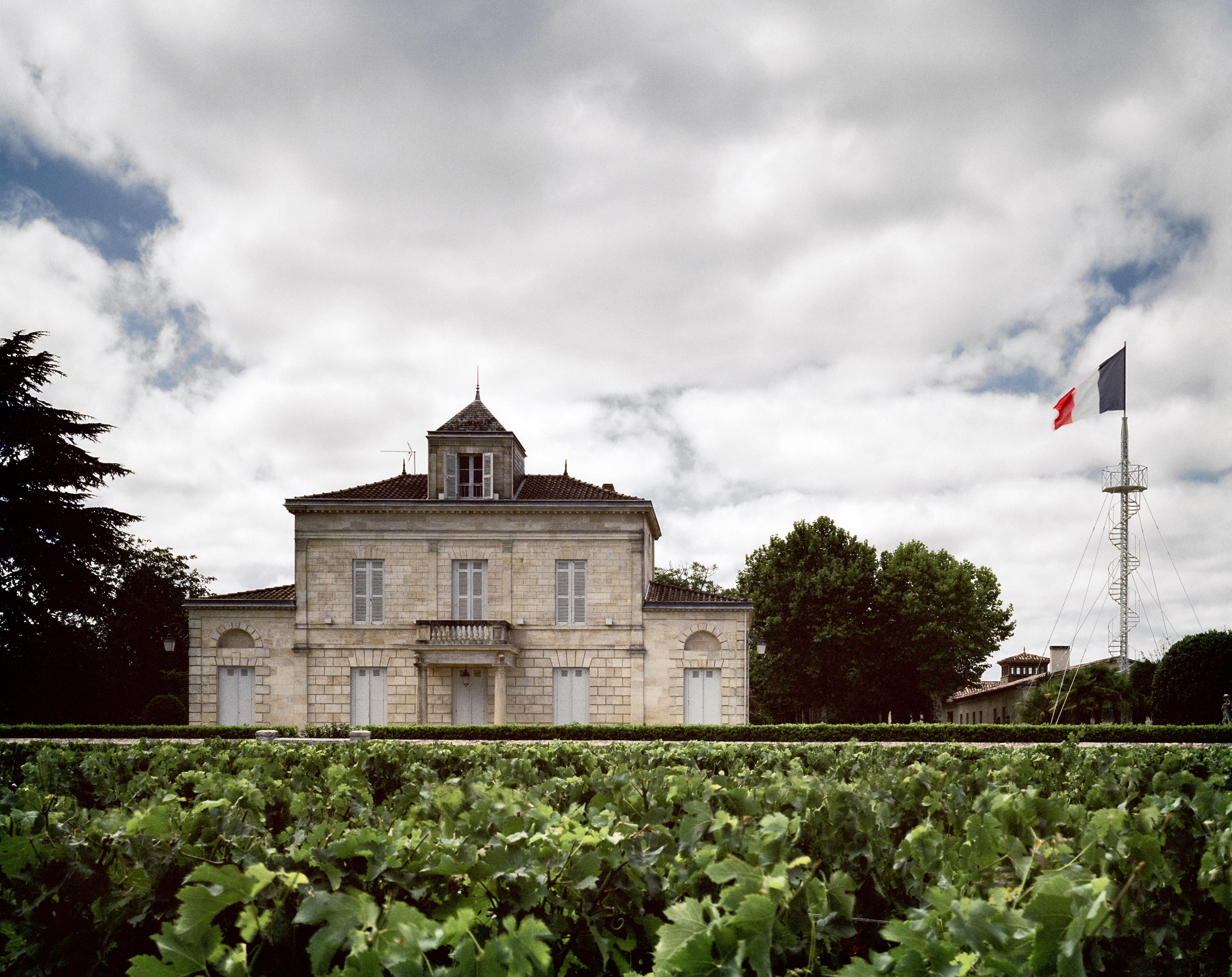
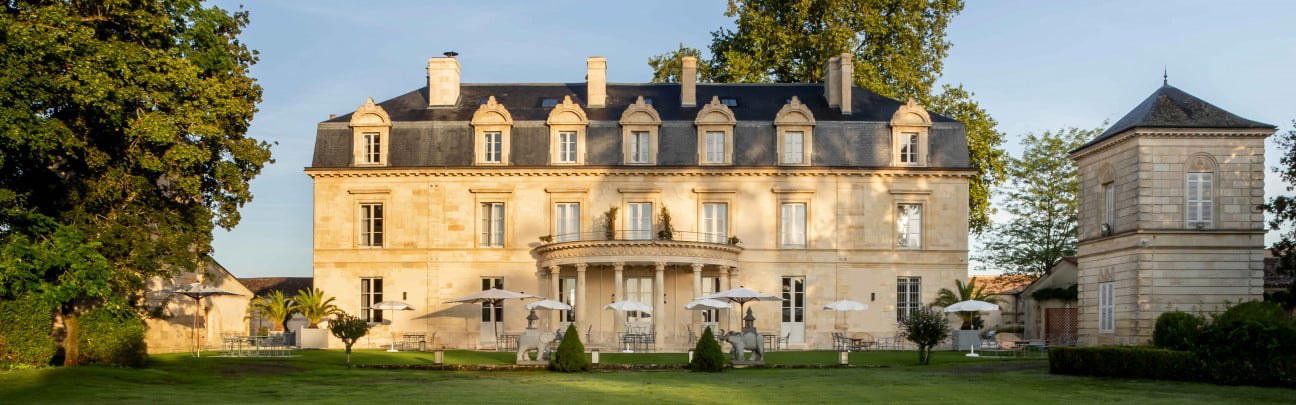
The setting is an old Saint-Estèphe estate tied to the Les Termes parcel and its ancient tower, a local marker associated with the edge of land before the sea. That history matters less as romance than as geography. Between the Atlantic influence and the Gironde, the vines sit in a moderated zone where surrounding prairies, forests, and agricultural land contribute to the estate’s biodiversity. For readers mapping the appellation through producers, Our full Saint-Estèphe wineries guide is the natural starting point, while nearby estate pages such as Château Andron Blanquet, Château Beau-Site, Château Calon Ségur, Château Capbern Gasqueton, and Château Clauzet help situate the broader commune.
Merlot softens the Saint-Estèphe frame without removing its spine
The core lesson here is soil-to-blend logic. The vineyard covers 35 hectares, with an average vine age of 40 years, on a mix of one-third gravel and two-thirds clay-limestone. Gravel gives drainage and classic Médoc definition; clay-limestone retains moisture and supports the Merlot emphasis. The result is not a break from Saint-Estèphe, but a different register of it: still red Bordeaux, still built for structure, but with a rounder center than a more Cabernet-led reading of the commune.
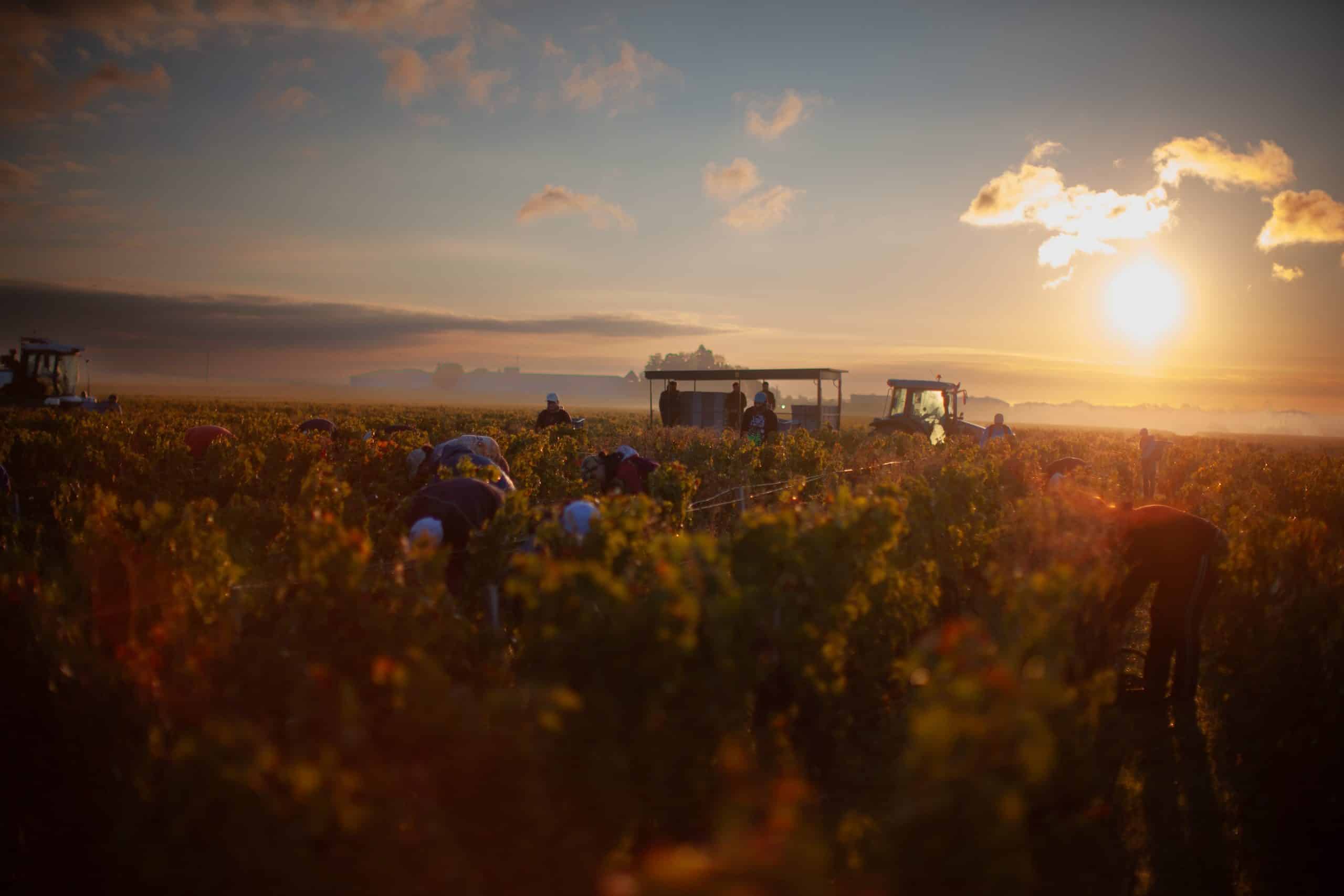
Only about half of the harvest goes into the grand vin, drawn from a 15-hectare parcel with vines aged roughly 40 to 50 years. That selection practice places the wine in the quality-minded Cru Bourgeois conversation rather than the volume-led end of the market. The estate was classified Cru Bourgeois Supérieur in 2020, a useful trust signal because the category depends on assessment across multiple vintages rather than a single release. For collectors who do not want every Médoc decision filtered through 1855 classifications, this is exactly where the appellation becomes interesting.
The 2018 vintage gives the clearest public benchmark: 60% Merlot, 30% Cabernet Sauvignon, 5% Cabernet Franc, 5% Petit Verdot, 13.5% alcohol, and 93 points from James Suckling. Hachette Vins also gave the 2021 vintage a 1 étoile rating, another signal that the estate’s recent reputation is not resting on one bottling. Those markers matter because Saint-Estèphe can be unforgiving when fruit, tannin, and extraction fall out of line. Here, the evidence points toward a polished, dark-fruited style with enough structure to remain recognisably northern Médoc.
Sustainability is part of the vineyard argument, not a side note
Bordeaux’s environmental conversation has moved from marketing language to vineyard risk management. Drier summers, heat spikes, and disease pressure all make certification more than a badge. Château Tour des Termes holds Terra Vitis and HEV3 certification, and it is a Silver Member of International Wineries for Climate Action. Those signals are relevant because the estate’s pitch depends on the health of its 35 hectares, not on a visitor spectacle or a restaurant-led hospitality model.
The ownership change in 2023, when Dr. Eddie O’Connor acquired the estate, adds another contemporary layer. The Anney family legacy reaches back through generations of Médoc viticulture, with Pierre Anney purchasing the château, tower, and vineyards in 1938, and Jean and Christophe Anney shaping its modern era from 1979. That continuity gives the estate historical grounding; the newer climate-focused direction gives it current relevance. The editorial point is not a family saga, but a shift visible across Bordeaux: serious unclassified estates are being judged by farming standards, carbon commitments, and consistency as much as by château mythology.
Cross-border readers may also find useful contrast in »der Steiner« Hans Steiner in Podersdorf am See and & Handwein in Mannheim, not as stylistic peers, but as reminders that European wine travel now often turns on farming, scale, and site specificity.
How to read the experience before planning a visit
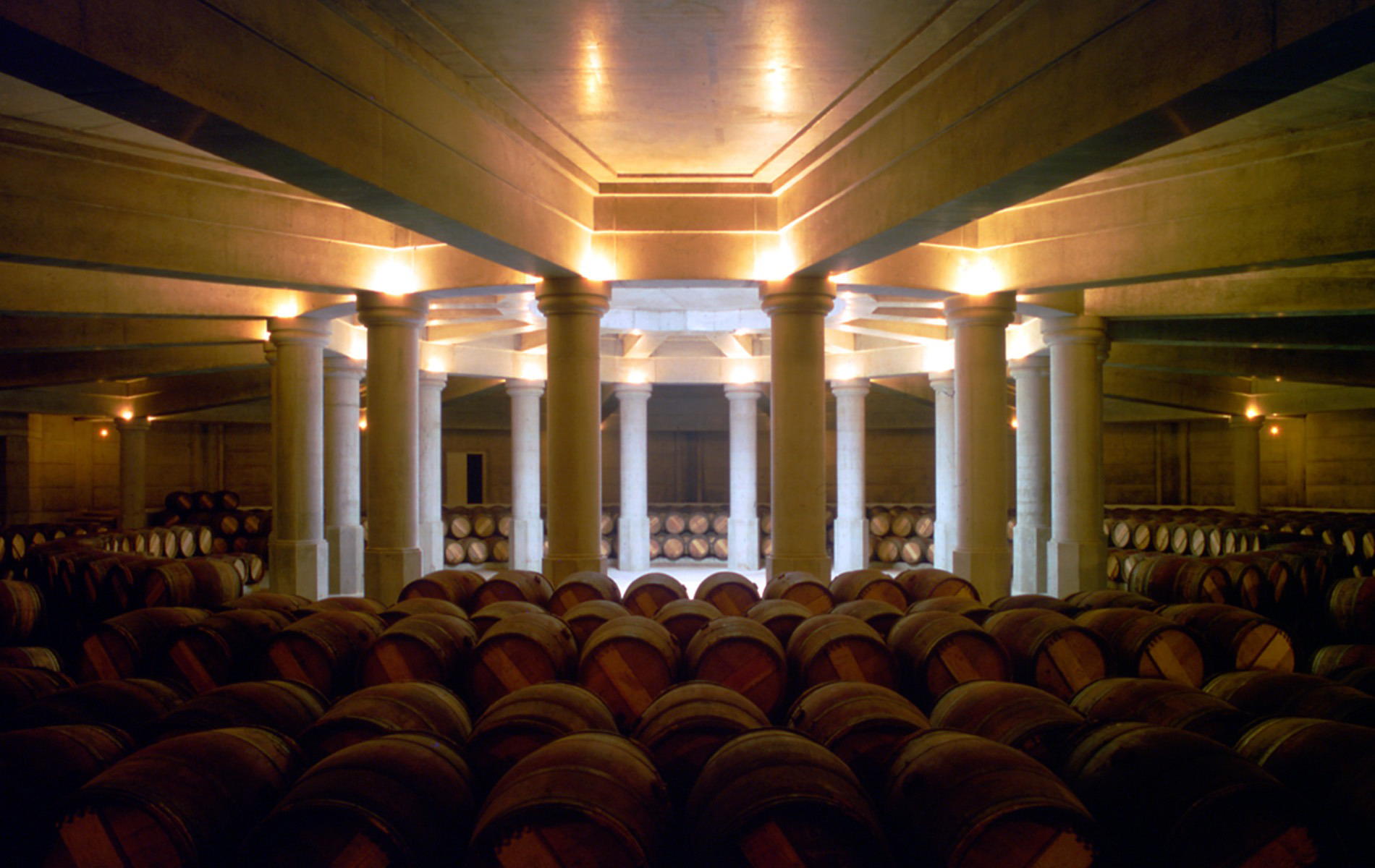
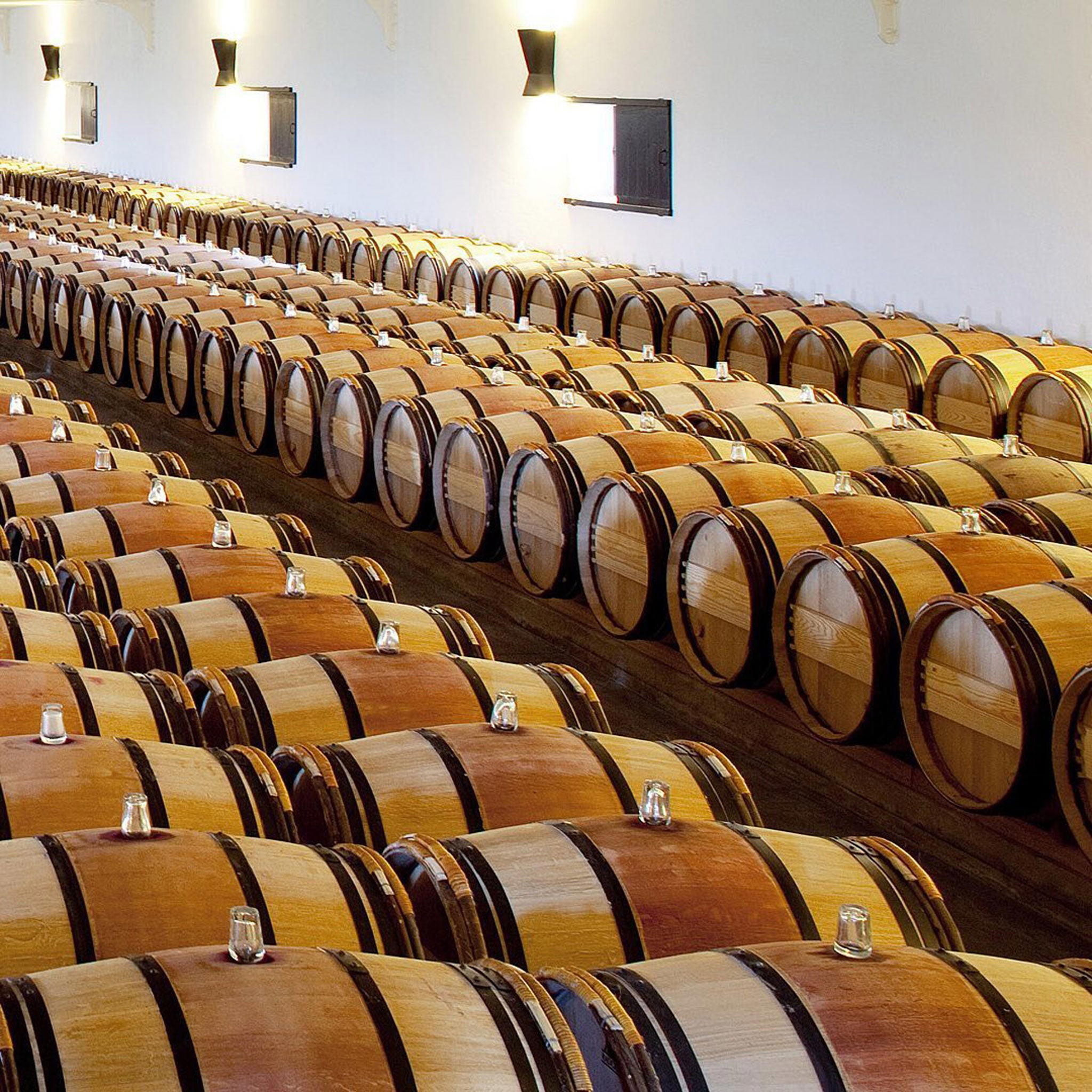
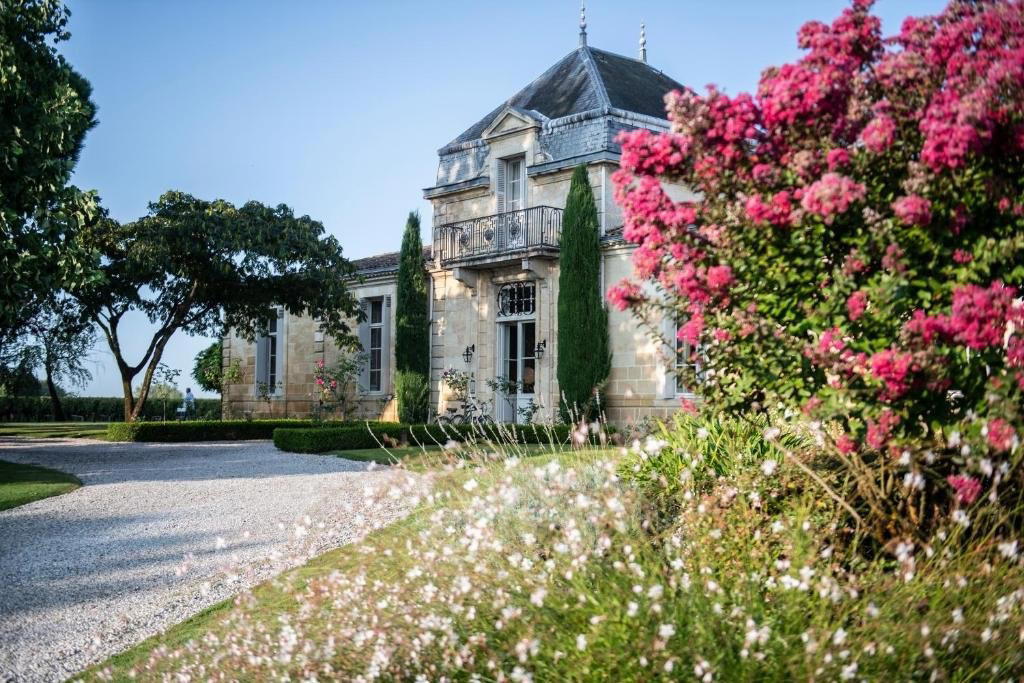
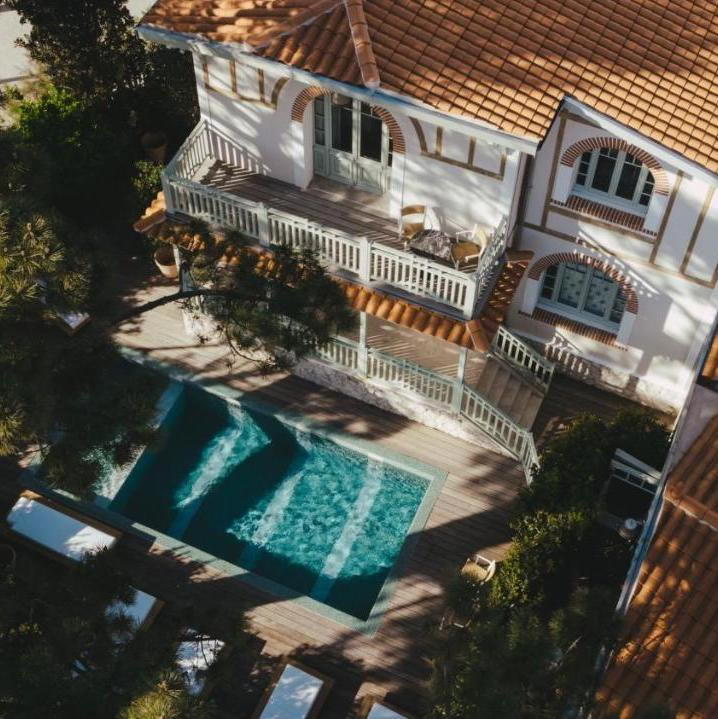
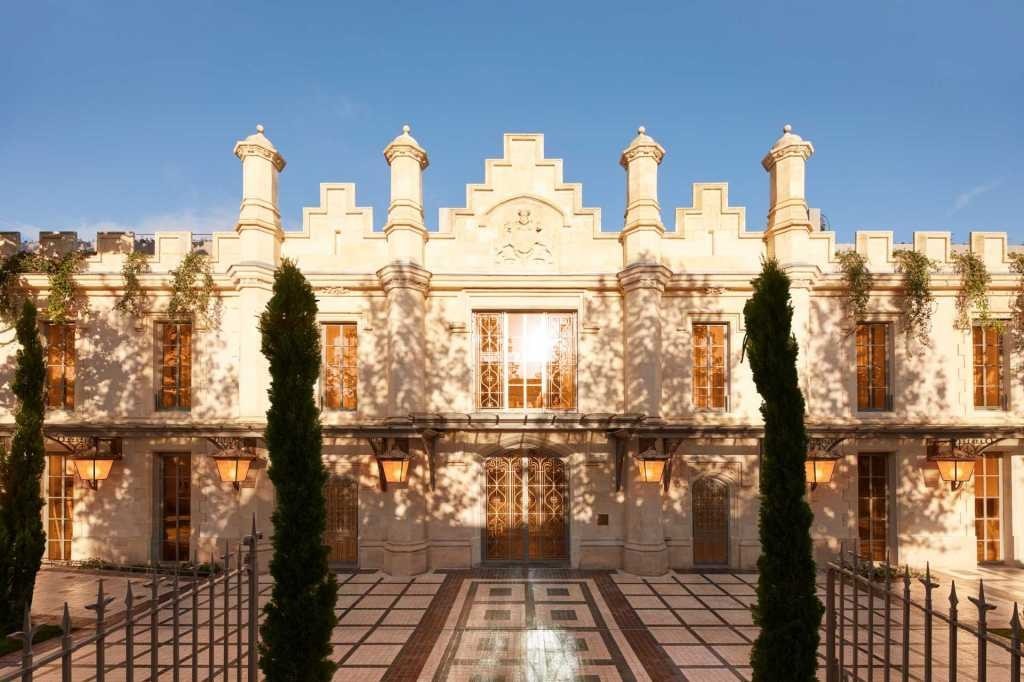
The useful way to approach Château Tour des Termes is as a production-led Saint-Estèphe estate rather than a leisure compound. The atmosphere is quiet, classic, and vineyard-driven; the draw is the red wine profile, the old tower narrative, and the chance to understand how Merlot behaves on this patch of northern Médoc soil. Private tasting and by-the-bottle tasting formats are associated with the estate, with French and English listed for tours, but the editorial priority remains the bottle rather than a staged hospitality performance.
Saint-Estèphe itself rewards a slower circuit. Wine is the anchor, but dining, lodging, bars, and cultural stops shape how the appellation works as a destination rather than a cellar checklist. Readers building a fuller stay can pair this with Our full Saint-Estèphe restaurants guide, Our full Saint-Estèphe hotels guide, Our full Saint-Estèphe bars guide, and Our full Saint-Estèphe experiences guide. The reason to include this estate in that map is clear: it shows Saint-Estèphe through clay-limestone depth, mature vines, and a Merlot-led blend that broadens the commune’s usual Cabernet frame.
Recognition history
Dated appearances from independent guides and award organizations, with the underlying list record or original source where available.
Falstaff Winery - Listed
Falstaff
Continue exploring
More in Saint-Estèphe
Wineries in Saint-Estèphe
Browse all →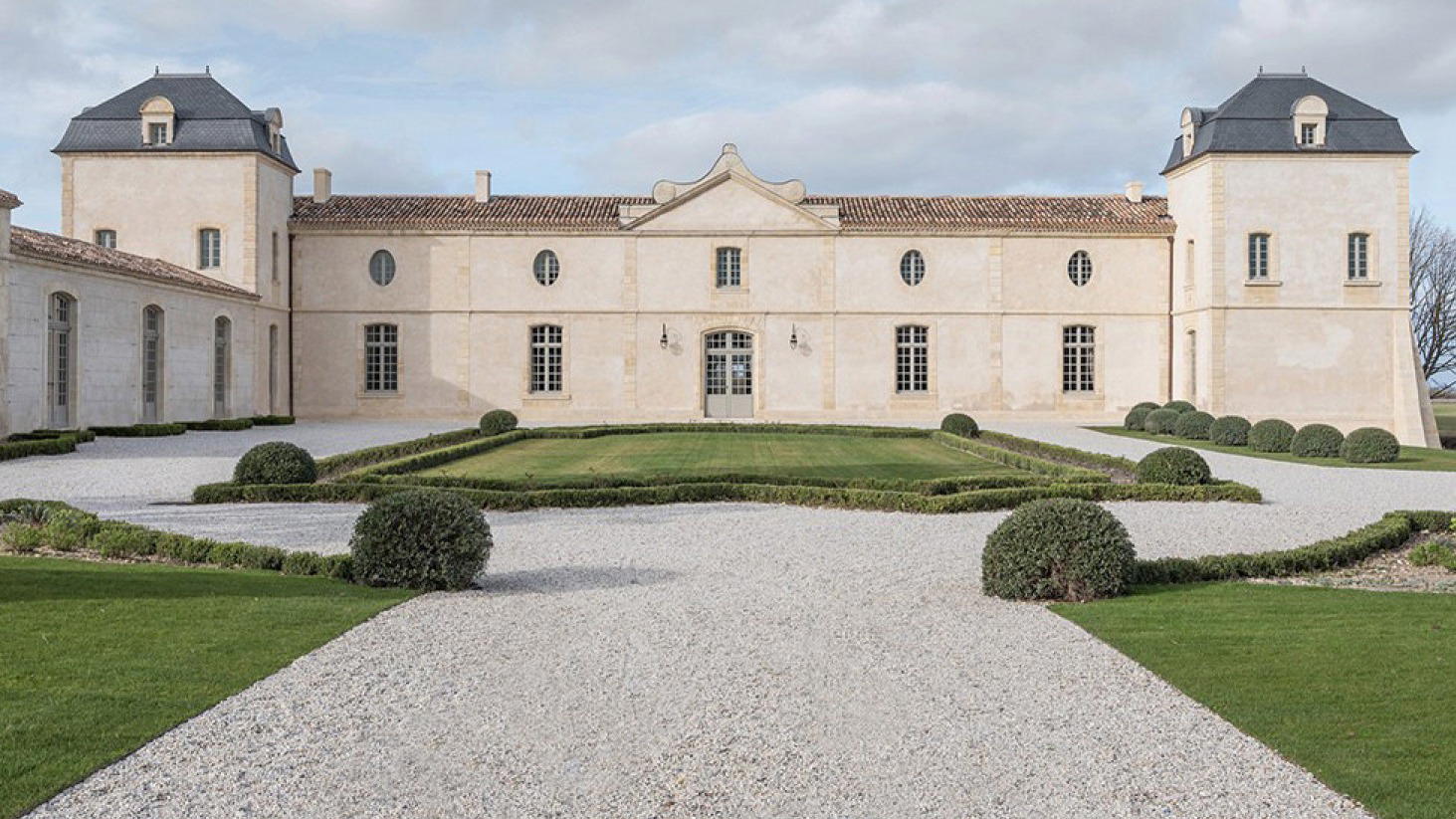
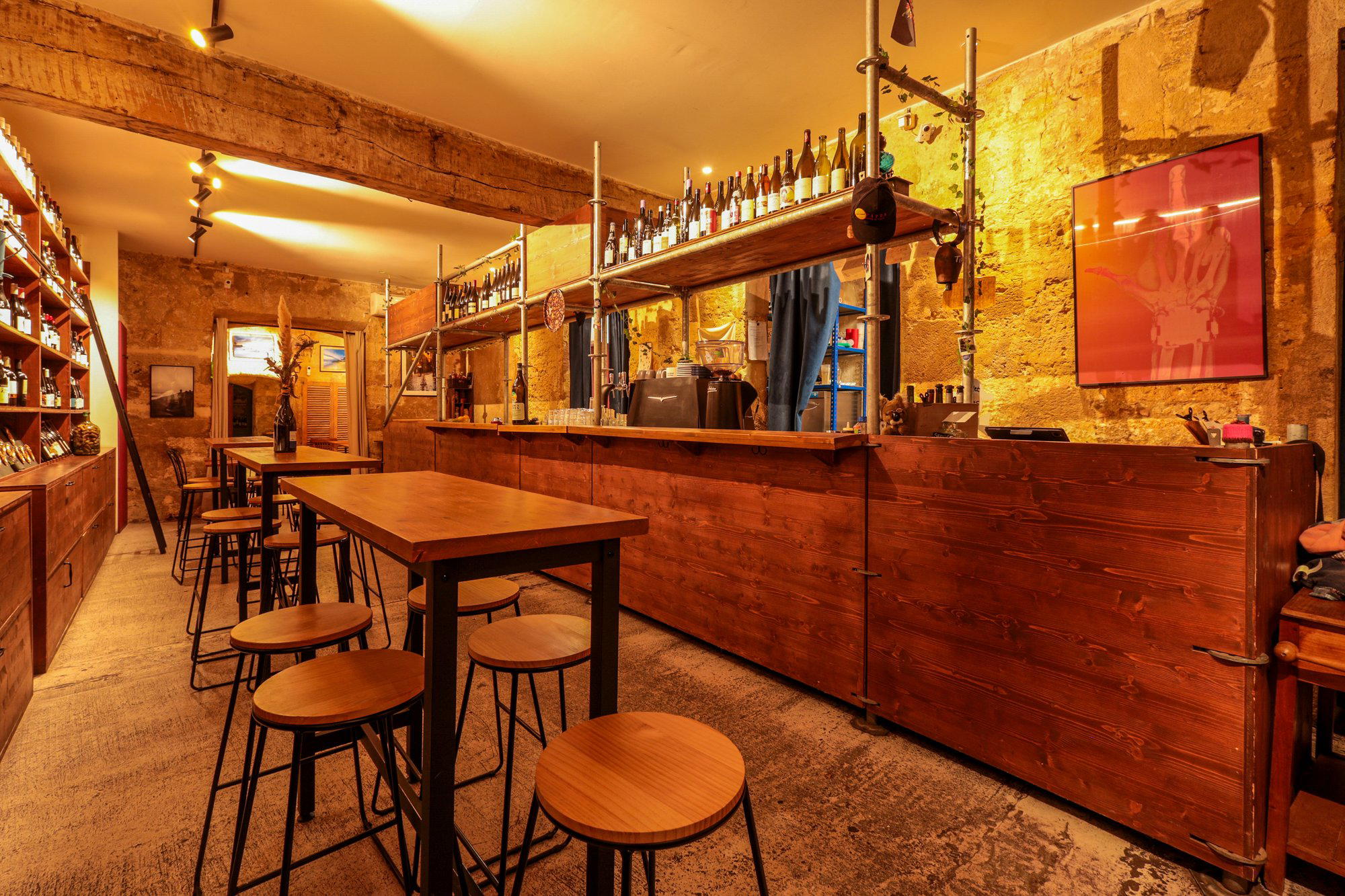
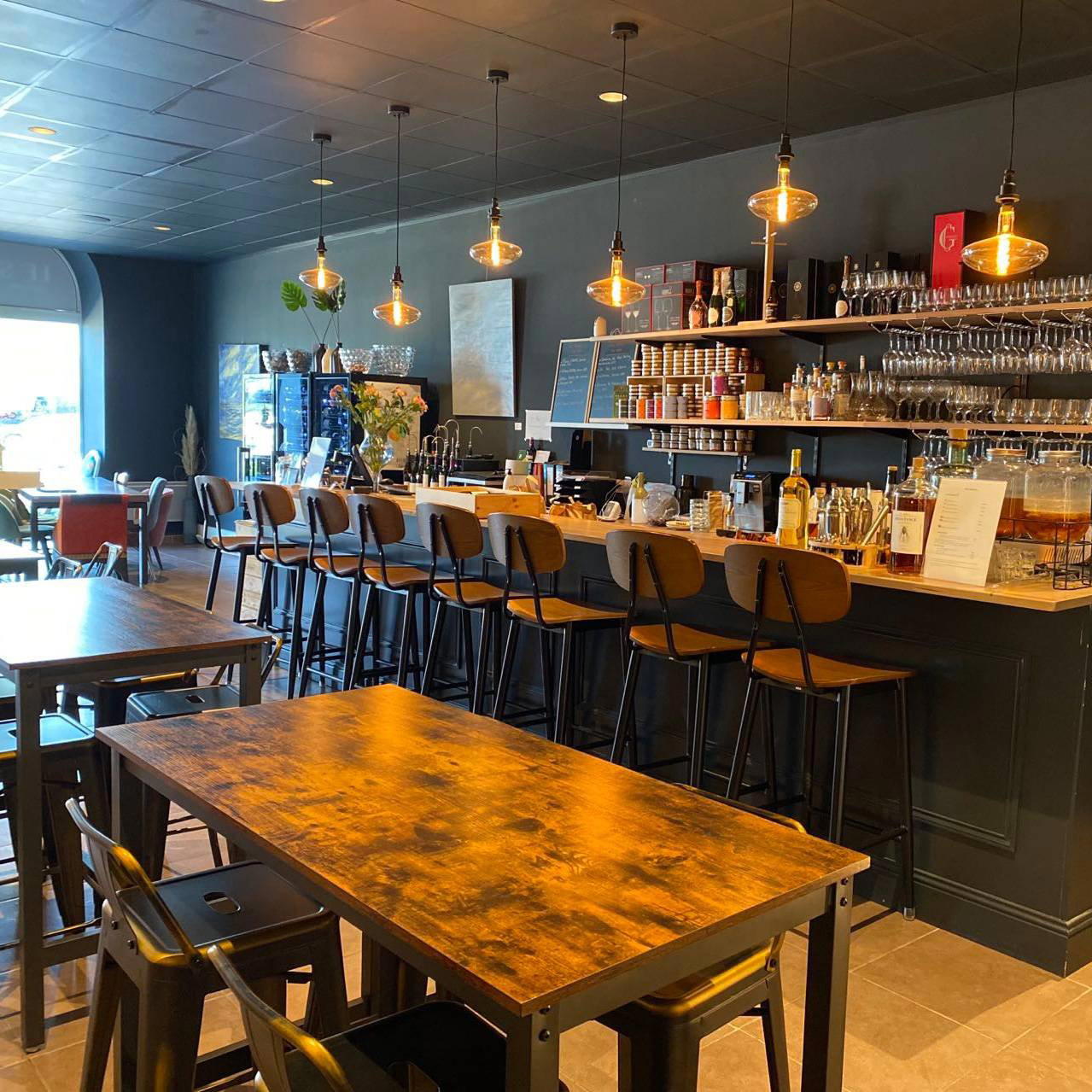
Bars in Saint-Estèphe
Browse all →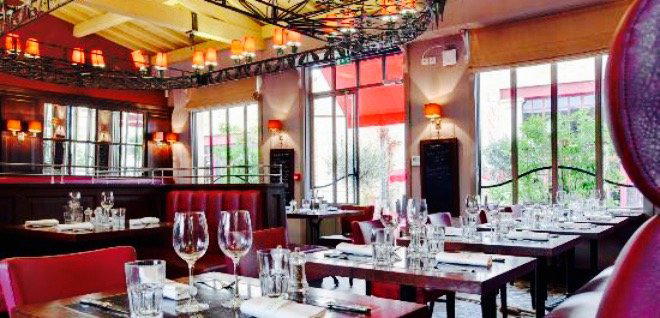
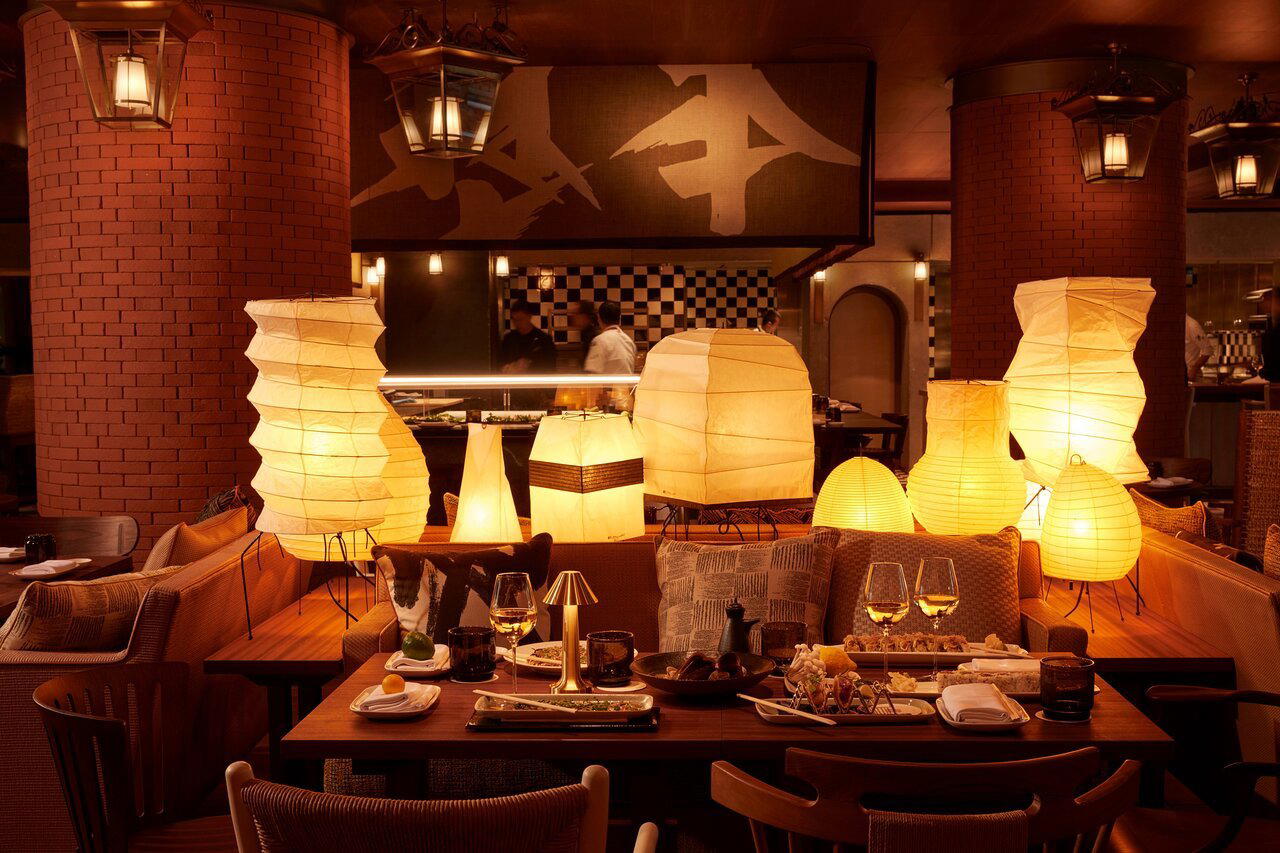

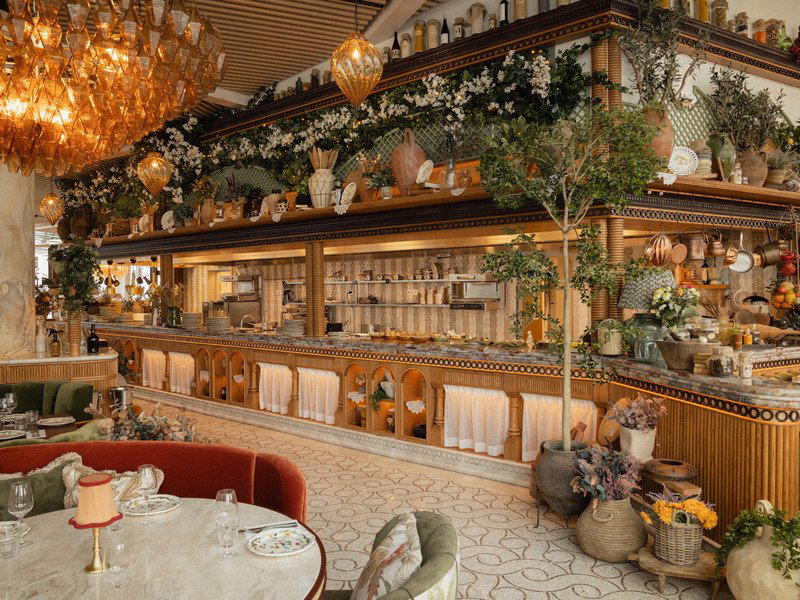
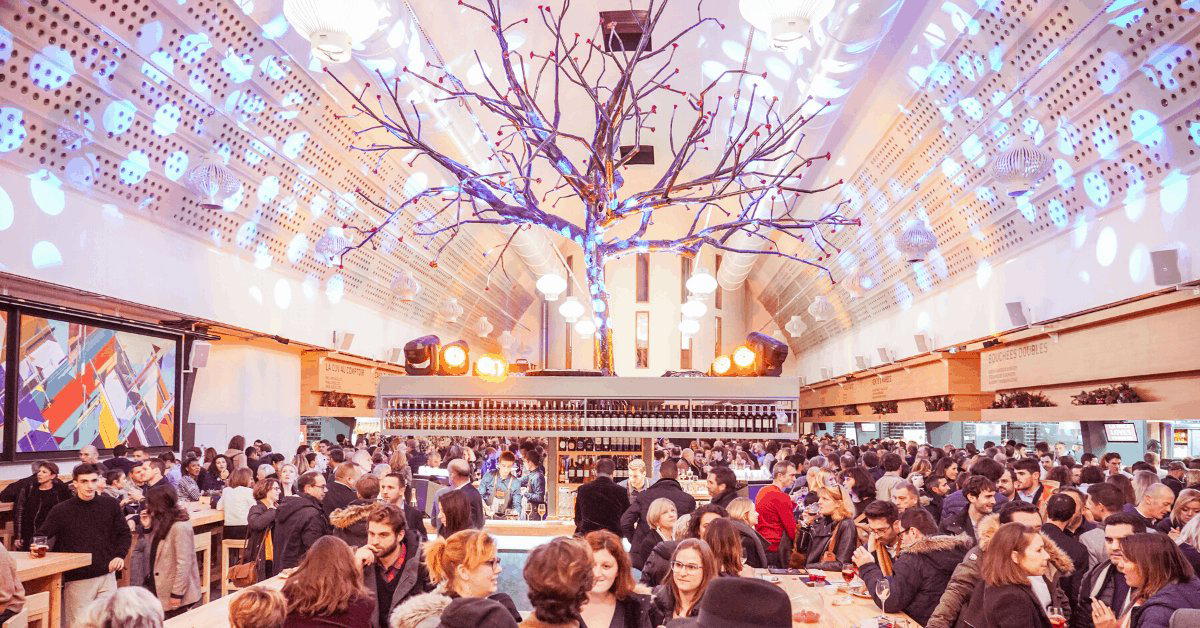
Restaurants in Saint-Estèphe
Browse all →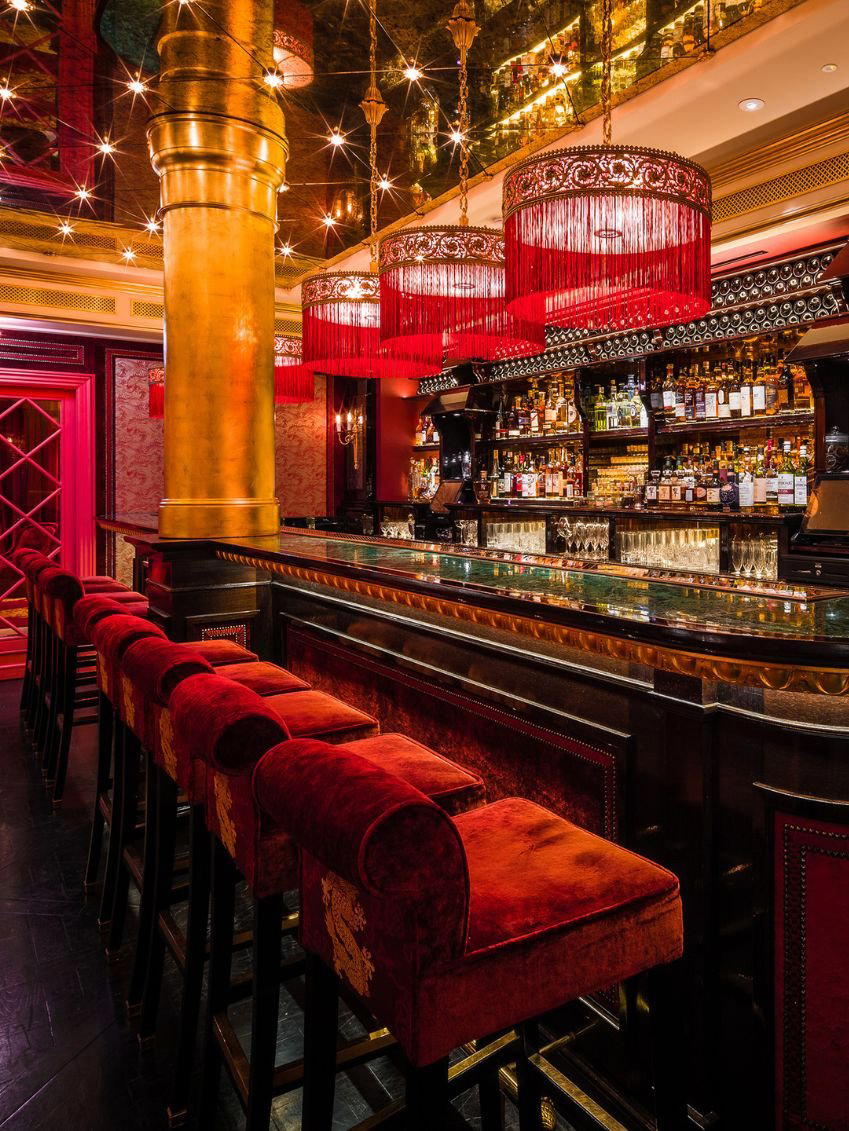
At a Glance
- Classic
- Elegant
- Sophisticated
- Special Occasion
- Corporate Event
- Wine Education
- Historic Building
- Estate Grounds
- Vineyard
- Saint Estèphe AOC
- Cabernet Sauvignon
- Merlot
- Cabernet Franc
- Petit Verdot
- Still Red
- Private Tasting
- By The Bottle Tasting
Current opening hours
- Monday
- 8:30 AM–12:30 PM, 1:30–5 PM
- Tuesday
- 8:30 AM–12:30 PM, 1:30–5 PM
- Wednesday
- 8:30 AM–12:30 PM, 1:30–5 PM
- Thursday
- 8:30 AM–12:30 PM, 1:30–5 PM
- Friday
- 9 AM–12 PM, 1:30–4 PM
- Saturday
- Closed
- Sunday
- Closed
Hours can change for holidays and private events. Last verified .
Classic, refined, and elegant, with a brooding, expressive red-wine profile rather than a visitor-facing entertainment atmosphere.