Château Tour de Pez

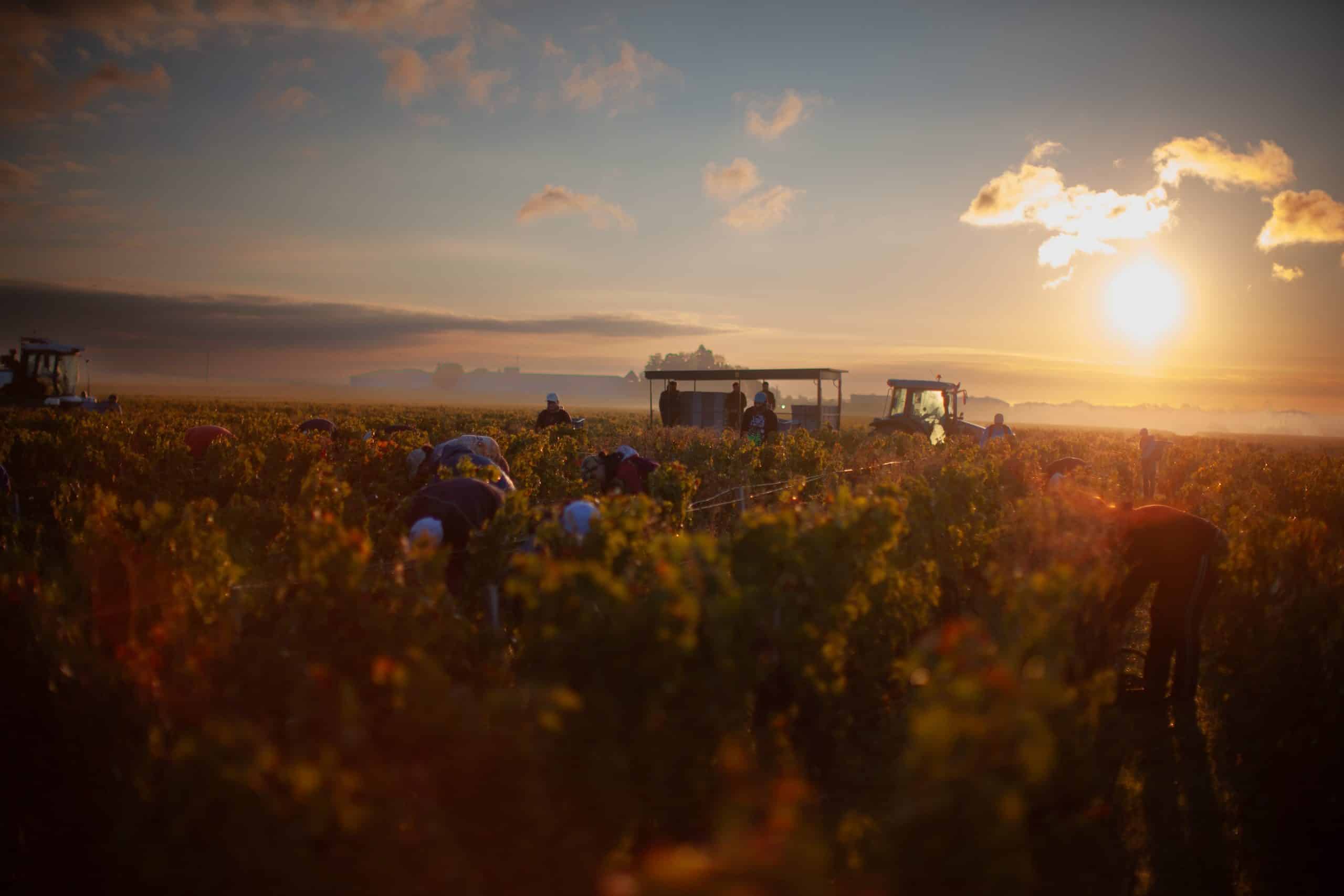
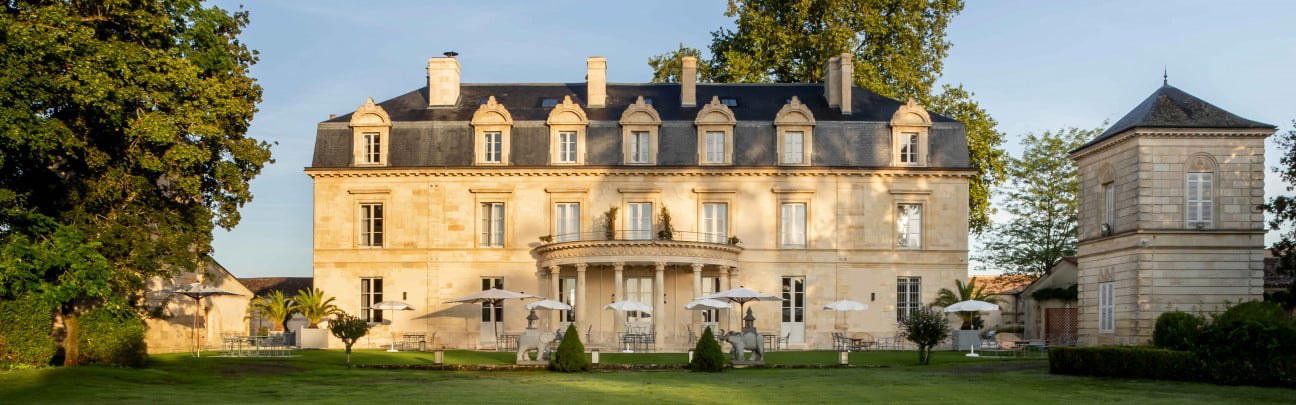
Château Tour de Pez gives Saint-Estèphe a Merlot-led reading of the Left Bank: structured, fresh, and polished rather than austere. The 30-hectare Cru Bourgeois estate on the Pez plateau works gravel and clay-limestone soils into reds with density, juiciness, and credible ageing shape.
Pearl is the En Primeur Club membership app — saves, bookings, and concierge access live there. Same editors, same standards.
- Address
- L'Héréteyre, 33180 Saint-Estèphe, France
- Phone
- +33 5 56 59 41 72
- Website
- tourdepez.com
- Directions
- Get directions
 Saves & bookings on Pearl
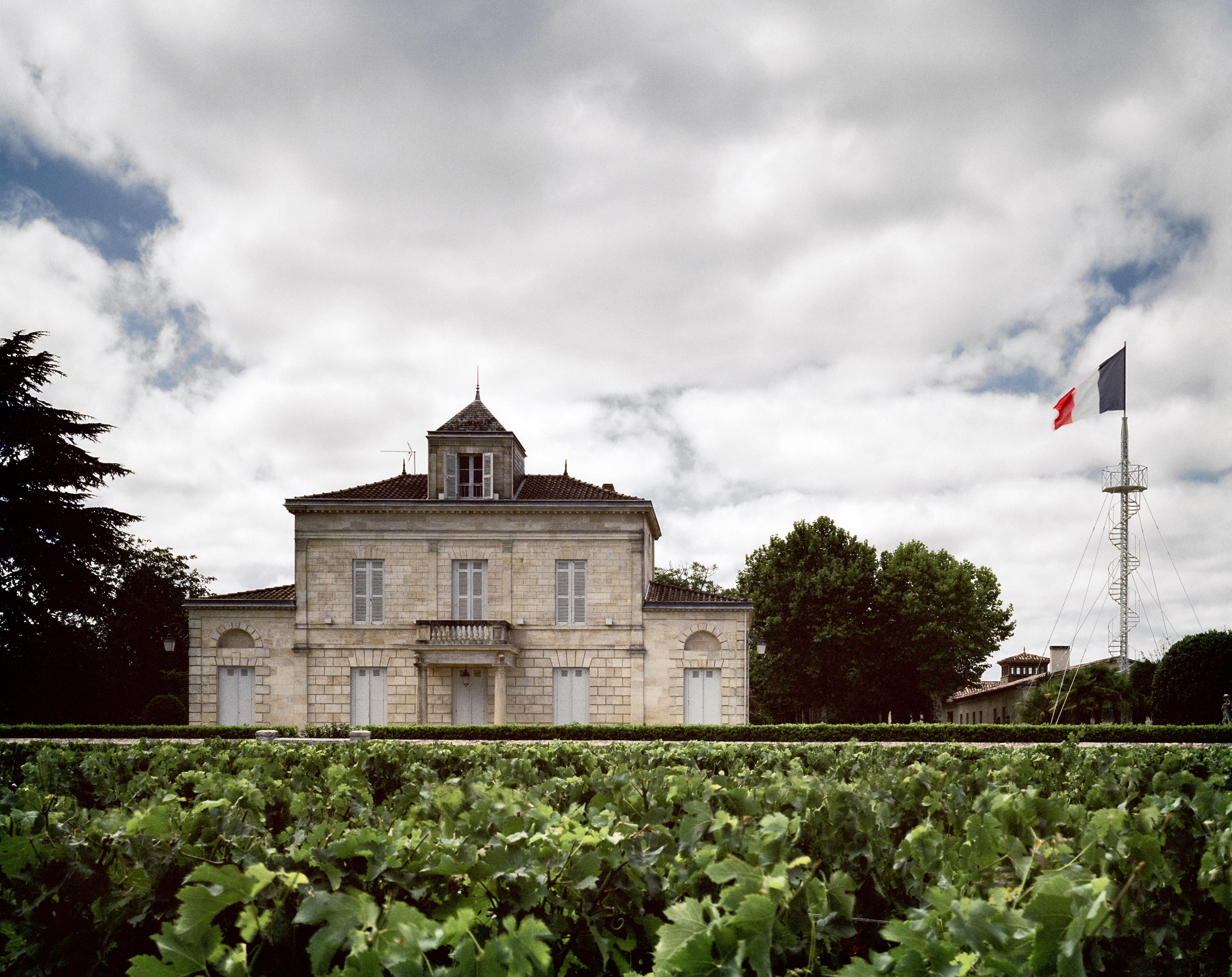
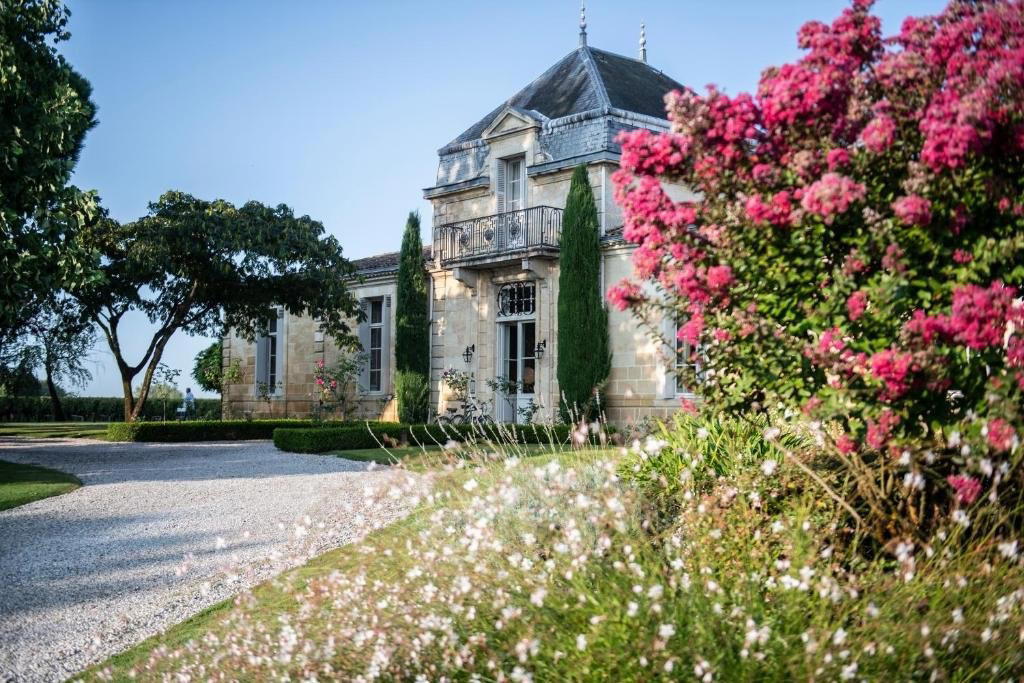
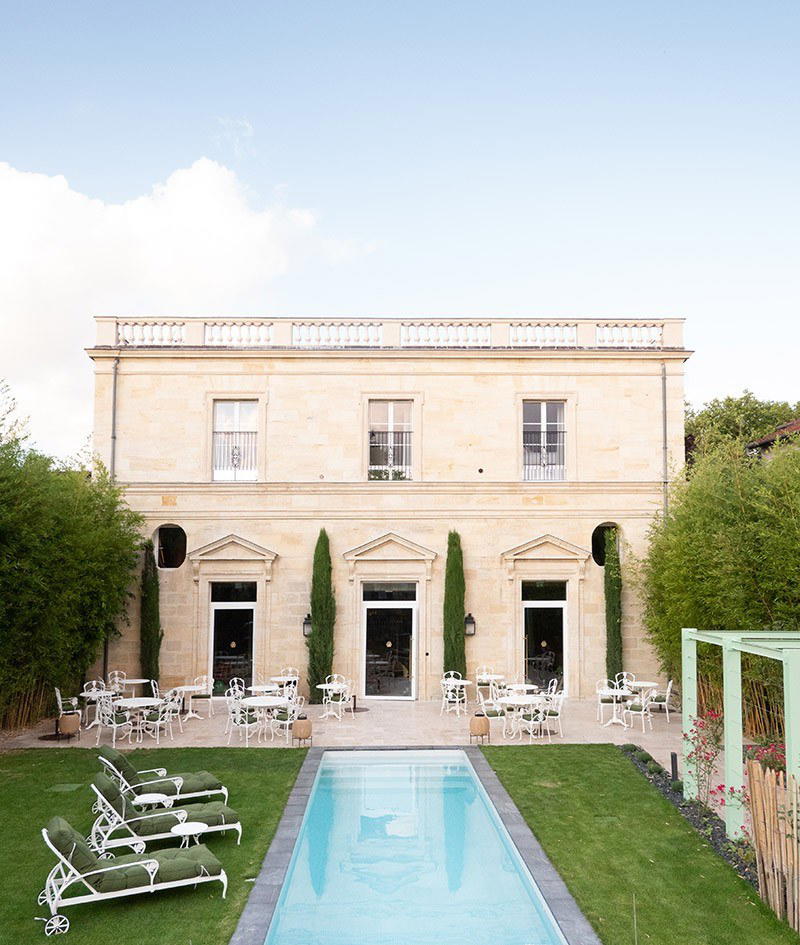
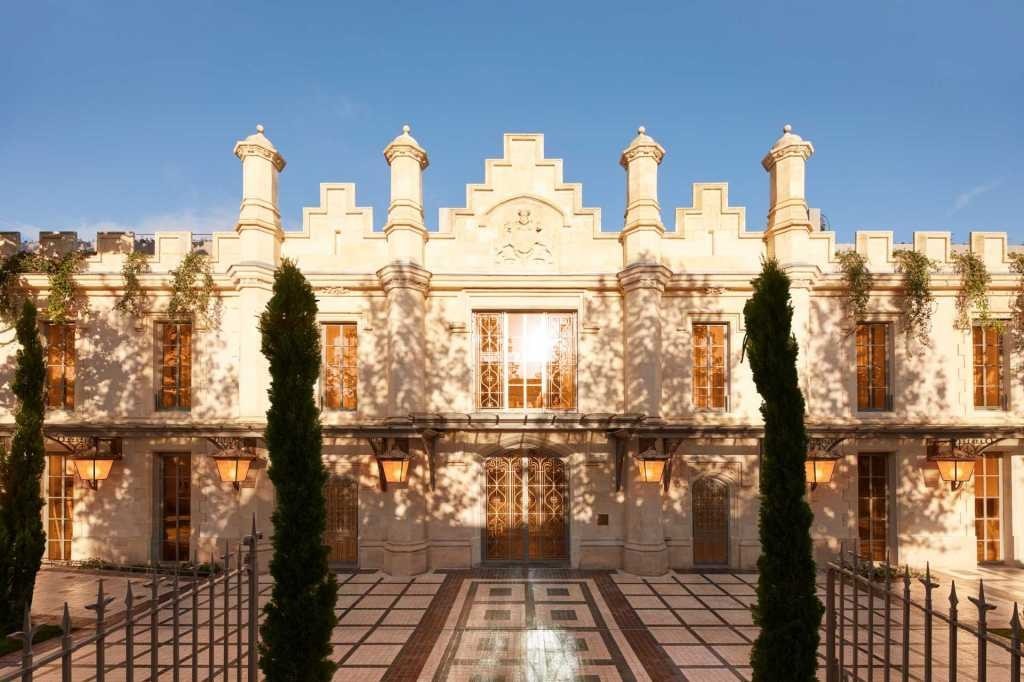
Château Tour de Pez is a historic Médoc cru bourgeois estate in Saint-Estèphe, on the Pez plateau. For drinkers approaching the commune through its reds, the useful starting point is style rather than spectacle: the estate is associated with precise, high-quality Saint-Estèphe wines that feel elegant, dense, structured, juicy, and fresh, with polished tannins and a classic Left Bank character. In practical terms, that means the property is best read through the language of balance and shape: the wine profile suggests substance and grip, but also lift, clarity, and a sense of measured refinement.
The profile is deliberately focused. Château Tour de Pez should be understood as a Saint-Estèphe red-wine estate with a cru bourgeois identity, not as a page built around hospitality claims, invented rankings, or unsupported tasting formats. Its appeal is the combination of Médoc structure and a polished, approachable sense of freshness. That restraint matters, because it keeps the emphasis on what can be said with confidence: a historic estate, a clear appellation setting, and a red-wine style rooted in density, freshness, and classic Left Bank poise.
A classic Saint-Estèphe estate with polished structure
Saint-Estèphe is often discussed through firmness, depth, and Left Bank structure. Château Tour de Pez fits that broader frame while emphasizing balance: dense red wine, polished tannins, freshness, and a clean, elegant profile rather than heaviness for its own sake. The point is not to make the wine sound severe or monumental, but to place it in a tradition where structure is expected to work with juiciness and freshness, giving the reds definition as well as presence.
That makes the estate useful for readers who want a concise read on the cru bourgeois side of Saint-Estèphe. The information points to a property focused on quality reds with a classic Médoc feel, so the strongest way to approach it is through appellation character: structure, juiciness, freshness, and refinement. Those terms are not decorative; they are especially grounded vocabulary available here, and they help describe why the estate may appeal to drinkers looking for Saint-Estèphe character without overstating the case.
No specific blend, vintage analysis, vineyard size, score, yield, ownership history, or cellar practice is here. Those details should be checked directly with the estate or a current wine merchant before being treated as factual. The absence of those specifics is also a useful editorial boundary: the page can describe the confirmed identity and style of the winery, but it should not pretend to provide a technical dossier.
A cru bourgeois estate, not a collector-performance narrative
The winery is best presented as a historic Médoc cru bourgeois estate. That status is central to the identity of the property and gives the page its most reliable frame: Saint-Estèphe character delivered through a polished, classic Left Bank style. It also keeps the focus on the estate as a source of structured, elegant red wine rather than as an object of speculative language or exaggerated positioning.
Rather than inventing a prestige story, the more honest reading is direct: this is a Saint-Estèphe estate whose known appeal rests on structured, elegant reds with freshness and polished tannins. That directness is valuable for readers who want to understand what kind of wine experience the name points toward, without being pushed into claims that are not supported by the information available.
For readers comparing bottles or planning a wine-focused stop, the important grounded point is style. Expect the page to describe the winery in terms of density, structure, juiciness, freshness, and classic Médoc balance, while leaving operational details aside. In that sense, the estate belongs in a practical, style-led conversation: how the reds feel, what Saint-Estèphe cues they express, and why polished tannin and freshness are central to the description.
How to place it in a Saint-Estèphe wine itinerary
For travellers building time around Saint-Estèphe, the winery can be considered as part of a broader look at Médoc red wines and cru bourgeois estates. Its usefulness in that context comes from clarity: it gives the itinerary another point of reference for the commune’s structured red-wine language, especially for those trying to understand how density, freshness, and elegance can sit together.
The estate’s most reliable role in an itinerary is educational in a wine-style sense: it offers a way to think about Saint-Estèphe through elegant density, structured reds, freshness, and polished tannins. It is especially relevant for readers interested in classic Left Bank character without relying on unsupported claims about hospitality programming. In other words, it is a name to situate within the wider appellation conversation, not a venue page that should be stretched into promises about visits, services, or experiences not confirmed here.
Saint-Estèphe rewards comparison by appellation style, producer identity, and vintage. When planning beyond the winery, compare it with other Saint-Estèphe dining, lodging, bar, and wine options generically, and verify all visit details directly with each venue before travelling.
For readers mapping wine travel more broadly, keep the winery anchored in what is confirmed: a historic Médoc cru bourgeois estate in Saint-Estèphe, focused on precise, high-quality red wines with elegance, density, structure, juiciness, freshness, polished tannins, and a classic Left Bank feel. Treated that way, it sits neatly within an informed Médoc itinerary: not overclaimed, not inflated, but clearly placed as a polished Saint-Estèphe red-wine estate with a concise and useful identity.
Recognition history
Dated appearances from independent guides and award organizations, with the underlying list record or original source where available.
Falstaff Winery - Listed
Falstaff
Continue exploring
More in Saint-Estèphe
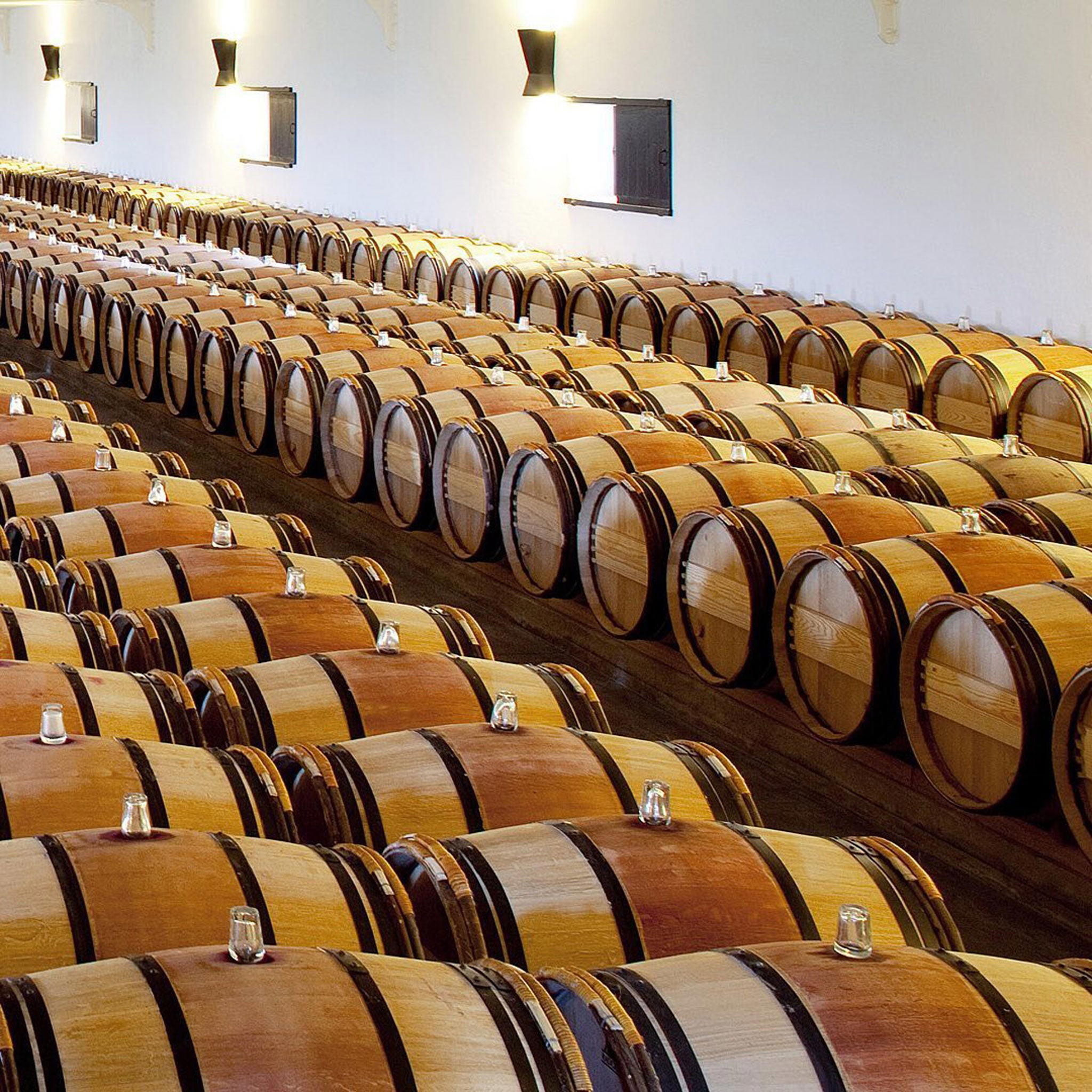
Wineries in Saint-Estèphe
Browse all →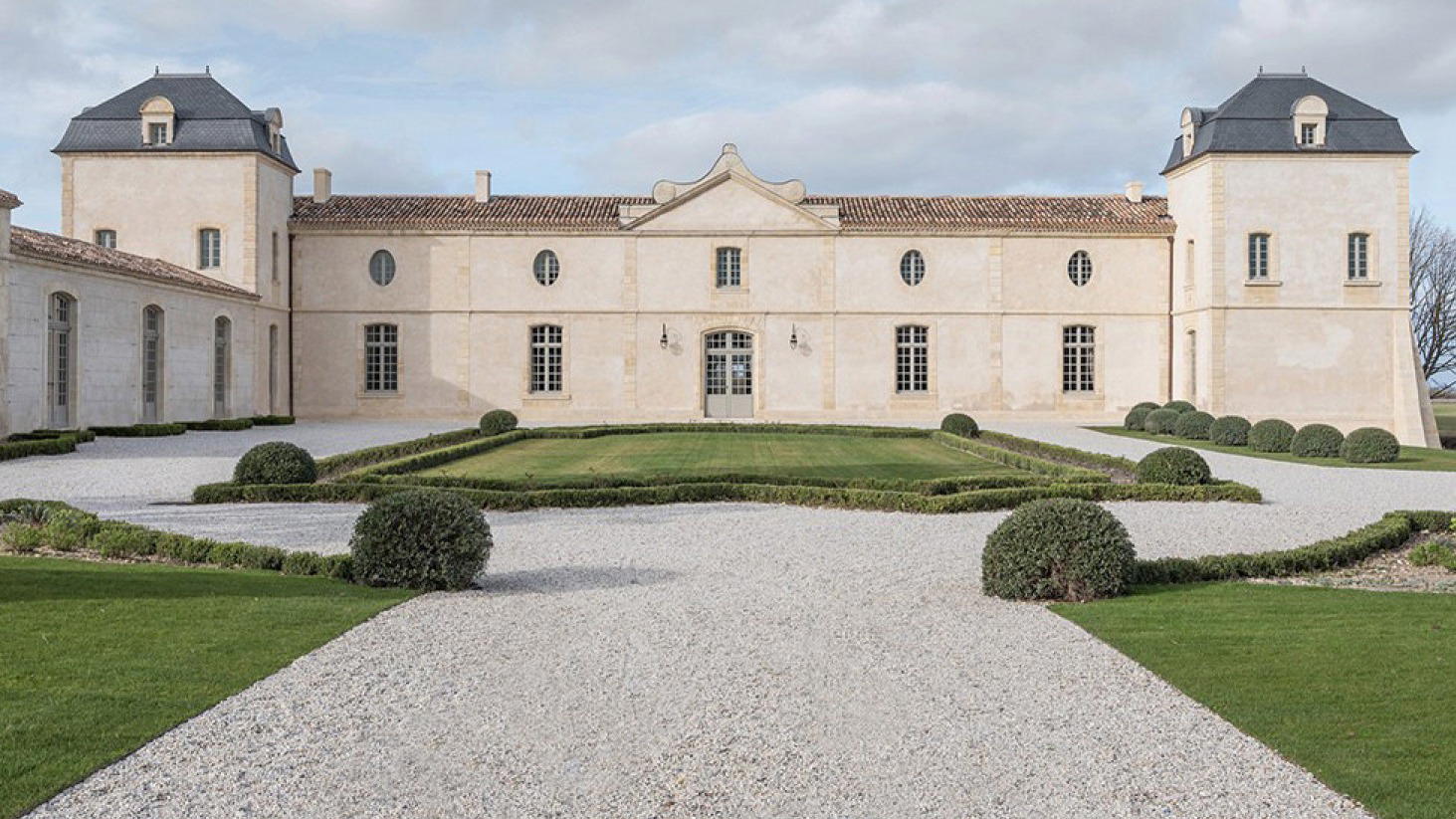
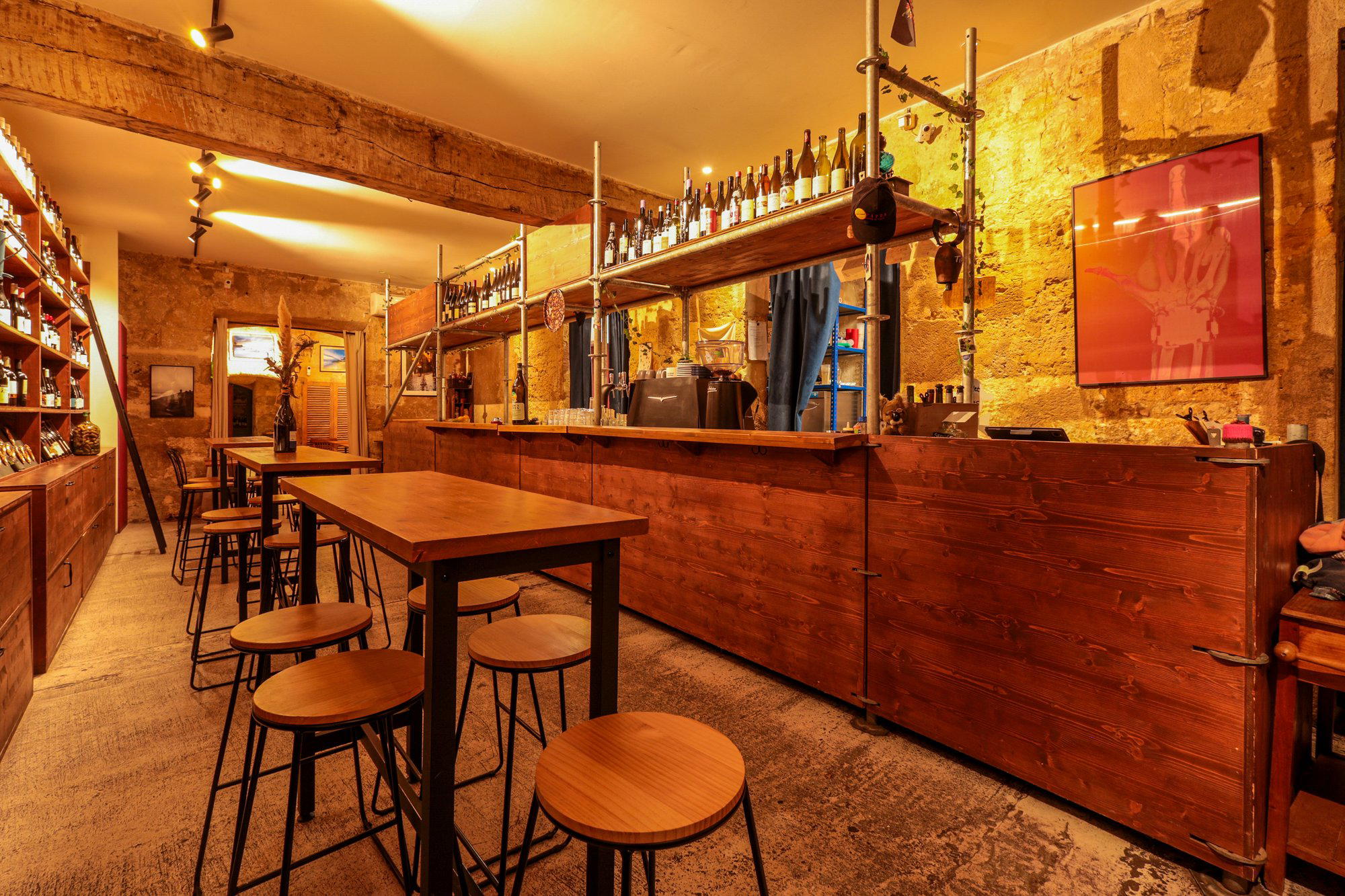
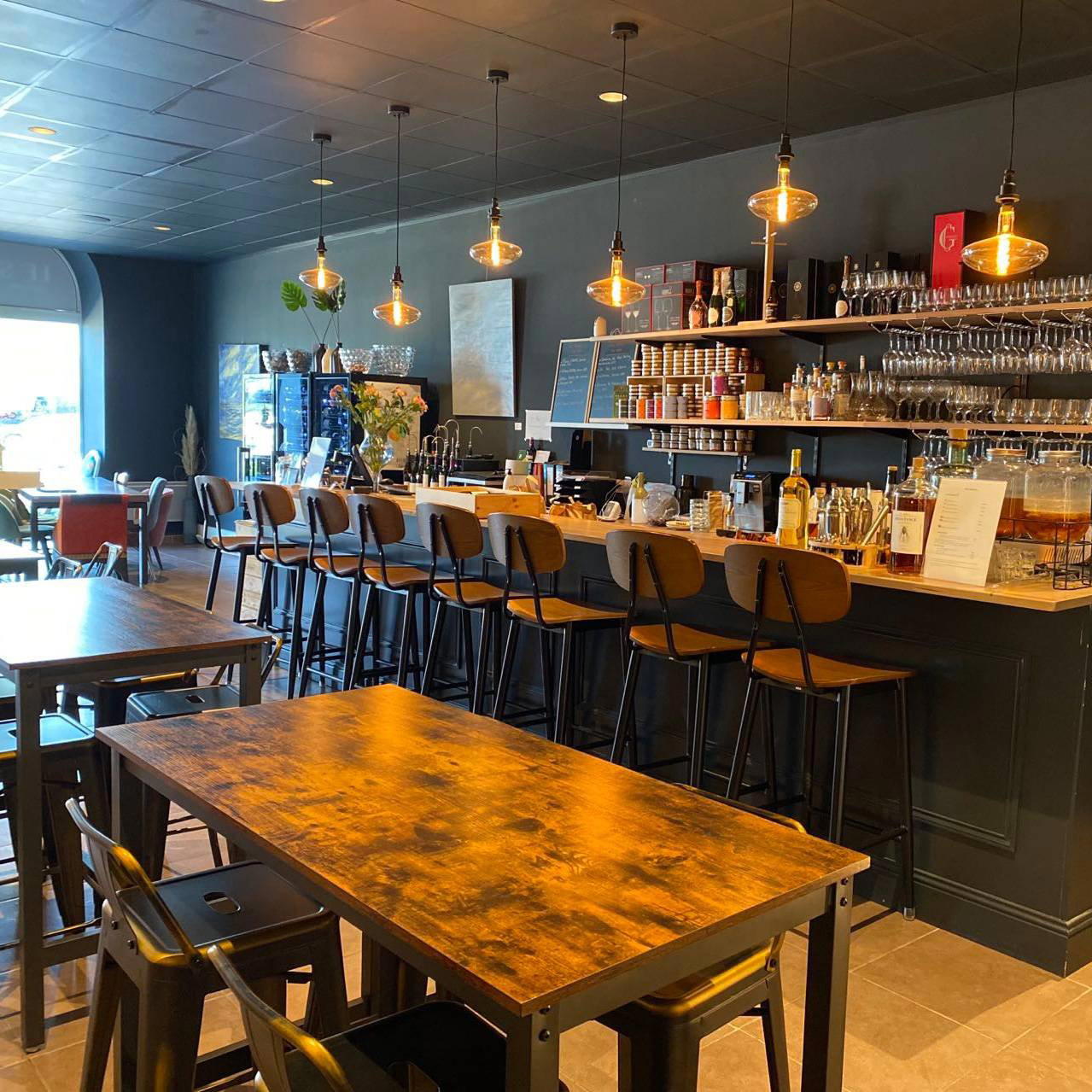
Bars in Saint-Estèphe
Browse all →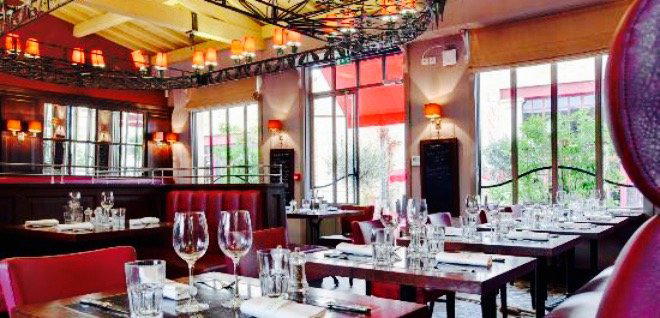
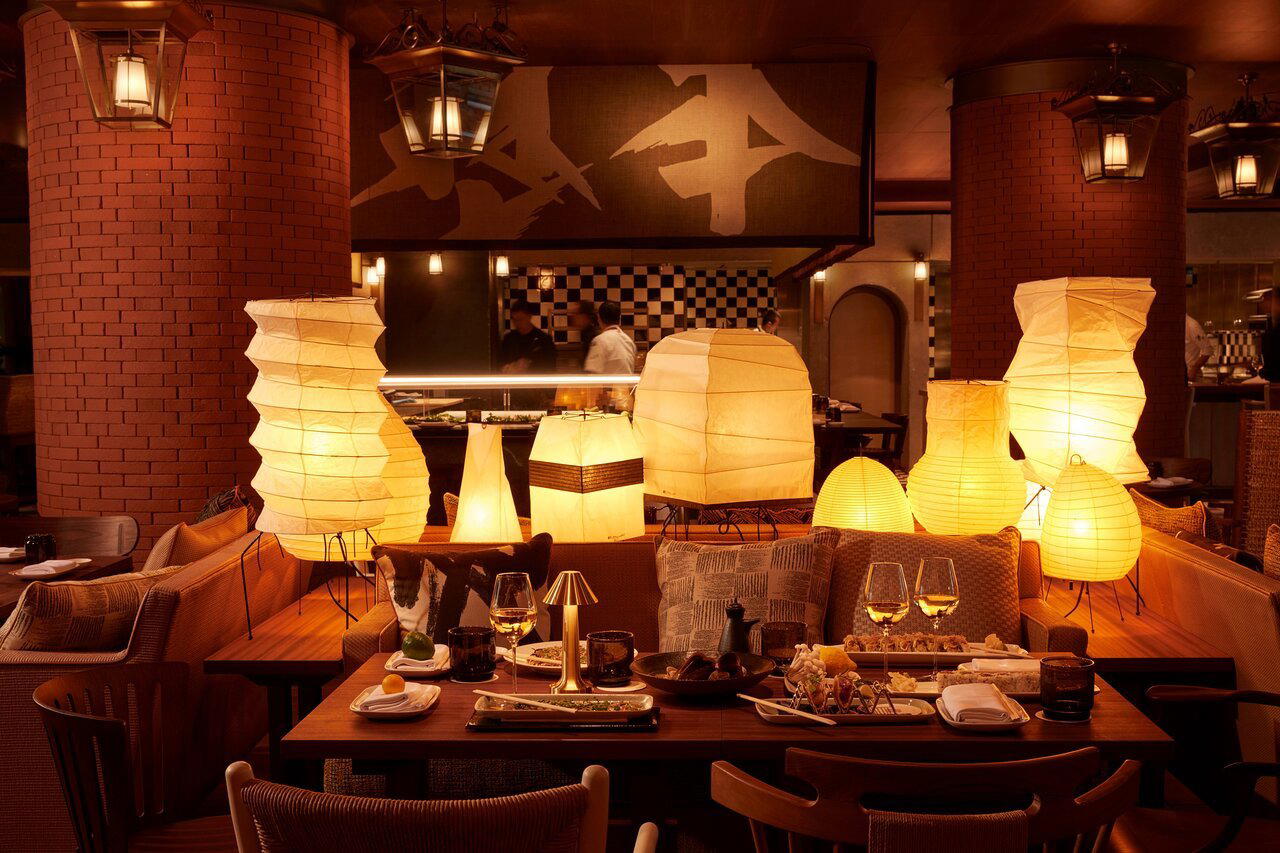

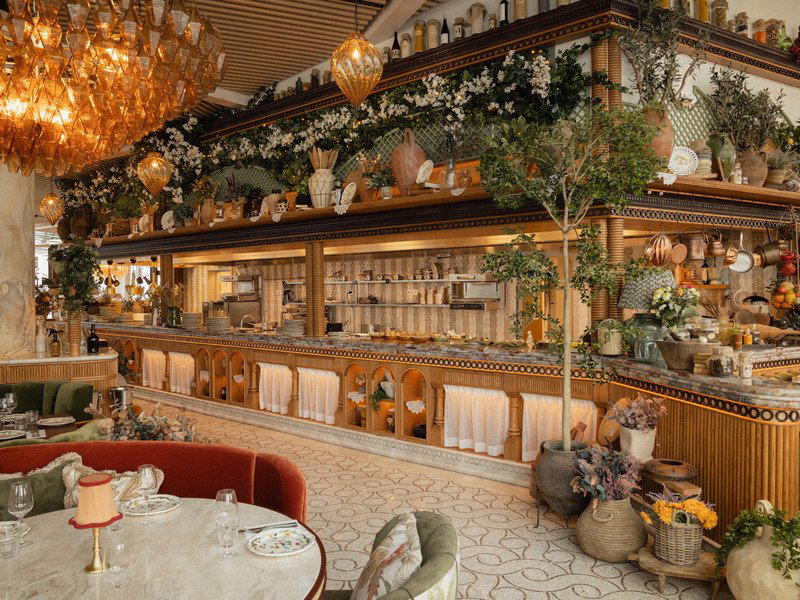
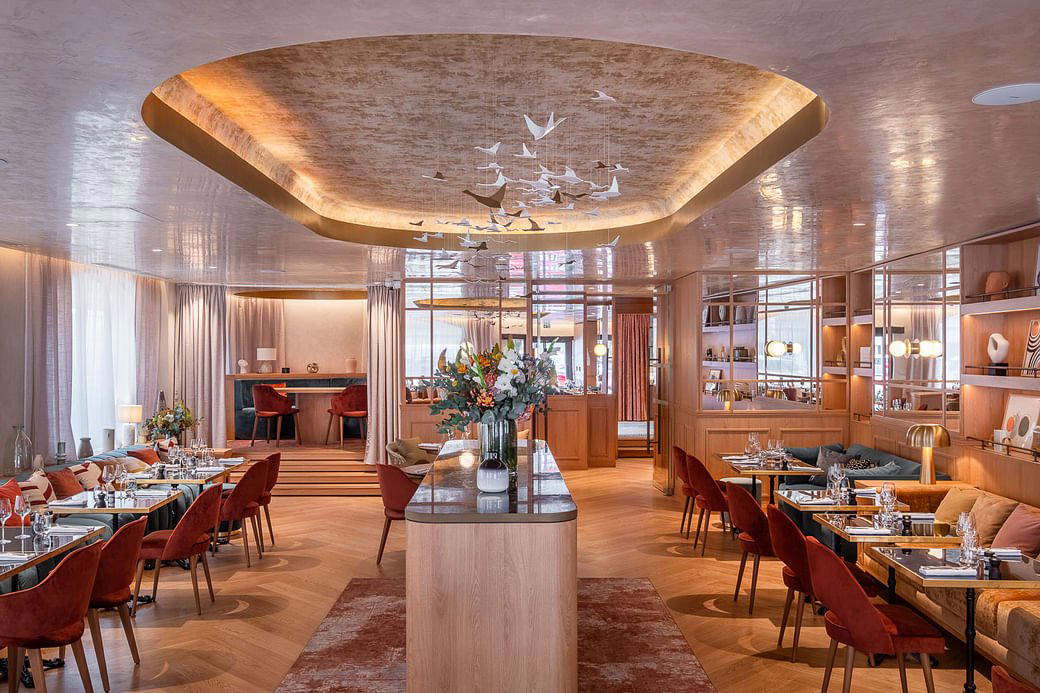
Restaurants in Saint-Estèphe
Browse all →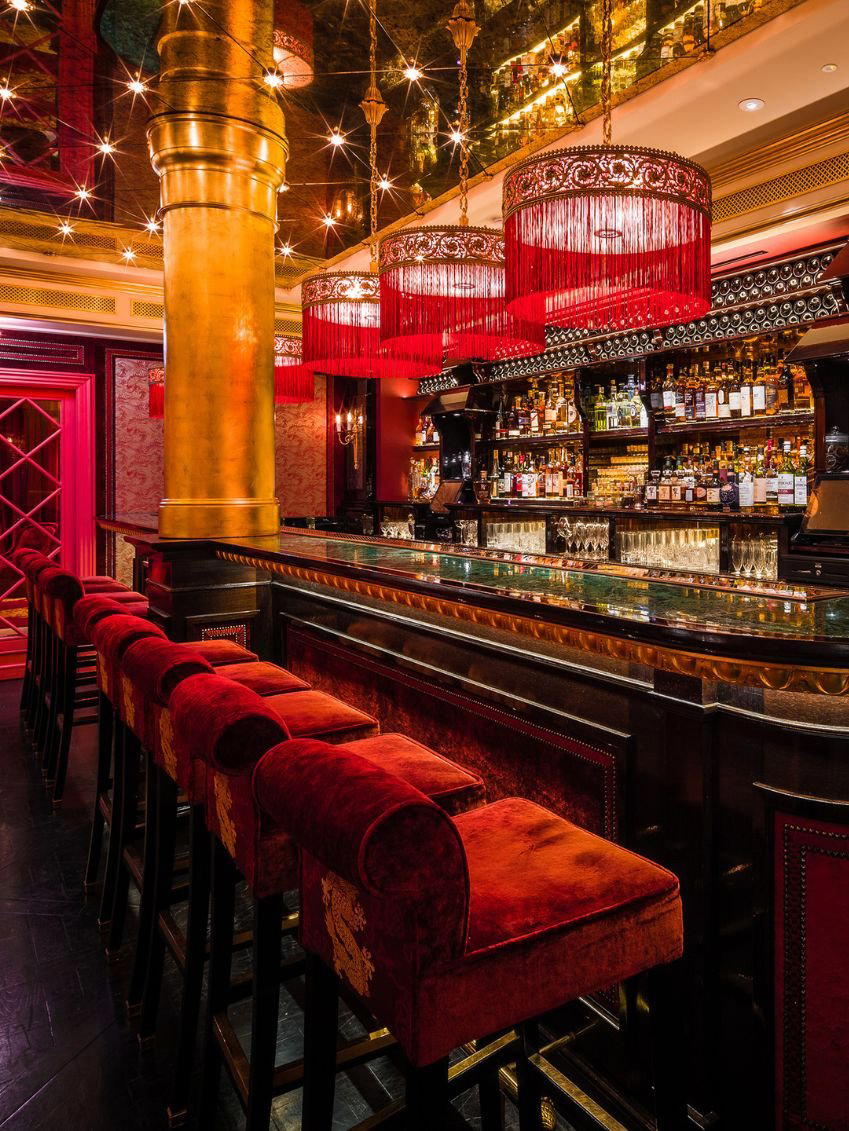


At a Glance
- Classic
- Elegant
- Scenic
- Romantic
- Sophisticated
- Group Outing
- Romantic Getaway
- Wine Education
- Special Occasion
- Solo Exploration
- Estate Grounds
- Vineyard Tour
- Cave Tasting
- Private Tasting
- Sustainable
- Vineyard
- Saint Estèphe AOC
- Merlot
- Cabernet Sauvignon
- Cabernet Franc
- Still Red
- Guided Tasting
- Estate Tour
- Cellar Tasting
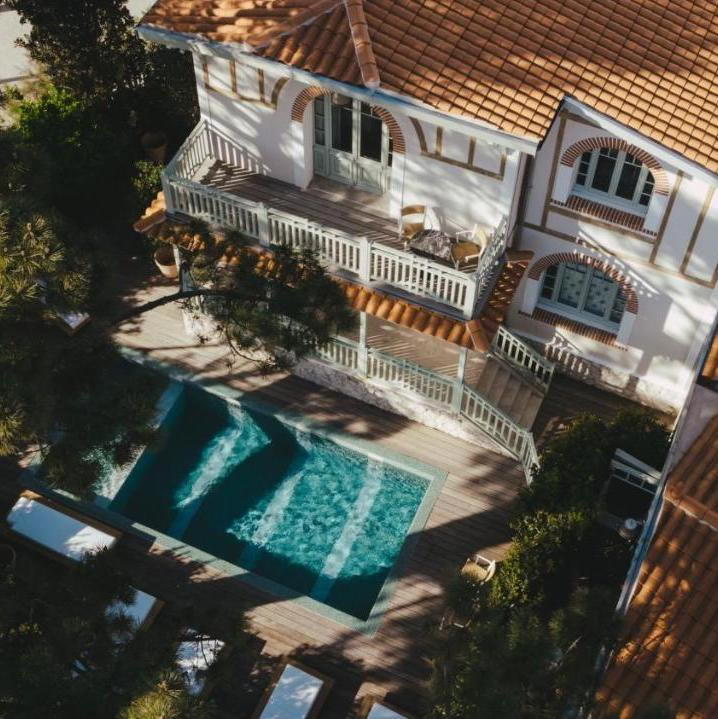
Historic Médoc cru bourgeois estate on the Pez plateau, focused on precise, high-quality Saint-Estèphe reds that are elegant, dense and structured yet juicy and fresh, with polished tannins and a classic Left Bank feel.