Château Pontoise Cabarrus

Château Pontoise Cabarrus is a Haut-Médoc estate in Saint Seurin De Cadourne where gravel soils, estuary influence, and Cabernet-led blends define the visit. The draw is not polished luxury theatre but a working château format: cellar-led tasting, family stewardship, Cru Bourgeois Supérieur status, and a direct view of how northern Médoc reds are built.
Pearl is the En Primeur Club membership app — saves, bookings, and concierge access live there. Same editors, same standards.
- Address
- Saint-Seurin-de-Cadourne, Nouvelle-Aquitaine, Frankreich
- Directions
- Get directions
 Saves & bookings on Pearl
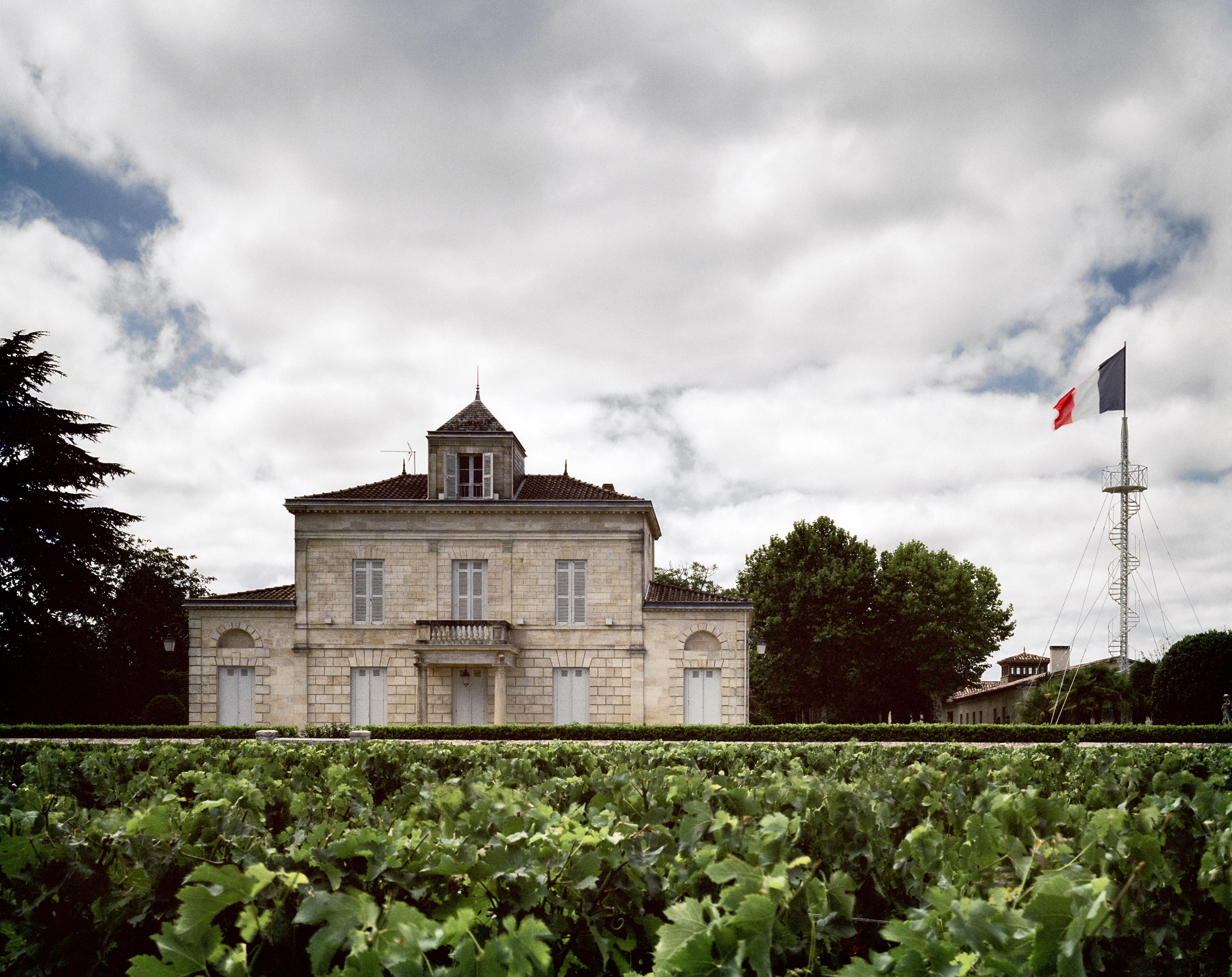
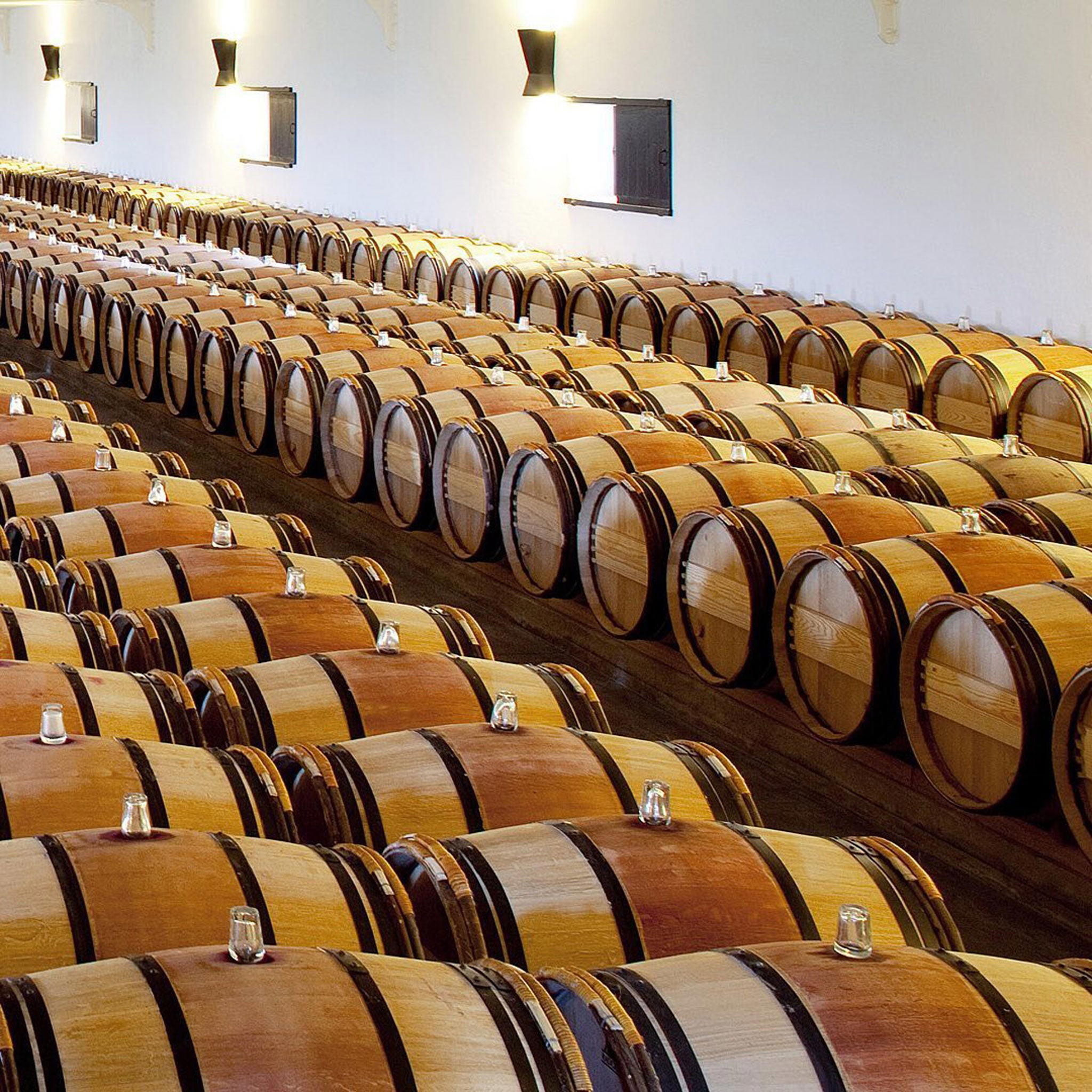
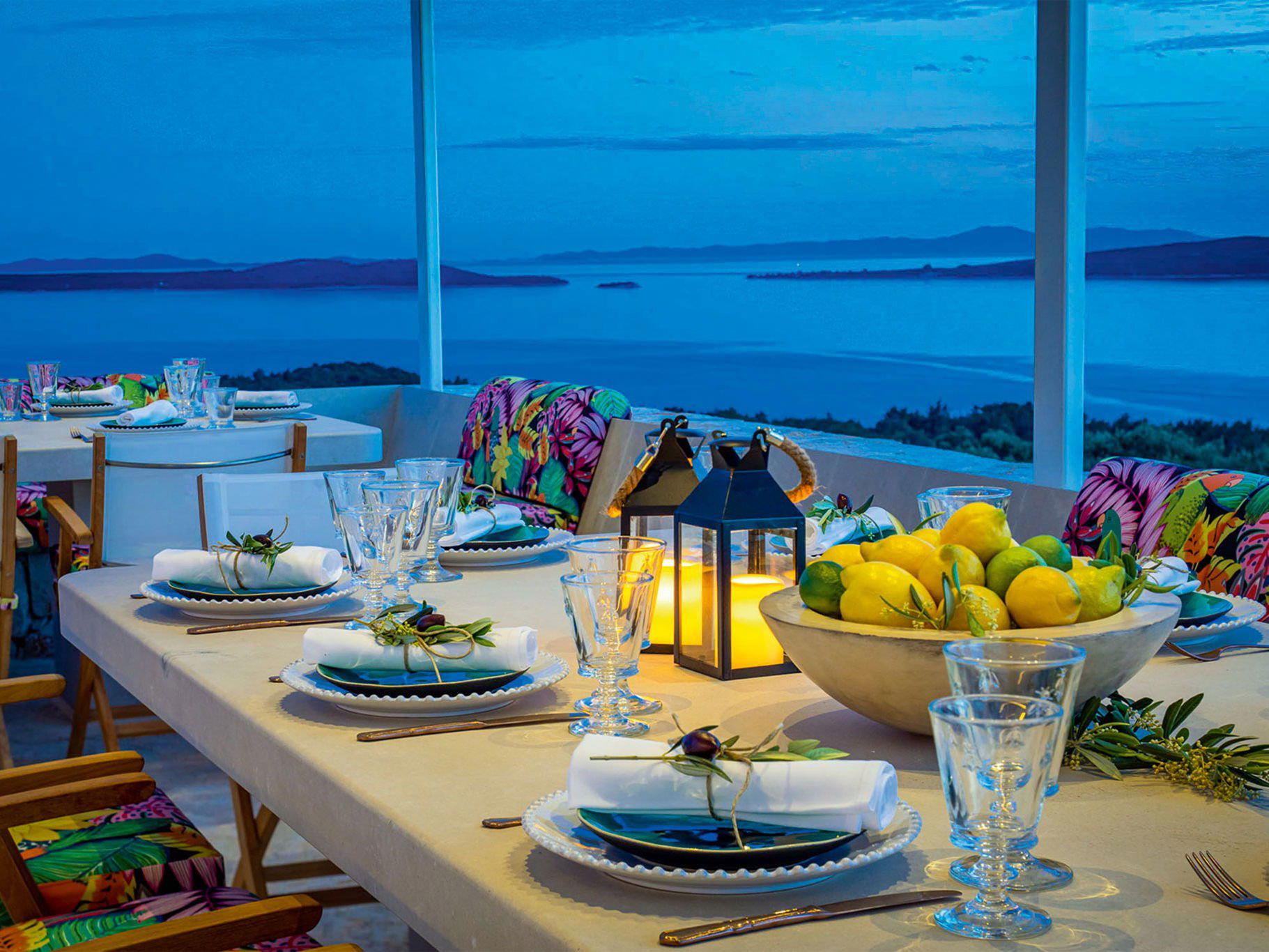
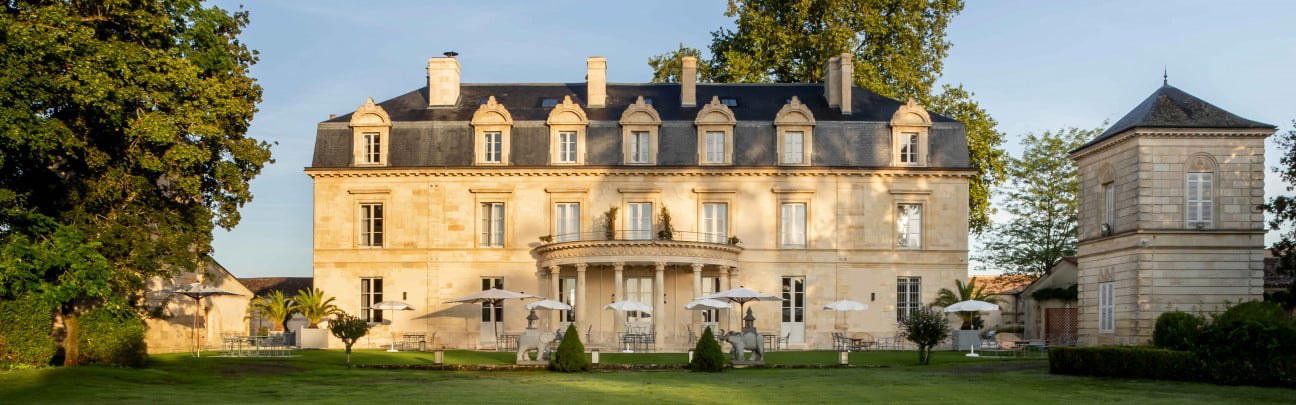
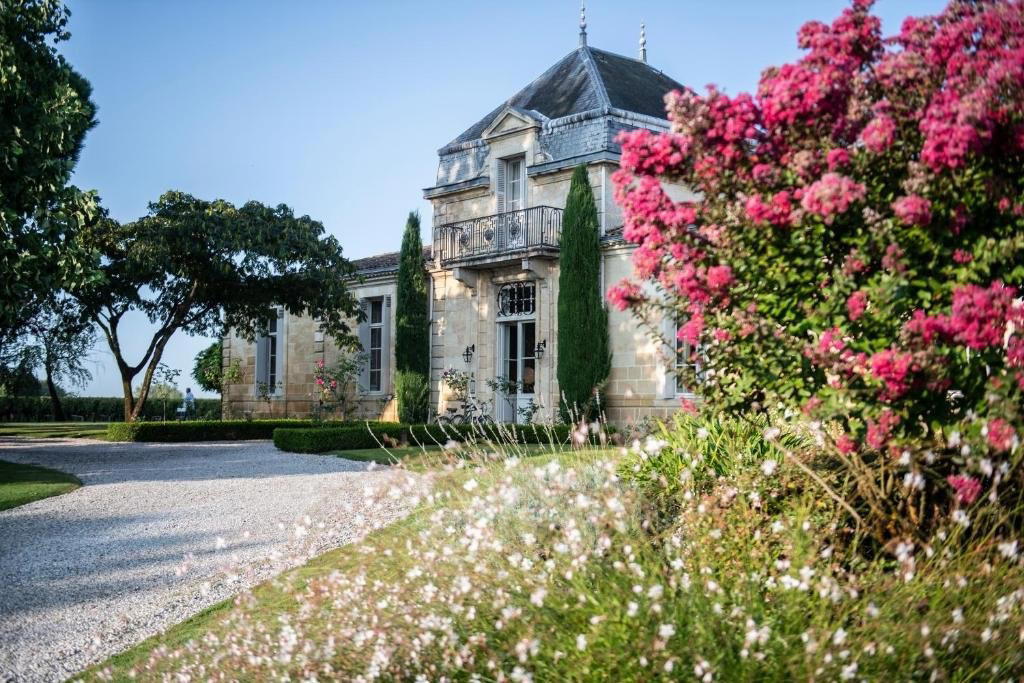
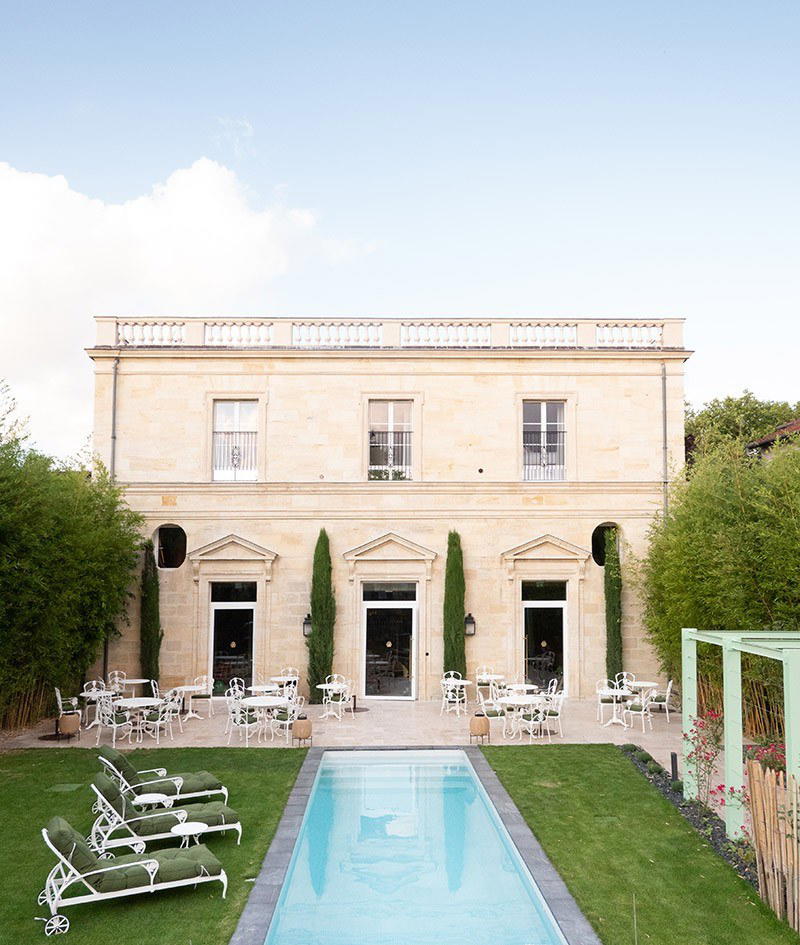
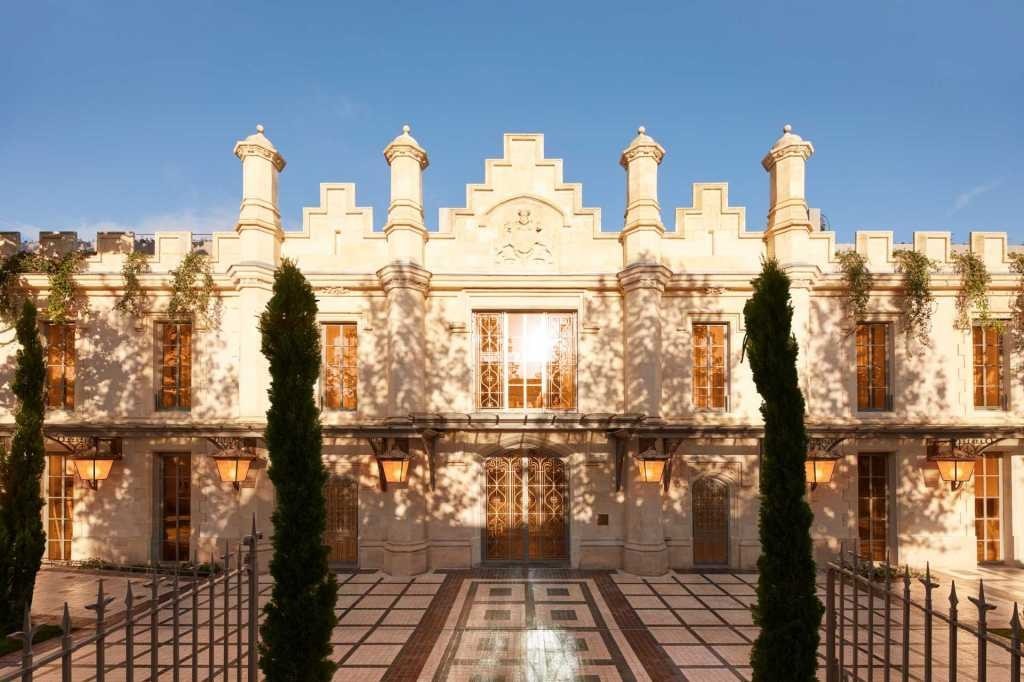
Château Pontoise Cabarrus offers the quieter side of the Médoc in Saint Seurin De Cadourne: a historic family estate where the mood is more working cellar than luxury showpiece. The appeal is traditional château charm, rustic scenery, and a relaxed sense of place, with visits framed around Haut-Médoc know-how rather than design-led hospitality. It is the sort of address that feels rooted in its surroundings, where the value of the stop comes from atmosphere, context, and the chance to connect the place itself with the wider wine landscape.
For travellers who want a grounded stop in Saint Seurin De Cadourne, the estate reads as a classic. The emphasis is educational and informal, making it a useful choice for understanding the local wine context without needing the pageantry of a grand destination visit. Instead of chasing a glossy, choreographed impression, Château Pontoise Cabarrus works well as a quieter encounter with the kind of estate character that still feels closely tied to cellar life, rural scenery, and Haut-Médoc tradition.
Traditional Médoc character in a working-cellar setting
Château Pontoise Cabarrus is best understood as part of the Haut-Médoc tradition around Saint Seurin De Cadourne. Rather than presenting the estate through technical details, the safer frame is the one the visit itself supports: traditional Médoc character, a working-cellar atmosphere, and a focus on regional know-how. That framing matters, because it keeps attention on what the estate do best: offering a clear, unfussy sense of place, with the château setting and cellar context giving visitors a practical way into the region.
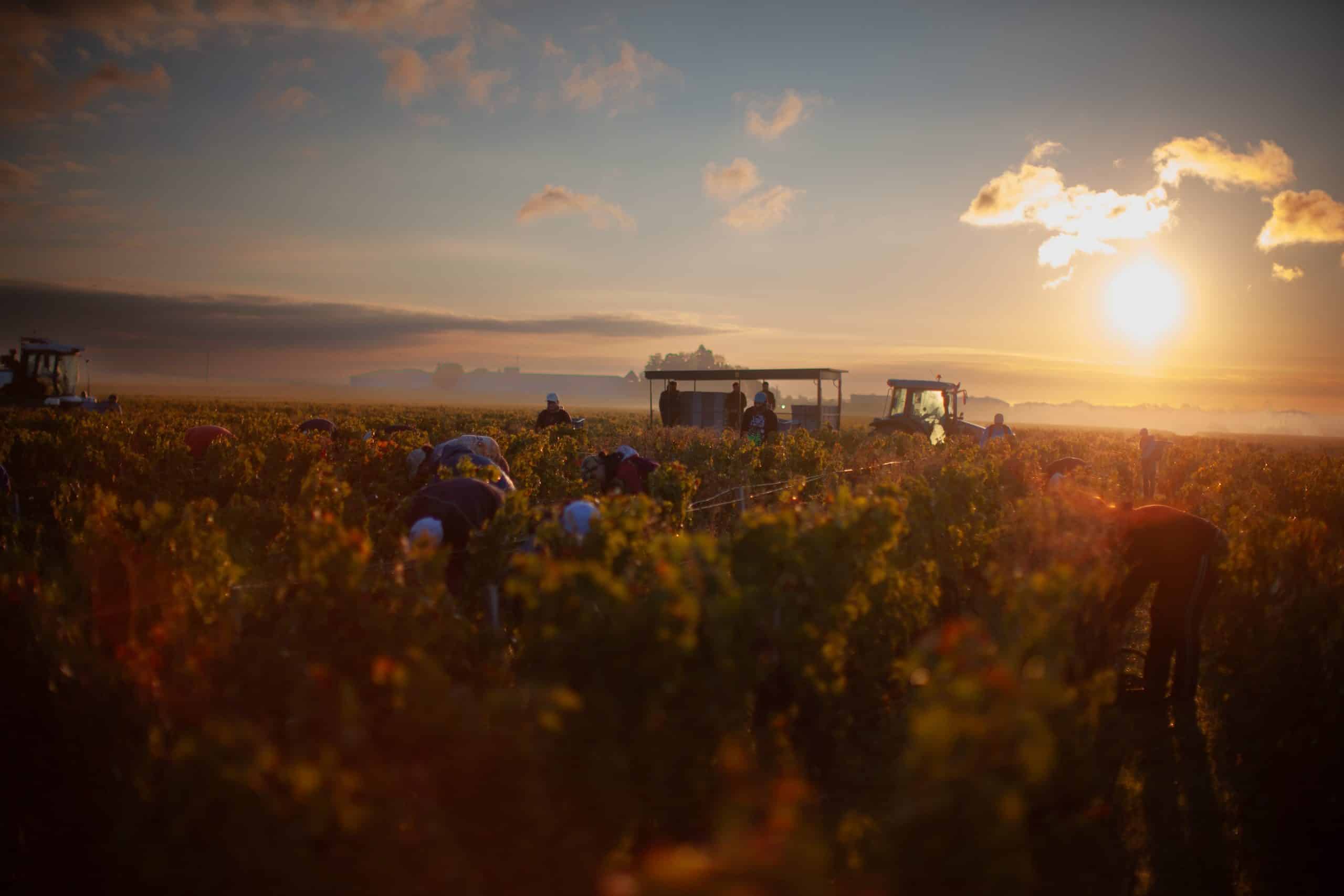
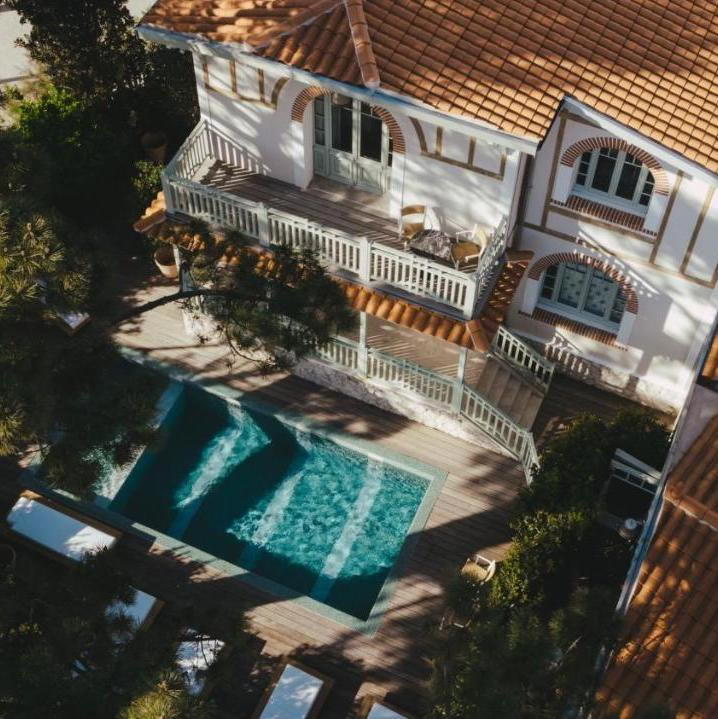
The experience is not built around luxury design details. Its strength is the combination of historic estate setting, rustic charm, and a scenic rural feel that helps make the Haut-Médoc context easier to grasp. The setting gives the visit a slower, more local rhythm, making it better suited to travellers who appreciate authenticity of mood over spectacle. In that sense, the estate’s appeal is not about grand flourishes, but about the cumulative impression of a family property, a classic landscape, and a cellar environment that feels connected to everyday production.
That makes the estate especially relevant for visitors who prefer practical wine education to spectacle. The price level is $$, so it sits in an approachable planning bracket for this type of Saint Seurin De Cadourne stop. It can therefore work well for travellers who want the experience of a traditional Médoc château without making the visit feel overly formal or precious. The relative simplicity of the proposition is part of its usefulness: a scenic, historic, educational stop with a relaxed tone.
A cellar visit built around education rather than ceremony
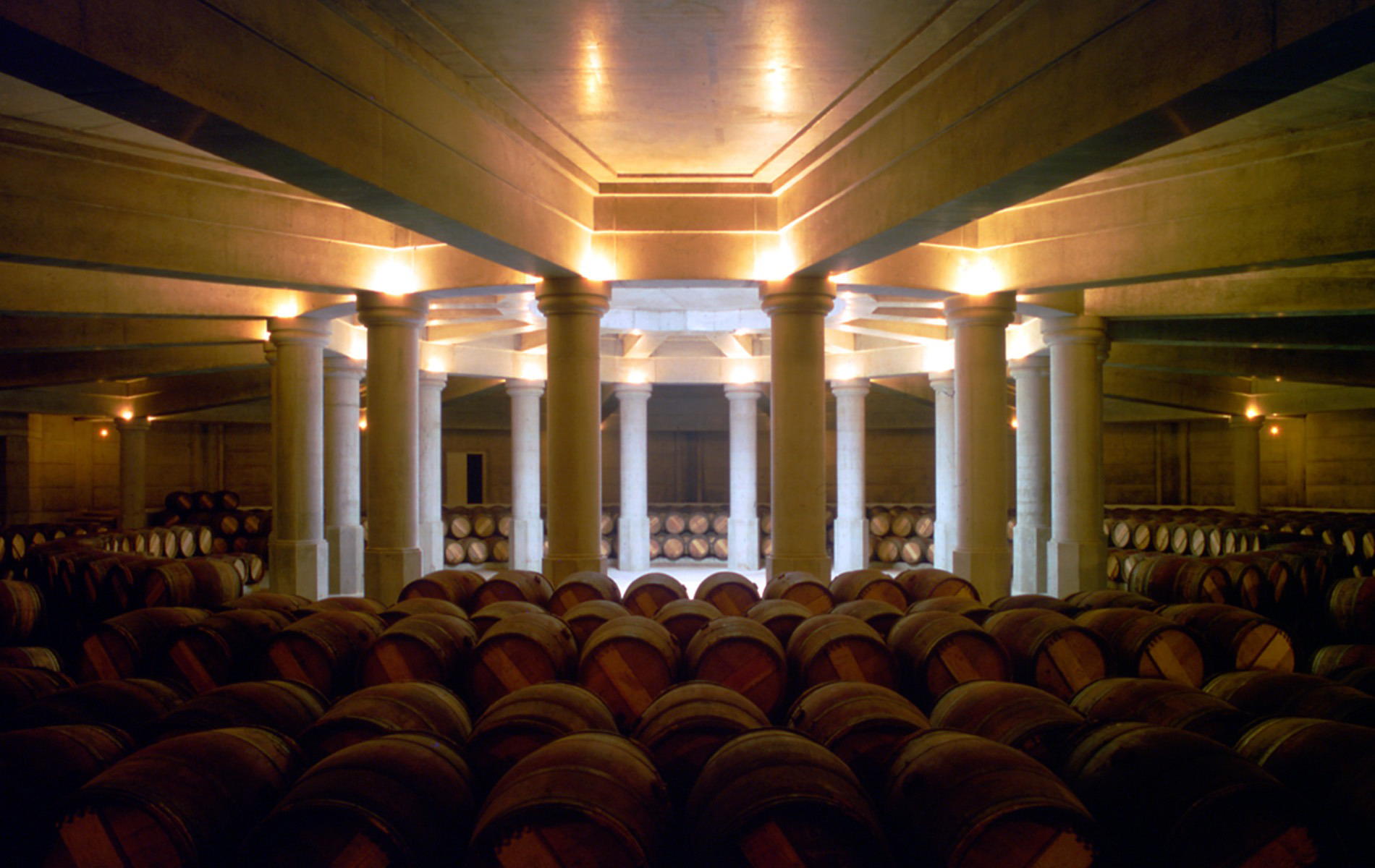
The visit is best described as relaxed and educational, with the working cellar atmosphere providing the central context. The winery suits travellers who want to learn about Haut-Médoc know-how in a classic estate environment rather than through a highly polished luxury format. The educational value is tied to the way the place is experienced: not as a performance of prestige, but as a setting where the regional framework can be understood through the estate’s traditional character and practical cellar mood.
The overall personality is classic, rustic, scenic, and quietly distinctive. It is the kind of venue to choose when the appeal is the estate’s historic family-estate character and local context, not a heavily staged hospitality experience. Visitors who respond to this style will likely appreciate its restraint: the point is not to overwhelm with ceremony, but to let the setting, the cellar atmosphere, and the sense of Haut-Médoc continuity do the work. That makes the estate feel more personal in tone, even when described in broad planning terms.
For current visit details, travellers should confirm directly with the winery before planning around a specific time or format. That is especially sensible for a stop whose appeal depends on the way the visit is conducted and the cellar context available at the time. A quick confirmation keeps expectations aligned with the relaxed, practical nature of the estate and helps travellers decide how best to fold it into a day in Saint Seurin De Cadourne.
How to place it in a Saint Seurin De Cadourne itinerary
The winery is strongest for travellers using Saint Seurin De Cadourne as a lens on Haut-Médoc rather than as a quick photo stop. It suits visitors who want a scenic, rustic, educational estate experience with a relaxed tone and a working-cellar feel. In itinerary terms, that makes it a useful anchor for a slower visit, where the goal is to understand the area through a traditional estate rather than simply tick off a famous address. The visit has one value when approached with time to absorb the setting and the local context.
For further planning in the area, compare it with other local options generically, or keep the winery as the main estate focus. Its profile is simple but useful: a historic Médoc family estate, $$ price level, traditional château charm, and relaxed visits centered on Haut-Médoc know-how. Travellers looking for polished luxury may want a different style of stop, but those looking for a grounded, classic, and scenic introduction to Saint Seurin De Cadourne will find the estate’s understated character easy to place within a thoughtful Médoc itinerary.
Recognition history
Dated appearances from independent guides and award organizations, with the underlying list record or original source where available.
Falstaff Winery - Listed
Falstaff
Continue exploring
More in Saint Seurin De Cadourne
Wineries in Saint Seurin De Cadourne
Browse all →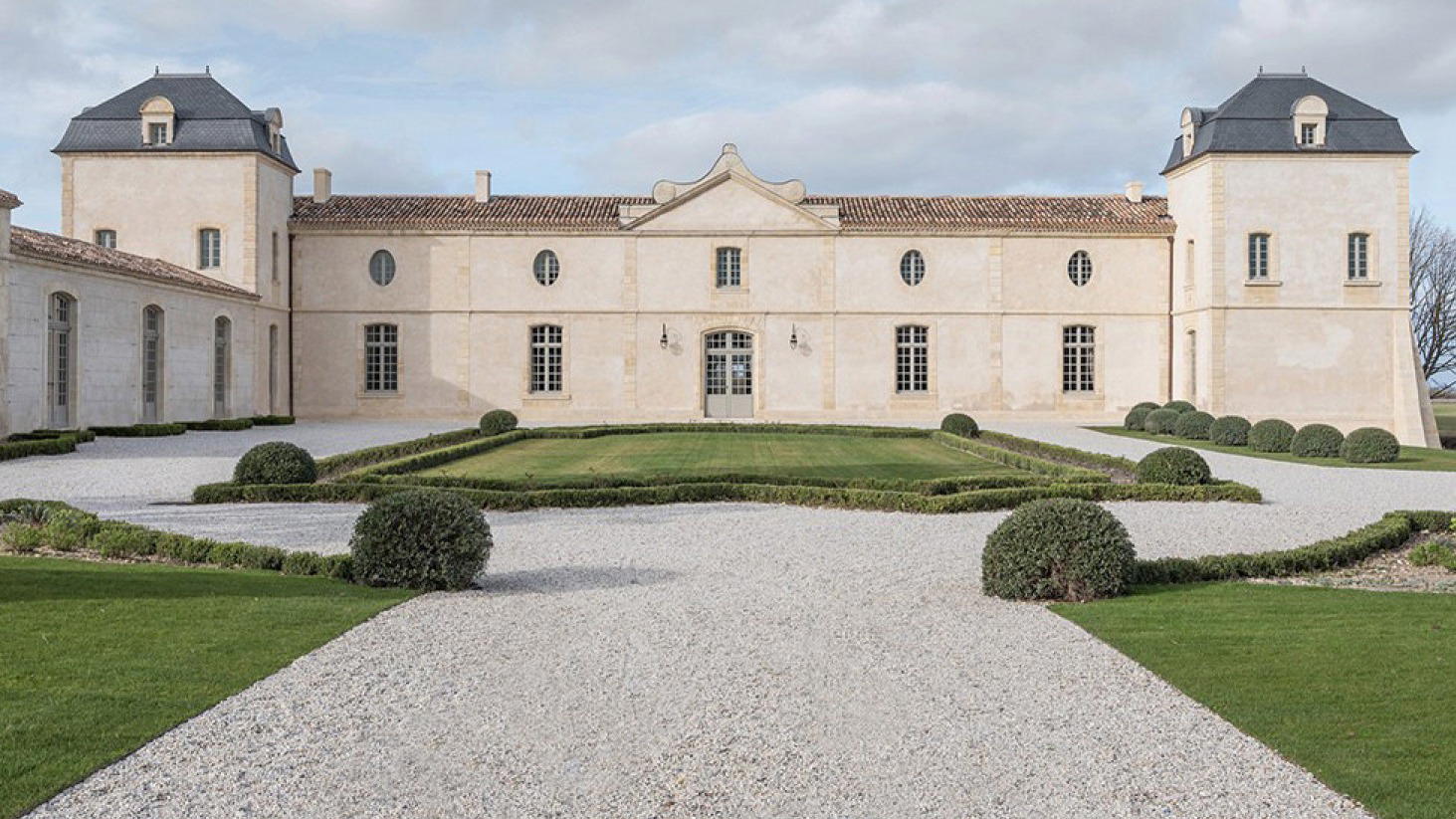
Bars in Saint Seurin De Cadourne
Browse all →

Restaurants in Saint Seurin De Cadourne
Browse all →
At a Glance
- Classic
- Rustic
- Scenic
- Wine Education
- Group Outing
- Solo Exploration
- Romantic Getaway
- Barrel Room
- Estate Grounds
- Historic Building
- Private Tasting
- Sustainable
- Vineyard
- Waterfront
- Haut Médoc AOC
- Cabernet Sauvignon
- Merlot
- Petit Verdot
- Still Red
- Guided Tasting
- Cellar Tasting
Historic Médoc family estate that blends traditional château charm with a working cellar atmosphere, offering relaxed, educational visits focused on Haut-Médoc know‑how rather than luxury design details.