Château Poitevin

Falstaff Winery - Listed
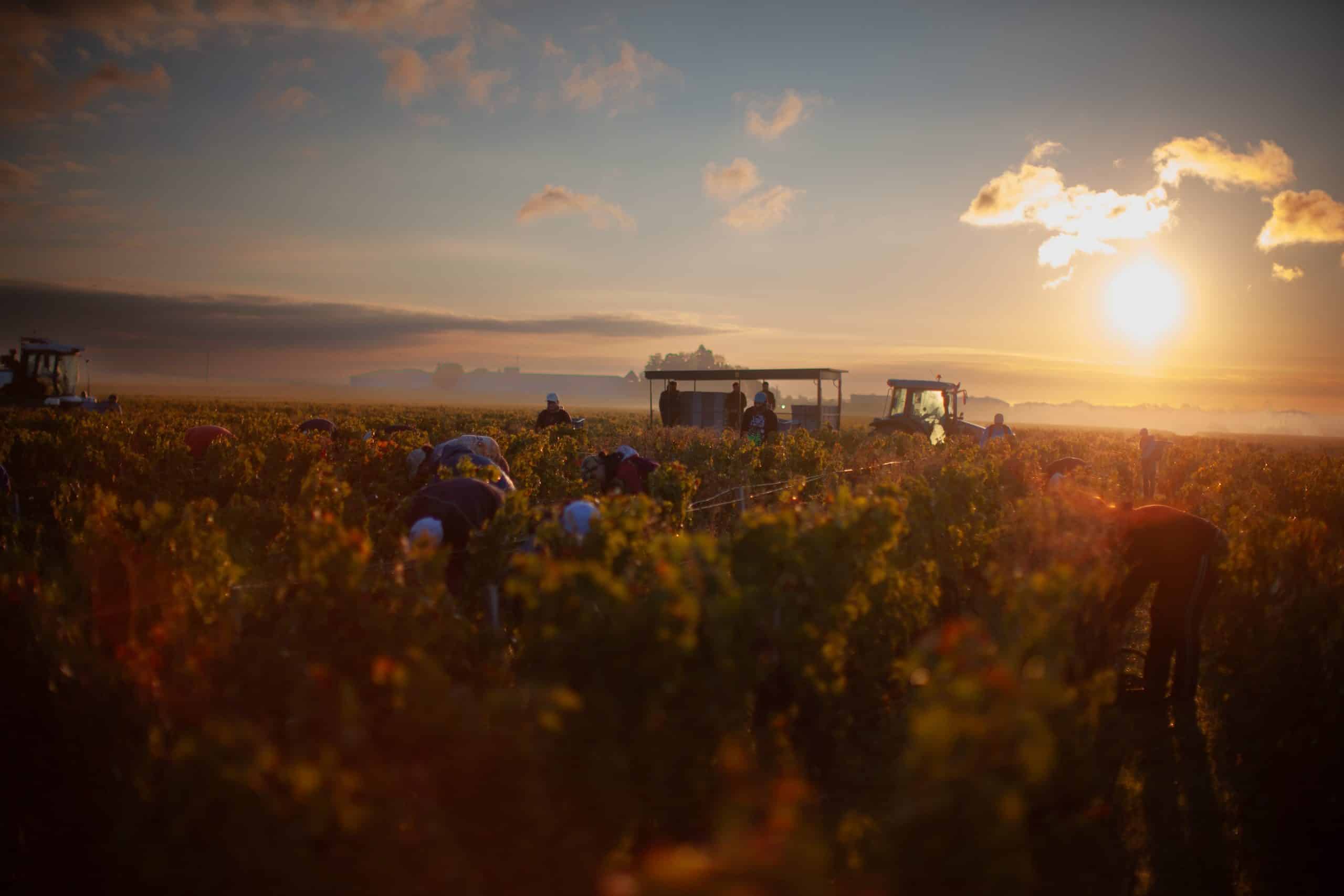
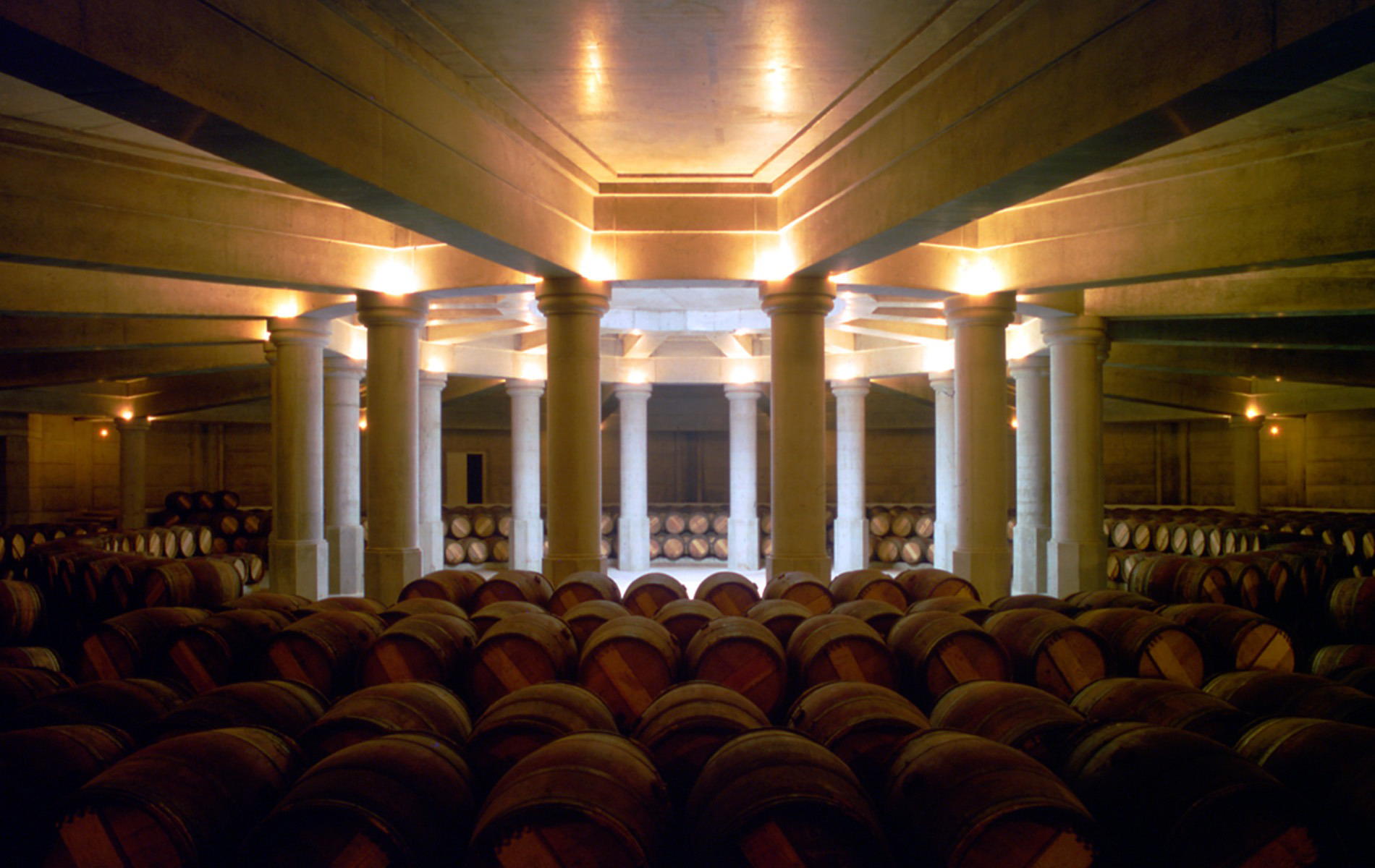
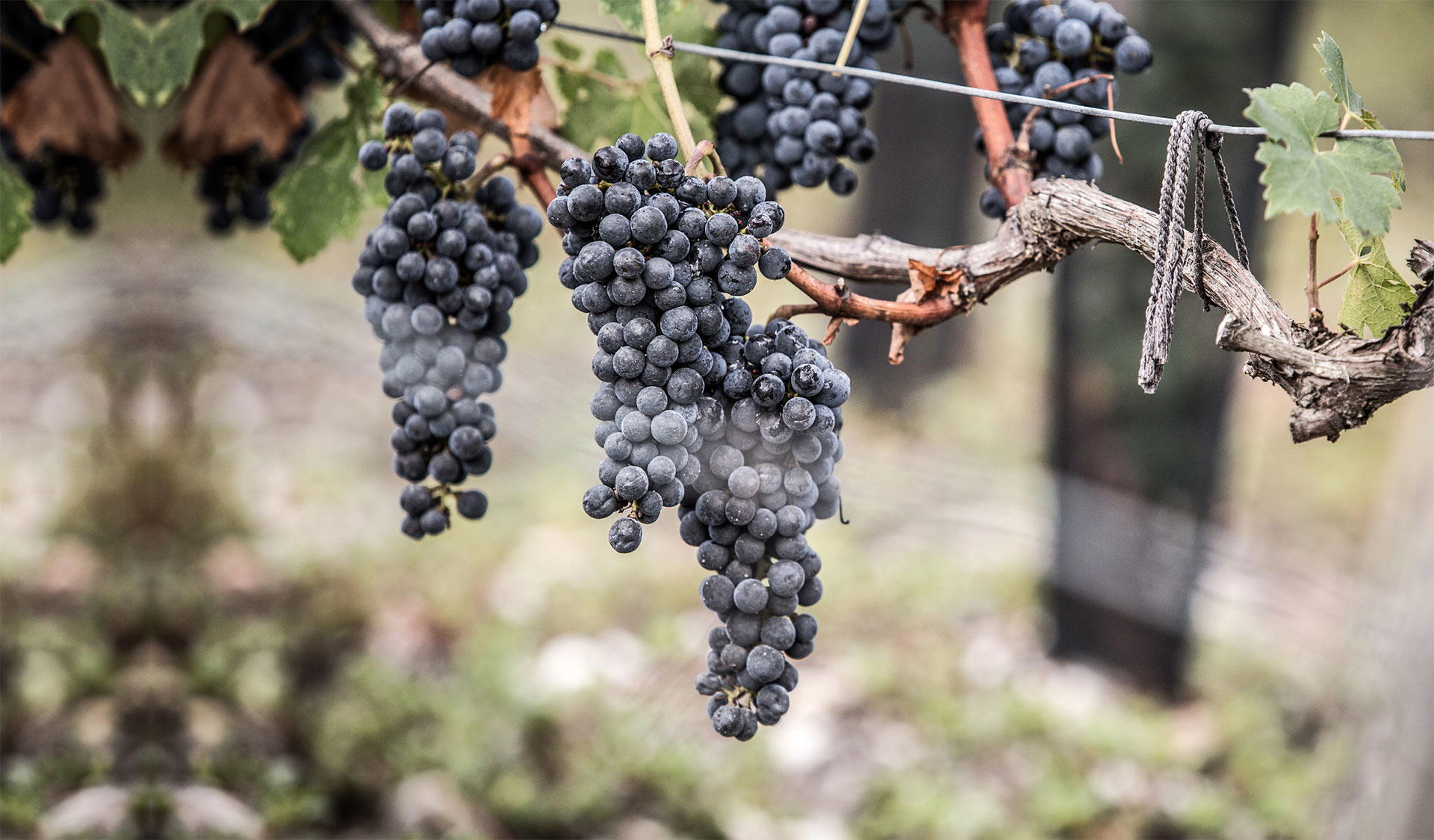
Château Poitevin gives the northern Médoc a practical, terroir-led reading rather than a grand château performance. The family-run estate works Merlot, Cabernet Sauvignon, Petit Verdot, Sauvignon Blanc, Sémillon and Muscadelle across a certified organic, HVE and Terra Vitis framework, with guided tastings that connect vineyard, cellar and amphora-aged experiments without ceremony.

Pearl is the En Primeur Club membership app — saves, bookings, and concierge access live there. Same editors, same standards.
- Address
- Jau-Dignac-et-Loirac, Médoc, Nouvelle-Aquitaine, Frankreich
- Directions
- Get directions

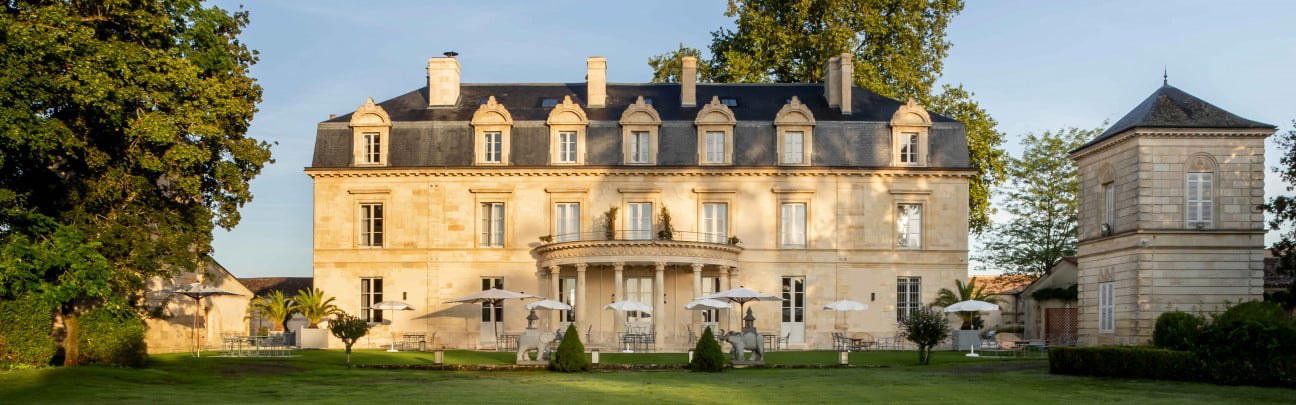
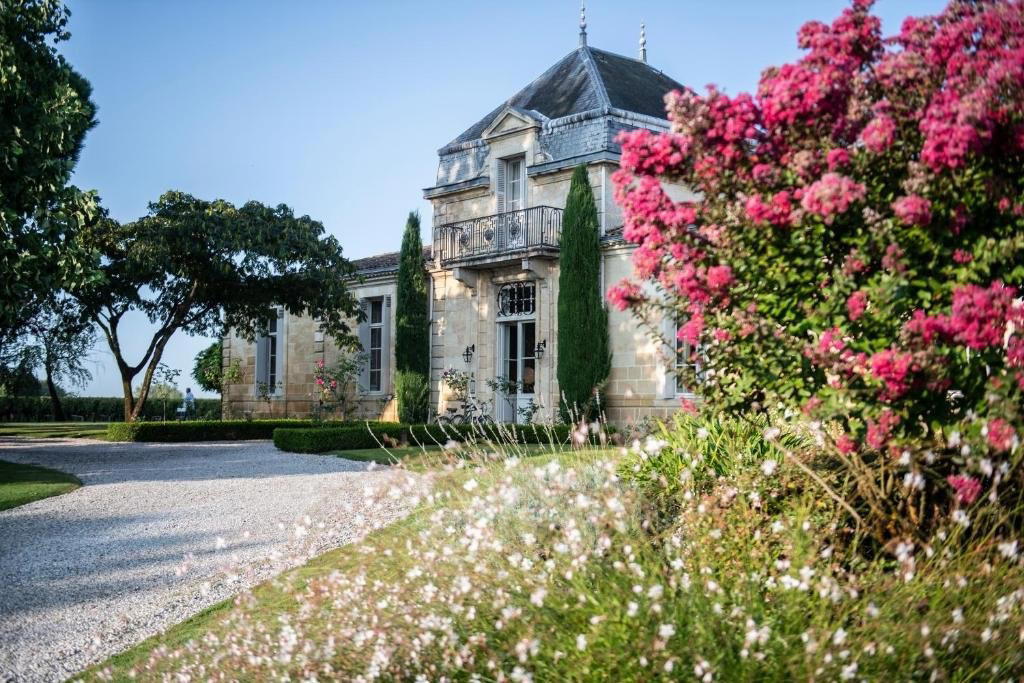
Château Poitevin is a family-run Médoc estate in Jau Dignac Et Loirac, set in a rural château environment with a rustic, scenic feel. The appeal is practical rather than theatrical: visitors can expect a relaxed, welcoming atmosphere and an emphasis on clear explanation rather than prestige performance. In other words, this is the kind of venue that reads less like a formal showcase and more like a grounded introduction to how an estate presents itself, its cellar, and its way of working.
The planning detail is simple: the listed price is $6 per person. That direct figure is part of the venue’s appeal for travellers who are building a Médoc itinerary around clear, manageable stops rather than complex arrangements.
A rural Médoc estate with a relaxed teaching style
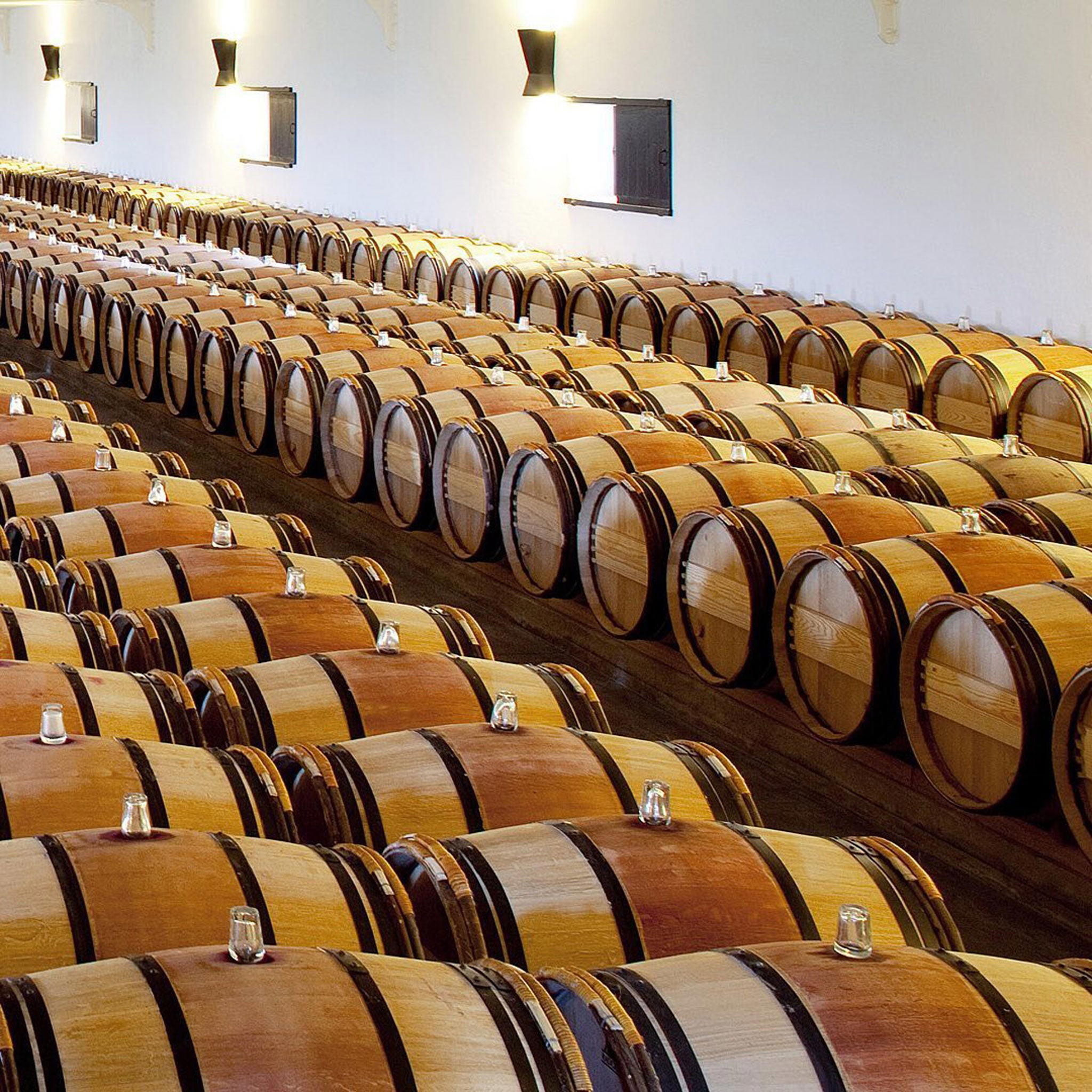
Château Poitevin is best understood as an informative stop for travellers who want a down-to-earth introduction to a Médoc estate. The description highlights tours that balance modern, environmentally conscious winemaking with traditional cellar heritage. That balance matters because it frames the visit as both current and rooted: visitors are not only seeing a rural château setting, but also hearing how the estate connects present-day priorities with the established culture of the cellar.
That combination gives the visit its editorial value: the estate is presented as approachable, family-run and rooted in a rural château setting. Rather than building the experience around ceremony, the tone is described as welcoming and explanatory. For many visitors, that kind of tone can make the difference between a passive tasting stop and a more useful cellar visit, because the emphasis fall on understanding rather than simply observing.
Other local dining or visit options should be checked separately for current details before planning around them. This is especially relevant for travellers arranging a route through the area, because the information here supports Château Poitevin as a clearly identified stop but does not verify the surrounding choices in the same way.
Modern environmental awareness and traditional cellar heritage
The information supports a broad description of Château Poitevin as a Médoc estate that connects contemporary environmental awareness with older cellar traditions. More specific claims about certifications, vineyard holdings, grape varieties, cuvées or production methods are not included here unless confirmed by available information. The useful point is the general orientation of the visit: it presents environmental awareness as part of the estate’s modern outlook while keeping the cellar and its traditions central to the experience.
That makes the visit most suitable for guests who value context: how a family-run estate explains its work, how a rural château presents its heritage, and how modern winemaking priorities can sit alongside established cellar culture. The page does not need to overstate that contrast for it to be meaningful. Even at a general level, the pairing of contemporary awareness and traditional heritage gives visitors a framework for listening, asking questions, and understanding what the estate chooses to emphasize.
The setting is described as rustic and scenic, which is a useful expectation for visitors planning a rural Médoc stop rather than an urban tasting-room experience. The wording suggests a place where the surroundings are part of the appeal, but not in a highly staged way. Travellers should expect the atmosphere to support the visit quietly: a château environment, a rural mood, and a sense of place that complements the explanatory style of the tour.
A practical cellar visit for travellers who want explanations, not theatre
Château Poitevin’s strongest hook is the style of the visit: informative, down-to-earth tours in a relaxed, welcoming atmosphere. It is a fit for travellers who want to ask questions and understand the estate at a human scale. The family-run character is important here, not as a decorative label, but because it reinforces the impression of a venue where the encounter is meant to feel direct, approachable and connected to the people behind the estate.
The guide can confirm the venue is in Jau Dignac Et Loirac and that the listed price is $6 per person. Details such as exact opening hours, reservation requirements, accessibility features, group size, languages, parking, children’s policies or pet policies should be confirmed directly before visiting. That confirmation step is sensible for any rural estate visit, particularly when travellers are relying on a planned schedule or coordinating the stop with other activities in the Médoc.
As a result, the recommendation should be read in a focused way: it identifies this estate as a practical, approachable place to consider, while leaving broader local comparisons outside the scope of the information.
The editorial case for Château Poitevin is therefore clear and narrow: it is a family-run Médoc estate in Jau Dignac Et Loirac with a rustic, scenic château setting, a welcoming tone, and tours that present both environmentally conscious winemaking and traditional cellar heritage. Its strength is not spectacle, luxury positioning or an exhaustive list of technical claims. Its strength is the promise of a grounded cellar visit, shaped by explanation, rural atmosphere and a direct sense of place.
Recognition history
Dated appearances from independent guides and award organizations, with the underlying list record or original source where available.
Falstaff Winery - Listed
Falstaff
Continue exploring
More in Jau Dignac Et Loirac
Wineries in Jau Dignac Et Loirac
Browse all →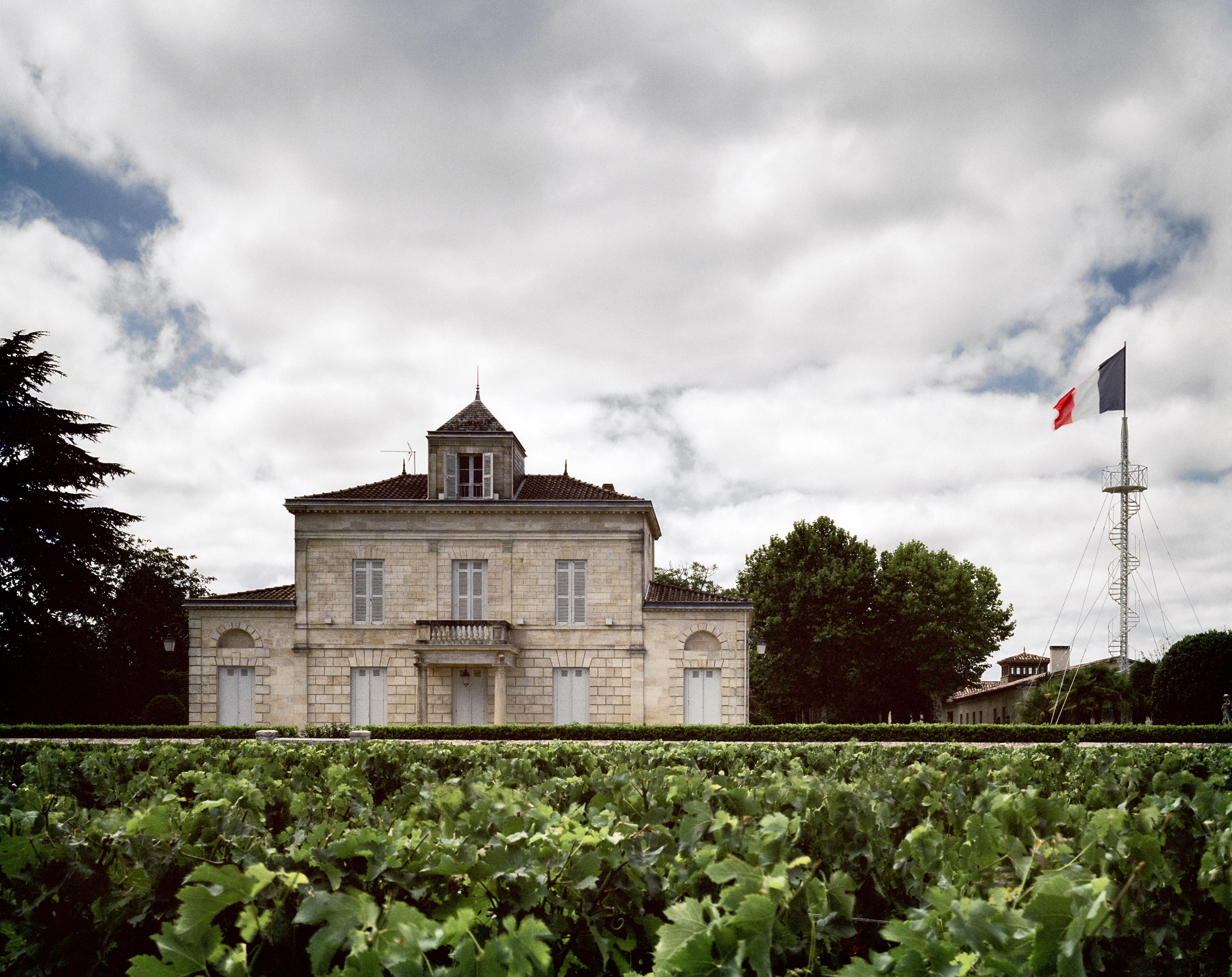
Bars in Jau Dignac Et Loirac
Browse all →
Restaurants in Jau Dignac Et Loirac
Browse all →



Details
- Rustic
- Scenic
- Classic
- Cozy
- Intimate
- Group Outing
- Family
- Solo Exploration
- Wine Education
- Romantic Getaway
- Special Occasion
- Barrel Room
- Vineyard Tour
- Estate Grounds
- Picnic Area
- Historic Building
- Private Tasting
- Organic
- Sustainable
- Vineyard
- Merlot
- Cabernet Sauvignon
- Petit Verdot
- Sauvignon Blanc
- Semillon
- Muscadelle
- Still Red
- Still White
- Still Rosé
- Amphora
- Estate Tasting
- Guided Tour With Tasting
- Private Tasting
- Walk In Bar Tasting
- French
- English
Family-run Médoc estate with informative, down-to-earth tours that balance modern, environmentally conscious winemaking with traditional cellar heritage, offering a relaxed, welcoming atmosphere in a rural château setting.