Château Peymouton

Château Peymouton gives Saint-Christophe-des-Bardes a clear Right Bank argument: Merlot-led Saint-Émilion Grand Cru shaped by limestone-clay plateau soils rather than cellar theatrics. The estate is tied to Château Laroque, works 31 hectares, carries HVE 3 certification, and produces a fruit-driven red with critic recognition across recent vintages.
Pearl is the En Primeur Club membership app — saves, bookings, and concierge access live there. Same editors, same standards.
- Address
- Saint-Christophe-des-Bardes, Nouvelle-Aquitaine, Frankreich
 Saves & bookings on Pearl
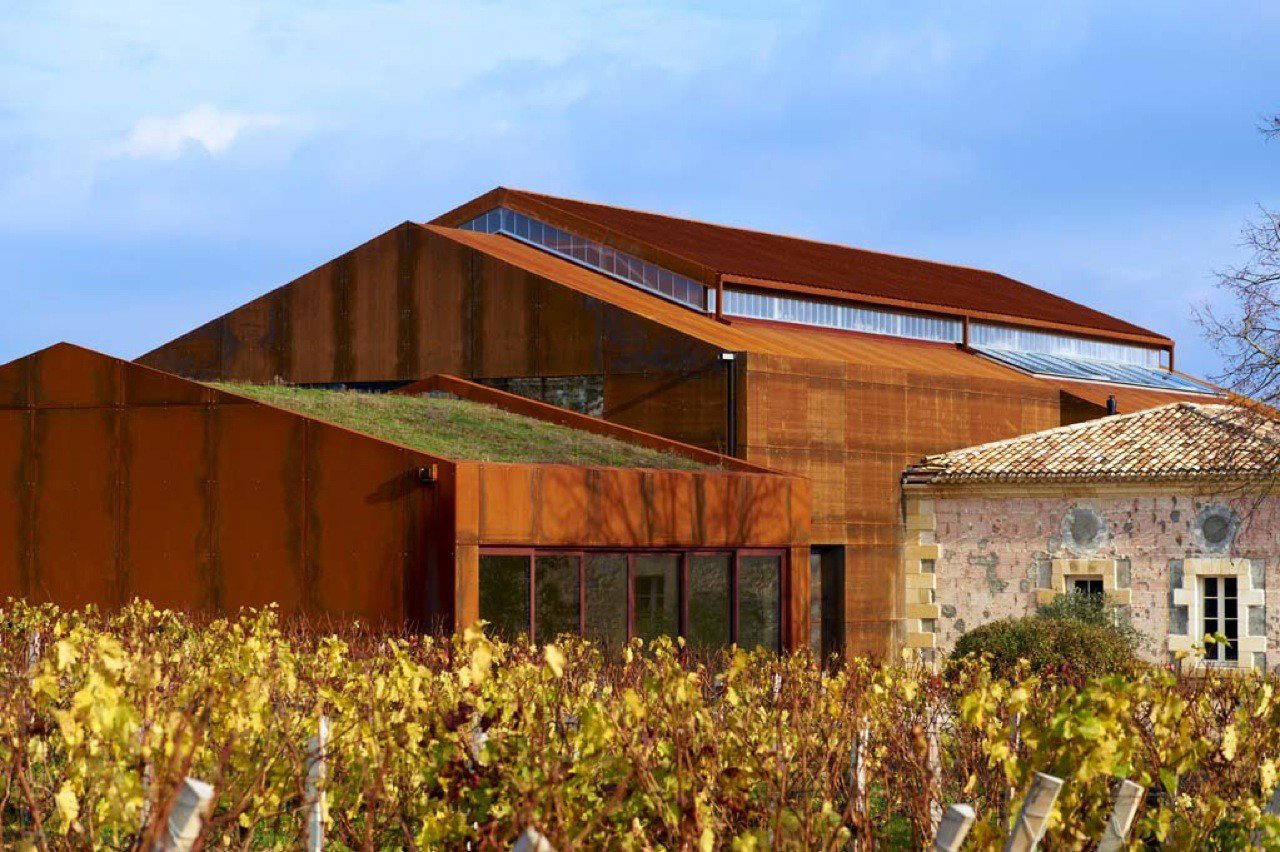
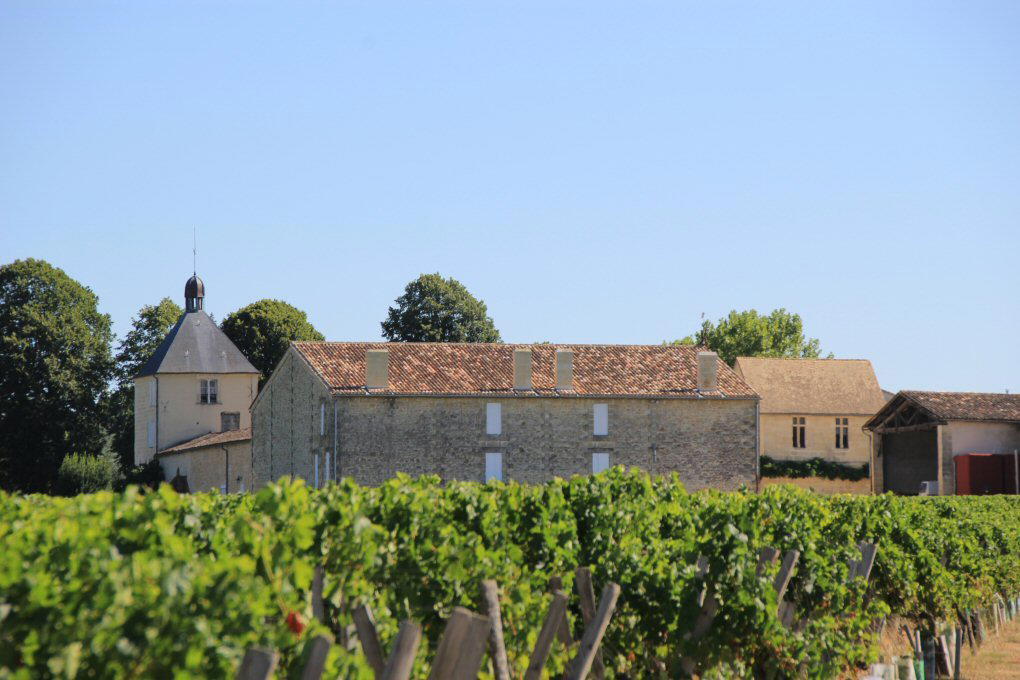
Approaching Saint-Christophe-des-Bardes, the drama is not urban or decorative; it is geological. Château Peymouton is best understood through its Right Bank Bordeaux setting: a historic estate environment associated with Château Laroque, with limestone-clay plateau vineyards and Saint-Émilion Grand Cru reds that are typically described as lively, fruit-driven, bright and perfumed. Those facts are enough to frame the visit honestly, without inventing a restaurant-style service model or adding unsupported details about tours, menus, seating, scores or specific bottling data.
The local context matters. Saint-Christophe-des-Bardes sits within the broader Saint-Émilion world, where visitors often look for a clearer sense of how soil, fruit profile and estate history shape a wine. Château Peymouton’s identity is tied to that conversation: plateau vineyards on limestone-clay soils, a connection with Château Laroque, and a style of Saint-Émilion Grand Cru red presented in terms of brightness, perfume and fruit rather than spectacle. For travellers using Saint-Christophe-des-Bardes as a wine base, it is a useful name to understand through place and style rather than through claims about facilities or programming.
Limestone-clay Saint-Émilion without the trophy-hunting mood
Right Bank Bordeaux is often explained through grapes and labels, but the more grounded way to approach Château Peymouton is through its terrain. The estate is associated with limestone-clay plateau vineyards, a setting that helps define its Saint-Émilion Grand Cru identity. The wines are described in broad, consistent terms: lively, fruit-driven, bright and perfumed. That gives readers a reliable starting point while avoiding unconfirmed specifics about blends, production volume, critic scores, awards or vintage-by-vintage rankings.
The price positioning is listed as $$$. In practical terms, that places the winery in a serious but not necessarily ultra-rarefied category. It is a venue to approach with intent: not as a casual generic stop, and not as an address that should be inflated with unsupported claims. The profile points instead toward a polished Saint-Émilion Grand Cru estate experience rooted in right-bank Bordeaux history, plateau soils and a bright red-wine style.
There is no confirmed basis here to state a chef, cuisine, tasting menu, lunch service, bottle score, formal award, exact acreage, seating count, parking arrangement, dog policy, sustainability certification or specific hospitality format. Readers should treat the winery as a wine-estate listing whose reliable appeal is its Saint-Christophe-des-Bardes location, its association with Château Laroque and its limestone-clay Saint-Émilion Grand Cru character.
The estate visit is about terrain, not performance
The winery’s strongest hook is not a staged experience; it is the estate’s setting and wine identity. The dress-code context is described as a historic Right Bank Bordeaux estate environment, which suggests that visitors should think in terms of a wine-country estate rather than a restaurant, bar or nightlife venue. The language around the wine itself remains centered on brightness, perfume and fruit-driven Saint-Émilion Grand Cru reds from limestone-clay plateau vineyards.
That also means the page should not promise amenities that are not confirmed. The safest plan is to check current details directly with the estate before arranging a visit. What can be said with confidence is narrower but still meaningful: the winery belongs to the Saint-Christophe-des-Bardes wine landscape and is linked to a historic Bordeaux estate environment associated with Château Laroque.
For travellers, this kind of listing is useful precisely because it resists overstatement. Not every estate needs to be framed by spectacle, accolades or exhaustive visitor amenities. The winery can be placed more simply: a Saint-Émilion Grand Cru name in Saint-Christophe-des-Bardes, connected to limestone-clay plateau vineyards and known in broad terms for bright, perfumed, fruit-driven reds.
How to place it in a Saint-Christophe-des-Bardes itinerary
The smarter way to use the winery is as a reference point for the Saint-Christophe-des-Bardes side of Saint-Émilion Grand Cru. Its identity gives travellers a concise framework: historic Right Bank Bordeaux estate atmosphere, Château Laroque association, limestone-clay plateau vineyards and a lively red-wine profile. That is enough to position it within a wine-focused day without making unsupported claims about what is offered on site.
If you are building an itinerary, pair this listing with current official information and other Saint-Christophe-des-Bardes dining, lodging or wine options described generically. Avoid assuming restaurant services, lunch availability, guided formats or special access unless confirmed directly. The reliable reason to keep the winery on the map is its grounded sense of place: a Saint-Christophe-des-Bardes estate linked to the plateau soils and bright, perfumed Grand Cru reds that make this part of the Right Bank distinctive.
Compared with more heavily marketed wine destinations, the winery’s story is deliberately compact. Its strength is not novelty or a long list of confirmed visitor amenities, but a clear reading of Saint-Émilion plateau fruit, shaped by an established Bordeaux setting and presented through the language of lively, fruit-driven reds.
Recognition history
Dated appearances from independent guides and award organizations, with the underlying list record or original source where available.
Falstaff Winery - Listed
Falstaff
Continue exploring
More in Saint-Christophe-des-Bardes
At a Glance
- Classic
- Scenic
- Elegant
- Romantic
- Romantic Getaway
- Group Outing
- Wine Education
- Solo Exploration
- Estate Grounds
- Vineyard Tour
- Historic Building
- Vineyard
- Saint Emilion Grand Cru
- Merlot
- Cabernet Franc
- Cabernet Sauvignon
- Still Red
- Standard Tasting
- Estate Tour
Historic right-bank Bordeaux estate environment associated with Château Laroque, with limestone-clay plateau vineyards producing lively, fruit‑driven Saint‑Émilion Grand Cru reds; the wine itself is typically described as bright, perfumed and floral with supple tannins and elegant, dark berry fruit, suggesting a refined yet approachable atmosphere for tastings.