Château Cantin

Château Cantin gives Saint-Émilion Grand Cru a historic Right Bank frame: 17th-century monastic buildings, clay-limestone slopes, Merlot-led reds and a quiet estate format rather than design-led spectacle. The draw is terroir clarity, with sustainable viticulture, guided tasting formats and a setting that keeps the focus on vineyard, courtyard and cellar logic.
Pearl is the En Primeur Club membership app — saves, bookings, and concierge access live there. Same editors, same standards.
- Address
- Saint-Christophe-des-Bardes, Libournais, Nouvelle-Aquitaine, Frankreich
 Saves & bookings on Pearl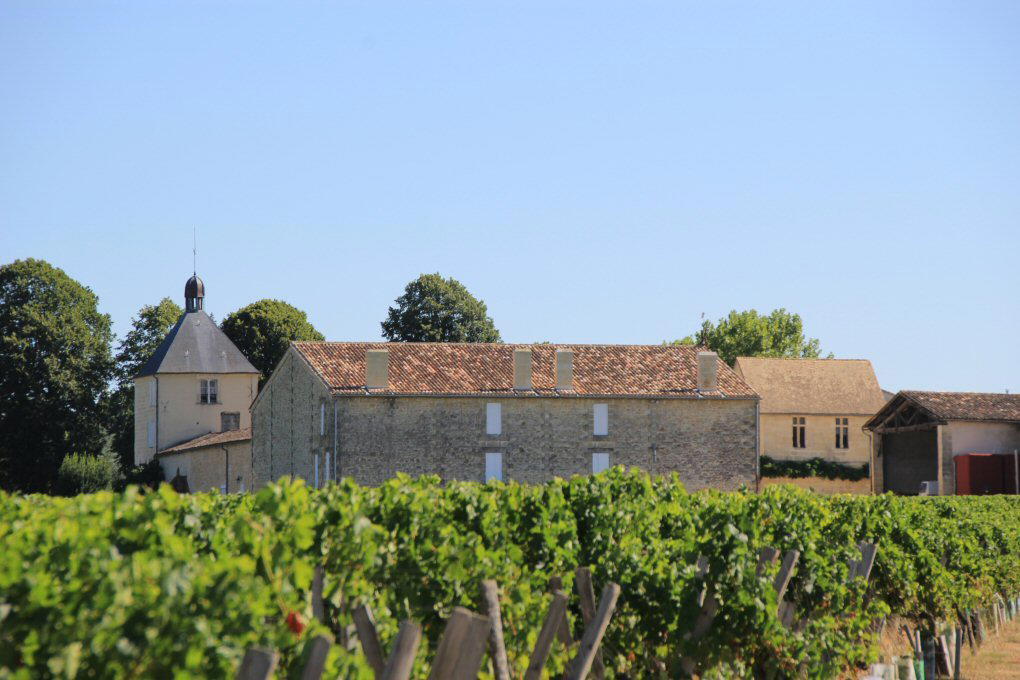
Château Cantin is a historic Right Bank Bordeaux estate in Saint-Christophe-des-Bardes, set among clay-limestone hillsides. Its 17th-century monastic buildings are arranged around a formal courtyard, giving the setting a classic, scenic atmosphere rather than a flashy one. The focus is on structured, bold Saint-Émilion Grand Cru reds, with the setting and estate character doing much of the storytelling. This is the sort of place where the architecture, the hillside context and the appellation identity all work together: the visitor’s impression is shaped as much by the old stone and courtyard proportions as by the expectation of a fuller, more serious Right Bank red. Rather than needing to be presented as a spectacle, Château Cantin reads as a grounded, traditional estate whose interest comes from its sense of place.
Clay-limestone slopes shape the house style
Château Cantin is described through its clay-limestone hillsides and Right Bank Bordeaux character. The grounded point here is not a detailed technical winemaking profile, but the broad style: structured, bold Saint-Émilion Grand Cru reds in a classic estate setting. That distinction matters, because it keeps the emphasis on what is actually established. The clay-limestone hillside setting gives useful context for understanding why the estate is presented through structure, depth and Bordeaux seriousness, without needing to overstate specific cellar practices or tasting notes that are not confirmed here.
What can be said with confidence is that winery’s appeal rests on its historic architecture, vineyard setting and the fuller, more structured red-wine identity associated with Saint-Émilion Grand Cru. For visitors, that means the estate is best approached less as a casual novelty stop and more as a classic Right Bank address, where the landscape and the wines are meant to feel connected. The language around the property points toward a bold red-wine profile and a traditional sense of place, rather than a light, highly staged or design-led experience.
For broader planning in Saint-Christophe-des-Bardes, confirm current local options directly before building an itinerary around specific services or schedules. The available description gives a strong sense of setting and wine identity, but it does not lock in operational details beyond the basic planning information already noted elsewhere. A careful itinerary should therefore treat the winery as a scenic, historic estate anchor, while checking the practical arrangements before relying on a particular time, format or availability.
A monastic courtyard rather than a showpiece tasting room
The estate’s 17th-century monastic buildings give the winery much of its character. The description points to a classic Right Bank estate atmosphere: formal courtyard, historic stone setting, clay-limestone hillsides and a scenic focus on Saint-Émilion Grand Cru reds. This framing is important because it suggests an experience rooted in restraint and continuity. The formal courtyard is not presented as a modern showpiece, but as part of a historic ensemble, one that gives the visit a composed and atmospheric backdrop. The effect is more architectural and landscape-driven than theatrical.
The safest way to frame the winery is as a historic Saint-Christophe-des-Bardes estate with a classic setting and a focus on structured red wines. That wording leaves room for the estate’s appeal without adding unsupported detail. It also captures the main reason to consider it: the winery brings together old monastic buildings, the visual order of a courtyard and the surrounding clay-limestone hillside context. For travellers who value the feel of a Bordeaux estate as much as a checklist of amenities, that combination is the point. The interest lies in how the place communicates Saint-Émilion Grand Cru identity through setting, architecture and a clearly stated red-wine style.
Where it fits in a Saint-Christophe-des-Bardes wine day
The winery is best framed as a classic, scenic Saint-Christophe-des-Bardes estate for travellers interested in historic Right Bank Bordeaux atmosphere and structured Saint-Émilion Grand Cru reds. The price is $17 per person, which gives a useful baseline for planning, but details such as schedule, capacity, parking and booking requirements should be confirmed directly. In practical terms, the estate makes sense as part of a wine day built around landscape, heritage and appellation character rather than around novelty. Its appeal is direct: a historic property, a hillside setting and a wine identity that leans bold and structured.
For a Saint-Christophe-des-Bardes itinerary, keep the confirmed facts simple: the winery offers a historic estate setting, clay-limestone hillside context and an emphasis on structured, bold Saint-Émilion Grand Cru reds. That is enough to position it clearly without overcomplicating the description. Travellers considering it should expect the draw to be the classic Right Bank mood: old buildings, a formal courtyard, vineyard surroundings and a red-wine focus that fits the Saint-Émilion Grand Cru frame. As long as the practical details are checked directly before visiting, the winery can be understood as a measured, atmospheric stop whose strengths are heritage, setting and style rather than unnecessary embellishment.
Recognition history
Dated appearances from independent guides and award organizations, with the underlying list record or original source where available.
Falstaff Winery - Listed
Falstaff
Continue exploring
More in Saint-Christophe-des-Bardes

At a Glance
- Classic
- Scenic
- Romantic
- Well Known
- Elegant
- Romantic Getaway
- Group Outing
- Wine Education
- Special Occasion
- Solo Exploration
- Estate Grounds
- Vineyard Tour
- Historic Building
- Private Tasting
- Sustainable
- Vineyard
- Garden
- Saint Émilion Grand Cru AOC
- Merlot
- Cabernet Franc
- Cabernet Sauvignon
- Still Red
- Estate Tasting
- Guided Tour And Tasting
- Vertical/vintage Focused Tasting
Historic Right Bank Bordeaux estate with 17th‑century monastic buildings around a formal courtyard, set on clay‑limestone hillsides; atmosphere is classic and scenic, focused on structured, bold Saint‑Émilion Grand Cru reds rather than a flashy design experience.