Château Croix de Labrie

Falstaff Winery - 2 Stars
Château Croix de Labrie sits in the small-production Saint-Émilion Grand Cru camp, where limestone, clay and close vineyard work matter more than scale. The estate’s 5.78 hectares, Merlot-led plantings and organic farming give the visit a focused, terroir-first character, with guided tastings set around a historic 17th-century property in Saint-Christophe-des-Bardes.
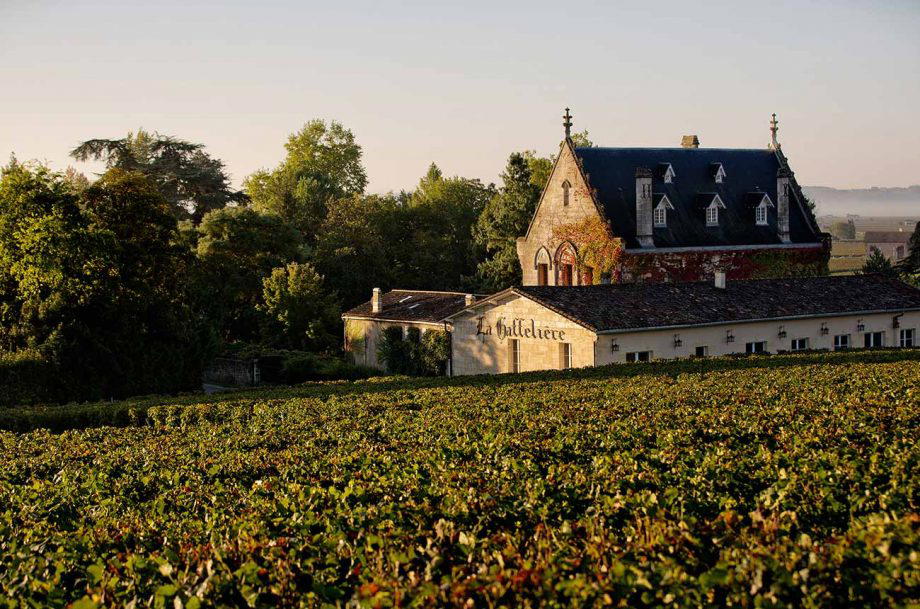
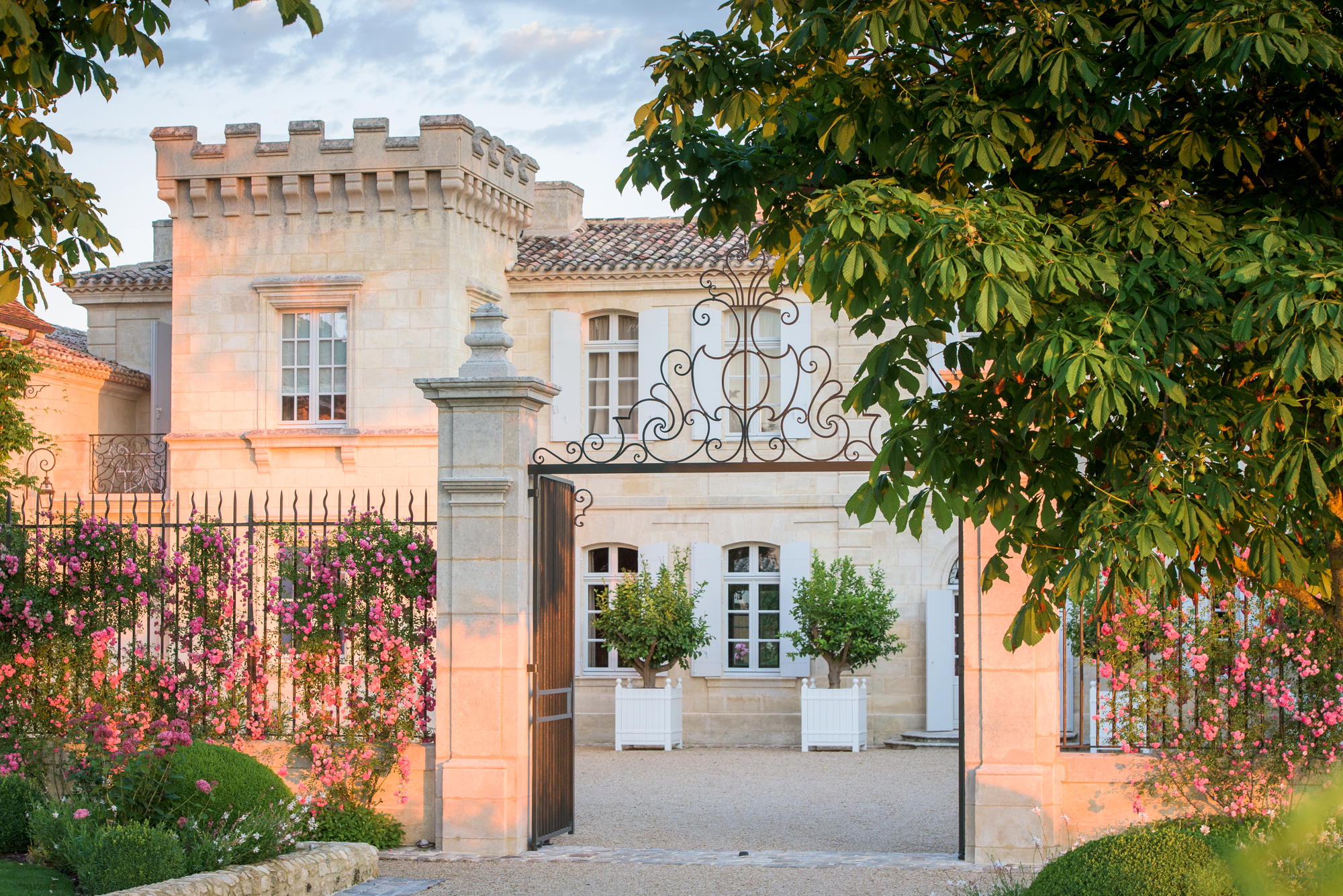
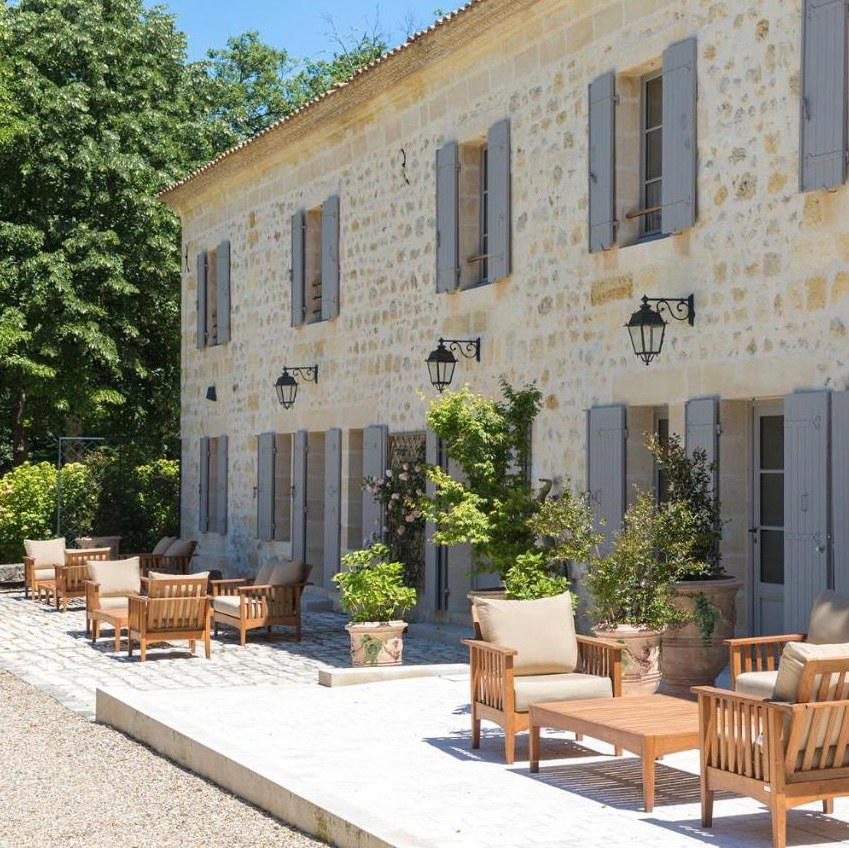
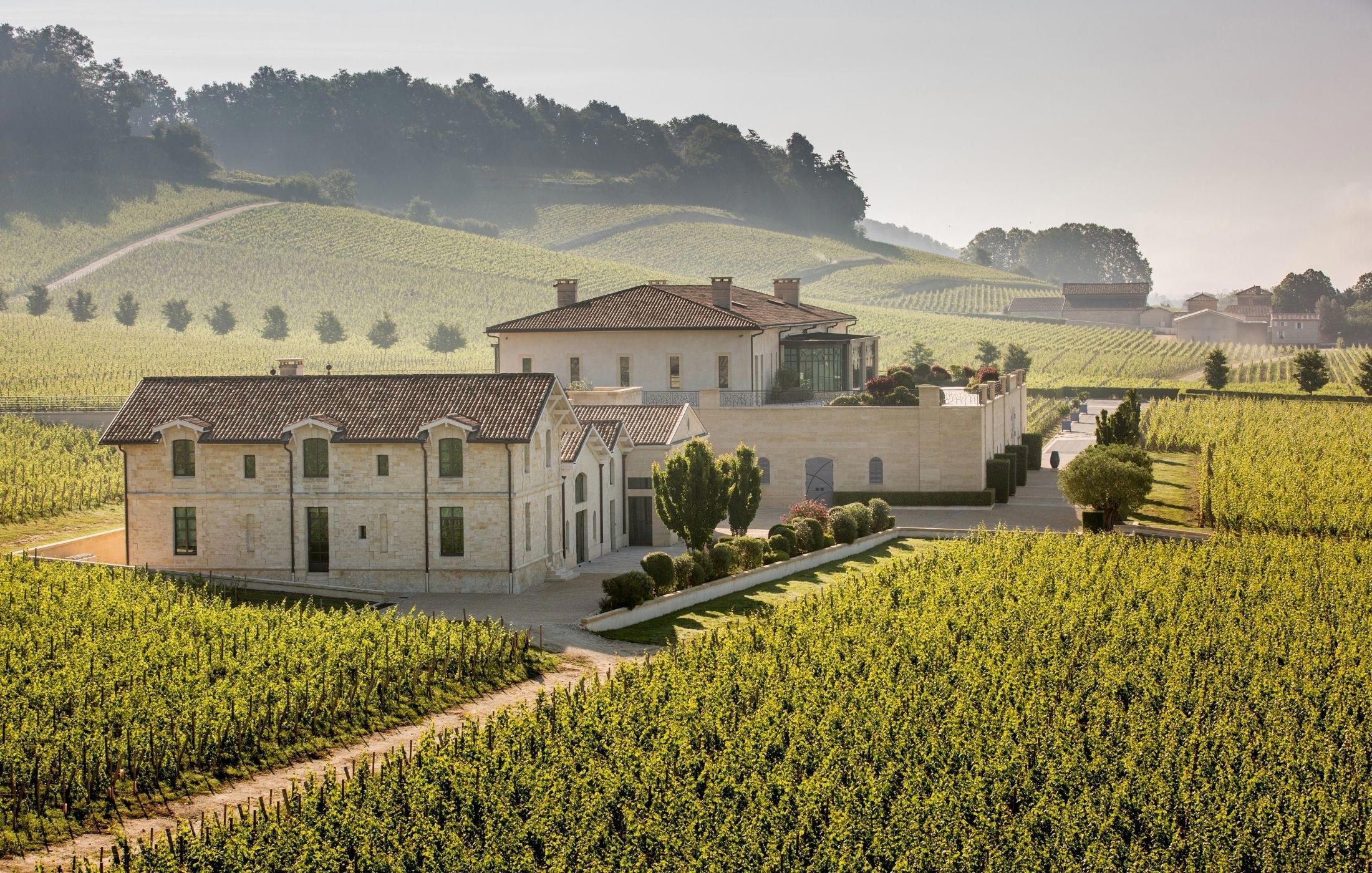
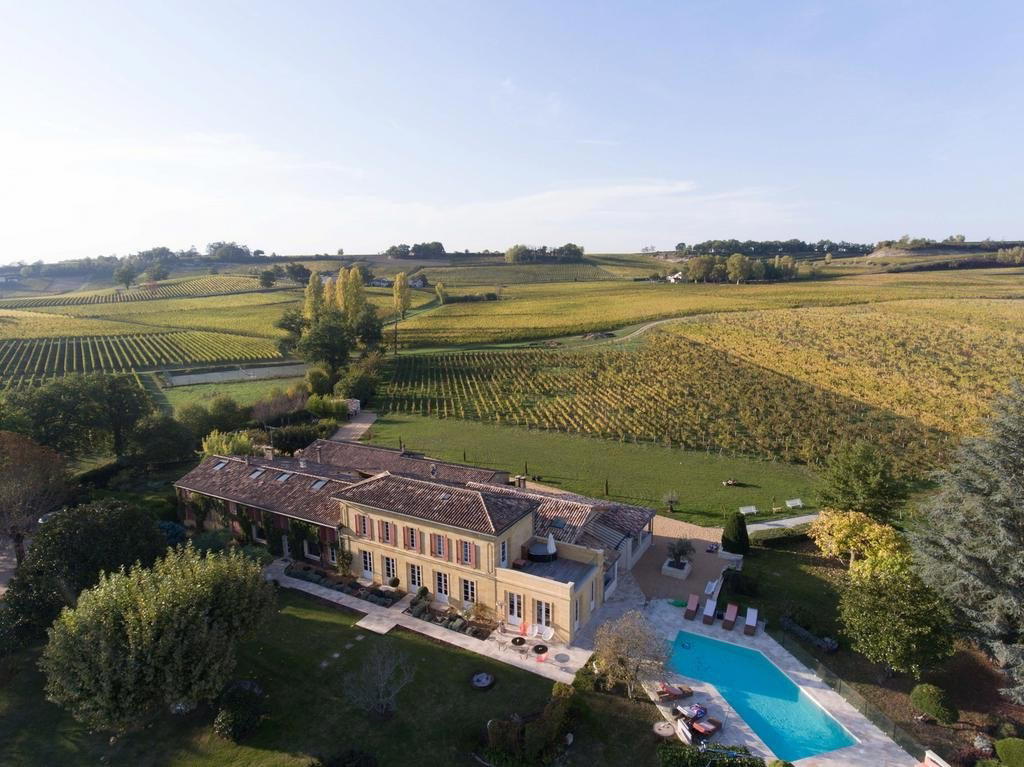
Vineyard gardens and a 17th-century house set the tone before the wine does. Saint-Christophe-des-Bardes is not a grand-château theatre of long drives and choreographed scale; its appeal lies in smaller parcels, limestone and clay underfoot, and the slower logic of Saint-Émilion estates that work by plot rather than spectacle. Château Croix de Labrie belongs to that register: quiet, rural, polished without becoming formal, and rooted in the clay-limestone plateau that gives this corner of the appellation its firmness and lift.
The estate’s identity is tied to the “garage wine” movement in Bordeaux, but that label only explains part of the story. In Saint-Émilion, small production can mean either scarcity as branding or scarcity as a consequence of vineyard size and selection. Here the numbers support the latter reading: about 5.78 hectares, average production around 15,000 bottles, and a Merlot-led vineyard planted with Cabernet Sauvignon and Cabernet Franc in support. The result is a Saint-Émilion Grand Cru address where the important question is not grandeur, but how much detail can be drawn from a compact spread of soils.
Limestone, clay and the Saint-Émilion small-estate argument
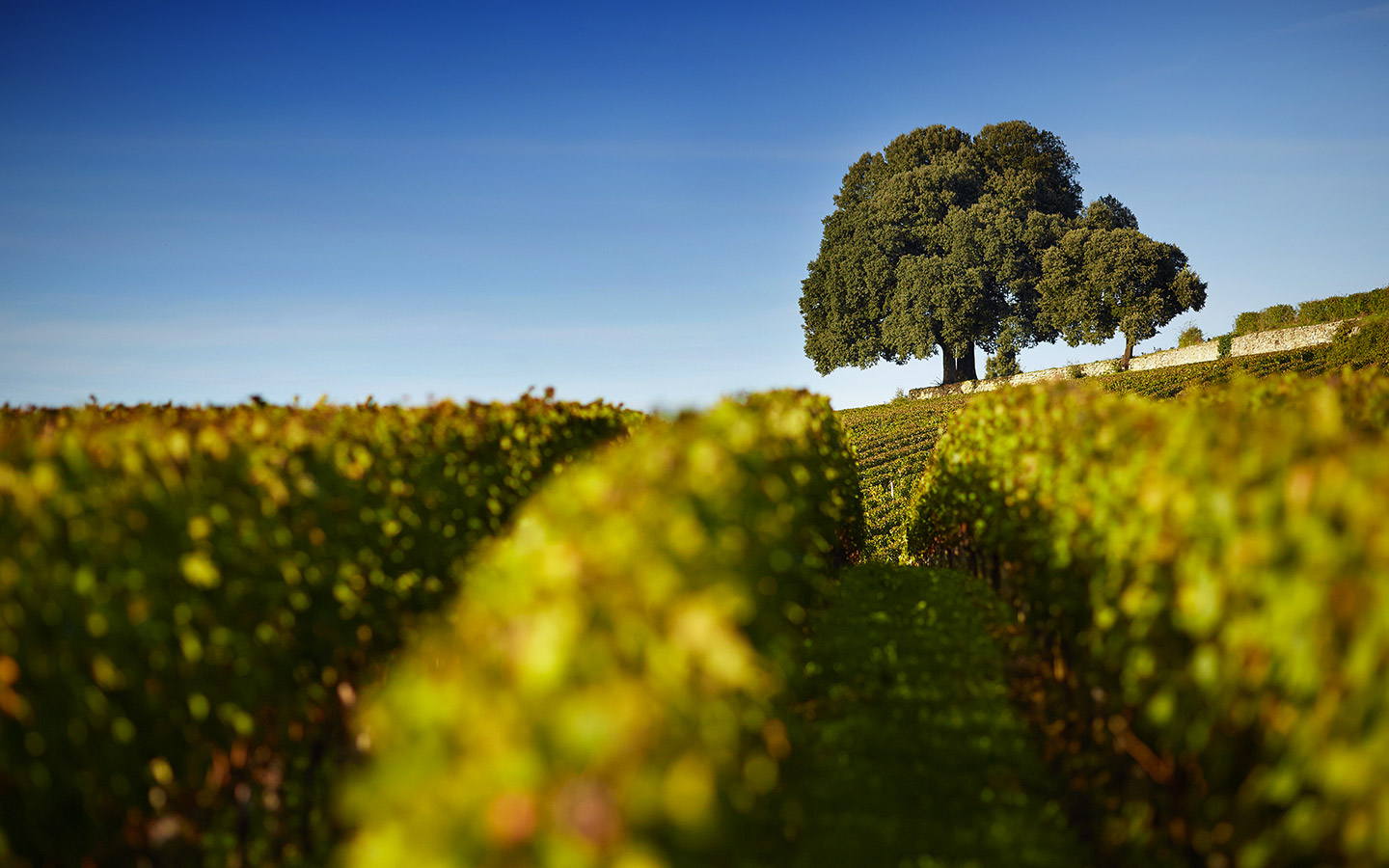
Saint-Émilion rewards close reading. Merlot dominates much of the appellation, but the grape changes character according to whether it is rooted in sand, gravel, clay or limestone. Château Croix de Labrie works across Badon, Saint-Sulpice and the clay-limestone plateau of Saint-Christophe-des-Bardes, a spread that gives the estate a mosaic rather than a single-block identity. Brown sandy limestone, clay over iron-rich subsoil and ferruginous clay-limestone parcels all play into the house style: density from Merlot, structure from limestone, and a savoury frame from the Cabernet varieties.
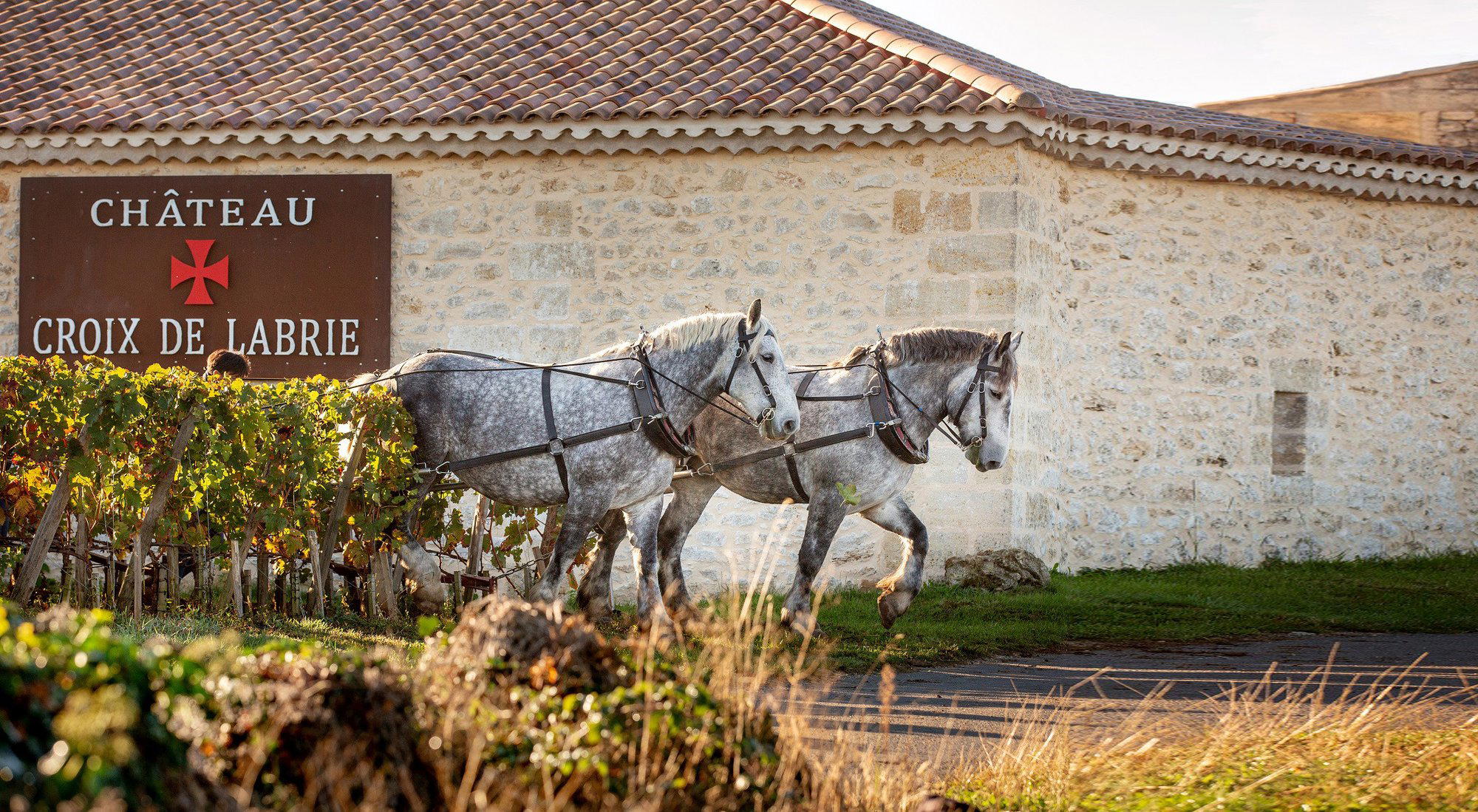
That plot-by-plot approach places the estate within a broader Bordeaux shift away from volume-led prestige and toward precision farming. Horse plowing, Poussard pruning and manual harvesting are not decorative details here; they signal a labor-intensive model built around vine health, soil structure and careful selection. Organic farming is part of the production philosophy, and the estate has also been associated with biodynamic conversion. In a region where sustainability claims can become vague, the more concrete indicators matter: vineyard work by hand and horse, small-scale vinification, and a cellar program that gives individual parcels room to register.
The cellar treatment is assertive by design. Fermentation uses small oak barrels and stainless steel tanks, while aging takes place in new French oak for 16 to 18 months. That puts the wines in a polished, structured Saint-Émilion idiom rather than a stripped-back naturalist one. The key is balance: the estate’s appeal rests on whether oak, ripeness and limestone tension stay in conversation. A 97-point James Suckling score for the 2018 vintage gives the collector market a clear trust signal, but the more useful reading for travelers is stylistic. This is a compact estate aiming for concentration, refinement and cellar-worthy red Bordeaux, not a casual tasting-room pour built around immediate charm alone.
The visit is built around focus, not throughput
The hospitality format follows the production scale. Visits are guided, private-leaning and usually structured around a 60-minute look at the vineyards, the historic cellar and the tasting context rather than a high-volume circuit. That makes sense for a property of this size: the value of the stop is in understanding how three terroir zones, old-vine material and small-batch handling translate into the glass. The estate’s tour languages include French, English and Spanish, which widens its usefulness for international travelers without turning the experience into a large-group attraction.
Axelle Courdurié is the named winemaker, and that fact is useful less as biography than as evidence of a hands-on estate model. In Saint-Émilion, where ownership structures and consultant-led winemaking can blur the line between château identity and market style, a small property with a named winemaker and close vineyard management gives the visit a clearer editorial proposition. The emphasis is not personal mythology; it is continuity between vineyard decisions, cellar choices and the wines poured at the property.
The flagship wine is built around Merlot with Cabernet Sauvignon and Cabernet Franc, matching the Right Bank grammar of the appellation. Chapelle de Labrie, the second wine, draws from the same estate logic but is positioned as a different expression within the portfolio. Both sit in the still-red Bordeaux lane, which is useful for planning: visitors should expect a focused red-wine tasting rather than a broad multi-style cellar. There is no food-pairing format attached to the experience, so the visit works better as a wine-education stop than as a leisurely lunch replacement.
How to read it within a Saint-Christophe-des-Bardes itinerary
Saint-Christophe-des-Bardes rewards travelers who build an itinerary by texture rather than trophy count. The village area sits close to the Saint-Émilion orbit, but its strongest experiences often come from estates where vineyard detail is easier to grasp at human scale. For readers mapping the commune, EP Club’s wider Saint-Christophe-des-Bardes coverage can help separate wine-focused stops from dining, lodging and after-dark options: see the full Saint-Christophe-des-Bardes wineries guide, plus the restaurants guide, hotels guide, bars guide and experiences guide.
Nearby Saint-Christophe-des-Bardes winery pages also give useful regional context without turning the choice into a ranking exercise. Travelers comparing formats can look at Château Barde-Haut, Château Boutisse, Château Cantin, Château Clos de Sarpe and Château Enclos Tourmaline to understand how varied the commune’s cellar experiences can be even within the same appellation frame.
For a broader European wine-travel lens, contrast this Right Bank red-Bordeaux model with the Champagne grower perspective at A. Margaine in Villers-Marmery, the monastic Languedoc setting of Abbaye de Fontfroide in Narbonne, the southern French portfolio approach at Abbotts & Delaunay in Marseillette, the Austrian lakeside context of »der Steiner« Hans Steiner in Podersdorf am See, or the urban wine-bar retail format at & Handwein in Mannheim. The comparison is not about equivalence; it clarifies what Château Croix de Labrie offers: a concentrated Saint-Émilion reading of place, scale and red-wine structure.
Frequently asked questions
How would you describe the overall feel of Château Croix de Labrie?
It feels quiet, intimate, and rooted in the countryside, with a historic 17th-century house set among vineyard gardens in Saint-Christophe-des-Bardes. The setting matches the format: appointment-only visits, guided tastings, and a small-estate pace rather than a high-throughput cellar.
What's Château Croix de Labrie's location?
Château Croix de Labrie is located at Saint-Christophe-des-Bardes, Libournais, Nouvelle-Aquitaine, Frankreich, Saint-Christophe-des-Bardes.
What's the cost level for Château Croix de Labrie?
Pricing at Château Croix de Labrie is listed as $43 per person.
What's the standout thing about Château Croix de Labrie?
The estate's appeal is its scale and focus, with organic production, AOC Saint-Émilion Grand Cru status, and a visit built around a 60-minute guided tasting. At $43 per person, it sits in a format that prioritizes close access to the vineyard, barrel room, and historic property.
How hard is it to get in to Château Croix de Labrie?
Entry is controlled by appointment only, so it is not a drop-in stop. That said, the estate is set up for private tastings, group outings, and corporate visits, with tour languages in French, English, and Spanish.
Recognition history
Dated appearances from independent guides and award organizations, with the underlying list record or original source where available.
Falstaff Winery - 2 Stars
Falstaff
Enquire about visiting Château Croix de Labrie or buying its wine
Visits to Château Croix de Labrie are usually kept for the estate's regular buyers and the wine trade. Tell us when you would like to go and a little about how you buy, and we put the request to the estate and reply to you by email. For buying, we source directly from the producer or from a licensed seller we know and vouch for, and tell you the route before you pay.
Continue exploring
More in Saint-Christophe-des-Bardes
Wineries in Saint-Christophe-des-Bardes
All wineries in Saint-Christophe-des-Bardes →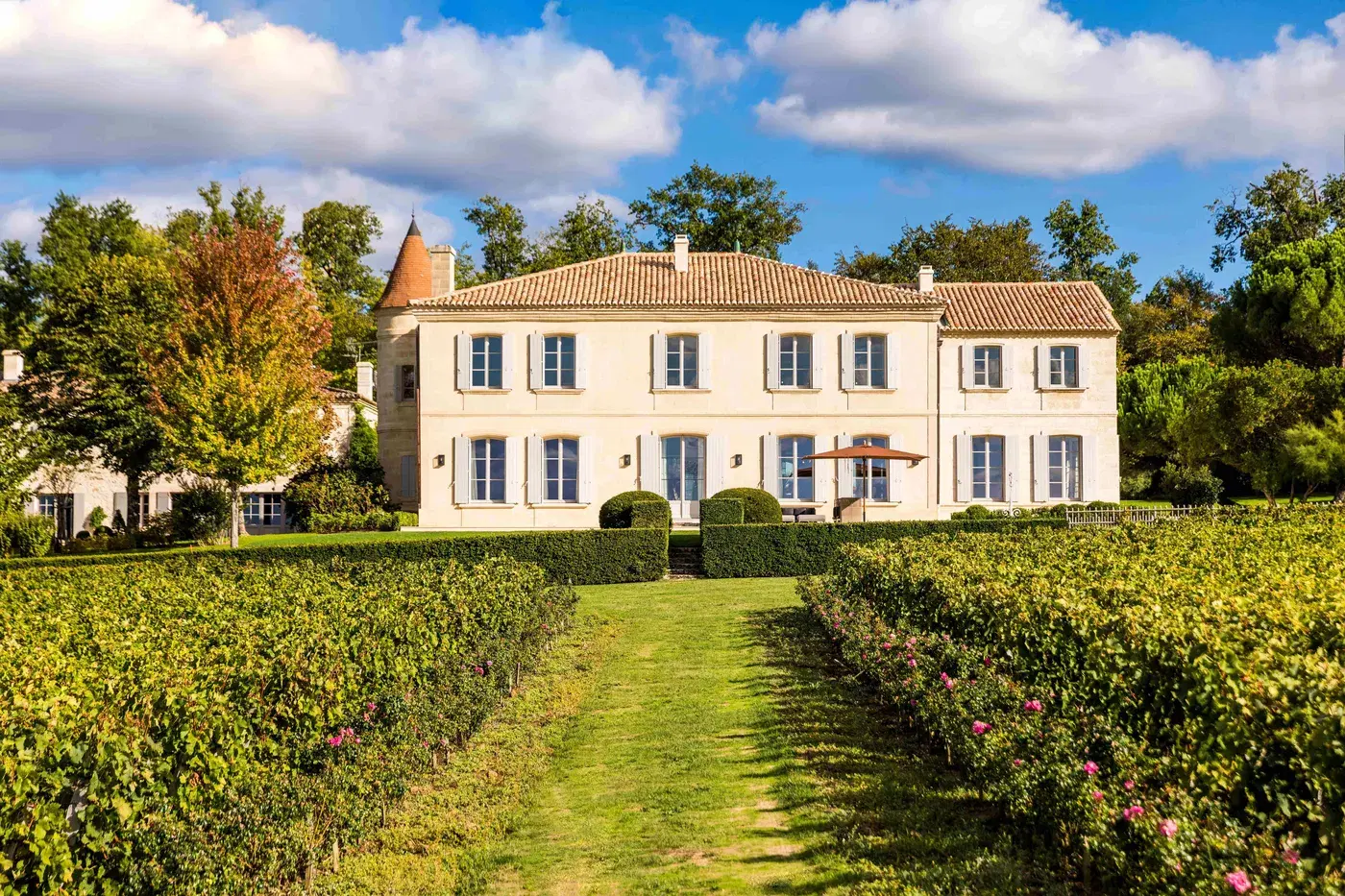
Bars in Saint-Christophe-des-Bardes
Browse all →
Restaurants in Saint-Christophe-des-Bardes
Browse all →
Details
- Quiet
- Scenic
- Elegant
- Rustic
- Intimate
- Sophisticated
- Wine Education
- Special Occasion
- Corporate Event
- Group Outing
- Vineyard Tour
- Historic Building
- Estate Grounds
- Private Tasting
- Barrel Room
- Organic
- Sustainable
- Vineyard
- Merlot
- Cabernet Sauvignon
- Cabernet Franc
- Still Red
- Guided Tasting
- Paid Tasting
- Private Tasting
- French
- English
- Spanish
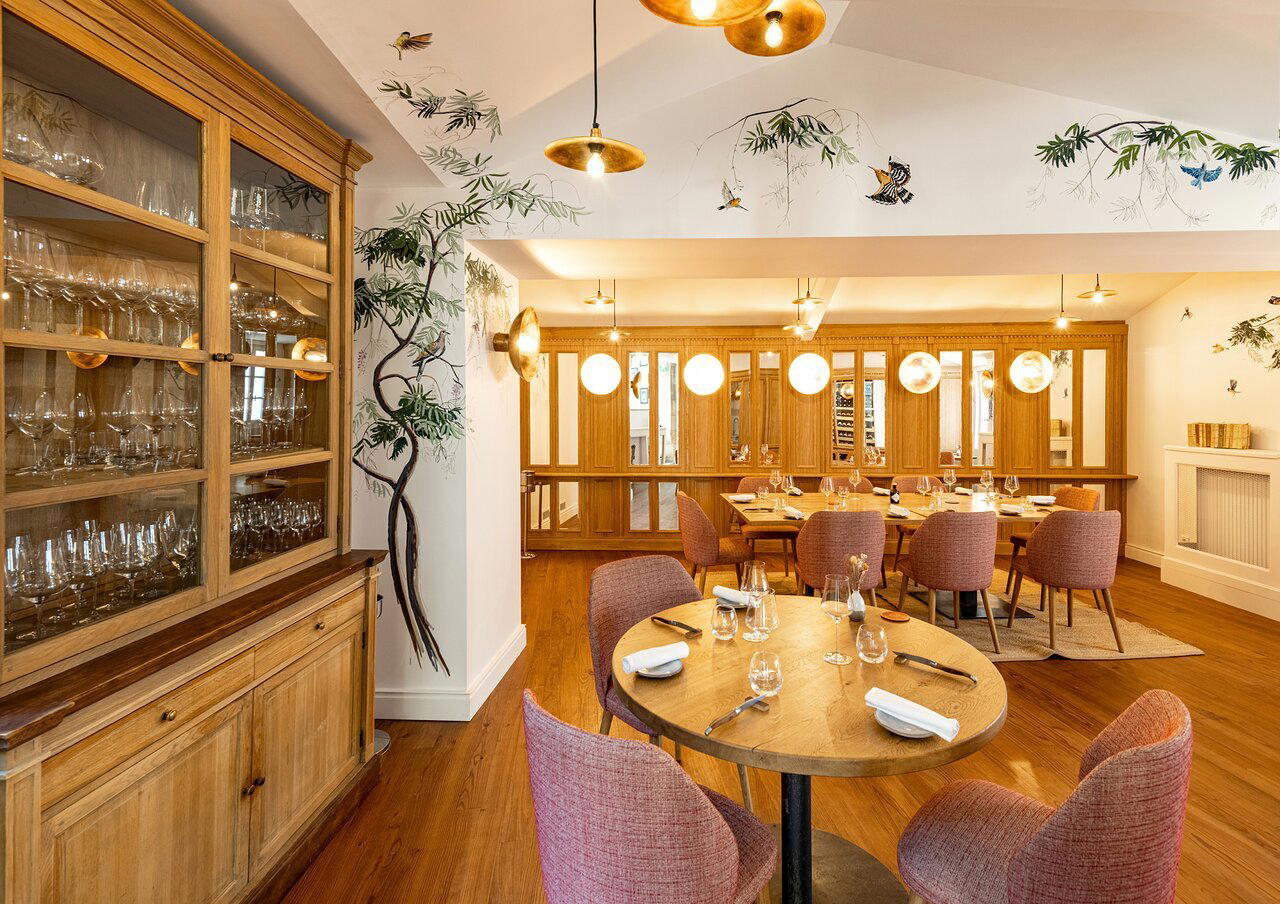
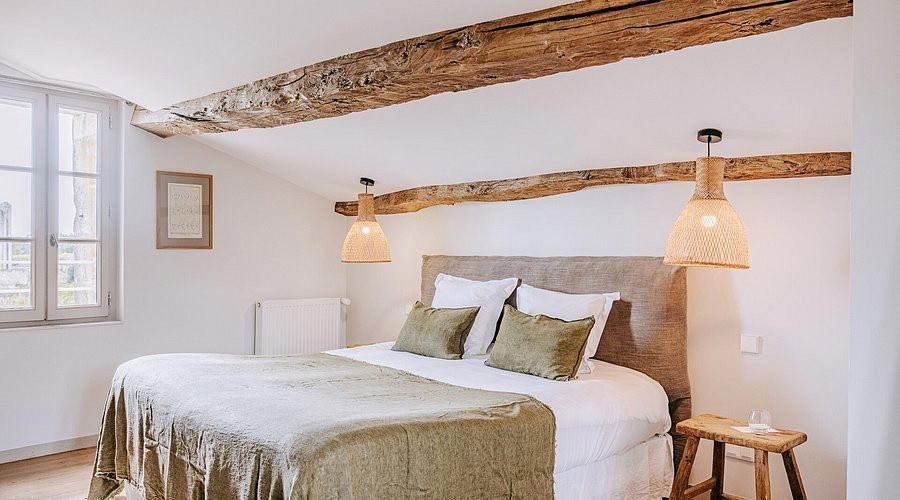
Peaceful, warm countryside setting with a gentle rustic atmosphere, combining authenticity and modernity amid vineyard gardens and a historic 17th-century house.