Château Petit Bocq

Château Petit Bocq gives Saint-Estèphe a quieter, grower-led register: functional cellars, vineyard parcels around the appellation, and a Left Bank red built with an unusually high Merlot share. The estate’s Cru Bourgeois Supérieur status, 1971 founding, and roughly 18–19 hectares of vines make it a useful stop for understanding how newer Médoc properties work inside an old appellation.
Pearl is the En Primeur Club membership app — saves, bookings, and concierge access live there. Same editors, same standards.
- Address
- 3 Rue de la Croix de Pez, 33180 Saint-Estèphe, France
- Phone
- +33 5 56 59 35 69
- Website
- petitbocq.com
- Directions
- Get directions
 Saves & bookings on Pearl
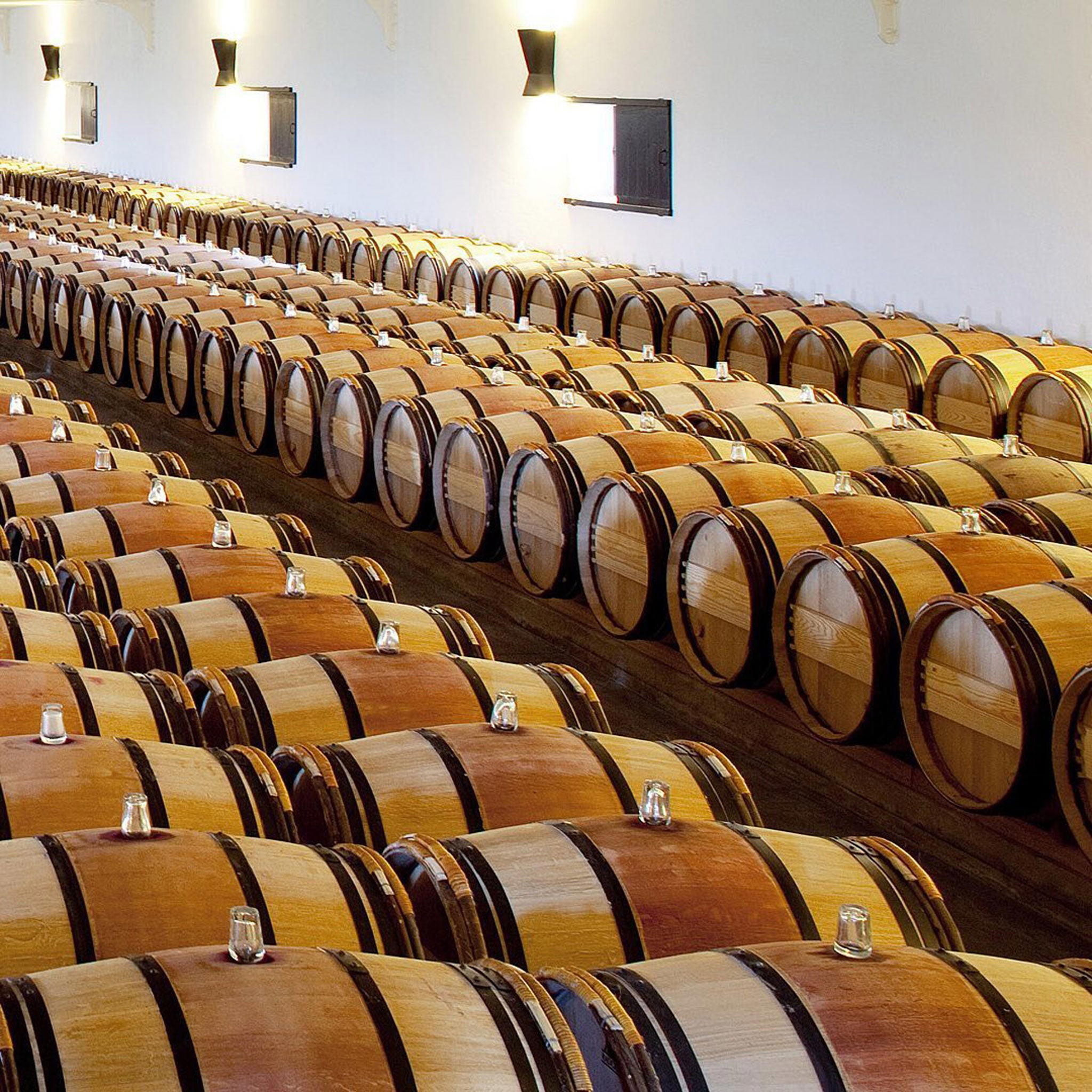
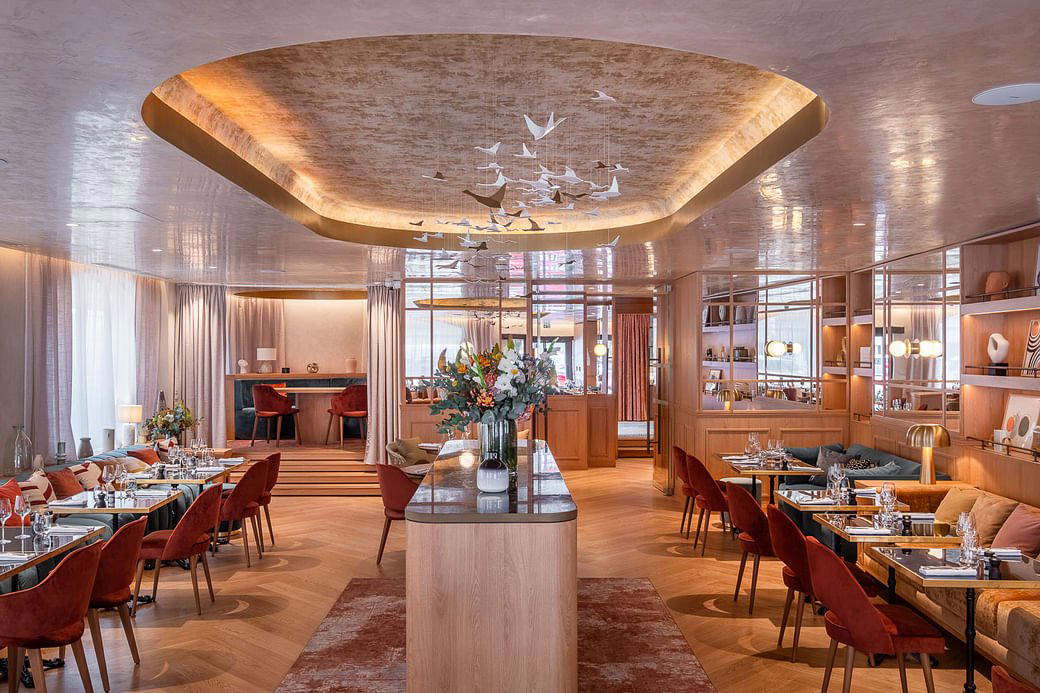
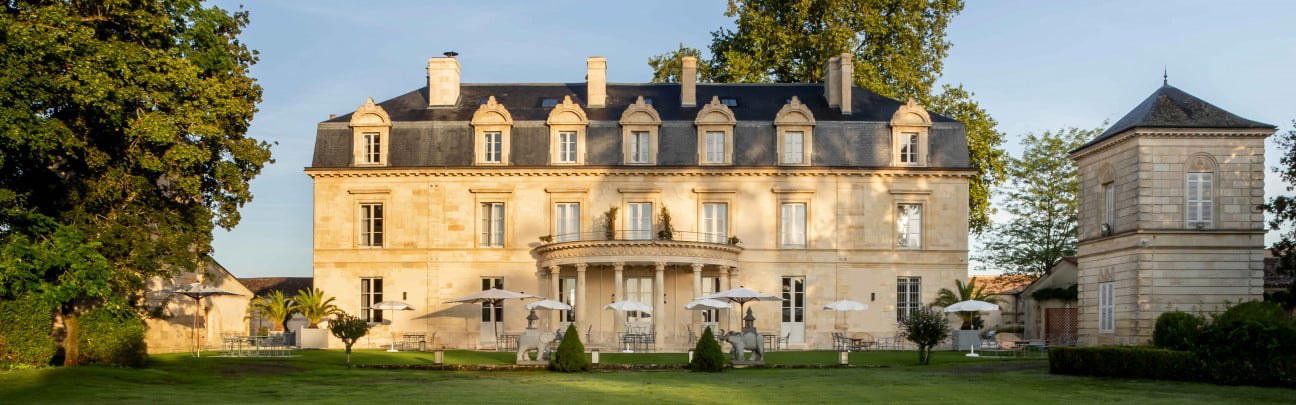
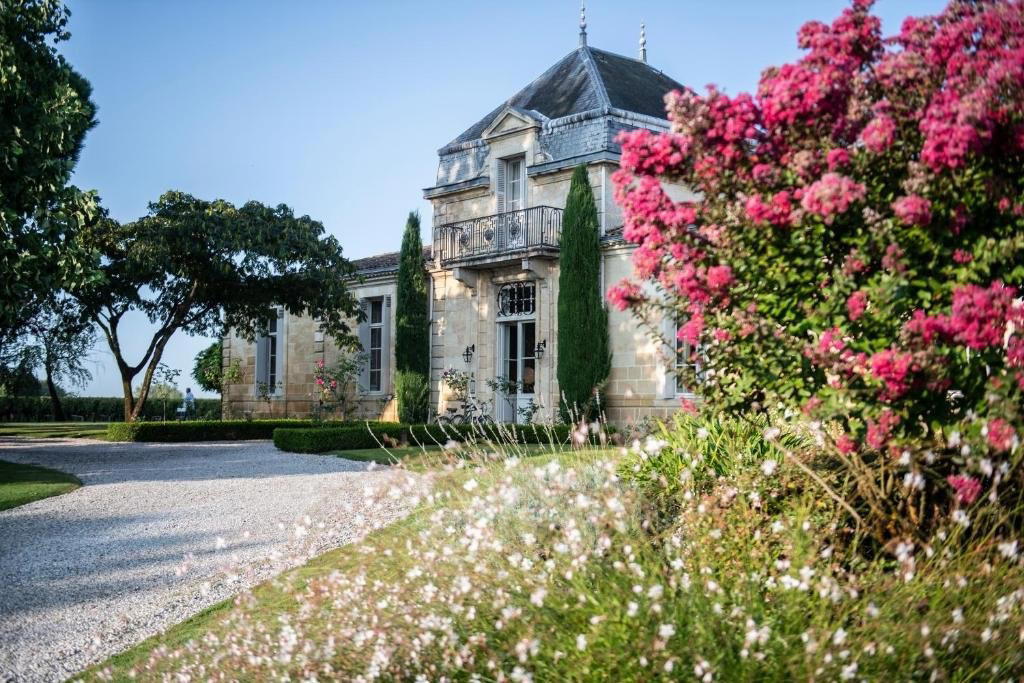
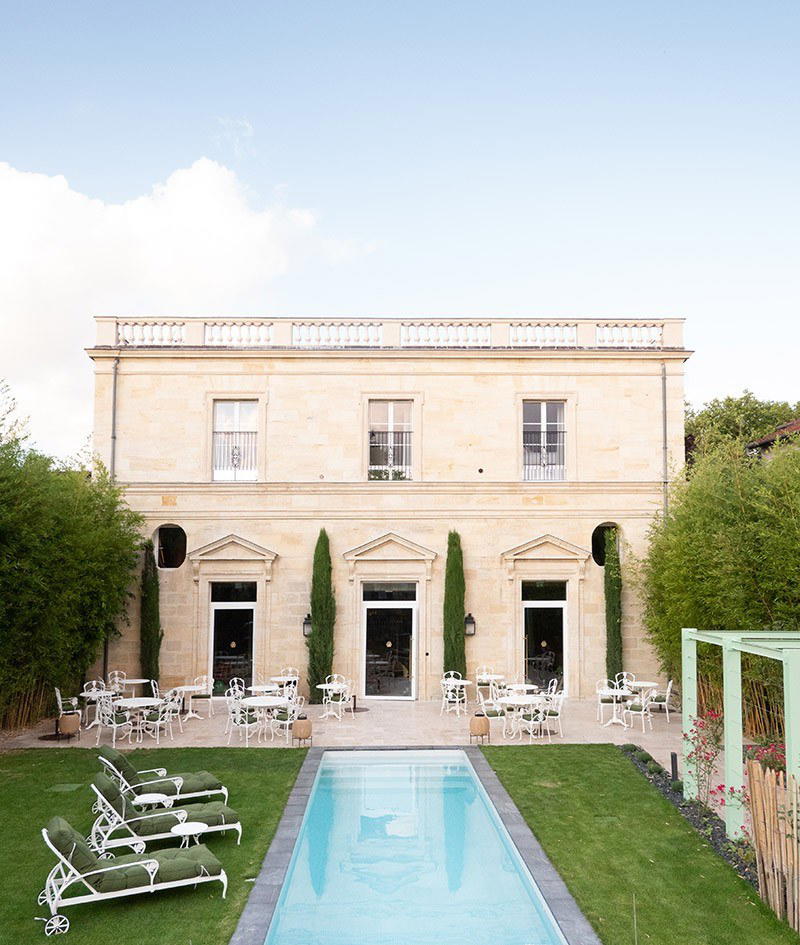
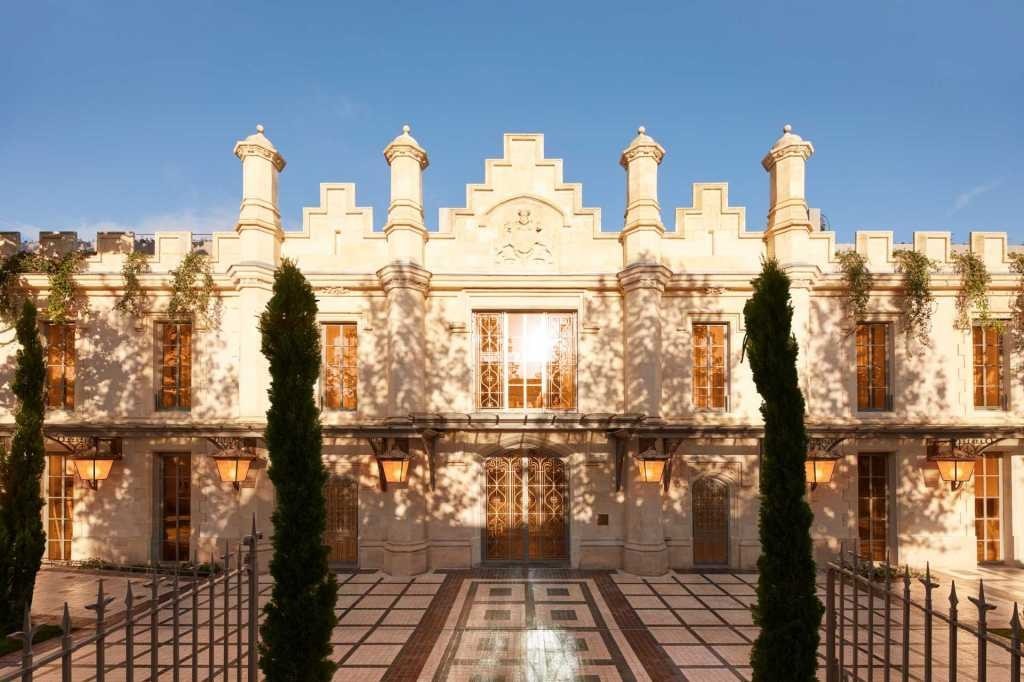
Château Petit Bocq is a Saint-Estèphe venue with a classic Left Bank Médoc estate feel. The picture is direct and deliberately unembellished: a working winery presence, parcels scattered around Saint-Estèphe, and an atmosphere focused more on viticulture and cellar work than on architectural showpiece drama. In EP Club terms, that makes it useful to understand not as a spectacle-first stop, but as a place whose identity is tied to the rhythms of a wine estate and to the restrained, practical character often associated with this part of the Médoc.
Saint-Estèphe through a working Médoc estate lens
The grounded way to describe Château Petit Bocq is as a Saint-Estèphe estate whose appeal rests on its working-winery character.
What can be said with confidence is that the setting belongs to the Left Bank Médoc context: practical, wine-focused, and tied to parcels around Saint-Estèphe. The tone is not presented as a grand architectural showcase; it is better understood as a direct, authentic estate environment. For travelers who like the Médoc precisely because it can feel sober, agricultural, and shaped by cellar and vineyard work, that directness is part of the appeal. The point here is not excess or staged grandeur, but a sense of place rooted in viticulture.
This also helps distinguish the venue from destinations whose appeal depends on a long list of visitor-facing features. With Château Petit Bocq, the available description stays close to the essentials: a Saint-Estèphe address, a working estate atmosphere, and a link to the wider Left Bank wine context. That restraint is worth preserving, because overclaiming would change the nature of the recommendation. Particularly accurate reading is measured: this is a Médoc estate to place within a wine-minded itinerary, especially for those who value authenticity over decorative flourish.
The listed price category is $$.
A Saint-Estèphe estate without overclaiming the details
The confirmed emphasis is on the estate’s working character, its connection to viticulture and cellar activity, and its place in a Médoc setting. Those are enough to establish the broad profile, but they do not support more specific claims about what a visitor will experience on a particular day. The safest editorial approach is therefore to keep the description close to the information available and avoid turning general estate character into promises about access, format, or hospitality.
Readers should confirm any practical arrangements directly before planning a visit. That includes the kinds of details that can make or break a real itinerary: whether visits are possible, how they are structured, what services are offered, what the timing may be, and what conditions apply. None of those points should be assumed from the estate’s general profile alone.
In other words, it can function as one Saint-Estèphe reference point, especially for visitors building a day around the appellation and its estate landscape, but it should not be treated here as part of a ranked or fully mapped set of alternatives. The value of the listing is in its clear positioning rather than in comparative claims.
That caution is also part of the EP Club editorial style for venues where the information is concise. A shorter factual base can still be useful if it is handled honestly. Rather than adding unsupported detail, the better approach is to explain how to read the listing: the winery sits in the Saint-Estèphe and Médoc frame, carries a working-estate character, and should be approached with practical verification before any firm plan is made.
How to place it in a Saint-Estèphe itinerary
Use the winery as a Saint-Estèphe point of interest for travelers drawn to a classic Left Bank Médoc estate atmosphere. Particularly reliable expectation is a focused, working-winery feel rather than a highly theatrical destination. That makes it well suited to itineraries where the appeal lies in understanding the surrounding wine landscape, the estate setting, and the understated character of Saint-Estèphe, rather than in seeking a heavily programmed experience.
For planning, keep the details simple: the winery is in Saint-Estèphe, the price category is $$, and any specifics about visits, services, food, timing, or payments should be checked directly with the estate before relying on them. Treat the venue as a wine-focused Médoc estate reference, then confirm the practical pieces before building travel time, expectations, or reservations around it.
In a broader Saint-Estèphe day, one useful way to think about the winery is as a calm, grounded marker of the appellation’s estate culture. It does not need to be inflated into something it has not been described as. Its appeal, as presented here, is quieter: a working presence, a connection to parcels around Saint-Estèphe, and a Left Bank setting where cellar and vineyard context matter more than performance. For the right traveler, that clarity is exactly the point.
Recognition history
Dated appearances from independent guides and award organizations, with the underlying list record or original source where available.
Falstaff Winery - Listed
Falstaff
Continue exploring
More in Saint-Estèphe
Wineries in Saint-Estèphe
Browse all →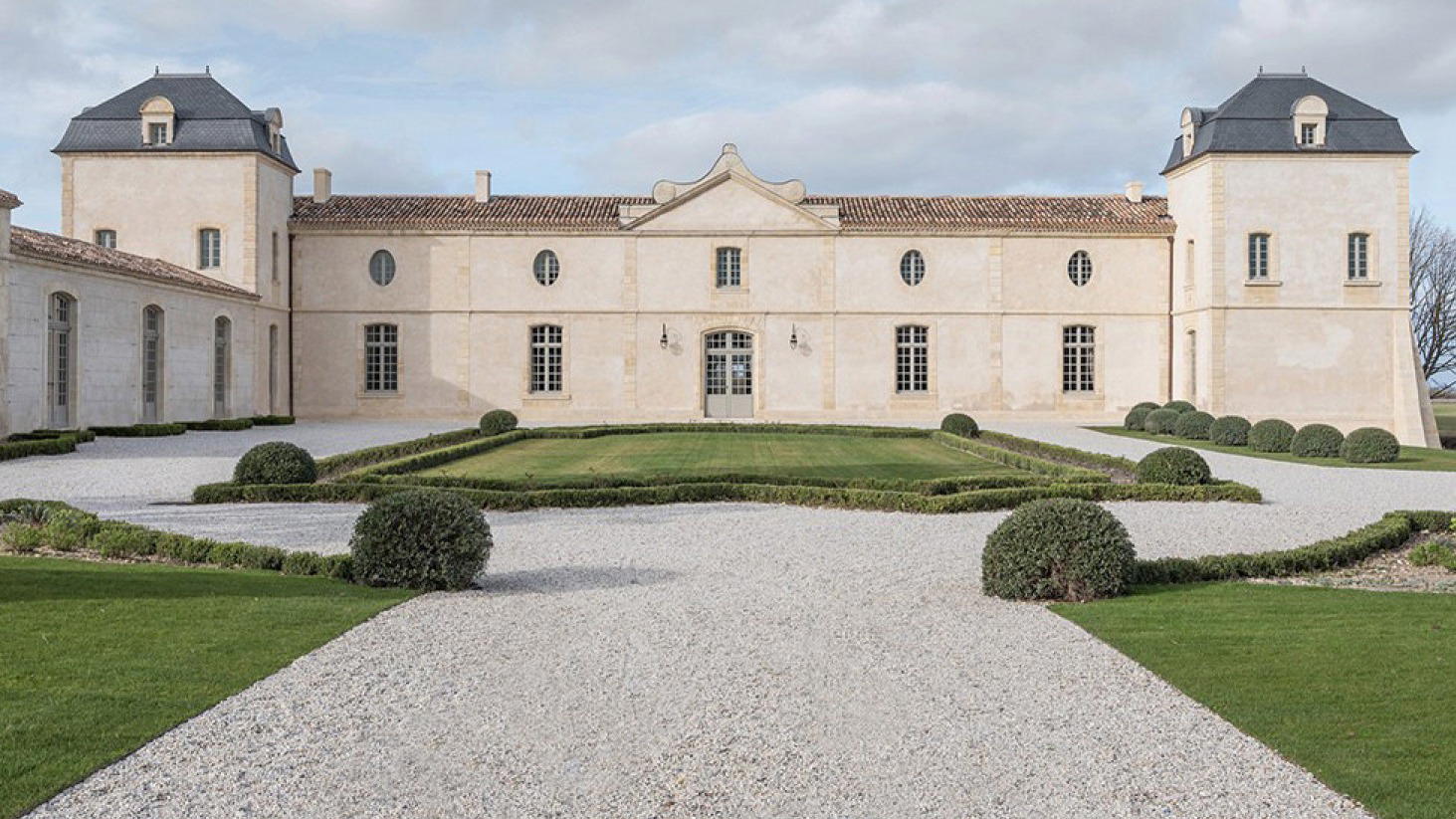
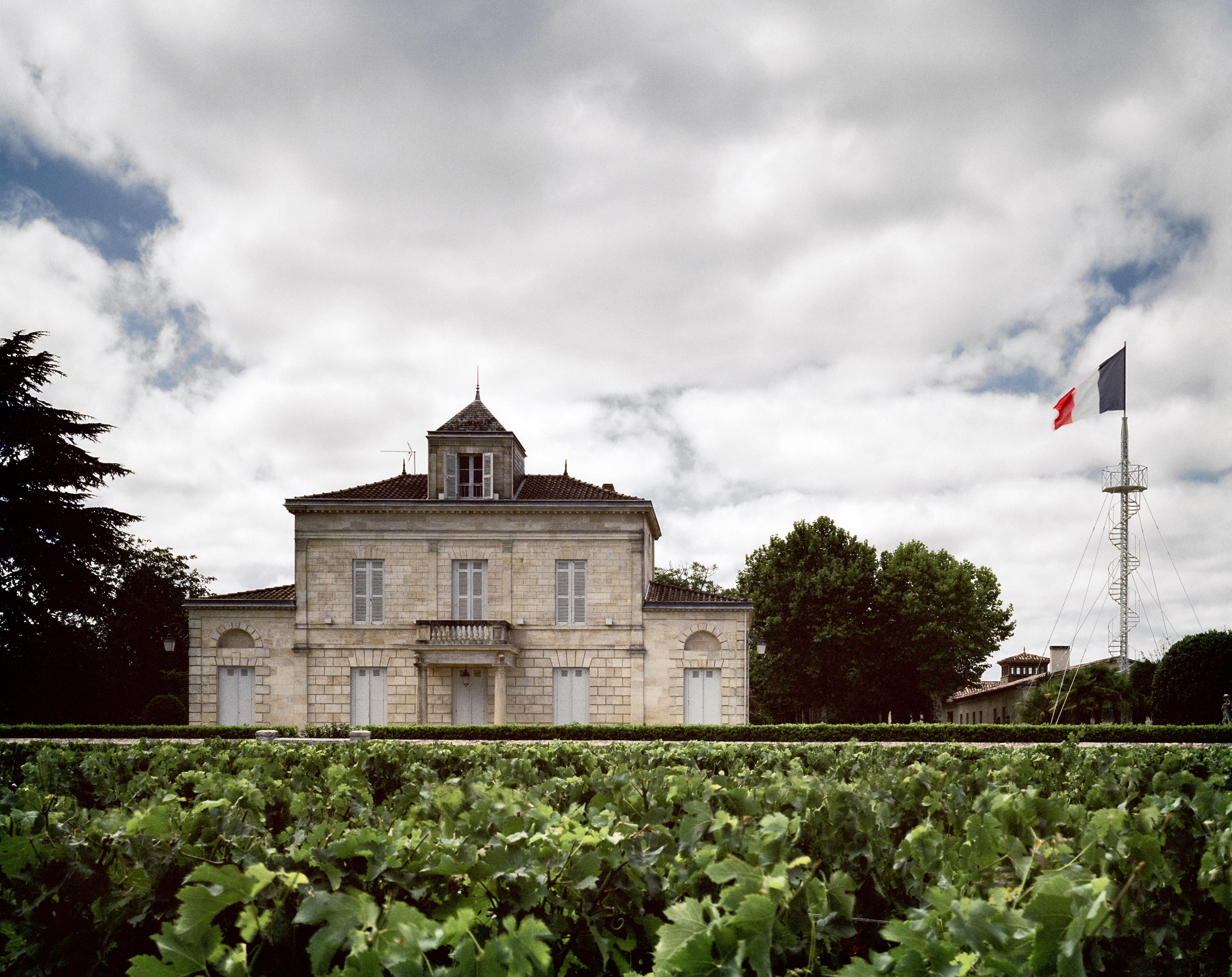
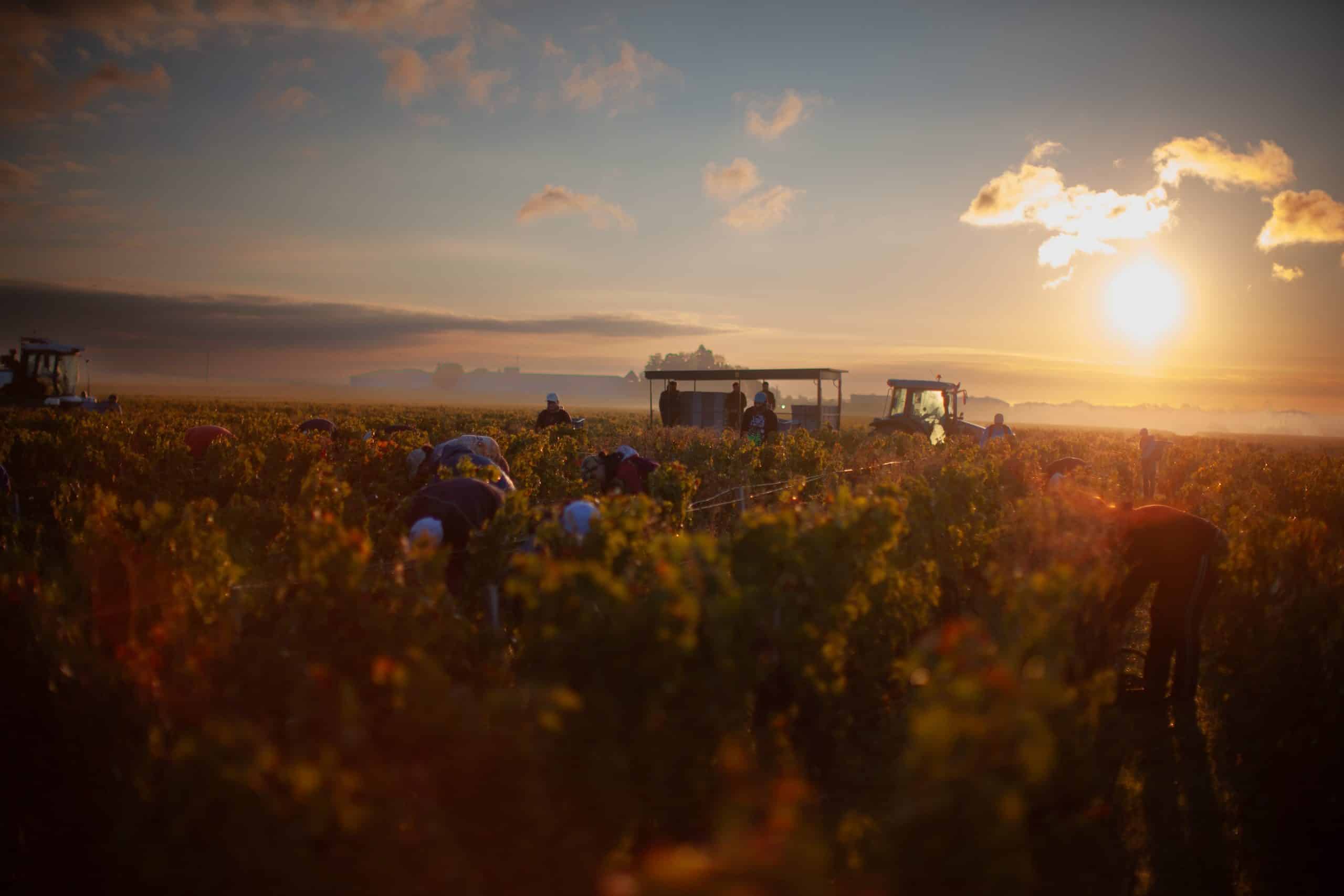
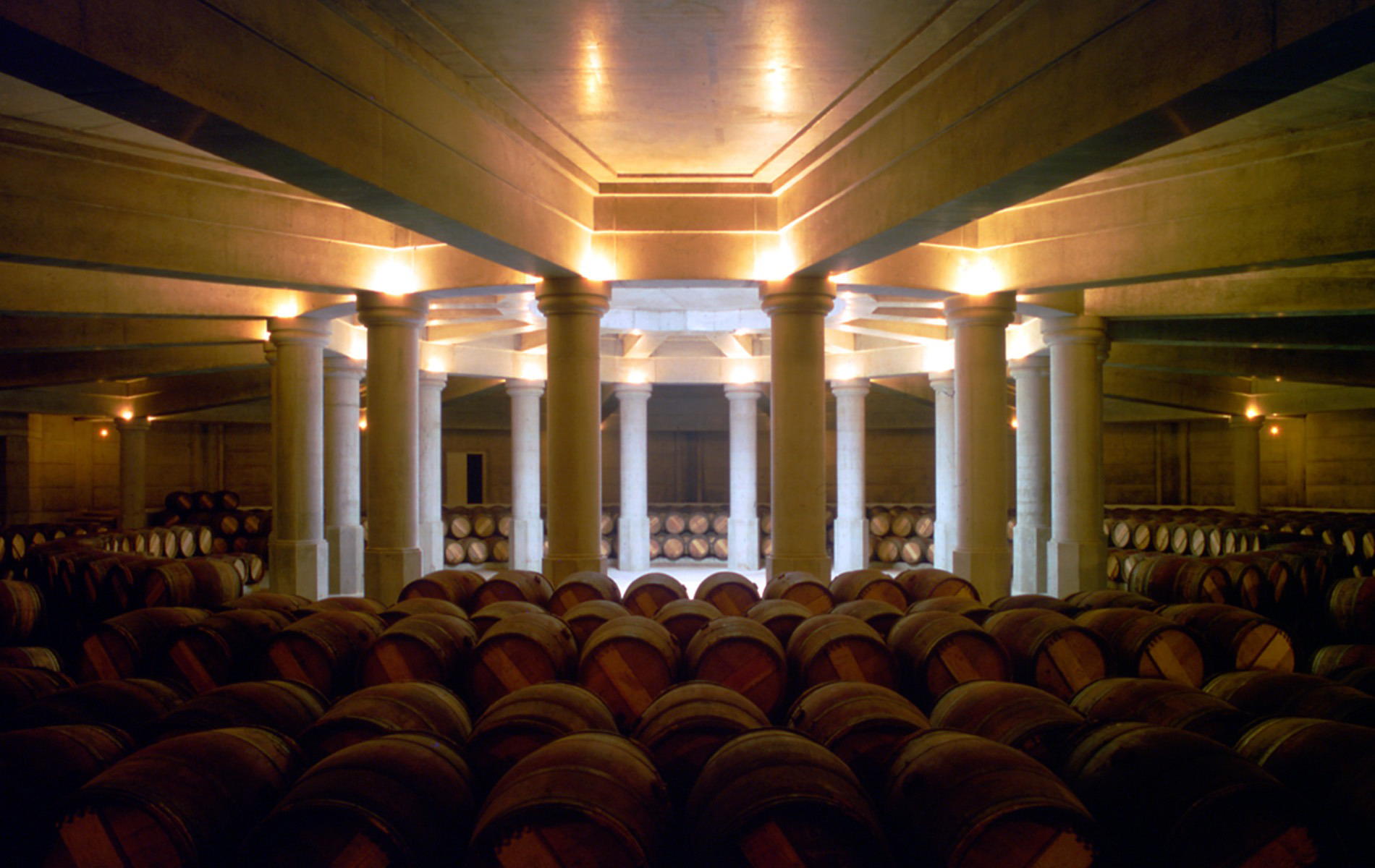
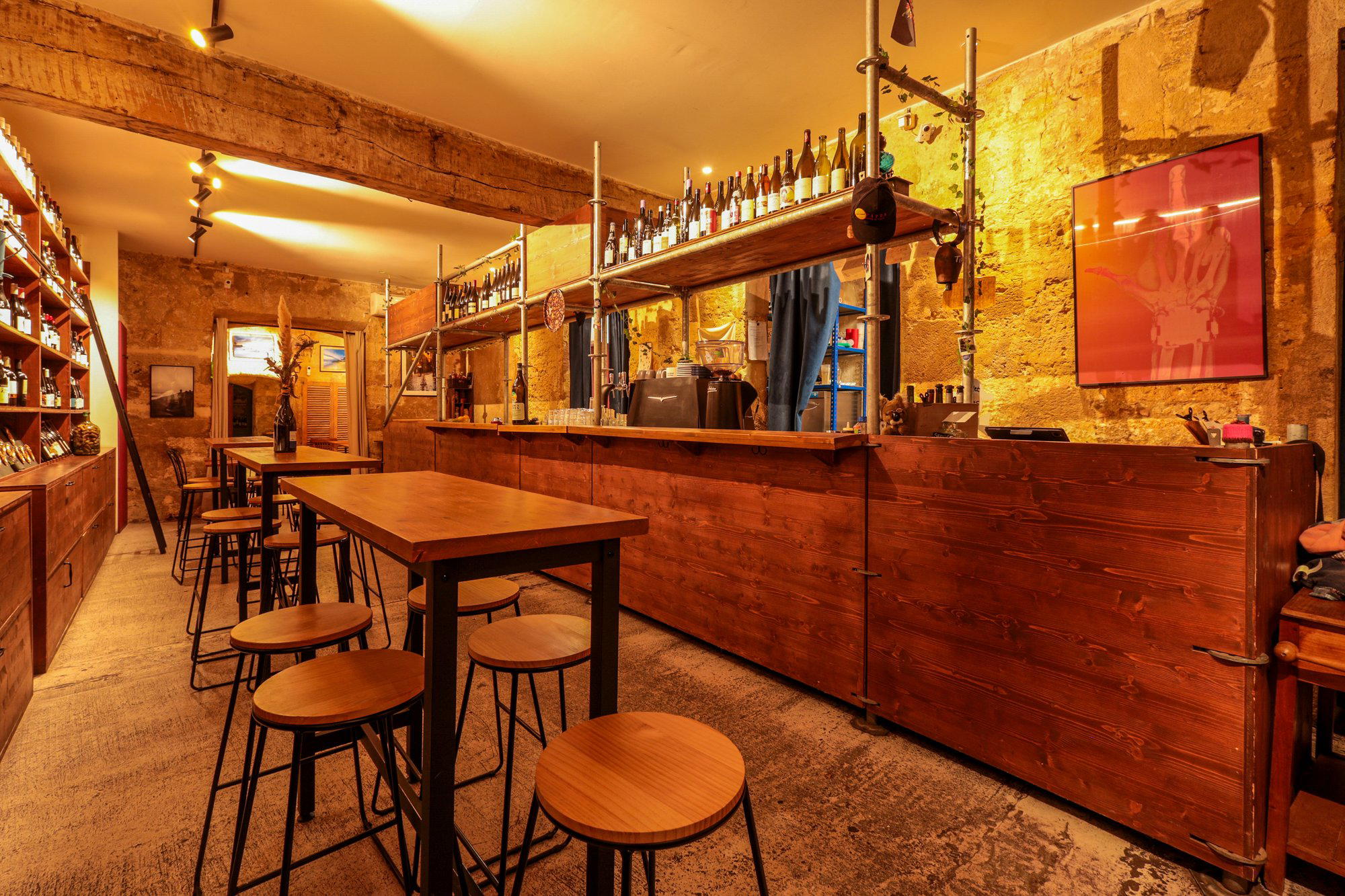
Bars in Saint-Estèphe
Browse all →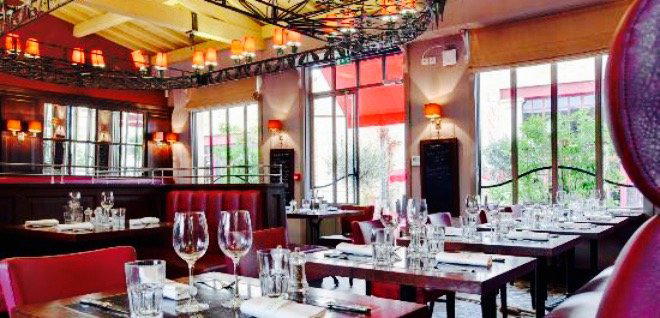
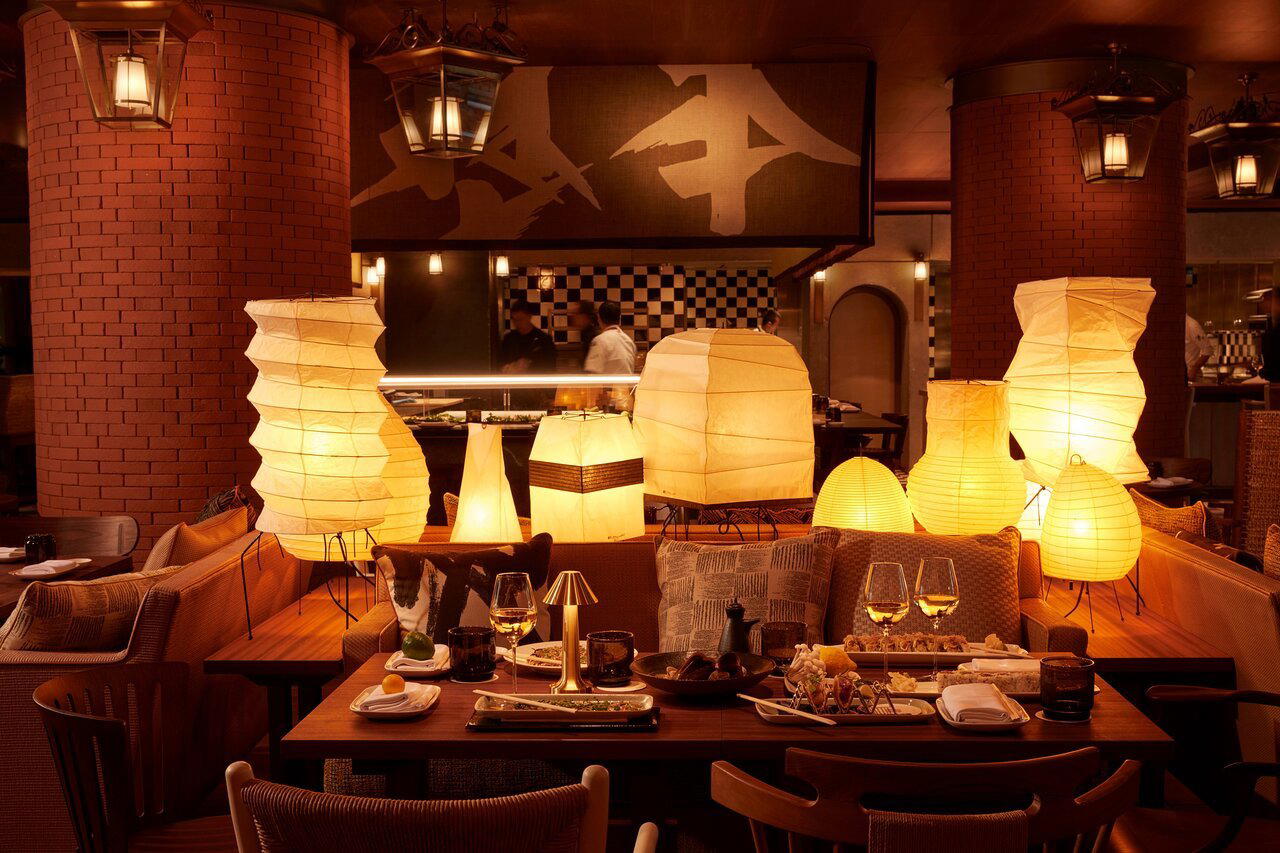

Restaurants in Saint-Estèphe
Browse all →

At a Glance
- Classic
- Rustic
- Intimate
- Group Outing
- Wine Education
- Romantic Getaway
- Solo Exploration
- Special Occasion
- Estate Grounds
- Vineyard Tour
- Barrel Room
- Private Tasting
- Sustainable
- Vineyard
- Saint Estèphe AOC
- Merlot
- Cabernet Sauvignon
- Petit Verdot
- Still Red
- Standard Tasting
- Private Tasting
- Vineyard And Cellar Tour
Current opening hours
- Monday
- 8 AM–12 PM, 1–4 PM
- Tuesday
- 8 AM–12 PM, 1–4 PM
- Wednesday
- 8 AM–12 PM, 1–4 PM
- Thursday
- 8 AM–12 PM, 1–4 PM
- Friday
- 8 AM–12 PM, 1–4 PM
- Saturday
- Closed
- Sunday
- Closed
Hours can change for holidays and private events. Last verified .
A classic Left Bank Médoc estate feel, with a working winery and parcels scattered around Saint-Estèphe; the atmosphere is focused on viticulture and cellar work rather than architectural showpiece, giving visits a direct, authentic grower vibe.