
Falstaff Winery - Listed
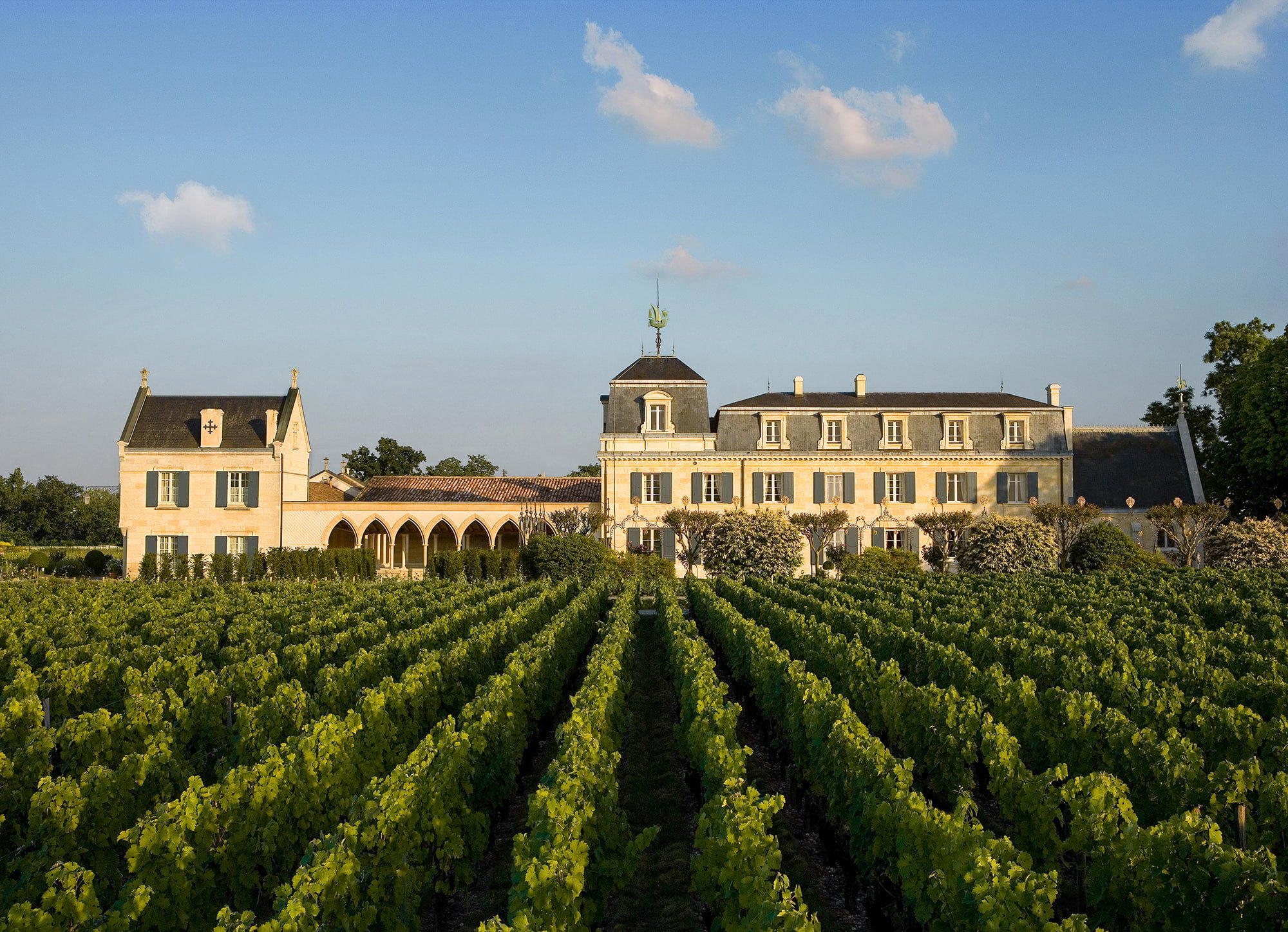
Château Monbrison gives Arsac a classic Left Bank reading: family-owned Margaux AOC red wine from deep gravel soils, Cabernet-led blends, and an 18th-century château setting in a century-old park. The appeal is terroir more than spectacle, with a small-estate scale, appointment-only visits, and a style built around structure, perfume, and bottle age.

Pearl is the En Primeur Club membership app — saves, bookings, and concierge access live there. Same editors, same standards.
- Address
- 1 All. de Monbrison, 33460 Arsac, France
- Phone
- +33 5 56 58 80 04
- Hours
- Mon–Fri 8:30 AM–6 PMSat–Sun Closed
- Directions
- Get directions

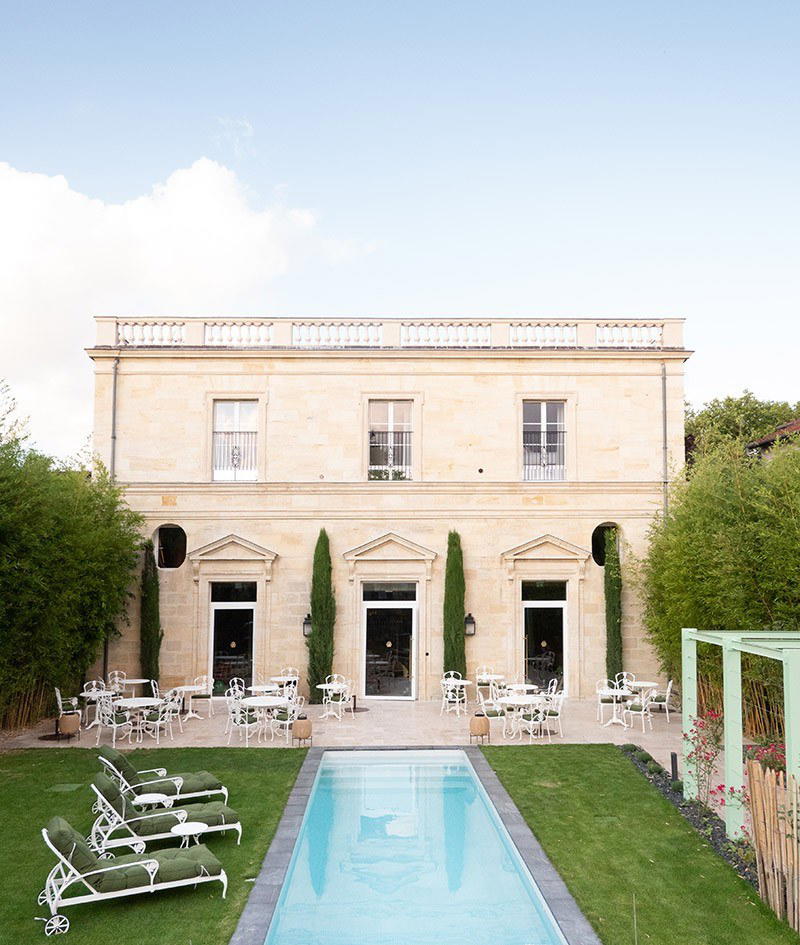
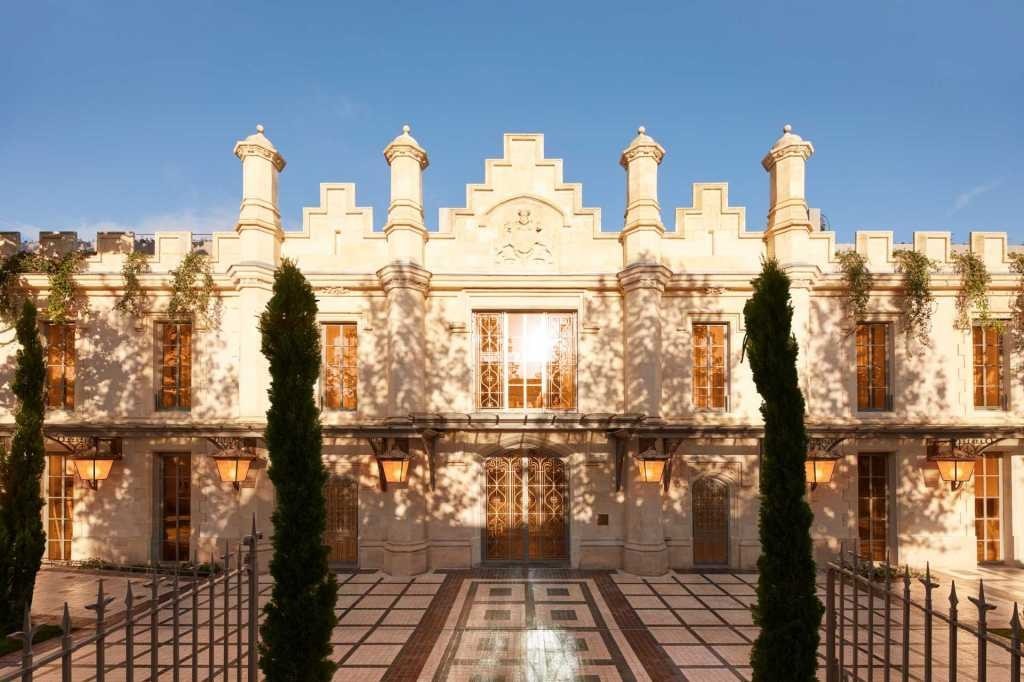
The approach to Château Monbrison sets the tone before the wine does: an 18th-century château reached by a pine-lined alley, set in a century-old park and surrounded by Margaux vineyards. In a part of Bordeaux where grandeur can become performance, this is the quieter register of the Left Bank: gravel under vine, a family estate scale, and red wine shaped by Cabernet Sauvignon rather than visitor theatre.
Arsac sits inside the Margaux AOC, where the conversation is less about raw power than the way gravel, drainage, and exposure translate into perfume and line. Château Monbrison works from roughly 15 hectares of vines, with a single classic Margaux red as its focus. That narrow portfolio matters. It places the estate in the Bordeaux tradition of repeated vintage interpretation rather than broad-label expansion, asking drinkers to compare years, not product tiers.
Deep gravel, Cabernet structure, and the Margaux idea of restraint
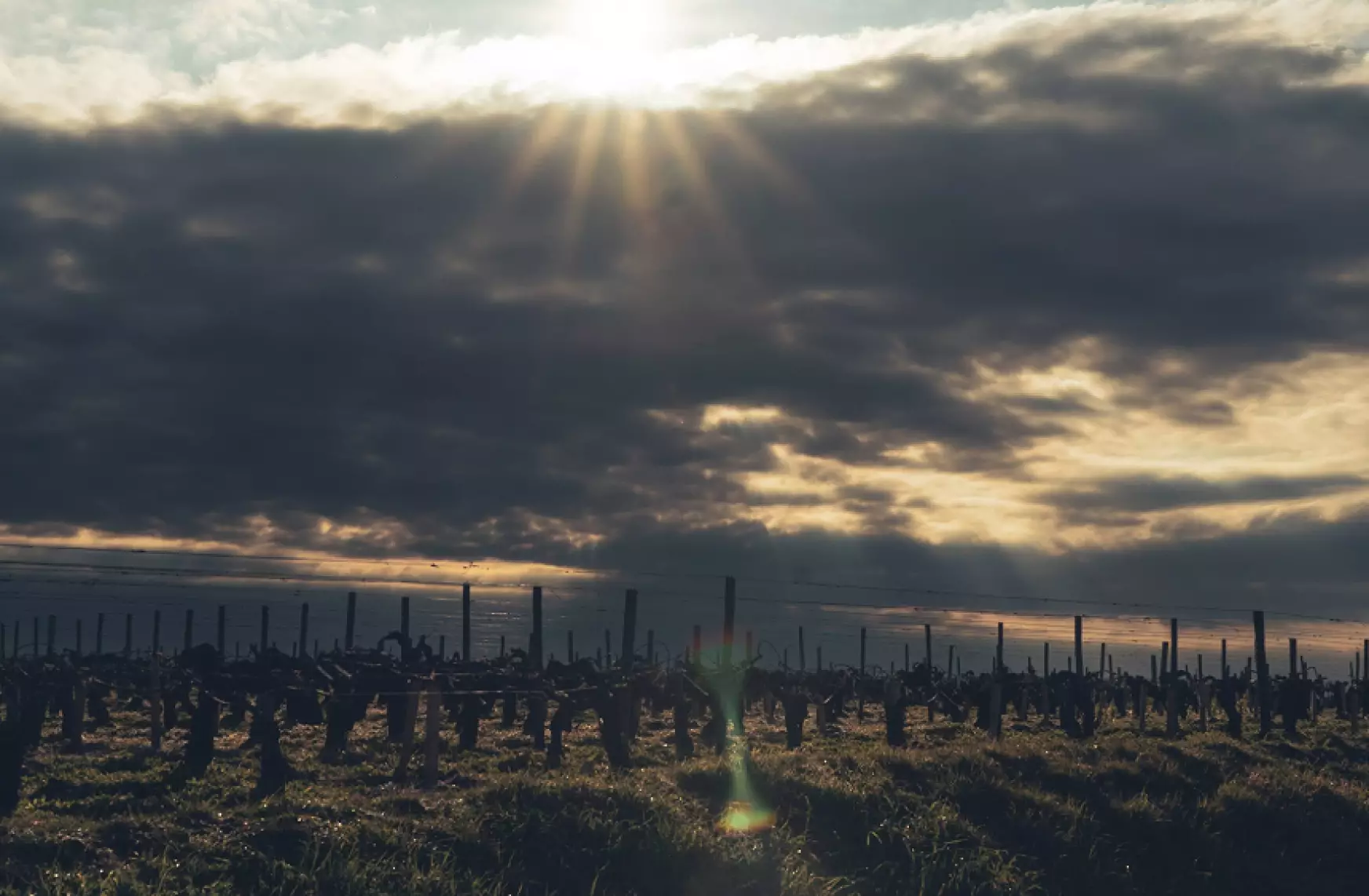
Margaux has always occupied a particular place on the Left Bank: Cabernet Sauvignon carries the frame, but the appellation’s reputation depends on aromatic lift and texture as much as tannic force. Château Monbrison’s vineyards sit on deep gravel soils, the kind of ground Bordeaux prizes because it drains quickly and encourages vines to root down rather than swell with easy water. In practical terms, that geology supports concentration without pushing the wine into excess.
The blend follows the classic Left Bank grammar: Cabernet Sauvignon leads, with Merlot, Cabernet Franc, and Petit Verdot in support. The estate’s usual range, 50–60% Cabernet Sauvignon, 20–30% Merlot, around 15% Cabernet Franc, and roughly 5% Petit Verdot, reads as a Margaux blend built for structure first, then fruit and floral detail. Across vintages the proportions move, which is the point in Bordeaux. The 2012 wine, for instance, was led by Cabernet Sauvignon at 68%, while the 2019 included 25% Merlot.
Cellar work follows the same measured logic. Fermentation takes place in temperature-controlled tanks, followed by aging in French oak for about 18 months, with 40% new wood. Those numbers describe a wine intended for development rather than immediate softness. The drinking window reinforces it: bottle age of 6–8 years is recommended before the wine begins to show properly, with peak maturity often placed around 10–18 years after vintage. Younger bottles can take 1–2 hours of decanting; older ones need gentler handling for sediment rather than oxygen.
The estate’s critical record is built vintage by vintage. Tastingbook has scored the 2000, 2010, 2019, and 2022 vintages at 94 points, with the 2016 at 93. Wine Spectator has described the 2012 through bitter cherry, alder, iron, and a sanguine finish. Those are not hospitality claims; they are wine-structure signals, useful for understanding why Monbrison belongs in the Margaux conversation for drinkers who follow bottle evolution, not just château labels.
A family estate shaped by classification history, not ruled by it
Bordeaux’s classifications can be helpful, but they can also flatten the reader’s understanding of place. Château Monbrison’s story is more revealing when seen through stewardship and land use. The property once formed half of Château Desmirail before developing its own identity, and its modern chapter began in 1922 when Robert Meacham Davis bought the estate. Elizabeth Davis later replanted the vineyard in the early 1960s and released the first vintage under the estate’s own label in 1974.
That timeline matters because replanting is not cosmetic in Bordeaux. It resets vine material, future yield, and long-term quality. Laurent Vonderheyden has managed the estate for roughly two decades, with Alix Vonderheyden joining in 2018, and the estate has withdrawn from the Cru Bourgeois classification system. The decision puts more weight on bottle performance and vintage reputation than on an external category, a useful stance for drinkers who already understand that Bordeaux hierarchy and drinking pleasure do not always align neatly.
The production philosophy is described as sustainable, and the farming emphasis is low yields, careful harvesting, and soil health rather than certified organic or biodynamic messaging. That distinction is worth making. In Bordeaux, meaningful viticulture often appears in the less glamorous details: drainage, canopy decisions, harvest timing, barrel proportion, and the discipline to let a single red wine carry the estate’s name across uneven years.
How to read Château Monbrison in an Arsac wine itinerary
For travelers, the case for Château Monbrison is not built on a broad tasting menu or restaurant-style programming. It is a small, independent Margaux estate with an appointment-only visit model, smart-casual expectations, on-site parking, outdoor grounds, and a setting that works for wine education, a romantic stop, a private tasting, or a focused group visit. Food pairing is not the premise here. The value is in connecting the estate grounds, cellar context, and vineyard setting to the structure of the wine in the glass.
That makes it a better fit for travelers who want Bordeaux to feel agricultural and historical, not only collectible. The experience is likely to reward those who already care about vintage, ageability, and appellation character. Price is listed at $$$, so expectations should be set around a premium wine-estate visit rather than a casual drop-in tasting room.
Arsac is compact enough to plan by category. For nearby wine context, EP Club also covers Château du Tertre, Château Le Coteau, and Château Mongravey. Wider planning sits in Our full Arsac wineries guide, with separate reads for Our full Arsac restaurants guide, Our full Arsac hotels guide, Our full Arsac bars guide, and Our full Arsac experiences guide.
For broader French and European wine itineraries, contrast the Left Bank model with Champagne at A. Margaine in Villers-Marmery or Agrapart & Fils in Avize, southern French heritage at Abbaye de Fontfroide in Narbonne, Languedoc scale at Abbotts & Delaunay in Marseillette and Advini in Saint Felix De Lodez, or Central European cellar culture at »der Steiner« Hans Steiner in Podersdorf am See and & Handwein in Mannheim.
Recognition history
Dated appearances from independent guides and award organizations, with the underlying list record or original source where available.
Falstaff Winery - Listed
Falstaff
Continue exploring
More in Arsac
Wineries in Arsac
Browse all →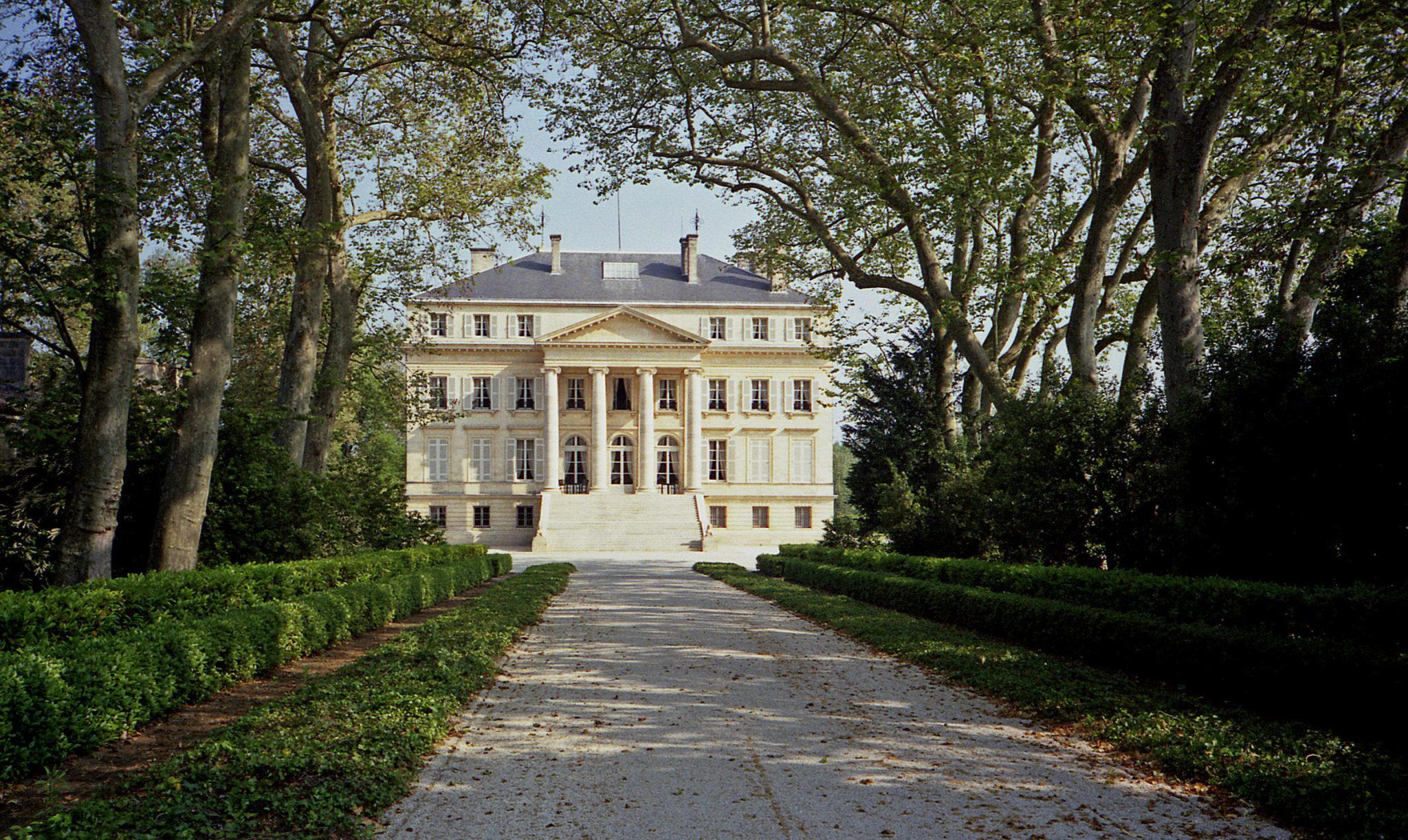
Bars in Arsac
Browse all →
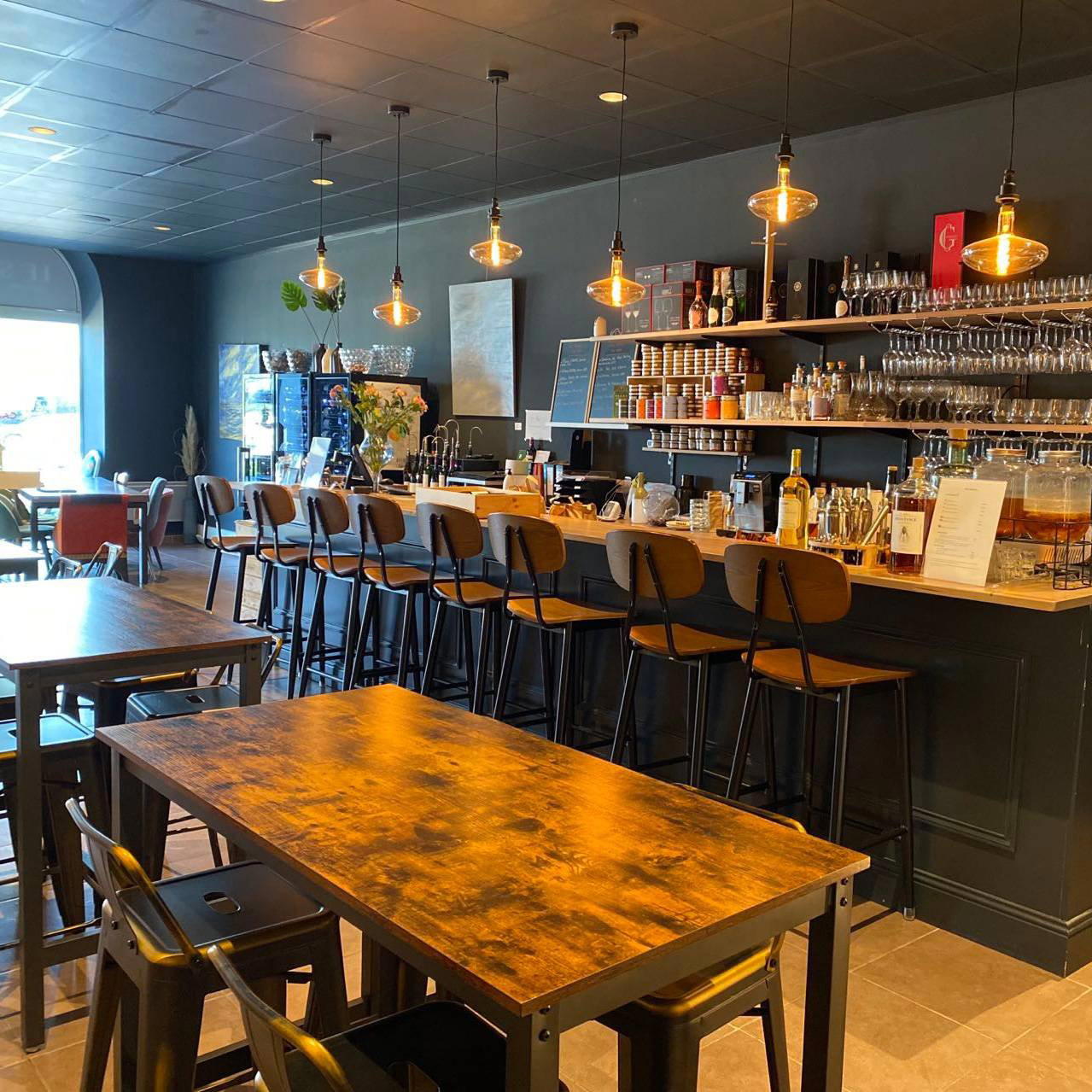
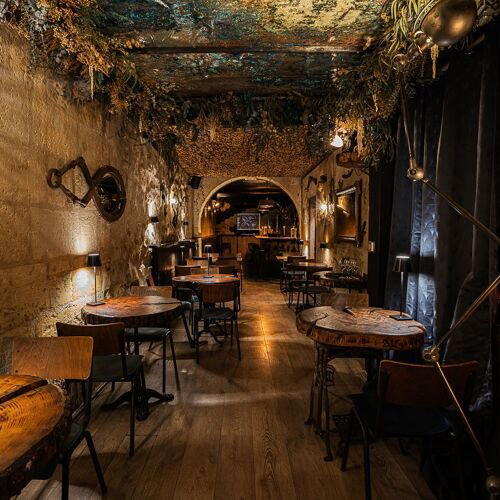
Restaurants in Arsac
Browse all →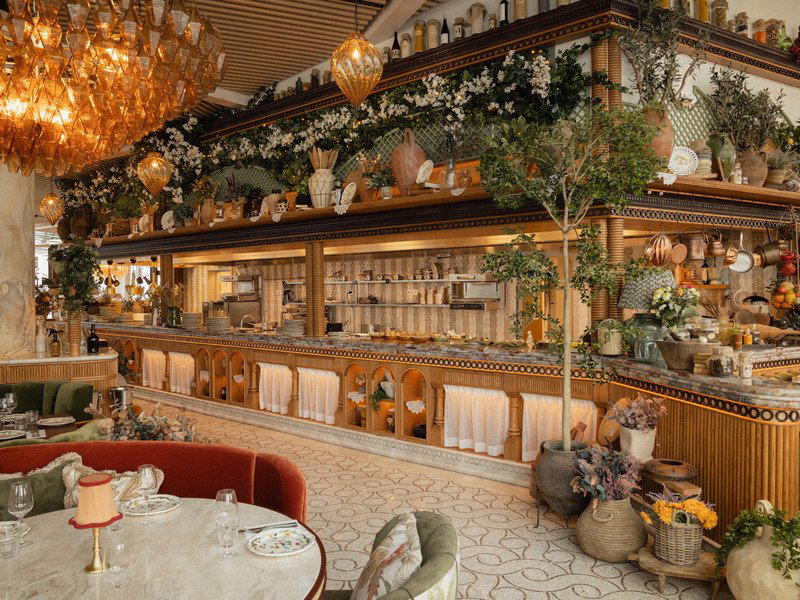
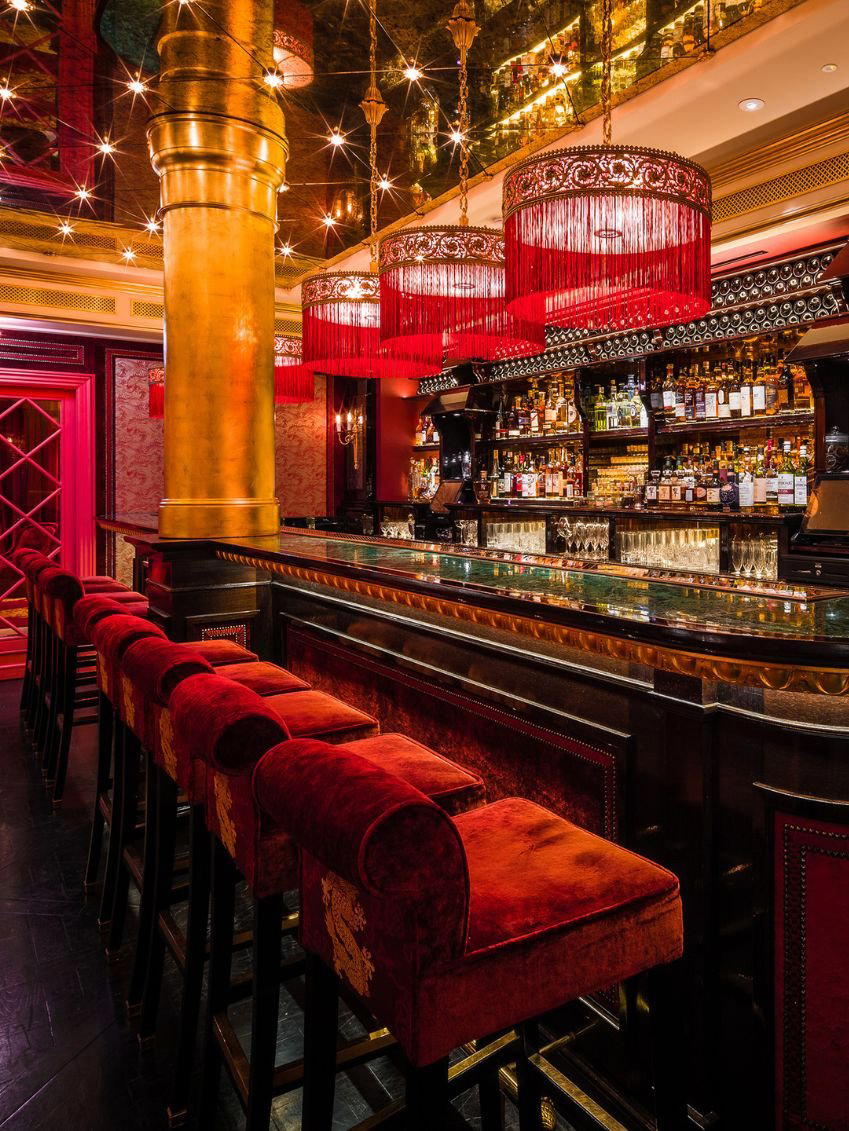
Details
- Classic
- Scenic
- Elegant
- Romantic
- Intimate
- Romantic Getaway
- Group Outing
- Wine Education
- Special Occasion
- Solo Exploration
- Corporate Event
- Estate Grounds
- Vineyard Tour
- Historic Building
- Private Tasting
- Sustainable
- Vineyard
- Garden
- Cabernet Sauvignon
- Merlot
- Cabernet Franc
- Petit Verdot
- Still Red
- Estate Tasting
- Cellar Tasting
- Vineyard Visit
Current opening hours
- Monday
- 8:30 AM–6 PM
- Tuesday
- 8:30 AM–6 PM
- Wednesday
- 8:30 AM–6 PM
- Thursday
- 8:30 AM–6 PM
- Friday
- 8:30 AM–6 PM
- Saturday
- Closed
- Sunday
- Closed
Hours can change for holidays and private events. Last verified .
Historic 18th‑century Margaux family estate reached by a tree‑lined alley and set in a century‑old park, offering a quiet, elegant and classic Bordeaux château atmosphere with vineyard-surrounded grounds.