Château Meyney

Château Meyney is a historic Saint-Estèphe estate where the appeal lies in terroir rather than spectacle: 51 hectares of contiguous vines, gravel and clay-limestone soils, and a Cabernet-led blend sharpened by Petit Verdot. Its 2020 Saint-Estèphe drew 93 points from both James Suckling and Decanter, giving the château serious cellar credibility without turning the visit into a high-gloss performance.
Pearl is the En Primeur Club membership app — saves, bookings, and concierge access live there. Same editors, same standards.
- Address
- Lieu-dit, Meyney, 33180 Saint-Estèphe, France
- Website
- meyney.fr
- Directions
- Get directions
 Saves & bookings on Pearl
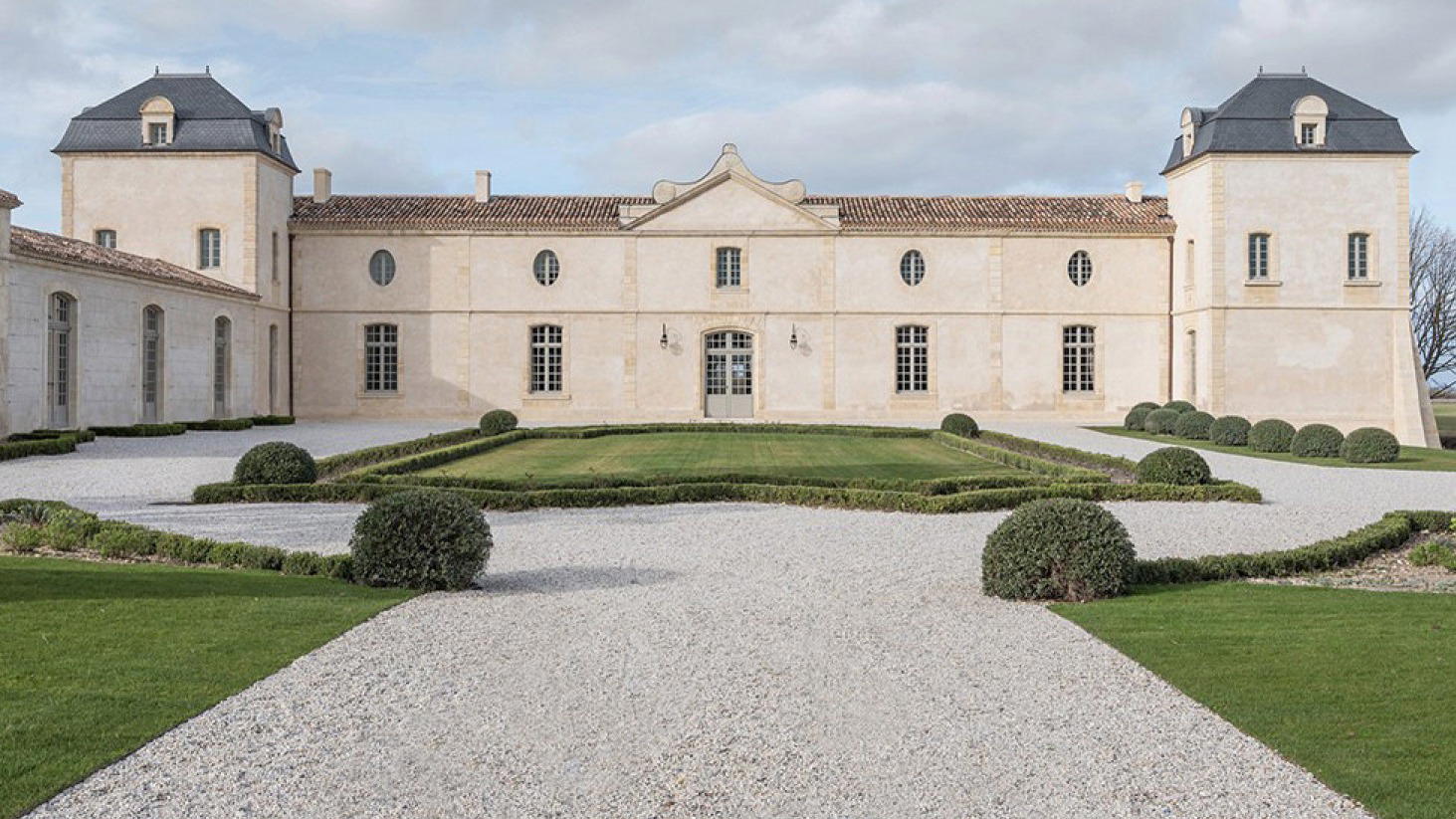
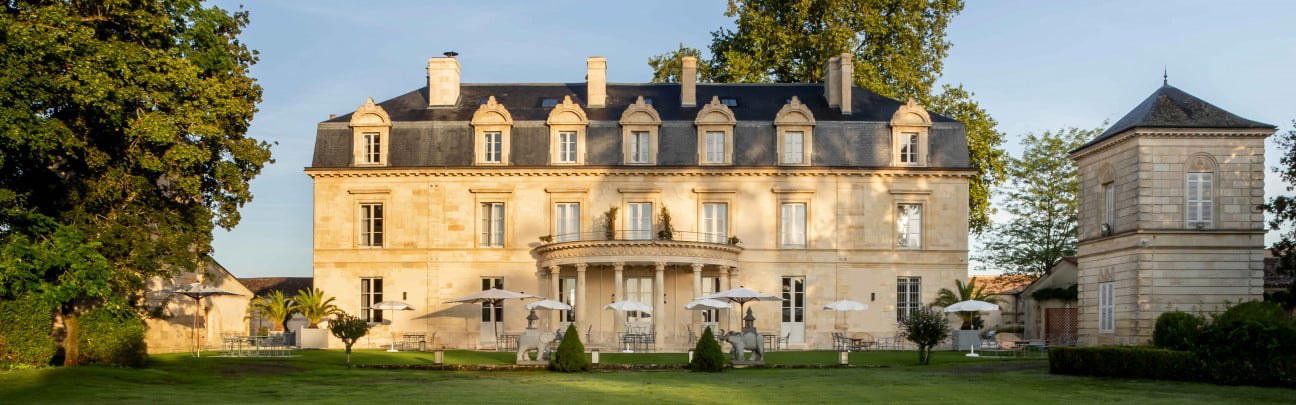
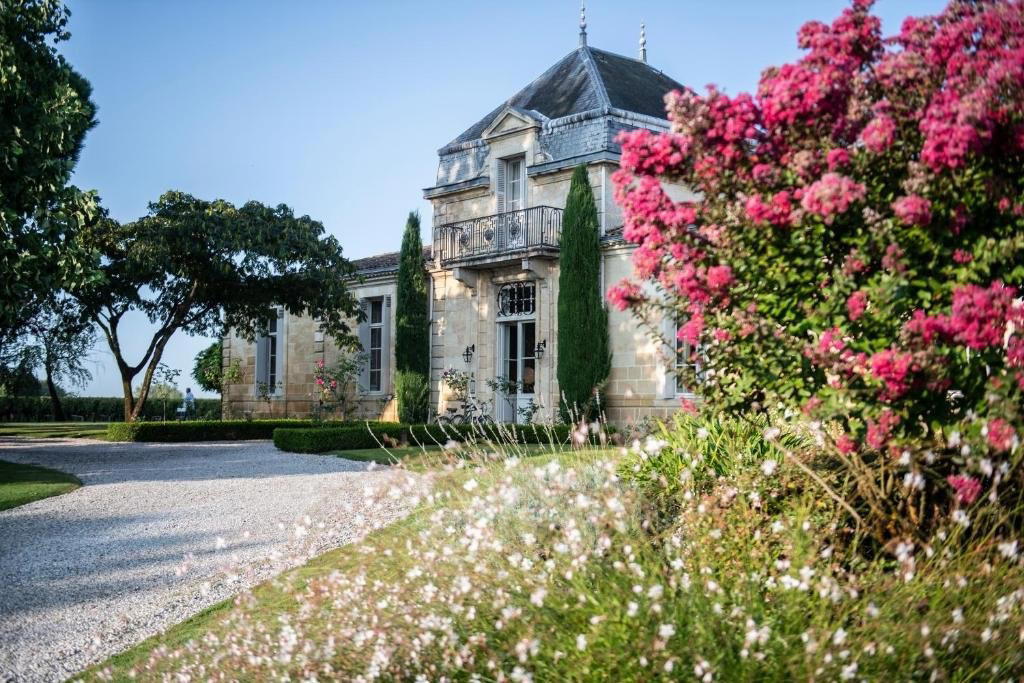
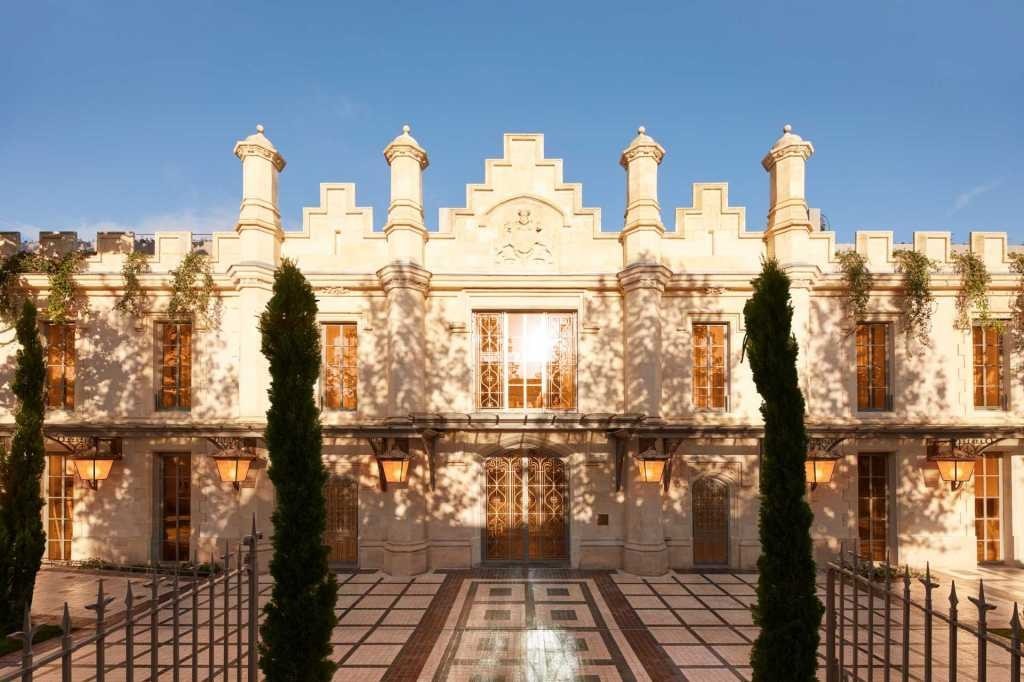
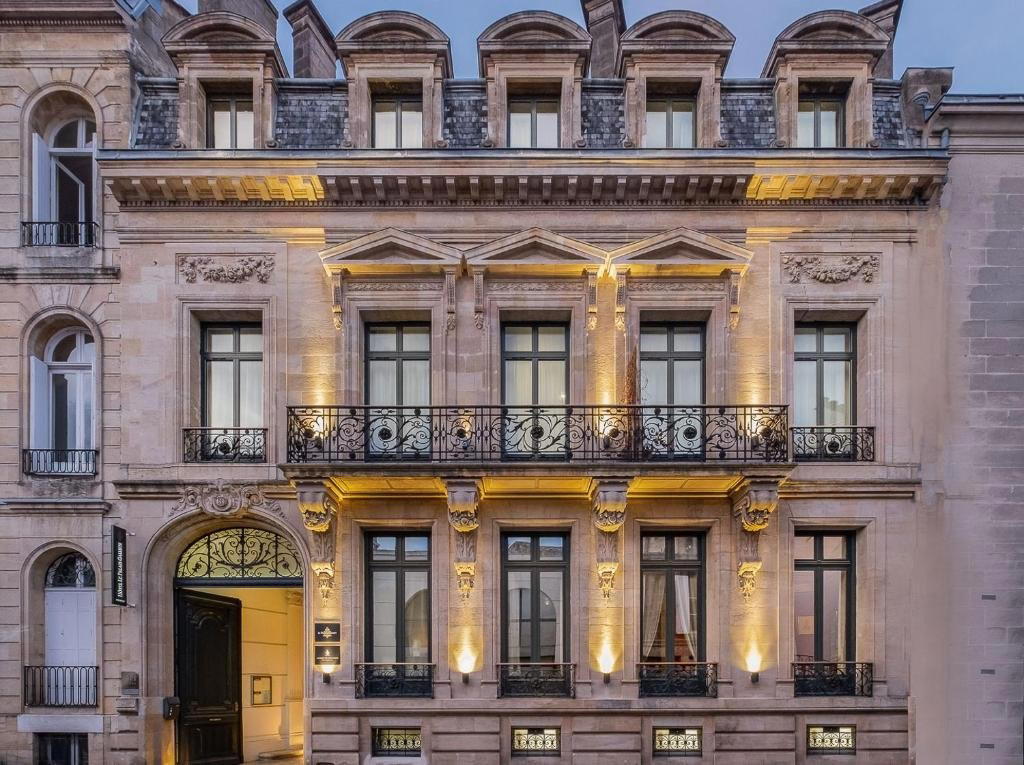
Château Meyney in Saint-Estèphe is best presented as a historic Médoc estate rather than as a page built around tasting formats, production details, scores, or visitor logistics. The picture is concise: it is a château setting in Saint-Estèphe, with classic Bordeaux architecture, vine-covered hillsides, and views toward the Gironde. Its appeal is the atmosphere of a traditional Médoc property, combined with an emphasis on sustainable, nature-friendly viticulture.
That makes Château Meyney a useful stop to consider for travelers who want the visual and cultural character of Saint-Estèphe: château formality, vineyard landscape, and the calmer rhythm associated with a historic estate. Details such as specific vineyard size, grape percentages, cellar practices, tasting duration, tour languages, critic scores, and award history are not stated here because they are not part of the available information entry.
Gravel, clay-limestone, and the Saint-Estèphe argument
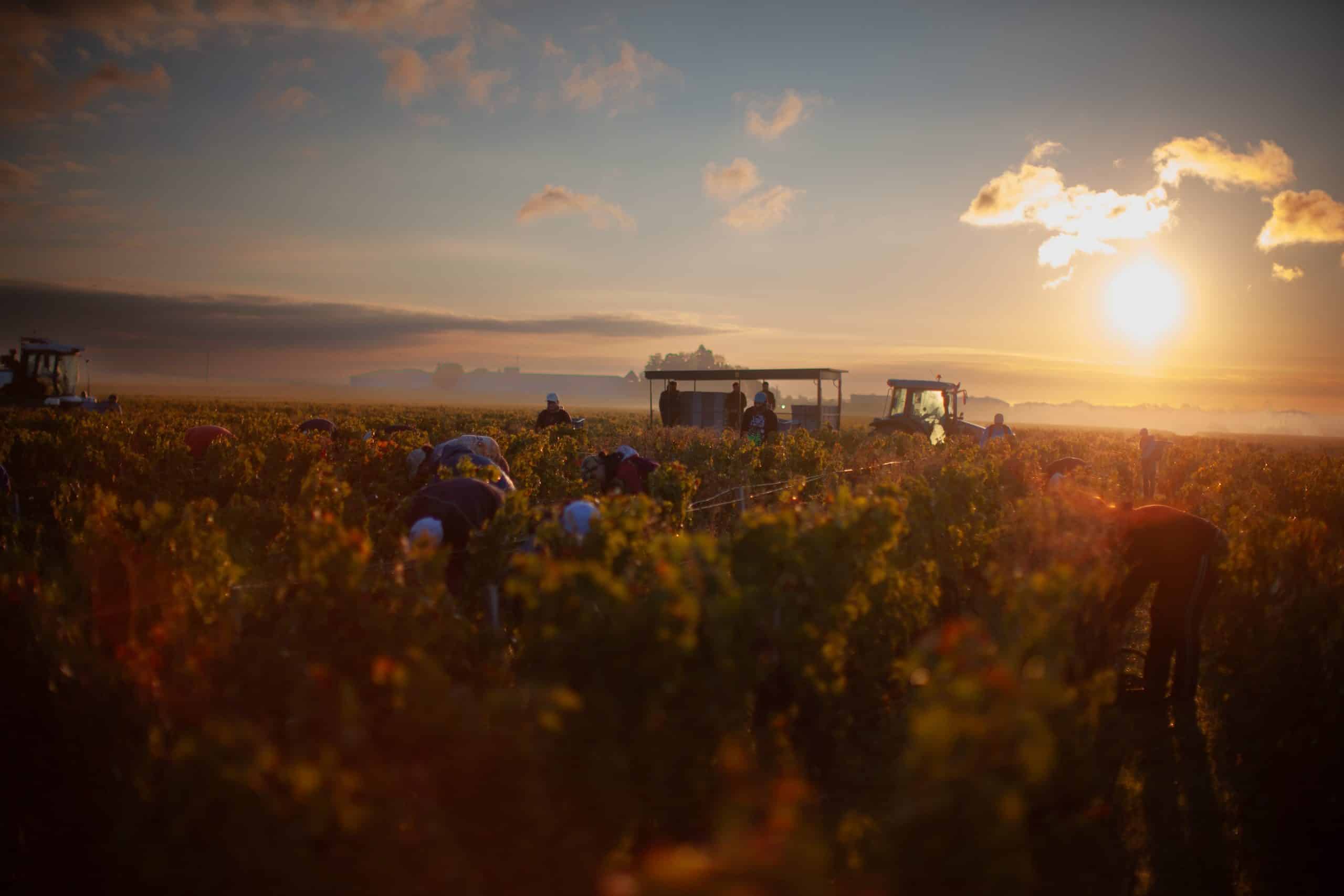
Saint-Estèphe sits within the wider Médoc context, where vineyard landscape, château architecture, and the Gironde shape the way visitors understand the area. For Château Meyney, the grounded point is the setting itself: a classic estate atmosphere surrounded by vine-covered hillsides overlooking the river. That is enough to position it as a scenic, traditional Bordeaux address without adding unsupported technical claims about soils, grape varieties, yields, barrel regimes, or vintage ratings.
Travelers should read the estate through what: historic Médoc character, a strong sense of place, and a nature-friendly viticultural outlook. The experience should not be described here as a specific tour, tasting, lunch, cellar visit, private appointment, or guided format unless those details are independently confirmed.
A convent origin, a modern cru bourgeois rhythm
The guide information supports the estate’s historic atmosphere, but not a detailed chronology of ownership, classification, founding dates, religious origins, or modern operating structure. Rather than repeat history, this entry keeps the focus on what can be stated safely: the winery presents the traditional feel of a Bordeaux château, with architecture and surroundings that fit the Médoc estate image.
That restraint matters. For the winery, the more reliable editorial approach is to describe the confirmed environment: classic château architecture, a scenic Saint-Estèphe setting, vine-covered slopes, and views toward the Gironde. Those elements give the estate its travel appeal without leaning on unsupported claims.
The sustainability point is also part of the record, though it should be kept broad. The winery is associated here with a focus on sustainable, nature-friendly viticulture.
How to read the visit in the wider Saint-Estèphe map
For planning purposes, the winery belongs naturally within a Saint-Estèphe itinerary focused on Médoc scenery and traditional estate atmosphere. It is not necessary to present it as a high-production visitor center, a restaurant, a bar, or a detailed tasting destination. The strongest reason to consider it is the combination of historic château character, vineyard surroundings, Gironde views, and a nature-friendly viticultural emphasis.
Visitors comparing options in Saint-Estèphe can think of the winery as a scenic, classic Bordeaux estate rather than as a venue defined by a confirmed menu, service style, seat count, opening schedule, or published visit format. Other dining, lodging, drinking, or experience options in Saint-Estèphe should be researched separately, since this entry does not verify those services at the winery.
The editorial case is simple: choose the winery if the priority is a traditional Médoc estate atmosphere in Saint-Estèphe. Its strengths are the château setting, the surrounding vines, the view toward the Gironde, and an emphasis on sustainable, nature-friendly viticulture. Anything more specific should be confirmed directly before planning a visit.
Recognition history
Dated appearances from independent guides and award organizations, with the underlying list record or original source where available.
Falstaff Winery - Listed
Falstaff
Continue exploring
More in Saint-Estèphe
Wineries in Saint-Estèphe
Browse all →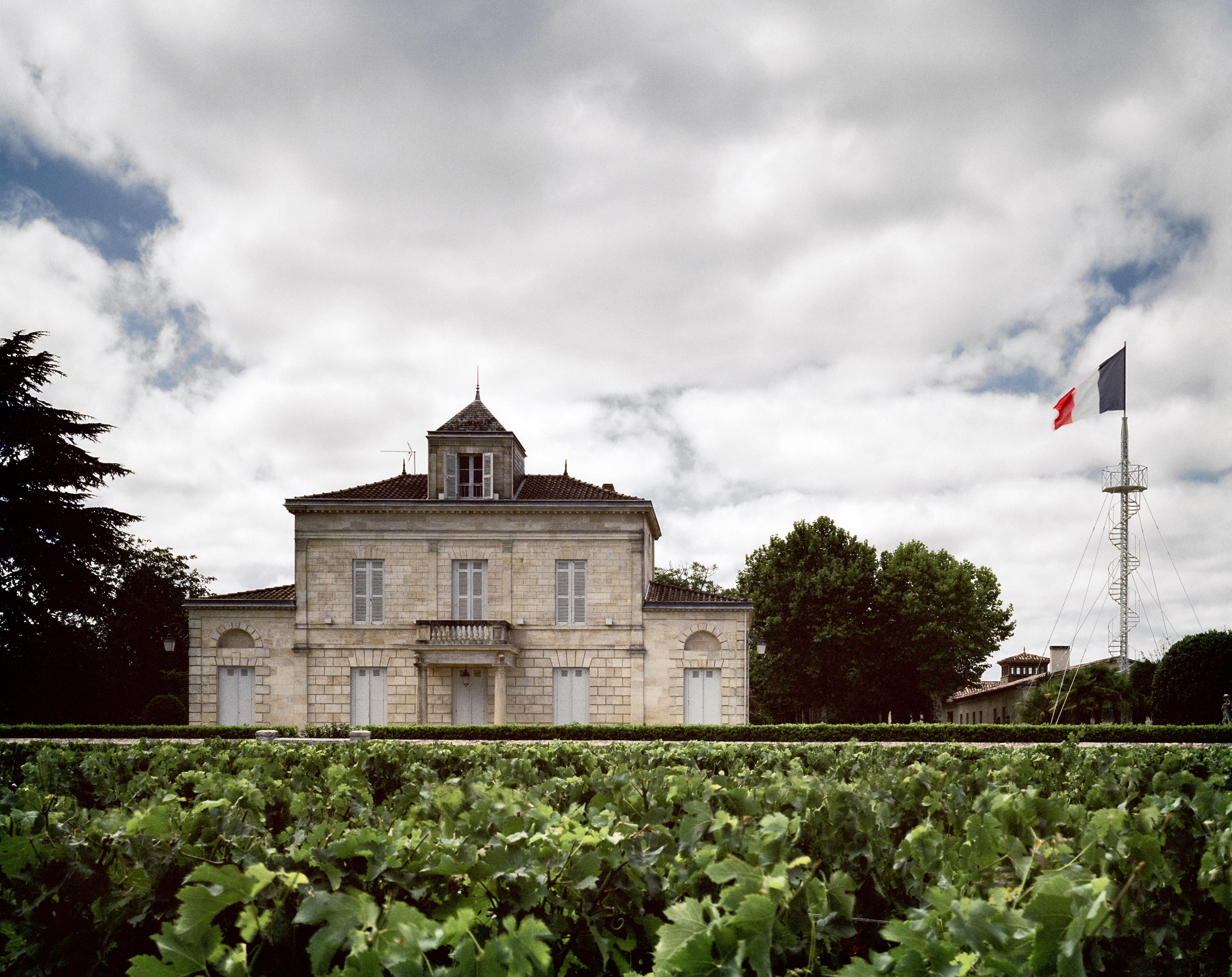
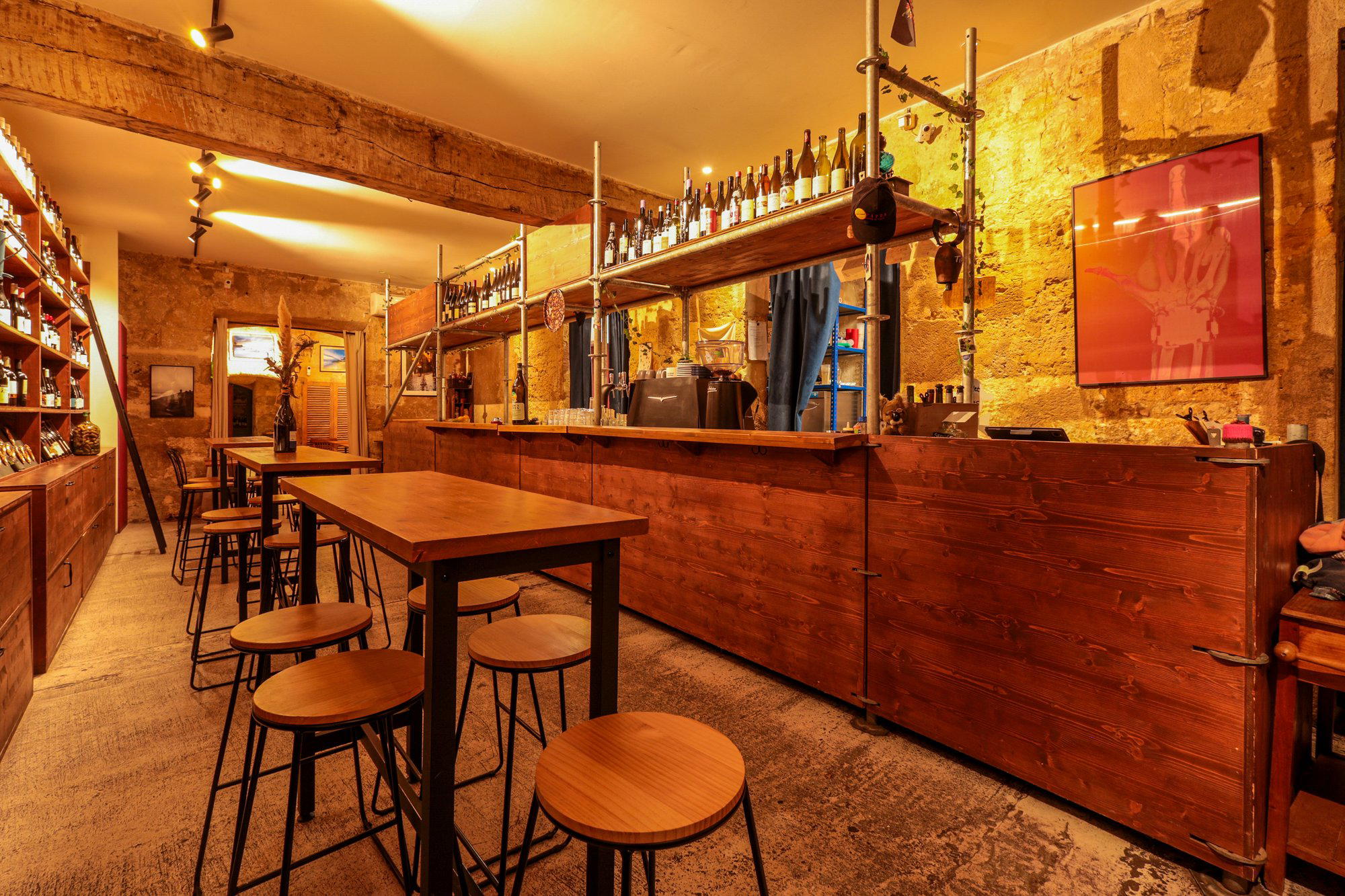
Bars in Saint-Estèphe
Browse all →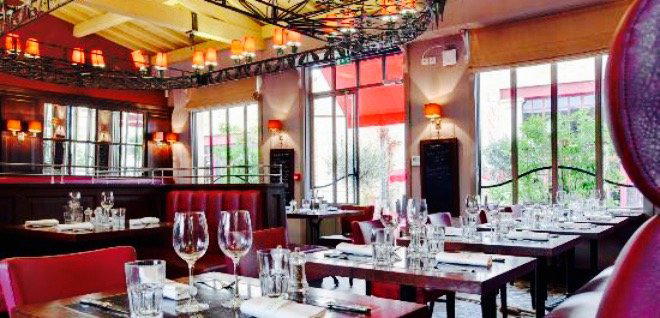
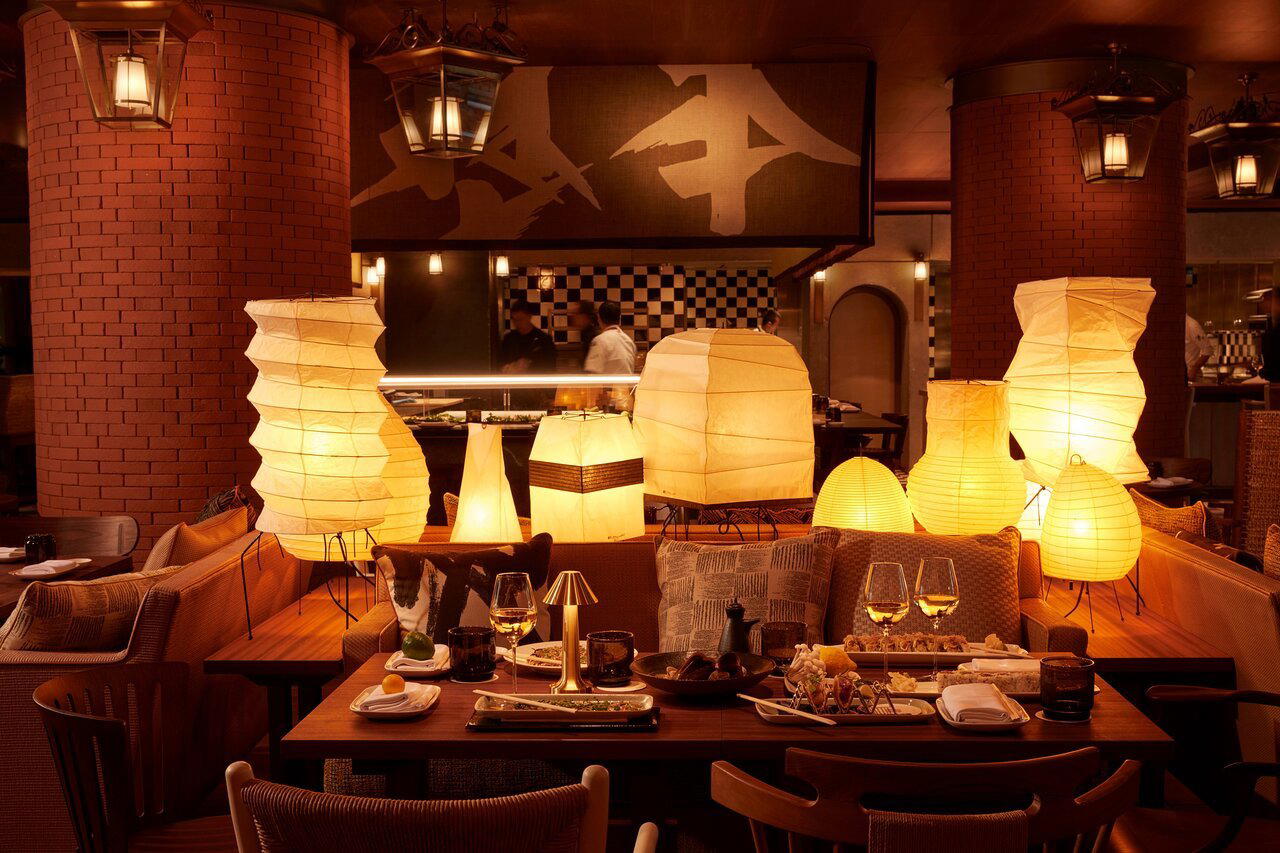

Restaurants in Saint-Estèphe
Browse all →

At a Glance
- Classic
- Scenic
- Elegant
- Well Known
- Rustic
- Romantic Getaway
- Group Outing
- Wine Education
- Special Occasion
- Solo Exploration
- Estate Grounds
- Vineyard Tour
- Historic Building
- Panoramic View
- Sustainable
- Vineyard
- Waterfront
- Garden
- Saint Estèphe
- Cabernet Sauvignon
- Merlot
- Petit Verdot
- Still Red
- Estate Tour And Tasting
- Vineyard Walk
Historic Médoc estate atmosphere with classic château architecture, surrounded by vine-covered hillsides overlooking the Gironde, combining a traditional Bordeaux feel with a focus on sustainable, nature-friendly viticulture.