
Falstaff Winery - Listed
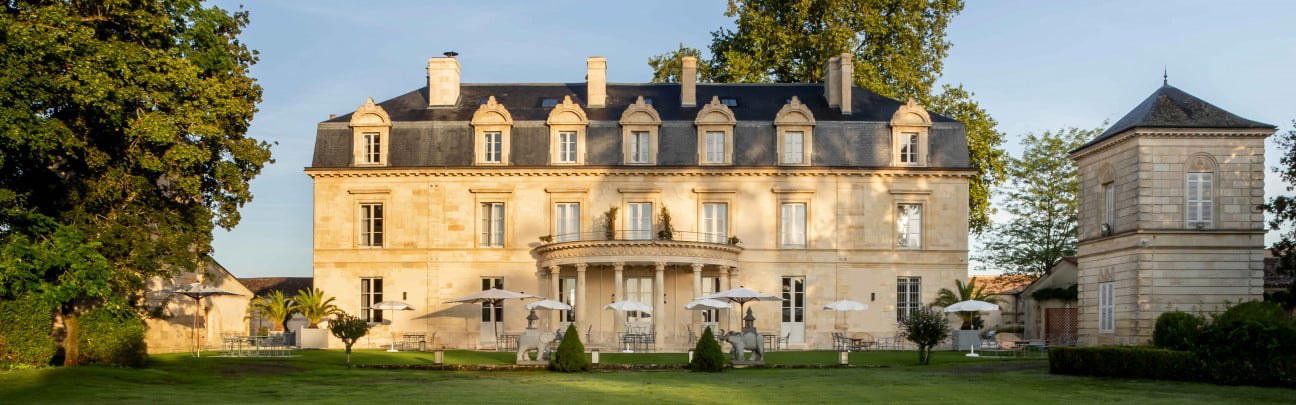
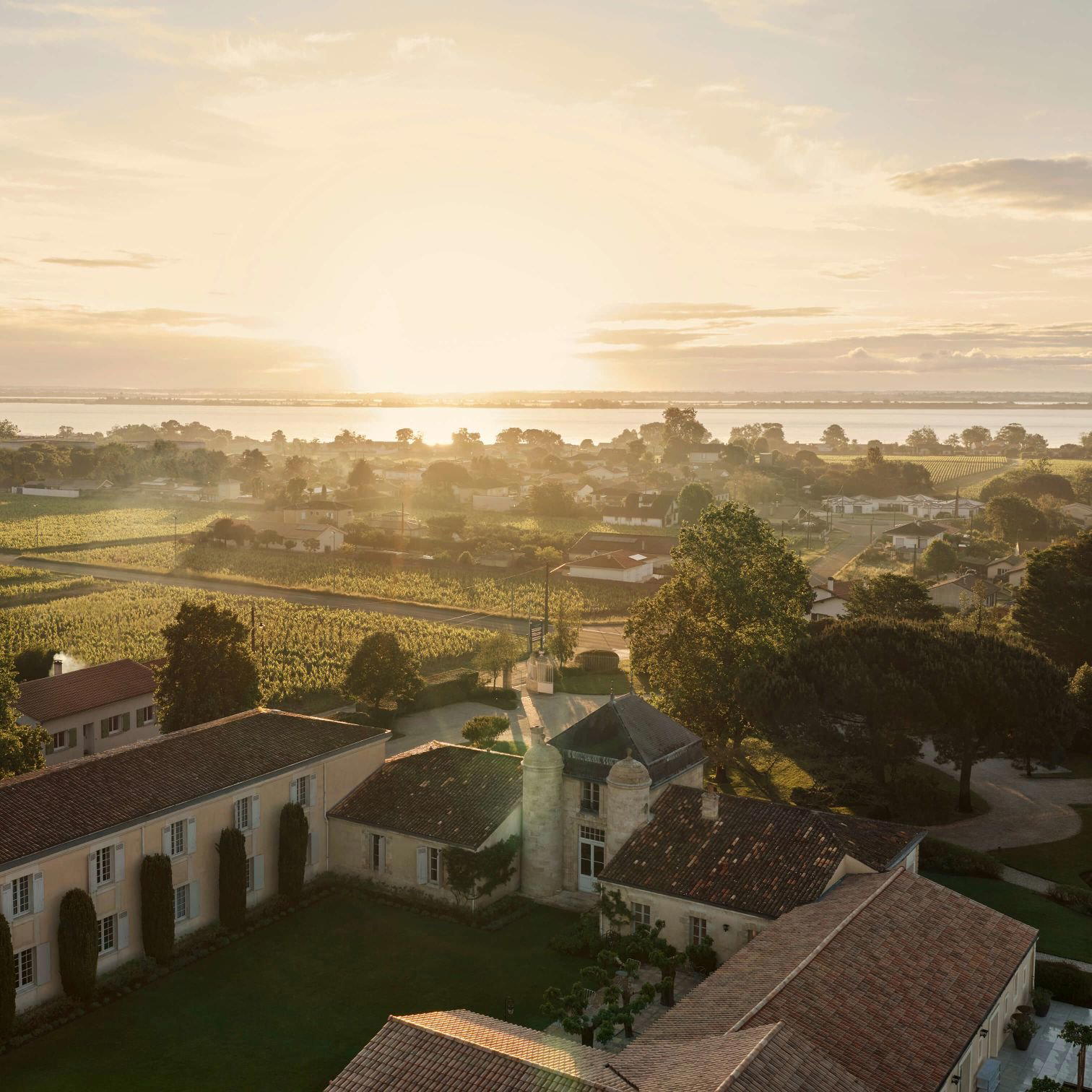
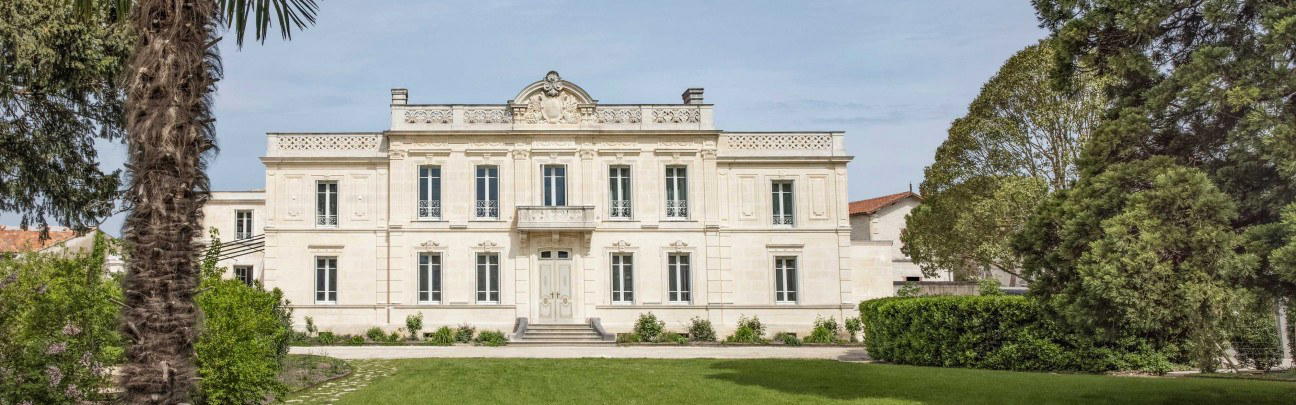
Château La Gorce gives the northern Médoc a grounded, estate-grown reading: Merlot-led red Bordeaux from sand, gravel and clay, shaped by Cru Bourgeois discipline rather than grand-château theatre. Its appeal is the continuity between an 1821 chartreuse, a 45–48 hectare vineyard base, organic conversion and a guided tasting format that keeps the focus on land, cellar and classification.

Pearl is the En Primeur Club membership app — saves, bookings, and concierge access live there. Same editors, same standards.
- Address
- Aquitaine, Médoc, Nouvelle-Aquitaine, Frankreich
- Directions
- Get directions

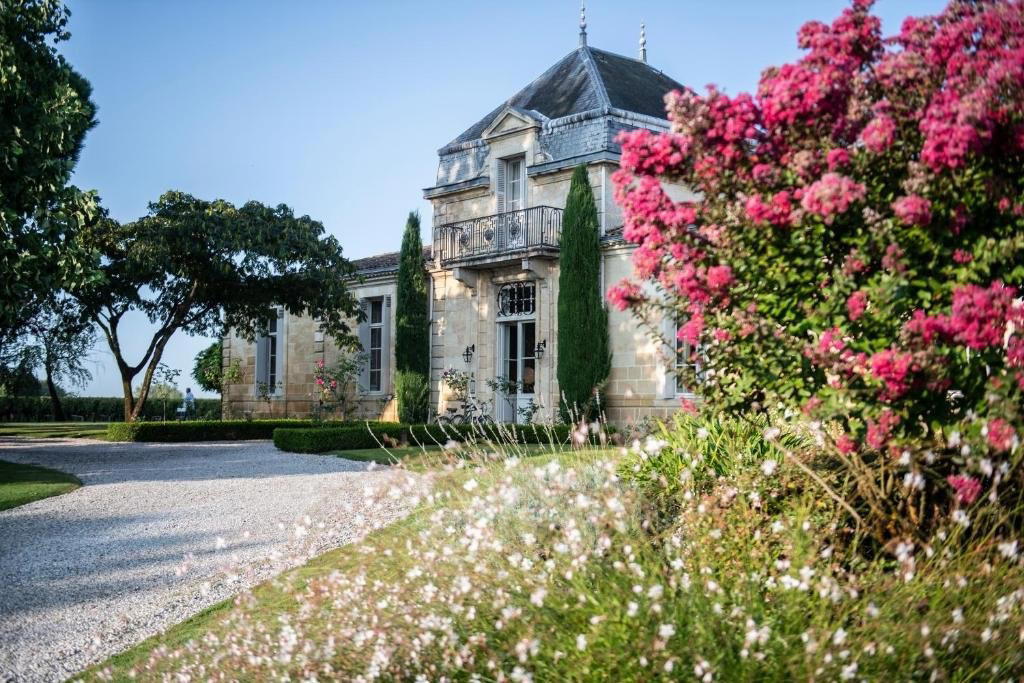
Château La Gorce is a historic Médoc estate in Aquitaine, best understood through its refined, traditional winery character. The appeal is quiet rather than showy: a classic, rustic and elegant setting where heritage and modern winemaking feel connected, and where the pleasure comes from the atmosphere of the estate as much as from any single detail. It is the kind of place whose identity is carried by restraint, continuity and a clear sense of regional belonging.
For travelers planning time in Aquitaine, Château La Gorce works as a focused wine-estate stop rather than a page built around extras. The picture is intentionally simple: a Médoc estate, a $$ price range, and an atmosphere that reads as classic, quiet, elegant and somewhat hidden from the more obvious circuits. That simplicity is part of the positioning. It helps set expectations for visitors who are looking for a grounded winery experience, not an itinerary crowded with added claims, elaborate promises or unrelated features.
A historic Médoc estate with traditional character
The strongest reason to know Château La Gorce is its identity as a historic Médoc estate. Its character is rooted in continuity: the sense of an established winery where heritage remains part of the experience while modern winemaking is still present. That balance gives the estate its main editorial shape. It is not described as frozen in the past, and it is not framed as a purely contemporary destination either. Instead, the emphasis falls on a traditional setting in which the old and the current can be understood together.
That makes the estate a fit for visitors who prefer atmosphere, place and regional context over spectacle. The tone is refined without feeling flashy, with a rustic elegance that suits a traditional winery setting in Aquitaine. In practical terms, that means the value of the stop is less about chasing a long checklist and more about appreciating the character of a Médoc estate on its own terms. The experience suggested here is measured, classic and quietly confident.
Specific claims about vineyard size, grape varieties, classifications, vintage scores, ownership history, production methods or awards are not included here because they are not part of the public record. That restraint is intentional. It keeps the description anchored to what is actually established in the listing: a historic estate, a traditional winery character, a Médoc location within Aquitaine, and a style that is refined, rustic, elegant and low-key.
Refined, quiet and rooted in place
Château La Gorce’s style is classic, quiet, rustic and elegant. Those descriptors matter because they set expectations: this is not presented as a high-drama luxury venue, but as a historic Médoc estate with a sense of continuity between past and present. “Classic” points to a familiar wine-country grammar rather than trend-driven novelty; “quiet” suggests understatement; “rustic” keeps the tone grounded; and “elegant” gives the estate its refined edge. Together, they form a clear picture without overstating what the venue offers.
The $$ price marker gives a broad practical signal without implying a specific tasting fee, menu, bottle price or service format. Travelers should treat the listing as a guide to the estate’s general positioning, not as a guarantee of particular offerings. It is useful as a shorthand for planning, but it should not be read as a detailed price sheet. The more important takeaway is that Château La Gorce sits in an accessible, traditional winery frame rather than being described primarily through luxury, exclusivity or elaborate service details.
The “hidden” quality also belongs to the same overall mood. It does not need to be treated as a dramatic secret or a claim of obscurity; rather, it helps convey that Château La Gorce feels removed from louder, more obvious forms of wine tourism. For the right traveler, that relative quietness can be central to the appeal, especially when paired with the estate’s heritage-led character.
The appeal is context, not spectacle
Château La Gorce is best framed as a quiet Médoc address for travelers drawn to historic wine estates. Its appeal is the combination of traditional winery character, rustic elegance and a hidden-gem feel within Aquitaine. The public record does not ask the reader to focus on a long list of amenities or special features. Instead, it points toward context: the setting, the tone, and the way a historic estate can express both continuity and present-day winemaking.
Rather than comparing it to named venues elsewhere, the useful comparison is with other Aquitaine wine and dining stops in general: Château La Gorce is for visitors who want a refined but grounded estate atmosphere. It will make the most sense to those who value quiet character over spectacle, and who are comfortable with a listing that emphasizes mood and identity rather than dense practical detail. In that respect, its restraint becomes a strength, because the description remains focused on the estate’s core personality.
The editorial case is therefore concise: Château La Gorce is a historic Médoc estate in Aquitaine with a $$ price range and a classic, quiet, elegant winery character shaped by heritage and modern winemaking. It is best approached as a traditional, place-rooted stop, notable for its calm refinement and rustic elegance rather than for any invented extras. For travelers building an Aquitaine itinerary around wine, atmosphere and regional texture, that is the central reason to keep it in view.
Recognition history
Dated appearances from independent guides and award organizations, with the underlying list record or original source where available.
Falstaff Winery - Listed
Falstaff
Continue exploring
More in Aquitaine
Wineries in Aquitaine
Browse all →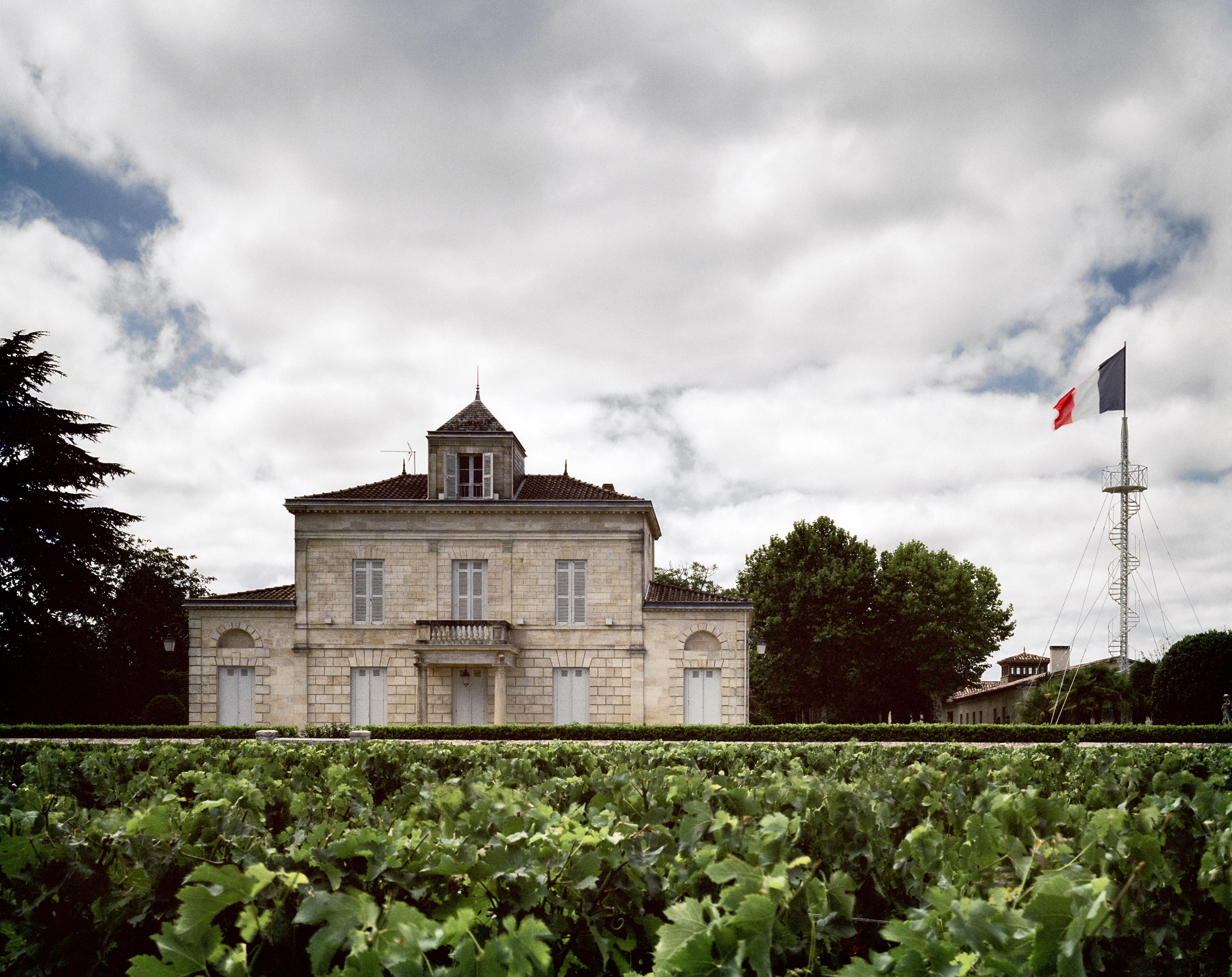
Bars in Aquitaine
Browse all →

Restaurants in Aquitaine
Browse all →

Details
- Classic
- Quiet
- Rustic
- Elegant
- Wine Education
- Solo Exploration
- Special Occasion
- Group Outing
- Historic Building
- Vineyard Tour
- Estate Grounds
- Private Tasting
- Organic
- Vineyard
- Merlot
- Cabernet Sauvignon
- Cabernet Franc
- Still Red
- Guided Tasting
- Private Tasting
Historic Médoc estate with a refined, traditional winery character and a sense of continuity between heritage and modern winemaking.