Château Escot

Château Escot reads as a Médoc estate in transition: old château bones, a quiet vineyard setting, and a modern production push aimed at sharper Cru Bourgeois expression. Its appeal is terroir-led rather than spectacle-led, with clay-limestone and sandy soils, Cabernet-led blends, and a hospitality format suited to measured tasting rather than high-energy touring.
Pearl is the En Primeur Club membership app — saves, bookings, and concierge access live there. Same editors, same standards.
- Address
- Lesparre-Médoc, Médoc, Nouvelle-Aquitaine, Frankreich
- Directions
- Get directions
 Saves & bookings on Pearl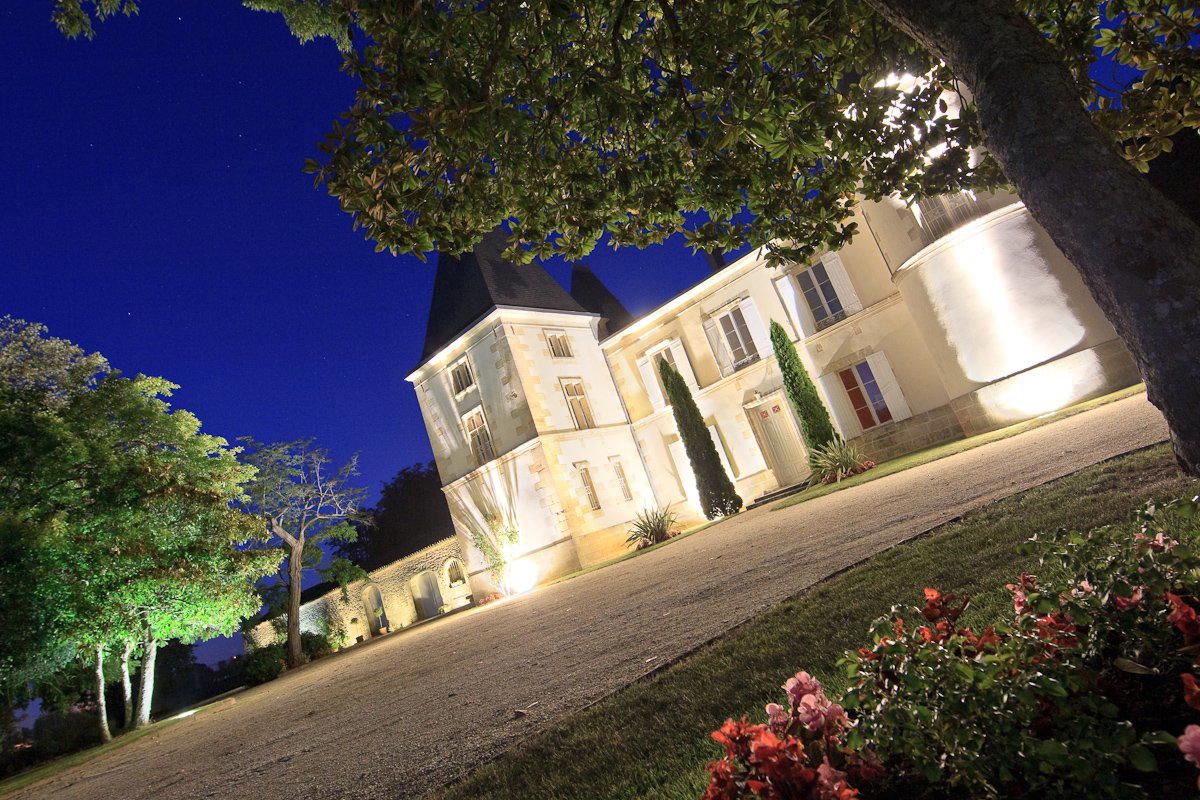
Approaching a Médoc château changes the tempo before a glass is poured. The Gironde’s influence, the Atlantic air, the flat vineyard geometry, and the hush around estate buildings all set expectations for wines built on patience rather than theatrics. In Lesparre-Médoc, that mood matters: this is not the postcard version of Bordeaux power, but the northern Médoc register where slower ripening, cooler conditions, and firm structure shape the conversation.
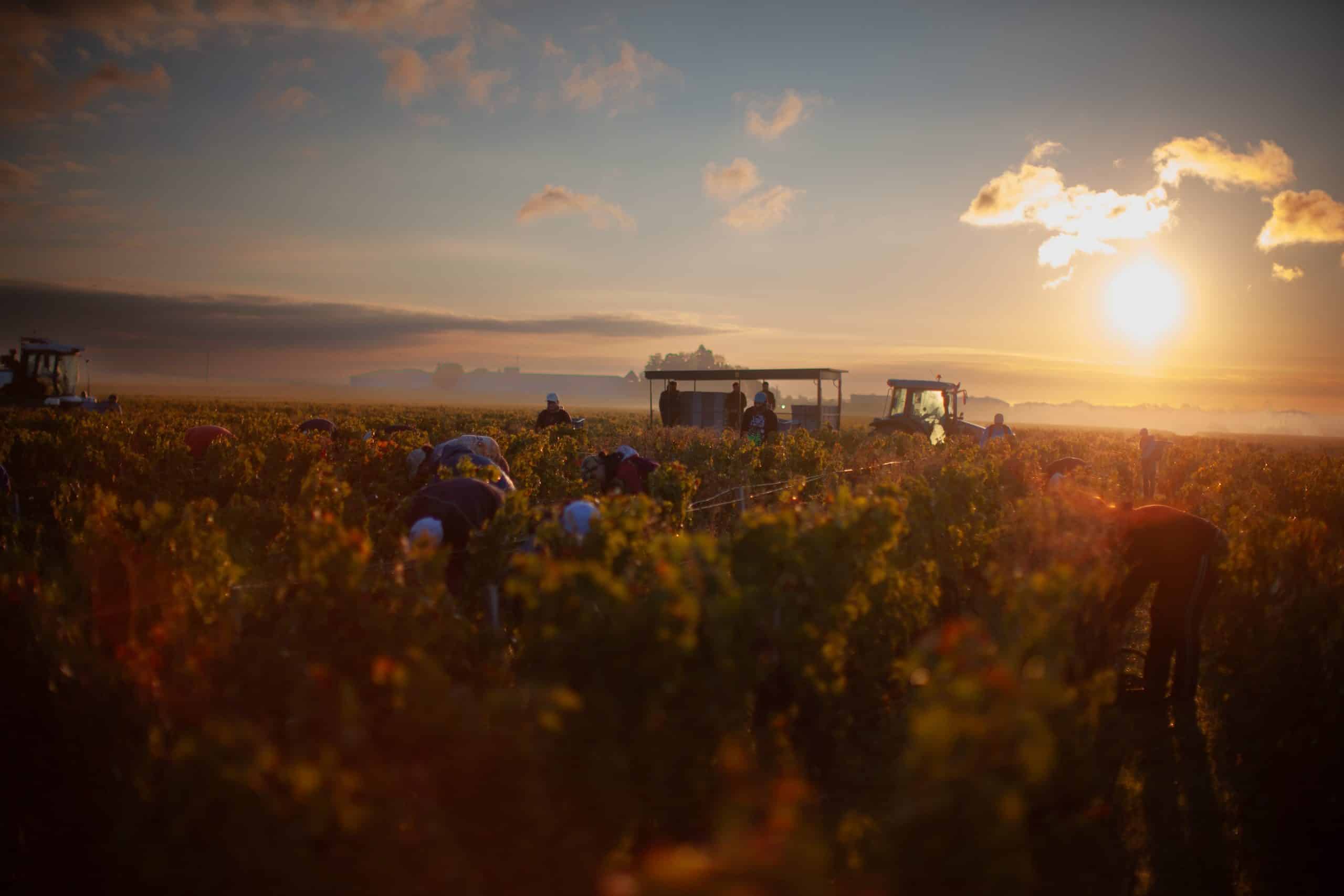
Château Escot belongs to that quieter side of Bordeaux. The estate’s 14 hectares of vines sit on clay-over-limestone and sandy soils, with Merlot, Cabernet Sauvignon, Petit Verdot, and Cabernet Franc in the vineyard mix. Cabernet Sauvignon often takes the lead in the reds, which places the property inside the Left Bank tradition, but the cold-terroir profile gives the wines a more deliberate arc than a simple fruit-forward reading of Médoc would suggest.
Cold Médoc terroir, Cabernet structure, and a Cru Bourgeois frame
The Médoc’s identity has long been tied to Cabernet, gravel, and age-worthy red wine, yet its northern reaches can speak in a cooler accent. At Château Escot, the Atlantic Ocean and Gironde River help slow maturation, a useful condition for aromatic development and tannic control. Clay-over-limestone and sand add another layer: water retention, drainage, and texture become part of the wine’s architecture rather than background geology.
The estate’s public identity is anchored by Cru Bourgeois history. The name appears in Bordeaux records from the 19th century, and the property was classified as Cru Bourgeois in 1858. Its move to Cru Bourgeois Supérieur in February 2025 is the more current signal, because the modern classification system weighs not only wine quality but also environmental practice and the visitor experience. For drinkers, that matters less as a badge than as a clue: this is a Médoc estate positioning itself through continuity, technical upgrade, and vineyard expression rather than luxury spectacle.
Portfolio follows a classic regional logic. The main Médoc red draws on Cabernet Sauvignon with Merlot, Petit Verdot, and Cabernet Franc in support; Forêt Escot works as the second red; rosé and white wines broaden the range without changing the estate’s center of gravity. The presence of a Château Escot Blanc, including a 2024 vintage awarded a silver medal, is useful context in a Cabernet-led zone: it shows a property thinking beyond a single red-wine identity while staying tied to Bordeaux grammar.
Renovation without erasing the château-estate character
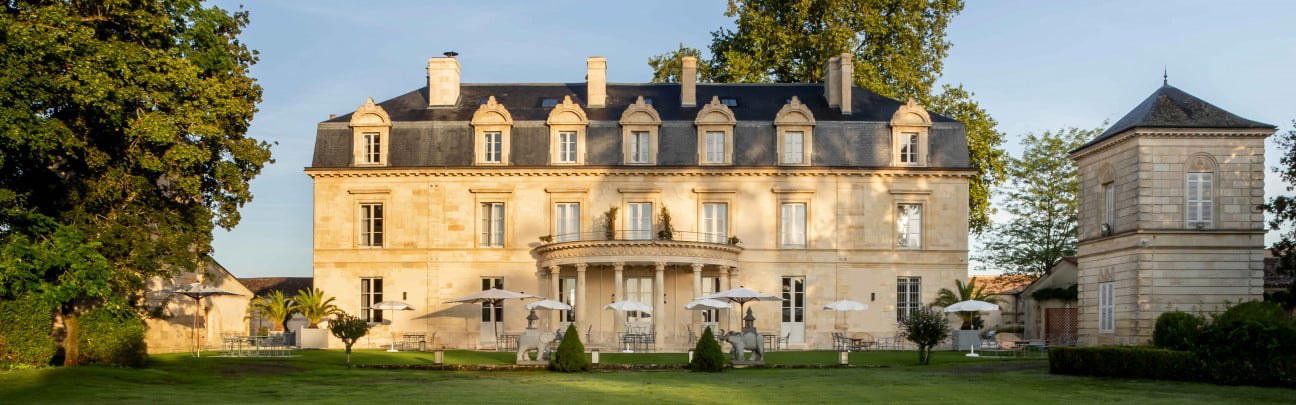
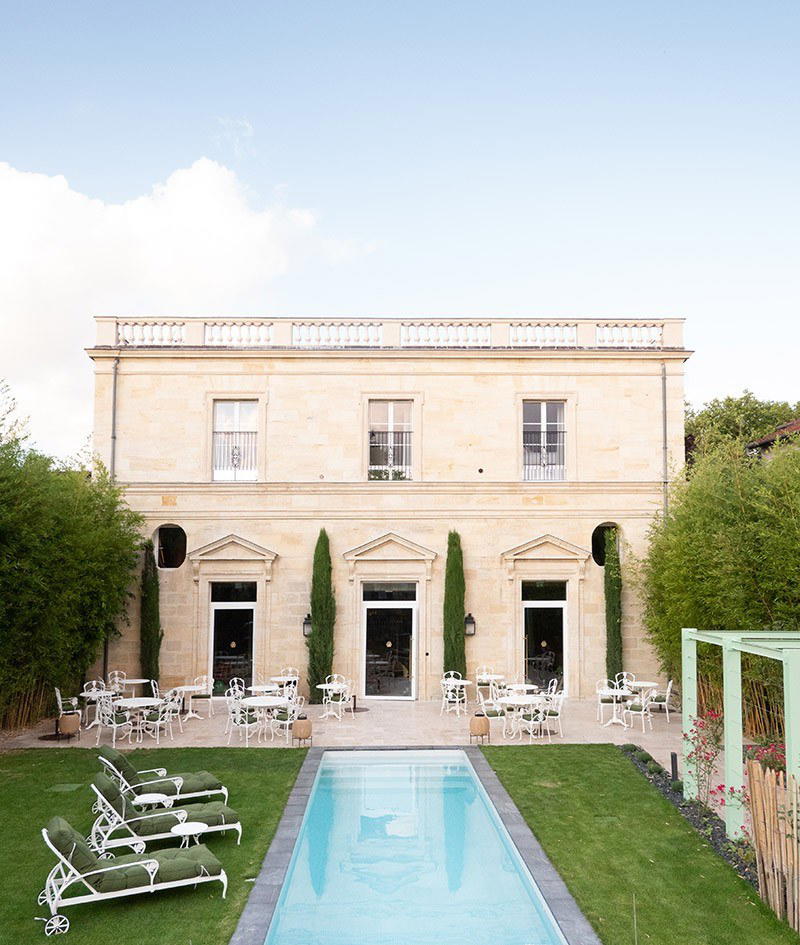
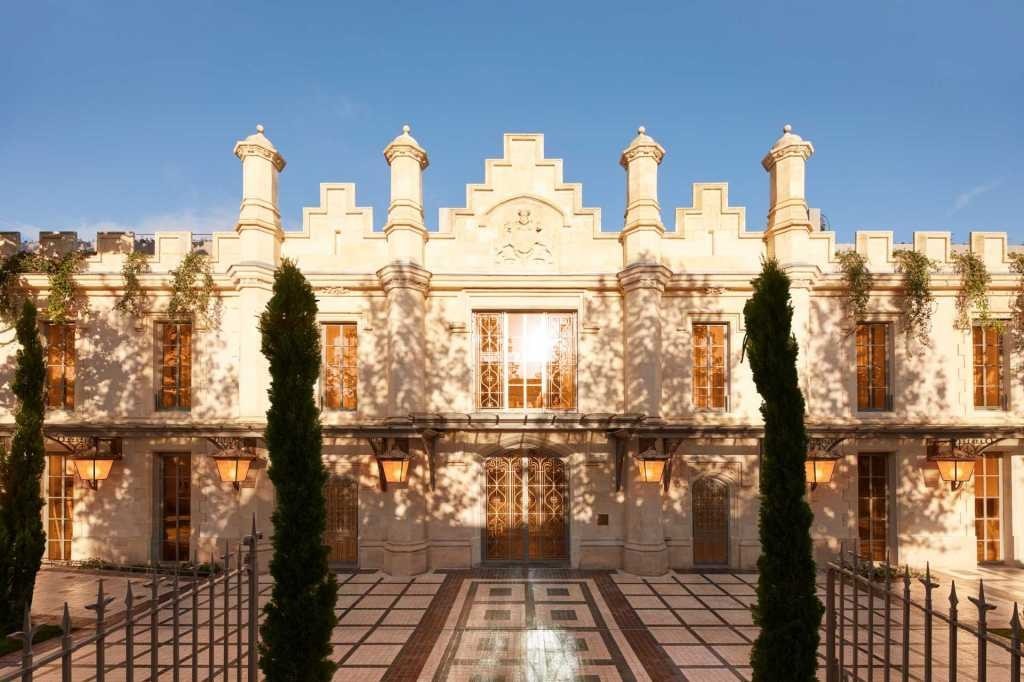
Many Bordeaux estates now face the same challenge: heritage alone no longer carries a visit. Production has to be cleaner, hospitality has to be legible, and sustainability has moved from polite language to classification pressure. The winery’s current chapter fits that wider shift. Since the 2019 acquisition by Czech investors under the Lobster Group umbrella, the estate has been undergoing a broader renovation of the château, park, and production area. New technical buildings began taking shape in 2023, aligning the visitor-facing ambition with a more precise cellar program.
That modernization sits alongside continuity in the cellar. Bruno Rouy, associated with the domaine since the Rouy family period beginning in 1991, remains the named winemaking lead. Michel Rolland’s collaboration adds another recognizable Bordeaux credential, but the more interesting point is structural: this is a Cru Bourgeois property using technical investment to sharpen consistency while keeping the estate format intact.
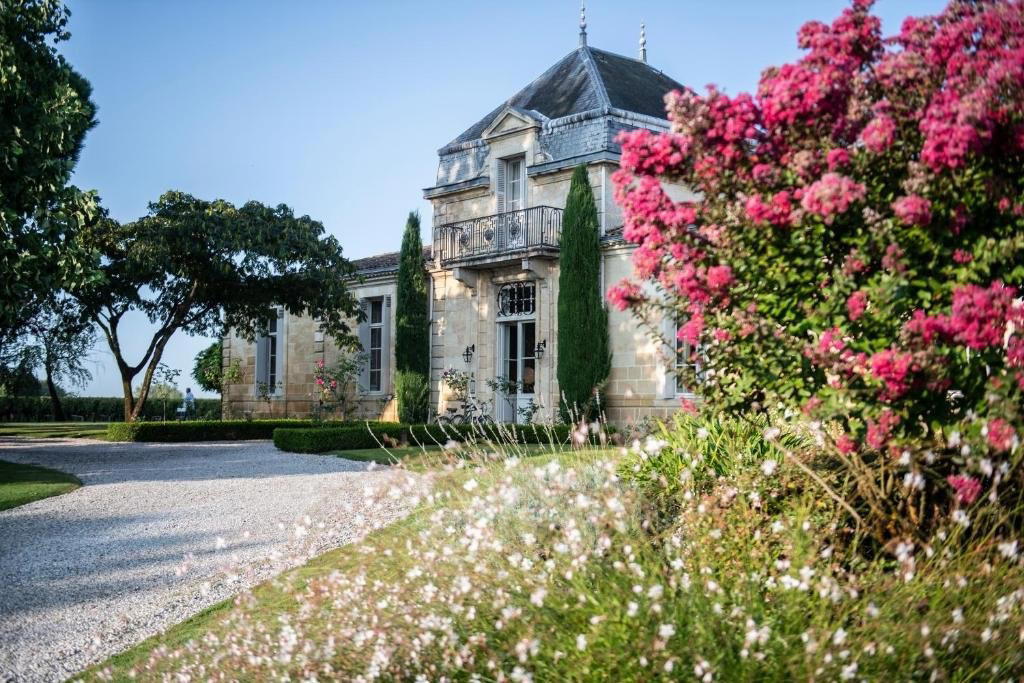
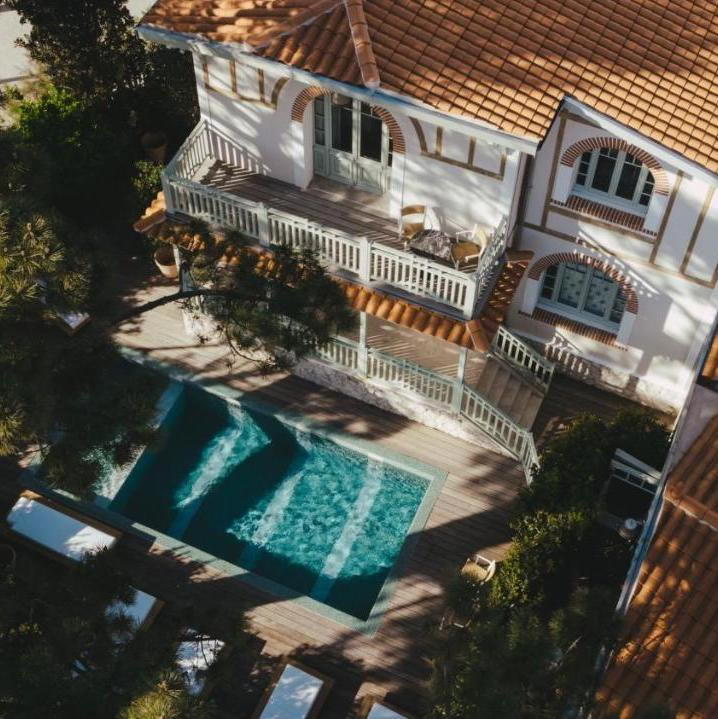
The hospitality proposition is deliberately calm. The setting is described by vineyard views, garden grounds, historic buildings, and a quiet château atmosphere, with tasting formats that include walk-in tasting and private tasting. It is better read as a wine-education stop than a high-volume attraction. The estate is group-friendly and suited to visitors who want Médoc context, vineyard setting, and a measured tasting rhythm rather than a party cellar-door experience.
For broader planning around Lesparre-Médoc, keep the wine route in view rather than treating the town as a single-stop destination. EP Club’s local indexes help frame the wider trip: Our full Lesparre Medoc wineries guide, Our full Lesparre Medoc restaurants guide, Our full Lesparre Medoc hotels guide, Our full Lesparre Medoc bars guide, and Our full Lesparre Medoc experiences guide map the supporting pieces around the cellar visit. Nearby estate context can also be read through Château Preuillac.
How to read the wines before you taste
The useful approach here is to taste for climate and soil before brand polish. In a cooler Médoc site, Cabernet-led structure should not be judged only by immediate generosity; aromatic lift, tannin line, and the way oak sits against fruit are the more revealing measures. Published recognition gives a few reference points: Cuvée Escot has received 91/100 from Avis-Vin Le Figaro, the 2015 Médoc Cru Bourgeois was rated 89/100 by Terroir Sense with a 2023–2027 drinking window, and Jeb Dunnuck rated the 2015 the winery at 87. Wine Enthusiast has also reviewed the 2017 Cru Bourgeois Médoc, noting Cabernet dominance and wood influence.
Those signals place the estate in the serious Cru Bourgeois conversation without turning it into trophy Bordeaux. That distinction is useful. The winery is better approached as a study in Médoc progression: a historic classified property, a modest vineyard scale, a renovation cycle, sustainable production language, and a visitor format that makes the land readable. The orange-label branding may catch attention, but the deeper story is colder terroir, Cabernet structure, and the practical work of renewing a château estate for contemporary Bordeaux travel.
Readers building a wider European wine itinerary can also compare regional formats through EP Club’s other winery coverage, from Champagne at A. Margaine in Villers-Marmery and Agrapart & Fils in Avize to southern French estates such as Abbaye de Fontfroide in Narbonne, Abbotts & Delaunay in Marseillette, Advini in Saint Felix De Lodez, Alain Brumont in Castelnau Riviere Basse, and Alain Gras in Saint-Romain. For a broader continental contrast, see »der Steiner« Hans Steiner in Podersdorf am See and & Handwein in Mannheim.
Recognition history
Dated appearances from independent guides and award organizations, with the underlying list record or original source where available.
Falstaff Winery - Listed
Falstaff
Continue exploring
More in Lesparre Medoc
Wineries in Lesparre Medoc
Browse all →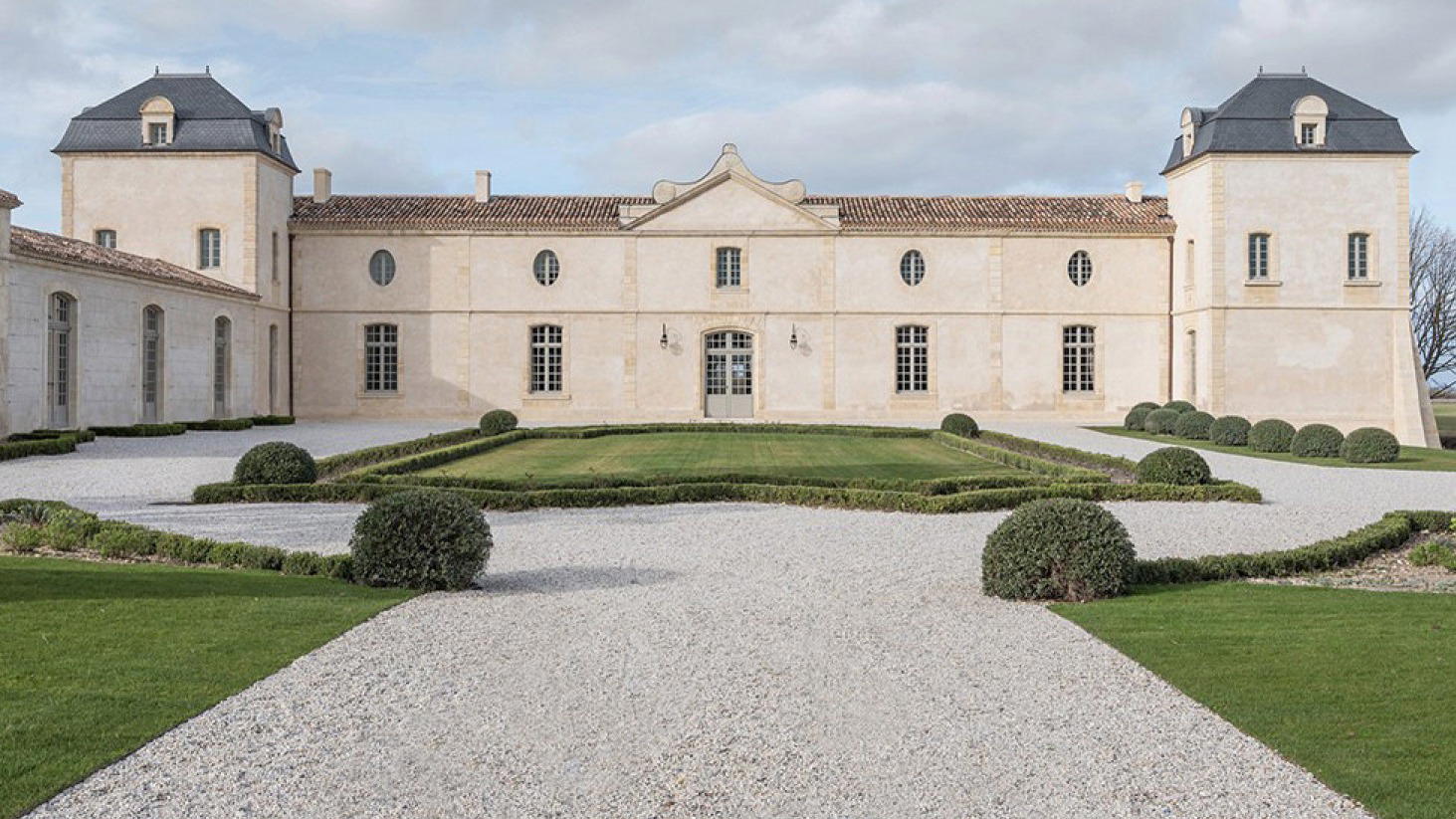
Bars in Lesparre Medoc
Browse all →

Restaurants in Lesparre Medoc
Browse all →
At a Glance
- Classic
- Scenic
- Elegant
- Quiet
- Wine Education
- Group Outing
- Special Occasion
- Historic Building
- Estate Grounds
- Vineyard Tour
- Private Tasting
- Sustainable
- Vineyard
- Garden
- Médoc AOC
- Merlot
- Cabernet Sauvignon
- Petit Verdot
- Cabernet Franc
- Still Red
- Still Rosé
- Still White
- Walk In Tasting
- Private Tasting
A renovated château estate with a traditional wine property character, modern production facilities, and a hospitality-oriented, wine-tourism focus.