
Falstaff Winery - 2 Stars
Château du Tariquet gives Gascony’s wine-and-spirit culture a clear, estate-scale reading: white grapes, Bas-Armagnac, cellar education, and family continuity in Eauze. The draw is not scarcity theatre but terroir literacy, with Ugni Blanc, Colombard, Gros Manseng, Baco, and Folle Blanche tied to a large, sustainable, family-run property dating to 1912.

Pearl is the En Primeur Club membership app — saves, bookings, and concierge access live there. Same editors, same standards.
- Address
- Eauze, Gers, Occitanie, Frankreich
- Directions
- Get directions
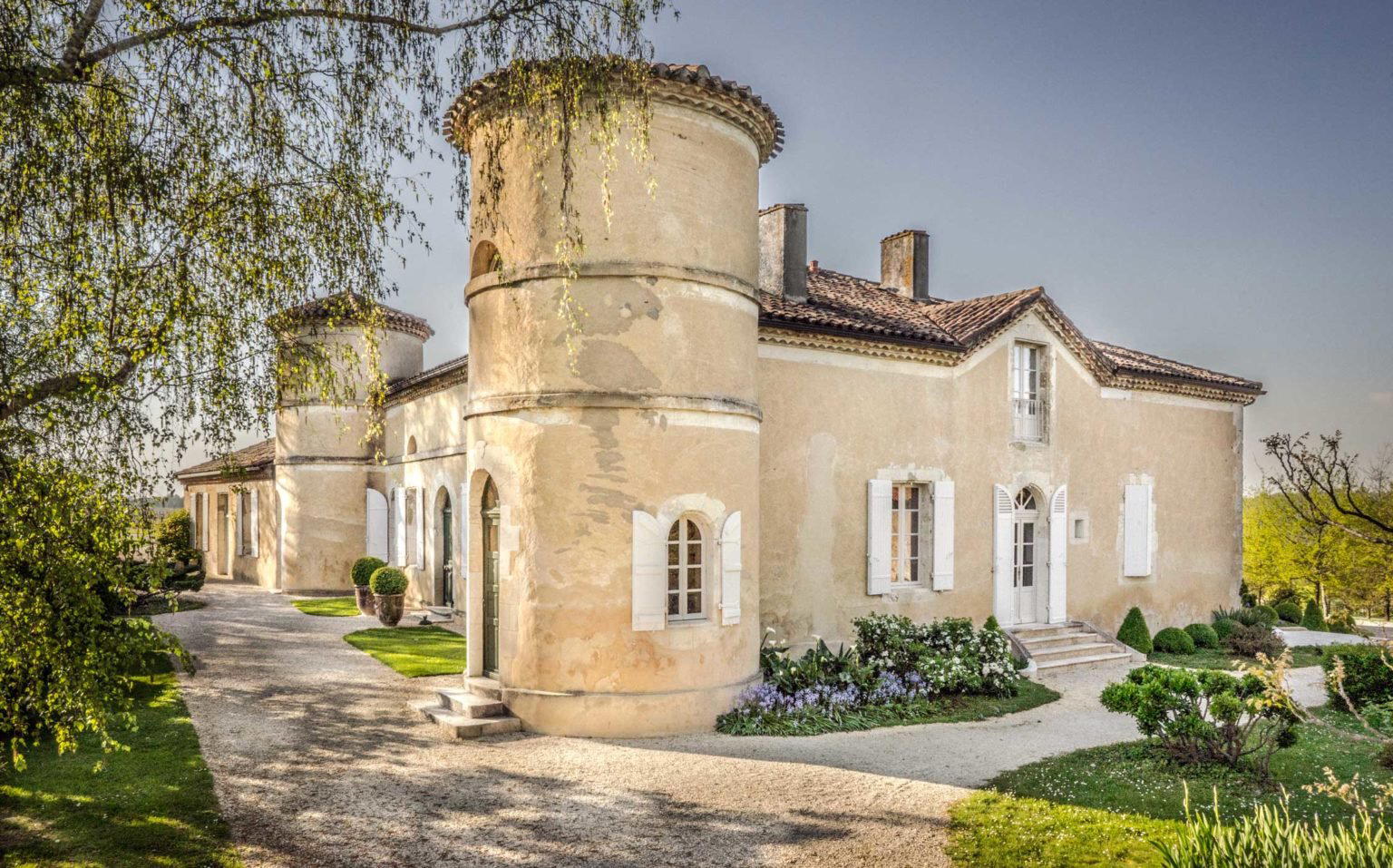
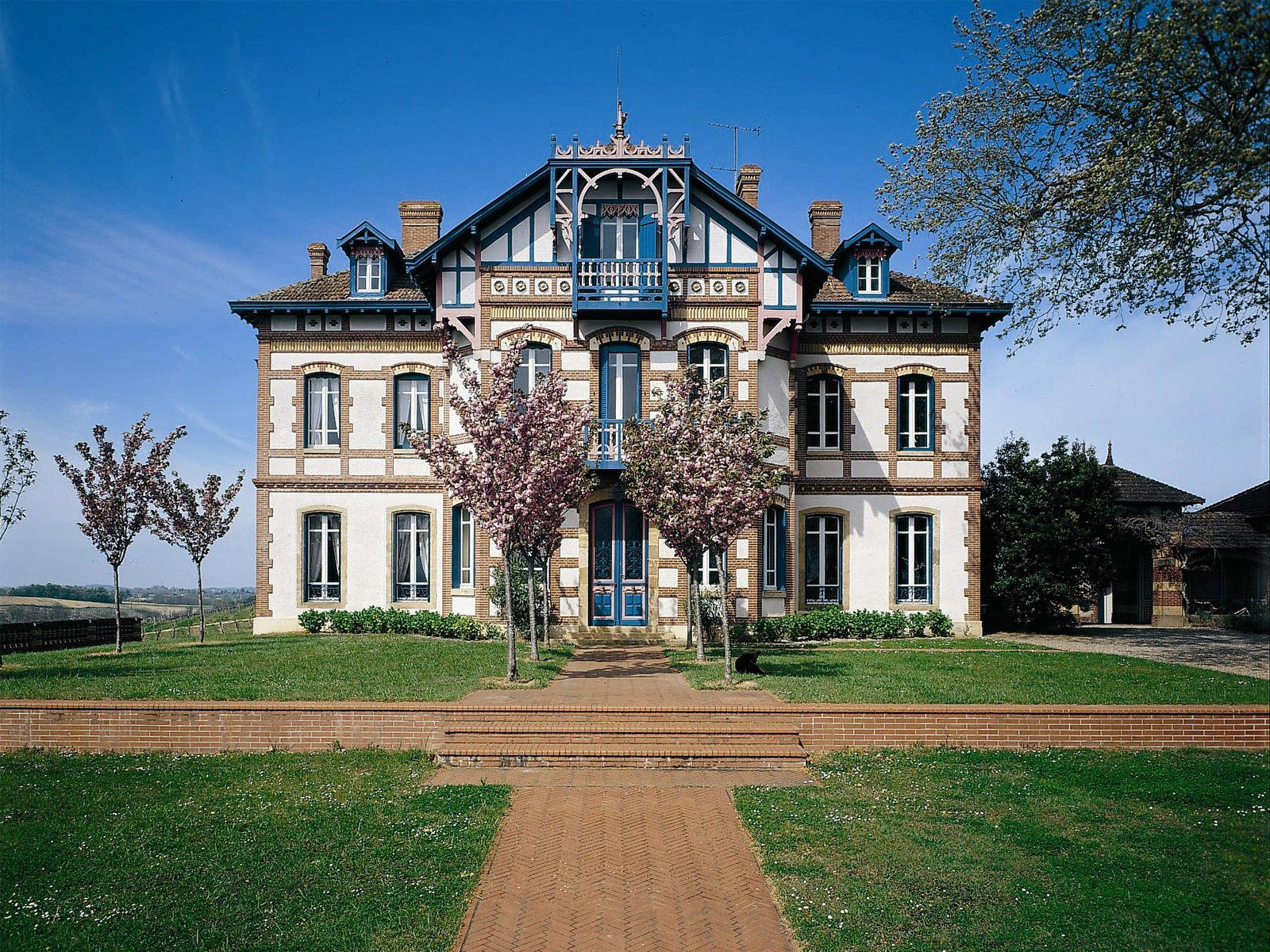
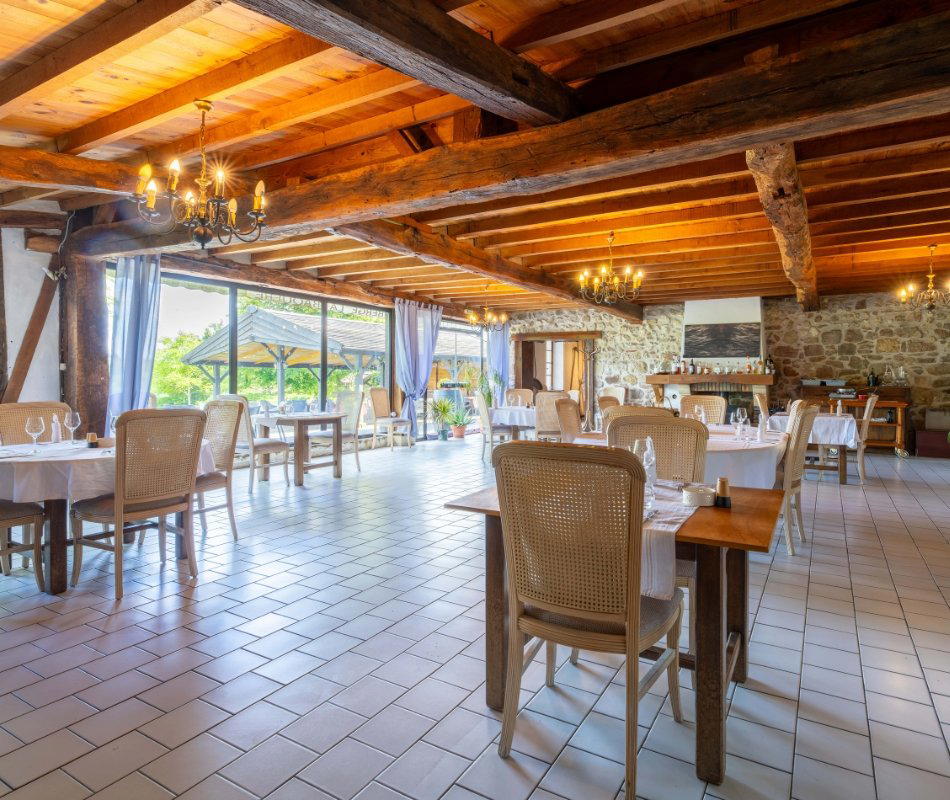
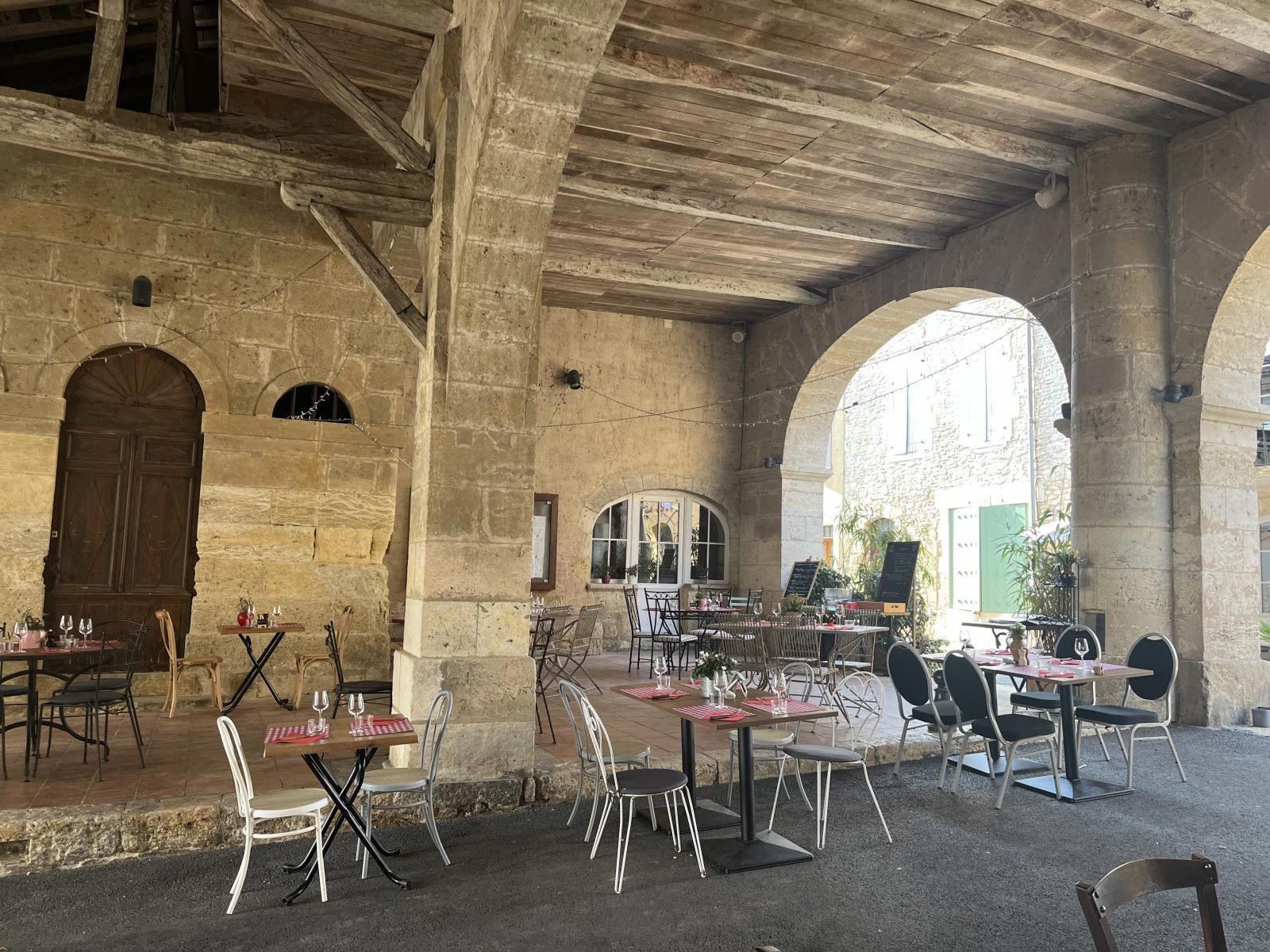
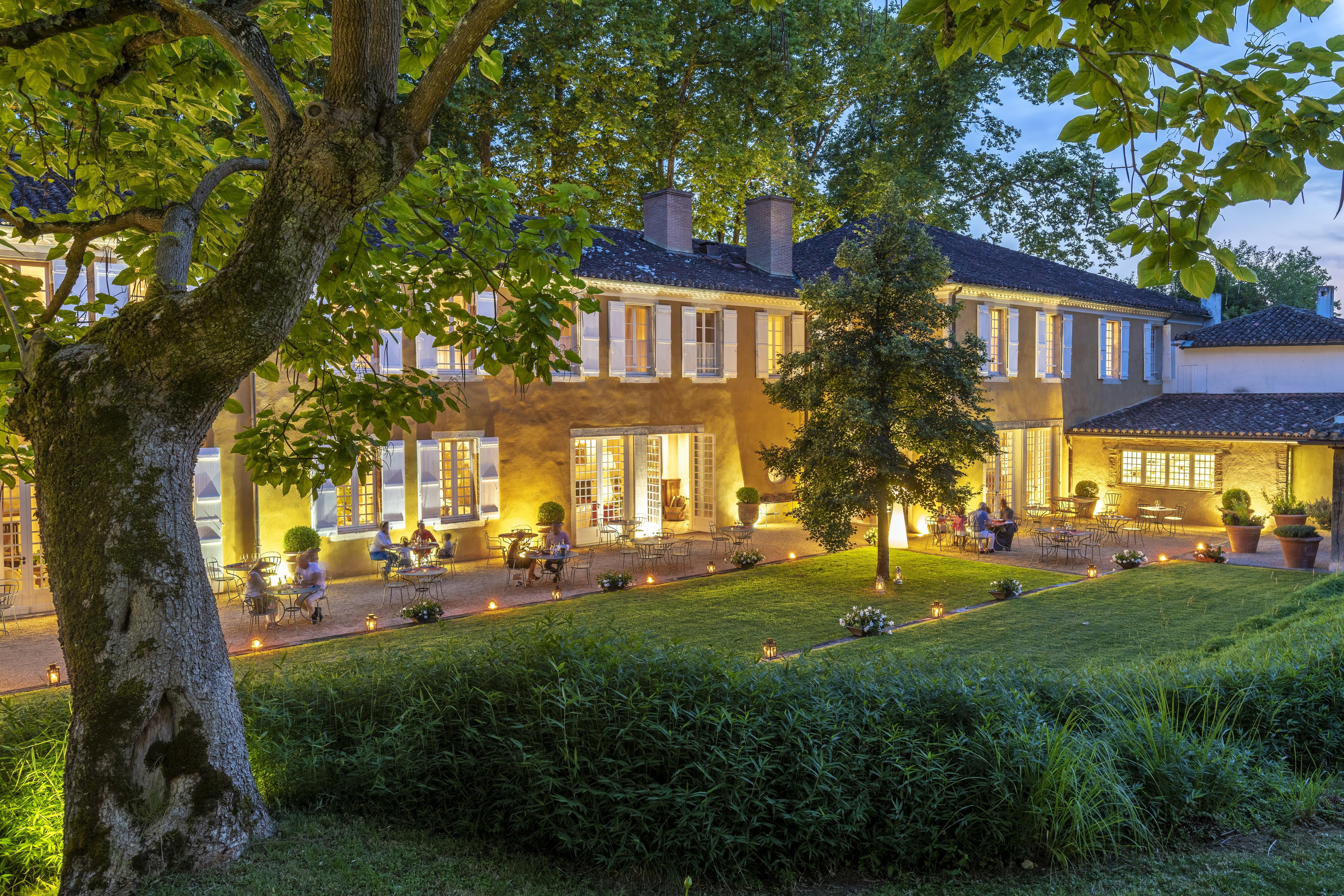
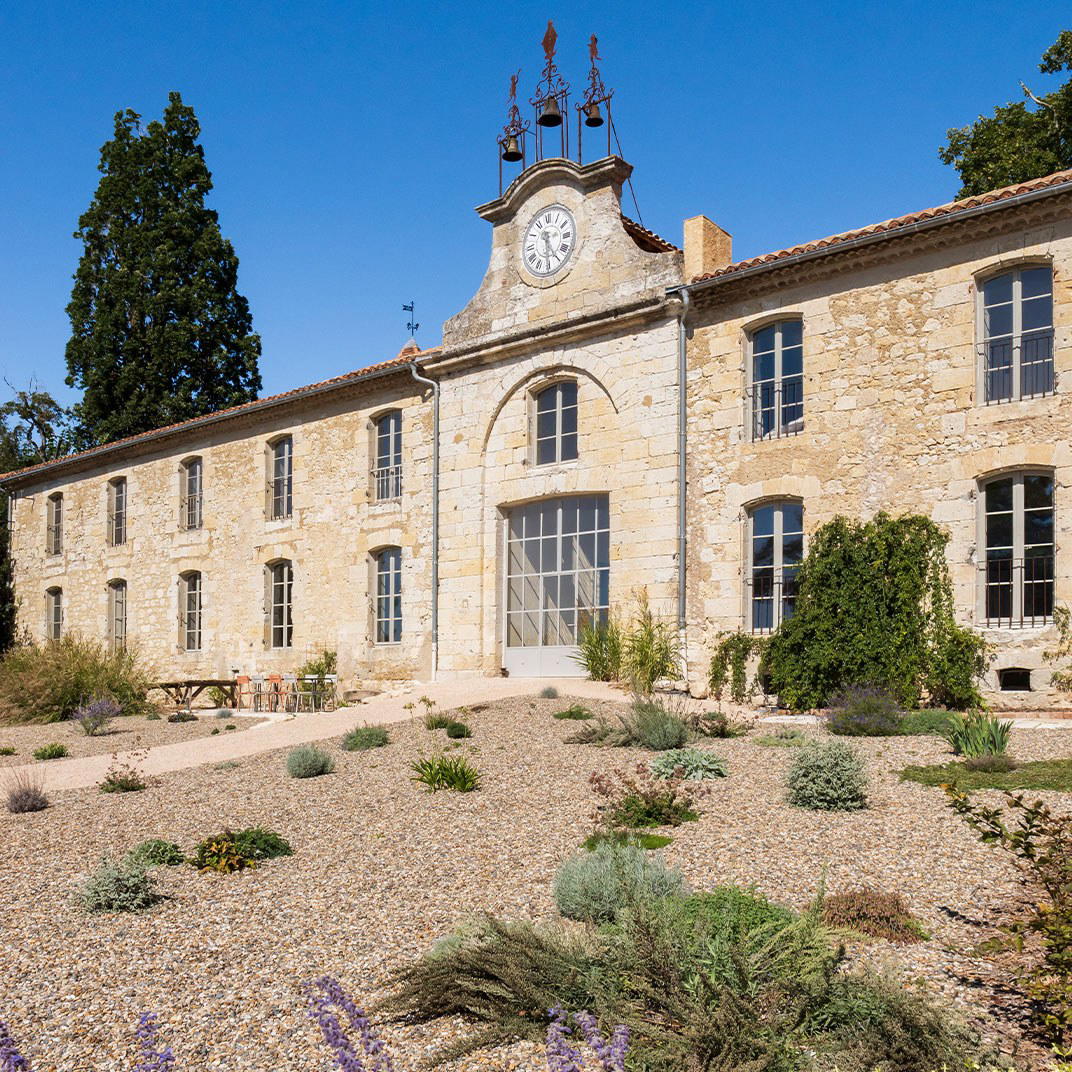
Château du Tariquet in Eauze is best approached as a quiet, tradition-forward estate experience rather than as a conventional restaurant or bar listing. The draw is the setting: a family-run property with a polished, educational tasting environment centered on vines, cellars, and Armagnac production. For travelers looking for a scenic and rustic stop in Eauze, the appeal is the chance to understand the estate through its working landscape and cellar context, with the visit framed less around immediate consumption and more around a sense of place. It is the kind of address where the surroundings matter as much as the tasting itself, because the vines, production spaces, and estate atmosphere are part of the core experience.
What can be said clearly is that Château du Tariquet presents itself as a classic, iconic estate visit in Eauze, with a calm atmosphere and an emphasis on tradition, production, and education. That clarity is useful: the venue does not need to be stretched into another category. Its identity is strongest when read as an estate stop built around continuity, landscape, and the patient explanation of how Armagnac fits into the setting.
Eauze read through estate context and Armagnac
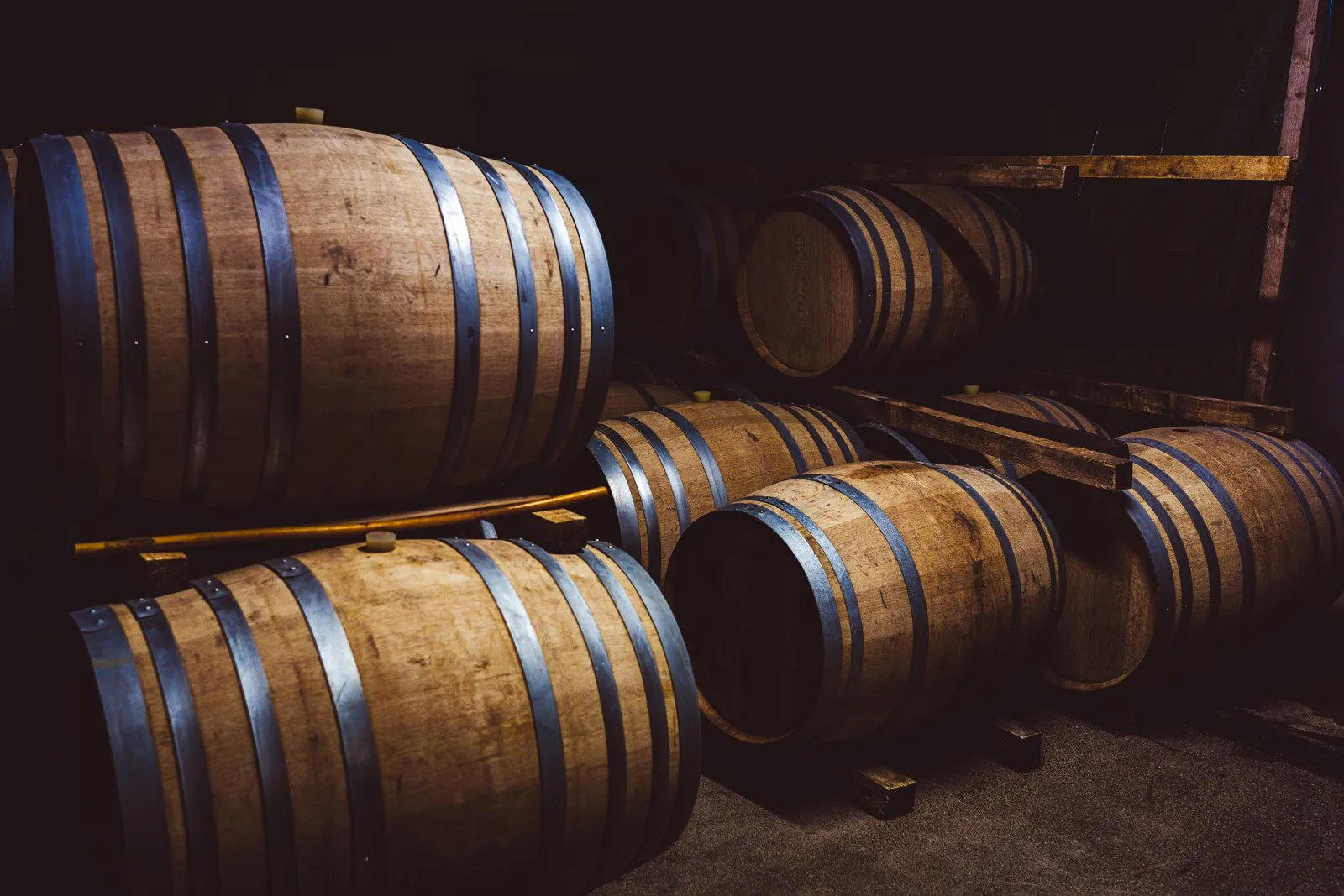
The strongest reason to visit Château du Tariquet is its focus on place. The experience is centered on vines, cellars, and Armagnac production, which makes it useful for visitors who want a grounded introduction to the estate. Rather than relying on restaurant-style spectacle, the estate’s appeal comes from the connection between landscape, cellar work, and regional identity. That connection gives the visit a coherent rhythm: the scenery establishes the agricultural setting, the cellars provide production context, and the Armagnac focus gives the stop its particular character in Eauze.
The mood is scenic, rustic, and quiet. That makes Château du Tariquet especially suited to travelers who prefer a measured estate visit over a high-energy tasting room or nightlife setting. The price level is $, so it also sits at the accessible end of the guide’s pricing scale. In practical editorial terms, that accessibility supports the sense of the estate as a low-pressure stop: visitors can approach it as a calm introduction to the area rather than as a formal luxury occasion.
Reliable framing is simpler: Château du Tariquet is a family-run, tradition-forward estate in Eauze with an educational focus on vines, cellars, and Armagnac production. The key is not to overcomplicate that description. Its strength lies in being legible, rooted, and connected to the working elements that define the property.
A tasting format built for education, not theatre
Hospitality profile is polished but grounded. Château du Tariquet is described as an educational tasting environment, with the estate itself shaping the visit: vines, cellars, and Armagnac production are the central points of interest. The experience reads as classic and quietly iconic rather than theatrical. That distinction matters because the value here is not a staged performance or a showy room, but the sense that the tasting is supported by the estate’s own context.
The dependable takeaway is that the estate is geared toward learning, atmosphere, and production context. Visitors should therefore understand the visit as an opportunity to slow down and pay attention to what the estate chooses to foreground: its vines, its cellars, and the Armagnac production that gives the experience its focus.
The safer editorial point is that the estate presents a family-run, tradition-forward way to encounter Eauze through vines, cellars, and Armagnac. That wording keeps the emphasis where it belongs, on the character of the visit rather than on unsupported chronology or biography.
For travelers planning time in Eauze, Château du Tariquet can be paired with other dining, lodging, or cultural stops in the city, referenced generically unless separately verified. Keep the estate visit as the anchor for a quieter, scenic, production-focused itinerary. It works well when allowed enough breathing room, rather than being treated as a quick add-on between louder or more commercial experiences.
Where it sits in a wider Eauze itinerary
Château du Tariquet should be understood on its own terms: a family-run estate in Eauze with a polished educational environment centered on vines, cellars, and Armagnac production. Its value lies in the combination of rustic scenery, quiet atmosphere, and tradition-forward estate context. For visitors building a day around the area, that makes it a useful point of orientation: a place where the wider character of Eauze can be read through landscape and production rather than through a menu or nightlife format.
The reason to come is not an award, score, chef, menu, or luxury format. The reliable reason is clearer and more durable: Château du Tariquet offers a classic estate setting where visitors can connect the landscape, the cellar, and Armagnac production in one place. Approach it with that expectation and the appeal becomes direct: a calm, accessible, family-run estate experience with enough polish to feel guided, and enough rustic context to remain firmly connected to its surroundings.
Recognition history
Dated appearances from independent guides and award organizations, with the underlying list record or original source where available.
Falstaff Winery - 2 Stars
Falstaff

Details
- Classic
- Rustic
- Scenic
- Quiet
- Well Known
- Wine Education
- Group Outing
- Solo Exploration
- Special Occasion
- Vineyard Tour
- Estate Grounds
- Historic Building
- Cave Tasting
- Private Tasting
- Sustainable
- Vineyard
- Ugni Blanc
- Colombard
- Gros Manseng
- Baco
- Folle Blanche
- Still White
- Fortified
- Guided Tasting
- Estate Tasting
- French
A family-run, tradition-forward estate with a polished, educational tasting environment centered on vines, cellars, and Armagnac production.