Château du Retout

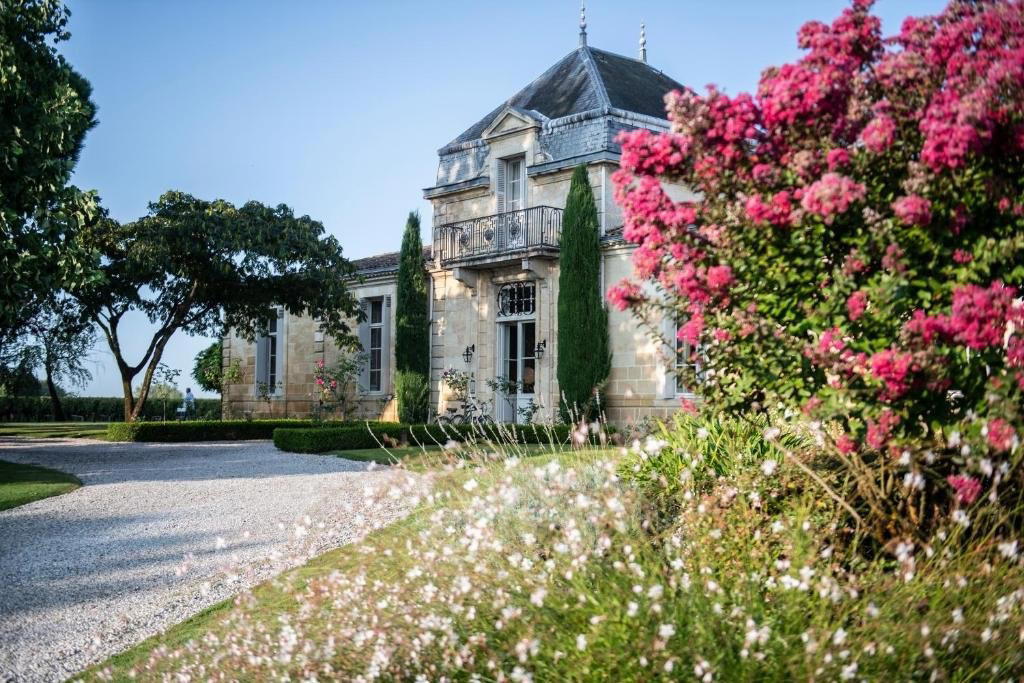
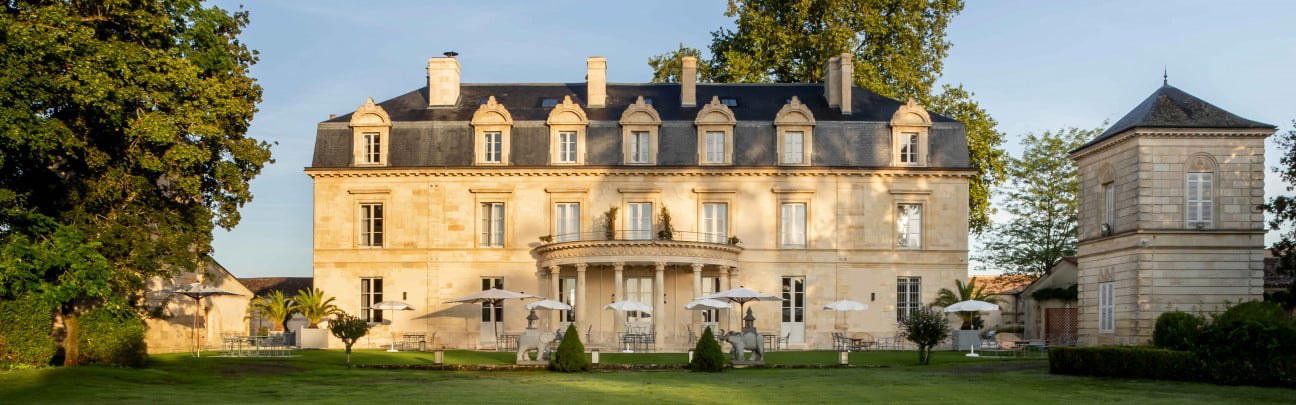
Château du Retout is a traditional Haut-Médoc family estate in Cussac Fort Medoc, shaped by gravel-and-clay soils and Cabernet-led Bordeaux structure rather than architectural spectacle. Its Cru Bourgeois Supérieur status, 34 hectares of red vineyards, small white-wine parcel, and 1950s Kopp family revival make it a useful lens on the quieter, value-driven side of the Left Bank.
Pearl is the En Primeur Club membership app — saves, bookings, and concierge access live there. Same editors, same standards.
- Address
- Cussac-Fort-Médoc, Haut-Médoc, Nouvelle-Aquitaine, Frankreich
- Directions
- Get directions
 Saves & bookings on Pearl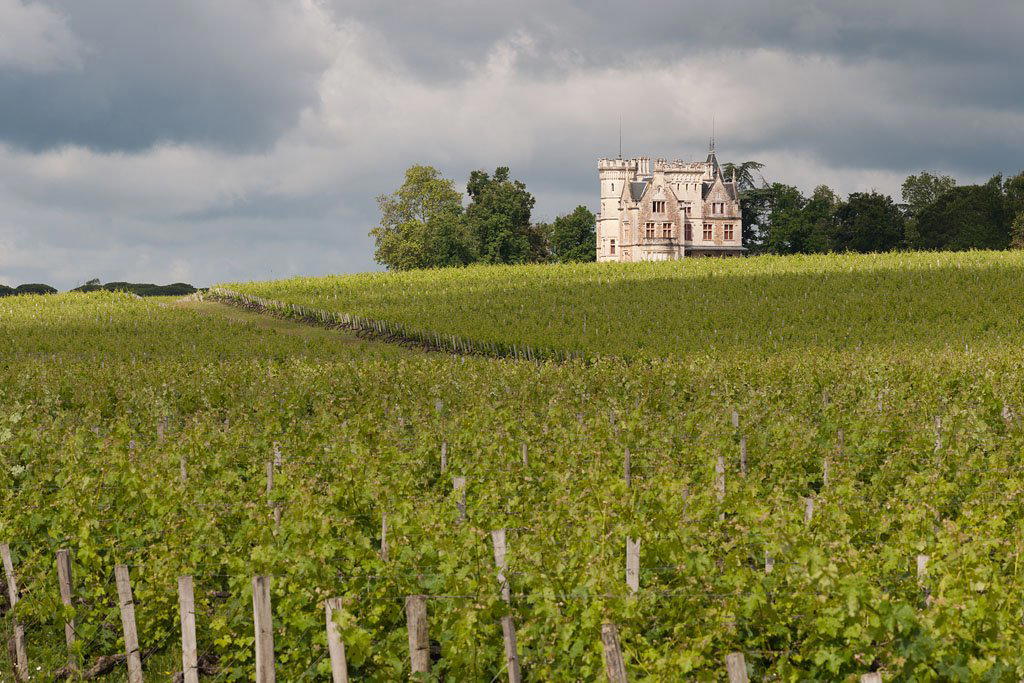
Château du Retout in Cussac Fort Medoc is best described as a traditional Haut-Médoc family estate, with an emphasis on producing harmonious, elegant and velvety wines with round tannins. Its appeal is classic rather than showy: a rustic, hidden-gem address for readers interested in Bordeaux character without relying on flashy architectural design or inflated claims. In other words, the attraction lies in the familiar strengths of the area and in a style that reads as measured, balanced and quietly confident. For EP Club readers, it is the sort of place to consider when the priority is not spectacle, but a direct encounter with a traditional wine-estate identity.
A traditional Haut-Médoc estate
The picture of Château du Retout is intentionally focused: this is a family estate in Cussac Fort Medoc associated with classic Bordeaux character. That framing matters, because it keeps expectations grounded. Rather than presenting the property as a broad lifestyle destination, the available description points back to the essentials: place, family-estate character and a recognisable Haut-Médoc profile.
That style is grounded in balance. Château du Retout is described as producing harmonious, elegant and velvety wines with round tannins, a profile that fits a traditional Haut-Médoc reading more than a modern spectacle-driven one. The vocabulary is important here: harmonious suggests wines whose elements are intended to sit together without aggressive edges; elegant points to restraint rather than excess; velvety and round tannins imply texture and softness within a structured Bordeaux frame. For travelers or drinkers comparing options in Cussac Fort Medoc, the draw is the promise of a classic, understated estate rather than a heavily branded destination.
This makes the estate easiest to understand as part of a more traditional wine-country experience. It is not being positioned through novelty, dramatic presentation or a long list of extra amenities. Its value, as described, comes from a clear identity and from the kind of Bordeaux character that appeals to readers who enjoy understatement. That does not mean it should be treated casually when planning; it simply means the reason to pay attention is rooted in the wines and the estate’s classic profile.
Use the estate’s own current channels for time-sensitive planning before making a special trip. This is especially important because practical details can change, and one reliable approach is to verify directly before building an itinerary around any one stop.
Classic rather than flashy
The winery’s strongest confirmed identity is its restraint. It is not presented here as a luxury showpiece or as a venue defined by design-led hospitality. The available facts point instead to a traditional Haut-Médoc family estate with a rustic, hidden-gem feel. That distinction helps set the tone: the interest is not in polished theatre, but in a quieter address whose appeal depends on classic wine-estate character.
For some readers, that restraint will be exactly the point. Bordeaux can be associated with grandeur, reputation and formal presentation, but this description of the winery is more modest and direct. Rustic, in this context, should be read as part of the charm: a sense of simplicity and groundedness rather than a lack of seriousness. Hidden-gem likewise suggests an address that may be appreciated by those willing to look beyond the obvious or most loudly promoted options.
The price level is listed as $$, placing it in a moderate bracket. That supports the overall impression of an estate that is approachable in positioning, at least as described here, while still belonging to the serious wine range of the Haut-Médoc. The $$ marker should not be overinterpreted into specific pricing, but it does give readers a useful shorthand when comparing it with other possibilities.
For readers building a Cussac Fort Medoc itinerary, the practical takeaway is simple: treat the winery as a classic local wine-estate stop, then confirm current access, availability, and visit details directly before planning around it. Its appeal is best understood through a narrower lens: classic Bordeaux character, traditional family-estate identity, a rustic hidden-gem feel and wines described in terms of harmony, elegance, velvety texture and round tannins.
How to place it in a Cussac Fort Medoc itinerary
For a wine-focused day in Cussac Fort Medoc, the reason to keep the winery on the list is its clear traditional profile: a Haut-Médoc family estate focused on harmonious, elegant and velvety wines with round tannins. It is well suited to readers who value classic Bordeaux character and a quieter rural feel. If an itinerary is being shaped around understated estates rather than headline-driven stops, this is the kind of name that fits that brief.
One sensible way to frame it is as a grounded, wine-led point of interest. It should not be treated as a catch-all recommendation for every traveler, because the confirmed information is deliberately limited. Instead, it works well for those who already know they are looking for a traditional estate atmosphere and who appreciate a moderate, restrained description over exaggerated promises. In that sense, the winery offers clarity: the appeal is not complicated, and the expectations should remain appropriately focused.
Readers mapping the area can place it alongside other dining and wine options in Cussac Fort Medoc generically, while keeping the winery as the named reference point. For broader planning, use current local sources and the estate’s own information to confirm practical details before visiting. That extra check is part of responsible trip planning, particularly when the available description does not make specific claims about access, tours or services.
Any more specific claims about production, ownership, awards, tours, hours, or services should be checked directly with the venue. Taken on those terms, it is a useful reference for readers seeking traditional Haut-Médoc character without needing the experience to be packaged as a luxury spectacle.
Recognition history
Dated appearances from independent guides and award organizations, with the underlying list record or original source where available.
Falstaff Winery - Listed
Falstaff
Continue exploring
More in Cussac Fort Medoc
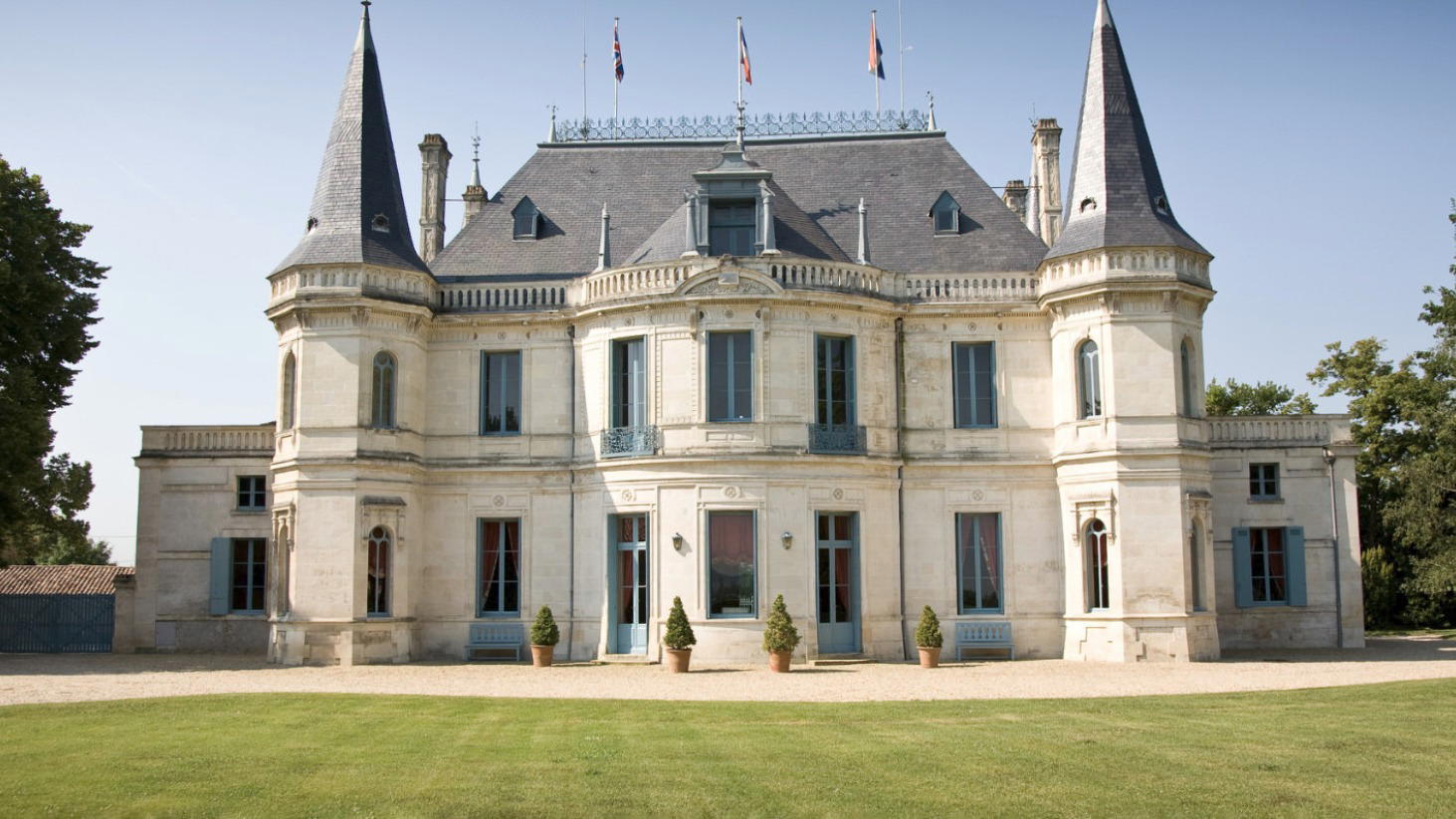
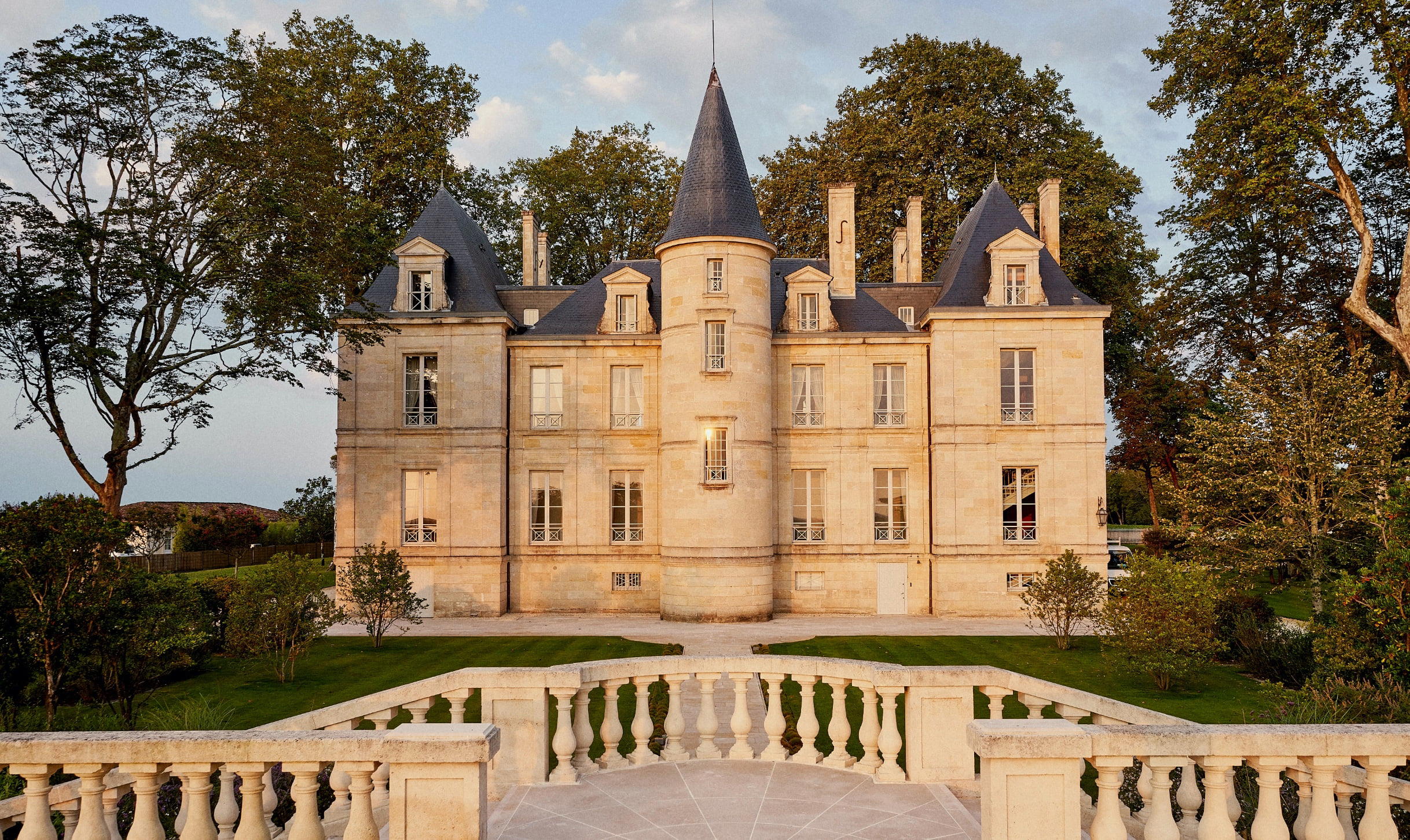
Wineries in Cussac Fort Medoc
Browse all →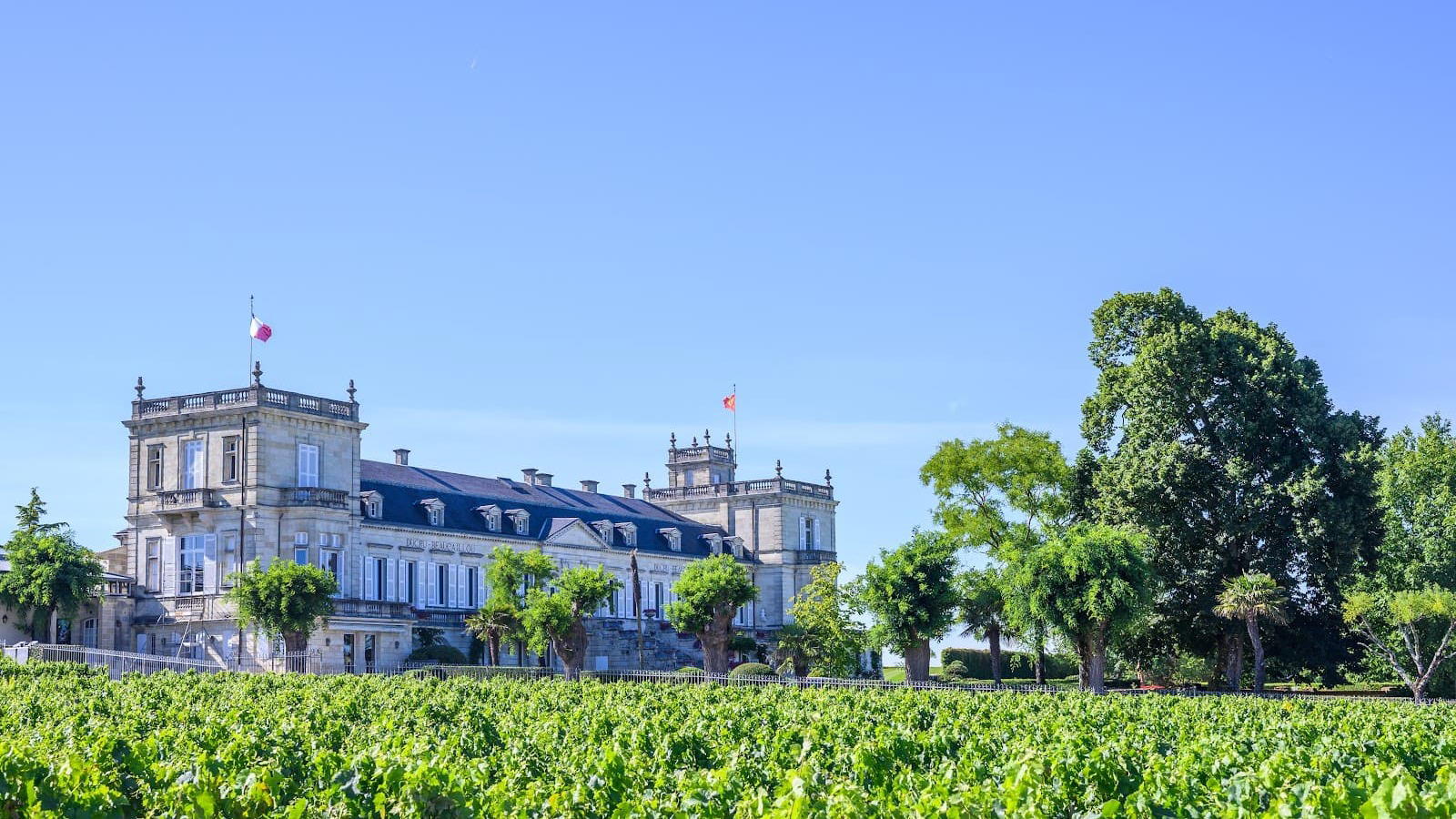
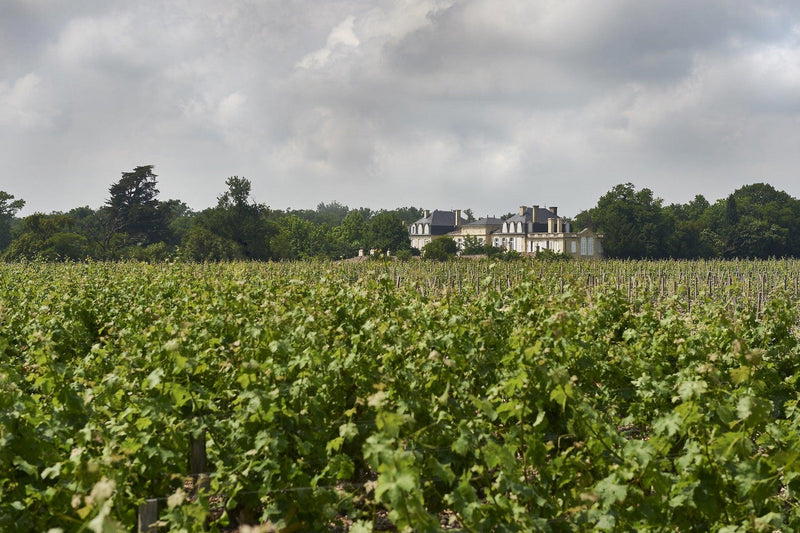
Bars in Cussac Fort Medoc
Browse all →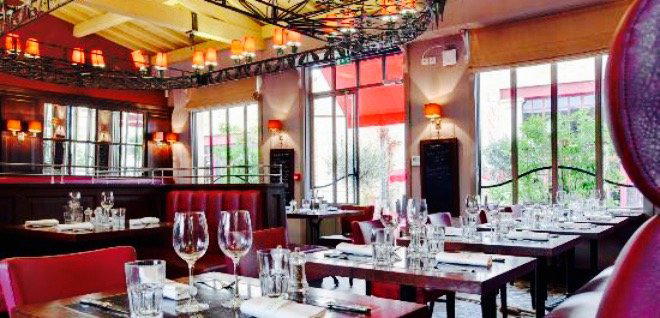
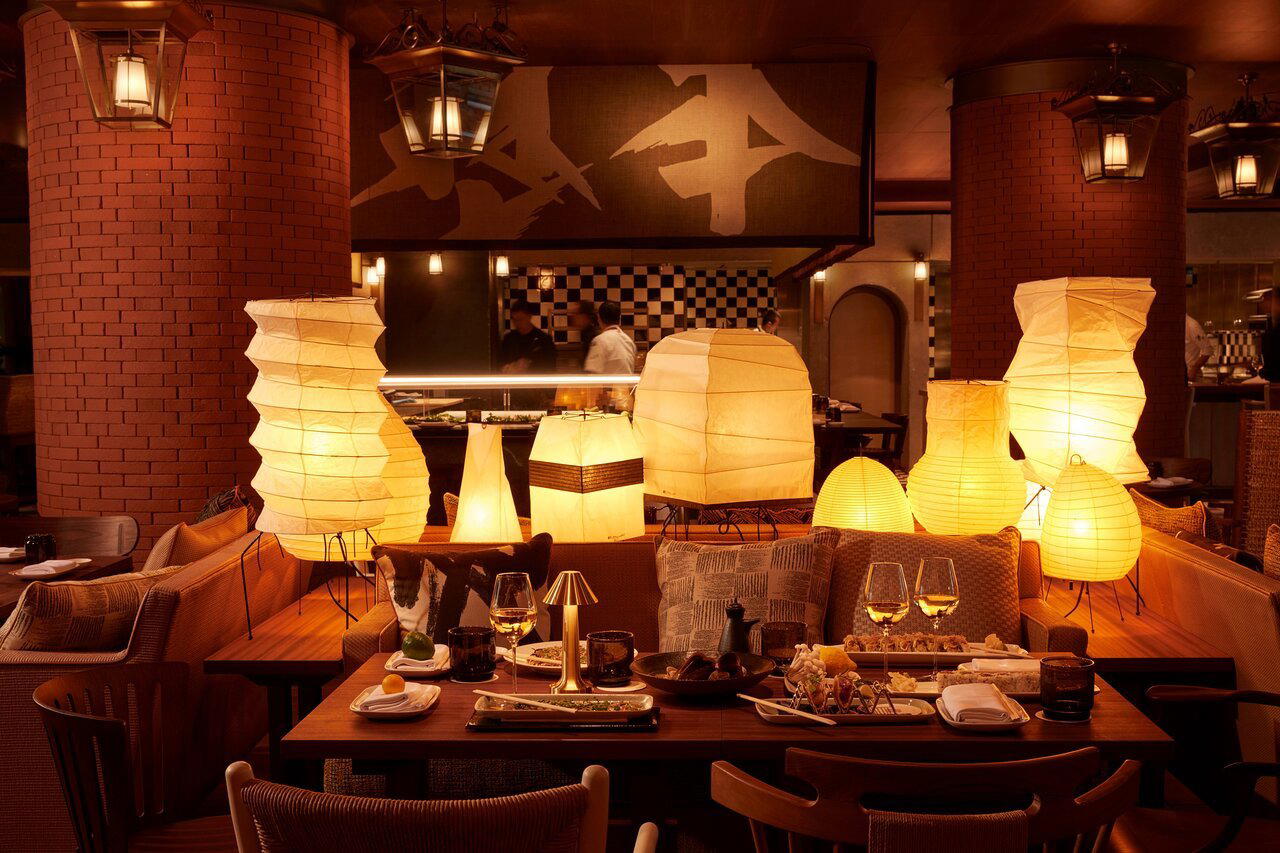

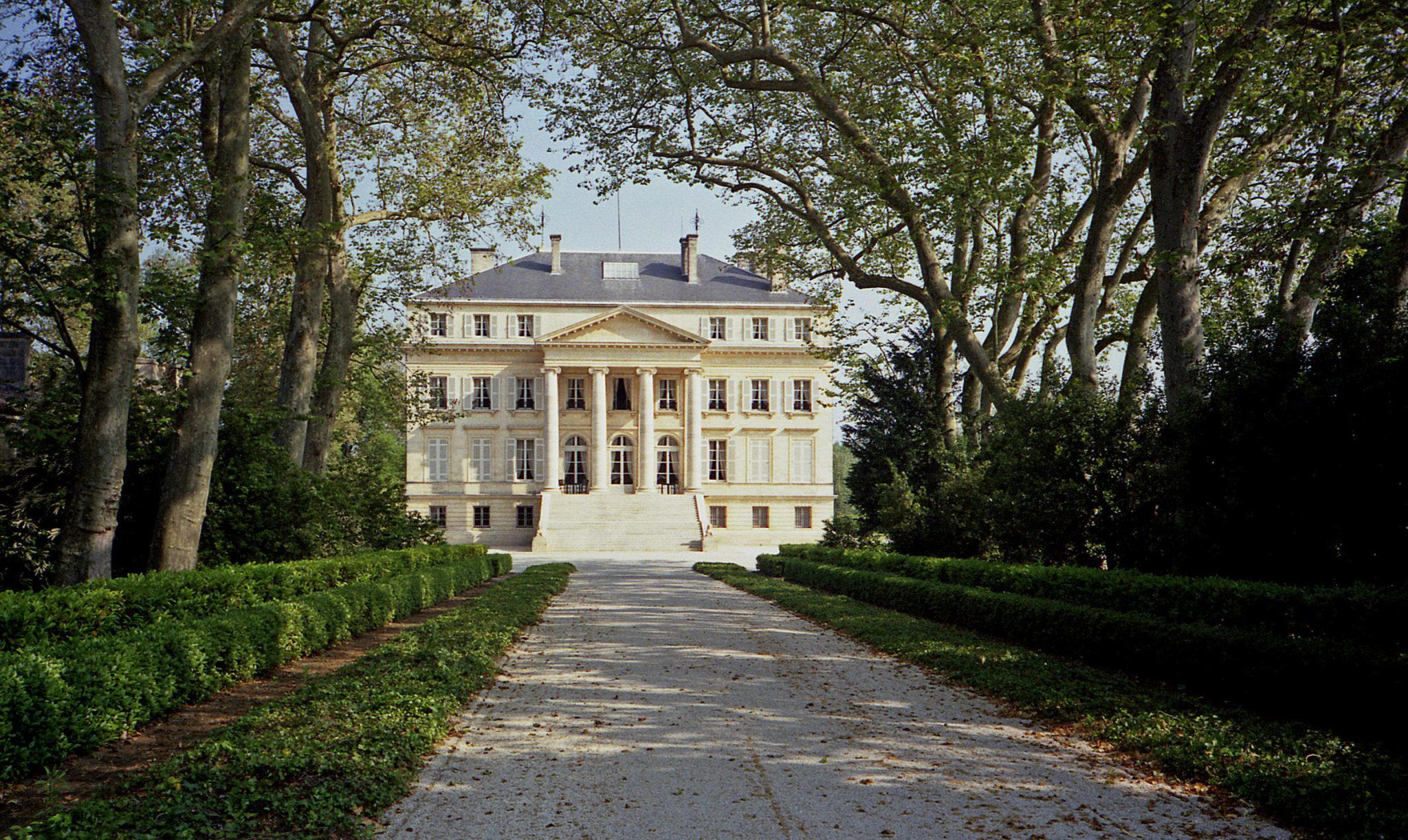
Restaurants in Cussac Fort Medoc
Browse all →


At a Glance
- Classic
- Rustic
- Wine Education
- Solo Exploration
- Romantic Getaway
- Vineyard
- Haut Médoc AOC
- Cabernet Sauvignon
- Merlot
- Petit Verdot
- White Grape Varieties
- Still Red
- Still White
Traditional Haut-Médoc family estate focused on producing harmonious, elegant and velvety wines with round tannins, reflecting classic Bordeaux character more than flashy architectural design.