Château de Pez

Falstaff Winery - Listed
Château de Pez is a historic Saint-Estèphe estate rooted in Left Bank structure rather than visitor-theatre polish. Its appeal lies in the old Médoc equation: gravel over clay-limestone, Cabernet-led architecture, Merlot breadth, and a château history reaching back to 1452 under later Champagne Louis Roederer ownership.

Pearl is the En Primeur Club membership app — saves, bookings, and concierge access live there. Same editors, same standards.
- Address
- Château Pez, 33180 Saint-Estèphe, France
- Phone
- +33 5 56 59 30 26
- Hours
- Mon–Fri 9:30 AM–12 PM, 2–5 PMSat–Sun Closed
- Website
- chateaudepez.com
- Directions
- Get directions
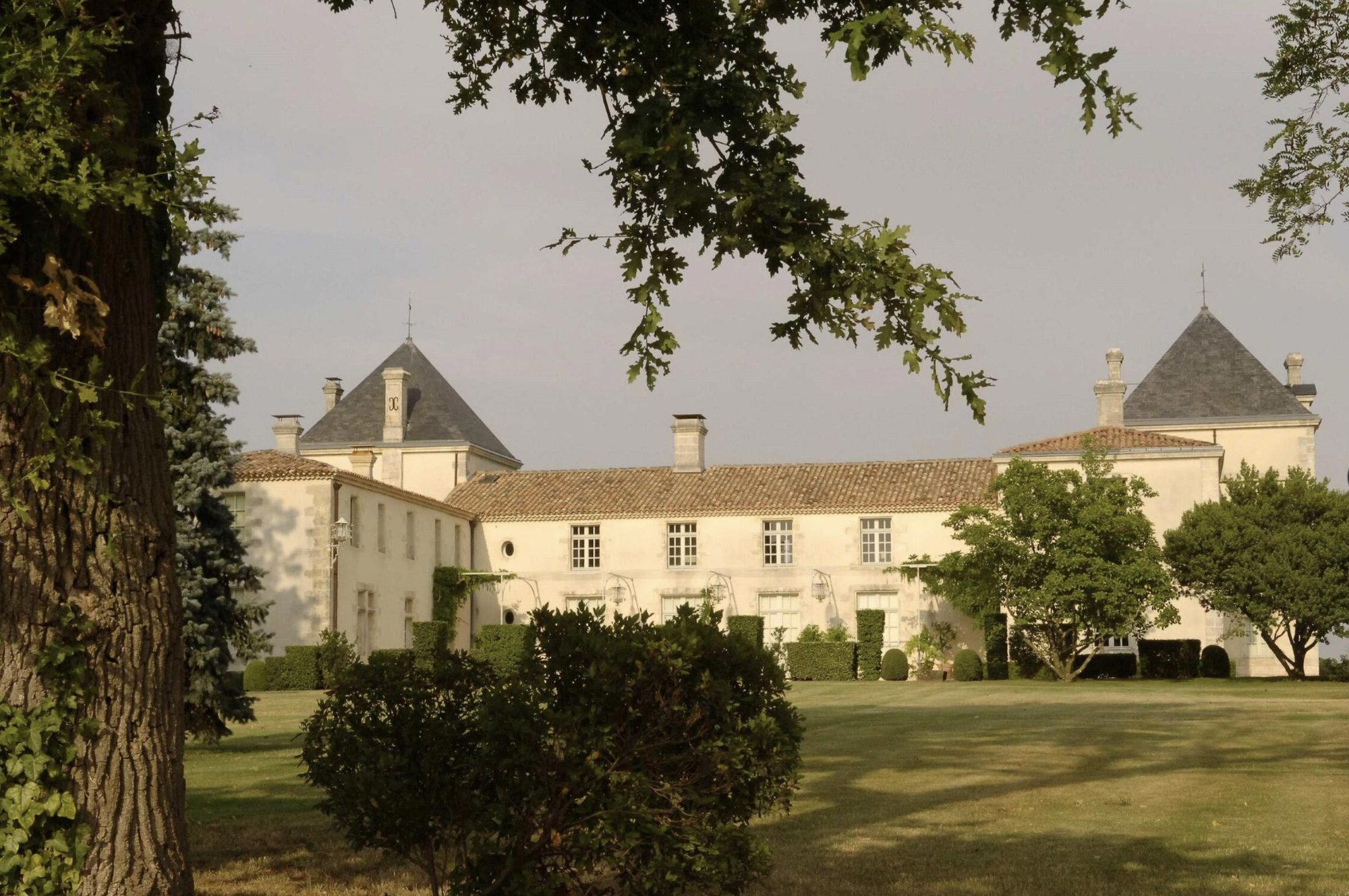
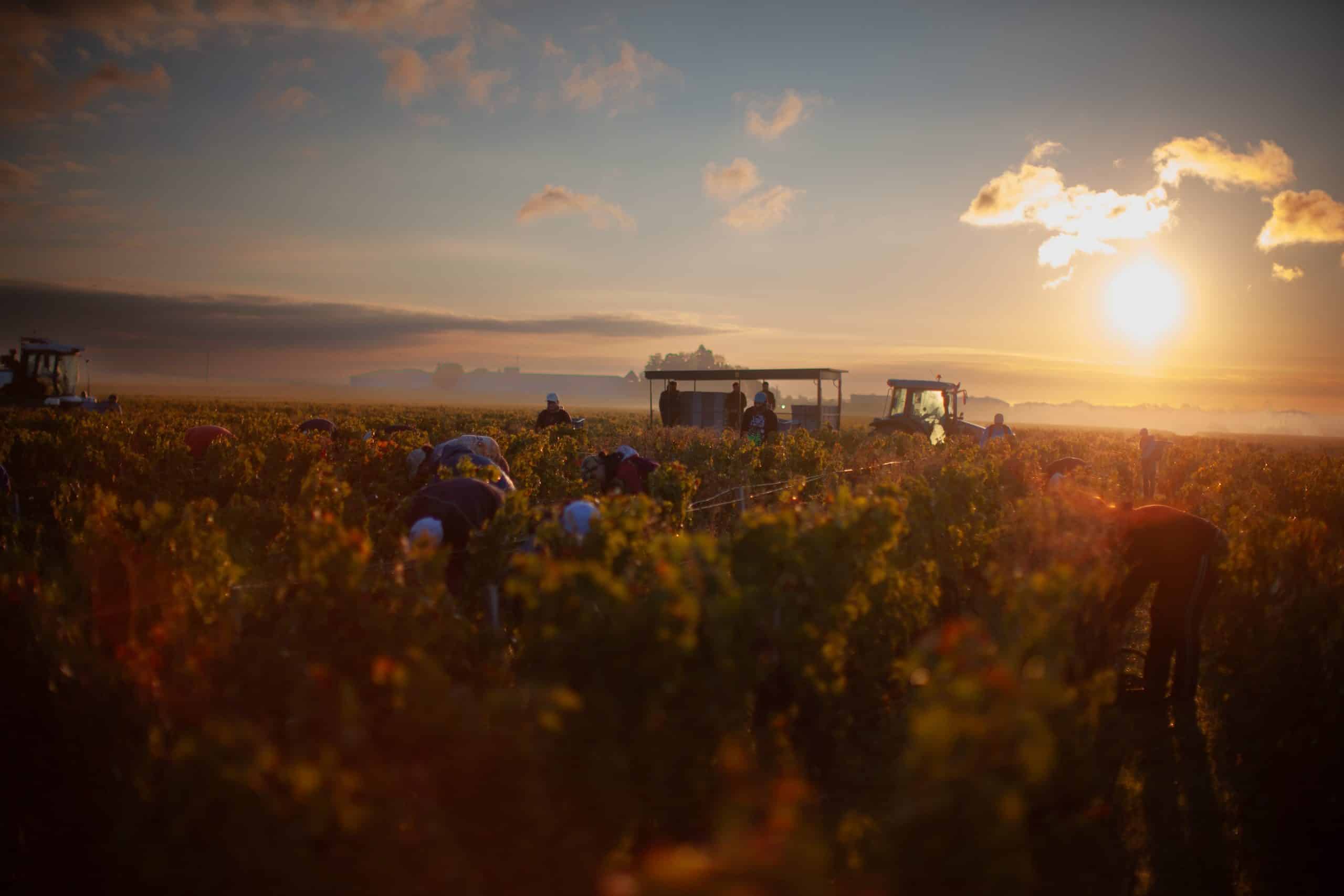
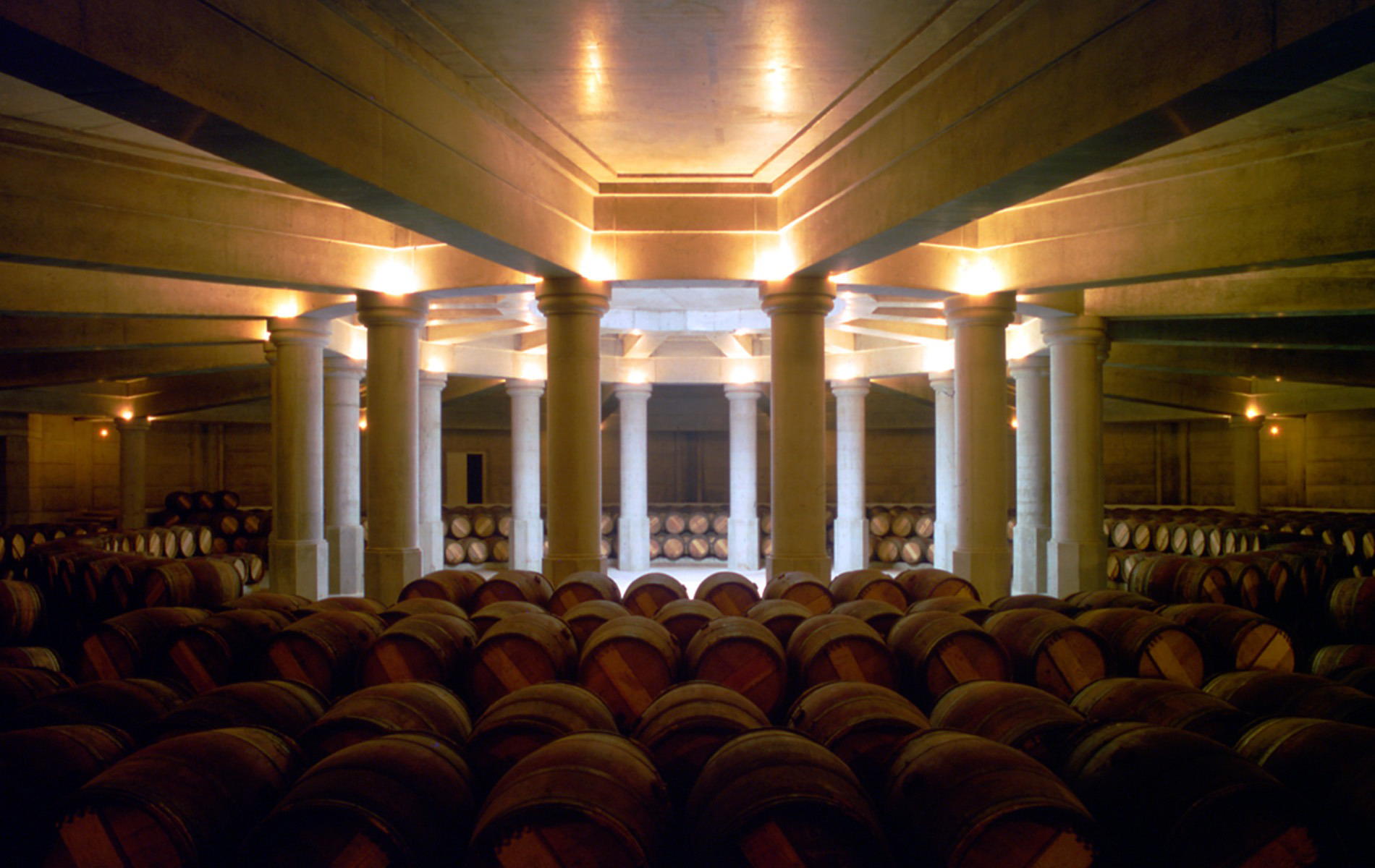
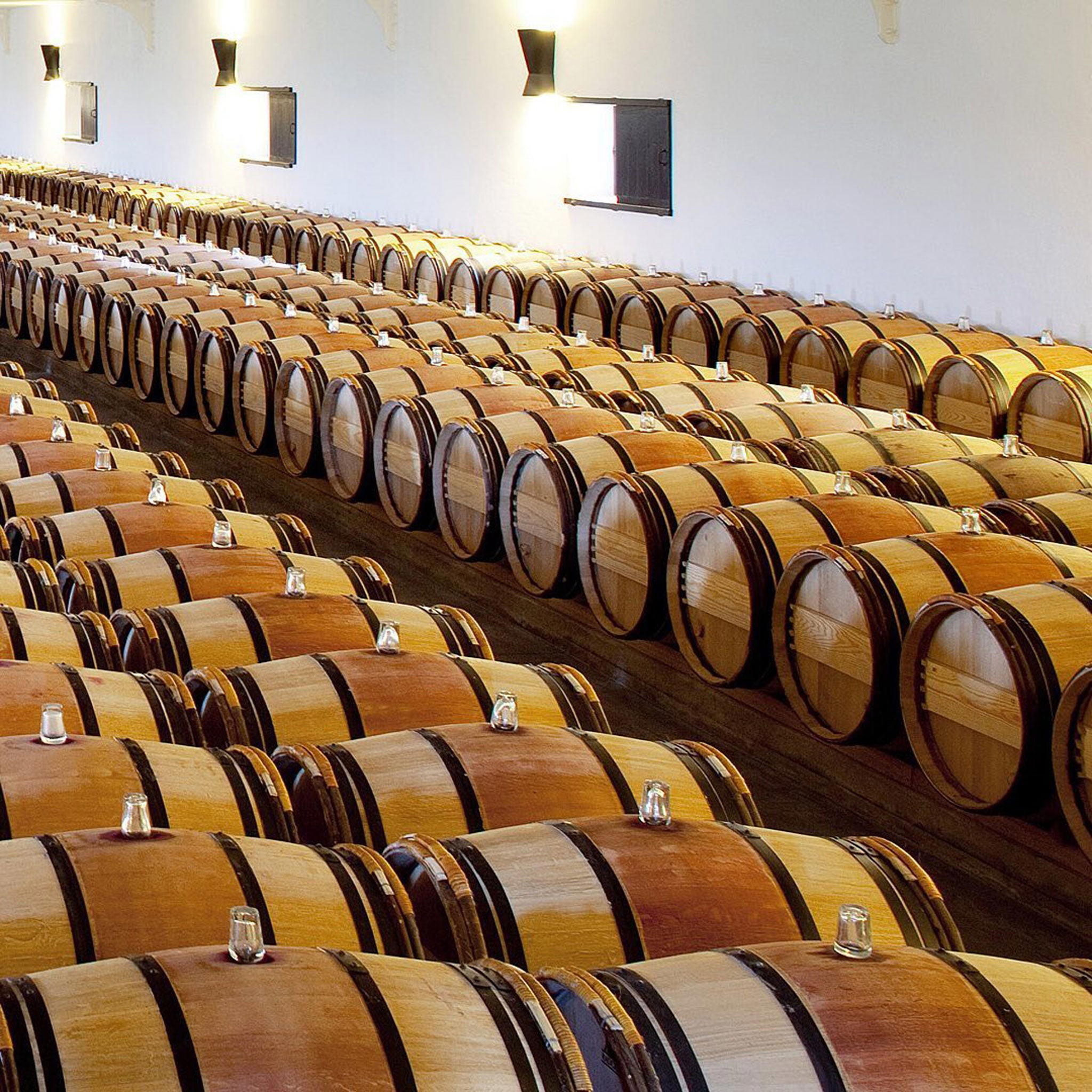
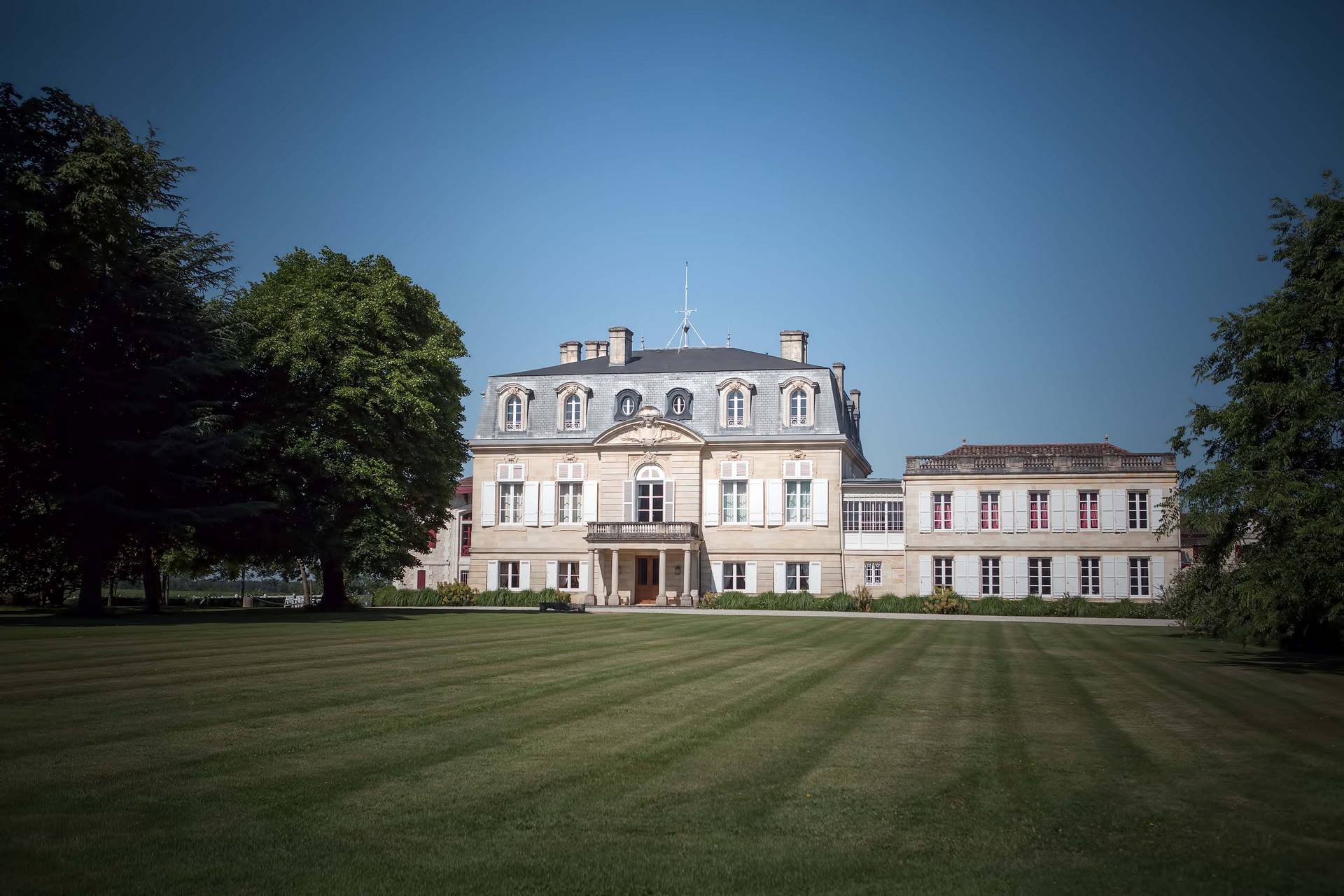
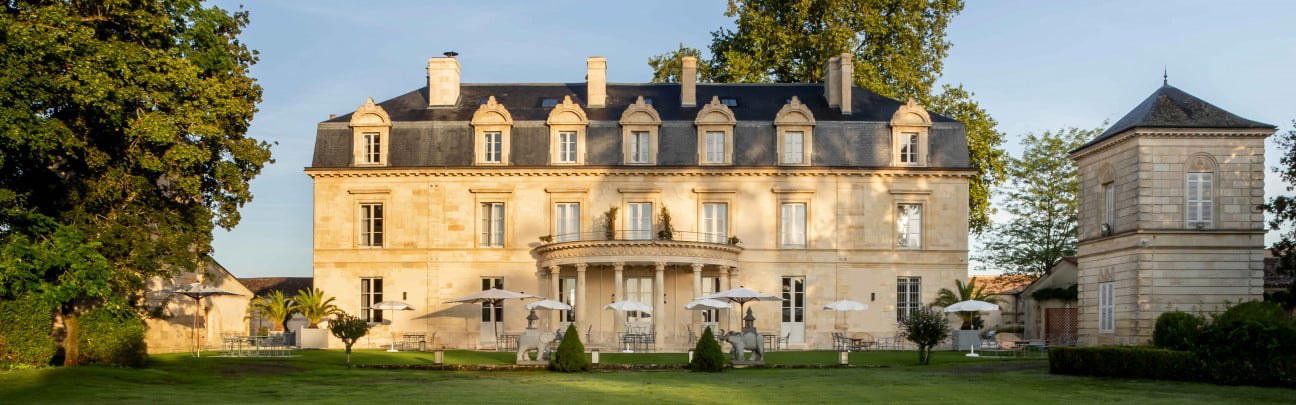
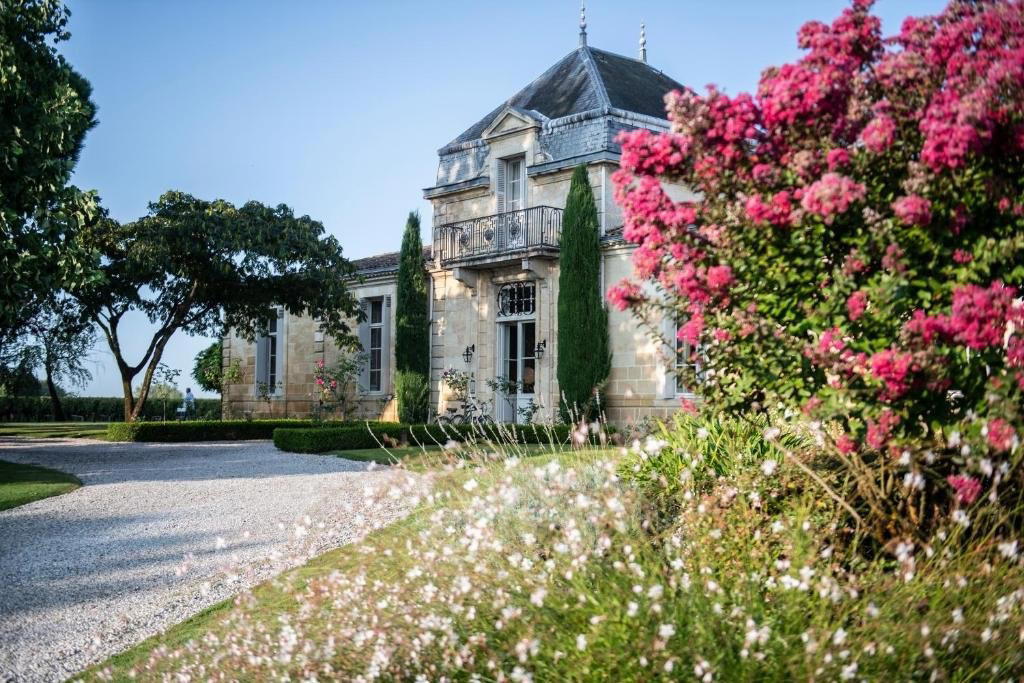
Château de Pez is a Saint-Estèphe estate best understood through its historic Left Bank Bordeaux atmosphere: classic Médoc vineyard surroundings, traditional cellars, and a focus on elegant, structured red wines. The appeal is not built around broad tourism amenities or a heavily programmed visitor experience. It is a quieter, château-and-vineyard setting where the sense of place is central, and where the main interest comes from being in a landscape and wine context that feel recognisably tied to the northern Médoc.
For visitors comparing options in Saint-Estèphe, the useful frame is simple: Château de Pez belongs to a classic, historic, and scenic register. Expect the mood of an established Bordeaux estate rather than a venue defined by dining, entertainment, or resort-style programming. In other words, the reason to pay attention is the combination of Saint-Estèphe location, Left Bank atmosphere, and a red-wine identity that reads as structured and traditional, not a promise of extras beyond the estate setting itself.
Saint-Estèphe structure, read through a classic Left Bank lens
The defining point is the estate’s focus on elegant, structured red wines in Saint-Estèphe. Rather than presenting Château de Pez as a general hospitality destination, it is more accurate to read it as a historic Médoc estate whose identity is tied to traditional cellars, vineyard surroundings, and the character associated with Left Bank Bordeaux. That distinction matters for planning, because it keeps expectations anchored in wine, landscape, and estate atmosphere rather than in services or amenities that are not part of the confirmed description.
That makes the venue most relevant for travelers who want a classic Saint-Estèphe context. The draw is not novelty or spectacle, but the steadier appeal of a Bordeaux château environment: vines, cellar tradition, and the feeling of being in a place where the wine identity is inseparable from its appellation setting. For guests already thinking about the Médoc through the lens of structure, restraint, and classic red-wine character, Château de Pez fits naturally into that mental map.
The safe planning takeaway is that Château de Pez is a traditional Bordeaux estate atmosphere with a structured red-wine focus. It should be approached as a place to understand Saint-Estèphe in a classic register, not as a broad leisure venue.
Old estate atmosphere, restrained visitor expectations
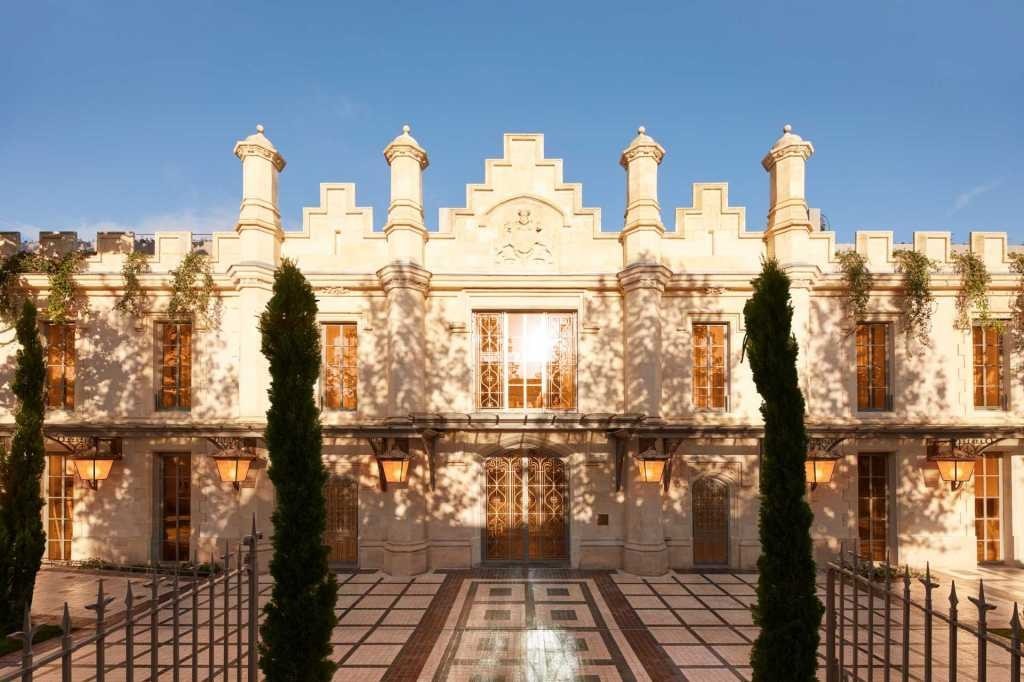
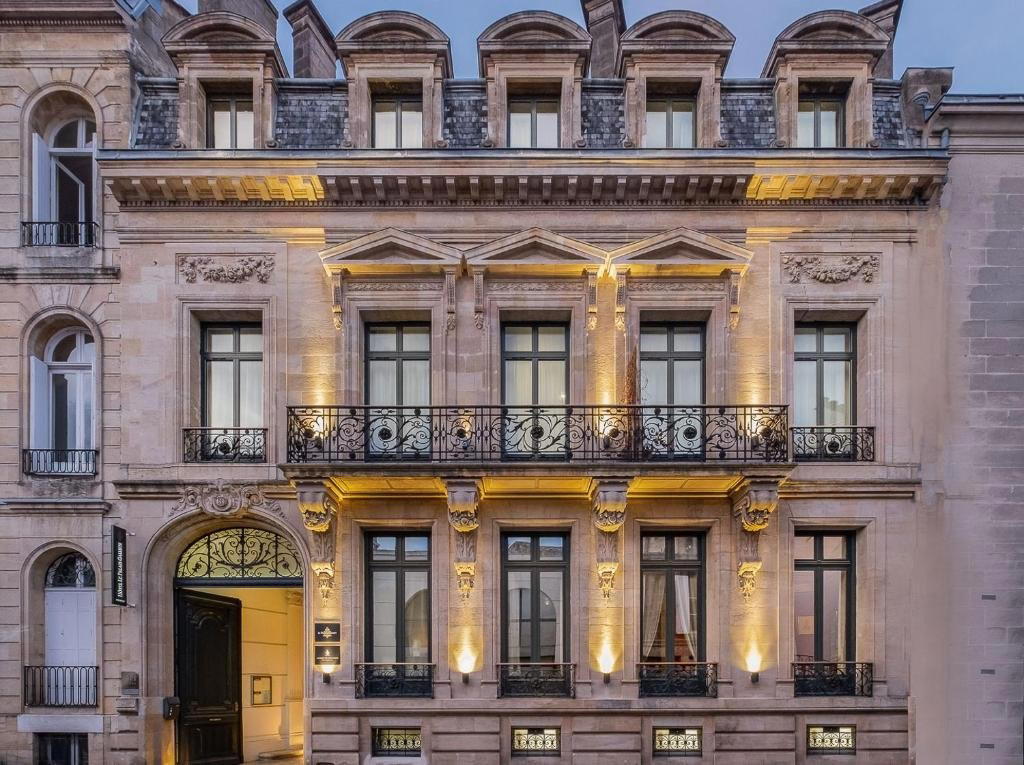
Château de Pez’s character is historic and classic. Its setting is tied to the Left Bank Bordeaux image of vineyard rows, traditional cellars, and a Médoc estate environment. That is enough to make it a meaningful Saint-Estèphe reference point without inventing ownership history, founding dates, certifications, or technical cellar details. The atmosphere is the main editorial point: it belongs to the older, more restrained Bordeaux estate mode, where the château context and the surrounding vines carry much of the experience.
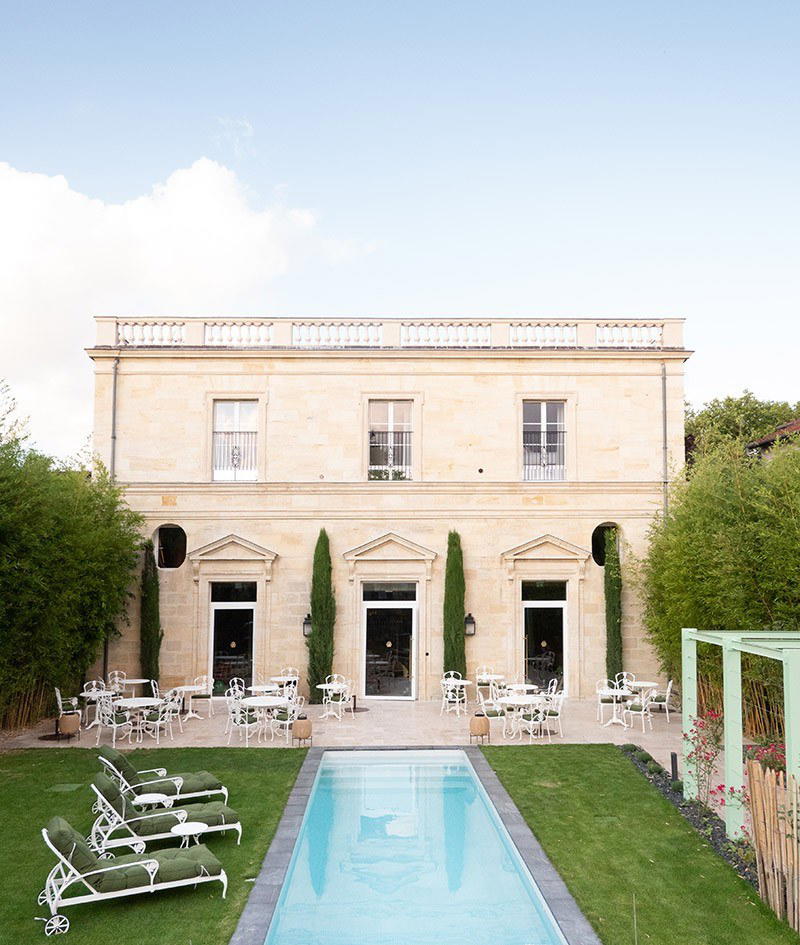
The venue is best positioned for readers as a scenic wine-estate stop rather than a restaurant, bar, hotel, or full-service leisure complex. This is an important distinction for EP Club users because a château name can sometimes suggest a broad range of visitor possibilities. Here, the reliable emphasis should remain narrower and cleaner: a historic estate environment, a Médoc sense of place, and an association with elegant, structured red wines from Saint-Estèphe.
In practical terms, choose Château de Pez for the setting and the red-wine context. Do not plan around assumptions such as food service, appointment rules, tour length, seat counts, dietary accommodations, delivery, takeout, or a specific hospitality format. The better approach is to treat the estate as a point of reference for place and style, then verify any operational details separately before building a day around them.
How to place it within a Saint-Estèphe itinerary
For a Saint-Estèphe plan, Château de Pez works as a classic historic estate reference point. Build expectations around the atmosphere: traditional cellars, Médoc vineyard surroundings, and elegant, structured red wines. Other dining in Saint-Estèphe can be considered separately, but Château de Pez itself should not be described as a dining venue unless confirmed elsewhere. That keeps the itinerary clean: the estate can anchor the wine-and-landscape side of the day, while meals, bars, or other hospitality stops should be handled as separate decisions.
Within EP Club planning, keep the comparison local and generic unless referring back to Château de Pez itself. If comparing it with other options, compare the confirmed qualities only: classic setting, traditional estate character, and the quieter mood of a Bordeaux wine property. That makes the page useful without overstating what a visitor will find on arrival.
Recognition history
Dated appearances from independent guides and award organizations, with the underlying list record or original source where available.
Falstaff Winery - Listed
Falstaff
Continue exploring
More in Saint-Estèphe
Wineries in Saint-Estèphe
Browse all →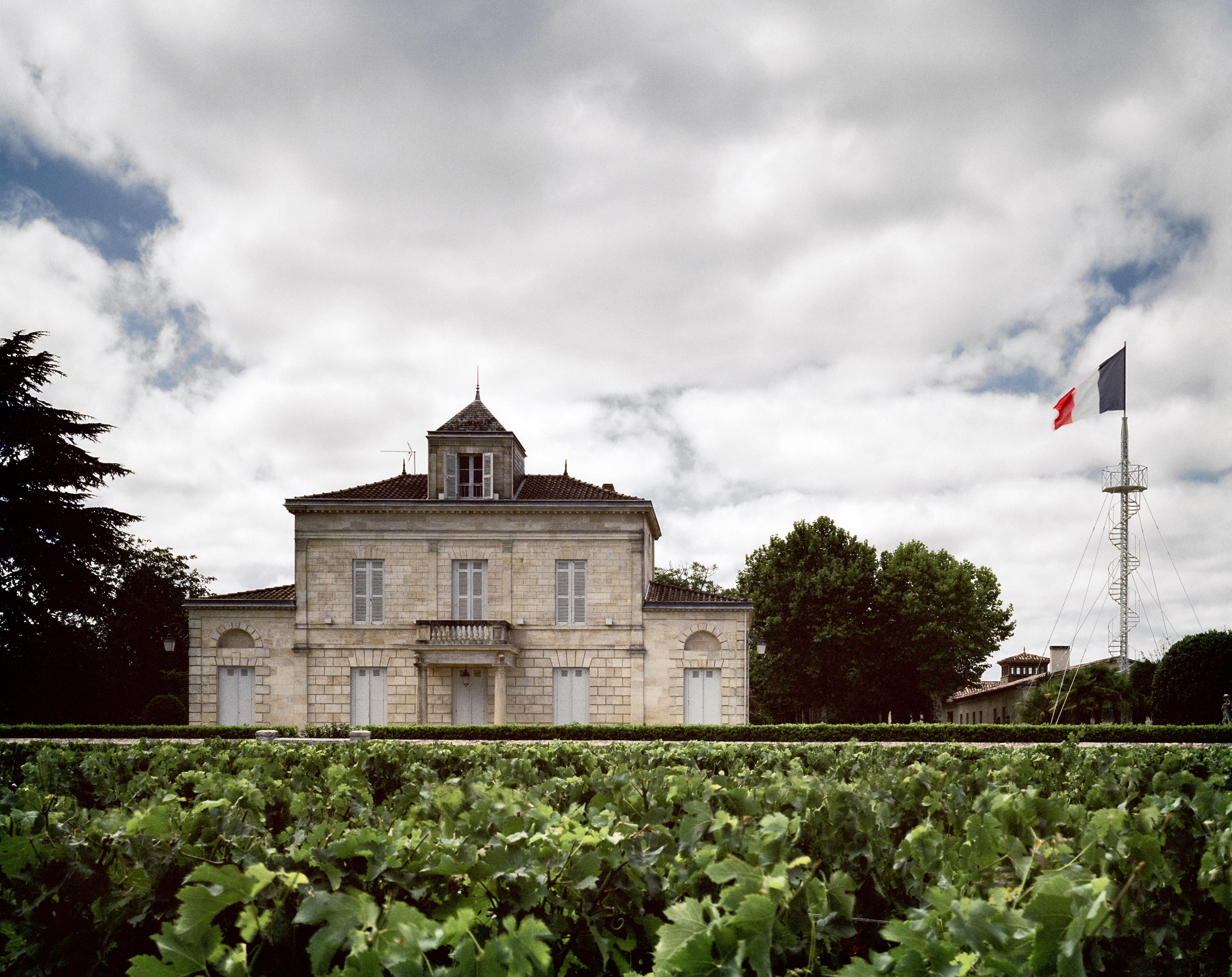
Bars in Saint-Estèphe
Browse all →

Restaurants in Saint-Estèphe
Browse all →
Details
- Classic
- Historic
- Scenic
- Wine Education
- Solo Exploration
- Estate Grounds
- Historic Building
- Vineyard
- Cabernet Sauvignon
- Merlot
- Cabernet Franc
- Petit Verdot
- Still Red
Current opening hours
- Monday
- 9:30 AM–12 PM, 2–5 PM
- Tuesday
- 9:30 AM–12 PM, 2–5 PM
- Wednesday
- 9:30 AM–12 PM, 2–5 PM
- Thursday
- 9:30 AM–12 PM, 2–5 PM
- Friday
- 9:30 AM–12 PM, 2–5 PM
- Saturday
- Closed
- Sunday
- Closed
Hours can change for holidays and private events. Last verified .
Historic Left Bank Bordeaux estate atmosphere with traditional cellars and classic Médoc vineyard surroundings, focused on elegant, structured red wines rather than tourism amenities.