
Falstaff Winery - 2 Stars
Château Carbonnieux gives Léognan a particularly clear reading of Pessac-Léognan: gravel, clay-limestone and a rare Bordeaux balance between red and white production. The estate’s dual Grand Cru Classé de Graves status, eight-century history and appointment-only tastings make it a serious stop for visitors who want terroir rather than château theatre alone.
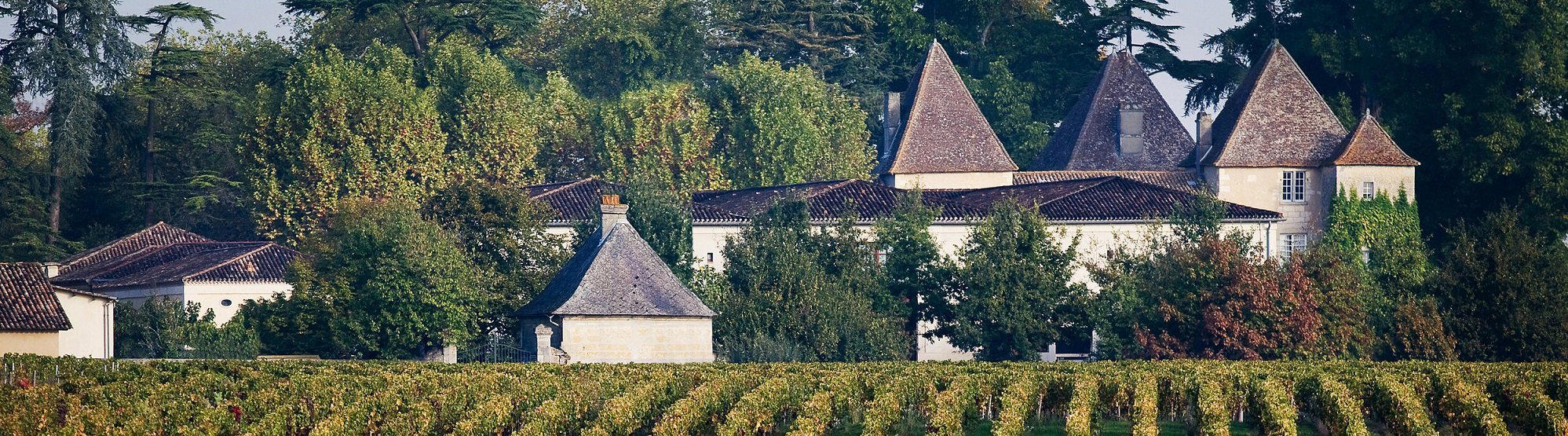
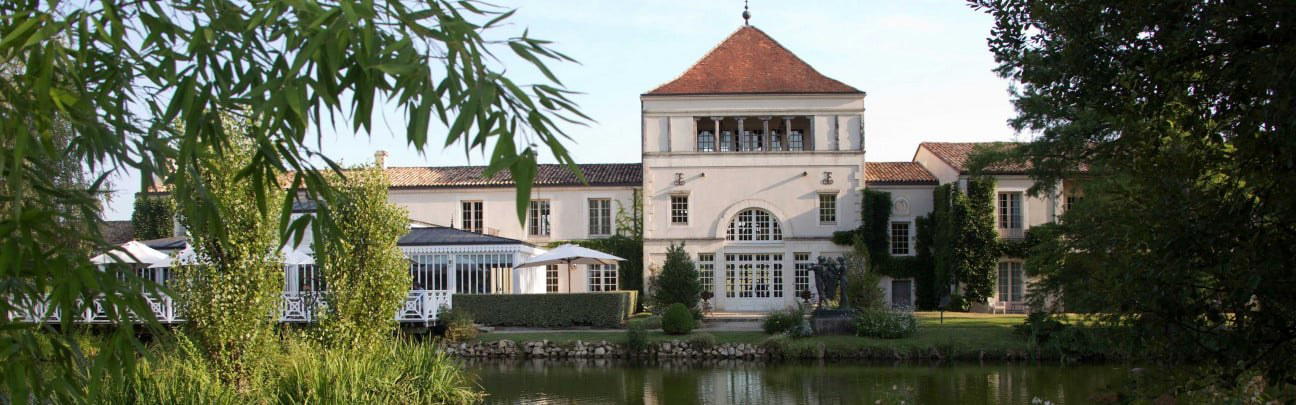
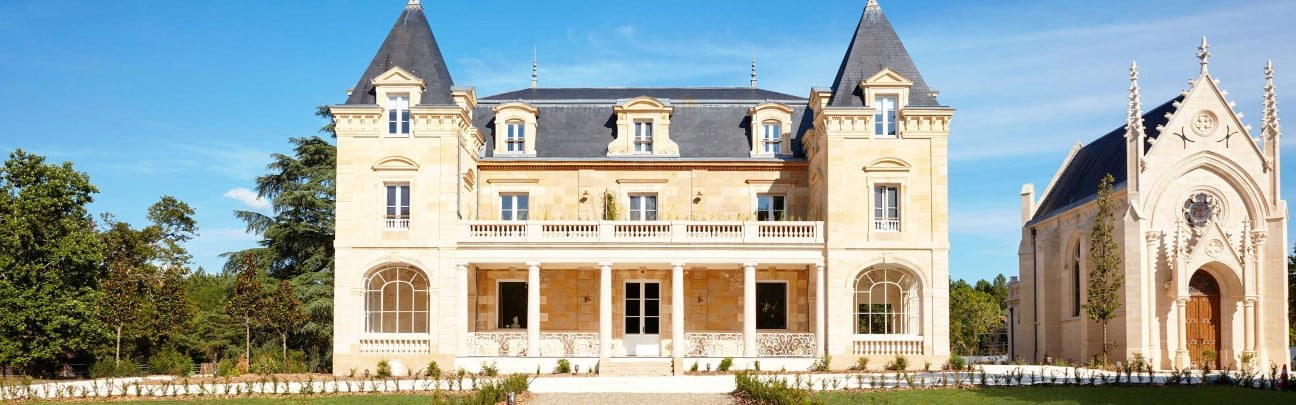
Approach in Léognan and the first lesson is geological rather than decorative: the château sits on a gravel rise, with vines wrapped around the estate and the calm, ordered feel of a working Bordeaux property. Pessac-Léognan has always been one of Bordeaux’s more instructive appellations because it refuses the easy red-only shorthand. Here, Cabernet Sauvignon and Merlot matter, but Sauvignon Blanc and Sémillon carry equal cultural weight. Château Carbonnieux is useful because it makes that split visible in the ground, the cellar and the glass.
The estate’s credibility rests on more than age, though there is plenty of it. Ownership is documented from 1234, and Benedictine monks from the Abbey of Sainte-Croix helped shape the early vineyard identity. The modern restoration began in 1956 under Marc Perrin, with the Perrin family now into its fourth generation of stewardship through Eric and Philibert Perrin. For a visitor, those dates matter less as romance than as continuity: this is not a recently polished visitor centre built around a label, but a long-running Graves estate whose history has survived neglect, war and replanting.
Gravel, clay-limestone and the rare red-white split
Bordeaux often teaches hierarchy through classification, but Pessac-Léognan teaches through soil. Château Carbonnieux’s vineyards cover around 100 hectares around the château, with production divided between still red and still white wines. The red plantings lean on Cabernet Sauvignon, Merlot, Cabernet Franc and Petit Verdot; the white vineyards focus on Sauvignon Blanc and Sémillon. That mix gives the estate a broader language than many Left Bank visits, where white wine can feel like a footnote.
The technical details point to a deliberate separation of roles. Red-wine parcels sit on gravel slopes, where drainage and warmth suit Cabernet-led structure. White-wine parcels work from cooler microclimates and clay-limestone soils, a better frame for Sauvignon Blanc brightness and Sémillon texture. The estate is divided into 119 parcels, allowing plot-by-plot work rather than a single broad vineyard impression. For travellers trying to understand Graves, this is the point: the appellation’s identity is not only smoke, gravel and red Bordeaux structure, but also dry white Bordeaux with ageing seriousness.
Classification reinforces that point. The estate is Grand Cru Classé de Graves for both red and white wines, with red classified in 1953 and white in 1959. Only a small group in the appellation carries that dual recognition, and it changes the nature of the visit. The white wines are not a courtesy pour before the reds; they are part of the estate’s central argument.
A château visit built around cellar logic, not spectacle
The experience is quiet, structured and appointment-led, with guided tastings, estate flights, private tasting formats and tours that can include the grounds, barrel room and historic building. The listed tour duration is 60 minutes, which is enough for a focused read of the property without turning the visit into a half-day production. French, English and Spanish are offered for tours, useful in a region where the difference between a pleasant tasting and a serious one often comes down to how well the appellation is explained.
Cellar practice follows the same split personality as the vineyard. Reds are aged in French oak for around 18 months, with roughly one-third new barrels. Whites spend about 10 months in barrel, with a portion in foudres. The estate also introduced Cuvée 1941 in 2020, a 100% Sémillon from old-vine material, which underlines how seriously the property treats white Bordeaux heritage. None of this requires a collector’s vocabulary to appreciate. It simply makes the visit more educational than a standard château tasting built around labels and vintage prestige.
Sustainability is part of the estate’s contemporary identity rather than a decorative claim. Château Carbonnieux holds HVE Level 3 and ISO 14001 certification, aligning it with the environmental turn that has become increasingly visible across Bordeaux. In practical terms, that matters because large estates face different scrutiny from small domaines: biodiversity, parcel management and cellar energy use are not side issues when the vineyard scale is substantial.
How to place it in a Léognan itinerary
Within Léognan, this is a strong first or second stop for visitors who want the appellation explained through both colour and soil. It suits wine education, small groups, corporate tastings and couples who prefer a composed château setting over a high-theatre hospitality format. The atmosphere is quiet, with vineyard and garden views, on-site parking and a format better suited to adults than children.
Readers building a Léognan wine day can map the area through Our full Léognan wineries guide, then add nearby estate reading such as Château Branon, Château Brown, Château de Fieuzal, Château Gazin-Rocquencourt --> changed name to: Malartic-Lagraviere??? and Château Hannetot. For the rest of the stay, keep the planning separate: Our full Léognan restaurants guide, Our full Léognan hotels guide, Our full Léognan bars guide and Our full Léognan experiences guide cover the supporting decisions around meals, rooms and non-wine time.
For broader French and European winery context, compare the range of formats through A. Margaine in Villers-Marmery, Abbaye de Fontfroide in Narbonne, Abbotts & Delaunay in Marseillette, »der Steiner« Hans Steiner in Podersdorf am See and & Handwein in Mannheim. Château Carbonnieux belongs at the Bordeaux end of that spectrum: classified, historic, terroir-led and especially valuable for understanding why dry white Graves deserves the same attention as the reds.
Frequently asked questions
What's the general vibe of Château Carbonnieux?
Quiet, structured and appointment-led. The estate sits on a gravel rise in Léognan, with a historic château, vineyard views and cellar rooms built for tours and tastings at $22 per person.
Is Château Carbonnieux expensive?
Pricing at Château Carbonnieux is listed as $22 per person.
Where do I go for Château Carbonnieux?
Château Carbonnieux is located at Léognan, Pessac-Léognan, Nouvelle-Aquitaine, Frankreich, Léognan.
What's the defining thing about Château Carbonnieux?
Its defining feature is the rare Grand Cru Classé de Graves status for both red and white wines, backed by around 100 hectares of vines in Pessac-Léognan. That dual focus is unusual in Bordeaux and shapes the visit as much as the wines.
Can I walk in to Château Carbonnieux?
No, visits are appointment only. The estate offers guided tastings, estate flights, private tasting formats and tour + tasting experiences in Léognan, so planning ahead is part of the format.
Is Château Carbonnieux better for first-timers or repeat visitors?
It works well for first-timers because it explains Pessac-Léognan through soil, setting and the red-white split. Repeat visitors get more from the layered context of a château with eight centuries of history and a large-scale vineyard operation.
Recognition history
Dated appearances from independent guides and award organizations, with the underlying list record or original source where available.
Falstaff Winery - 2 Stars
Falstaff
Enquire about visiting Château Carbonnieux or buying its wine
Visits to Château Carbonnieux are usually kept for the estate's regular buyers and the wine trade. Tell us when you would like to go and a little about how you buy, and we put the request to the estate and reply to you by email. For buying, we source directly from the producer or from a licensed seller we know and vouch for, and tell you the route before you pay.
Continue exploring
More in Léognan
Wineries in Léognan
All wineries in Léognan →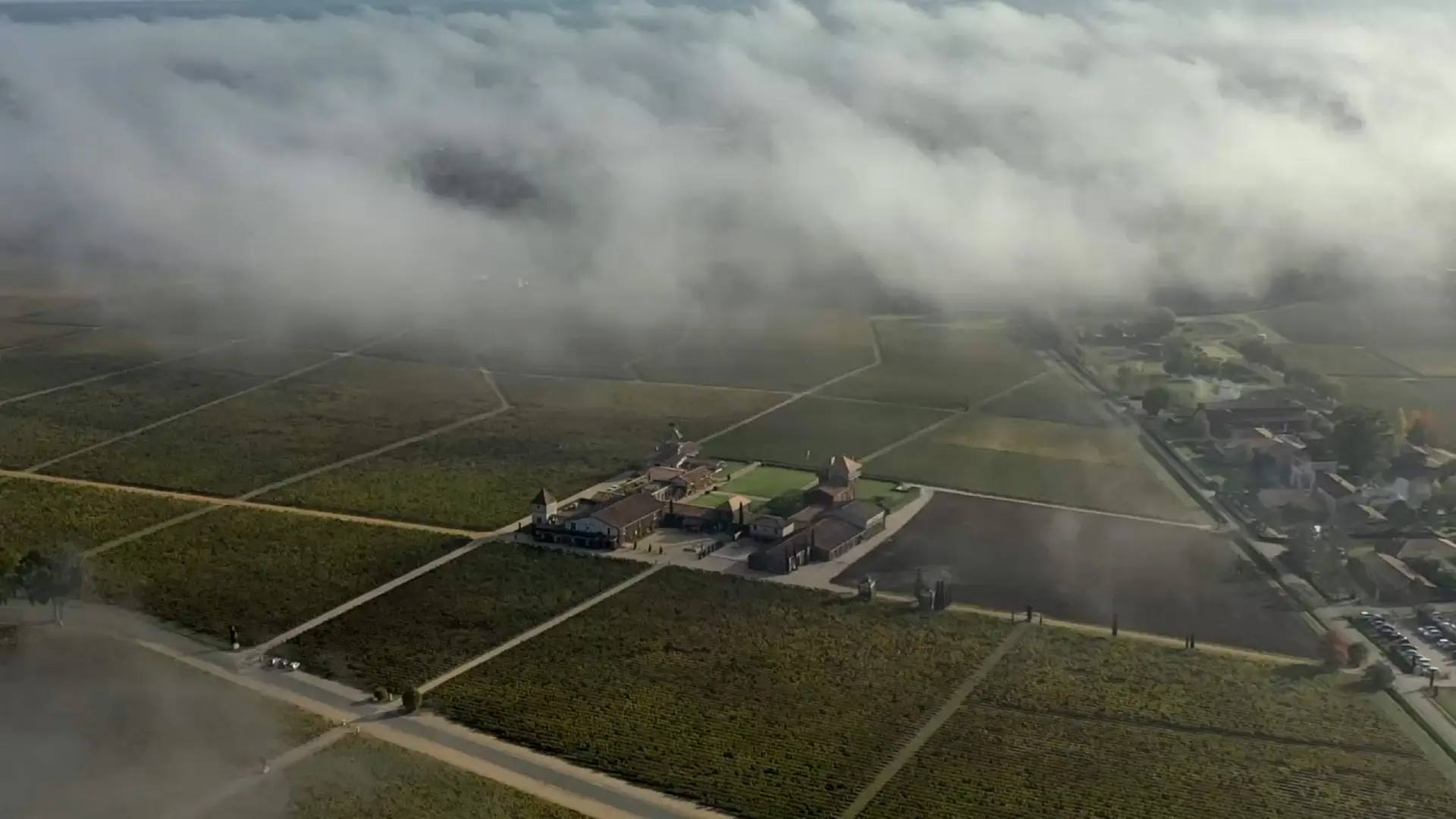
Bars in Léognan
Browse all →
Details
- Well Known
- Scenic
- Classic
- Elegant
- Wine Education
- Group Outing
- Romantic Getaway
- Special Occasion
- Solo Exploration
- Corporate Event
- Vineyard Tour
- Estate Grounds
- Barrel Room
- Historic Building
- Private Tasting
- Sustainable
- Vineyard
- Garden
- Cabernet Sauvignon
- Merlot
- Cabernet Franc
- Petit Verdot
- Sauvignon Blanc
- Sémillon
- Still Red
- Still White
- Guided Tasting
- Estate Flight
- Private Tasting
- Tour + Tasting
- French
- English
- Spanish
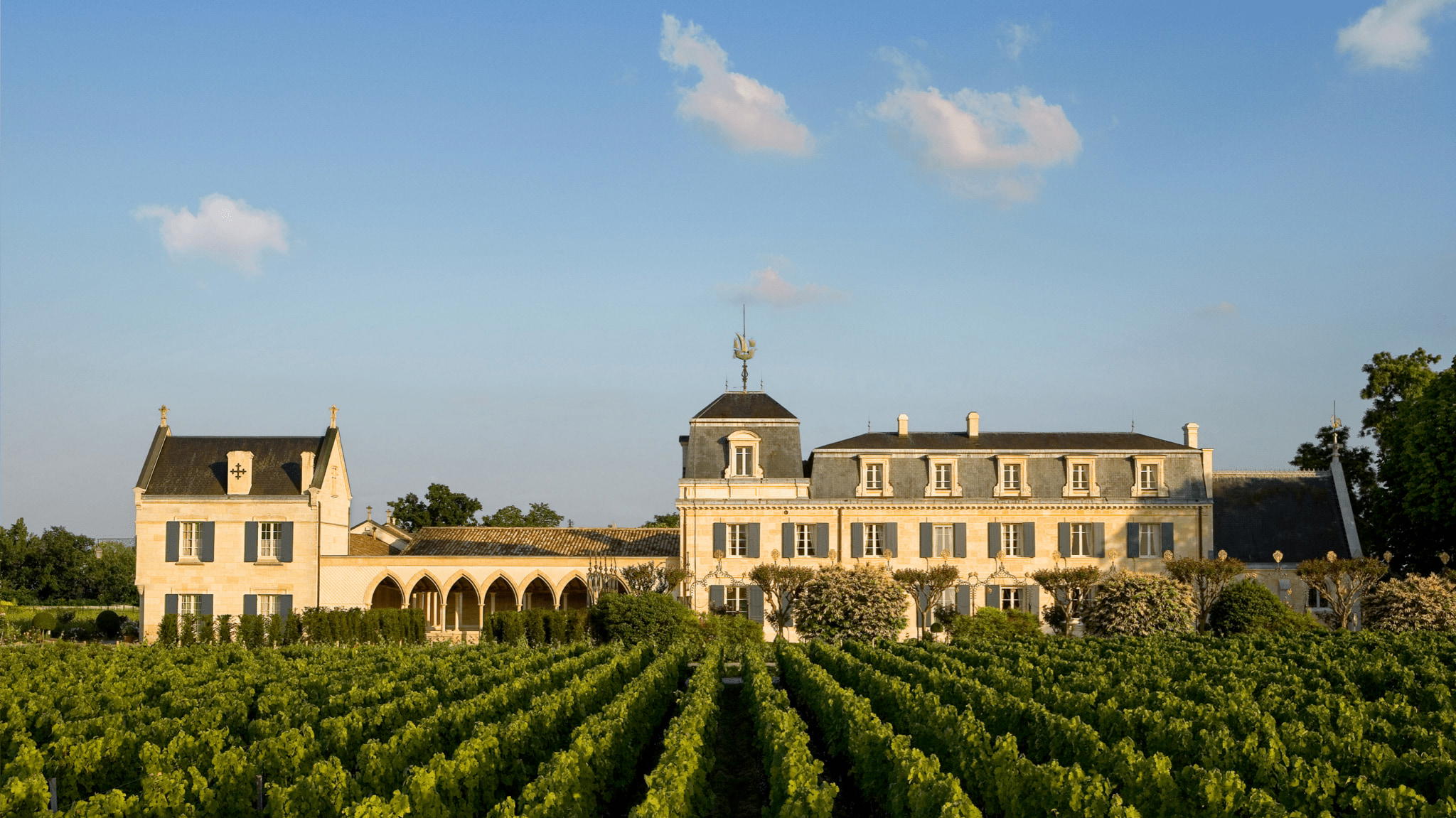
Historic Bordeaux estate ambiance with a classic château surrounded by extensive vineyards on a gravel rise, offering a serene, scenic and elegant atmosphere focused on balance, finesse and timeless charm.