
Falstaff Winery - Listed
Cescon Italo is a family-run artisan winery in Ormelle, grounded in the Piave DOC and the rural Veneto rhythm of vineyard, cellar and time. Founded in 1957, it suits travelers who want a quieter reading of the region: Prosecco, still whites and reds, sustainable vineyard work, and the Il Tralcetto line rather than a high-gloss tasting-room performance.

Pearl is the En Primeur Club membership app — saves, bookings, and concierge access live there. Same editors, same standards.
- Address
- Ormelle, Veneto, Italien
- Directions
- Get directions
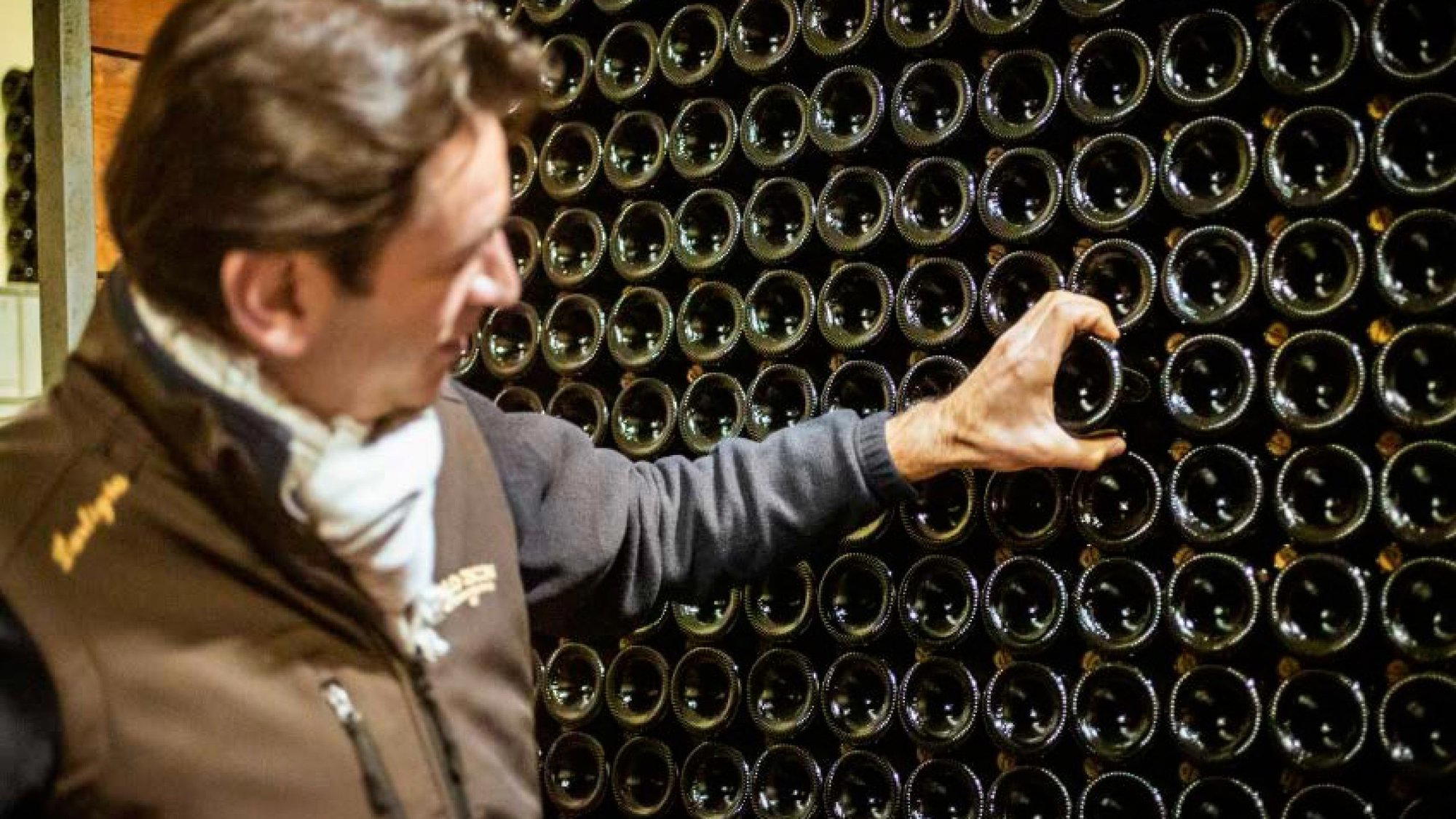
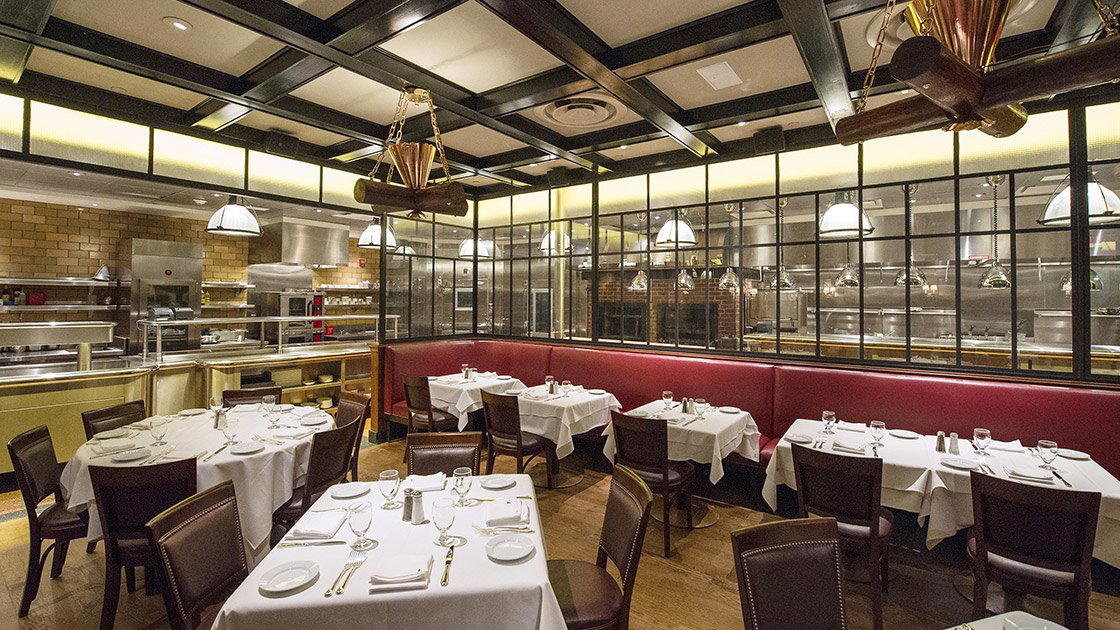
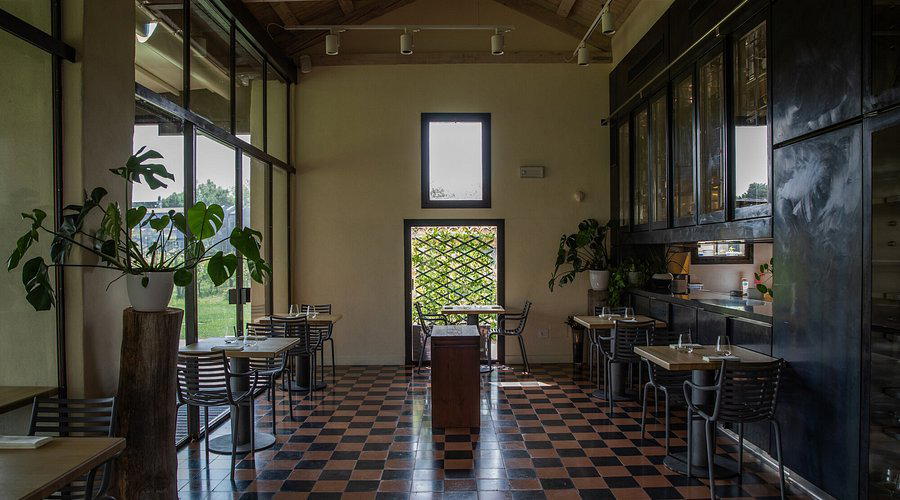
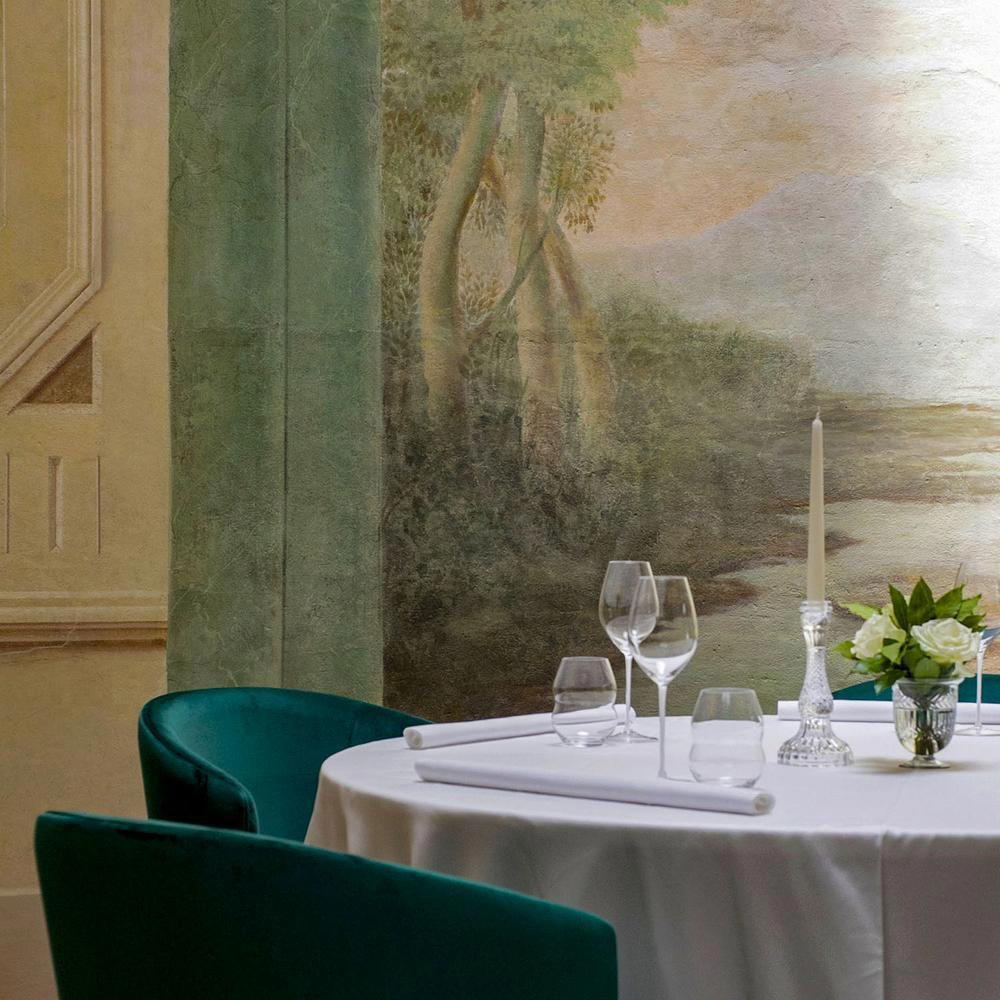
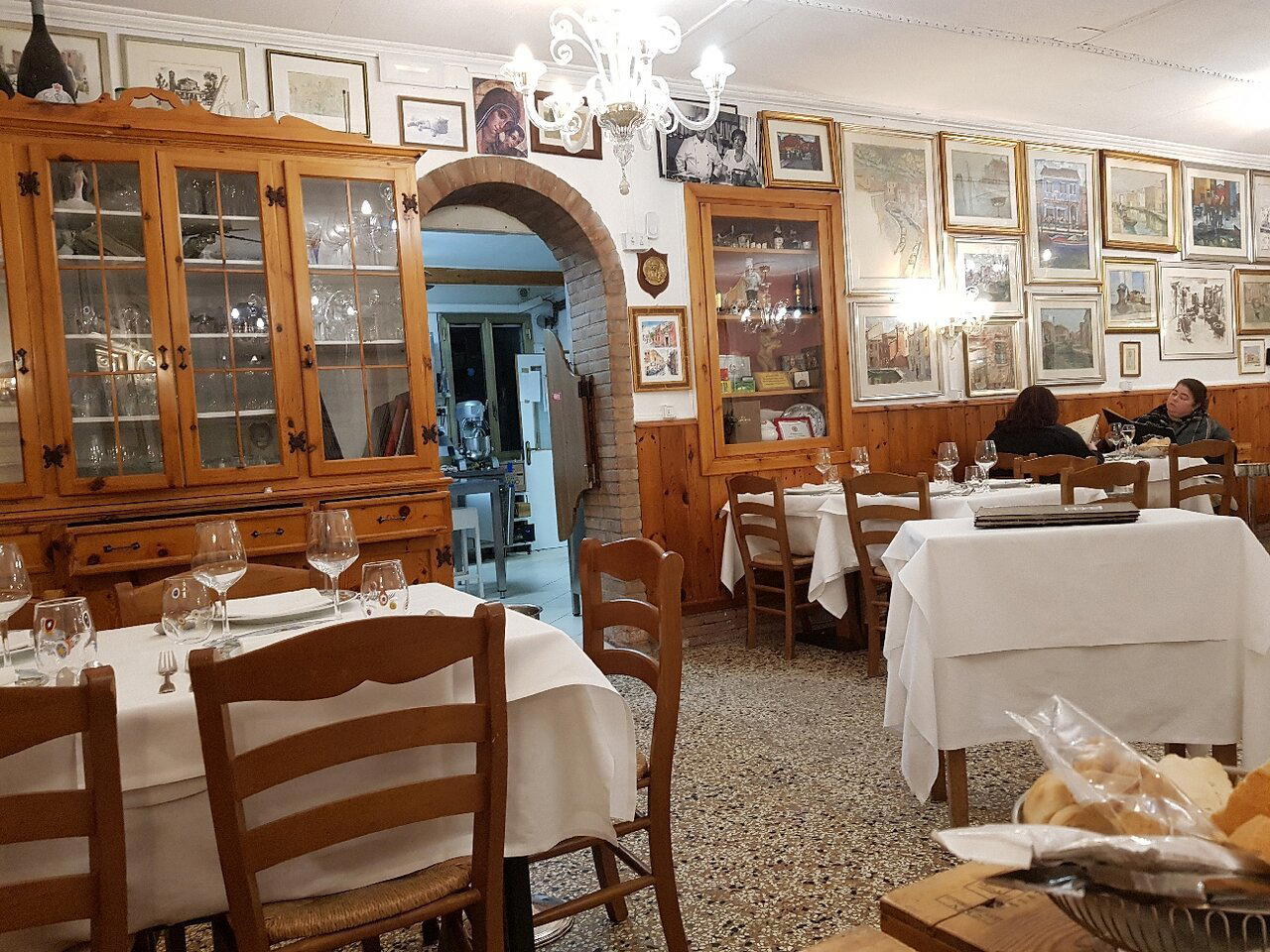
Cescon Italo in Ormelle is best understood as a family-run artisan winery in the Piave area, shaped by a classic rural Veneto atmosphere rather than by spectacle. The picture is modest and place-led: a calm, reflective setting where attention to small details, the passage of time and the relationship between land and wine are central to the experience. In EP Club terms, the useful way to approach it is not as a venue defined by headline claims, but as one whose appeal sits in a slower and more grounded register. Its identity reads through family continuity, artisan scale and a rural context that asks visitors to pay attention to mood as much as to any formal offering.
Piave through a rural Veneto lens
The strongest grounded context for Cescon Italo is its setting in the Piave area and its family-run character. Rather than presenting it through claims about specific labels, vintages, awards or tasting formats, the safer reading is as a rural Veneto winery whose identity is tied to the land and to a quieter sense of craft. That distinction matters, because it keeps the focus on what is actually supported: place, atmosphere and a way of working that appears more intimate than institutional.
Seen through that lens, the Piave reference is not simply geographic. It frames the winery as part of a local wine landscape where the surrounding land, agricultural rhythm and inherited rural character all contribute to how the place is perceived. The family-run aspect reinforces this reading, suggesting a venue whose personality is likely to be experienced through continuity and care rather than through a heavily produced visitor narrative.
The atmosphere is described as classic, rustic and calm, with an emphasis on detail and time. That makes the venue a better fit for visitors interested in the feel of a working local wine setting than for those looking for a highly staged destination experience. The word “rustic” is important here in its most editorially restrained sense: not as shorthand for roughness, but as a cue toward simplicity, rural texture and a direct relationship with its setting.
Pricing is listed as $$, placing Cescon Italo in a moderate range. Beyond that, specific claims about menus, individual wines, service formats, awards or booking requirements should be confirmed directly with the winery before planning a visit. The moderate indication is useful for orientation, but it should not be read as a substitute for current practical information, especially if the visit depends on a particular tasting structure, availability or level of service.
Soil, time and the mood of the place
What can be said with confidence is that Cescon Italo’s public profile is rooted in a rural Piave-area sensibility. The description emphasizes land, time and small details, which gives the winery a calm, reflective character. These are broad but meaningful cues: they point toward a venue where the surrounding environment and the patience associated with winemaking form part of the experience, even when no specific bottle, vintage or formal program is being claimed.
The emphasis on soil and time also gives the place a certain quiet gravity. It suggests that the value of a visit is likely to come from observing and feeling the context rather than from ticking off a long list of amenities. In that sense, Cescon Italo is best read as a setting where the rural Veneto atmosphere does real editorial work. It helps define the mood, the pace and the expectations around the visit.
For travelers, that means the appeal is less about a checklist of confirmed amenities and more about context: a family-run artisan winery in Ormelle with a classic Veneto feel. If you need current details on tastings, opening arrangements, accessibility or specific wines, it is best to check directly before going. That advice is especially relevant because the available description supports the character of the place more clearly than it supports detailed logistical claims.
This is also a venue where restraint matters editorially. A more accurate portrait keeps the language close to the evidence: rural, family-run, artisan, calm and closely connected to the Piave-area landscape.
Where it fits in an Ormelle wine itinerary
Ormelle is the relevant location context for Cescon Italo. Visitors comparing options in the area can think of it as a family-run artisan winery with a classic rural Veneto atmosphere and a moderate $$ price indication. That makes it potentially useful within a broader Ormelle-focused plan for travelers who value local context, understated settings and the quieter side of wine culture.
Its role in an itinerary should therefore be considered carefully. It may suit a slower day shaped around the rural character of the area rather than a schedule built only around confirmed attractions or highly structured experiences. The available information supports a visit motivated by atmosphere and place, not by guaranteed extras. That is not a limitation so much as a way to set expectations accurately.
For broader planning, compare it with other dining, wine and hospitality options in Ormelle generically, and confirm practical details directly with the venue before making a dedicated trip. With that cautious approach, Cescon Italo can be placed appropriately: as a modest, place-led Piave-area winery whose strength lies in family-run craft, classic Veneto rurality and a calm sense of connection between land, time and wine.
Recognition history
Dated appearances from independent guides and award organizations, with the underlying list record or original source where available.
Falstaff Winery - Listed
Falstaff
Continue exploring
More in Ormelle
Wineries in Ormelle
Browse all →
Bars in Ormelle
Browse all →
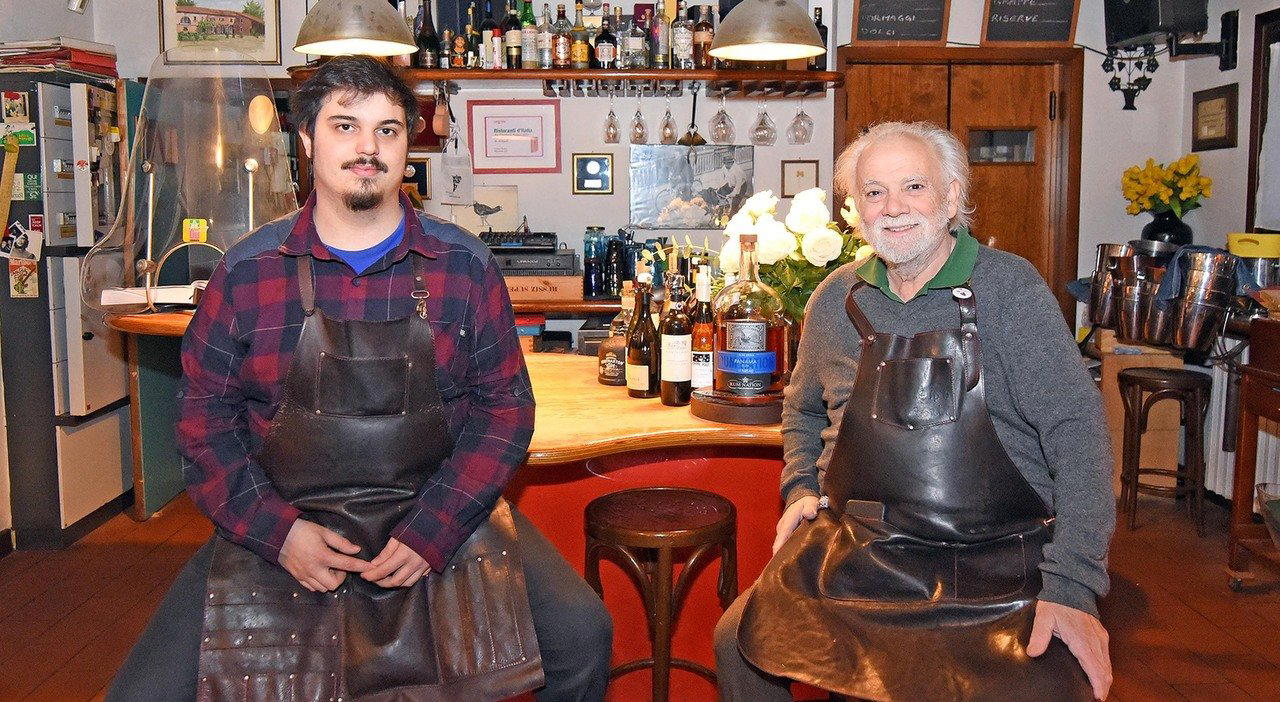
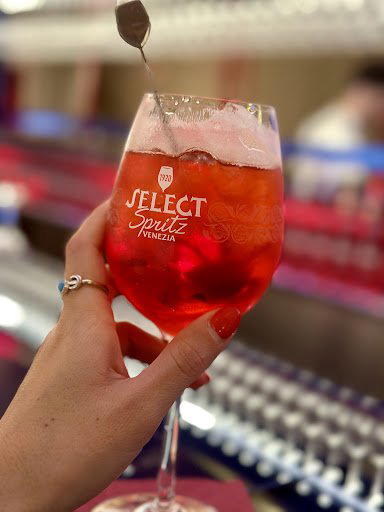
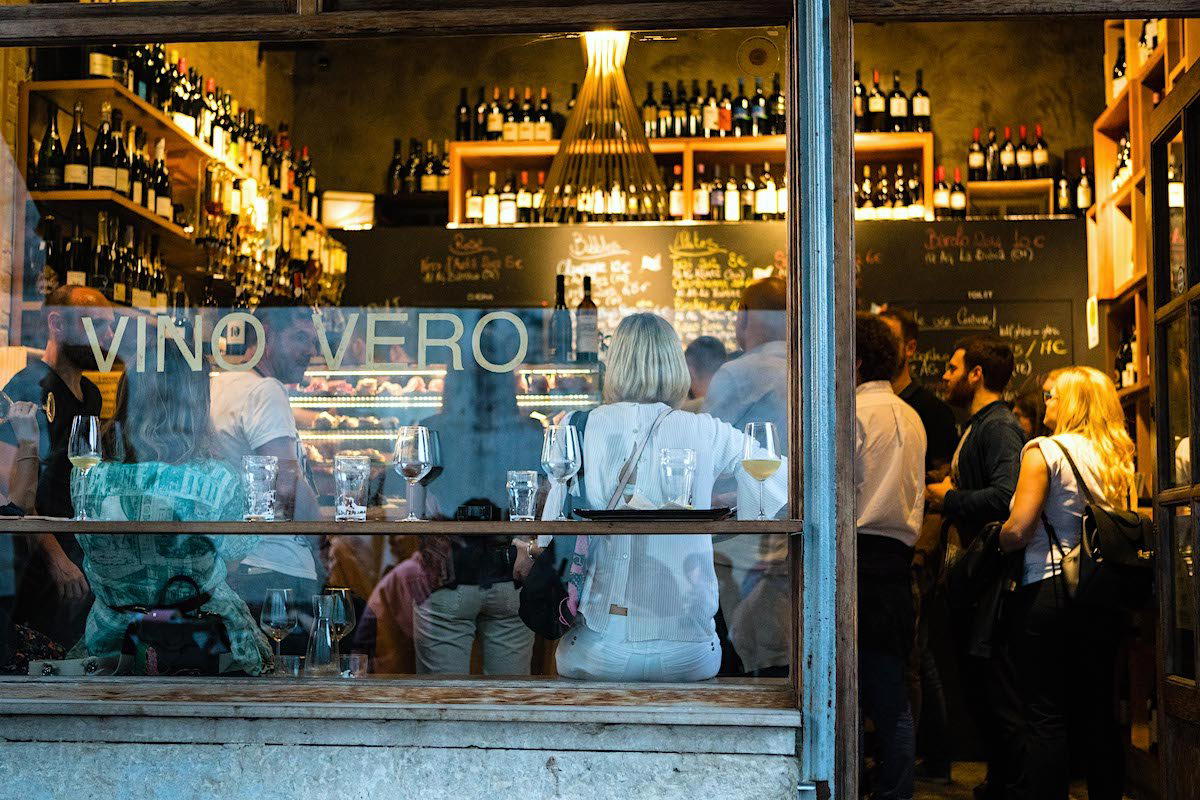
Restaurants in Ormelle
Browse all →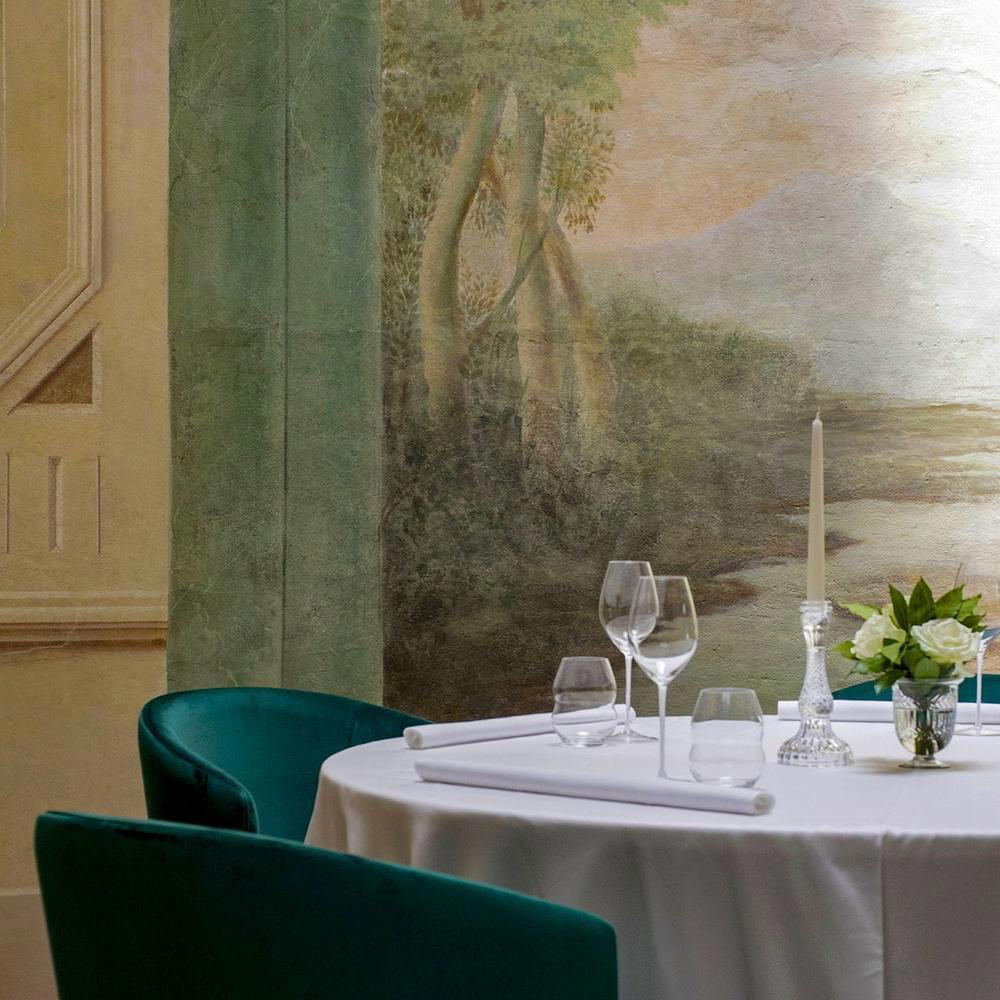
Details
- Classic
- Rustic
- Elegant
- Quiet
- Wine Education
- Group Outing
- Solo Exploration
- Romantic Getaway
- Estate Grounds
- Private Tasting
- Sustainable
- Vineyard
- Still Red
- Still White
- Sparkling
- Guided Tasting
- Cellar Tasting
- Private Tasting
Family-run artisan winery in the Piave area with a classic, rural Veneto feel, where attention to small details and the passage of time are emphasized in a calm, reflective atmosphere focused on the land and its wines.