Castello di Volpaia

Castello di Volpaia sits within a medieval hilltop borgo in Radda in Chianti, producing Sangiovese-driven wines from some of the appellation's highest-altitude vineyards. A 2025 Pearl 3 Star Prestige award places it among the most recognized estates in the Chianti Classico zone. For visitors, the combination of working winery, historic architecture, and elevation-defined terroir makes it one of the more instructive stops in the region.
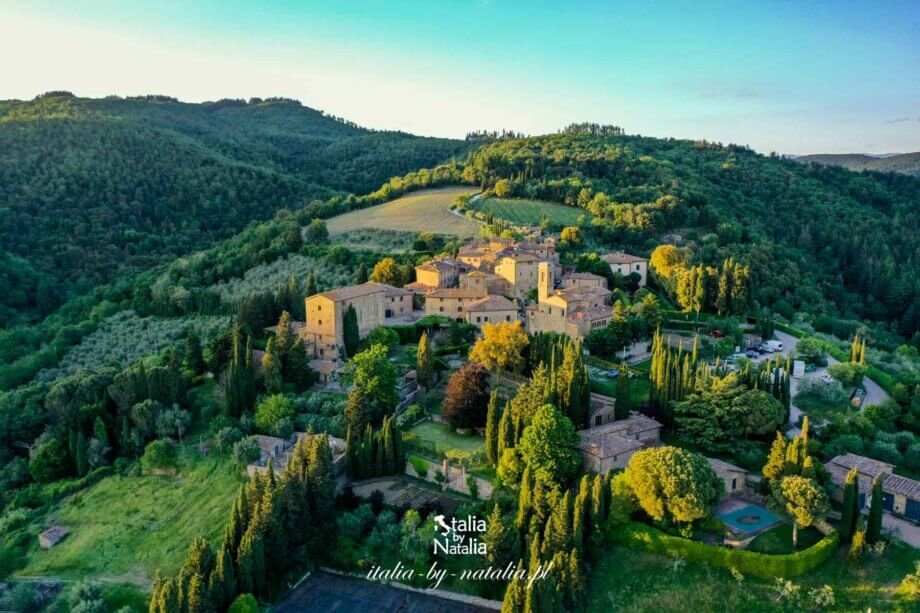
Stone, Altitude, and the Sangiovese of the Upper Chianti
Approach Volpaia from any direction and the first thing you understand is altitude. The borgo sits at roughly 620 metres above sea level, a height that most Chianti Classico estates simply do not reach. The medieval stone walls close around you as you enter the village square, the air noticeably cooler and thinner than in the valley floors below Gaiole or Castelnuovo Berardenga. This physical reality — the exposure, the temperature swings between day and night, the thin galestro and alberese soils working hard to retain moisture — is not atmosphere for its own sake. It is the argument the wines make every time you open a bottle.
Chianti Classico's appellation boundaries contain enormous climatic and geological variation, and altitude is one of the primary lenses through which producers in the zone differentiate themselves. The upper reaches of the Radda commune, where Volpaia sits, consistently produce wines that trend toward higher acidity, more pronounced mineral tension, and longer aging curves than estates at lower elevations. That profile is not accidental. It is the direct result of a growing season extended by cooler temperatures, Sangiovese ripening more slowly and retaining the structural components that make these wines candidates for serious cellaring.
Where Volpaia Sits in the Chianti Classico Tier
Chianti Classico as a category has expanded and stratified considerably over the past two decades. The introduction of the Gran Selezione tier in 2014 created a formal premium bracket above Riserva, and estates with defined single-vineyard or plot-selection programs moved quickly to occupy it. Volpaia belongs to a cohort of historic family-run producers in Radda and the northern communes that have operated largely outside the commercial bottling mainstream, maintaining relatively limited production and a reputation built on consistency rather than scale.
Within that peer group , which in the Chianti Classico zone includes estates like Montevertine, also based in Radda, and the larger Florentine presence of Antinori nel Chianti Classico in Tuscany , Volpaia has earned its 2025 Pearl 3 Star Prestige rating through a combination of terroir specificity and long-term track record. That award places it in a tier that includes other Italian reference estates recognized for sustained quality, such as Biondi-Santi Tenuta Greppo in Montalcino and Aldo Conterno in Monforte d'Alba. The comparison matters: all three represent family estates where geographic specificity rather than branding scale drives the wine's identity.
Radda in Chianti as a commune has attracted serious attention from wine buyers precisely because its high-altitude character produces wines that age on a different timeline than much of the appellation. The commune lacks the visitor infrastructure of Greve or Panzano, which means the estates that do receive visitors tend to attract a more engaged, purpose-driven audience. For a broader picture of what the area offers, our full Radda in Chianti wineries guide covers the range of producers operating here.
Reading the Terroir Through the Wines
Galestro and alberese are the defining soil types of Chianti Classico's central and northern zones. Galestro, a friable schist that fractures easily and drains rapidly, forces vine roots deep in search of water and nutrients. Alberese, a harder limestone-clay compound, contributes the mineral density that shows up in the wines as a chalky or saline finish. At Volpaia's elevation, both soil types interact with a continental microclimate , warm growing-season days, cold nights, and late-season temperature drops that arrest ripening at a point of structural balance rather than sugar accumulation.
The result in the glass, across Volpaia's Chianti Classico and Riserva range, is wines that read differently from warmer-climate Sangiovese. The aromatics tend toward dried cherry, iron, and dried herbs rather than the riper red-fruit profile common to lower-altitude production. Tannins arrive with grip rather than softness. The finish carries a characteristic minerality that wine buyers and sommeliers working with Chianti Classico as a category have increasingly learned to identify as a northern-commune signature. It is the kind of profile that ages well and pairs precisely with the food traditions of the region: Florentine steak, wild boar ragu, aged pecorino.
For comparison across Italian wine traditions where terroir expression at high altitude or extreme site conditions similarly defines the wine, producers like Bruno Giacosa in Neive and Ceretto in Alba operate on analogous principles in Piedmont, where Nebbiolo's site-sensitivity creates a parallel conversation about commune and vineyard as terroir differentiators.
Visiting the Borgo: What to Expect
Castello di Volpaia is not primarily a tourism destination in the conventional agritourism sense. The borgo functions as a working estate where wine production, olive oil, and the rhythms of the agricultural calendar take precedence. Visitors who arrive expecting a heavily curated experience will find something more spare and agricultural, which is precisely the point. Walking through Piazza della Torre, the estate's address at the center of the village, the winery infrastructure integrates directly into the medieval fabric of the buildings , cellars occupy spaces that have been in continuous use for centuries.
The practical logistics require some planning. Radda in Chianti sits in the heart of the Chianti Classico zone between Siena and Florence, accessible by car along provincial roads that wind through the zone's characteristic oak and cypress landscape. Public transport connections are limited, and most visitors arrive by rental car or on organized wine tours. Booking ahead is advisable, particularly during the harvest period in September and October and during the summer months when demand across the zone increases substantially. Specific visiting hours and tasting formats are leading confirmed directly through the estate's current channels before arrival.
Those building a broader Radda itinerary can consult our full Radda in Chianti restaurants guide, our full Radda in Chianti hotels guide, and our full Radda in Chianti bars guide to structure a longer stay. The our full Radda in Chianti experiences guide covers additional activities across the commune beyond wine visits.
The Broader Italian Estate Context
Volpaia's positioning within Italian wine culture connects to a wider story about historic family estates that have resisted consolidation and maintained geographic identity as their primary credential. Across Italy, this cohort faces pressure from both the commercial bottling sector and from international investment acquiring Tuscan land. The estates that have held their own have generally done so through a combination of terroir specificity, long institutional memory, and relationships with wine buyers who value provenance over packaging.
That same story plays out across other Italian regions. Ca' del Bosco in Erbusco represents a different trajectory in Franciacorta, where investment in technical infrastructure rather than historic positioning drives quality signals. Abadía Retuerta in Sardón de Duero and Aberlour in Aberlour illustrate how the underlying logic of place-led identity operates across different wine and spirits traditions beyond Italy entirely. At Volpaia, the argument remains rooted in stone, altitude, and a soil type that gives Sangiovese a particular kind of tension , one that the 2025 Pearl 3 Star Prestige award formally acknowledges, and that the wines make on their own terms regardless of what any award says.
Frequently Asked Questions
What is the wine to prioritize at Castello di Volpaia?
The estate's Chianti Classico Riserva is the wine that most directly expresses the altitude and galestro-alberese soil character of the Volpaia borgo. At 620 metres above sea level, this is among the highest-elevation production in the Chianti Classico zone, and the Riserva's extended aging allows the structural components , acidity, tannin, mineral finish , to integrate in a way the standard Chianti Classico does not. The 2025 Pearl 3 Star Prestige award reflects the estate's overall range, but the Riserva is where the terroir argument is made most clearly. If Gran Selezione-tier wines are available, those represent the estate's most plot-specific expression.
Why do visitors make a specific trip to Castello di Volpaia?
The combination of medieval borgo architecture and working winery at high altitude creates a context that most Chianti Classico estates cannot replicate. Radda in Chianti as a commune is less commercialized than Greve or Panzano, and the estates here, including Volpaia, attract visitors who have already formed a view about what northern-commune Chianti Classico offers. The 2025 Pearl 3 Star Prestige recognition confirms a quality level that places the estate in a serious peer set, and for wine buyers building cellar inventory, understanding how the altitude and soil translate into aging potential is the primary draw. It is a visit oriented around comprehension rather than spectacle.
Is advance booking required at Castello di Volpaia?
Advance booking is strongly advisable. The estate functions primarily as a working agricultural property, and unannounced visits during harvest or production periods are likely to be turned away or receive minimal attention. September and October see the highest demand across Chianti Classico, and summer months bring significant regional traffic. Confirming visit formats, hours, and availability directly with the estate before arrival saves time and avoids disappointment. Those building a multi-day itinerary around Radda in Chianti should treat Volpaia as the anchor of a planned schedule rather than a spontaneous stop.
Access the Cellar?
Our members enjoy exclusive access to private tastings and priority allocations from the world's most sought-after producers.
Access the Concierge