Alegre
Our verdict
Alegre belongs to the Cerro Alegre side of Valparaiso dining, where hillside streets, port history, and the nearby Pacific shape the frame before any menu detail does. With no public awards, pricing, or chef attribution to lean on, the useful read is contextual: treat it as part of the city’s neighbourhood restaurant circuit rather than a trophy-table destination.

Pearl is the En Primeur Club membership app, where members save venues, book tables and use the concierge.
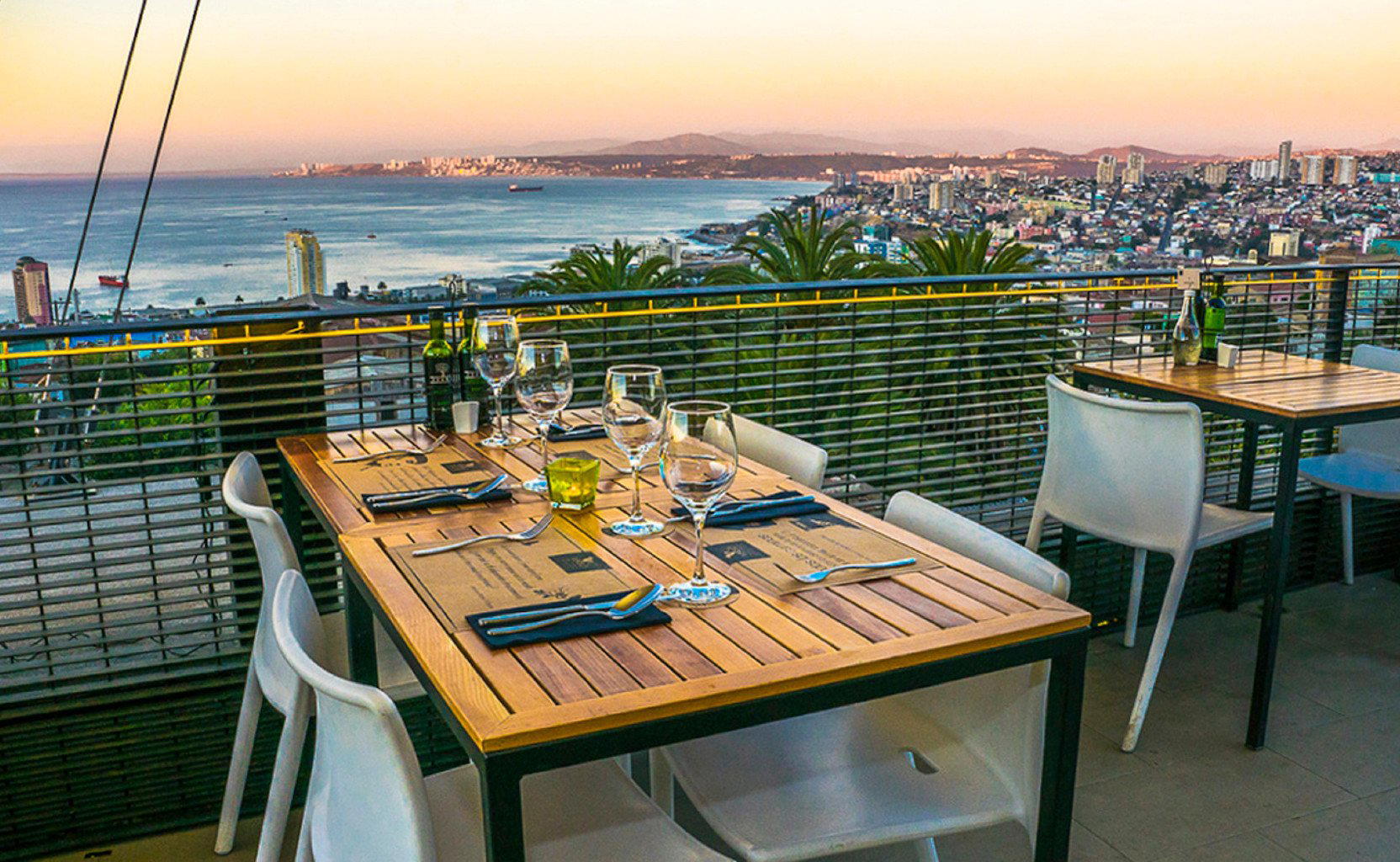
Approaching dining rooms in Valparaiso, the city announces itself before the plate does: steep lanes, painted facades, historic architecture, and the Pacific sitting below the hills rather than politely in the background. That setting matters in Valparaiso. Restaurants here inherit a port-city logic, where local produce, coastal influence, and Chile’s central valleys are never abstract talking points; they are part of the geography immediately around the table.
Alegre fits that Valparaiso context more than the formal destination-restaurant model. The available public markers identify Alegre in Valparaiso, but they do not support a chef-led tasting-counter narrative, a detailed awards-circuit story, or a published luxury price tier. That changes how to read it. In Valparaiso, the sharper question is often not whether a room competes with Santiago’s capital-city dining rooms, but whether it understands the city’s setting and slower rhythm.
Valparaiso dining is shaped by the port, not by formality
Valparaiso’s food identity has always been less polished than Santiago’s and more physically tied to trade, weather, and the coast. The city’s historic character gives the urban fabric a cultural weight that affects dining expectations: visitors come for street-level character as much as for a plate-by-plate performance. In Valparaiso, restaurants work within that tension, serving travellers who want a sense of place without turning the meal into a museum piece.
That is where Alegre is easier to place. It sits in the same broad city conversation as La Concepción, La Caperucita y el Lobo, Pais Restaurant, and Pasta e Vino Ristorante: addresses that help define how Valparaiso feeds visitors moving between viewpoints, galleries, hotels, and the waterfront. The comparison is useful because the city’s restaurant scene is compact. A meal here is rarely isolated from the route that brings someone through the city.
The ingredient question is therefore regional before it is stylistic. Valparaiso has access to coastal markets, produce from the central zone, and wines from nearby valleys, giving a broader view of the coastal-valley relationship. Without a published menu or named sourcing program, it would be careless to assign specific suppliers or dishes to Alegre. The stronger point is that any serious reading of a Valparaiso table starts with proximity: ocean, city, market routes, and cool-climate wine country.
The useful comparison is city texture, not trophy dining
Chile’s high-profile restaurant conversation often defaults to Santiago, where tasting menus, chef biographies, and national rankings carry more of the public narrative. Valparaiso asks for a different filter. The city rewards restaurants that feel anchored to the streets around them, especially where a polished room can feel out of register if it ignores the city’s rougher edges.
For travellers building a wider Chile itinerary, Alegre should be read alongside the country’s range rather than forced into a single hierarchy. Capital-city dining can lean urban, specialised, or coastal in different ways, while regional addresses underline how geography changes the table across Chile. Valparaiso’s advantage is not scale; it is the concentration of port character, city texture, and wine-country access in one compact urban experience.
International comparisons are less direct but still revealing. Other dining cultures may work through very different formats, yet they point to the same editorial lesson: format matters less than whether a place makes sense in its own city. In Valparaiso, that means unhurried pacing, daylight shifts over the bay, and menus that should feel connected to the coast rather than imported from a capital-city template.
How to fit it into a Valparaiso itinerary
Alegre makes the most sense as part of a Valparaiso day, not as a standalone detour across town. Pair the meal with the city’s historic lifts, street art routes, small galleries, or a local hotel stay, then let the restaurant serve as an anchor rather than the entire plan. For broader planning, use the city guides to connect the meal with adjacent categories: Valparaiso restaurants, Valparaiso hotels, Valparaiso bars, Valparaiso wineries, and Valparaiso experiences.
The editorial verdict is restrained by the public facts. The provided record identifies Alegre in Valparaiso, but it does not supply a published chef credit, detailed price band, or enough specific recognition detail to build a trophy-dining case. That is not a weakness in Valparaiso if expectations are set correctly. Go for a restaurant in a city where provenance is measured by proximity to the Pacific and the central valleys, not by the theatre of a formal tasting menu.
Frequently asked questions
Would Alegre be comfortable with kids?
The Valparaiso setting points to a city restaurant rather than a formal dining room, which usually makes early seating more manageable for families. Valparaiso is better suited to unhurried meals than to rigid service.
How would you describe the vibe at Alegre?
Expect a Valparaiso address, which usually means a city-driven atmosphere shaped by the wider port setting rather than polished city-center formality. The surroundings matter as much as the room itself.
What's the address for Alegre?
Valparaiso.
Do I need a reservation for Alegre?
A reservation is the safer move for a Valparaiso restaurant, especially if the meal is planned for evening hours. Restaurants in the city tend to reward planning because seating can be limited.
What do critics highlight about Alegre?
Critics are likely to focus on Alegre’s placement in Valparaiso, because in this city the setting frames the experience. The port-city context matters as much as the room itself when the city’s dining conversation turns to place.
Can Alegre handle vegetarian requests?
Vegetarian requests are usually manageable when they are raised in advance, especially at a restaurant in Valparaiso. The city setting gives enough context to expect a kitchen that may be able to adapt around a seated meal.
Quick Comparison
Comparable venues by cuisine and price in the same metro.
| Venue | Cuisine | Price |
|---|---|---|
| AlegreThis venue (the venue you are viewing) | Modern Chilean-influenced fine dining tasting menu | $50–100 |
| Pais Restaurant | Modern port-inspired Chilean fusion | Not listed |
| Pasta e Vino Ristorante | Italian Pasta Ristorante | Not listed |
| La Concepción | Chilean Seafood & Mediterranean | $30–50 |
| La Caperucita y el Lobo | Seafood Fusion with Chilean Influences | $30–50 |
Continue exploring
More in Valparaiso
Restaurants in Valparaiso
All restaurants in Valparaiso →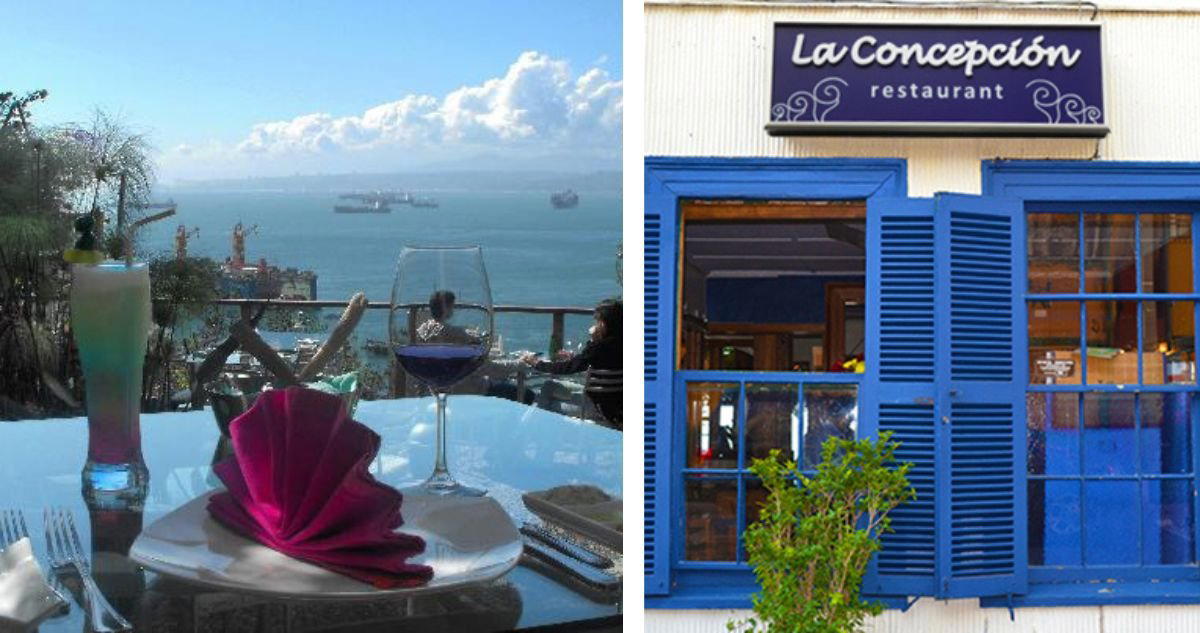
Hotels in Valparaiso
All hotels in Valparaiso →
Details
- Elegant
- Romantic
- Scenic
- Sophisticated
- Classic
- Date Night
- Special Occasion
- Business Dinner
- Celebration
- Waterfront
- Panoramic View
- Historic Building
- Design Destination
- Hotel Restaurant
- Extensive Wine List
- Waterfront
- Skyline
- Tasting Menu
- A La Carte
- Wine
Refined hotel-restaurant setting with a calm, almost hushed dining room and views over the colorful hills and harbor, combining classic architecture with contemporary fine-dining presentation.