
Falstaff Winery - Listed
Ca' Nova gives Alto Piemonte a quieter frame than the region’s better-known Nebbiolo corridors: a small family estate in Bogogno where morainic soils, iron-rich acidity and Monte Rosa’s climatic influence shape the wines. The experience is intimate and terroir-led, with guided tastings, vineyard and cellar context, and a 17th-century farmhouse setting tied closely to the land around Golf Bogogno.

Pearl is the En Primeur Club membership app — saves, bookings, and concierge access live there. Same editors, same standards.
- Address
- Bogogno, Piedmont, Italien
- Directions
- Get directions
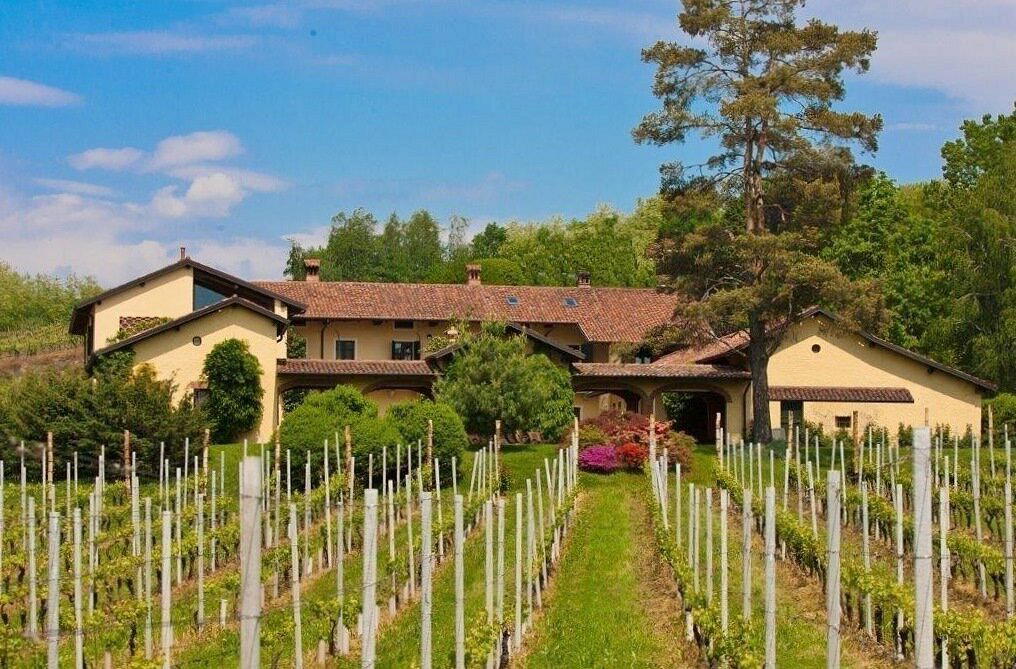
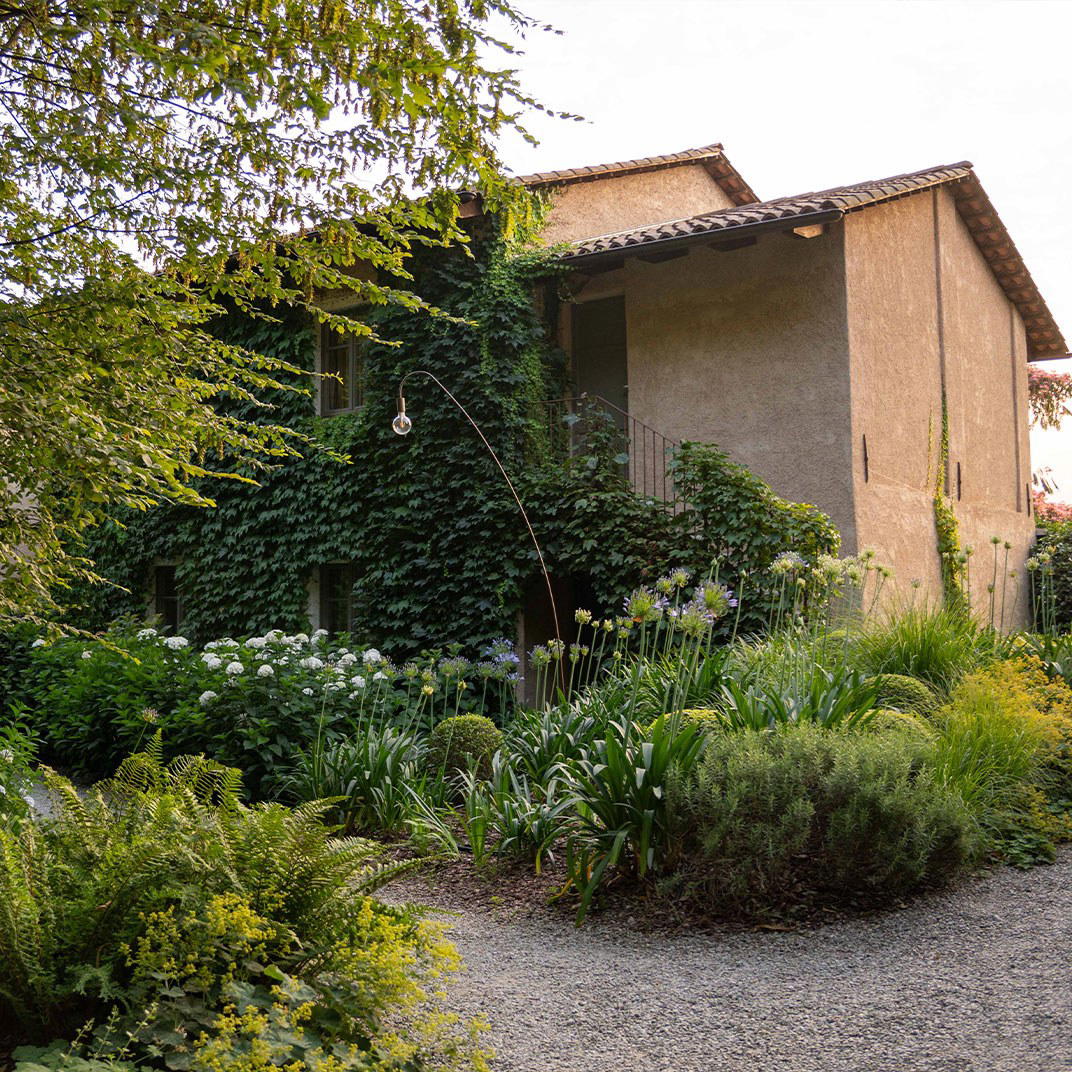
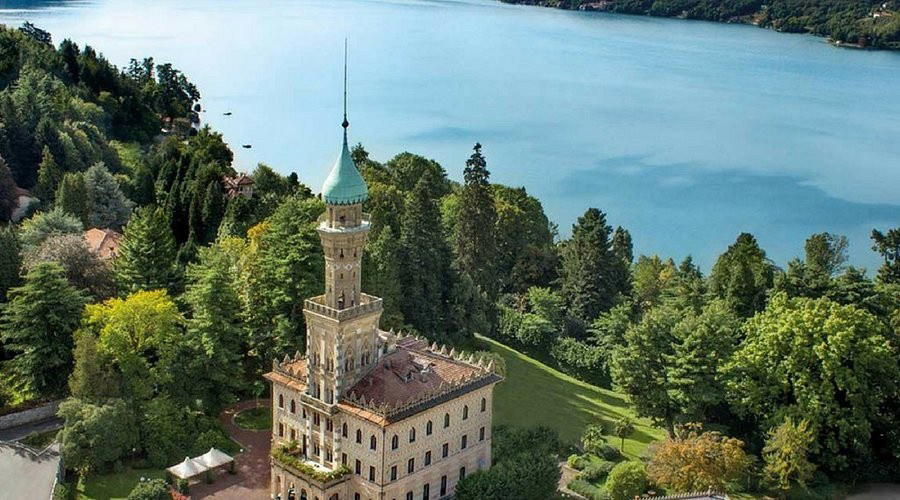
Approaching Ca' Nova, the first impression is not cellar-door spectacle but scale: vineyard rows, golf greens, estate grounds and a 17th-century farmhouse set into the quieter side of Bogogno. Alto Piemonte often rewards this kind of setting. Its wines are less about breadth and polish than about altitude, acidity, mineral tension and the long afterlife of Nebbiolo grown north of the Langhe.
That regional context matters. Alto Piemonte sits on a different geological register from much of southern Piedmont, with morainic deposits, ancient volcanic material from the Valsesia supervolcano and the cooling influence of Monte Rosa shaping how Nebbiolo behaves. In Bogogno, Ca' Nova works within that language: small-scale production, estate-grown fruit, and a focus on wines that read through soil structure rather than cellar theatrics.
Alto Piemonte Nebbiolo, read through iron-rich morainic soils
Nebbiolo is often discussed through perfume, tannin and age, but in Alto Piemonte the soil conversation is harder to avoid. The San Quirico vineyard sits on a south-facing morainic slope with acidic, iron-rich ground, a combination associated here with mineral drive and longevity. That makes the estate’s Nebbiolo less a generic regional calling card than a study in how northern Piedmont can produce wines with firmness, lift and restraint.
The portfolio is built around that idea. San Quirico and Ghemme anchor the more traditional side of the range, while Jad’or and Jad’or Rosè broaden the estate’s still-wine expression without moving the story away from place. The emphasis remains on Nebbiolo and Alto Piemonte structure rather than fashion-led varietal breadth. For readers mapping Italy through wine regions rather than cities, our full Bogogno wineries guide places this address in the local frame, while broader Italian producers such as 3GP SRL in Treviso, 47 Anno Domini in Trebaseleghe, A Mano Wine in Noci and a6mani in Fragagnano show how varied Italy’s regional cellar-door culture becomes once the itinerary leaves the obvious lanes.
The estate dates to 1996, and its family-run character is more than a soft-focus hospitality note. Vittorio and Giada Codecasa are tied to the winemaking identity, with Giada also central to the tasting format. The San Quirico vineyard carries an unusually collective history, with 14 owners of individual rows contributing to the restored vineyard story. In practical wine terms, that detail matters because it points to a patchwork agricultural inheritance rather than a single expansionist estate model.
A farmhouse tasting format built around place, not performance
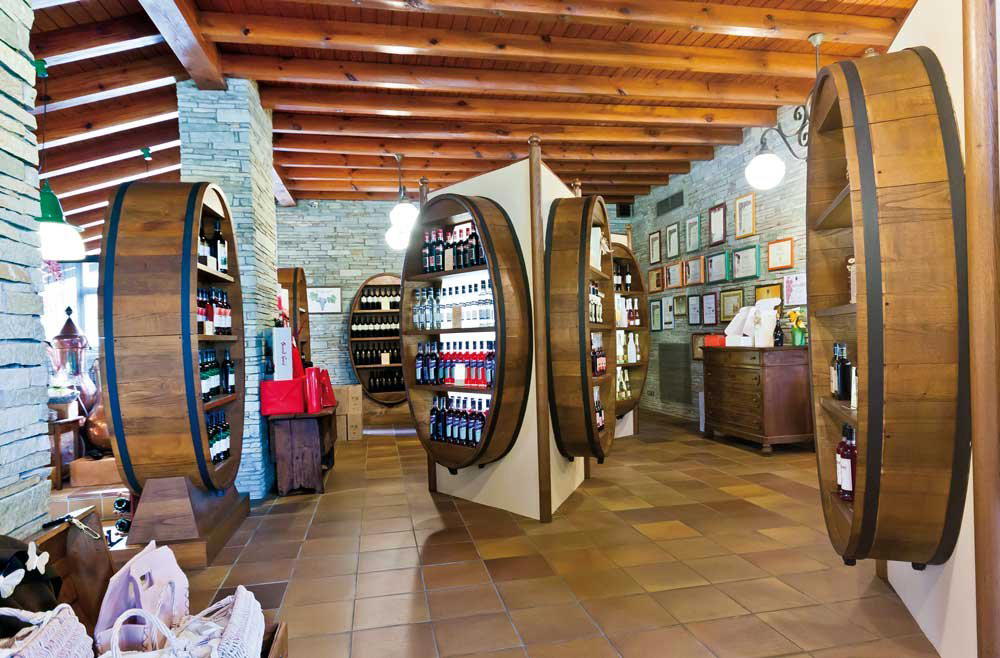
Premium winery visits now split between highly produced hospitality and more compact, owner-led formats. Ca' Nova belongs to the second camp. Tastings are guided, often with vineyard and cellar context, and the setting keeps attention on the estate grounds rather than a designed tasting-room narrative. The farmhouse, vineyard views and quiet atmosphere give the experience a slower rhythm, particularly for guests who want wine education rather than a quick pour-and-purchase stop.
The format includes guided tastings, private tastings, vineyard and cellar tours, and food pairing options. Italian and English are listed for tours, and the atmosphere is casual rather than ceremonial. The estate is also suited to groups, though the capacity tier is small, so the better reason to come is focus: a compact reading of Alto Piemonte geology, Nebbiolo and family-scale production in one place.
Sustainability enters the story through vineyard practice rather than certification language. The estate’s stated philosophy, “Nature as a Choice,” includes avoiding chemical weed killers, a meaningful signal in a region where soil identity is central to the wine. The point is not green branding; it is continuity between farming choices and the mineral, age-capable style the estate wants to express.
There is also a hospitality layer, with Relais Ca Nova offering 8 mini-apartments. That matters for a Bogogno itinerary because the area does not operate like a dense urban wine district. Staying on or near the estate changes the pacing of a visit, especially for travellers combining wine with golf or a wider Alto Piemonte loop. For the non-wine portions of a trip, our full Bogogno hotels guide, our full Bogogno restaurants guide, our full Bogogno bars guide and our full Bogogno experiences guide help round out the stay without treating the winery as a stand-alone detour.
Who should build a detour around it
This is the right stop for travellers who already understand that Piedmont is not a single Nebbiolo story. Langhe gives one version of the grape’s authority; Alto Piemonte gives another, with cooler-climate structure, acidity and a geological imprint that can feel more austere on first encounter. Ca' Nova’s value lies in making that difference legible through a small estate rather than a tasting built around labels alone.
It is less suited to visitors chasing trophy recognition or a crowded tasting-room scene. The stronger case is educational: a 1996 family estate, a restored historic vineyard, 20 acres of vineage, a 17th-century farmhouse, sustainable viticulture and a tasting format that keeps the conversation close to soil, exposure and Nebbiolo’s northern expression. For a broader Italian wine itinerary, contrast the experience with estates such as Abbadia Ardenga in Torrenieri, Abbazia di Crapolla in Neapel, Abbazia Monte Oliveto in Asciano and Abbazia Santa Anastasia in Castelbuono, where regional identity follows different grapes, climates and visitor rituals.
The editorial read is simple: Ca' Nova is compelling when treated as a lens on Alto Piemonte, not as a luxury checklist. Its appeal is in the controlled scale, the vineyard-first conversation and the way Bogogno’s quieter setting lets Nebbiolo’s northern character take the lead. Travellers extending the comparison beyond Italy can also look to »der Steiner« Hans Steiner in Podersdorf am See and & Handwein in Mannheim for a wider view of small European wine addresses shaped by place rather than volume.
Recognition history
Dated appearances from independent guides and award organizations, with the underlying list record or original source where available.
Falstaff Winery - Listed
Falstaff
Continue exploring
More in Bogogno
Wineries in Bogogno
Browse all →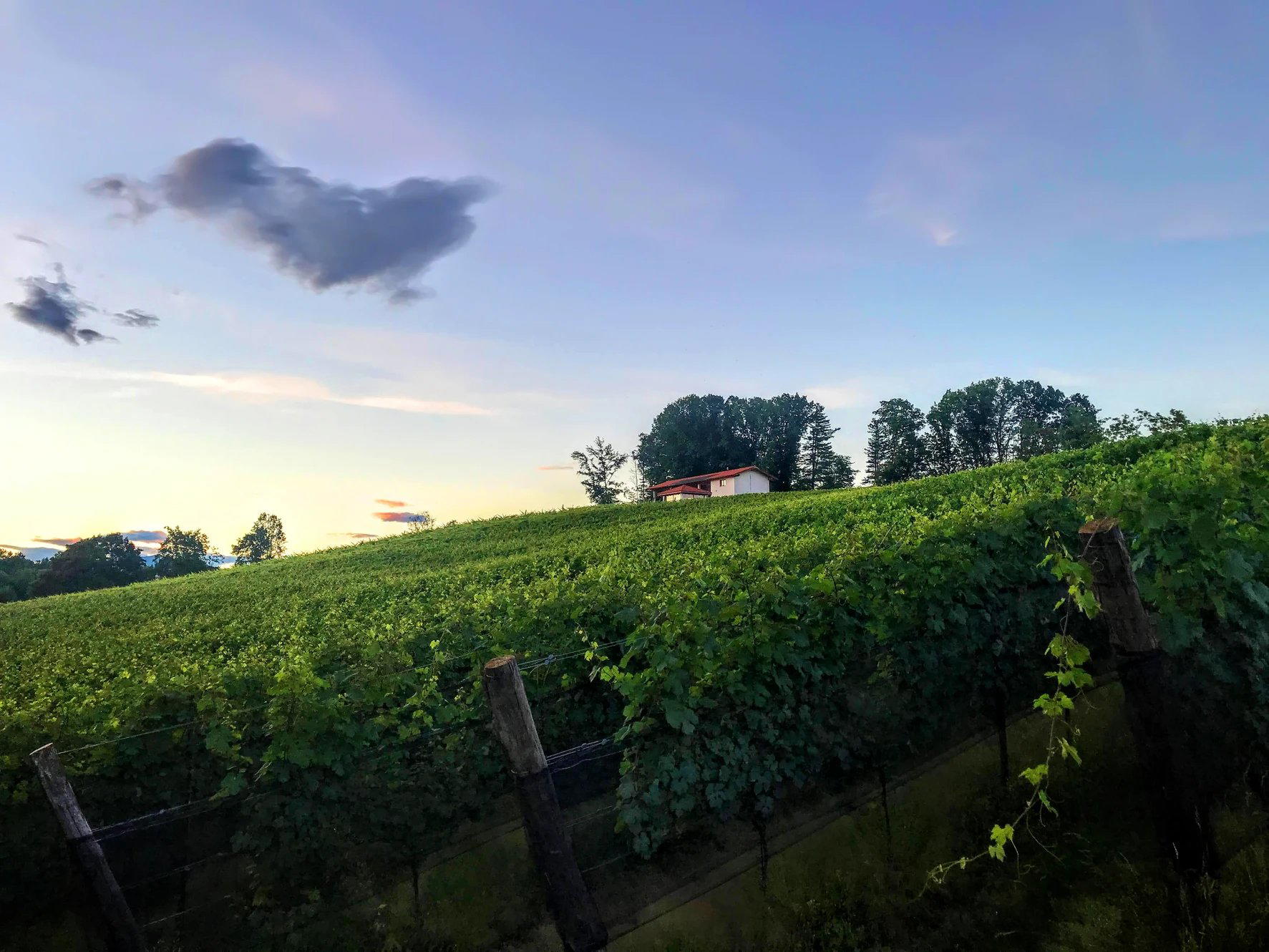
Bars in Bogogno
Browse all →


Restaurants in Bogogno
Browse all →
Details
- Scenic
- Rustic
- Elegant
- Intimate
- Classic
- Romantic Getaway
- Group Outing
- Special Occasion
- Wine Education
- Solo Exploration
- Vineyard Tour
- Estate Grounds
- Historic Building
- Private Tasting
- Panoramic View
- Sustainable
- Vineyard
- Garden
- Nebbiolo
- Still Red
- Still Rosé
- Still White
- Guided Tasting
- Vineyard And Cellar Tour
- Private Tasting
- Food Pairing
- Italian
- English
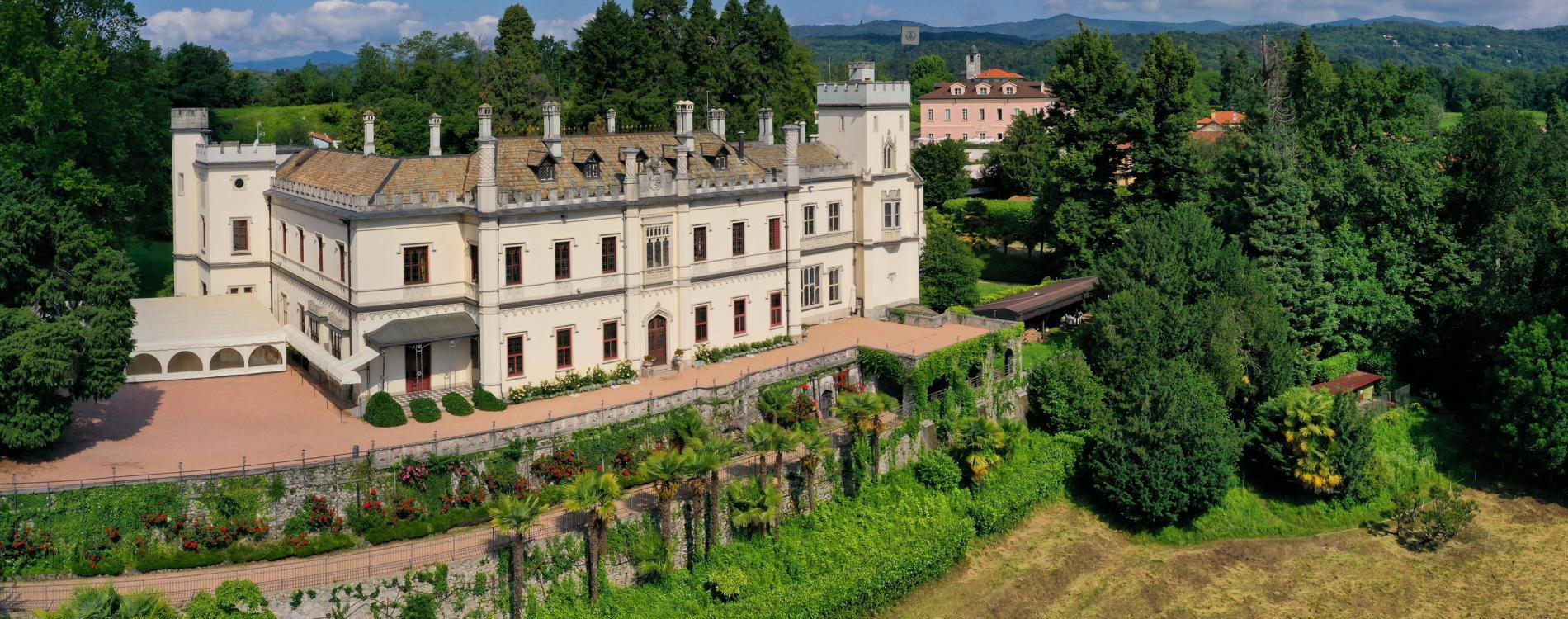
Elegant yet welcoming atmosphere in a historic 17th‑century farmhouse surrounded by vineyards and golf greens, offering a quiet, intimate setting where personalized tastings are led by the owner Giada.