
Bosco Viticultori is a large cooperative winery and bottling hub in Salgareda, rooted in Eastern Veneto’s Prosecco culture and built for scale rather than estate-theatre intimacy. Established in 1948, it works across sparkling, still white and red wines, with Glera, Pinot Grigio, Merlot, Cabernet and Montepulciano in the frame, supported by sustainability certifications and high-volume production technology.
Pearl is the En Primeur Club membership app — saves, bookings, and concierge access live there. Same editors, same standards.
- Address
- Salgareda, Veneto, Italien
- Directions
- Get directions
 Saves & bookings on Pearl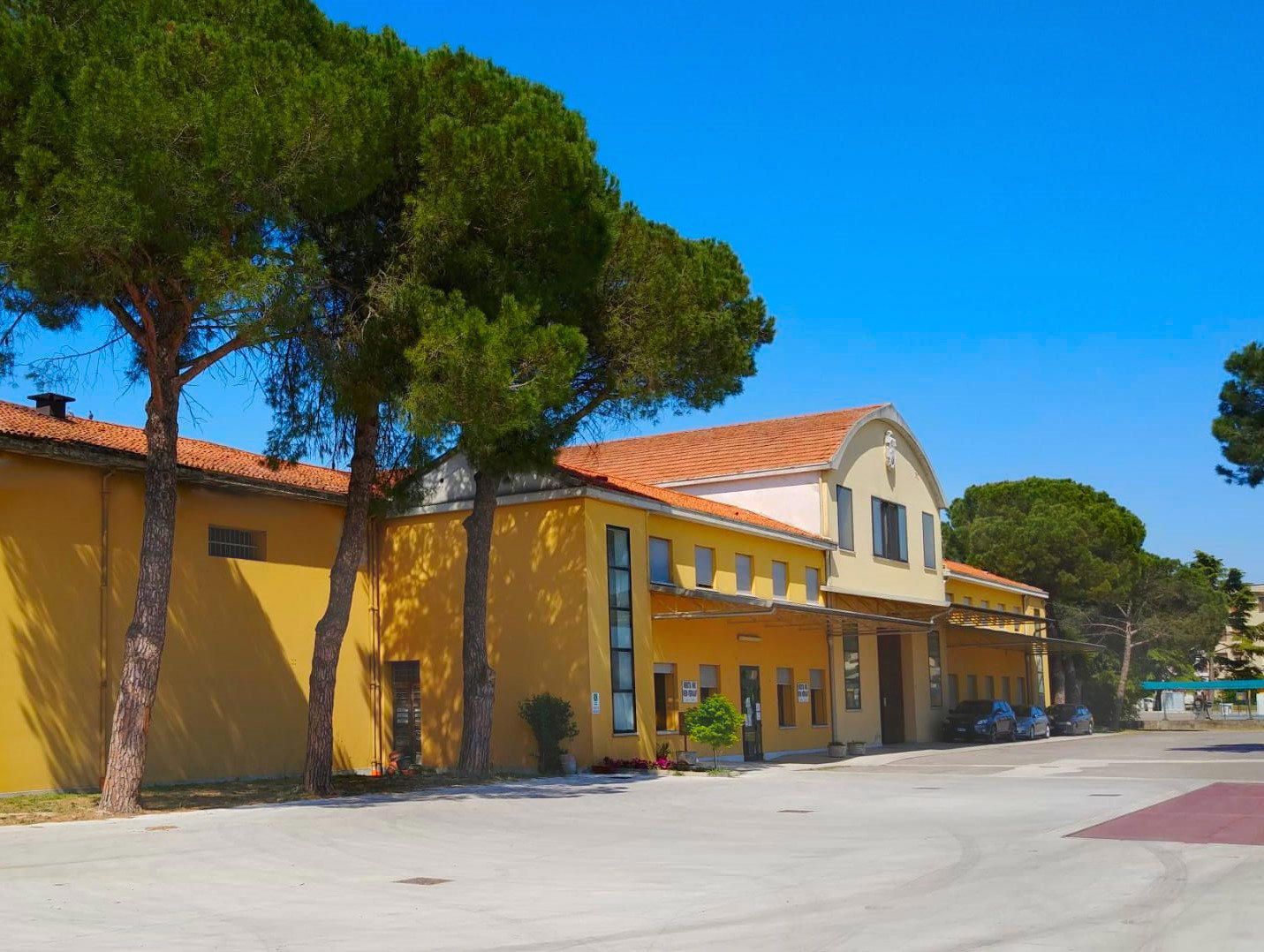
Approaching Bosco Viticultori means reading Eastern Veneto through infrastructure rather than romance: bottling lines, autoclaves, cooperative scale and the practical architecture of a region that sends sparkling wine far beyond its vineyards. This is not the small cellar-door fantasy of a family estate with a few barrels in view. The atmosphere is modern and industrial, quieter than its production volume suggests, with the story carried by process, grape supply and the long commercial life of Prosecco culture around Salgareda.
That matters because Veneto’s wine identity is often flattened into a single glass of aperitivo fizz. In Salgareda, within the Marca Trevigiana and between the Treviso hills and the Adriatic influence, the more useful lens is agricultural coordination: growers, cooperative structure, temperature control and a production model designed to keep freshness consistent across large volumes. Bosco Viticultori, founded in 1948, belongs to that tradition. Its connection to Vi.V.O. Cantine Group places it inside a broader cooperative system of more than 2,000 members and 6,000 hectares of vineyards, a scale that changes the critical question from scarcity to discipline.
Eastern Veneto terroir expressed through scale, not scarcity
In premium wine writing, terroir is often treated as a synonym for tiny production. Eastern Veneto complicates that habit. The area’s value lies partly in repeatability: Glera for Prosecco, Pinot Grigio for clean white-wine demand, and regional reds such as Merlot, Cabernet and Montepulciano all sit inside a climate where warmth, humidity and Adriatic proximity support generous yields. The challenge is not only growing fruit; it is protecting aroma, acidity and clarity once production moves into commercial volume.
Bosco Viticultori’s technical setup gives the clearest reading of that approach. The winery works with two bottling lines, a keg line and 85 autoclaves, with output above 40,000 hectoliters of sparkling wine and more than 35 million bottles annually. Those figures put it firmly in the large-producer category, where temperature-controlled fermentation and bottling precision become as important as vineyard postcard appeal. For drinkers used to boutique tasting rooms, this is a different kind of authorship: less about a single parcel, more about translating a regional style at scale.
The portfolio follows that logic. Sparkling wines anchor the range, especially Prosecco DOC and DOCG styles built around Glera, while still whites and reds broaden the house beyond the aperitivo category. Bosco dei Cirmioli Prosecco DOC Extra Dry, Prosecco DOC Rosé Extra Dry, Pinot Grigio DOC, Merlot Venezia DOC and Cabernet IGT Veneto all point to the same commercial fact: Eastern Veneto is both a place of wine tradition and a production engine. The Pra dei Dogi range adds a sustainability-led signal rather than a rarity-led one.
Cooperative winemaking with a sustainability paper trail
The cooperative model is the key to understanding the wines here. It is not a side note; it defines the sourcing, consistency and market reach. Vi.V.O. Cantine Group gives access to a wide vineyard base across the Treviso and Venice areas, which supports both still and sparkling production without forcing the estate-vineyard narrative that fits less naturally here. Technical oversight sits with enologists including Gabriele Lorenzon and Chiara Menegaldo at the Casa Vinicola Bosco Malera bottling hub, a credential that matters because this is production-led winemaking.
Sustainability is also unusually visible for a winery of this scale. The company is tied to SQNPI, VIVA and Organic certifications, alongside BRC and IFS quality and food-safety standards. In practical terms, that moves the conversation beyond soft green language into traceable systems: resource use, agricultural practice, environmental impact assessment and production control. Since 2016, the wider group has emphasized an ecologically sound supply chain, with attention to renewable energy, water management and reduced environmental pressure. In a high-volume Prosecco context, those systems carry more weight than pastoral imagery.
Recognition here is less about trophy-cabinet drama and more about trade presence and distribution. The winery participates in major wine-industry events including Wine Paris, ProWein and Vinexpo Asia, and roughly 65 percent of sales are directed to foreign markets. That international footprint says something precise: this is a Veneto producer built for export channels, private-label or customized bottling demands, and consistent supply, not a cult allocation model.
How to place it within a Salgareda wine itinerary
For travelers, the fit is selective. The winery works better for wine education, trade interest or a corporate-format visit than for anyone seeking a slow afternoon of vineyard leisure. Visits are appointment only, and the facility’s character is that of a large industrial winery and bottling hub rather than a hospitality estate. On-site parking is part of the practical setup, but the experience should be framed around production, cooperative agriculture and the mechanics of sparkling-wine consistency.
That makes it a useful counterpoint to the way wine tourism often edits out scale. Salgareda sits in a region where Prosecco’s global success depends on precisely these back-end systems: growers, tanks, autoclaves, quality controls and bottling capacity. Readers building a wider local plan can place the winery alongside Our full Salgareda wineries guide, then cross-check dining, hotels, bars and activities through Our full Salgareda restaurants guide, Our full Salgareda hotels guide, Our full Salgareda bars guide and Our full Salgareda experiences guide.
For a broader Italian and European winery reading list, EP Club also tracks producers including 3GP SRL in Treviso, 47 Anno Domini in Trebaseleghe, A Mano Wine in Noci, a6mani in Fragagnano, Abbadia Ardenga in Torrenieri, Abbazia di Crapolla in Neapel, Abbazia Monte Oliveto in Asciano, Abbazia Santa Anastasia in Castelbuono, »der Steiner« Hans Steiner in Podersdorf am See and & Handwein in Mannheim.
The editorial case for the winery is not intimacy. It is the rare chance to consider Eastern Veneto wine through the machinery that makes regional style legible at international scale. For Prosecco drinkers who want to understand how land, cooperative agriculture and technology meet in the bottle, that is the point.
Recognition history
Dated appearances from independent guides and award organizations, with the underlying list record or original source where available.
Falstaff Winery - Listed
Falstaff
Continue exploring
More in Salgareda
Wineries in Salgareda
Browse all →
Bars in Salgareda
Browse all →
Restaurants in Salgareda
Browse all →

At a Glance
- Modern
- Industrial
- Well Known
- Wine Education
- Corporate Event
- Sustainable
- Veneto IGT
- Pinot Grigio
- Montepulciano
- Glera (prosecco)
- Cabernet
- Merlot
- Sparkling
- Still White
- Still Red
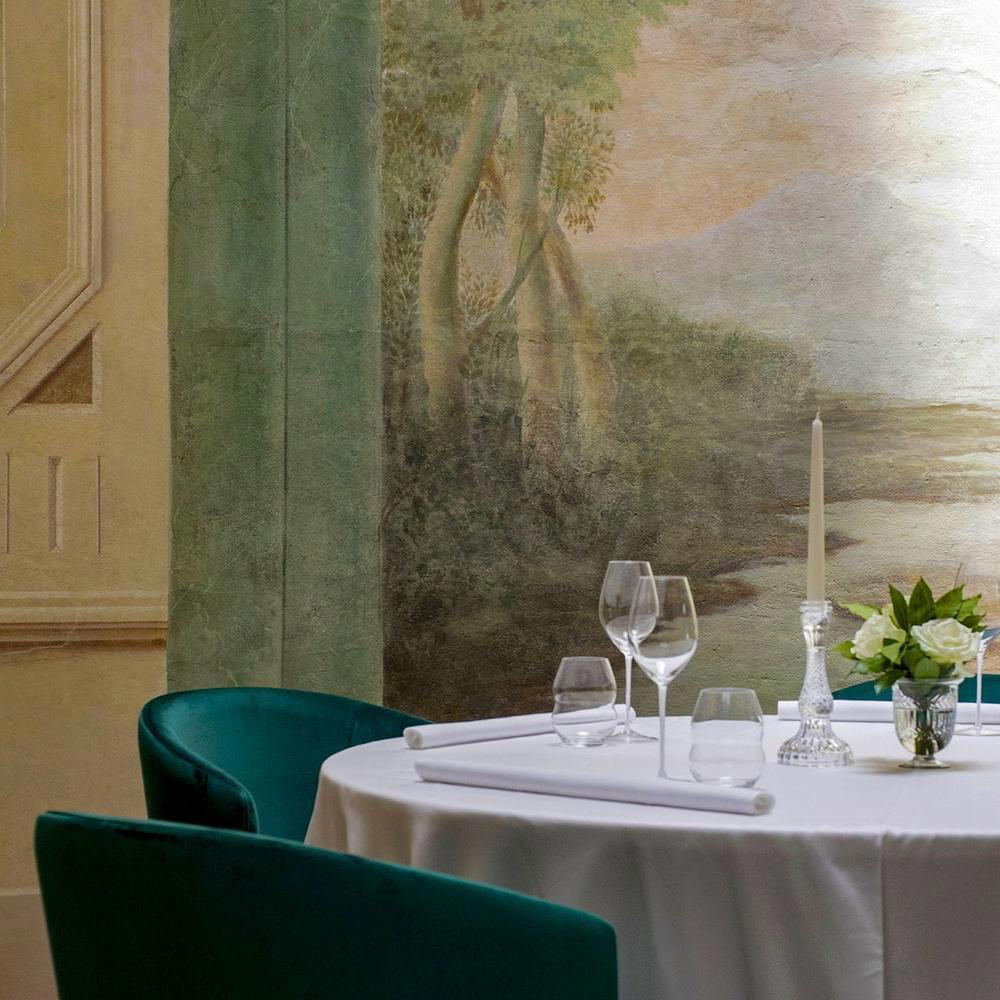
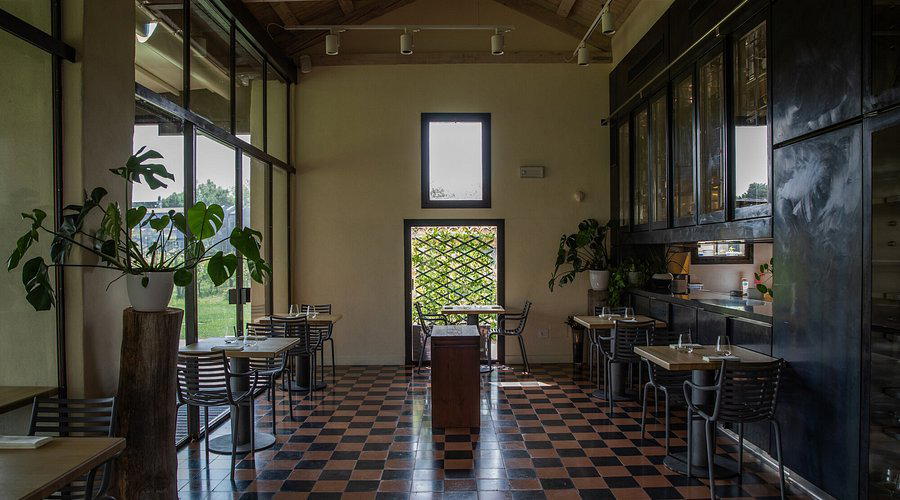
Industrial-scale yet rooted in tradition, Bosco Viticultori presents as a modern, technology-driven winery focused on efficient production and bottling, with an atmosphere centered on winemaking heritage and innovation rather than intimate estate tourism.